


Login
Get Instant Pricing On 23,000+ Aircraft

>
.avif)
A recent study from the University of Reading in England found that turbulence is getting worse due to climate change. According to the research, clear-air turbulence in the North Atlantic, one of the busiest airspace, has increased by 55% since 1979. That's raised new questions among travelers, especially those flying privately. A common concern we hear at Jettly is: do private jets have more turbulence?
The short answer here is no, as private jets often offer a smoother ride thanks to their ability to fly at higher altitudes and change course more flexibly than commercial planes.
In this post, we'll explain what turbulence is, why it happens, how it affects private jets, and what pilots and passengers can do to stay comfortable. If you're thinking about flying private, or already do, here's everything you need to know to feel confident about your next trip. Let's get started with these jet turbulence insights.
In simple words, turbulence is the irregular movement of air that causes sudden shifts in an aircraft's altitude or direction. It can feel like bumps, jolts, or shaking during a flight.
While commercial flight turbulence can be uncomfortable, it's usually not dangerous. Planes are built to handle it, and pilots are trained to manage it. Still, understanding what causes turbulence can help passengers feel more at ease, especially when flying through changing weather conditions.
There are several types of turbulence, but they all involve unstable air currents. One of the most common causes is atmospheric pressure changes, especially when a plane moves from one air mass to another. Weather conditions like storms or strong winds can also lead to turbulence.
Another major factor is jet streams, which are narrow bands of strong winds found at high altitudes. When a plane flies through or near a jet stream, the wind speed differences can cause the aircraft to shake or shift slightly.
Clear-air turbulence is one type that's getting more attention today. It occurs at high altitudes in cloudless skies, often near jet streams. Since it's not visible on radar, it's harder to predict, making it one of the most surprising forms for both pilots and passengers. This type is also expected to become more common as global temperatures rise.
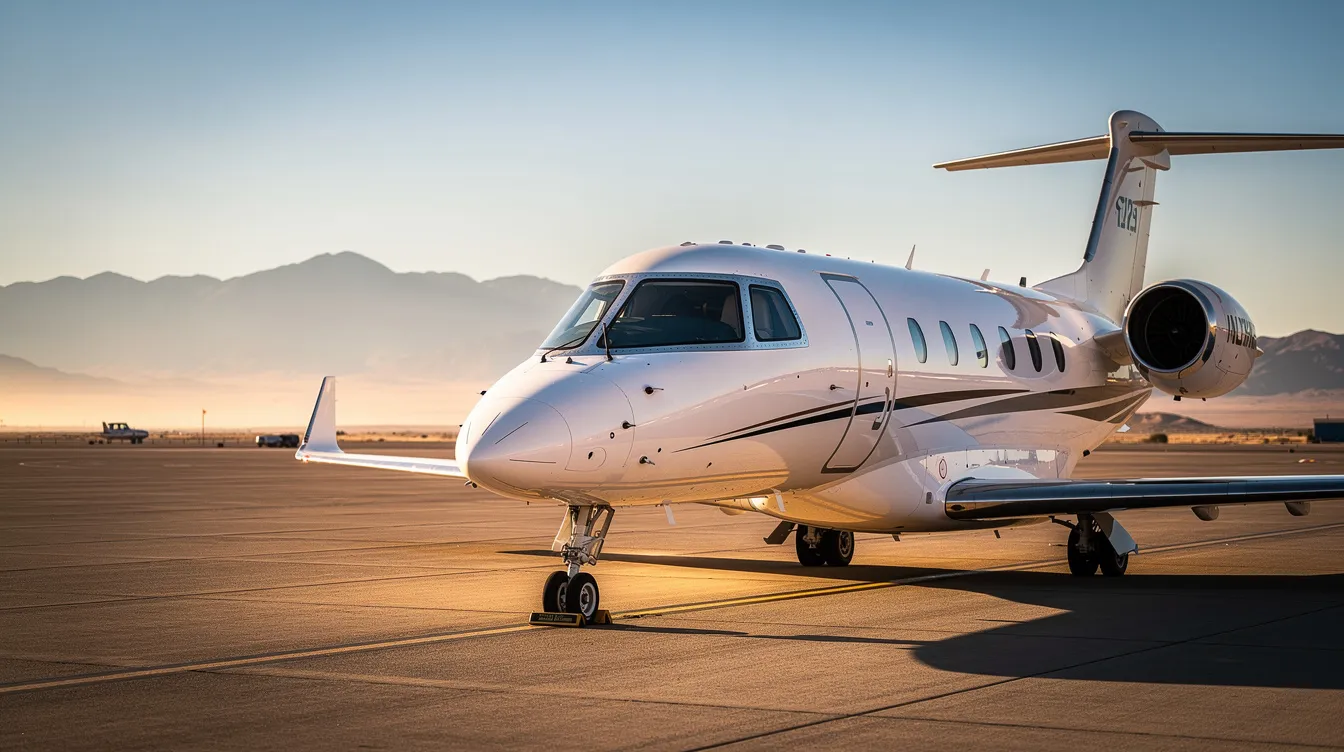
For commercial flights, turbulence often means sticking to a fixed route, with limited ability to avoid rough patches. That's not the case for private jets. Smaller aircraft can climb to higher altitudes, often above the commercial flight level, where the air is smoother.
They're also more flexible with routes, allowing pilots to navigate around storm systems or jet streams. This is one reason why passengers asking do private jets have more turbulence are often surprised to learn that private flights can feel more stable.
Even when turbulence is present, pilots of private jets often adjust the flight path quickly, thanks to fewer scheduling constraints and faster communication with air traffic control.
Cabin experience also plays a role. With fewer passengers and a more personal setting, the experience feels less chaotic than on a packed commercial flight. That combination of flexibility and control helps keep turbulence to a minimum when flying private.
Turbulence is something all aircraft can encounter, but private jets are better positioned to handle it. Thanks to their flexibility, altitude capabilities, and personalized flight routes, private jets often avoid the worst of the rough air. That translates to a more comfortable experience for passengers.
Private jets usually cruise at higher altitudes than commercial airliners. While most commercial flights stay around 35,000 feet, private jets can climb to 40,000 feet or even higher.
As noted above, this matters because air tends to be calmer the higher you go. If weather conditions are causing disturbances at standard cruising levels, private jets can often rise above them.
This ability to fly higher also means fewer aircraft nearby, which gives pilots more freedom to adjust their flight paths without delay. The smoother air and lower traffic at higher altitudes help reduce the chances of a bumpy ride.
Another benefit is route flexibility. Commercial airlines must stick to designated routes and schedules, even if that means flying through unstable weather.
Private jet pilots have far more control. If turbulence is forecasted along one path, they can simply change course. They also receive detailed, real-time updates from their operations team and weather services.
Because they aren't locked into fixed flight plans, private jets can avoid known trouble spots. They can also take off or land at alternate times or from alternate airports if conditions call for it. This freedom to adapt can make a big difference in flight quality.
Even when some turbulence can't be avoided, the private jet environment makes it easier to handle. The cabin is quieter and less crowded. Seating is more spacious. Without the usual distractions of commercial travel, such as overhead announcements, service carts, and rows of passengers, any disturbance feels far less overwhelming.
Passengers on private jets also benefit from the presence of attentive crew members who can offer reassurance and adjust in-flight service as needed. The experience is more controlled and personal, which helps ease any nerves caused by shaking or bumps.
Overall, private jets offer several built-in advantages when it comes to handling turbulence. From better altitude options to smoother routes and a more peaceful cabin, the difference in comfort is clear.
Even on a private jet, there are simple things you can do to make your flight more comfortable during turbulence.
First, you should buckle your seatbelt whenever you're seated. This keeps you safe if the aircraft encounters unexpected movement. It's also a good idea to stay seated during rougher patches, even if the seatbelt sign is off.
You should also choose your seat wisely. The smoothest part of the cabin is usually near the wings, though on many private jets, the overall difference is minimal. Still, avoiding the rear can sometimes help.
It's best to lack light and store bags securely; loose items can shift if the plane shakes, so make sure everything is tucked away.
Lastly, try to relax - you can bring headphones, read a book, or listen to music. Staying calm helps ease nerves during minor bumps in the air. With a few simple habits, you can enjoy a smoother and more enjoyable private jet experience.
Here at Jettly, we work with operators that provide access to some of the most modern aircraft in private aviation. These jets are designed with the latest in engineering and onboard systems to reduce the effects of turbulence.
Advanced autopilot features, better wing designs, and responsive navigation tools help pilots make smoother adjustments in flight. Some aircraft even include turbulence-dampening systems, which further minimize bumps and vibrations.
This technology means less noticeable movement for passengers and a more relaxing ride overall, even on longer trips or when crossing weather fronts.
Every flight through Jettly is handled by a highly qualified pilot with the experience needed to navigate various conditions. These pilots are trained to anticipate and respond to turbulence using best practices. Their knowledge allows them to:
They also receive up-to-date weather reports throughout the flight, helping them make informed decisions in real time. Safety is always the first priority, and that includes ensuring the smoothest possible experience for everyone on board.
One of the biggest advantages of flying private is the level of customization. Jettly's platform allows travelers to select aircraft, departure times, and even routes based on personal preference. This flexibility also helps avoid areas known for rough air, whenever possible.
If a smoother flight is a top priority, Jettly's team can factor that into the planning. Our concierge team works closely with clients to recommend the best options for weather conditions, timing, and comfort.
From the moment you book, the goal is to match you with a flight that fits your comfort level.
The service doesn't stop at takeoff. Jettly's customer support is available before, during, and after your trip to ensure every detail is right. Onboard, you can expect quiet cabins, comfortable seating, and a relaxing environment tailored to your needs.
From climate control to catering, each aspect of the flight is focused on helping you feel at ease. Even during unexpected changes in weather, our team is ready to assist and adjust plans if needed.
So, in summary, the question of do private jets have more turbulence is often asked, but the answer is no. In fact, private jets are equipped with advanced technology and operated by skilled pilots to minimize private jet turbulence and ensure a smoother ride.
Your flying experience with Jettly is designed for maximum comfort, from personalized planning to superior in-flight service. Book your next flight with us and experience the difference for yourself.
Share this post:
Justin Crabbe
May 7, 2025
|
5 minutes
min read
Discover tips and trends in the industry.
5
min read
Private Jet Oakland to Las Vegas: Charter Costs, Flight Time & How to Fly Private with Jettly
Chartering a private jet from Oakland to Las Vegas is a swift and convenient option for travelers, with flight times under 90 minutes. Jettly simplifies the booking process, offering access to over 20,000 aircraft and transparent pricing. This route is popular among business and leisure travelers seeking flexibility and comfort, allowing them to bypass crowded terminals and enjoy tailored in-flight experiences.
Read More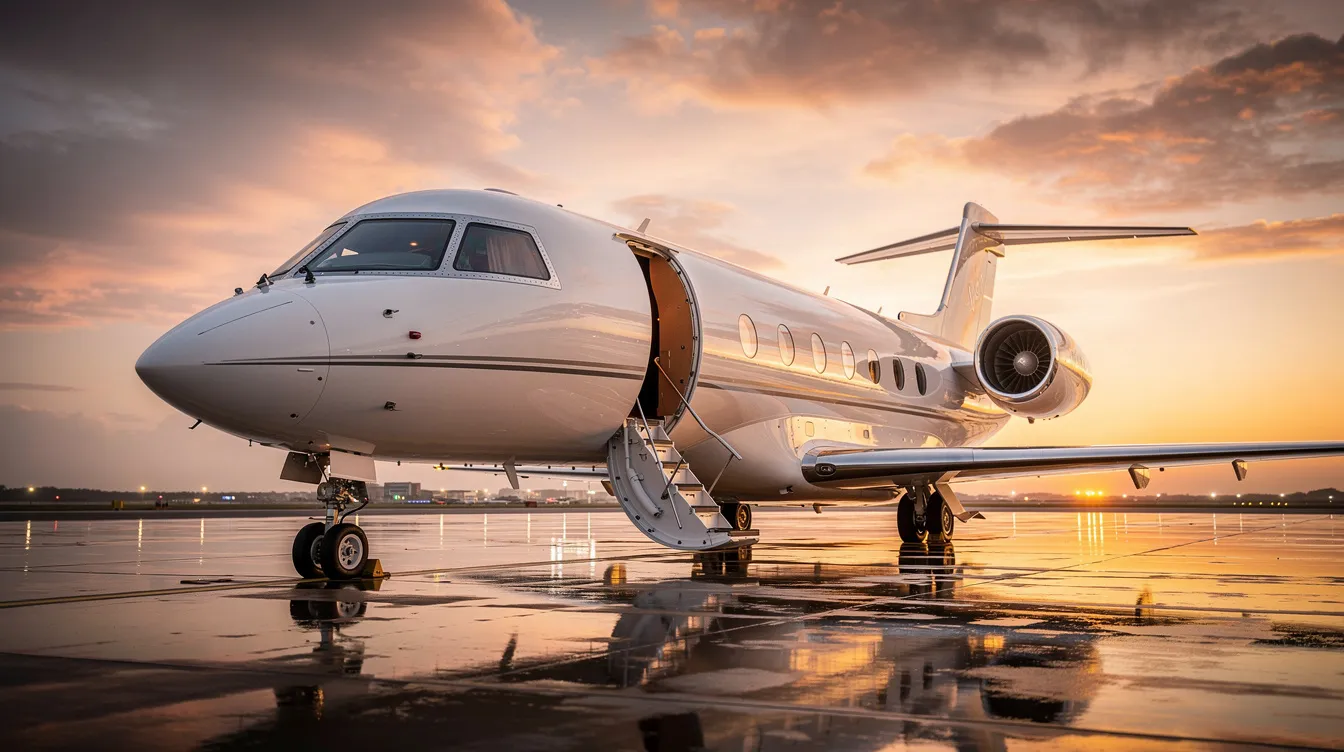
5
min read
Hera Flight vs. Jettly: Smarter Ways to Book Charter Flights and Manage Private Jet Travel
Hera Flight and Jettly offer distinct approaches to private jet travel, catering to different needs and preferences. Hera Flight provides a fleet of 25 aircraft with jet card memberships for guaranteed availability, while Jettly connects users to over 20,000 jets globally through an on-demand marketplace. This comparison helps travelers choose the best option based on their flying frequency and flexibility requirements.
Read MoreStay updated with our latest insights and tips to elevate your journey with us.
MEMBERSHIPS AND ASSOCIATIONS



Disclaimer: Jettly operates as a charter broker, offering access to a global digital jet charter marketplace. Jettly is not a direct air carrier and does not own or operate aircraft. All advertised flights are conducted by third-party air carriers that are fully licensed and hold the appropriate Part 135 or Part 121 certifications issued by the Federal Aviation Administration (FAA) or equivalent regulatory authorities under U.S. or foreign law. Jettly complies fully with the U.S. Department of Transportation's Part 295 and Part 298 Charter Broker regulations. Jettly does not carry additional liability insurance. Passengers are covered by aircraft operator insurance. TICO: 50023770


