


Login
Get Instant Pricing On 23,000+ Aircraft

>

Sean "Diddy" Combs was convicted and sentenced to serve 50 months in prison earlier this year. The disgraced mogul also faces a $500,000 fine.
Yet, just because Diddy, who is worth $400 million, is in jail, it doesn’t mean his assets aren’t making money. Based on an article in The US Sun, his luxurious Gulfstream G550 jet, named LoveAir, is working hard for its owner. Reportedly, the aircraft, managed by a luxury jet rental company, has made about $4 million in eight months. Not bad for an aircraft whose owner can’t currently use it.
To learn more, Jettly connected with a crew who shared fascinating intel about how this industry works. If you’re wondering how Diddy’s jet is still living its best life while he’s not, stay tuned.
You don’t need a 14-seater $60 million private jet like Diddy’s to generate income with your own aircraft. But you do need a plane operated by a licensed air carrier (a Part 135 operator in the U.S., or an equivalent international certification), and you must ensure safety and legal compliance for passenger transport for hire.
Brokers are the intermediaries between your licensed aircraft and passengers. The listing process is usually straightforward, and once vetted by the platform, the plane will appear as available and will soon start generating income without any supervision on your side.
This is most likely what happened with Diddy’s Gulfstream G550. The plane was listed, and the passengers didn’t even know who the real owner was. Since it has powerful engines and is one of the most comfortable aircraft in this range, it’s no wonder that it was in such high demand. The G550 can travel long distances without needing a refuel. Plus, the interior is spacious, with plush seating and a full-size galley, so passengers arrive well-rested and relaxed.
Anyone who has the budget and necessary documentation. While it is pricier than flying commercial, booking a private jet offers many benefits, such as privacy, luxury, and the convenience of flying on your own schedule and accessing smaller, more convenient airports.
This is why companies and executives who need to travel on flexible schedules, visit multiple locations in a single day, or hold confidential meetings en route may choose a private jet to avoid going through security and waiting for flights.
Of course, business executives are not the only ones chartering private planes. Many affluent individuals do it as well, and so do groups going on vacation or traveling for a special event.
Offers will vary by broker, but you should be able to choose a plane based on your travel distance, personal preferences, number of passengers, and luggage needs. With a bigger broker, you can have your pick. If you want, you can charter even a Gulfstream G550 and enjoy the complete luxury experience it offers.
Worldwide, there are around 23,000 to 23,500 private jets, and 60% to 70% are based in North America. Every year, this global fleet grows by several hundred planes, and the trends don’t show any signs of slowing.
In Sean "Diddy" Combs’ case, he has to serve time, but his plane is reportedly out there, still generating income. It’s not a situation anyone would want to be in, but it’s proof that investing in this industry could pay off.
Share this post:
Jay Franco Serevilla
Nov 23, 2025
|
5
min read
Discover tips and trends in the industry.
5
min read
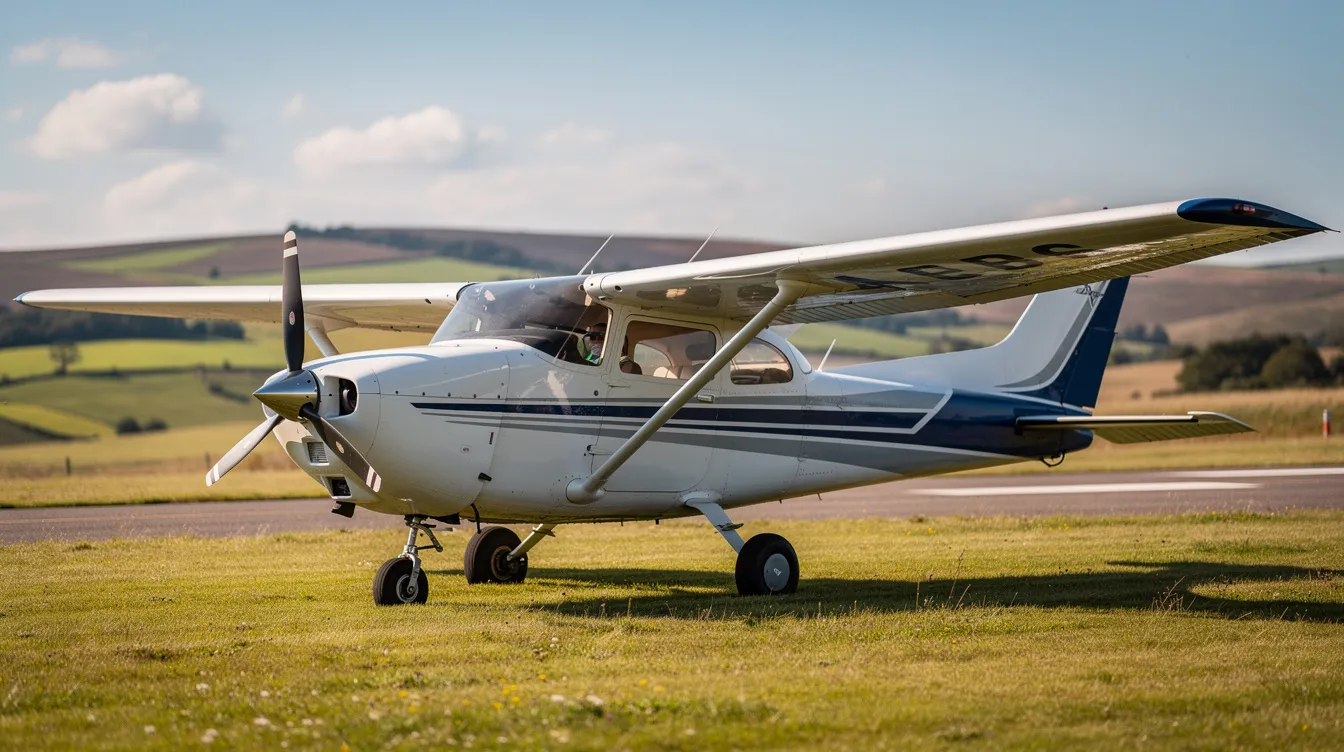
Cessna Engine Guide: Powering the World's Most Popular Training Aircraft
The Cessna 172, powered by reliable Lycoming and Continental engines, has become the most popular training aircraft in history. Its efficient design and manageable performance make it ideal for flight schools and private owners. Understanding its engine variants, fuel systems, and maintenance needs is crucial for pilots and aviation enthusiasts alike.
Read More
5
min read
Cessna 207 vs 206: Practical Differences, Performance, and Best Uses
The Cessna 206 and 207 are rugged utility aircraft designed for different missions. The 206 excels in short-field performance and versatility for personal use, while the 207 is optimized for heavier loads and larger groups. Understanding their differences in capacity, performance, and operational costs is crucial for selecting the right aircraft for your needs.
Read MoreStay updated with our latest insights and tips to elevate your journey with us.
MEMBERSHIPS AND ASSOCIATIONS



Disclaimer: Jettly operates as a charter broker, offering access to a global digital jet charter marketplace. Jettly is not a direct air carrier and does not own or operate aircraft. All advertised flights are conducted by third-party air carriers that are fully licensed and hold the appropriate Part 135 or Part 121 certifications issued by the Federal Aviation Administration (FAA) or equivalent regulatory authorities under U.S. or foreign law. Jettly complies fully with the U.S. Department of Transportation's Part 295 and Part 298 Charter Broker regulations. Jettly does not carry additional liability insurance. Passengers are covered by aircraft operator insurance. TICO: 50023770


