


Login
Get Instant Pricing On 23,000+ Aircraft

>
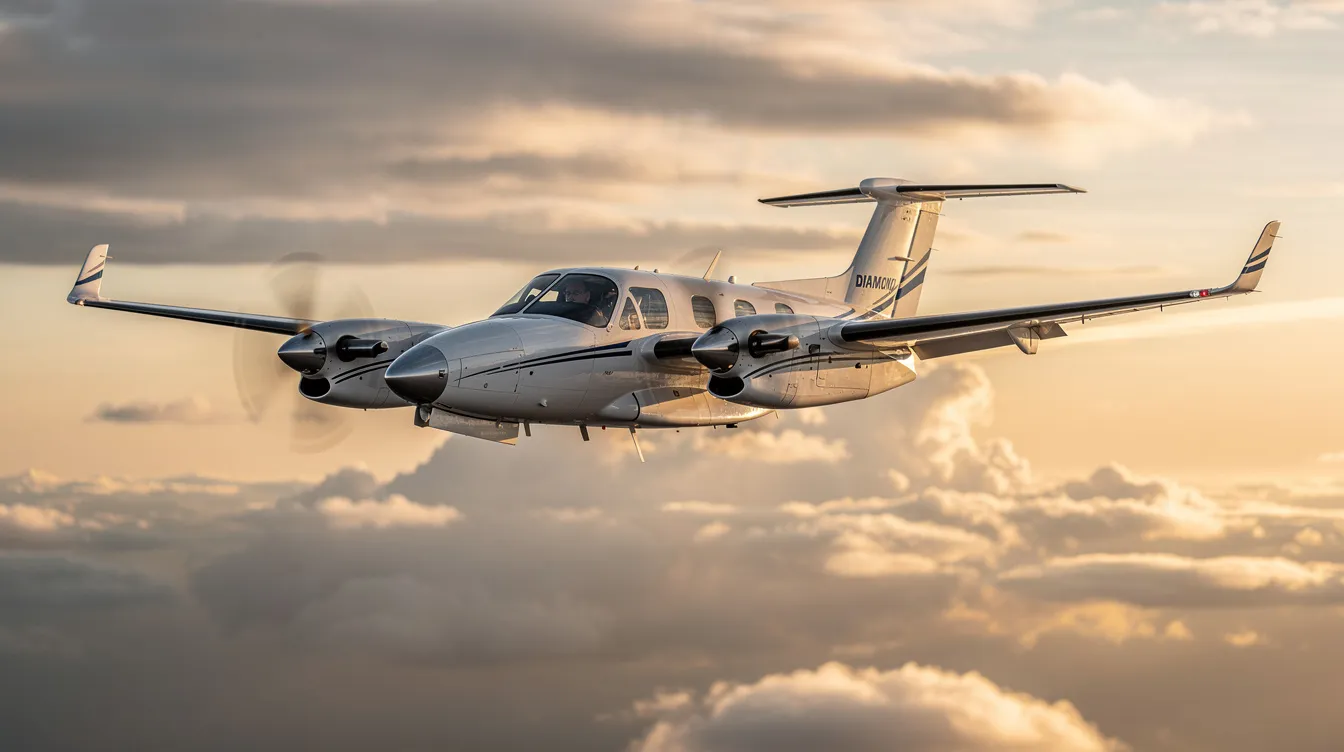
Understanding diamond da62 operating costs is essential for anyone considering this modern twin for personal or commercial use. This guide breaks down every major expense category using 2026 market data—from fuel burn and engine reserves to hangar fees and depreciation—so buyers can build a realistic budget before signing on the dotted line.
The typical all-in direct operating cost for a DA62 flown roughly 200–300 flight hours per year falls around $350–$500 per hour, depending on fuel price, maintenance strategy, and insurance.
Jet-A fuel efficiency, modern Garmin avionics, and diesel Austro engines keep hourly fuel burn and engine reserves below many comparable piston twins and light jets. The DA62 achieves 16.6 mpg fuel efficiency—30–50% better than conventional piston twins burning avgas.
Private owners must plan for fixed annual costs (hangar, insurance, subscriptions) in the $50,000–$90,000 range, plus variable costs that scale with hours flown. The annual operating cost of the Diamond DA62 ranges from $130,000 to $170,000 when all expenses are included.
Travelers who appreciate the DA62 experience but do not want ownership risk can use Jettly's on-demand charter platform to access similar aircraft without capital outlay or long-term commitment.
The Diamond DA62 is a modern, fuel-efficient twin-engine airplane from Diamond Aircraft, powered by two Austro AE330 Diesel engines running on Jet A-1 fuel. Since its first flight and certification in 2016, the type has built strong demand in the owner-flown market. By April 2024, 273 Diamond DA62 aircraft had been delivered worldwide.
The aircraft is designed to be economical compared to traditional six- or seven-seat twins. It has a cruising speed around 180 KTAS, a range of 2,000 km (roughly 1,080 NM), and can accommodate up to seven passengers across two weight versions. The US version carries a maximum takeoff weight of 2,300 kg, or about 2.3 metric tons. The DA62 has four fuel tanks totaling 86 gallons, and modern FADEC-controlled engines that simplify management for single-pilot operation.
Typical missions include family travel, regional business trips, and special missions like surveillance in DA62 MPP variants. This article focuses on private ownership and small commercial operation costs, with notes on how those figures compare to charter pricing through platforms like Jettly and broader private jet operating cost breakdowns.
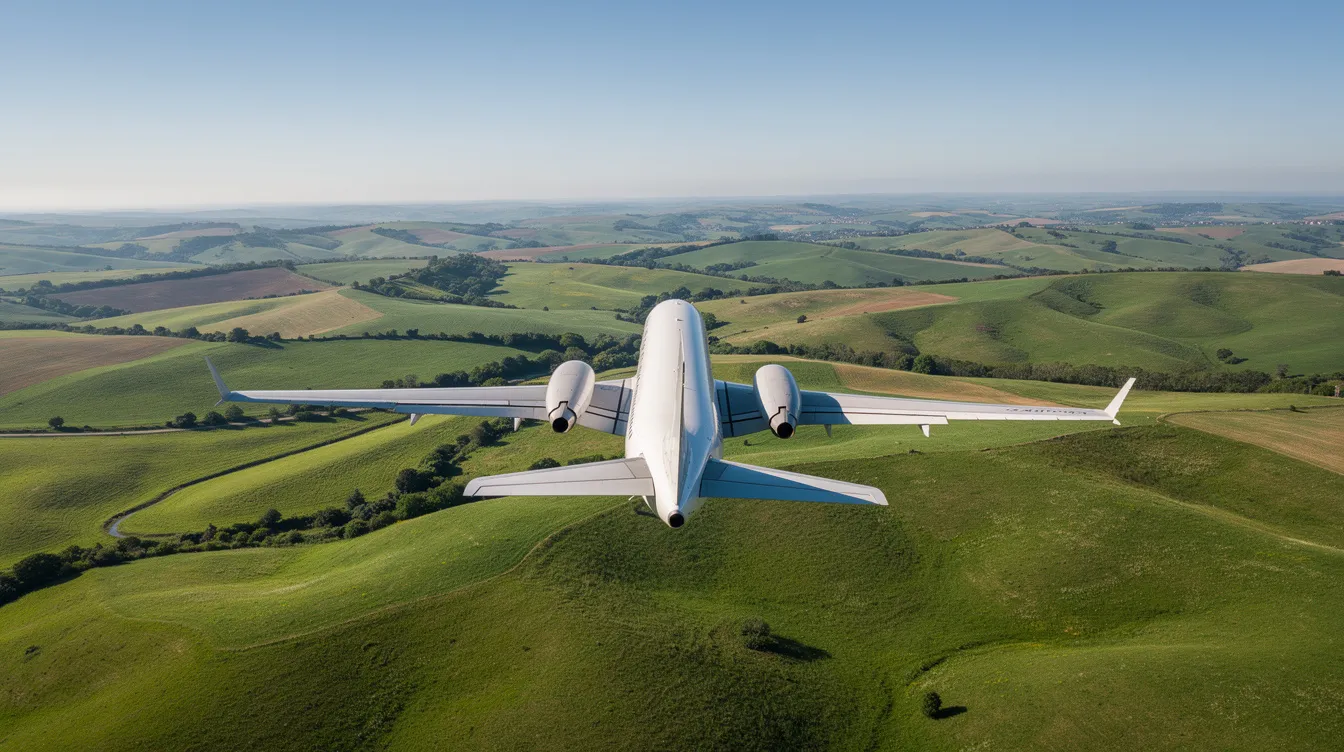
Before talking about specific line items, it helps to separate three financial layers of aircraft ownership: acquisition cost (what you pay to purchase the plane), operating costs (what you spend to fly and maintain it), and depreciation (the value you lose over time). All three matter over a 5–10 year ownership horizon, and skipping any one of them will give you the wrong picture.
The acquisition cost is the upfront price paid to purchase the DA62, whether new or pre-owned. This is a significant part of the total ownership equation and varies based on aircraft age, equipment, and market demand.
Operating costs split into two buckets:
Fixed annual costs – incurred whether the aircraft flies or not (hangar, insurance, subscriptions, recurrent training)
Variable costs – direct operating costs per flight hour (fuel, oil, maintenance reserves, consumables)
The data in this guide reflects 2025–2026 US and European market norms: Jet-A priced around $5–$7 per gallon, hangar rates at busy GA airports, and current insurance conditions for twin piston aircraft. Operators report varying hourly costs based on utilization and maintenance, so a pilot flying 100 hours a year will see very different per-hour economics than one logging 400 hours.
Depreciation is the reduction in the aircraft's value over time. This is a crucial consideration for long-term ownership, as it impacts the total cost of ownership when it comes time to sell or trade the aircraft.
Fuel is the largest variable expense—and it is where the Diamond DA62's Jet-A efficiency creates real separation from avgas twins and small jets. The DA62 operates on Jet A-1 fuel rather than 100LL avgas, giving it access to cheaper, more widely available fuel worldwide.
Real-world fuel burn sits between 11 and 17.1 gallons per hour depending on power setting, altitude, and load. At a typical economy cruise, many owners report around 12–14 GPH total. Using a mid-range Jet-A price of $6 per gallon and 14 GPH:
|
Item |
Estimate |
|---|---|
|
Fuel burn (cruise) |
12–17 GPH |
|
Jet-A price (mid-range) |
$5.50–$6.50/gal |
|
Fuel cost per hour |
$70–$110 |
Oil and minor consumables like filters add a small but consistent cost:
|
Item |
Estimate |
|---|---|
|
Oil and consumables |
$5–$10/hr |
The DA62 achieves 16.6 mpg—a figure that becomes meaningful on longer legs where fuel efficiency compounds into significant savings. Climb phases burn more, and long-range cruise settings can trim consumption at the expense of speed. Factor in minor consumables like oil and filters, and the fuel-plus-consumables band runs roughly $75–$120 per hour for most private owners.
While the Diamond DA62 is a relatively new airframe, maintenance and mandatory inspections strongly influence lifetime operating costs. High maintenance costs can arise due to specialized engine components in the AE330 platform, and maintenance labor costs can vary significantly between service centers in different regions.
The DA62 follows a tiered inspection schedule:
|
Inspection |
Approximate Cost |
Interval |
|---|---|---|
|
A check |
~ $1,000 |
Every 100 hours |
|
B check |
~ $2,500 |
Every 200 hours |
|
C check |
Up to $15,000 |
Every 600+ hours |
Scheduled A checks cost approximately $1,000, while C checks can reach up to $15,000 for comprehensive airframe and systems review.
The Austro AE330 engine carries a manufacturer-approved TBO of 1,800 hours, with overhaul cost per engine reported just above $25,000. Some broader lifecycle estimates reference engine TBO figures up to 30,000 hours in fleet-wide operational contexts, though the 1,800-hour interval drives practical reserve planning. That yields roughly $14 per hour per engine, or about $28/hour for both.
Adding propeller overhauls, gearbox service, landing gear components, and avionics repairs, maintenance reserves for the DA62 average $60 to $100 per hour. Early manufacturing quality and component-tolerance issues were reported by some early-serial-number owners, particularly around avionics integration and new engine parts, which increased troubleshooting expense in the first few years of production.
A reasonable aggregated estimate for maintenance and overhaul reserves runs $80–$130 per flight hour for a DA62 operated 200–300 hours per year.
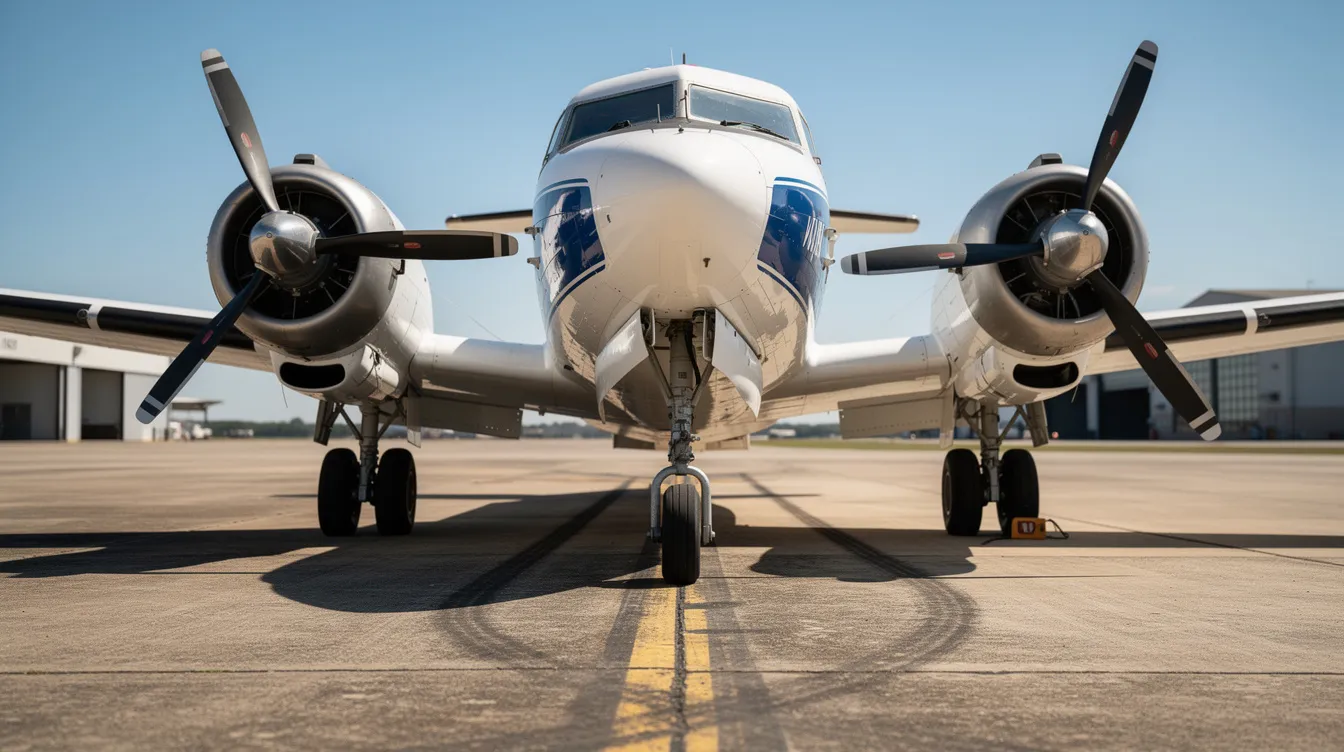
Private owners pay several recurring annual expenses regardless of how many hours they fly. Spreading these over more hours lowers the per-hour figure—which is why utilization matters so much.
The DA62 typically has fixed costs including hangar fees and insurance that do not scale with flight hours. At regional airports, hangar rental runs $12,000–$24,000 per year. Premium heated hangars at busy metro fields can push well above that range. Tie-downs are cheaper but expose the composite airframe to weather damage.
Insurance for the DA62 typically ranges from $5,000 to $15,000 annually. Hull insurance often runs around 1% of hull value for qualified owner-pilots. For a $1.4M–$1.9M hull, premiums land in the $14,000–$20,000 band for lower-time multi-engine pilots. Experienced pilots with strong histories can negotiate toward the lower end. Crew expenses, including captain and copilot salaries, add to the operational budget for commercially operated aircraft.
Recurrent training for multi-engine IFR pilots typically costs $3,000–$7,000 per year, covering simulator sessions or in-aircraft refreshers. Insurers increasingly require documented annual training, making this both a safety measure and an insurability consideration.
Garmin G1000 NXi database updates, IFR charting, weather services, and connectivity run $2,000–$5,000 per year depending on the avionics upgrades and service tier chosen.
For mobile readability, here is a bulleted summary of typical annual fixed costs:
Hangar: $12,000–$24,000
Insurance: $5,000–$20,000
Training: $3,000–$7,000
Subscriptions/data: $2,000–$5,000
Total fixed: $22,000–$56,000
High-traffic airports and premium facilities can push annual fixed costs toward $60,000–$90,000.
Here is a practical, numbers-driven look at all-in diamond da62 operating costs for different annual utilizations.
Fixed costs: ~ $45,000/year → $300/hr
Variable costs (fuel + maintenance): ~ $180/hr
All-in per hour: ~ $480/hr
At 150 hours a year, fixed costs dominate. The all-in figure lands around $450–$550 per flight hour.
Fixed costs: ~ $50,000/year → $167/hr
Variable costs: ~ $200/hr
All-in per hour: ~ $367/hr
Higher utilization drops the per-hour figure into the $350–$450 band. The annual operating cost of the Diamond DA62 ranges from $130,000 to $170,000 depending on where in these scenarios an owner falls.
By contrast, a used very light jet like an Eclipse 500 often pushes wet costs near $800 per hour once you factor in higher fuel burn, maintenance complexity, and insurance. That comparison makes the DA62's efficiency advantage clear on sub-1,000 NM missions. For a deeper look at how private jet charter costs compare across aircraft categories, Jettly's private jet charter cost estimator offers useful context.
These calculations exclude depreciation, financing, and tax considerations—covered next.
Ownership economics extend beyond hourly expenses. Acquisition price, depreciation, and cost of capital can outweigh fuel in multi-year analyses, and understanding how much a private jet really costs helps frame those trade-offs.
New: approximately €1,500,000 (roughly $1.8M–$2.0M equipped), with delivery times for new DA-62 aircraft running 12 to 18 months
Pre-owned / used: prices range from $990,000 to $1,100,000 for mid-life examples; late-model, low-hour aircraft can command higher asking prices around $1.3M–$1.6M
The DA-62 depreciates approximately 35% over five years for a new purchase. Well-maintained, low-time examples hold value better, while high-hour airframes with outdated avionics lose value faster. A buyer paying $1.8M new might see the aircraft worth around $1.17M after five years—a significant consideration for any budget.
Standard aviation financing typically requires 20–30% down payment with 15–20 year amortization and mid-single-digit interest rates. On a $1.5M financed amount, annual principal and interest can run $100,000–$130,000 depending on terms.
Prospective buyers should run a 5–10 year total cost of ownership model that includes purchase price, projected sale value, operating costs, financing costs, and, where relevant, private jet lease cost structures. This exercise often reshapes the comparison between a new DA62, a used DA62, and a used jet or turboprop.
Avionics upgrades and options can significantly change both upfront cost and ongoing expenses.
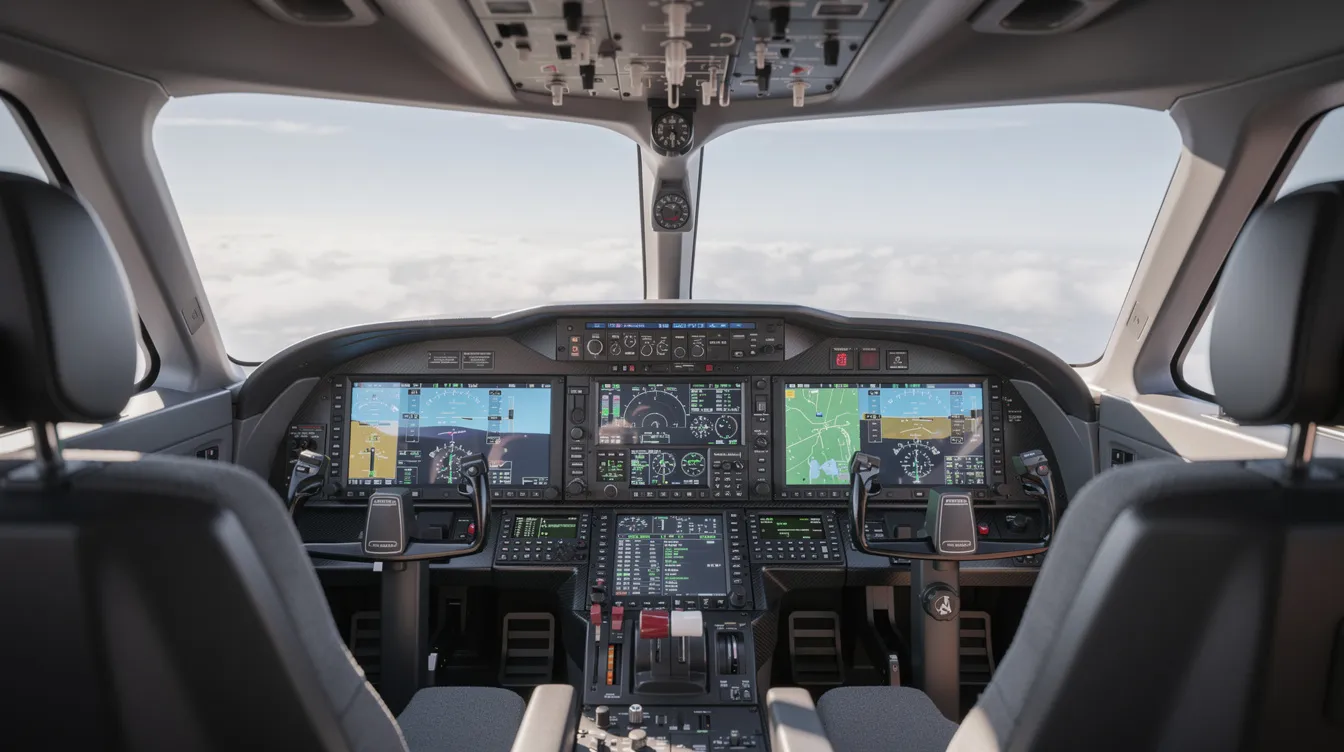
The standard Garmin G1000 NXi suite on most Diamond DA62 aircraft provides solid IFR capability, though early NXi versions lacked features like advanced weather graphics and certain approach types that later software updates addressed.
Optional upgrades worth considering include:
Weather radar (GWX 75 or GWX 8000): $20,000–$50,000 installed
Synthetic vision enhancements
ADS-B traffic solutions
Satellite connectivity for cabin and cockpit
These upgrades raise initial capital outlay and add subscription costs, but they can improve dispatch reliability—fewer weather diversions, better ground awareness, and enhanced safety margins in marginal conditions.
From a market perspective, well-documented avionics upgrades generally help resale value. When a buyer can compare older DA62 aircraft side by side with new-build models from Diamond Aircraft or other leading private plane manufacturers, the upgraded avionics often justify a meaningful price premium on the used market.
Owning a Diamond DA62 makes sense for pilots who fly 150–300+ hours per year and want hands-on control of their operation. But for travelers flying fewer hours, the math often tilts toward charter.
Pilots flying consistently (200+ hours/year)
Operators who can offset costs through limited commercial use
Owners who value having a specific aircraft always available
Executives and families flying 10–100 hours per year
Travelers who do not want to manage maintenance, insurance, training, or residual value risk
Anyone who prefers paying per trip rather than paying fixed costs year-round
Jettly connects users to a wide global fleet of private charter aircraft, including piston twins and turboprops with similar cabin and performance profiles to the DA62, available on a trip-by-trip basis. The platform offers transparent pricing, instant digital booking, and no need for jet cards or fractional ownership contracts.
Charter rates for DA62-class aircraft typically run $500–$700 per hour—higher than an owner's direct operating cost but far lower than the all-in ownership figure when you remove capital expenditure, depreciation, and downtime risk. For a buyer who would fly fewer than 100 hours annually, affordable private jet charter through a platform like Jettly is often the more economical path.
Evaluating Diamond DA62 operating costs in context requires comparing it against alternatives and considering broader guidance on finding the best cross-country plane. Here is how the DA62 stacks up.
A single-engine piston like the SR22 burns less fuel and costs less per hour ($150–$250 all-in), but it sacrifices the redundancy of a twin-engine configuration, carries fewer passengers (five seats vs seven seats), and offers less useful load. For families or groups needing more seats, the DA62 jump in capacity justifies the cost difference.
Legacy twins burn avgas at 25–40 GPH. The DA62's fuel efficiency is 30–50% better than comparable conventional piston twins, and Jet-A availability worldwide gives it a ground-level logistics advantage. The DA62's higher purchase price is competitive compared to a freshly overhauled Baron when you project fuel and maintenance costs over five to ten years.
Aircraft like the King Air 90 or Beechcraft King Air 350 deliver faster speeds and pressurized cabins but at significantly higher hourly costs ($600–$1,200/hr). The DA62's niche sits firmly in the 300–600 NM mission profile where jet speed is unnecessary and operating cost matters.
The right choice depends on mission profile—range, payload, runway length, weather tolerance—and whether ownership or charter via Jettly best aligns with expected annual hours and capital preferences. Use Jettly's cost calculator and guidance on understanding one private flight cost to compare trip costs across aircraft categories.
Below are common follow-up questions covering real-world DA62 cost nuances and charter considerations not fully addressed above, along with ideas for offsetting travel with programs like Jettly's ULTRA high-ticket affiliate program.
Unscheduled maintenance tops the list—particularly avionics troubleshooting on early-production aircraft, torsional vibration damper inspections, and gearbox service intervals that fall well before the engine TBO. Ferry flights to specialized service centers and the opportunity cost of downtime (your airplane sitting in a shop while you miss trips) are expenses that rarely appear in marketing brochures but hit the budget hard. Engineers familiar with the AE330 platform are not available at every field, which can add travel and labor surcharges.
Commercial operation under Part 135 raises training requirements, inspection frequency, and compliance costs. Higher utilization lowers per-hour fixed costs but accelerates wear on engines, landing gear, and avionics. Insurance premiums also increase. The net effect is often a lower per-hour cost but a higher annual total, and operators must maintain complete documentation to sell seats legally.
Co-ownership splits fixed costs like hangar fees and hull insurance, but introduces scheduling compromises and partnership complexity. If you and a co-owner each fly 100–150 hours, you can approach the per-hour economics of a single owner flying 300 hours. Exploring affordable aeroplane rental options alongside ownership is also useful. Charter via a platform like Jettly preserves full flexibility without partnership risk—you fly only when you need to and pay only per trip.
Modern avionics and safety features can support better resale prices and sometimes more favorable insurance terms. Underwriters view upgraded situational awareness tools (synthetic vision, weather radar, ADS-B In) as risk reducers. The key is maintaining documentation of every upgrade and ensuring the pilot has completed appropriate training. Without that paper trail, the resale and insurance benefits diminish.
Yes. Many operators list piston twins and comparable turboprops on Jettly, enabling travelers to fly similar missions on demand. You can guess at ownership savings, but for anyone flying under 100 hours annually, charter almost always wins on total cost. Learn more about how to book a private jet and use Jettly's airport locator tool through Jettly's straightforward booking process.
The Diamond DA62 delivers strong operating-cost efficiency for a modern twin, with direct hourly costs in the $160–$250 range and all-in figures of $350–$550 depending on utilization. Fixed annual expenses, depreciation, and financing reshape the picture significantly over a multi-year hold, making thorough financial modeling essential before any purchase.
For pilots who fly consistently, the DA62's Jet-A performance, reliability, and specifications make it a compelling choice in the piston twin market. For travelers who fly less frequently or prefer hassle-free private travel without the burden of ownership, on-demand charter with vetted operators such as Dexter Air Taxi via Jettly remains the smarter financial play.
Ready to explore private flight options or compare aircraft for your next trip? You can also consider Jettly's private jet memberships or crowdsourced shared flights and empty seats to fine-tune costs. Request a quote or browse available aircraft at https://www.jettly.com.
Share this post:
Jay Franco Serevilla
Jul 24, 2026
|
5
min read
Discover tips and trends in the industry.
5
min read
Flight Length: How To Estimate Flight Time Accurately (Especially For Private Jets)
Estimating flight length accurately is crucial for effective travel planning, whether for private jets or commercial flights. Factors such as distance, aircraft type, and wind conditions can significantly impact flight duration. This guide provides insights into estimating flight times and highlights the advantages of private jet travel through platforms like Jettly.
Read More
5
min read
Wisconsin Jet Charter: Private Flights with Jettly
Wisconsin Jet Charter with Jettly offers a convenient and flexible alternative to commercial flights, providing access to over 20,000 aircraft for private travel. Whether for business or leisure, travelers can book flights quickly and enjoy a personalized experience without the hassles of crowded airports. With transparent pricing and a variety of aircraft options, Jettly simplifies the private aviation experience in Wisconsin.
Read MoreStay updated with our latest insights and tips to elevate your journey with us.
MEMBERSHIPS AND ASSOCIATIONS



Disclaimer: Jettly operates as a charter broker, offering access to a global digital jet charter marketplace. Jettly is not a direct air carrier and does not own or operate aircraft. All advertised flights are conducted by third-party air carriers that are fully licensed and hold the appropriate Part 135 or Part 121 certifications issued by the Federal Aviation Administration (FAA) or equivalent regulatory authorities under U.S. or foreign law. Jettly complies fully with the U.S. Department of Transportation's Part 295 and Part 298 Charter Broker regulations. Jettly does not carry additional liability insurance. Passengers are covered by aircraft operator insurance. TICO: 50023770


