



Login
Get Instant Pricing On 23,000+ Aircraft

>
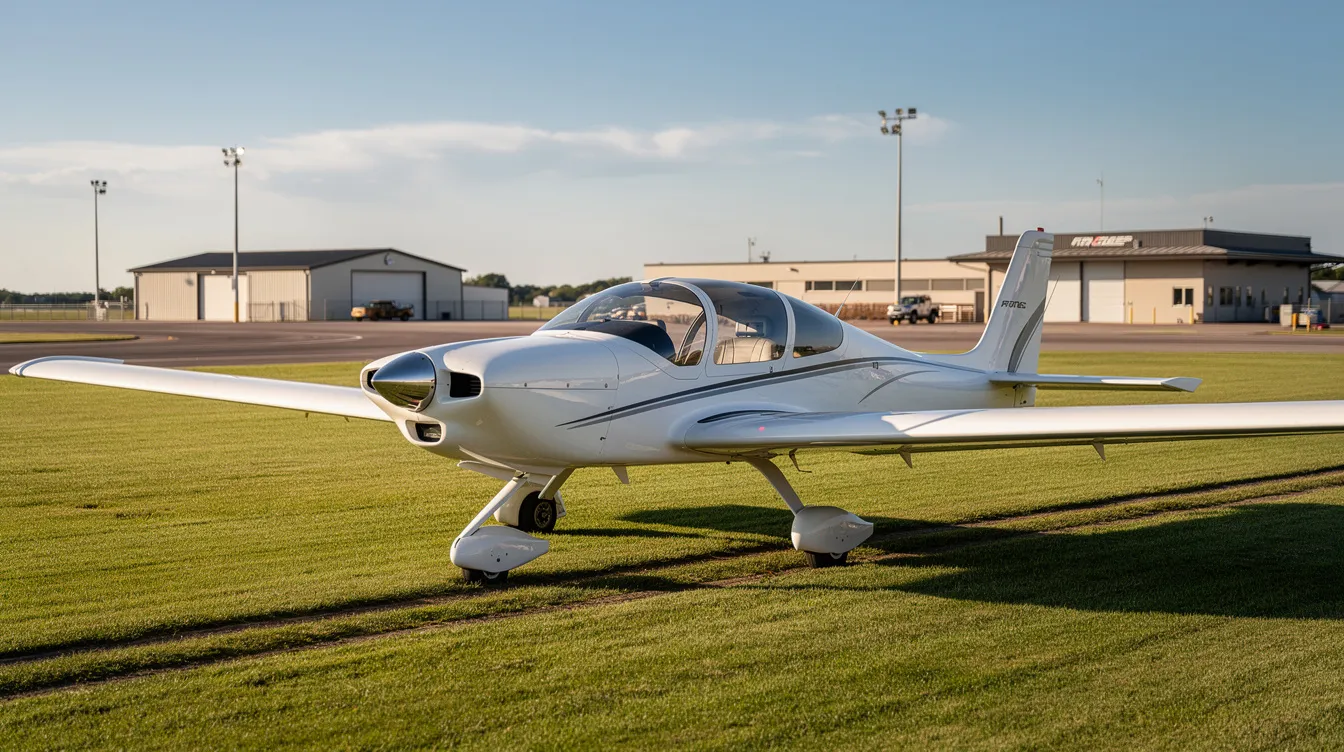
The term diamond aeroplane almost always refers to aircraft built by Diamond Aircraft Industries, the Austrian manufacturer known for fuel-efficient composite piston aeroplanes and special-mission platforms used across general aviation, training, and private charter. This guide is intended for aviation enthusiasts, private pilots, flight school operators, government agencies, and travellers interested in modern piston aircraft and private charter options. For aviation enthusiasts, private pilots, flight schools, government operators, and travellers comparing modern piston aircraft with charter options, Diamond stands out for efficient designs and glass-cockpit capability.
This guide looks at Diamond Aircraft’s history and product line, with a closer look at key models such as the DA42 and mission-ready DA42 MPP, how they are used for flight training, surveillance, and regional operations, and where they fit against private jets. It also connects that aircraft perspective to real-world charter decisions by showing how platforms like Jettly help travellers access comparable private flight options without ownership.
Diamond Aircraft Industries, founded in 1981 in Austria, produces a complete line of composite piston and special mission aircraft, employing more than 1,300 people worldwide.
The DA42 MPP is a multi-purpose platform used for surveillance, mapping, and border patrol, often flying missions of 8–12 hours on a single fuel load.
Diamond aeroplanes fit into the private charter ecosystem alongside jets and turboprops, serving short-range, cost-sensitive segments where efficiency matters most.
Jettly is a digital charter platform connecting customers with over 20,000 aircraft types globally, including models comparable to Diamond's fleet for regional trips.
When people search for a diamond aeroplane, they are usually looking for aircraft manufactured by Diamond Aircraft Industries, a company that has quietly reshaped light aircraft design over four decades.
The company was founded in 1981 in Wiener Neustadt, Austria, originally under the name Hoffmann Flugzeugbau (later HOAC). It transitioned to the Diamond Aircraft Industries brand in the 1990s. The company's headquarters remain in Austria, though its global footprint now spans multiple continents. Diamond Aircraft employs more than 1,300 people worldwide, comprised of trained, conscientious individuals dedicated to innovation.
Diamond's first aircraft to reach volume production was the HK36 Dimona motor-glider, first flown in October 1980, with over 900 units built. This early platform established the company's commitment to all-composite construction (meaning the airframe is made from advanced carbon-fibre and fibreglass materials that are corrosion-resistant and structurally robust) and pioneered the use of diesel and Jet-A piston engines (Jet-A is a type of aviation fuel commonly used in turbine and some piston aircraft). Diamond Aircraft pioneered the use of diesel and Jet-A piston engines in aviation, offering greater fuel efficiency compared to traditional avgas-burning models and a smaller environmental footprint. The use of Jet-A fuel also contributes to lower emissions compared to leaded fuels, aligning with Diamond’s focus on sustainability.
By the late 1990s, Diamond expanded to London, Ontario, Canada, opening a facility to serve the North American general aviation and flight-training market. The company's engineering philosophy—emphasising efficiency, safety, and glass cockpits—aligns directly with what charter customers and conscientious individuals now expect from modern aircraft fleets, whether they rent traditional trainers or explore affordable aeroplane rent options through charter and membership models.
Diamond aircraft models are recognised for their high reliability and durability, which enhances resale value. They feature an all-composite airframe that is corrosion-resistant and structurally robust, with a composite safety cell design that enhances passenger safety during crashes. Diamond Aircraft is also known for its low general aviation accident rate, underscoring its commitment to passive safety.
Diamond offers a complete line of certified piston aircraft, from 2-seat trainers to 7-seat twin-engine aircraft. Each model shares an all-composite airframe that is corrosion-resistant and structurally robust, paired with modern avionics like the Garmin G1000 NXi.
Here is how the current core models break down:
DA20 - a two-seat model designed for ab-initio flight training. Over 1,000 DA20 aircraft have been built since its introduction in the early 1990s as the DV20 Katana. It features forgiving handling and low operational costs, making it a popular choice for flight schools.
DA40 NG / XLT - 4-seat single-engine aircraft for training and private travel. It can carry four passengers and offers fuel efficiency with a burn rate around 5.1 US gallons per hour. Many Diamond models, including the DA40, utilise FADEC for simplified engine management.
DA50 RG - 5-seat high-performance single with retractable gear, marketed toward owner-pilots stepping up from smaller singles. It is equipped with a 300 hp Continental CD-300 jet-fuel engine and a full Garmin G1000 NXi suite.
DA42 NG / DA42 MPP - 4-seat twin-engine and special mission variant, powered by Austro AE 300 turbo diesel powerplants. The DA42 holds around 80% of the piston twin market and is known for its high performance and passive safety. It climbs at 270 ft/min on a single engine and has a fuel efficiency of 13.6 US gallons per hour. The DA42 also features a fly-by-wire system for enhanced safety. The Austro engine is about 46% more fuel efficient than gasoline rivals.
DA62 - the flagship 7-seat twin, used for family travel, air taxi, and special missions. It cruises around 192 knots with a range of approximately 1,280 nautical miles and fuel burn near 11.8 US gallons per hour.
The composite safety cell design of Diamond aircraft enhances passenger safety during crashes, with structures tested to approximately 26 G. This complete line supports flight schools, owner-pilots, and government agencies. Within the broader aircraft charter ecosystem, these models sit below turboprops and jets in speed and cabin size, but compete strongly on cost and runway flexibility.
Here is a practical look at the individual Diamond aeroplane models most commonly encountered in aviation today.
DA20: Introduced in 1993–1994, this 2-seat trainer is a staple at flight schools worldwide. It features basic glass or analogue avionics, and its forgiving handling characteristics make it ideal for students beginning a pilot career.
DA40: The DA40 Star can carry up to four passengers at a cruise speed of roughly 154 knots, with a range exceeding 750 nautical miles. Many Diamond models utilise FADEC for simplified engine management, and the DA40 NG is no exception. Its panoramic canopy and low fuel burn have made it a favourite among trained pilots and families alike.
DA50 RG: This retractable-gear, single-engine aircraft was introduced in the early 2020s. It delivers increased performance with a 300 hp Continental CD-300 jet-fuel engine, cruising near 181 knots. It is equipped with a full Garmin G1000 NXi suite and seats five passengers comfortably.
DA62: This twin-engine aircraft accommodates up to seven passengers, cruises around 192 knots, and offers a range of approximately 1,280 nautical miles. Its service ceiling reaches about 20,000 feet, and combined fuel burn sits near 11.8 US gallons per hour-efficient for a twin in its class.
eDA40: Diamond Aircraft developed the eDA40, an all-electric training aircraft currently in development. Diamond has been involved in pioneering technologies for hybrid-electric aircraft development, and the eDA40 aims to reduce emissions and per-hour operating costs once certification is complete.
Some operators use DA40 or DA62 aircraft for short-range charter and air taxi missions that can be booked via platforms like Jettly, alongside a broader range of private charter aircraft that cover everything from light jets to long-range cabins.
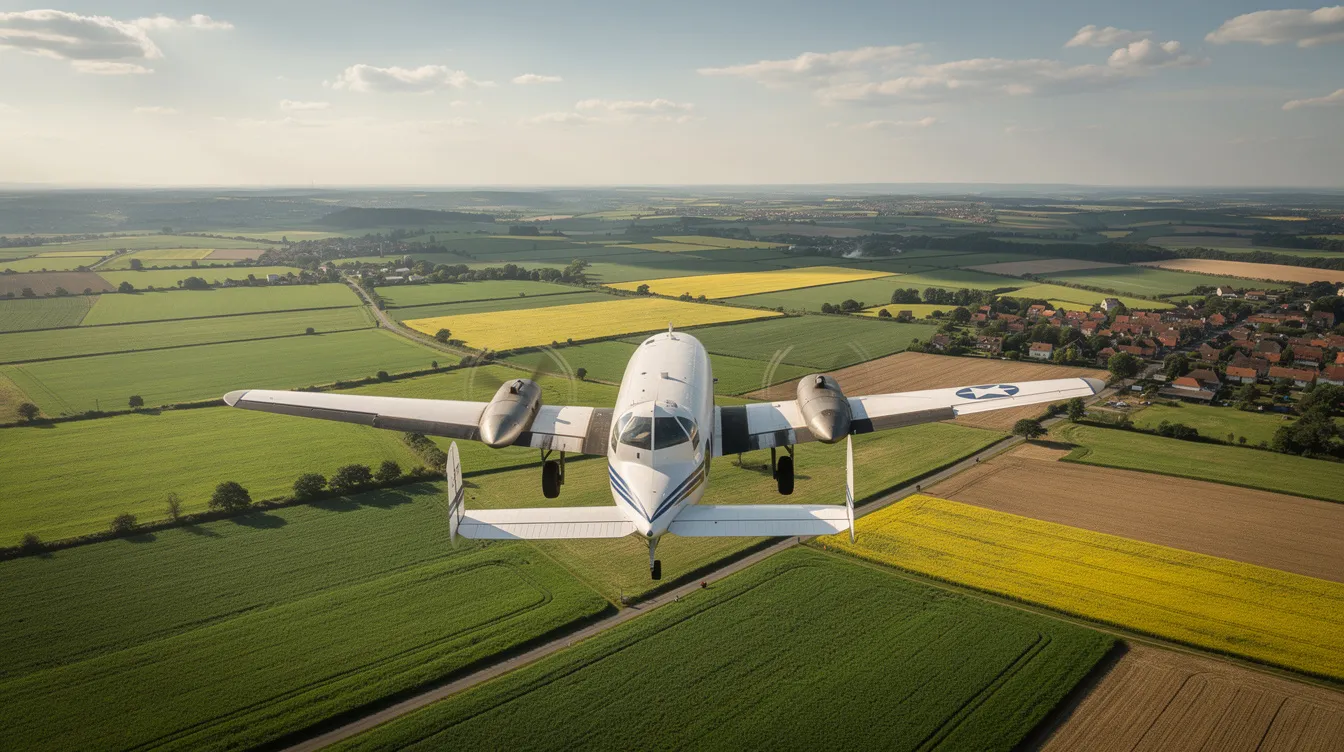
The DA42 Twin Star was Diamond's first twin-engine aircraft, and it quickly reshaped the piston twin market. The first prototype of the DA42 was flown in December 2002, and it received European certification in the mid-2000s. The DA42 Twin Star was first introduced in 2004, and Diamond went on to produce nearly 1,000 DA42 Twin Stars over the program's run. Before 2008, the DA42 held around 80% of the piston twin market.
The DA42 NG uses the Austro AE 300 turbo diesel engine (two per airframe), burning Jet-A fuel. The Austro engine is 46% more fuel efficient than gasoline engines, and its composite wings support the aircraft's endurance and efficiency, giving the DA42 a fuel efficiency of 13.6 US gallons per hour across both powerplants. The DA42 NG climbs at 270 ft/min on a single engine, and the DA42 features a fly-by-wire system for enhanced safety. Cruise speed sits around 170–180 knots, with a range up to roughly 1,065 nautical miles with auxiliary tanks. The DA42 is capable of 13-hour flights without extra fuel tanks, making it a standout for endurance.
The DA42 MPP (Multi-Purpose Platform) is a factory-configured special mission variant, outfitted with sensor hardpoints, under-fuselage pods, and mission operator consoles instead of standard passenger seats. Typical DA42 MPP missions include:
Border surveillance and maritime patrol
Pipeline monitoring and environmental survey (LiDAR, multispectral imaging)
Law-enforcement reconnaissance and search and rescue support
The Royal Air Force used DA42 MPP variants in Iraq around 2008–2009 for ISR missions. European border agencies and commercial survey companies across Europe continue to operate the platform for mapping, coastal patrols, and dedicated monitoring tasks. These aircraft are usually flown by specialised government or contract operators rather than mainstream charter providers, but they share the same airspace and airfields used by private travellers.
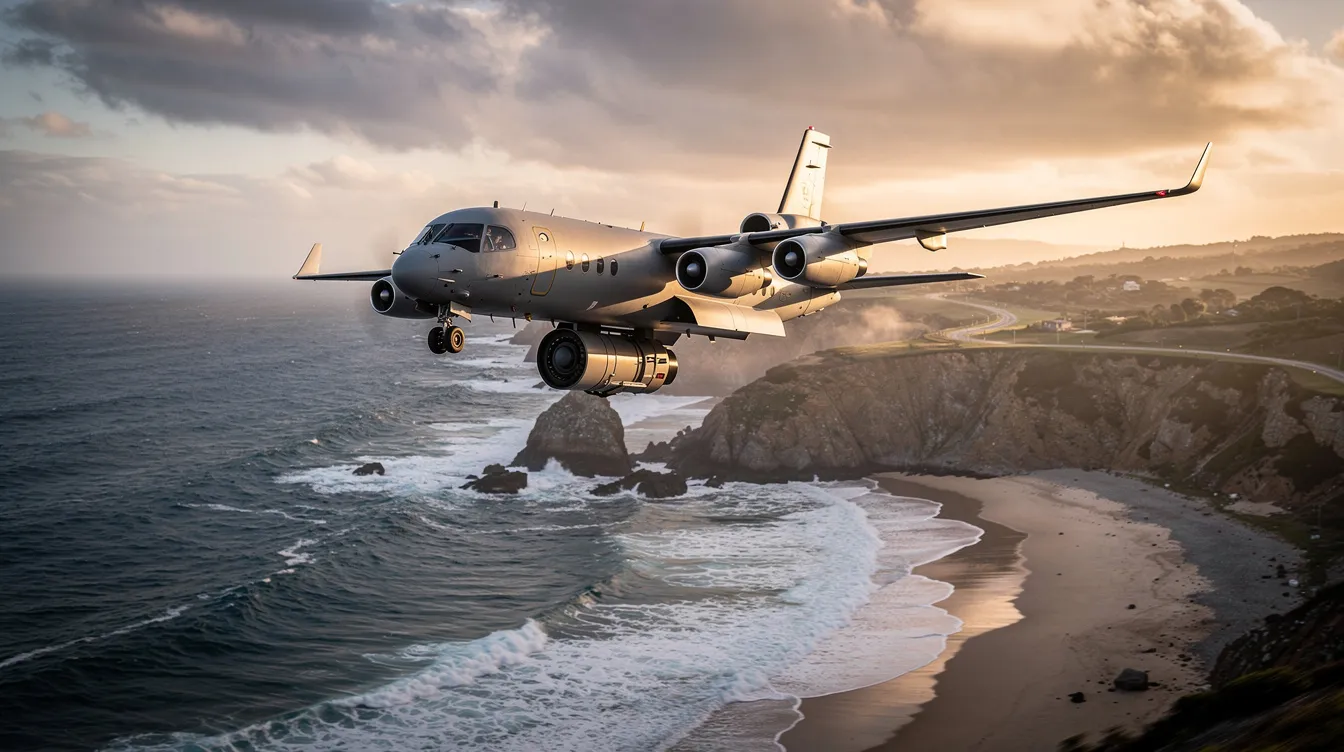
Diamond aircraft serve three core markets: flight training, private ownership, and government or military special missions, typically operated under regulated frameworks similar to those governing Part 135 charter companies.
Diamond aircraft are widely utilised for flight training due to their forgiving handling and low operational costs. Schools such as Lufthansa Aviation Training and Embry-Riddle Aeronautical University standardise on DA20 and DA40 fleets. The use of Jet-A fuel in Diamond aircraft contributes to lower emissions compared to leaded fuels, which matters to flight schools operating hundreds of hours per month. Diamond Aircraft is known for its low general aviation accident rate, and Diamond aircraft models are recognised for their high reliability and durability, enhancing resale value for schools managing fleet turnover.
Private ownership use cases range from families flying DA40s for regional trips to entrepreneurs using the DA50 RG or DA62 between business locations. For travellers who prefer not to own, it’s increasingly common to weigh shared charter flights vs full charters when booking similar mission profiles. Diamond aircraft are also favoured for various missions including surveillance, environmental monitoring, and search and rescue, with DA42 MPP and DA62 MPP variants deployed across Europe, the Middle East, and parts of Asia and Africa. Aviation enthusiasm for these platforms continues to grow as sales expand into new regions.
Even where Diamond aircraft are not chartered directly, their training contributions help support the talent pipeline that also flies charter jets—every pilot who has trained on a DA40 carries that photo of their first solo into a broader career in aviation.
Many readers exploring the term diamond aeroplane are also weighing private jet travel and comparing different private jet charter companies. Here is how Diamond's piston aircraft compare to common charter categories.
|
Feature |
DA62 (Piston Twin) |
Light Jet |
Midsize Jet |
|---|---|---|---|
|
Seats |
5–7 |
6–8 |
8–10 |
|
Cruise Speed |
~192 knots |
~400–500 knots |
~450–530 knots |
|
Range |
~1,280 nm |
~1,800–2,200 nm |
~2,500–3,500 nm |
|
Fuel Burn/Hr |
~11.8 US gal |
~50–80 US gal |
~150–220 US gal |
|
Cabin Pressurization |
No |
Yes |
Yes |
|
Typical Use |
Regional, training, air taxi |
Business, leisure |
Cross-country, international |
For short regional hops under 500 nautical miles, Diamond-style aircraft offer clear advantages: lower fuel burn, access to small runways, and significantly reduced hourly operating costs. For travellers stepping up to jets, tools like a jet card flight cost estimator help quantify how those costs change with speed and cabin size. For longer intercity routes where speed and a pressurised cabin matter, jets and turboprops like the Pilatus PC-12 or King Air remain the stronger choice. The wingspan and size of planes in each category also dictate which airports they can access—Diamond aircraft often reach airfields that jets simply cannot.
Jettly is a digital private aircraft charter marketplace, not a manufacturer. It connects travellers to operators that may fly aircraft similar in role to Diamond aeroplanes across a global network.
Here is how on-demand charter works on the platform: a user enters a route and date, receives instant pricing across available private charter aircraft types worldwide, and books directly—no jet cards, fractional ownership, or long-term commitments required. For frequent users, flexible private jet memberships can complement on-demand bookings. Typical trip profiles include business travel between cities, family getaways, and urgent last-minute travel where schedule control matters.
While special mission aircraft such as the DA42 MPP are not typically available for passenger charter, some operators use DA62 or comparable piston twins for short-range passenger services on the same airfields. Jettly's advantages for readers interested in Diamond-style efficiency include transparent pricing, the ability to compare multiple aircraft categories in one space, and access to a global inventory of over 20,000 aircraft.
Learn more about Jettly's charter options at jettly.com, explore their guide on affordable private jet charter, or request a quote online in minutes.
Below are answers to common questions about Diamond aeroplanes and how they relate to private charter and platforms like Jettly, as well as the wider landscape of charter airlines and private flight providers.
Availability of specific Diamond aeroplane models depends on local operators within Jettly's network. Some regions may offer DA62 or similar piston twins for short regional hops, while others focus primarily on jets and turboprops. The best way to check is to enter your route on the platform and review the aircraft options that come back, which may include production piston twins for shorter sectors.
Flight schools choose Diamond aircraft for their composite construction, modern avionics that mirror airline and business-jet cockpits, and efficient jet-fuel-burning engines that lower per-hour costs. The delivery of consistent handling characteristics and strong safety records means students are trained on forgiving yet technically advanced platforms from day one, preparing them for a career on larger aircraft. You can see how these compare to other prop planes used in training and charter or dive deeper into affordable aeroplane rent options if you are evaluating specific training fleets or rental paths.
The DA42 MPP is usually configured with sensor pods, operator consoles, mission-specific equipment, and LED-based indicators rather than standard passenger seats. It is typically manufactured and marketed for surveillance, mapping, and reconnaissance contracts—not standard passenger charter. Passengers would not normally fly aboard this prototype-derived variant unless an operator has reconfigured the interior.
Efficient diesel engines, lower fuel burn per hour, and the use of Jet-A instead of leaded avgas all reduce the environmental footprint. Additionally, development programs like the eDA40 electric trainer and research into hydrogen-powered engines represent Diamond's commitment to greener flying. You can explore similar efficiency-focused aircraft through Jettly's turboprop charter options, which also prioritise fuel savings on regional routes. Check Diamond's innovation page on their website or YouTube channel for the latest updates.
Pilots and passengers who have flown Diamond aircraft and want to explore private charter can visit Jettly's first-time flyer guide, review their jet card programs, or browse the private jet charter FAQ. These resources explain how charter booking works, what aircraft categories are available, and how to compare pricing—including how Jettly positions itself as a NetJets alternative for flexible private flying—all useful context for anyone transitioning from owner-operated piston flying to on-demand charter travel.
Diamond Aircraft Industries has earned its place in aviation history by producing reliable, efficient, composite aircraft that serve everyone from student pilots to military surveillance operators. The DA42 MPP remains a sign of how versatile a well-designed airframe can be, while models like the DA62 and DA50 RG continue pushing the line between light aircraft performance and owner-pilot accessibility across the world.
The right aircraft always depends on the mission. Whether it calls for a diesel-powered trainer, a surveillance platform, or a long-range business jet, the rest comes down to matching speed, payload, and comfort to the trip at hand.
Ready to find the right aircraft for your next flight? Explore options or request a quote at https://www.jettly.com.
Share this post:
Jay Franco Serevilla
Jul 20, 2026
|
5
min read
Discover tips and trends in the industry.

5
min read
Dallas Helicopter Ride and Dinner: How to Plan an Unforgettable Night in the Sky
Experience the magic of Dallas from above with a helicopter ride followed by a delightful dinner. This unique package offers breathtaking views of the city skyline, making it perfect for romantic evenings or special celebrations. With options for custom routes and dining experiences, planning an unforgettable night in the sky has never been easier.
Read More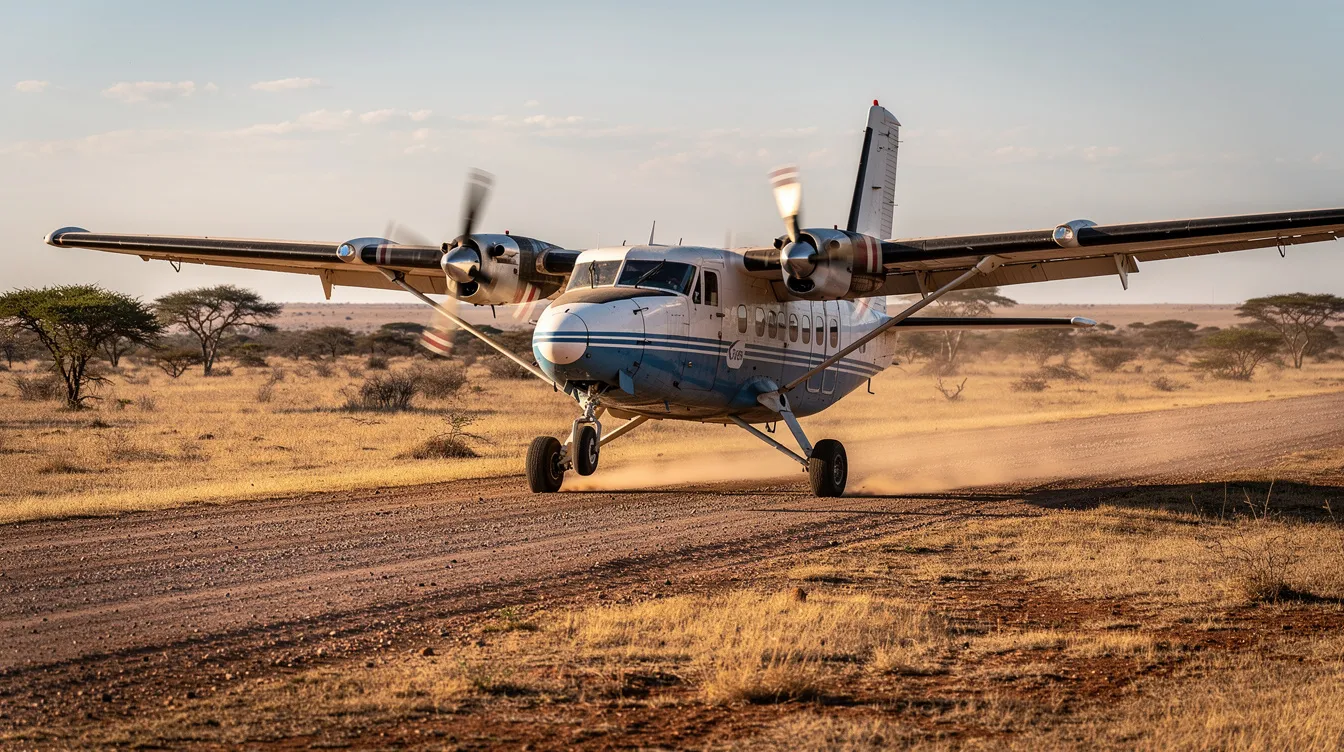
5
min read
Zimex Aviation: Specialist Missions, Fleet, and Career Opportunities
Zimex Aviation, established in 1969, specializes in flying to remote and challenging environments where conventional airlines often cannot operate. With a diverse fleet of turboprop aircraft, Zimex provides essential services such as oil and gas logistics, humanitarian airlift, and express cargo. The company emphasizes safety and operational excellence, making it a key player in the global logistics and humanitarian support sectors.
Read MoreStay updated with our latest insights and tips to elevate your journey with us.
MEMBERSHIPS AND ASSOCIATIONS



Disclaimer: Jettly operates as a charter broker, offering access to a global digital jet charter marketplace. Jettly is not a direct air carrier and does not own or operate aircraft. All advertised flights are conducted by third-party air carriers that are fully licensed and hold the appropriate Part 135 or Part 121 certifications issued by the Federal Aviation Administration (FAA) or equivalent regulatory authorities under U.S. or foreign law. Jettly complies fully with the U.S. Department of Transportation's Part 295 and Part 298 Charter Broker regulations. Jettly does not carry additional liability insurance. Passengers are covered by aircraft operator insurance. TICO: 50023770


