


Login
Get Instant Pricing On 23,000+ Aircraft

>
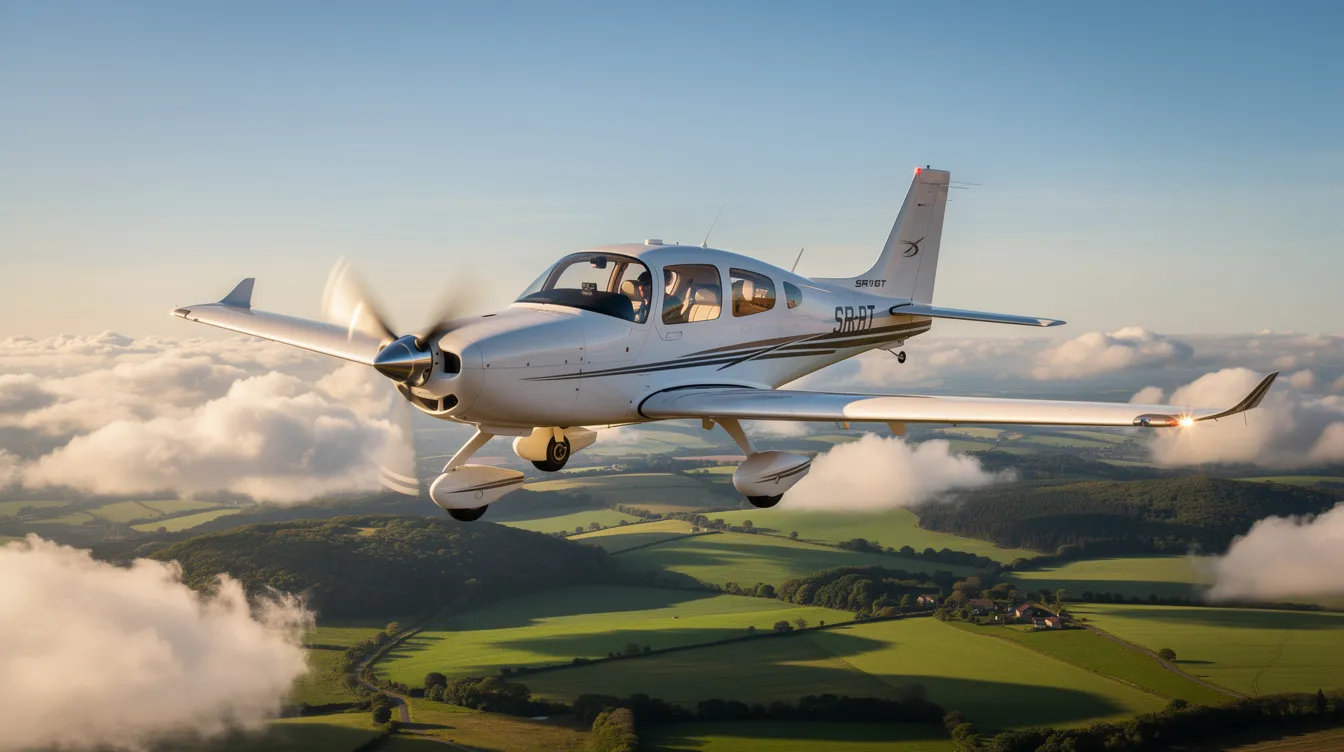
Understanding the true cost of Cirrus SR22T ownership goes far beyond the sticker price. Between acquisition, financing, insurance, fuel, maintenance reserves, and hangar fees, this aircraft demands careful financial planning. Here is a detailed breakdown of what buyers can expect in 2026 - and when chartering might be the smarter move.
A new Cirrus SR22T in 2026 typically costs between $1.15 million and $1.4 million depending on generation, avionics, and options like known icing and Safe Return. Used Cirrus SR22T models range from $250,000 to $800,000+ based on age, generation, and condition. Brand-new SR22T models typically list for approximately $1.15 million to $1.3 million before premium options push the number higher.
Realistic all-in operating costs for an actively flown SR22T at 100–200 hours per year usually fall between $350 and $550 per flight hour once fuel, maintenance, insurance, hangar, and long-term reserves are included. Total annual operating costs range from $35,000 to $50,000 for moderate-use scenarios, but can exceed $100,000 per year for owners flying 200 hours annually.
Ownership costs are heavily front-loaded - capital, taxes, and interest consume the first several years. Chartering through a digital platform like Jettly lets travelers access similar capability without tying up $500,000 to over $1 million in a depreciating asset.
The SR22T's glass cockpit, turbocharged performance, and options like FIKI and Safe Return significantly influence both purchase price and ongoing insurance and maintenance budgets. Including advanced avionics can significantly increase the asset value of the SR22T.
Readers who primarily care about mission flexibility and time savings can often meet the same travel needs via on-demand charter rather than purchasing a single-engine piston airplane.
The Cirrus SR22T is a high-performance, high-altitude aircraft alternative to the naturally aspirated Cirrus SR22. It sits between traditional piston singles and entry-level personal jets in both capability and cost, making it a popular choice among owner-pilots who need weather flexibility and cruise speed at flight levels above what standard piston aircraft can reach.
Key specifications that drive the cost equation:
Engine: 315 hp Continental TSIO-550-K with a factory turbocharged engine for high-altitude performance
Cruise speed: 214 knots true airspeed (KTAS)
Service ceiling: 25,000 feet
Range: Up to 1,046 nautical miles
Cabin: Four seats, stunning inside with premium materials and factory air conditioning available
Flight deck: Modern glass cockpit running Cirrus Perspective, Perspective+, or Perspective Touch+ with dual Garmin touch controllers
The "T" version commands higher ownership costs than the SR22 due to turbo hardware, higher cylinder head temperatures, and more complex aircraft systems. Safety features standard on this complex aircraft include the Cirrus Airframe Parachute System (CAPS) — a ballistic parachute system that can gently lower the entire aircraft in an emergency and has saved over 200 lives since its introduction. CAPS requires repacking roughly every ten years at a cost between $13,000 and $16,000, a significant long-term maintenance consideration. Additionally, the latest G7+ models feature Safe Return Emergency Autoland, debuted in May 2025 as the first autoland system certified on a piston aircraft. This system activates with a single button press, autonomously flying, landing, and shutting down the aircraft in emergencies, enhancing safety and peace of mind.
Because the SR22T is frequently cross-shopped against light turboprops and light jets for personal and business missions, understanding true operating costs before committing capital is critical for any buyer in the general aviation market.
|
Cost Category |
Estimated Range |
Notes |
|---|---|---|
|
Purchase Price (New) |
$1.15 million – $1.4 million |
Depends on generation, avionics, options like FIKI and Safe Return |
|
Purchase Price (Used) |
$250,000 – $800,000+ |
Varies by age, condition, generation, avionics |
|
Down Payment (Financing) |
20% – 25% of purchase price |
Typically required by lenders |
|
Loan Term |
10 – 15 years |
Some lenders offer up to 20 years |
|
Interest Rate |
6% – 7.5% APR |
Based on creditworthiness and pilot experience |
|
Monthly Loan Payment |
$3,800 – $7,500+ |
Depends on loan amount, term, and rate |
|
Fixed Annual Costs |
$8,200 – $14,600 |
Includes hangar, insurance, subscriptions, recurrent training, taxes |
|
Annual Insurance Premium |
$15,000 – $20,000 |
Varies by pilot qualifications and aircraft value |
|
Annual Maintenance & Inspection |
$10,000 – $15,000 |
Includes CAPS repack ($13,000–$16,000 every 10 years) |
|
Fuel Burn |
12.7 – 18.3 gallons per hour |
Average ~16–18 GPH at typical power settings; fuel costs approx. $100–$135 per hour |
|
Variable Operating Costs per Hour |
$220 – $320 |
Includes fuel, routine maintenance, engine and prop reserves, CAPS repack allocation |
|
Effective Operating Cost per Flight Hour |
$350 – $550 |
Includes fixed and variable costs, excluding financing |
|
Annual Operating Cost (100–150 hours) |
$35,000 – $50,000 |
Excludes loan payments |
|
Annual Operating Cost (200+ hours) |
$100,000+ |
Includes higher utilization fixed costs and variable expenses |
SR22T pricing in 2026 depends heavily on generation, avionics suite, total airframe time, and equipment like known icing capability, global connect satellite communication, and custom interiors. Newer generations of the SR22T command higher prices due to updated avionics and safety features. Factors affecting the price of an SR22T include model generation and engine hours.
For reference, a new Cirrus SR22T started at approximately $779,900 in 2025. By 2026, with expanded standard equipment and updated perspective avionics, base pricing has moved higher. Here are approximate 2026 price bands across generations:
G3 SR22T (2007–09): Typically $265,000–$420,000 depending on time since engine overhaul, CAPS repack status, and avionics.
G5 SR22T (2013–16): Generally $450,000–$650,000, with FIKI and Perspective avionics at the upper end.
G6 SR22T (2017–23): Around $550,000–$800,000, with low-time GTS aircraft, global connect, and recent annual inspection results pulling a premium.
G7 SR22T (2024–present): Usually $950,000–$1.1 million on the used market, with Perspective Touch+ and 4-blade lightweight composite propeller common.
Brand-new 2026 SR22T G7+ GTS: With Safe Return emergency autoland, often stickered in the $1.15 million to $1.3 million range depending on paint, interior, and options like satellite phone and Beringer brakes.
The "autoland premium" is real. Safe Return and latest-generation cockpit packages shift demand toward G7+ models and pull down prices on earlier generations. Including advanced avionics can significantly increase the asset value of the SR22T, which is reflected in resale values influenced by airframe time, maintenance history, and market demand.
Remaining warranty and Cirrus maintenance program coverage (spinner-to-tail or CMX) significantly affect the effective cost for initial buyers by shifting maintenance risk away during early ownership years. Used models of the SR22T vary widely based on age, generation, and condition — so pre-buy inspections are essential.
For buyers who simply want to travel, chartering a light jet or turboprop for similar missions through Jettly eliminates the capital expenditure entirely, and tools that explain how much it costs to rent a private jet can help benchmark SR22T ownership against charter alternatives.
Most private buyers finance at least part of the purchase price. Financing is widely available for Cirrus aircraft because the SR22T has a deep resale market and strong lender familiarity. Current terms reflect an accessible but not inexpensive lending environment, especially when compared with the broader cost of private jet ownership and use.
Typical 2026 financing assumptions:
Down payment: Most lenders require 20–25% down. A $1.1M new SR22T G7+ often means $220,000–$275,000 upfront.
Term length: Loan terms typically range from 10 to 15 years for owner-flown piston singles, with some lenders offering up to 20-year amortization.
Interest rates: Currently in the mid-6% APR range for well-qualified buyers, with the broader band running 6–7.5%.
Example 1: A $600,000 SR22T financed with 20% down ($120,000) over 15 years at 7% APR yields monthly payments around $3,800–$4,200.
Example 2: A $1.3M G7+ with 25% down ($325,000) and 20-year amortization at 6.5% APR pushes monthly payments above $7,500.
Lenders may adjust rates based on pilot experience, instrument rating, business versus personal use, and whether the airplane will be leased back. Buyers focused on travel convenience rather than asset ownership can avoid financing commitments entirely by using on-demand charter through Jettly.
Note: All finance figures are informational only. Readers should consult aviation finance specialists for current, personalized quotes.
Fixed costs accrue whether the Cirrus SR22T flies 300 hours or zero hours in a year. Operational costs for SR22T owners include fixed, variable, and replacement component costs — and the fixed portion can surprise first-time buyers.
Typical 2026 fixed cost ranges:
Hangar or premium tiedown: $4,000–$12,000 per year depending on region.
Insurance: Annual insurance premiums range from $15,000 to $20,000 for a newish G7+ with hull coverage. Pilot insurance costs range from $4,000 to $10,000 annually based on experience and total time.
Avionics subscriptions: $1,500–$3,000 per year for navigation data, IFR charts, satellite weather, and connected cockpit services like Cirrus IQ and Global Connect.
Recurrent training and simulator time: $2,000–$5,000 annually.
Miscellaneous fixed costs: Registration, taxes, accounting, and wear items, all of which can be contrasted with the more flexible structures found in affordable aeroplane rental options.
For a representative owner at a mid-size U.S. airport, these fixed costs add up to roughly $8,200–$14,600 per year before any flying. Annual inspections and maintenance for the SR22T can cost between $10,000 and $15,000, further adding to the baseline.
When chartering through Jettly, travelers pay per flight and carry none of these standing costs between trips — no hangar lease, no insurance renewal, no subscription fees.
Variable operating costs scale directly with how much the SR22T flies and form the core of any per-hour budget analysis. Direct operating costs for the SR22T are estimated at approximately $270 per flight hour before allocating fixed costs, a figure that can be compared with the cost structure of a single private jet flight on charter.
Here are the major variable categories with realistic 2026 ranges:
Fuel: Fuel consumption is approximately 12.7–18.3 gallons per hour, with many owners planning on ~16–18 GPH at typical power settings. At $6.00–$8.00 per gallon of 100LL avgas, fuel burn translates to roughly $100–$135 per flight hour.
Routine maintenance: Oil changes, minor squawks, and wear items average $40–$80 per flight hour.
Engine reserve: Continental TSIO-550-K overhaul costs run $70,000–$90,000 with a TBO around 2,000 hours, yielding roughly $35–$45/hour in reserves.
Propeller reserve: Estimate $5–$10/hour for overhaul or resurfacing of composite props.
CAPS repack reserve: Allocating $15–$25/hour at 150 hours/year covers the mandatory CAPS repack every ten years.
Miscellaneous: Oxygen refill, de-ice fluid (TKS) for FIKI operations, landing fees, and weather services budget to $10–$30/hour depending on mission.
Summing these, variable costs before fixed cost allocation typically fall in the $220–$320 per flight hour band.
Once fixed costs and financing are layered in, many owners land in the $350–$550 per-hour effective cost range at 100–200 hours per year. At lower utilization, per-hour costs climb sharply, which is why some flyers prefer tools like a jet card flight cost estimator to model pay-as-you-go charter instead of ownership.
Not every Cirrus SR22T costs the same to operate or insure. Avionics packages and safety options move the needle in both directions.
Glass cockpit generation: Earlier Cirrus Perspective vs. Perspective+ vs. Perspective Touch+ — newer systems command higher prices but add capabilities like larger displays, 3D SafeTaxi, wireless connectivity, and advanced autopilot modes.
Known icing (FIKI): Increases purchase price by $20,000–$50,000 and sometimes insurance, but widens dispatch reliability for year-round IFR use. Also adds TKS fluid costs and more complex inspections.
Safe Return emergency autoland (G7+): Raises initial purchase price but can be attractive to insurers and family passengers.
Connectivity packages: Global connect, Iridium, and satellite phone options add to upfront and subscription costs but create jet-like inflight connectivity and real-time weather.
Advanced autopilot with electronic stability protection and envelope protection may not change hourly fuel burn, but they improve mission completion rates and safety. This has indirect economic value — fewer weather diversions, fewer cancelled trips, and greater confidence in the flight deck.
Pilots stepping up from legacy panels to the latest perspective touch systems should budget for transition training — typically 3–5 days of dedicated instruction. These training costs should be factored into the first-year ownership budget, alongside careful evaluation of affordable planes and budget-friendly aircraft choices if a top-spec SR22T stretches the plan too far.
Many buyers debate between a turbocharged Cirrus SR22T, a naturally aspirated Cirrus SR22, or other high-performance single-engine aircraft like the Beechcraft Bonanza or Piper Turbo Saratoga.
Cirrus SR22 (non-turbo): Typically $100,000–$200,000 cheaper than an equivalent-year SR22T, with slightly lower fuel burn and maintenance costs but lower cruise speed and a 17,500 ft ceiling.
SR22T: Better suited to high-altitude routes, mountainous terrain, and frequent IFR in weather, but with more stringent engine management and higher overhaul costs.
Bonanza or Mooney turbo models: May offer similar or slightly better cruise speeds with different cabin layouts and baggage profiles. Maintenance networks and parts availability vary.
Pressurized piston or small turboprops: Higher purchase and hourly costs but add pressurization and often more seats, competing directly with light jets or larger charter options and a wide range of private charter aircraft available through digital platforms.
At 150 hours per year, an SR22T owner might see an effective per-hour cost around $400–$500. The turbo premium over a naturally aspirated SR22 could be offset by faster trips and greater weather flexibility, depending on the pilot's typical routes and market conditions, especially when compared with the cheapest private aircraft options across categories.
Some missions that push the SR22T's payload or weather envelope are better served by on-demand turboprop or light jet charter through Jettly rather than pushing limits in a piston plane, particularly when you understand how affordable private jet charter pricing can be on a per-trip basis.
Abstract per-hour numbers can be hard to relate to. Here are three realistic annual scenarios that show how utilization changes the math.
Scenario 1: Moderate-Use Business Owner
Flies 100 hours per year between regional cities for meetings.
Financed $900,000 SR22T G6 with 20% down; annual loan cost approximately $65,000–$75,000.
Fixed costs (hangar at mid-size airport, insurance with good pilot record, subscriptions, recurrent training): ~ $25,000–$30,000.
Variable costs at 100 hours at mid-range estimates: ~ $27,000–$32,000.
Total annual spending: ~ $120,000–$140,000. Operating costs for the SR22T average between $35,000 and $50,000 annually at 100–150 flight hours when excluding debt service.
Scenario 2: High-Use IFR Pilot
Flies 200–250 hours annually in a G7+ with FIKI and Safe Return, including winter IFR flying in the Northeast.
Slightly higher insurance and TKS usage but fixed costs spread over more hours.
Total operating costs for the SR22T can exceed $100,000 per year for owners flying 200 hours annually. Total annual spend including finance may reach $180,000–$250,000, but effective per-hour cost drops to $400–$600.
Scenario 3: Low-Use Owner
Flies only 50–60 hours a year. Fixed costs dominate the budget.
Effective per-hour cost can exceed $800–$1,000+ when the aircraft sits often, raising the question of whether on-demand charter would be more rational.
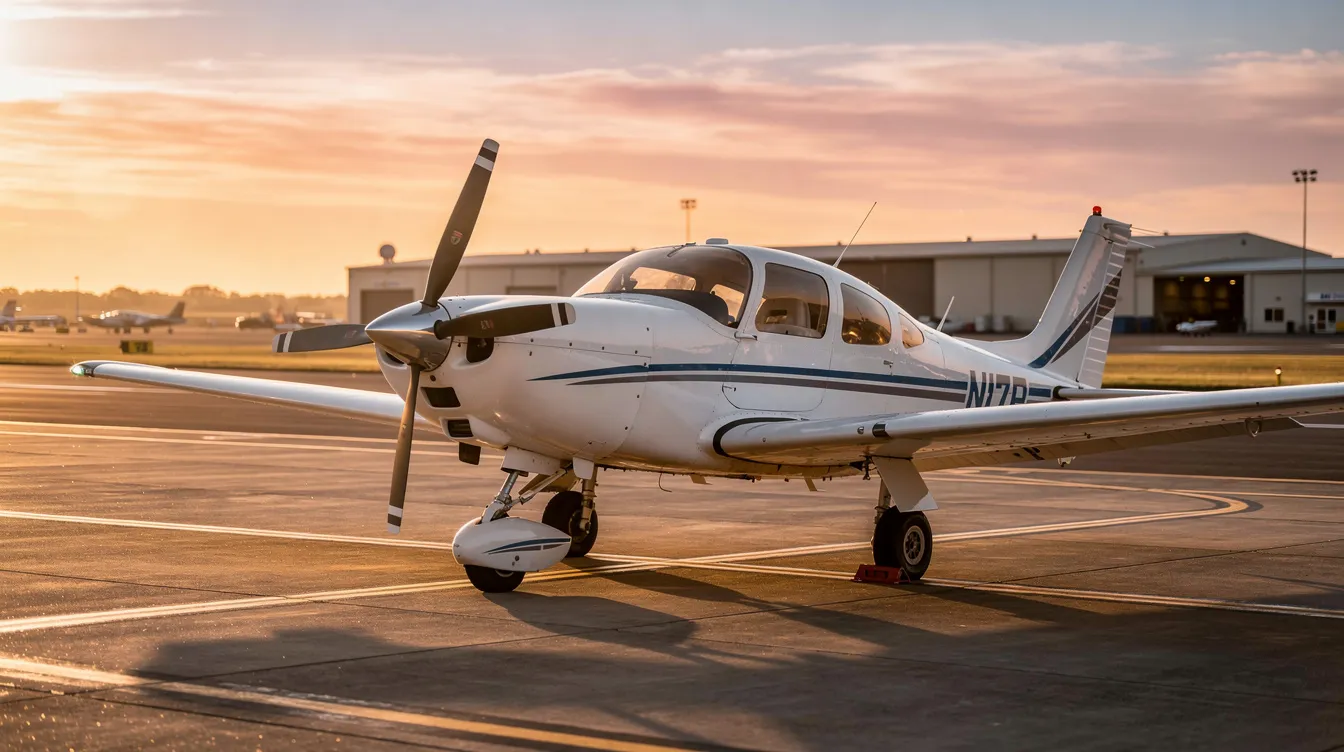
The takeaway: owning an SR22T generally makes the most financial sense at 150+ hours per year. Below that threshold, the per-hour math deteriorates quickly, and options like crowdsourced private jet flights and shared empty seats can offer a lower-commitment way to access private aviation.
While the Cirrus SR22T is an impressive single-engine platform, many travelers are primarily buying time savings, flexibility, and comfort — not the aircraft itself.
Capital: SR22T ownership ties up hundreds of thousands to over $1M in a depreciating asset vs. zero aircraft capital when chartering on Jettly.
Flexibility: Charter lets travelers select from light jets, turboprops, helicopters, or pistons tailored to each mission instead of one fixed aircraft type.
Coverage: The SR22T is ideal for 2–3 passengers and regional missions. Jettly can accommodate larger groups and longer routes (e.g., New York–Miami, Toronto–Vancouver) in a single nonstop jet leg using aircraft from leading private plane manufacturers for every budget and need.
Utilization: For flyers logging under ~100–150 hours annually, paying per trip through Jettly often undercuts the effective per-hour cost of ownership once fixed costs and financing are included, especially when leveraging private jet memberships to reduce hourly charter rates.
Jettly's digital platform offers instant pricing, transparent quotes, tools like an airport locator, and access to 20,000+ aircraft — giving SR22T shoppers a clear benchmark for what their typical trips would actually cost on charter versus owning.
Some customers adopt a hybrid approach: chartering via Jettly for longer or multi-city missions while owning a simpler aircraft for local flying. This combines personal control with the performance and range of larger charter aircraft when needed, whether through shared charter flights or full private charters.
The cost of Cirrus SR22T ownership spans a wide range — from $250,000 for an older used model to $1.4M+ for a factory-new G7+ with every option. Operating costs land between $350 and $550 per flight hour at typical utilization, with fixed costs, maintenance reserves, and financing shaping the final number.
SR22T ownership tends to make economic sense for pilots flying 150–250 hours per year who value personal control, hands-on flying, and can leverage turbo performance and known icing capability.
Those flying fewer hours or primarily point-to-point business trips may gain more value and less financial risk from private jet charter through Jettly.
Safety tech such as CAPS and Safe Return, while not cheap, contributes to strong resale values and peace of mind for family flyers.
Glass cockpit avionics and connectivity turn the SR22T into a capable IFR traveling machine, but also add to training and maintenance expectations.
Run your own utilization and cost scenarios honestly. Compare against charter pricing. Then decide whether to buy, charter, or combine both strategies for your specifications and mission needs.
Ready to experience private travel on your terms? Explore flight options or request a quote at https://www.jettly.com.
Share this post:
Jay Franco Serevilla
Aug 2, 2026
|
5
min read
Discover tips and trends in the industry.
5
min read
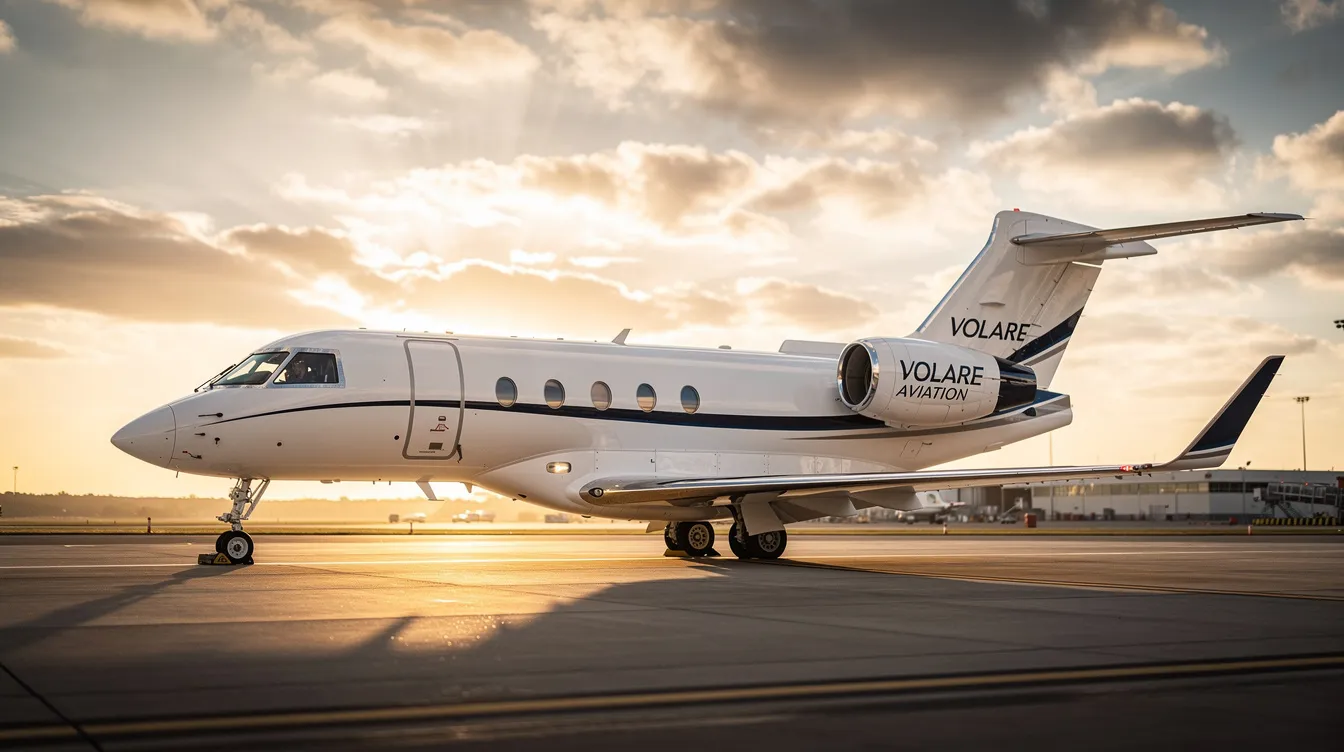
Volare Aviation and Modern Private Aviation: How Jettly Helps You Charter Smarter
Volare Aviation offers boutique private aviation services at Oxford Airport, specializing in aircraft ownership, management, and charter. With the rise of digital platforms like Jettly, private jet and helicopter travel has become more accessible, allowing travelers to choose flexible options without the need for ownership. This article explores the advantages of private aviation, including reduced travel time and personalized service.
Read More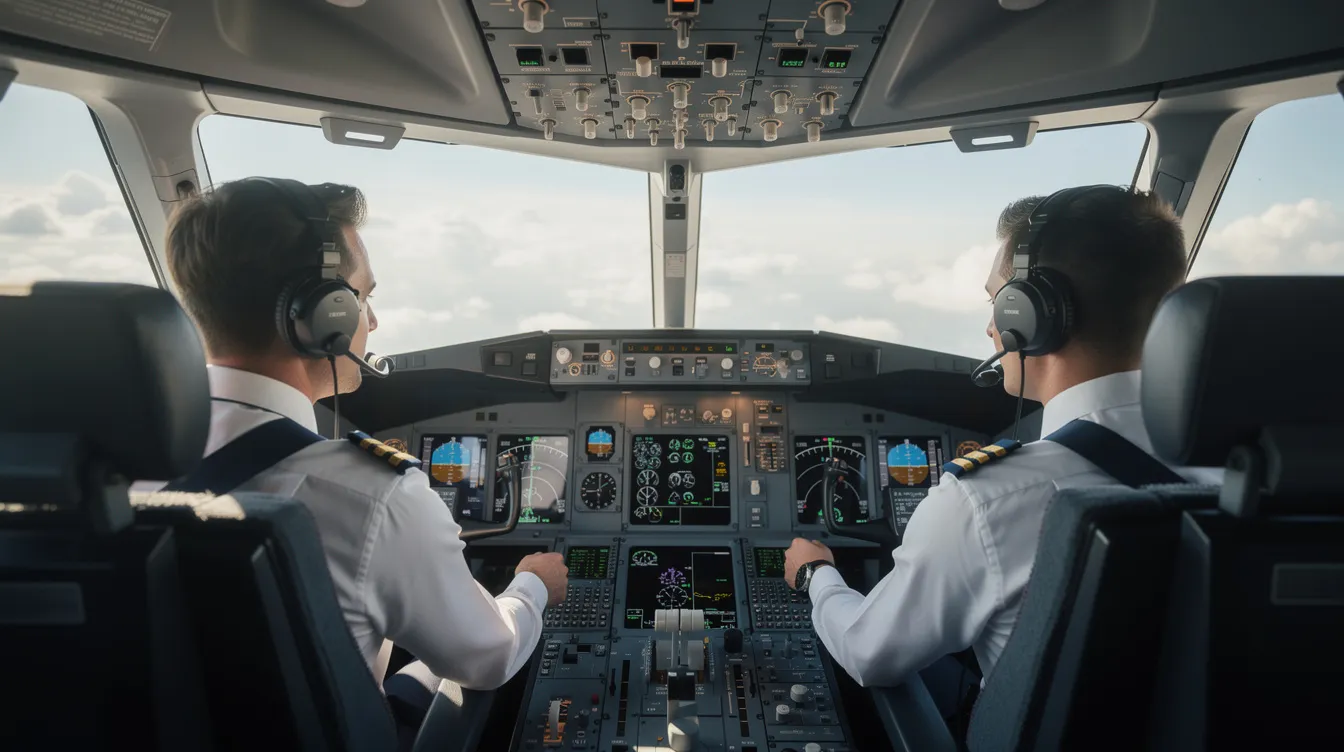
5
min read
Why So Many Plane Crashes? Causes, Trends, and How Modern Aviation Stays Safe
Plane crashes are often the result of a combination of factors, including human error, mechanical failures, and weather conditions. Despite media coverage suggesting otherwise, air travel remains statistically safe, with improvements in aviation safety over the decades. Understanding the causes and trends can help travelers make informed decisions about their flying options.
Read MoreStay updated with our latest insights and tips to elevate your journey with us.
MEMBERSHIPS AND ASSOCIATIONS



Disclaimer: Jettly operates as a charter broker, offering access to a global digital jet charter marketplace. Jettly is not a direct air carrier and does not own or operate aircraft. All advertised flights are conducted by third-party air carriers that are fully licensed and hold the appropriate Part 135 or Part 121 certifications issued by the Federal Aviation Administration (FAA) or equivalent regulatory authorities under U.S. or foreign law. Jettly complies fully with the U.S. Department of Transportation's Part 295 and Part 298 Charter Broker regulations. Jettly does not carry additional liability insurance. Passengers are covered by aircraft operator insurance. TICO: 50023770


