


Login
Get Instant Pricing On 23,000+ Aircraft

>
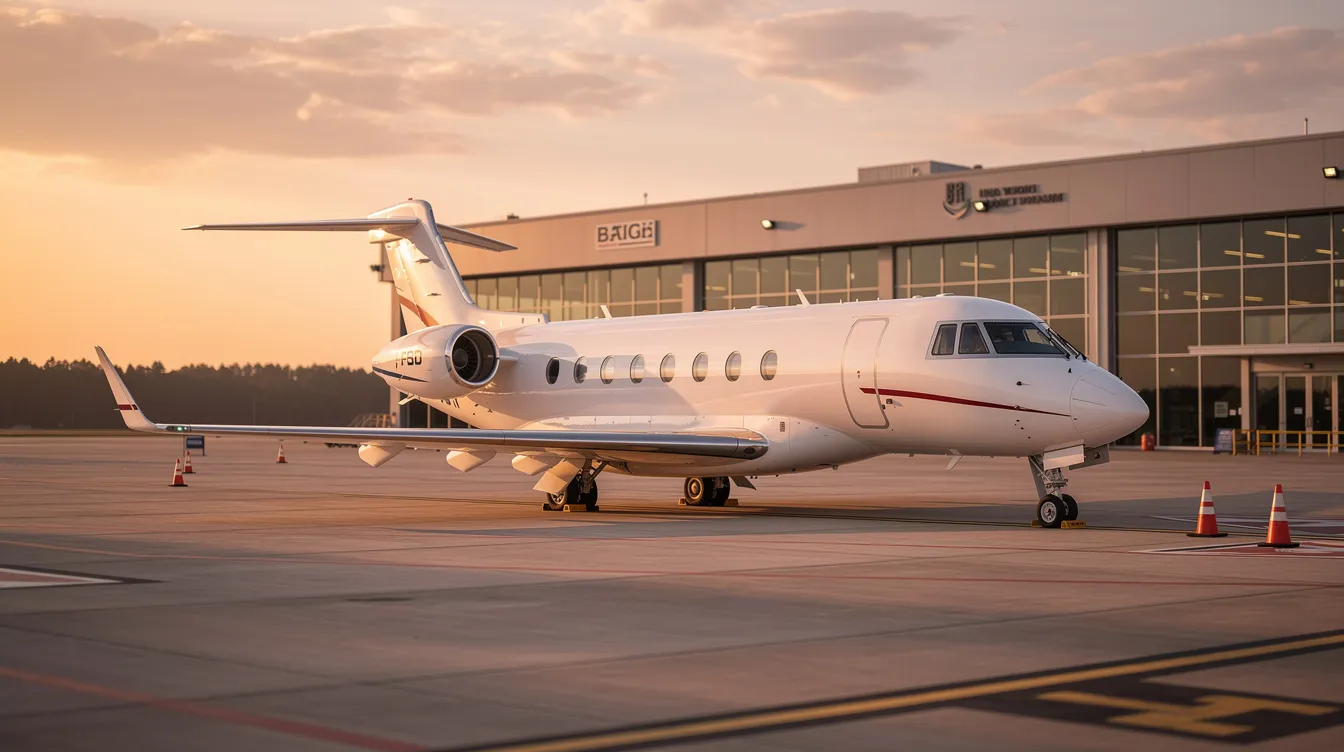
A corporate flight attendant works aboard private and business jets rather than commercial airliners. The role blends cabin safety with VIP-level hospitality for small groups of passengers, making it one of the most distinctive flight attendant jobs in aviation today.
This guide is for aspiring flight attendants, hospitality professionals, and anyone interested in transitioning to private or corporate aviation. Understanding the unique requirements and opportunities in corporate aviation can help you launch a rewarding career in this growing field.
Corporate flight attendants serve small groups on private jets and focus on personalized luxury service, while commercial flight attendants serve hundreds of passengers on scheduled flights. With over 1,000 corporate flight attendant positions available across the industry, interest in this career path is growing fast.
Corporate aviation and private aviation differ from airline flying in almost every way. Aircraft are smaller. Passenger counts are lower. Service is deeply personalized. Schedules are flexible rather than fixed. Typical employers include Fortune 500 flight departments, private jet owners, charter operators, and digital charter platforms like Jettly that work with professional flight crews to deliver premium travel experiences.
Demand for corporate flight attendants has climbed steadily since 2019. The U.S. Bureau of Labor Statistics projects flight attendant employment to grow about 9% from 2025 to 2035. Private aviation is seeing steady demand due to the reliance of high-net-worth individuals and corporate entities on time-saving, flexible travel. According to JetNet's 2025 market data, global business jet usage sits roughly 10% above pre-COVID levels, with whole-aircraft transactions rising over 13% year over year.
The day-to-day world of a corporate flight attendant looks nothing like life on a commercial airline. Corporate flight attendants serve small groups on private jets, sometimes just two or three passengers, and focus on personalized luxury service tailored to each traveler's preferences. Commercial flight attendants, by contrast, serve hundreds of passengers on scheduled flights with standardized procedures.
On a corporate flight, the attendant often works alone or with one colleague. There are no set routes, no seniority-based bidding, and no union protections in most cases. Many roles are freelance or contract-based. The aircraft themselves tend to be midsize and heavy jets such as the Gulfstream G450, Bombardier Challenger 350, or Dassault Falcon 2000, each with its own galley equipment and cabin layout.
Key duties include additional responsibilities beyond standard cabin service:
Preflight cabin inspections and safety checks
In-flight food and beverage service
Coordinating catering orders and special diets
Managing post-flight paperwork and cabin clean-up
Operating entertainment systems
Planning events or meetings at altitude
Handling luggage, supplies, and ground logistics
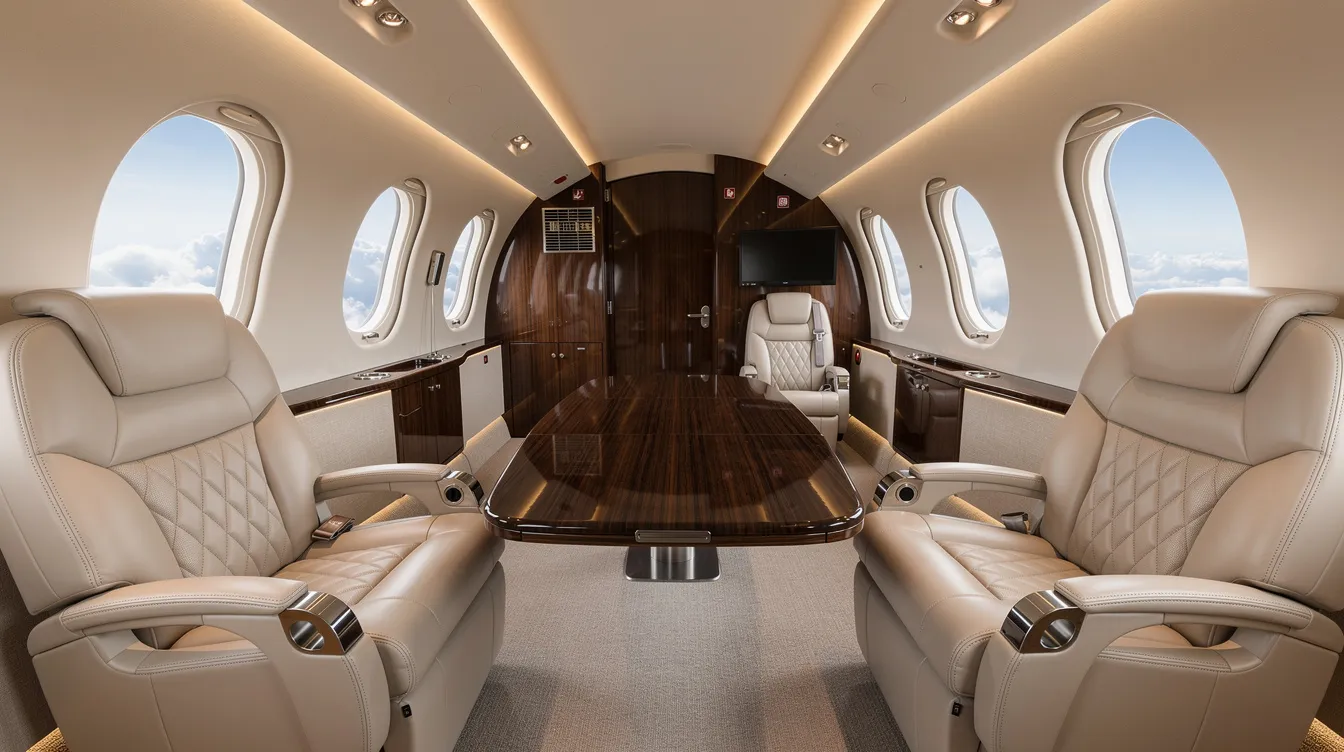
Every corporate flight attendant's job begins with safety. All the hospitality and detail work is built on a foundation of emergency readiness. Corporate flight attendants manage high-end luxury hospitality and strict cabin safety for private jet passengers, and they must manage in-flight emergencies effectively and independently.
Safety and security responsibilities:
Pre-flight and post-flight emergency equipment checks
Aircraft-specific evacuation procedures
Administering first aid, CPR, and AED
Coordinating with pilots during incidents
Maintaining security protocols
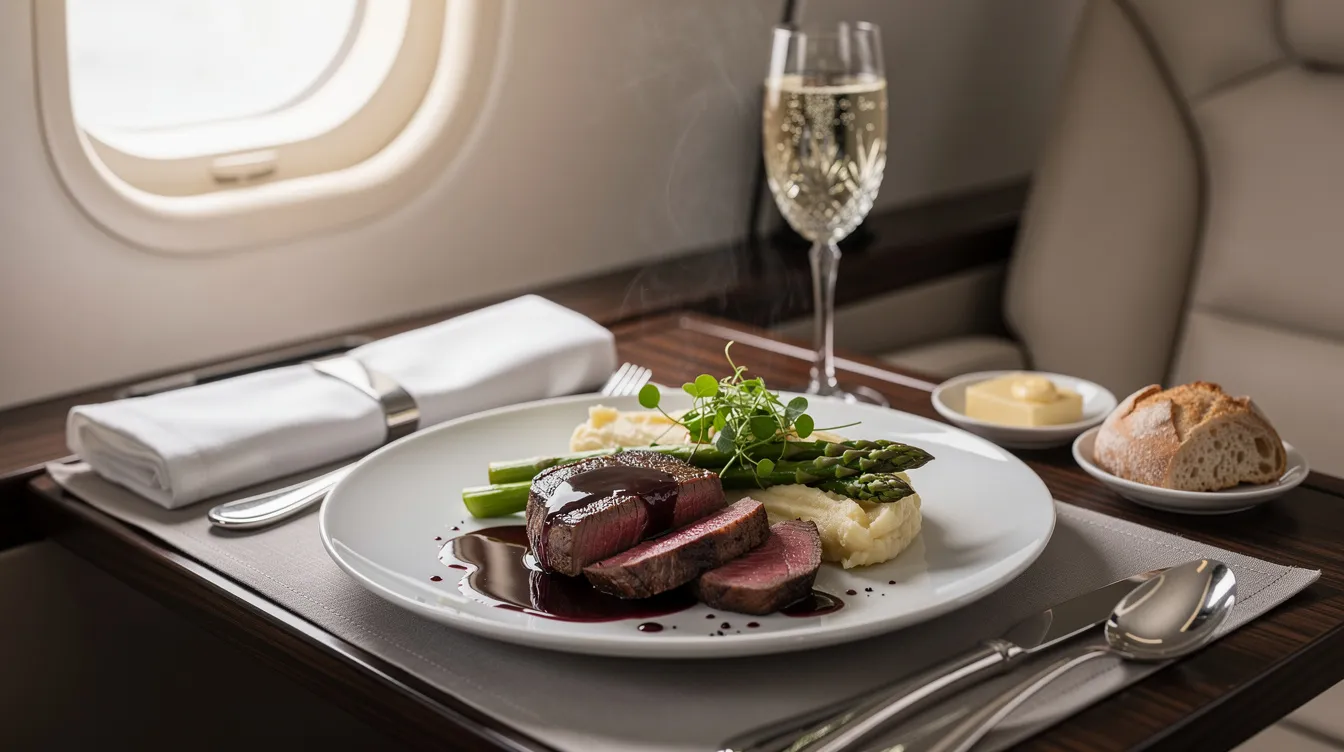
The hospitality side is equally demanding. Corporate flight attendants create personalized in-flight experiences by designing menus around passenger needs, plating meals to fine dining standards, and sourcing amenities to deliver service at a high level for each traveler. Food safety, allergen management, and dietary restrictions (vegan, kosher, gluten-free) are standard considerations, and many operators work with specialized in-flight catering services for private jets to meet these expectations.
Hospitality responsibilities:
Designing menus for passenger preferences
Plating meals to fine dining standards
Managing food safety and dietary restrictions
Sourcing amenities for each traveler
Then there is the event planner dimension. Birthday celebrations, board meetings, and product launches happen at 40,000 feet. Corporate flight attendants coordinate cabin ambiance, source supplies, and work with ground teams to keep tight business schedules on track. Discretion is essential. When passengers include executives, celebrities, or high-net-worth families, confidentiality is a non-negotiable additional responsibility.
Event planning responsibilities:
Coordinating cabin ambiance for events
Sourcing supplies for celebrations or meetings
Working with ground teams for schedules
Maintaining discretion and confidentiality
Corporate flight attendant roles offer more travel flexibility than commercial roles. Many corporate flight attendants can create their own schedules, choosing contract assignments that fit their lives. That said, the schedule comes with trade-offs. Trips may arrive on short notice, and a constantly changing schedule and late-night flights are part of the reality.
Commercial flight attendants often start on reserve status for one to two years, waiting for seniority to unlock preferred routes. Corporate attendants skip that system entirely but manage a constantly changing calendar instead.
Common trip types include NYC to Miami business hops, Los Angeles to Las Vegas weekend charters, private jet charter flights in Atlanta, New York to London transatlantic legs, and Toronto to Vancouver runs, often operating through a wide range of private aviation airports. Between assignments, many attendants work from home rather than commuting to an airline base. Deadheading, or repositioning as crew to a trip's starting point, is common, and some private operators also experiment with crowdsourced and shared private flights to improve aircraft utilization.
Pros:
High daily rates and paid time for trip days
Fewer total flying days per month than airline crews
Exposure to world-class destinations and hospitality
Ability to fly on diverse aircraft types
Cons:
Income variability for contract crew
Schedule unpredictability and time away from home
Sole responsibility for cabin prep and service
High-pressure, high-standards environments
Requirements vary by operator, but common standards run across corporate aviation, whether you work for a large fractional provider like NetJets, the industry leader in private aviation, flexible alternatives like flying private with Jettly for less, or a smaller charter operator.
Baseline qualifications:
Minimum age of 21 (in most cases)
High school diploma (college degree preferred but not always required)
Valid passport
Ability to pass background checks and drug screenings
Legal eligibility to work in the operator's country
Physical requirements:
Ability to lift 40 to 50 lbs (18 to 23 kg)
Ability to stand for extended periods
Ability to fit into jumpseats
Agility to operate emergency equipment under pressure
Preferred experience and other qualifications:
Prior airline flight attendant or private aviation job experience
High-end hospitality experience (five-star hotels, fine dining, concierge, or event planning)
Language skills, culinary training, or wine service knowledge
VIP client-facing experience with proven discretion
Safety certifications are mandatory for top-tier hiring in corporate flight attendant roles. Specialized safety training is usually required from recognized providers, covering cabin emergency procedures, medical response, and aircraft-type familiarization.
Corporate flight attendants often pursue formal flight attendant training beyond what airlines provide, positioning themselves for roles with leading private and charter airlines in business aviation. Initial flight attendant training programs cover cabin safety, evacuation drills, and emergency response, forming the foundation for every new entrant.
Corporate flight attendant training typically lasts one to six weeks, and training can be completed in as short as one week depending on the program and a candidate's background.
Key program types include:
Initial Cabin Safety and Emergency Procedures Training: Essential for new entrants. Emergency procedures training includes live fire training and simulated evacuations.
Business Aviation Hospitality Training: Enhances service skills for corporate flight attendants, covering fine dining presentation, wine service, and cabin ambiance design.
Recurrent safety programs: Corporate flight attendants often undergo recurrent annual training to stay compliant with safety regulations, typically every 12 to 24 months, just as frequent flyers may rely on a jet card flight cost estimator to budget their ongoing travel.
Aircare FACTS offers a four-day training program for corporate flight attendants and brings over 40 years of training experience. Schools like Beyond & Above in Florida run six-day initial training courses and shorter transition programs for airline cabin crew entering corporate aviation.
Training alone does not guarantee attendant jobs. But combined with hospitality skills and aviation expertise, plus an understanding of Part 135 charter companies and their safety standards, it significantly strengthens any candidate's profile during the hiring process.
Major employer categories in private aviation include Fortune 500 flight departments, charter operators, aircraft management companies, and private owners. Companies like Solairus Aviation and Flight Crews Unlimited seek motivated corporate flight attendants for contract roles across the country, from San Jose to Chicago and beyond.
Common career entry points include commercial flight attendants transitioning to corporate flight roles, luxury hotel or restaurant team members moving into private aviation, and beginning through ground roles at fixed-base operators within the broader private and charter airline ecosystem and instant-book private jet platforms like Zenflight.
Pay ranges:
Entry-level contract daily rates: approximately $400 to $800 per day depending on region and aircraft size
Experienced contract rates: $800 to $1,000+ per day for domestic flights, with international premiums
Full time salaried roles: roughly $60,000 to $120,000+ annually with benefits such as 401(k), health insurance, and paid time off
Corporate flight attendants typically earn a higher average salary compared to commercial flight attendants, depending on experience and type of aircraft, and they often work alongside crews employed by top private jet charter companies serving high-net-worth travelers. The ideal candidate for advancement is someone who builds expertise on larger business jets, develops specialized skills, and maintains high standards of service.
Career progression options include lead flight attendant on a fleet, training instructor, cabin service manager, or stepping into corporate travel coordination and trip planning roles.
Networking is central in corporate aviation. Many jobs are filled by referral and word of mouth rather than job board postings. Building relationships with flight crews, schedulers, and dispatchers can lead to repeat assignments and full time offers.
Key strategies include networking directly with operators, building a strong personal brand, and even leveraging platforms like Jettly's high-ticket affiliate program if you also refer clients into private aviation services:
Key strategies include:
Joining business aviation associations and online professional communities
Attending events at FBOs, industry conferences, and training workshops
Using LinkedIn, niche job boards specializing in private plane jobs, consumer guides on easy ways to get a seat on a private jet, and resources explaining how empty leg private jet flights work to better understand how passengers access private flights
Preparing a tailored corporate flight attendant resume with service photos and letters of recommendation
Connecting directly with charter operators who staff flights for platforms like Jettly and studying how to buy a seat on a private jet to speak your clients' language when discussing trip options
Employees who stand out tend to be responsible, detail-oriented, and skilled at building trust. Strong references and a visible portfolio of hospitality ability go further than credentials alone.
Jettly is a digital private aviation platform that connects travelers to a global network of private charter aircraft across categories, from light jets to heavy, long-range cabins. The platform partners with licensed operators, such as dedicated private jet charter providers, who employ professional flight crews, including corporate flight attendants, to staff flights booked through its marketplace.
High-quality corporate flight attendants enhance the Jettly passenger experience through personalized service, seamless coordination with ground transportation, and discreet hospitality for both business and family trips, helping justify the premium of affordable private jet charter services over commercial travel.
Consider these scenarios:
An executive team books a New York to Miami flight for back-to-back meetings. The corporate flight attendant preps a working cabin with printed agendas, catered lunch, and operates audio and video systems for a mid-flight presentation.
A family charters a Toronto to Vancouver flight for a vacation. The attendant arranges kid-friendly meals, manages luggage, and coordinates ground transport on arrival.
A CEO needs a last-minute corporate flight to a regional airport. The attendant boards on short notice, completes preflight and in-flight cabin checks, and delivers a quiet, focused environment for late night flights.
Travelers booking through Jettly can request specific levels of in-flight service, and operators assign trained corporate flight attendants for suitable aircraft and routes, often beginning with an online private jet charter cost estimate or researching how much it costs to rent a private jet to plan the trip. Learn more about how to charter a private jet through Jettly's platform or explore structured jet card programs for frequent flyers and in-depth guides on what a jet card is and how it works for those who need predictable access and pricing.
Q1: What qualifications are required to become a corporate flight attendant?A1: Typical qualifications include being at least 21 years old, having a high school diploma or higher, a valid passport, the ability to pass background checks and drug screenings, and legal eligibility to work. Prior hospitality or airline experience and safety certifications are highly valued.
Q2: How long does corporate flight attendant training take?A2: Training programs vary but can be completed in as little as one week for initial cabin safety and emergency procedures. More comprehensive programs, including hospitality training, may last up to six weeks.
Q3: What are the main differences between corporate and commercial flight attendant jobs?A3: Corporate flight attendants serve small groups on private jets with personalized luxury service and flexible schedules. Commercial flight attendants serve hundreds of passengers on scheduled routes with fixed schedules and union protections.
Q4: Can corporate flight attendants create their own schedules?A4: Yes, many corporate flight attendants have the flexibility to choose contract assignments and create schedules that fit their lifestyles, though short-notice trips and schedule variability are common.
Q5: What safety training is required for corporate flight attendants?A5: Safety training includes emergency procedures, live fire drills, simulated evacuations, CPR, AED certification, and basic first aid. Recurrent safety training is often required annually or biannually.
Q6: How does one find corporate flight attendant job opportunities?A6: Networking within the industry, attending business aviation events, joining professional associations, and leveraging platforms like Jettly are key strategies to find job openings and contract roles.
Q7: What types of employers hire corporate flight attendants?A7: Employers include Fortune 500 flight departments, private jet owners, charter operators, aircraft management companies, and digital charter platforms.
Q8: What is the typical pay range for corporate flight attendants?A8: Entry-level daily contract rates range from $400 to $800, while experienced attendants can earn $800 to $1,000+ per day. Full-time salaries range from approximately $60,000 to $120,000+ annually, depending on experience and location.
Q9: Are corporate flight attendants responsible for event planning?A9: Yes, they often coordinate cabin ambiance, source supplies for celebrations or meetings, and ensure schedules run smoothly, all while maintaining discretion and confidentiality.
Q10: How does Jettly support corporate flight attendants?A10: Jettly connects corporate flight attendants with a global network of private charter flights, providing opportunities to work with diverse aircraft and clients while enhancing passenger experiences through personalized service.
Corporate flight attendant jobs combine safety expertise with VIP-level hospitality in one of aviation's fastest-growing segments. The role suits people from hospitality, event planning, or airline backgrounds who enjoy autonomy, problem-solving, and high-touch service for small groups of passengers.
Corporate aviation and private aviation are expanding fields with increasing opportunities for skilled flight attendants in both full time and contract positions. Invest in training, build your network, and develop a strong service portfolio to stand out in a competitive market, especially with the growth of private jet membership programs that keep aircraft flying more frequently. The world of private aviation rewards those who bring genuine skill, discretion, and professionalism to every cabin.
Ready to experience private travel on your terms, or see how corporate flight attendants support premium travel experiences? Explore flight options or request a quote at https://www.jettly.com.
Share this post:
Jeff Ryan Serevilla
Sep 20, 2026
|
5
min read
Discover tips and trends in the industry.

5
min read
Cheap Private Jet Price: How to Fly Private for Less in 2026
In 2026, flying private can be more affordable than expected, with various options available for different budgets. This guide explores pricing by aircraft size, route, and trip type, helping travelers find the best value for private jet travel. Discover how to navigate the charter market and access cost-effective private aviation solutions.
Read More
5
min read
Do Flight Prices Go Down After Thanksgiving? (2026 Guide for Commercial & Private Travel)
Flight prices generally decrease after Thanksgiving, especially for leisure routes, as demand drops. This guide details when to find the best deals and how to navigate the holiday pricing landscape for both commercial and private travel.
Read MoreStay updated with our latest insights and tips to elevate your journey with us.
MEMBERSHIPS AND ASSOCIATIONS



Disclaimer: Jettly operates as a charter broker, offering access to a global digital jet charter marketplace. Jettly is not a direct air carrier and does not own or operate aircraft. All advertised flights are conducted by third-party air carriers that are fully licensed and hold the appropriate Part 135 or Part 121 certifications issued by the Federal Aviation Administration (FAA) or equivalent regulatory authorities under U.S. or foreign law. Jettly complies fully with the U.S. Department of Transportation's Part 295 and Part 298 Charter Broker regulations. Jettly does not carry additional liability insurance. Passengers are covered by aircraft operator insurance. TICO: 50023770


