



Login
Get Instant Pricing On 23,000+ Aircraft

>
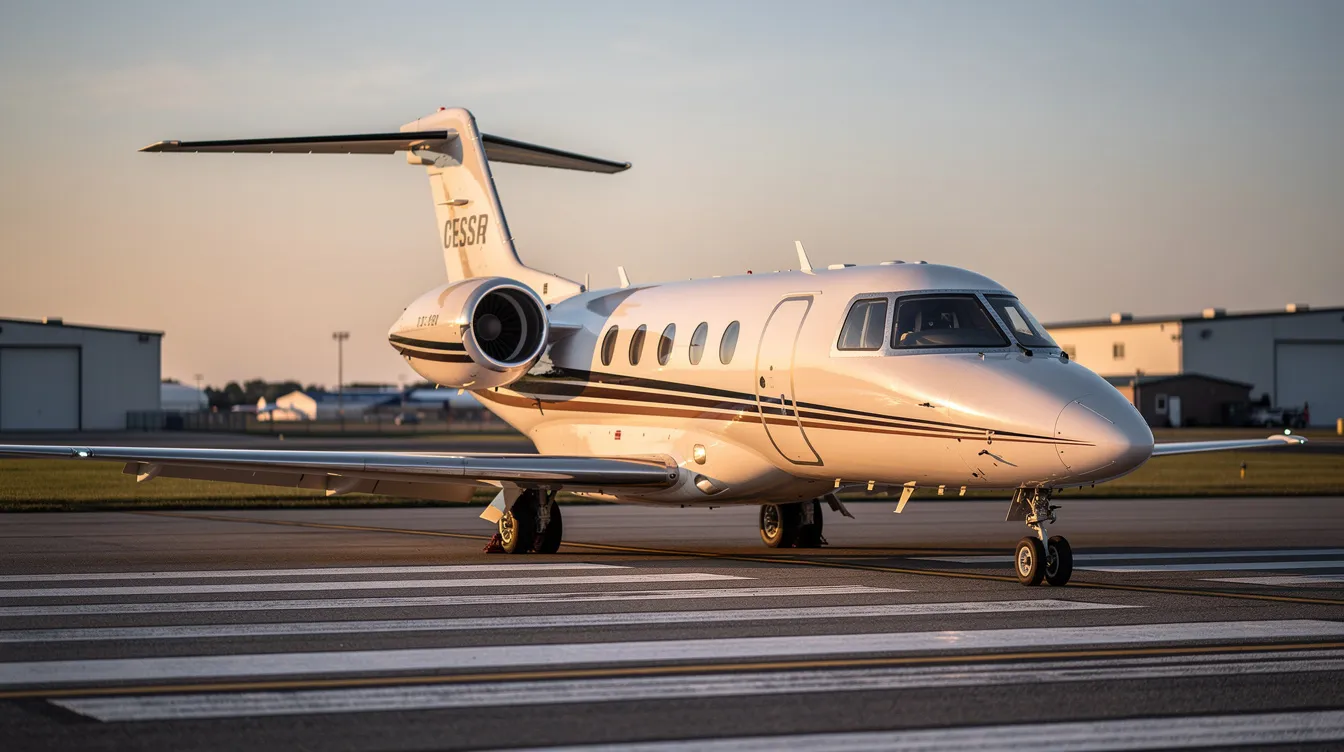
If you're browsing the market for a Citation II SP for sale, expect most pre-owned Cessna Citation II SP aircraft in 2026 to list roughly between $800,000 and $1,500,000, with final value driven by condition, total time, maintenance status, and avionics upgrades. For regional business owners, air taxi operators, experienced pilots, and travelers comparing ownership with on-demand access, this guide breaks down what a Citation II SP delivers in performance, cabin layout, technical and avionics details, and what it really costs to buy, operate, and evaluate before closing.
Because acquisition price is only part of the decision, we'll also compare ownership costs with chartering similar light jets through Jettly, a flexible option for buyers who want private aviation without the capital commitment and who need a clearer view of private jet operating cost. If you're deciding whether the Citation II SP still makes sense in today's light-jet market, this overview is built to help you judge value, avoid expensive surprises, and choose between buying and chartering with clearer numbers, while also considering alternatives like fractional providers such as NetJets.
The Cessna Citation II SP (Model 551) is a single-pilot certified light jet with a cruise speed of 374 knots, a service ceiling of 43,000 feet, and a normal operating range between 1,220 and 1,520 nautical miles.
Typical 2024–2026 asking prices for a Citation II SP fall between roughly USD $800,000 and $1,500,000, depending on engine time, avionics, and interior refurbishment status.
The market for Cessna Citation II/SP often sees prices fluctuate based on specifications, making due diligence on engines, airframe history, and avionics essential.
Many travelers now choose on-demand charter through platforms like Jettly rather than committing capital to an aging aircraft, gaining access to similar or newer private jets without fixed costs.
This article covers performance data, equipment details, cabin configurations, evaluation checklists, and how to charter a comparable light jet through Jettly.
The Cessna Citation II SP is a single-pilot certified variant of the Cessna Citation II (Model 550/551), produced from the late 1970s through the late 1980s. The Model 551 variant is specifically certified for single-pilot operations, making it a popular plane among owner-operators and smaller charter fleets. Single-pilot certification allows for reduced operational crew costs, which remains a key draw for budget-conscious buyers interested in light jet ownership.
Performance snapshot:
Cruise speed: 374 knots
Range with reserves: 1,220–1,520 nautical miles
Service ceiling: 43,000 feet
Climb rate: over 3,000 feet per minute
Engines: two Pratt & Whitney JT15D-4 turbofans, each providing 2,500 pounds of thrust on takeoff
Compared to the Citation I, the II SP offers more cabin space and range. Versus newer models in the Cessna Citation family, it trades fuel efficiency and modern cabin tech for a significantly lower acquisition price. In 2026, this aircraft suits regional business owners, air taxi operators, and experienced pilots who want to fly a capable light jet without a seven-figure price tag on a newer model.
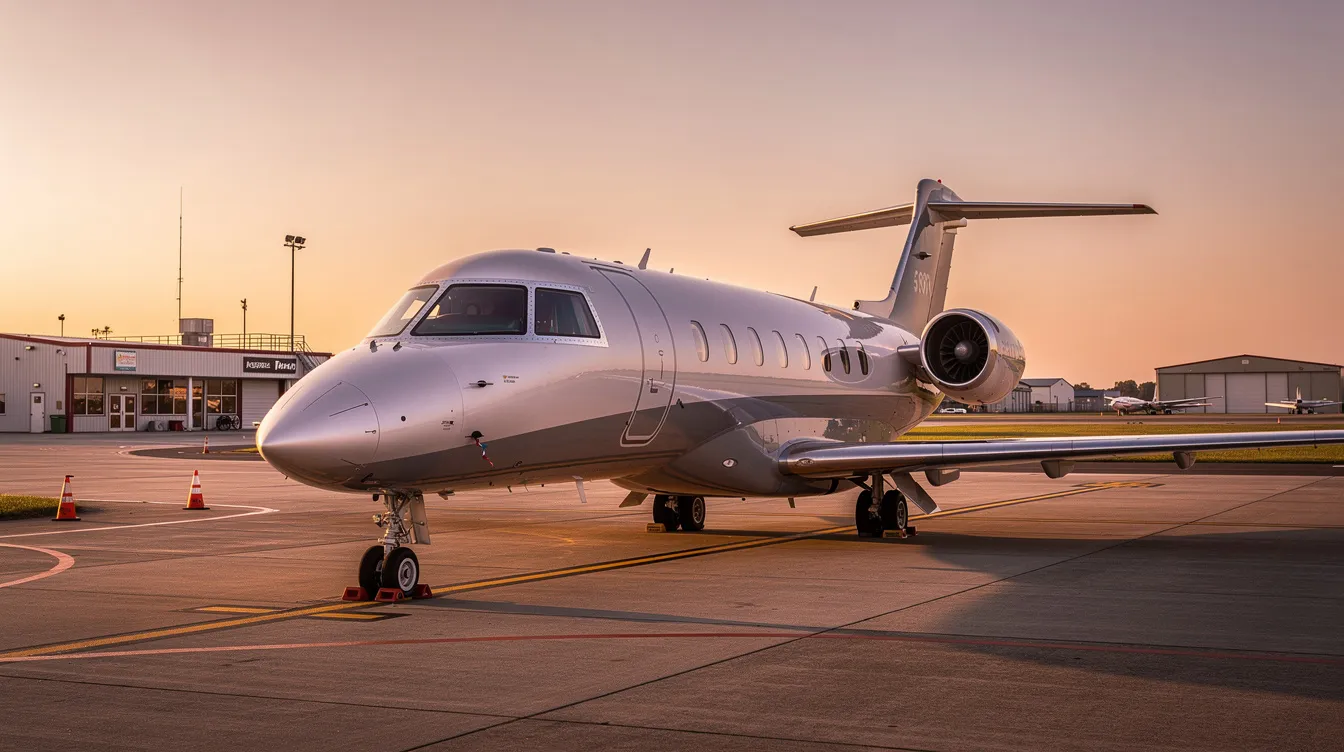
Active Cessna Citation II listings can be found on major broker platforms, with many airframes from 1979–1992 still in regular service for buyers evaluating affordable planes and budget-friendly aircraft choices. Cessna Citation II models can vary significantly in modernization and upgrades, which drives wide price spreads across the market.
Typical asking price bands:
Earlier aircraft (1980–1985): approximately $800,000–$1,200,000
Late-model or recently refurbished jets: up to $1,300,000–$1,500,000
Cessna Citation ISP prices range from $380,000 to $795,000 for older or higher-time examples, making them competitive with many affordable airplane rent solutions.
For context, a 2010 Cessna Citation Mustang is priced at $2,250,000, a 2016 Cessna Citation Latitude at $16,995,000, a 2013 Cessna Citation M2 is available for a make-offer, and a 2012 Cessna Citation XLS+ is priced at call for price. Against these, the Citation II SP represents the most affordable entry point into jet ownership for buyers considering budget-friendly aircraft choices.
Key value drivers in current sales include recent hot sections on Pratt Whitney JT15D-4 engines, RVSM approval, WAAS/LPV-capable avionics, and fresh paint or interior completed within the last five years, all of which affect where the Citation II SP sits among cheapest private aircraft options. Listings based in the United States—particularly Texas, Florida, and Wichita, KS—tend to command stronger prices due to simpler regulatory compliance. International stock from Brazil, South Africa, or Europe may offer lower sticker prices but carry import and certification costs.
The Cessna Citation II SP is also available for lease, giving operators flexibility without full acquisition commitment and providing another option to manage private jet cost structures. For those who'd rather skip ownership entirely, Jettly provides access to similar or newer Cessna Citation light jets through on-demand charter and a broad catalog of private charter aircraft.
Exact specs vary by serial number and retrofit status, but most Citation II SP aircraft share a common baseline. A typical 1982 model might show a total time of 7,134 hours, with landing cycles in the thousands—figures that are normal for a well-maintained airframe of this age.
|
Specification |
Detail |
|---|---|
|
Cruise Speed |
374 knots |
|
Range (with reserves) |
1,220–1,520 nautical miles |
|
Service Ceiling |
43,000 feet |
|
Climb Rate |
Over 3,000 feet per minute |
|
Engines |
2 × Pratt & Whitney JT15D-4 turbofans |
|
Thrust per Engine |
2,500 pounds on takeoff |
|
Typical Engine TBO |
~3,500 hours |
|
Cabin Capacity |
7 to 8 passengers |
|
Interior Features |
Club seating, refreshment center, belted lavatory |
|
Avionics |
Garmin GTN 650/750 GPS, TCAS II, ADS-B Out |
|
Typical Total Time (1982) |
~7,134 hours |
Engine details:
Two Pratt & Whitney JT15D-4 engines, each providing 2,500 pounds of thrust on takeoff
Typical TBO (time between overhaul): approximately 3,500 hours
Buyers should verify time since overhaul, time since hot sections, and whether engines are enrolled in programs like JSSI or ESP
Thrust reversers are a common and desirable feature; confirm operational status and warranties
Avionics commonly found:
Dual Collins radios, Sperry SPZ-500 autopilot
Garmin GTN 650/750 GPS with WAAS capability (on upgraded panels)
TCAS II (Change 7.1), ADS-B Out compliance
Weather radar (BendixKing or Honeywell)
Additional equipment seen in July 2026 listings includes satellite phone, RVSM compliance kits, HF radio for oceanic routes, and cockpit voice recorders. Avionics modernization—even partial upgrades costing $50,000–$150,000—can significantly improve safety, reduce pilot workload, and protect resale value on an older Citation II SP.
The Citation II SP cabin is a classic light jet layout. The interior can be configured for 7 to 8 passengers, typically arranged in a center-club seating configuration with an aft belted lavatory.
Common seating and cabin features:
Four-place club seating with foldout tables
Aft-facing single seat near the entry door
Additional side-facing or aft seats for extra capacity
Beige or cream leather seats, cream headliner and sidewalls
Custom carpeting, upgraded soundproofing, USB outlets, and LED lighting from interior refurbishment work completed in recent years
The plane includes a full refreshment center forward with storage for beverages and snacks, with some configurations adding a microwave or coffee maker. External baggage compartments offer roughly 70–80 cubic feet—enough for business luggage or golf bags.
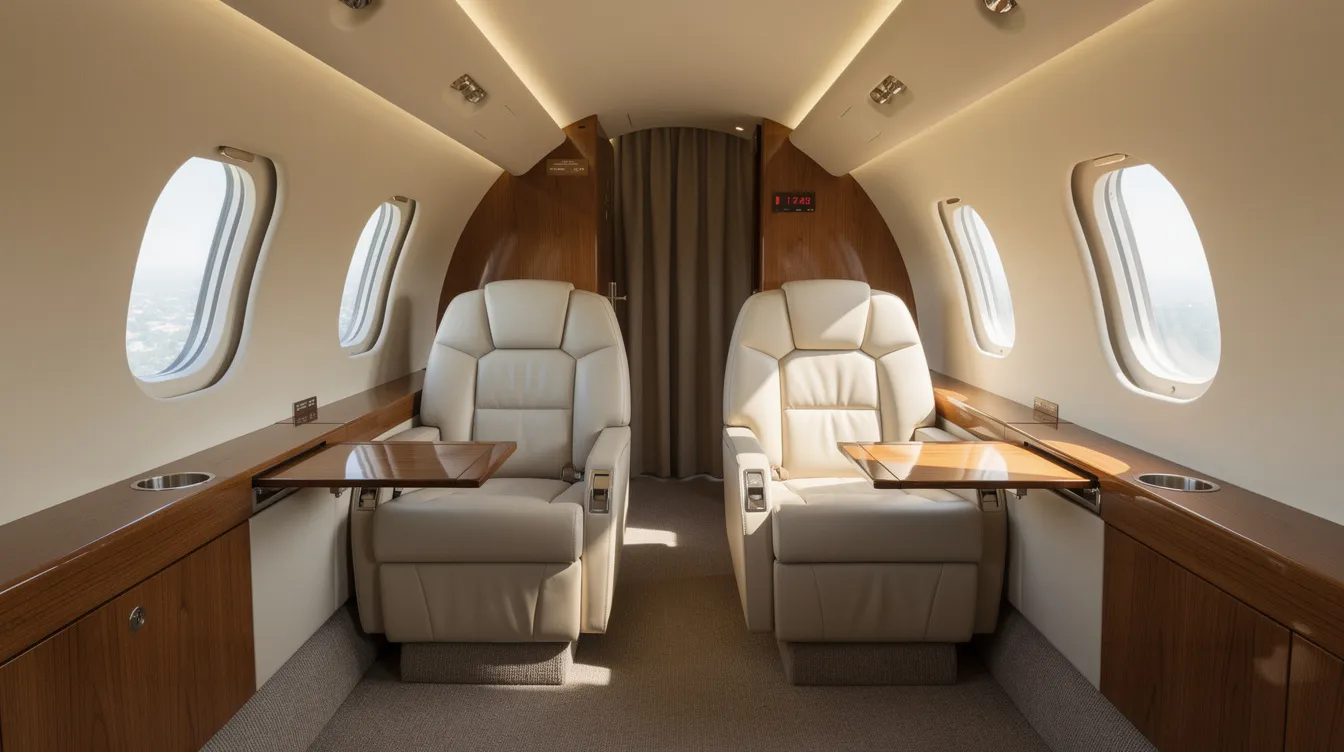
Compared with newer Cessna Citation light jets, the cabin is slightly narrower, but it remains comfortable for flights of 1.5–3 hours between city pairs like New York–Chicago or Dallas–Houston. Travelers using Jettly can filter for light private jets with similar or upgraded cabins, use an airport locator tool to reach more convenient airfields, and select newer options like the Citation CJ3 or Citation CJ2.
Owning a Citation II SP involves more than the sale price; some flyers instead rely on jet card programs with fixed hourly rates to manage costs. Here's what the full cost picture looks like versus chartering through Jettly.
Ownership costs (directional):
Acquisition: roughly $800,000–$1,500,000
Annual fixed expenses: hangar, insurance, scheduled maintenance, engine program fees, crew training
Variable costs: fuel, landing fees, oil, routine maintenance
Fully burdened operating cost: approximately $4,200–$4,500 per flight hour at moderate utilization (~325 hours/year), which still positions the Citation II SP among the cheapest private aircraft options in the light-jet category.
Ownership makes sense for:
Companies flying 300–400 hours per year on regional routes
Air taxi operators expanding their fleet
Experienced pilots who want a single-pilot capable jet for frequent travel
Charter through Jettly makes sense for:
Travelers flying fewer than 150–200 hours annually
Anyone who wants to fly different aircraft types (light jet, midsize, turboprop) per trip, from light jets to utility aircraft like the Cessna 207, using a broad selection of private charter aircraft
Short-notice business trips or family getaways where flexibility matters, whether on a light jet or a versatile cabin-class piston like the Cessna 340, making it easier to get a seat on a private jet without long-term commitments
Jettly's platform offers instant pricing, digital booking, empty-leg opportunities, and tools to crowdsource private jet flights and share empty seats, along with membership options for frequent flyers. There's no capital commitment, no maintenance risk, and access to over 20,000 aircraft globally—including many Citation II and similar light jets—through flexible private jet memberships.
Consider projected annual flight hours, capital allocation, and risk tolerance before deciding between purchasing a pre-owned Citation II SP and relying on on-demand charter or flexible private jet memberships.
With most airframes exceeding 35–40 years of age by 2026, due diligence is everything. Inspection status is crucial when buying older jets.
Airframe checks:
Full logbook review covering total time, landings, and all AD/MSB compliance
Recent phase or DOC inspections and upcoming maintenance due dates
RVSM status, damage history, and corrosion control records
Engine checks:
Confirm JT15D-4 engine times since new and since overhaul
Dates of last hot section inspections and any remaining warranties
Presence of engine maintenance programs (JSSI, ESP, PowerAdvantage)
Checking engine status and maintenance programs is critical before purchase
Avionics and regulatory:
ADS-B Out compliance, TCAS II latest change, WAAS/LPV capability
Older cockpits may feature outdated avionics which can be costly to maintain
Garmin GTN 750/650 or equivalent upgrades reduce future spend
Exterior and interior:
Date of last paint (e.g., 2020 or 2024), evidence of corrosion
Cabin condition: upholstery, headliner, lavatory, carpet
Seating layout match for the buyer's mission (business vs. family use)
A pre-purchase inspection at a Textron or Citation-specialist service center is non-negotiable. It can reveal structural issues, aging pressurization or de-ice systems, and hidden costs that listings won't mention.
If you're unsure about committing to ownership, consider chartering similar private jets through Jettly first or reviewing a broader guide to affordable airplane rent to compare other access options. Flying real-world routes on a comparable aircraft is the best way to test whether the model fits your travel patterns before writing a seven-figure check.

Below are common questions about the Citation II SP that go beyond what's covered above, including how to charter a similar aircraft through Jettly and understand how much a private jet really costs.
Many 1980s-era aircraft have been kept current with modern avionics, paint, and interior work, keeping them competitive for regional missions. Operating costs can run higher than very light jets or the latest fuel-efficient models, but the acquisition price is significantly lower. Charter customers on Jettly can opt for newer Cessna Citation models like the CJ2, CJ3, or M2 if they prioritize the latest cabin and performance features, or explore Jettly as a NetJets alternative with flexible private flying.
The Citation II SP is well suited for flights of about 1–3 hours, such as New York–Miami, Dallas–Chicago, or London–Madrid. It can access many regional and secondary airports with shorter runways, bringing travelers closer to final destinations than most commercial options.
The "SP" designation refers to single-pilot certification, but actual single-pilot operation depends on regulatory approval, pilot qualifications, and operating rules in the relevant jurisdiction. Many operators still fly with two pilots for safety and insurance reasons. Charter customers booking through Jettly always have a professional crew provided, whether they charter the whole aircraft or simply buy a seat on a private jet.
Hourly charter rates for a Citation II or comparable light jet typically fall in the low- to mid-thousands of USD per flight hour. Ownership involves both per-hour costs and significant fixed annual expenses. For travelers flying fewer than 150–200 hours per year, on-demand charter is often more economical; comparing a detailed private jet operating cost breakdown can clarify the trade-offs. Use Jettly's cost estimator or dedicated jet card flight cost estimator to compare for your actual routes.
Create an account on Jettly, enter departure and arrival airports with your travel dates, then review instant pricing and available aircraft, using the integrated airport locator tool if needed. You can filter by category—light jet, midsize, heavy jet, or turboprop—to find an offer that matches your cabin size and budget from Jettly's extensive private charter aircraft network. Ready to explore your options? Request a quote at https://www.jettly.com.
The Cessna Citation II SP remains a compelling choice for buyers seeking an affordable, single-pilot certified light jet with solid performance and a classic cabin layout. While ownership involves upfront investment and ongoing maintenance costs, it offers flexibility and control for frequent regional flyers and owner-operators. For those who prefer to avoid the complexities and capital commitment of ownership, chartering a Citation II SP or similar aircraft through Jettly provides a convenient, transparent alternative. Jettly’s digital platform grants instant access to a wide range of private jets, competitive pricing, and flexible booking options without long-term obligations.
Whether considering purchase or charter, evaluating your travel frequency, budget, and mission requirements is key. To explore private jet options, compare costs, or request a personalized quote, visit Jettly athttps://jettly.com and experience private aviation tailored to your needs.
Share this post:
Jay Franco Serevilla
Aug 12, 2026
|
5
min read
Discover tips and trends in the industry.
5
min read
Range of Cessna Aircraft: From Cessna 172 to Citation Longitude
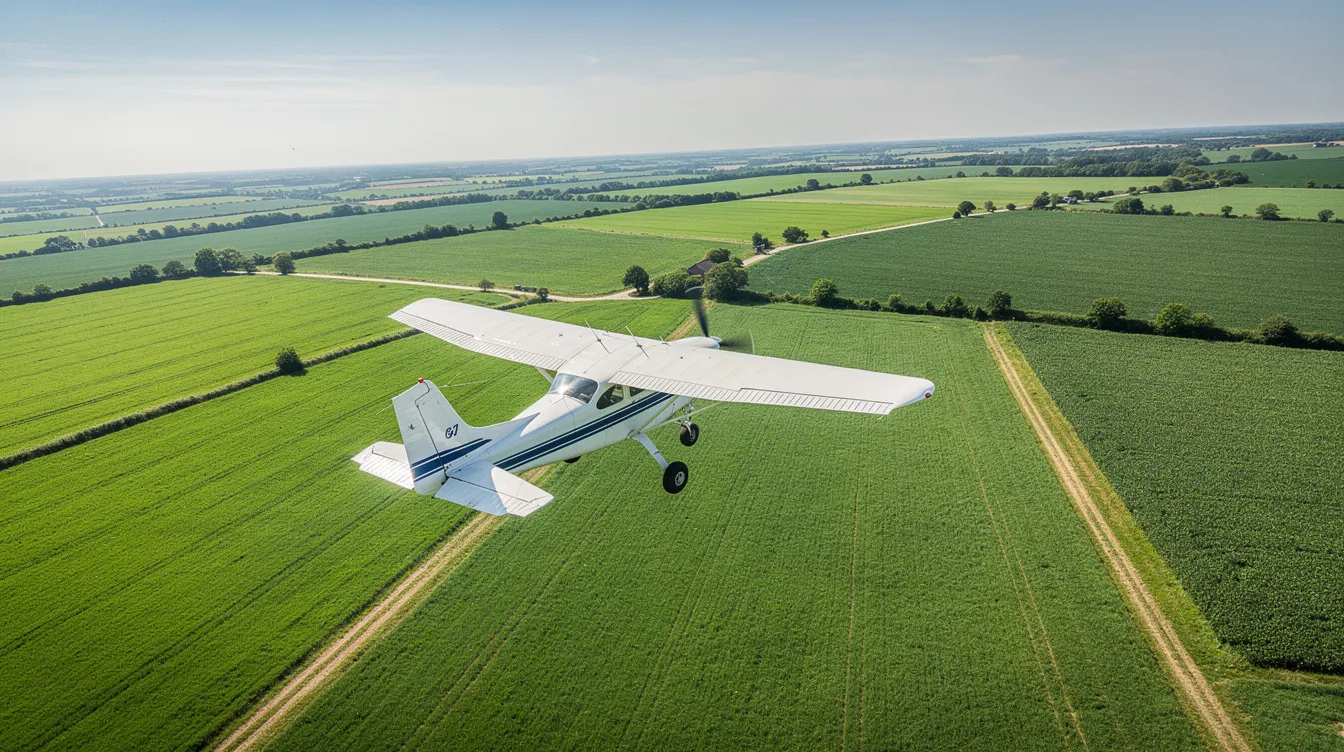
Cessna aircraft range from the versatile Cessna 172, ideal for training and short hops, to the long-range Citation Longitude, capable of flying up to 3,500 nautical miles. Understanding the range capabilities of each model, including factors like fuel capacity and consumption, is essential for effective flight planning. For longer trips, private jet charters provide access to a variety of aircraft tailored to specific travel needs.
Read More
5
min read
Contact Jet: How to Reach JetBlue Airways Customer Service Fast (and When to Consider Private Charter Instead)
This guide provides essential information on how to quickly contact JetBlue Airways customer service, including phone numbers and digital channels. It also explores the benefits of choosing private jet charter through Jettly for urgent travel needs, offering a faster alternative to waiting on hold.
Read MoreStay updated with our latest insights and tips to elevate your journey with us.
MEMBERSHIPS AND ASSOCIATIONS



Disclaimer: Jettly operates as a charter broker, offering access to a global digital jet charter marketplace. Jettly is not a direct air carrier and does not own or operate aircraft. All advertised flights are conducted by third-party air carriers that are fully licensed and hold the appropriate Part 135 or Part 121 certifications issued by the Federal Aviation Administration (FAA) or equivalent regulatory authorities under U.S. or foreign law. Jettly complies fully with the U.S. Department of Transportation's Part 295 and Part 298 Charter Broker regulations. Jettly does not carry additional liability insurance. Passengers are covered by aircraft operator insurance. TICO: 50023770


