


Login
Get Instant Pricing On 23,000+ Aircraft

>

Cirrus SR22 insurance costs remain one of the most misunderstood numbers in general aviation. Here is what the data actually shows heading into 2026.
Typical Cirrus SR22 insurance premiums range from $2,500 to $8,000 annually, depending on hull value, pilot experience level, and training history.
A newer Cirrus SR22 with a hull value above $700,000 and a low-time pilot can pay two to three times more than an older SR22 with an experienced, instrument-rated owner.
Hull value makes up 70% to 85% of total insurance premiums. Underwriters commonly charge about 1.0–1.5% of hull value per year for piston aircraft, and higher liability limits (e.g., $1M smooth vs. per-passenger sublimits) change the annual premium significantly.
Underwriters heavily reward Cirrus-specific and annual recurrent training - programs like CSIP and factory transition courses can reduce insurance costs over several renewal cycles.
For pilots who want high-performance private travel without shouldering personal aircraft insurance and ownership costs, Jettly offers on-demand charter access. Learn more at jettly.com.
These figures reflect 2025–2026 U.S. general aviation market averages. Insurance premiums for aircraft are typically based on original hull value and pilot risk, so the range is wide. Annual insurance premiums for high-performance aircraft depend heavily on hull coverage amounts - insurance for a $250,000 airplane costs roughly half of what you would pay to insure a $500,000 aircraft.
Concrete numbers Cirrus owners can expect:
A new or high-hull SR22/SR22T with a low-time pilot: approximately $5,000–$9,000+ per year.
A mid-time pilot with a clean record: about $3,500–$5,500.
A high-time, IFR-rated owner with recurrent training: often $2,500–$4,000.
Consider a 2018 Cirrus SR22 G6 with a $650,000 hull value, flown by a 600-hour IFR pilot with 200 hours in type, hangared in Florida for private and business use. That policy would likely run $4,200–$5,000 for $1M liability. By contrast, a 2004 SR22 with a $250,000 hull, a 1,200-hour pilot with 500 hours in type and annual recurrent training, would likely pay around $2,700–$3,300 for similar coverage. These examples assume clean claims history and standard private use - commercial operation or instruction can push premiums higher.
|
Pilot Profile |
Hull Value Range |
Estimated Annual Premium |
Notes |
|---|---|---|---|
|
Low-time pilot, new SR22/SR22T |
$500,000 - $700,000+ |
$5,000 - $9,000+ |
Higher risk, less experience |
|
Mid-time pilot, clean record |
$400,000 - $600,000 |
$3,500 - $5,500 |
Moderate experience, clean claims |
|
High-time, IFR-rated, recurrent training |
$250,000 - $400,000 |
$2,500 - $4,000 |
Experienced pilot, documented training |
Aircraft insurance underwriters price risk by evaluating the aircraft and experience level of the pilot, plus how the airplane will operate. Each factor can move the premium meaningfully.
Aircraft factors: Model year matters - an older G2 SR22 carries a lower hull value than a late-model G6 or turbocharged SR22T. Installed equipment (avionics, FIKI, turbo) increases hull value directly and therefore cost. Storage in a hangar can positively affect insurance rates compared to outdoor tie-down, and geographic weather risk (hail zones, hurricane exposure) plays a role.
Pilot profile: Underwriters assess total flight hours and time in type when determining rates. Pilots without an Instrument Rating face higher premiums. A clean claims history generally results in lower premiums, while past incidents or violations can make coverage expensive. Age considerations surface as pilots approach or exceed 70.
Operational use: Flight usage classification - personal vs. commercial - affects insurance costs. Named-pilot policies with a single qualified pilot tend to be cheaper than multi-pilot arrangements. Higher liability limits increase the cost of premiums, so choosing between $1M smooth liability and per-passenger sublimits is a real decision.
Hull value: This is the single biggest cost driver. Hull value directly impacts insurance costs, and insuring for significantly more than true market value wastes premium.
Market cycle: From 2018 to 2022, aviation insurance was in a hard market, and premiums rose even for clean risks. The market has since softened - BWI aviation insurance data shows median renewal reductions of roughly 25% across tracked SR22 policies in early 2026.
The Cirrus SR22's reputation as a high-performance aircraft means underwriters expect structured training before they offer favorable terms.
Initial Cirrus-specific training is required for new SR22 owners, and that training must be through a Cirrus Standardized Instructor Pilot (CSIP). Many underwriters view this as non-negotiable before full hull coverage takes effect.
For a pilot stepping up from a Beechcraft Bonanza or Cessna 172 with around 250 total hours, insurers may require 10–25 hours of dual instruction in the SR22 plus a recognized transition course. One thing to keep in mind: insurance costs vary based on pilot experience and training history, so investing early pays off.
Recurrent training requirements vary by underwriter. Some underwriters require annual recurrent training; others accept biennial recurrent training for insurance purposes. Either way, documented CAPS parachute deployment scenarios, instrument proficiency, and emergency procedures review all improve your risk profile.
Training programs like CSIP can lower insurance premiums over time. The power of logged training hours at renewal cannot be overstated - it is the single most controllable lever aircraft owners have.
CAPS and modern avionics help outcomes, but underwriters still rely on documented training rather than equipment alone.
Practical tactics: log and share all training events at renewal, avoid large gaps in flying, keep claims clean, and adjust deductibles thoughtfully rather than cutting critical coverage.
Some owners choose to charter turboprops or light jets through Jettly for longer missions, using their SR22 for shorter hops, which can keep yearly hours and exposure stable.
Many Cirrus owners also fly charter for business trips or family travel where the SR22's range or passenger capacity falls short. Understanding the full cost of aircraft ownership - financing, hangar fees, maintenance, engine reserve, training, and fuel - puts insurance cost in context. The numbers add up fast, often reaching well into five figures per year before buying fuel.
Aircraft insurance interacts with utilization: policies assume an annual hour estimate, and unused capacity makes per-hour costs surprisingly high. A pilot who flies only 30–40 hours per year may find the acquisition and fixed costs difficult to justify.
Chartering via Jettly means on-demand access to turbines, turboprops, or light jets with no direct hull or liability insurance responsibility - that risk is handled at the operator level. Pricing is trip-based, not annual.
A business traveler flying 30–40 hours per year may find that combining a partnership in an SR22 with selective charter flights through Jettly is more cost-efficient than sole ownership plus full annual aircraft insurance.
Jettly's platform aggregates thousands of aircraft worldwide, letting Cirrus owners match the aircraft to the mission - fly the SR22 for regional hops and reserve a Vision Jet or similar type through charter for longer, multi-city work.
Cirrus SR22 owners should approach aircraft insurance proactively, whether buying a first Cirrus, upgrading, or changing mission profile during any period of ownership.
Engage an independent aviation insurance broker, provide detailed pilot history and training records, offer an accurate hull value, and explain intended use. A good broker will shop across multiple underwriters and chase competitive options on your behalf.
Request multiple liability limit structures in your quote - compare $1M with $100k per passenger vs. $1M smooth to see the difference in premium. The change may be smaller than you expect.
Review your policy annually. Update underwriters on extra hours, new ratings, and recent training. If the overall aviation insurance market has softened, ask your broker to re-shop coverage at renewal.
Before closing on an airplane purchase, discuss insurance with a broker. Pilot age, low time, or recent incidents can significantly change what you will pay or what limits are available. You want to understand the numbers before earning the keys.
When projected insurance and ownership costs seem high relative to actual flight hours, compare against trip-based charter options on Jettly to make an informed decision.
Understanding aircraft insurance fundamentals - hull value, liability, pilot profile, and training - helps Cirrus owners choose wisely, control risk, and budget more effectively. Whether you operate an SR22, a Bonanza, or view private aviation from the charter side, knowing what you are paying for is the thing that keeps costs in check.
Ready to explore flexible private travel on your terms? Request a quote at jettly.com.
Yes. SR22T models are treated as higher-performance risks due to turbocharging, higher cruise speeds, and typical mission profiles at higher altitudes. Expect premiums 10–25% higher than an otherwise similar SR22. Strong pilot experience in type, IFR proficiency, and documented training can narrow this gap, though the SR22T's typically higher hull value also drives more expensive absolute insurance cost.
One minor, fully explained claim may only modestly impact renewal premiums. However, multiple at-fault incidents over a short period can make coverage more expensive or limit available underwriters. After a claim, instruct your broker to document subsequent training or operational changes to demonstrate improved risk management at renewal time.
You can lower premiums by insuring for a reduced hull value or opting for liability-only coverage on older airframes, but this increases your out-of-pocket exposure. Hull value should generally track realistic market value for the specific year, equipment, and condition. Any decision to underinsure should be posted clearly to your broker for review.
Basing an aircraft in regions with higher political, legal, or weather risk can affect pricing, available liability limits, and policy wording. Internationally based Cirrus owners should work with brokers experienced in cross-border aircraft insurance and clarify operating territories, as some policies limit coverage without prior approval.
If you fly fewer than 30–50 hours per year, need frequent multi-city itineraries, or prefer not to manage training, maintenance, and aircraft insurance, chartering through a platform like Jettly is often more cost-effective. Compare your estimated total annual ownership costs - including Cirrus SR22 insurance costs - with sample charter quotes from jettly.com to decide which model fits your flying needs.
Cirrus SR22 insurance costs vary widely based on hull value, pilot experience, training history, and operational use. Understanding the key factors that drive premiums—such as aircraft age, pilot qualifications, and market conditions—helps owners make informed decisions and manage costs effectively. Investing in Cirrus-specific training programs and maintaining a clean claims record can significantly reduce insurance expenses over time. For those who prefer flexible private travel without the responsibilities and costs of ownership, Jettly offers an on-demand charter platform with instant access to a wide range of aircraft. Whether owning or chartering, knowing your options and planning ahead ensures you get the best value and peace of mind in private aviation.
Learn more about Cirrus SR22 insurance and training requirements at Alexander Aviation and discover how to optimize costs with BWI Aviation Insurance.
Ready to experience private travel on your terms? Explore flight options or request a quote at https://www.jettly.com.
Share this post:
Jay Franco Serevilla
Oct 6, 2026
|
5
min read
Discover tips and trends in the industry.
5
min read
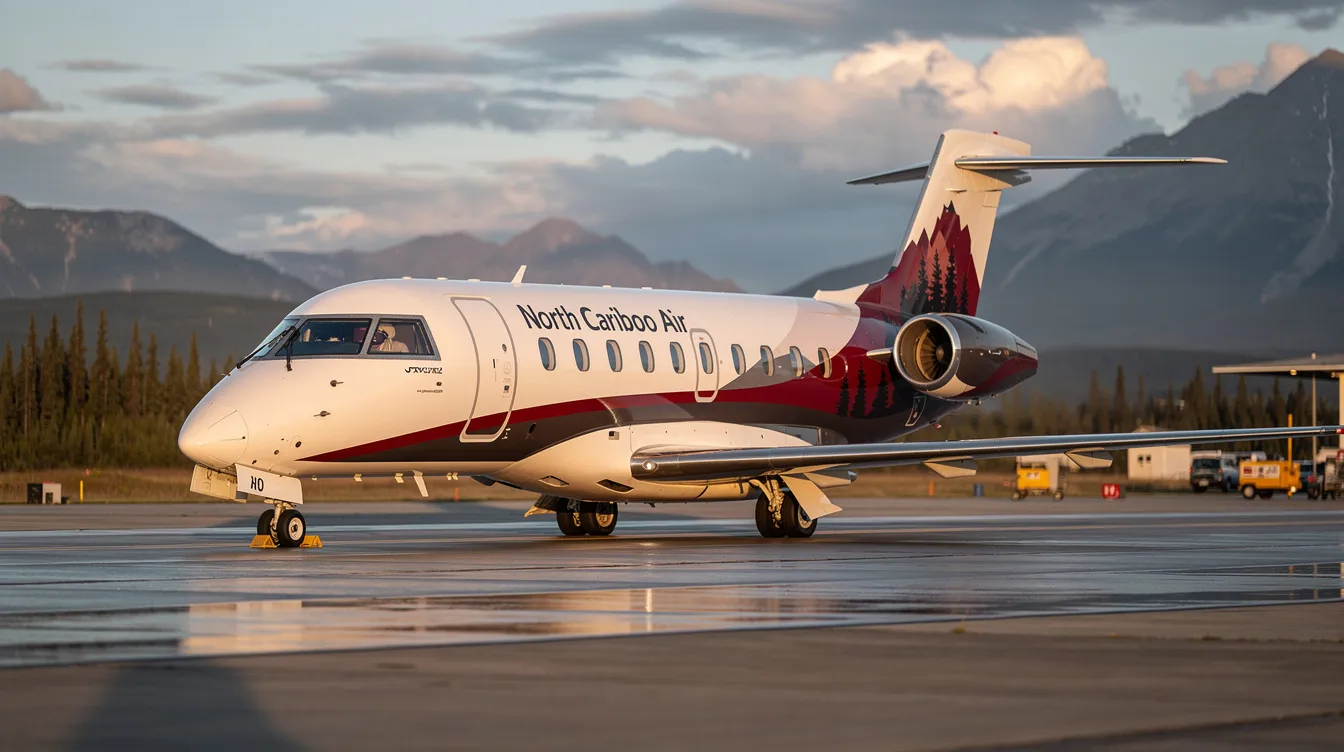
North Cariboo Air: Charter Flights, Fleet, and Private Travel Alternatives
North Cariboo Air has been a staple in Western Canada's charter aviation since 1957, primarily serving the oil, gas, and mining sectors. With a versatile fleet tailored for remote operations, it offers customized corporate and industrial charter services. However, modern digital platforms like Jettly provide travelers with more flexible booking options and access to a broader range of aircraft.
Read More
5
min read
Sky Partners: How Jettly Connects Travelers With Private Jet Charter Worldwide
Sky Partners in private aviation refer to the network of certified operators and aircraft owners that facilitate private jet charters through platforms like Jettly. This guide explains how these partnerships work, offering travelers access to over 20,000 aircraft worldwide while ensuring flexibility, safety, and cost transparency. Understanding this ecosystem helps users make informed decisions for their private travel needs.
Read MoreStay updated with our latest insights and tips to elevate your journey with us.
MEMBERSHIPS AND ASSOCIATIONS



Disclaimer: Jettly operates as a charter broker, offering access to a global digital jet charter marketplace. Jettly is not a direct air carrier and does not own or operate aircraft. All advertised flights are conducted by third-party air carriers that are fully licensed and hold the appropriate Part 135 or Part 121 certifications issued by the Federal Aviation Administration (FAA) or equivalent regulatory authorities under U.S. or foreign law. Jettly complies fully with the U.S. Department of Transportation's Part 295 and Part 298 Charter Broker regulations. Jettly does not carry additional liability insurance. Passengers are covered by aircraft operator insurance. TICO: 50023770


