



Login
Get Instant Pricing On 23,000+ Aircraft

>
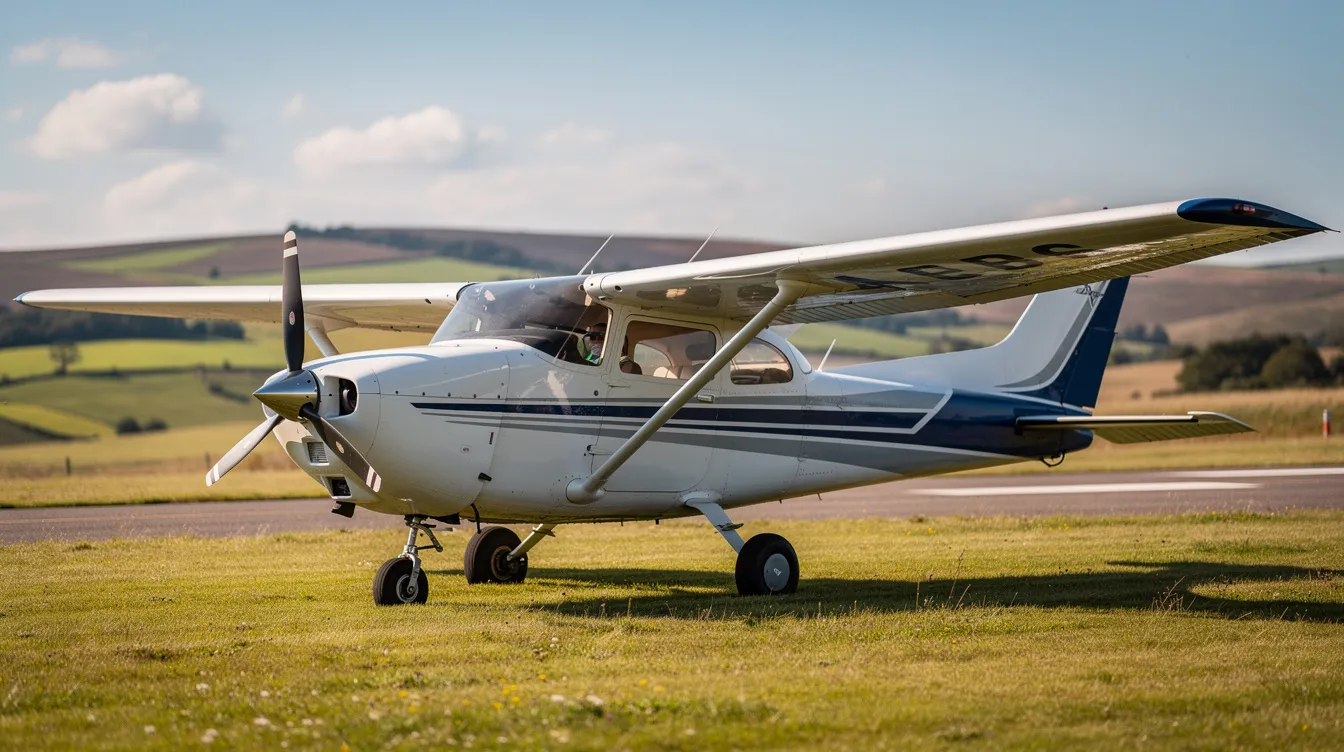
The Cessna 172 made its first flight in 1955–1956, and the Cessna Aircraft Company quickly built it into the most produced airplane in aviation history. A major reason for that success was its simple, reliable single piston engine, which made this flying machine accessible to flight schools and private owners worldwide.
Early Cessna 172 models used 145–160 HP Lycoming O-320 engines. The 172R introduced a fuel-injected Lycoming IO-360-L2A derated to 160 HP at 2,400 RPM for quieter operation, while the 172S runs the same engine at its full 180 HP rating. The maximum engine rpm for the Lycoming IO-360-L2A is 2,400 RPM at rated power. Cessna uses Lycoming and Continental engines for their single-engine piston models across the lineup.
Some 172 variants, such as the JT A, use modern diesel engines that burn Jet A instead of 100LL avgas, improving global fuel availability. Cessna 172 engines are typically horizontally opposed designs, a configuration shared by most aircraft in general aviation.
Horsepower range: 145–180 HP (avgas), 155 HP (diesel)
Typical cruise speed: ~115–124 KTAS at 75% power
Average fuel flow: 7–10 GPH (avgas), lower for diesel
The Cessna 172's aircraft engine is typically a horizontally opposed, air-cooled engine from the Lycoming IO-360 series (180 HP) or a Continental CD-155 turbodiesel (155 HP). This design prioritizes reliability, safety, and manageable performance for pilot training and personal flying.
Modern Cessna 172 variants produce between 155 and 180 HP, with an optimal cruise speed around 115–124 knots and typical fuel flow near 7–10 gallons per hour on avgas. Diesel engines burn less fuel for similar missions.
The Cessna 172's fuel capacity ranges from 43 to 56 gallons depending on model, and efficient engine design makes it ideal for flight schools, private owners, and those transitioning to larger certified aircraft.
Understanding carb heat, fuel air mixture management, and fuel system behavior helps pilots handle high-density-altitude days, gross weight limits, and longer cross-country flights safely.
Jettly connects travelers to a global fleet that includes many aircraft derived from the same proven piston and turboprop technologies found in Cessna trainers, but optimized for private charter missions.
A horizontally opposed aircraft engine places pistons flat in pairs opposite each other, sharing a common crankshaft. In a four-cylinder Lycoming, two cylinders sit on each side of the engine case. This layout is the standard for most aircraft in general aviation piston fleets.
Cessna and Lycoming prefer this configuration for several reasons. The compact frontal area creates lower aerodynamic drag compared to radial engines. Opposing pistons cancel vibration, producing smoother operation that enhances comfort during long training flights and cross-country trips. The balanced weight distribution also contributes to improved low-speed handling and predictable flight characteristics.
Compared to inline engines, which require longer nacelles and sometimes complex liquid cooling, horizontally opposed designs stay compact and straightforward. Radial engines, common in wartime aircraft, generate more drag with their bulky cowlings and are impractical for small aircraft like the 172.
Pros and cons for pilots:
Smoother idle and reduced vibration
Easy access to cylinders under the cowling for inspection
Lighter weight than comparable inline or radial alternatives
Predictable cooling airflow for each cylinder
Trade-off: more cylinder heads to inspect and maintain during routine checks
An air-cooled engine relies on external fins on the cylinder barrels and heads to dissipate heat into the ambient airstream. Most Cessna 172 engines are air-cooled, meaning there is no liquid coolant, radiator, or associated plumbing. Heat is removed through baffles that direct propeller slipstream and ram air over the cylinders.
Visible features include finned cylinders protruding from the engine case, sheet-metal baffles under the cowling, and cowl inlet and outlet openings that manage airflow. Some Cessna models include cowl flaps for additional cooling control during ground operations and climb.
For flight training and personal use, air cooling offers meaningful advantages. The absence of coolant systems means lighter weight, fewer moving parts, and generally simpler maintenance. The Cessna 172's engine design allows easy access for maintenance, with cylinders reachable from either side of the cowling.
Operationally, pilots must manage airspeed, mixture, and power to prevent high cylinder head temperatures. This matters most at high density altitude, during climbs at max gross weight, or on hot days.
Pilot's view checklist:
Monitor CHT and EGT on every flight
Avoid long full-power climbs at low airspeed
Use proper leaning for efficient fuel burn and cooler engine running
Adjust power settings to maintain adequate cooling airflow
The primary powerplants in Cessna aircraft include reciprocating piston engines, turboprops, and turbofans. Cessna engines span multiple specifications based on aircraft category, and Cessna aircraft utilize a range of powerplants depending on size and role.
Different Cessna 172 generations use different piston engines, directly impacting performance, fuel flow, and full fuel payload.
|
Variant |
Engine |
HP |
Fuel Type |
Fuel Capacity |
Cruise Speed |
|---|---|---|---|---|---|
|
172N |
Lycoming O-320-H2AD |
160 |
100LL Avgas |
~43 gal |
~110 KTAS |
|
172R |
Lycoming IO-360-L2A (derated) |
160 |
100LL Avgas |
~56 gal |
~118 KTAS |
|
172S |
Lycoming IO-360-L2A (full rated) |
180 |
100LL Avgas |
~56 gal |
~124 KTAS |
|
JT-A |
Continental CD-155 |
155 |
Jet A |
~56 gal |
~121 KTAS |
The Cessna 172R uses a 160-horsepower engine optimized for quieter, gentler operation in training environments. The Lycoming O-360 engine produces 180 horsepower when fully rated in the 172S, giving better climb performance and a higher useful load. The Cessna 172 JT-A has a 155-hp Continental CD-155 turbodiesel engine
Flight schools often select the 172R for its lower operating noise, while private owners and operators prefer the 172S for its extra power. Pilots upgrading from these piston trainers or comparing affordable aircraft rental options and costs often move into turboprops and light jets, which share similar engine management principles but deliver higher speed and range.
The Cessna 172's fuel system feeds the engine from two wing tanks through a selector valve, fuel pumps, and either a carburetor or fuel injection servo. Piston engines in Cessna models typically use aviation gasoline (100LL), while Cessna models can incorporate both traditional AvGas and modern Jet-A fuel options in the diesel variant.
Fuel capacity by model:
172N: 43 gallons total (~40 usable), or ~54 gallons with long-range tanks
172R/172S: 56 gallons total (~53 usable)
172 JT-A: Similar tank volume but lower specific fuel consumption
The Cessna 172 burns 7–10 gallons of fuel per hour depending on power setting. At 75% power, the 180 HP IO-360 consumes roughly 9.9 GPH. Economy cruise with proper leaning brings that closer to 8 GPH. The diesel CD-155 burns approximately 6.3 GPH equivalent in Jet A, delivering 20–30% better fuel economy in practice.
Jet A is globally easier to source than 100LL avgas, making diesel engines attractive in regions with limited avgas supply. Better efficiency and larger fuel capacity translate directly into longer range and fewer fuel stops—principles that also apply when Jettly optimizes routing and aircraft selection for charter clients and when travelers use a private jet charter cost estimator to understand how engine performance and mission profile influence pricing.
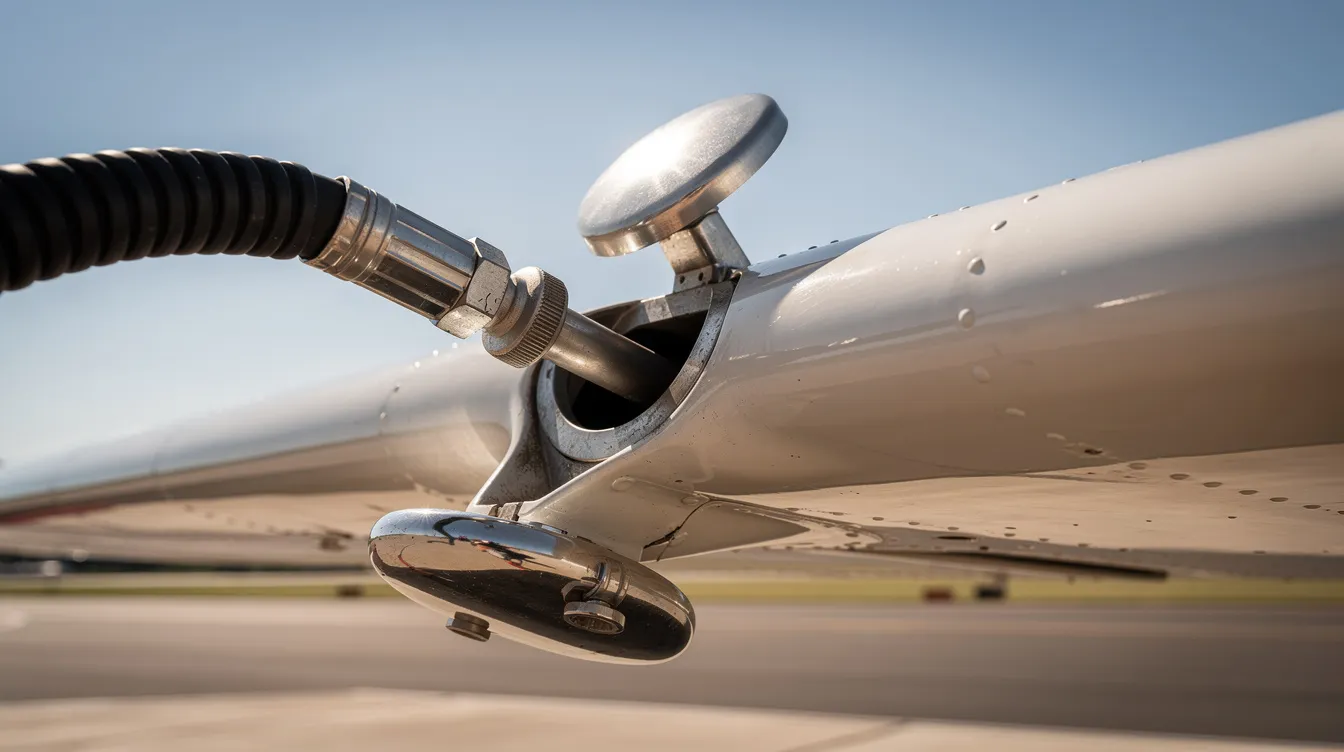
Some Cessna engines are carbureted (such as the O-320 in the 172N), while others are fuel-injected (the IO-360 in the 172R and 172S). This difference changes cockpit procedures and engine behavior significantly. Modern Cessna piston aircraft often use fuel injection for better efficiency and more consistent fuel distribution to each cylinder.
Carb icing occurs when moisture freezes in the carburetor venturi at moderate temperatures, restricting airflow and causing power loss. This is more common in carbureted Cessna 172 models during descent, low-power flight, or humid conditions.
The carb heat control directs warm air into the carburetor, melting ice and restoring fuel flow. Typical use cases include:
During descent or reduced-power phases
When the pilot notices an unexplained RPM drop
In conditions where temperature and dewpoint are close together
Fuel-injected engines eliminate the carburetor entirely, so no traditional carb heat is needed. Instead, pilots manage the air mixture through a mixture control lever, handle priming procedures for cold starts, and use hot-start techniques when restarting a warm engine. Understanding these systems is critical for safety, particularly during approach and landing phases in flight training.
The Cessna 172 JT-A features a 155-hp turbodiesel engine—the Continental CD-155—which represents a significant departure from previous engines in the 172 line.
Key features of the CD-155:
Turbocharged diesel design that maintains power at altitude
Runs on Jet A instead of 100LL, using less fuel per mission
Single-lever power control through a FADEC (Full Authority Digital Engine Control) that simplifies engine management
Liquid-cooled rather than air-cooled
The Cessna 172 can achieve a maximum operational altitude of 18,000 feet in the JT-A configuration—well above the 14,000-foot service ceiling of standard avgas models. Takeoff ground roll is approximately 844 feet under standard conditions, shorter than comparable avgas versions. Extended range often exceeds 900 statute miles with reserves thanks to improved fuel economy.
Operating cost advantages include lower specific fuel consumption and widespread Jet A availability worldwide. Over time, this can meaningfully reduce hourly costs for operators and flight schools. Many modern turboprops and business jets accessed through Jettly also use Jet A, delivering similar benefits in range and fuel logistics.
Performance metrics determine how a new aircraft handles at maximum takeoff weight, at high density altitude, and during typical training profiles. Here are the core numbers for the most common variants:
|
Metric |
172S (180 HP) |
172R (160 HP) |
JT-A (155 HP diesel) |
|---|---|---|---|
|
Cruise (75% power) |
~124 KTAS |
~118 KTAS |
~121 KTAS |
|
Climb rate |
~730 fpm |
~710 fpm |
~767 fpm |
|
Service ceiling |
~14,000 ft |
~13,500 ft |
~18,000 ft |
|
Max gross weight |
~2,550 lbs |
~2,450 lbs |
~2,550 lbs |
|
Takeoff ground roll |
~960 ft |
~1,000 ft |
~844 ft |
|
Landing distance (50 ft) |
~1,295 ft |
~1,310 ft |
~1,250 ft |
The Cessna 172S engine produces 180 horsepower, and the maximum climb rate for the Cessna 172 is 730 feet per minute at sea level. The Cessna 172 has a service ceiling of 14,000 feet in its standard avgas configuration. Turbocharged piston engines are used in higher-performance Cessna aircraft, including the JT-A, which explains its superior altitude capability.
A 180 horsepower engine upgrade enhances Cessna 172 performance on older airframes, particularly improving climb performance on hot days or from short runways. Upgrading propeller pitch or engine output can transform a marginal four-seat plane into one with true practical utility.
These same principles—matching more power and aircraft capability to mission requirements—apply when Jettly matches aircraft size to passenger count and runway length for charter flights or helps travelers evaluate the best cross-country aircraft for their travel profiles.
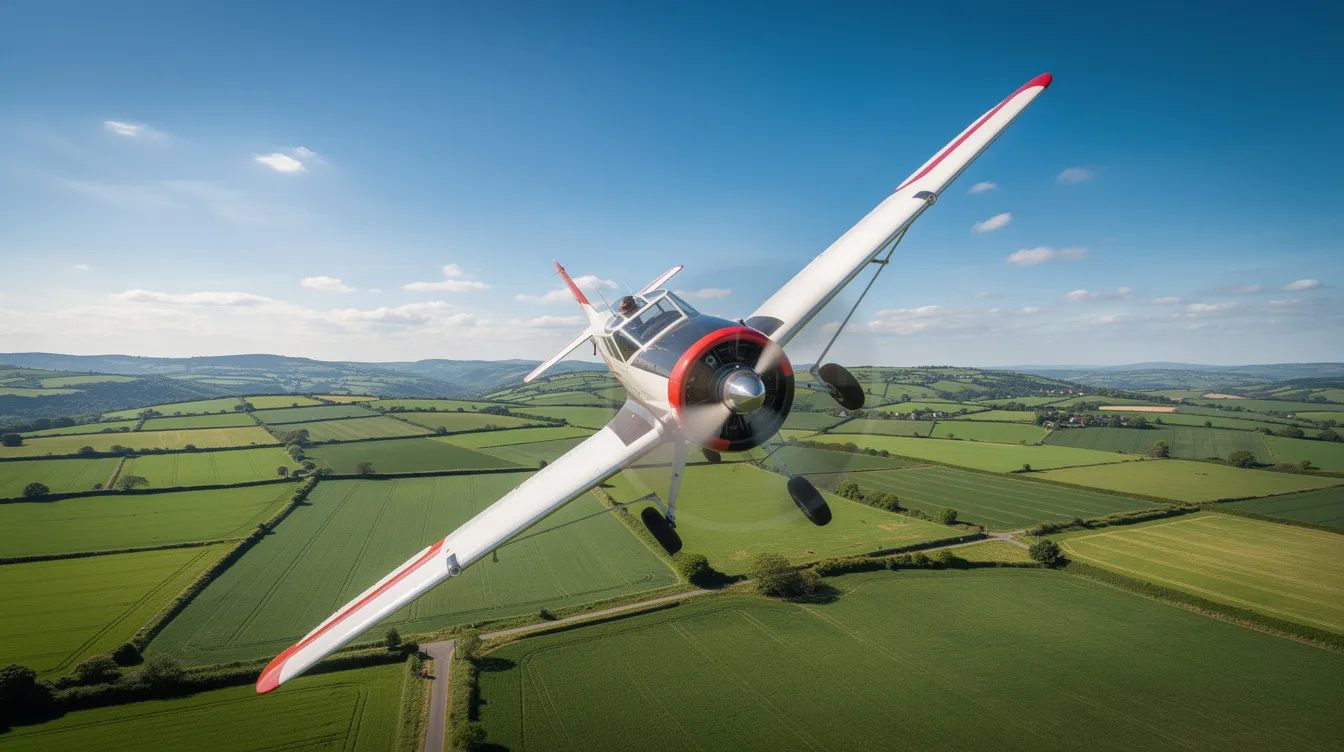
The Cessna 172's horizontally opposed, air-cooled engines are known for reliability, but they demand disciplined maintenance to reach their typical time between overhauls. Engine overhauls are required every 2,000 flight hours, and engine overhauls for the Cessna 172 are required every 2,000 hours—a standard that applies across most Lycoming and Continental piston engines.
Pre-flight visual checks by pilots before every flight
50- or 100-hour inspections for training and rental aircraft (routine maintenance includes pre-flight checks and 100-hour checks)
Annual inspections for privately operated aircraft, typically costing around $1,000 to $2,000
Common maintenance issues include corrosion and engine component wear, particularly in cylinders, exhaust systems, and rubber components in fuel and oil lines. Pilots and mechanics should pay close attention to cylinder compression, spark plugs, two magnetos, and exhaust system integrity.
Modern engine monitoring tools include multi-probe EGT and CHT gauges for each cylinder, oil temperature and pressure sensors, and panel-mounted data logging systems. These tools provide improved pilot readability compared to older single-gauge setups and offer improved pilot readability for trend analysis and early detection of issues.
Professional charter operators and platforms such as Jettly rely on audited maintenance records and strict regulatory compliance to ensure every chartered aircraft's engine is maintained to commercial standards, a key factor when comparing the best private jet charter companies and their safety practices.
Supplemental Type Certificates (STCs) allow owners to legally install upgraded engines, propellers, and firewall-forward kits on Cessna 172s. These modifications can transform an older airframe into a more capable airplane for the aviation community.
Typical 180 HP upgrade paths include installing a Lycoming O-360 or IO-360 and matching it with either a fixed-pitch propeller for simplicity or a constant-speed propeller for more power and efficiency. Upgrading to a constant-speed propeller improves efficiency and performance across different phases of flight.
Comprehensive kits often include new engine mounts, baffles, induction airbox, alternator, starter, spinner bulkheads, and complete hardware packages. Some STCs raise certified gross weight to support a true four-seat configuration with useful load exceeding 1,000 lbs, giving the plane more practical capability.
Modern avionics, an electronic ignition system, and digital engine monitoring upgrades further enhance safety and situational awareness. These improvements incorporate the latest technology found on many charter aircraft and mirror innovations from leading private plane manufacturers across budgets and missions, providing pilots with better data on other systems throughout the aircraft. The type certificate for each modification must be verified before installation.
Many pilots, business travelers, and aircraft owners start their aviation journey in a Cessna 172 before moving to larger aircraft for longer or more time-critical trips, often exploring budget-friendly aircraft ownership options along the way. The same core engine concepts—fuel flow planning, power management, gross weight limits, and maintenance discipline—apply when stepping up from a single-engine plane to turboprops and private jets, whether you book the whole aircraft or share empty seats on a crowdsourced charter.
Cessna's turboprop models primarily use Pratt & Whitney Canada PT6A engines, while Cessna Citation jets use turbofan engines optimized for high-speed cruising, placing them among offerings from the top private plane manufacturers serving different budgets and needs. Jettly provides access to a global inventory of 20,000+ aircraft, from piston singles and turboprops to light, midsize, and heavy jets—with instant pricing and on-demand booking that remove the complexity of ownership, similar to the breadth of operators covered in a comprehensive guide to charter airlines and private flight providers.
Use cases where former Cessna pilots or owners prefer charter:
Business trips between major cities where speed and schedule flexibility matter more than flying themselves
Family vacations requiring larger cabins and more baggage than a 172 can carry at gross weight, with vertical and reclining adjustments in seating and customizable amenities such as in-flight catering for private jets
Same-day multi-city itineraries that would be impractical in a small aircraft, yet can still be managed efficiently using various strategies to get a seat on a private jet, where tools like a private jet charter cost estimator help compare aircraft types and routes
Emergency travel where time savings outweigh cost considerations
Explore Jettly's charter options, flexible private jet membership programs, and instant quoting at jettly.com.
Engine technology—whether an air-cooled avgas piston engine or a modern Jet A diesel—affects fuel burn, emissions, and noise profiles across general aviation. Government agencies and the aviation community increasingly focus on these factors when evaluating aircraft operations.
Traditional 100LL avgas contains lead, while Jet A used in diesel engines is unleaded. The diesel CD-155 produces lower CO₂ per mile flown due to its higher thermal efficiency and lower specific fuel consumption. Many newer aircraft accessible via Jettly—including turboprops and business jets—use efficient turbofan and turboprop engines with advanced control systems that reduce fuel per passenger-mile, which directly influences overall private jet charter pricing and cost strategies.
Mitigation strategies pilots and operators use:
Flying at optimal cruise altitudes and speeds for the engine type
Consolidating trips with right-sized aircraft for passenger count
Lean-of-peak operation where permitted by POH
Participation in carbon offset or sustainability programs where available
Understanding efficiency at the Cessna engine level prepares pilots and travelers to make informed, responsible choices when selecting flight options on platforms like Jettly, including whether shared charter flights or full charters best match their budget and travel profile.
Cessna 172 engines are horizontally opposed, air-cooled powerplants that balance reliability, performance, and manageable fuel flow. This combination has made the Cessna 172 the most successful aircraft in history—a true testament to the engineering choices behind every engine variant in the family and a useful benchmark when comparing affordable aeroplane rental options and cost structures.
Key distinctions to remember:
160–180 HP Lycoming avgas engines versus the 155 HP Continental diesel option
Carbureted versus fuel-injected designs and the operational role of carb heat
Avgas versus Jet A (JT A) fuel use and its impact on range, cost, and availability
Gross weight limits, fuel capacity, and engine maintenance intervals directly affect safety and flight planning
These engines form the foundation of modern pilot training, powering every stage from a student pilot's first flight through complex cross-country missions in an AOPA Pilot's flying magazine feature. They remain directly relevant to today's private aviation ecosystem, connecting the training cockpit to the charter cabin and informing choices among budget-friendly personal aircraft for new owners.
Ready to move beyond piston trainers? Explore flight options tailored to your travel needs at jettly.com.
Most modern Cessna 172S aircraft use a four-cylinder Lycoming IO-360-L2A—a 180 HP, horizontally opposed, air-cooled aircraft engine. Some versions use the 160 HP Lycoming O-320 or derated IO-360 variants. The diesel-powered 172 JT-A uses a 155 HP Continental CD-155 turbodiesel engine burning Jet A, offering an alternative to traditional avgas-powered engines.
A 180 HP Lycoming IO-360 typically burns around 10–12 gallons of 100LL avgas per hour at higher power settings and about 8–10 gallons per hour in economy cruise. The Continental CD-155 diesel version uses less fuel for a similar mission—roughly 6.3 GPH equivalent in Jet A—thanks to its higher thermal efficiency.
Many Lycoming and Continental engines installed in Cessna 172s have a recommended time between overhauls of about 2,000 flight hours. Actual intervals depend on usage patterns, operating environment, and adherence to maintenance schedules. Some operators report engines running well past TBO when properly maintained, though the recommendation stands as a safety baseline.
STC-approved upgrade kits allow owners to replace older 145–160 HP engines with 180 HP Lycoming O-360 or IO-360 engines, often paired with new propellers and firewall-forward components. These upgrades improve climb performance, stall speed margins under load, and sometimes increase certified gross weight for more practical four-seat operation.
In-depth engine knowledge is not required for charter passengers. However, a basic understanding of how Cessna engines work can help prospective owners or frequent flyers appreciate safety standards, maintenance requirements, and efficiency considerations when comparing owning a piston aircraft with booking larger turboprop or jet flights through a platform like Jettly. It also helps when reviewing operator credentials and understanding why more maintenance does not always mean less reliability.
The Cessna engine remains a cornerstone of general aviation, combining proven reliability, efficient design, and manageable performance that has made the Cessna 172 the most popular training and personal aircraft worldwide. Whether powered by a 160 180 HP Lycoming piston engine or the modern 155 HP Continental turbodiesel, these engines offer pilots a balance of power, fuel efficiency, and ease of maintenance.
Understanding the nuances of Cessna engines- from fuel systems and carb heat management to performance metrics and maintenance schedules- provides valuable insight for pilots, owners, and aviation enthusiasts alike. For those transitioning from piston trainers to larger aircraft, these foundational concepts remain relevant and inform better choices in private aviation.
Platforms like Jettly offer seamless access to a diverse global fleet, including aircraft powered by similar reliable engines, enabling travelers to enjoy the benefits of private charter without ownership burdens. Ready to move beyond piston trainers? Explore flight options tailored to your travel needs at jettly.com and learn more about private jet charter or compare affordable aircraft rental options and costs.
Share this post:
Jay Franco Serevilla
Aug 13, 2026
|
5
min read
Discover tips and trends in the industry.
5
min read
PrivateFlite Aviation & Modern Private Jet Charter: How Jettly Helps You Fly Smarter
PrivateFlite Aviation, based in Sellersburg, Indiana, offers a safety-first approach to private jet charter through Jettly's digital marketplace. With an ARGUS Platinum Rating and a fleet of Citation Bravo and Sovereign+ jets, they provide personalized service and flexible travel options for discerning travelers. This guide explores their offerings, safety credentials, and how to book flights seamlessly via Jettly.
Read More
5
min read
Business Class in Flight: Comfort, Cost, and Private Jet Alternatives with Jettly
Flying business class offers travelers enhanced comfort, priority services, and access to airport lounges, making long-haul flights more enjoyable. However, for those seeking ultimate privacy and flexibility, private jet charters through platforms like Jettly present a compelling alternative. This guide explores the benefits, costs, and comparisons between business class and private jet travel.
Read MoreStay updated with our latest insights and tips to elevate your journey with us.
MEMBERSHIPS AND ASSOCIATIONS



Disclaimer: Jettly operates as a charter broker, offering access to a global digital jet charter marketplace. Jettly is not a direct air carrier and does not own or operate aircraft. All advertised flights are conducted by third-party air carriers that are fully licensed and hold the appropriate Part 135 or Part 121 certifications issued by the Federal Aviation Administration (FAA) or equivalent regulatory authorities under U.S. or foreign law. Jettly complies fully with the U.S. Department of Transportation's Part 295 and Part 298 Charter Broker regulations. Jettly does not carry additional liability insurance. Passengers are covered by aircraft operator insurance. TICO: 50023770


