



Login
Get Instant Pricing On 23,000+ Aircraft

>
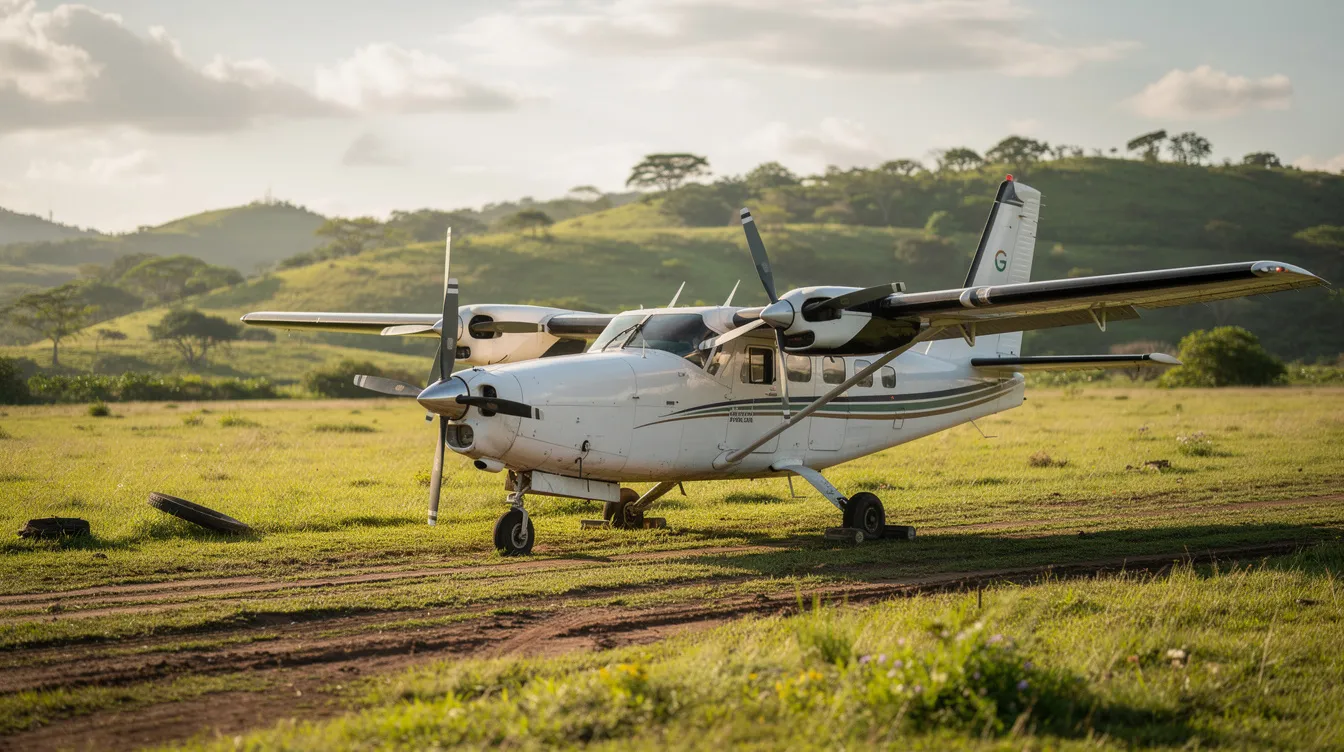
The Cessna Caravan cruise speed sits at the heart of what makes this turboprop one of the most versatile charter aircraft flying today. Whether you are planning a short regional hop or a longer overwater route, understanding how fast the Caravan actually flies helps set realistic expectations for flight time, cost, and overall trip planning. This comprehensive guide breaks down cruise speed figures across every major variant, explains the technical factors behind those numbers, and shows how they translate into real charter decisions.
The Cessna 208 Caravan cruises at approximately 162 knots (186 mph), while the 208B Grand Caravan reaches about 175–185 KTAS and the Grand Caravan EX achieves a higher cruise speed of 185–195 knots (213–225 mph) under favorable conditions.
Indicated airspeed in the cockpit (KIAS) differs significantly from true airspeed (KTAS) at altitude. A pilot seeing 130 KIAS at 12,000 ft may actually be covering ground at roughly 185 KTAS.
On popular 200–600 nm charter routes, expect block times of approximately 1 hour 20 minutes to 3 hours and 30 minutes, depending on variant, load, and weather.
The Grand Caravan EX delivers faster cruise speed and stronger climb performance than early models, while retaining short-field and rough-strip capability that jets cannot match.
Travelers can compare Cessna Caravan charter options, pricing, and estimated flight times directly on Jettly's platform at jettly.com.
The Cessna 208 Caravan is a rugged, single engine turboprop that first earned FAA certification in 1984. Now produced by Textron Aviation, the Caravan is certified in over 100 countries and has become one of the most widely operated utility aircraft in the world, serving cargo carriers, commuter airlines, charter operators, humanitarian missions, and air ambulance services.
The family includes three main variants: the standard Cessna 208 Caravan (often called the 208 Caravan), the stretched Cessna 208B Grand Caravan with its longer fuselage, and the current-production Grand Caravan EX. Amphibious float configurations and dedicated cargo variant models with a freighter configuration expand the lineup further.
In charter layouts, the aircraft seats up to nine passengers comfortably in a cabin offering about 340 cu ft of space. High-density commuter configurations can accommodate up to 14 passengers, and the Grand Caravan EX variant can also seat up to 14 occupants. The Cessna 208 Caravan has a maximum payload of 3,070 pounds, and it can carry over 3,000 lbs of cargo in freight operations. Every variant is powered by a Pratt Whitney Canada PT6A engine, a proven turbine known for reliability across commercial, humanitarian, and private flying operations worldwide.
The Caravan's cruise speed is a direct result of deliberate airframe choices. Its high wing design provides excellent ground clearance for the propeller and wings, better downward visibility from the cockpit, and lets the aircraft operate from unpaved strips and similar rough-field environments. However, this configuration introduces more drag than a low-wing, retractable-gear aircraft.
The fixed landing gear and optional belly cargo pod further increase parasitic drag. Cargo configurations decrease cruise speed due to this added aerodynamic penalty, but the trade-off is dramatically easier maintenance and durability in harsh environments. The aircraft features four doors, including an airstair door for passenger boarding on remote strips.
The rectangular fuselage cross-section maximizes cabin volume, cabin width, and cabin height for flexible freight and passenger layouts. A spacious cabin fits both passenger seats and cargo, but the boxy shape is less aerodynamically sleek than a typical business jet. The Caravan's rugged design deliberately prioritizes maximum payload and short-field capability over speed, with design features including fixed landing gear and a large wing area. This matters when planning realistic cruise profiles for charter flights.
The Cessna 208 Caravan has a cruise speed of approximately 162 knots, or about 186 mph (roughly 300 km h). The 208B Grand Caravan typically cruises at 175–184 KTAS (200–213 mph), and the Grand Caravan EX has a higher cruise speed of 185–195 knots (213–225 mph, or about 343 km h) at mid-cruise altitudes.
These published figures represent maximum cruise speed at optimal altitude and power settings. Real-world operators often cruise slightly slower, around 160–180 KTAS, to reduce fuel burn and engine wear. Cruise speed is influenced by aerodynamic, engine-related, environmental, and configuration factors on every flight.
|
Variant |
Engine |
Cruise Speed (KTAS) |
Approx. mph |
Service Ceiling |
|---|---|---|---|---|
|
208 Caravan |
PT6A-114A (~675 shp) |
~160–165 |
~186 |
~25,000 ft |
|
PT6A-114A (~675 shp) |
~175–184 |
~200–213 |
~25,000 ft |
|
|
Grand Caravan EX |
PT6A-140 (~867 shp) |
~185–195 |
~213–225 |
~25,000 ft |
For example, choosing 170 KTAS economy cruise instead of 185 KTAS maximum speed on a 400 nm charter leg saves several gallons of fuel per hour while adding only about 15 minutes to the flight. Weather, max takeoff weight, and altitude all influence achievable speed, so charter pilots adjust settings on each flight to balance schedule and operating cost.
Indicated airspeed (KIAS) is what appears on the cockpit gauge. True airspeed (KTAS) is the actual speed through the air mass, corrected for altitude and temperature. Performance charts and marketing materials quote cruise speed in KTAS.
In a Cessna 208B Grand Caravan cruising at 10,000–12,000 ft, a pilot might see about 130–140 KIAS while the aircraft's true airspeed is closer to 185 KTAS. Higher altitude typically improves cruise speed in KTAS terms because reduced air density means less aerodynamic drag. The structural never-exceed speed (Vne) of 175 KIAS is based on indicated airspeed, not true airspeed, so pilots must respect that limit regardless of what KTAS the aircraft achieves.
Modern Grand Caravan EX models equipped with Garmin G1000 NXi avionics and synthetic vision display both KIAS and computed groundspeed, helping two-crew or single-pilot operations translate cruise speed into actual time en route.
The Pratt Whitney Canada PT6A series powers every Caravan variant. The PT6A 114A engine produces approximately 675 shp in earlier Cessna 208 and Cessna 208B aircraft, while the PT6A-140 in the Grand Caravan EX delivers roughly 867 shp.
Power setting and propeller RPM directly determine cruise speed. A typical charter mission might use about 75% power at 10,000–12,000 ft for 175–185 KTAS, versus 65% power for a slightly lower speed but meaningfully reduced fuel burn. External conditions such as temperature and wind also affect cruise speed performance, and a well-maintained engine can noticeably improve cruise speed performance over a neglected one.
The three-blade constant speed full feathering propeller balances climb and cruise efficiency. Some operators install four-blade props under aftermarket STCs, which may marginally adjust cruise performance while improving climb rate and reducing cockpit noise.
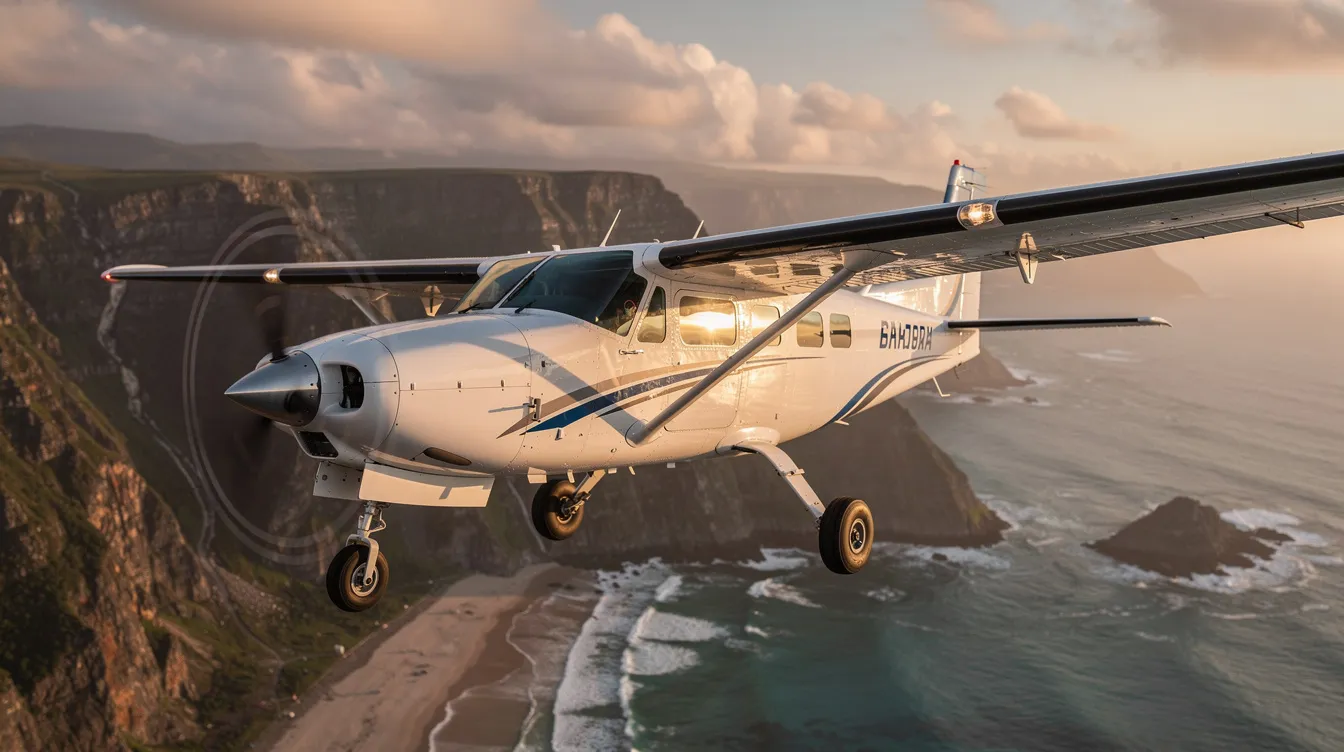
Cruise speed only tells part of the story. The Caravan's normal range is 831 nautical miles, and the maximum range of the Cessna 208 is approximately 1,070 nautical miles under ideal conditions. The Grand Caravan EX publishes a maximum range of about 912 nm at standard payload, with fuel capacity supporting legs well beyond typical mission distances.
Unpressurized passenger flights usually cruise at 8,000–12,000 ft. Cargo operations and ferry missions may climb to 20,000–25,000 ft with supplemental oxygen.
Here are realistic trip time examples:
200 nm regional hop: ~1 hour 20 minutes block time at 170 KTAS
300 nm sector: ~1 hour 50 minutes including climb and descent
500 nm leg: ~3 hours block time at 175 KTAS average
While the Caravan's cruise speed is lower than many twin turboprops or jets, the ability to depart from smaller airfields closer to your origin and destination often reduces overall door-to-door time versus flying a jet from a distant major airport.
The Caravan competes in a different lane than faster aircraft, but it still sits within the broader universe of private charter aircraft options. Here is how it stacks up against common private charter alternatives:
|
Aircraft |
Cruise Speed (KTAS) |
Range (nm) |
Passengers |
Min. Runway |
|---|---|---|---|---|
|
Grand Caravan EX |
185–195 |
~900 |
Up to 9 |
~2,000 ft |
|
King Air 250 |
~280–310 |
~1,500 |
7–9 |
~3,300 ft |
|
Citation CJ3 |
~410 |
~1,800 |
6–7 |
~3,400 ft |
A King Air delivers a higher cruise speed, and a light jet is faster still. But the Caravan retains strong advantages in fuel efficiency, per-seat cost, and the ability to use short or unimproved runways with a takeoff ground roll under 2,000 ft.
For 200–500 nm trips into secondary or remote airports, the Caravan's lower maximum speed often has minimal impact on total journey time. The aircraft excels for VIP transport to safari lodges in East Africa, island-hopping in the Caribbean, or carrying mixed passenger and cargo loads where other factors like ground roll and maximum landing weight restrictions rule out jets.
The single-engine Caravan typically burns approximately 50–60 US gallons of Jet A per hour at normal cruise, contributing to significantly lower hourly operating costs than similar-capacity twins and jets. Annual operating cost for a Cessna 208 is approximately $583,420 at moderate utilization, which keeps turboprop charter rates attractive for regional routes and aligns with Jettly's focus on affordable private jet charter pricing overall.
Operators often fly slightly below maximum cruise speed to reduce fuel burn and extend engine life. Passengers rarely notice the difference, as it adds only a few minutes to most flights.
Typical missions where the Caravan's cruise speed and cost structure are ideal include:
Short regional business shuttles of 150 to 300 nautical miles
Remote tourism and lodge transfers requiring unpaved strip access
Air ambulance and medical evacuations where rapid deployment matters
Mixed passenger–cargo runs for logistics companies and cargo carriers
On a per-seat basis for up to nine passengers, the Caravan often provides better value than light jets on short regional routes, especially where airport access or takeoff weight restrictions are a constraint.
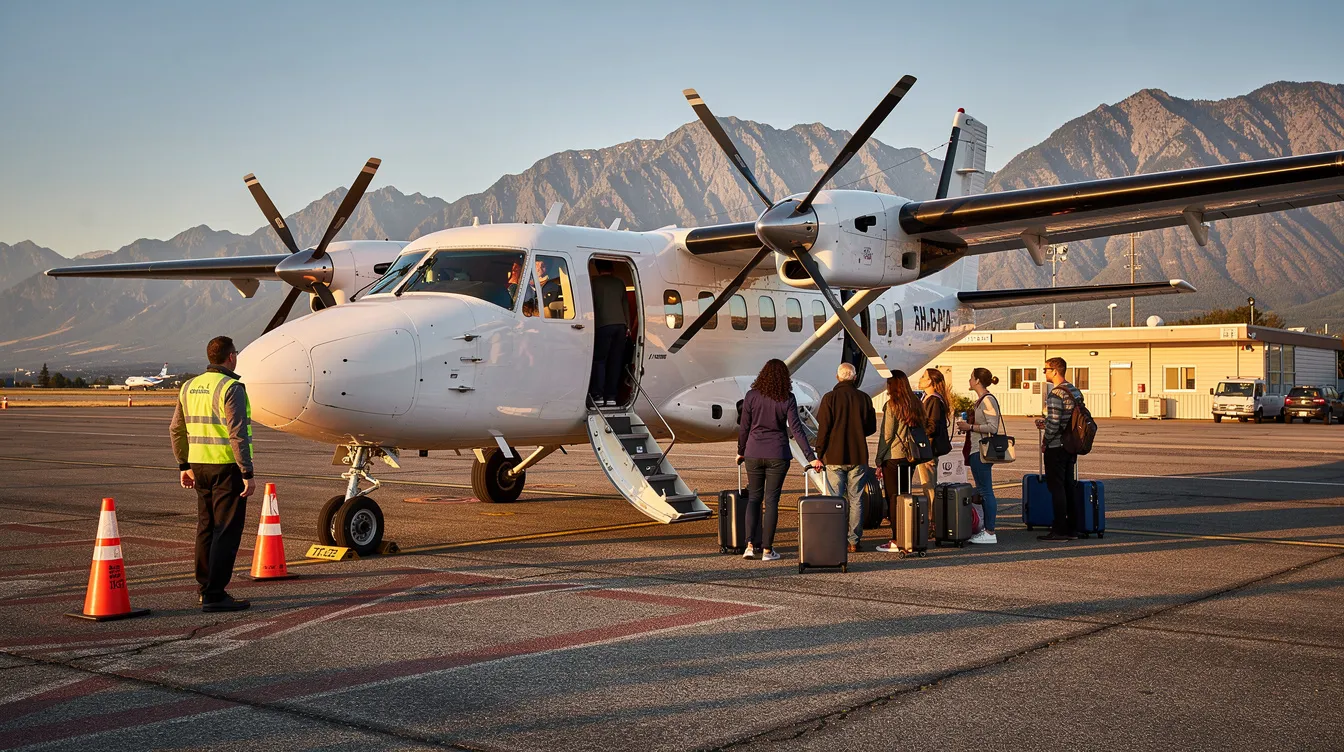
Jettly's digital charter marketplace includes access to Cessna 208 Caravan, 208B Grand Caravan, and Grand Caravan EX aircraft across multiple regions. Customers can search by route and date, filter for turboprop aircraft, and view instant pricing that reflects typical block speeds based on the Caravan's cruise performance.
Jettly connects travelers with vetted operators that comply with local aviation safety regulations and maintain their aircraft in line with manufacturer requirements. Choosing a Caravan through Jettly is particularly beneficial for accessing remote airstrips, flying into smaller community airports, or carrying bulky luggage that might challenge the baggage holds of many light jets. For detailed pricing, explore Jettly's charter cost estimator.
Ready to explore Cessna Caravan charter options or compare against faster aircraft? Request a personalized quote at jettly.com.
The following questions address common concerns about Cessna Caravan and Grand Caravan cruise speed, safety, and practical charter planning.
Plan for approximately 160–170 KTAS on early models of the 208 Caravan, and 170–185 KTAS for the 208B Grand Caravan and Grand Caravan EX. Charter operators typically use slightly conservative speeds in their quotes to account for winds, routing, and other factors, so block speeds may be 5–10 knots below published maximum cruise speed.
The Grand Caravan EX cruises roughly 10–20 KTAS faster than early models. On a 300–400 nm sector, that translates to roughly 5–15 minutes of time savings rather than a dramatic difference. The EX's bigger advantage is improved climb performance and more reliable speed under hot-and-high conditions.
Aircraft weight affects cruise speed because heavier weights require higher lift, which increases drag. However, the primary impact of heavy loads is on climb performance and fuel burn. Once level at cruise altitude, speed typically drops by only a few knots. Very heavy configurations near maximum takeoff weight may lead pilots to select lower cruise altitudes and slightly adjusted power settings. Column headers in performance charts show how stall speed and cruise shift with weight.
The PT6A engine family has one of the strongest reliability records in aviation, with millions of flight hours logged. The Cessna Aircraft Company designed the Caravan for rugged commercial use, and modern maintenance intervals and regulatory oversight keep fatal accidents and hull loss rates low. Jettly lists only operators that meet strict safety standards in their respective jurisdictions.
Choose a Caravan for short to medium routes (150–500 nm) into smaller or unpaved airports, or when you need to carry bulky cargo alongside up to nine passengers. The Caravan's lower operating cost and superior airport access often make it the smarter pick on regional legs. Jettly's platform allows side-by-side comparison of aircraft types, prices, and estimated flight times so you can see exactly when paying for a faster aircraft is worth it. Learn more about how to charter a plane through the platform.
The Cessna 208 Caravan, Grand Caravan, and Grand Caravan EX deliver moderate cruise speed but excellent flexibility, short-field capability, and operating efficiency. With the 208 Caravan cruising at roughly 162 knots (186 mph) and the Grand Caravan EX reaching 185–195 knots, these aircraft handle 200–600 nm legs in roughly 1.5 to 3.5 hours of block time, covering the majority of regional charter missions.
Choosing a Caravan often shortens overall trip time by accessing closer airports and simplifying ground transfers, even when its cruise speed is lower than that of a jet. For many travelers, that door-to-door advantage matters more than raw speed.
Ready to experience private travel on your terms? Whether you're flying into major hubs like Atlanta with private jet charter services or heading to smaller regional fields, explore Cessna Caravan and other aircraft options or request a personalized quote at jettly.com.
Share this post:
Jay Franco Serevilla
Aug 24, 2026
|
5
min read
Discover tips and trends in the industry.

5
min read
How Far Out Should You Book International Flights? (And When It Really Pays Off)
Knowing when to book international flights can save you significant money. Generally, aim to book 3 to 6 months in advance for economy fares, and 6 to 9 months for peak seasons. Understanding the best booking windows and seasonal trends is crucial for securing the best deals.
Read More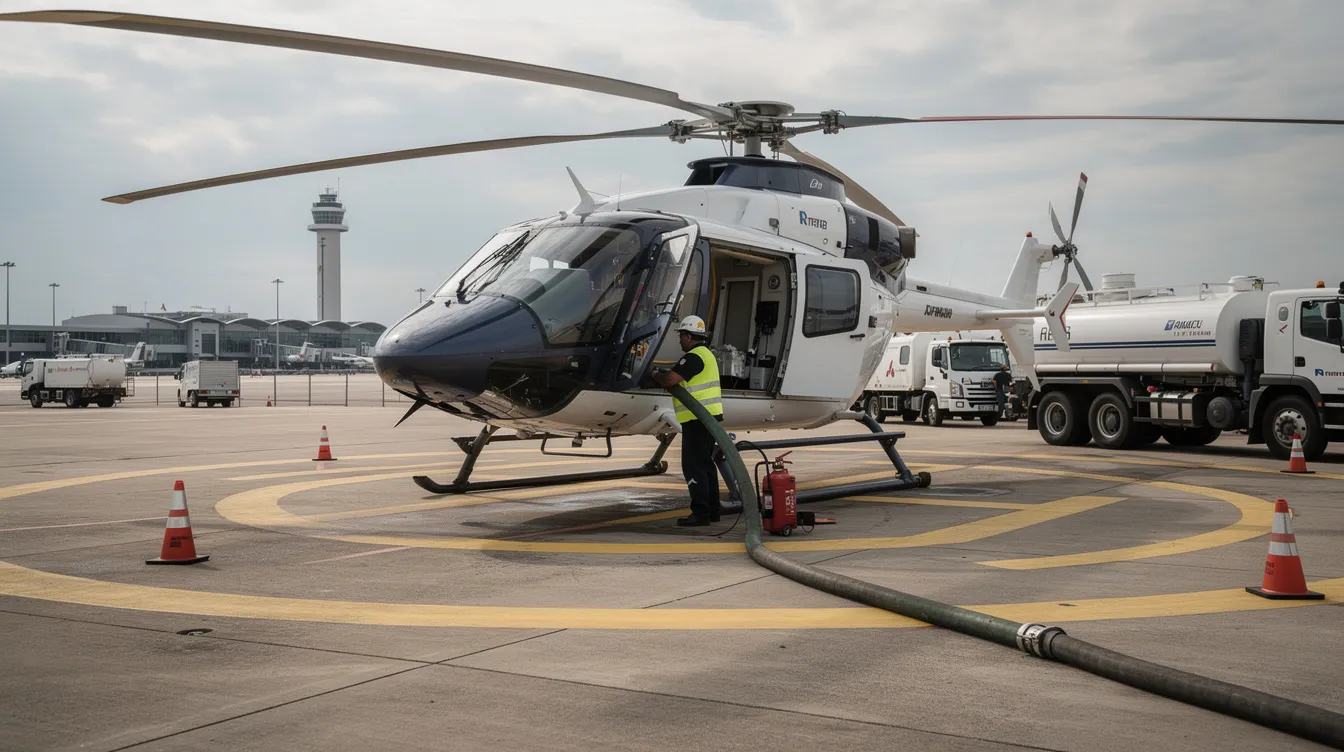
5
min read
What Type of Fuel Does a Helicopter Use? (Guide for Private Flyers)
Helicopters primarily use two types of fuel: aviation gasoline (AvGas) for piston engines and kerosene-based jet fuel for turbine engines. Understanding the fuel type is crucial as it affects operating costs, range, and availability at heliports, which are important factors for private flyers. With the rise of sustainable aviation fuels, the industry is also moving towards greener options without compromising performance.
Read MoreStay updated with our latest insights and tips to elevate your journey with us.
MEMBERSHIPS AND ASSOCIATIONS



Disclaimer: Jettly operates as a charter broker, offering access to a global digital jet charter marketplace. Jettly is not a direct air carrier and does not own or operate aircraft. All advertised flights are conducted by third-party air carriers that are fully licensed and hold the appropriate Part 135 or Part 121 certifications issued by the Federal Aviation Administration (FAA) or equivalent regulatory authorities under U.S. or foreign law. Jettly complies fully with the U.S. Department of Transportation's Part 295 and Part 298 Charter Broker regulations. Jettly does not carry additional liability insurance. Passengers are covered by aircraft operator insurance. TICO: 50023770


