



Login
Get Instant Pricing On 23,000+ Aircraft

>
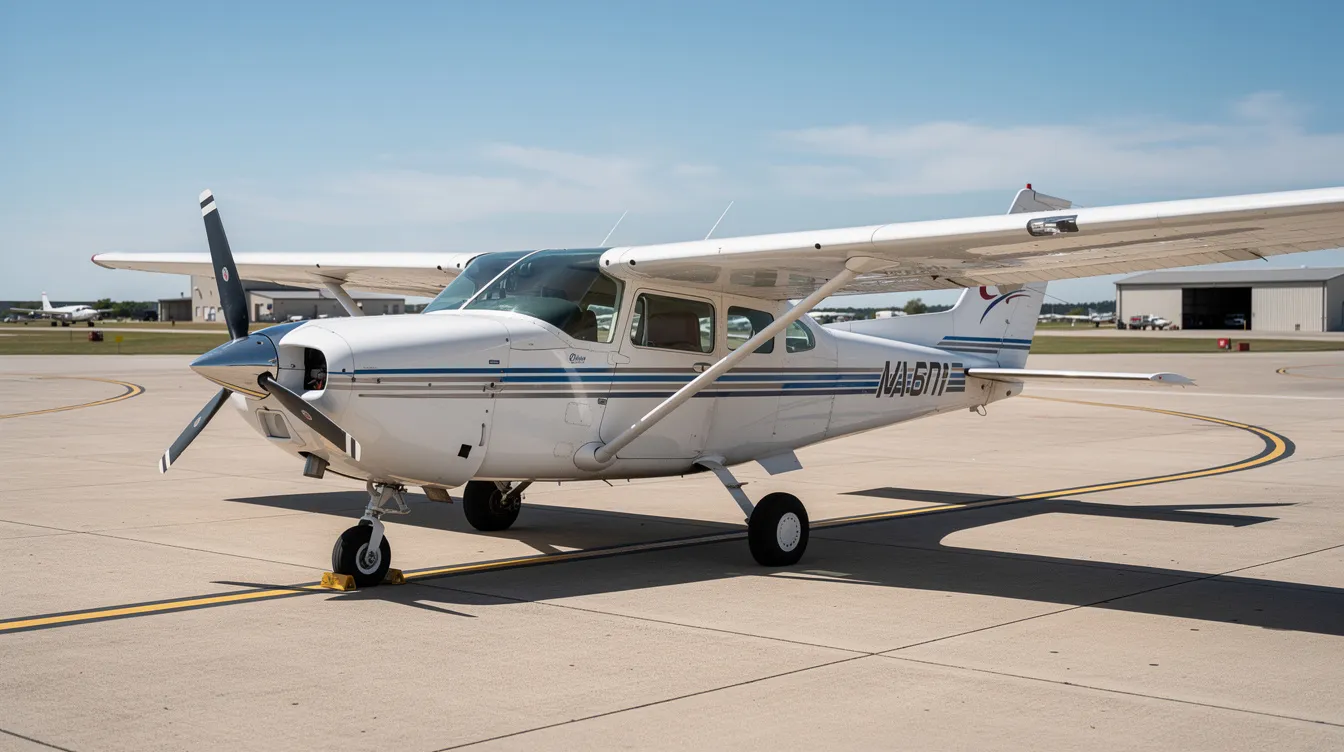
The Cessna 210 remains one of the most capable single-engine piston aircraft on the market, but understanding its true operating cost is essential before signing a purchase agreement. Whether you plan to fly 100 hours a year or 200, the numbers below will help you decide if ownership makes sense or if on-demand charter is a smarter move.
Cessna 210 operating cost typically runs between $200 and $300 per flight hour in 2024–2025, with some owners reporting averages of $120–$150 per hour for direct variable expenses alone. Operating costs can vary significantly based on flight hours and maintenance needs.
Annual costs for a regularly flown Cessna 210 commonly fall in the $25,000–$45,000 range at 100–150 hours per year. Estimated annual operating costs can reach up to $45,000 for 200 flight hours a year.
Major cost drivers include fuel burn (about 14–15.5 gallons per hour on most non-turbo models), engine and prop reserves, and maintenance on aging airframes, especially early models from the 1960s and 1970s.
Chartering via a platform like Jettly can bypass fixed and surprise expenses while still giving access to Cessna 210–class aircraft and larger types when needed. Customers value convenience and flexibility in private jet travel without ownership burdens.
The article below provides concrete per-hour and annual cost examples, plus a comparison between owning a Cessna 210 and booking on-demand charters.
The Cessna 210 is a six-seat, high-performance, retractable-gear single-engine piston aircraft. Pilots buy it for its useful load, comfortable cabin, good range, and IFR capability, making it a nice option for personal travel, business shuttles, and owner-flown cross-country flights. But a 210 with retractable landing gear incurs higher operating expenses compared to fixed-gear models, and owning and flying a high-performance aircraft involves both fixed and variable costs that deserve careful review.
The main Cessna 210 operating cost categories include:
Fuel and oil
Routine maintenance and unscheduled repairs
Engine and propeller overhaul reserves
Insurance
Hangar or tie-down fees
Navigation, landing, and airport fees
Upgrade budgets (avionics, interior, paint)
At avgas prices of roughly $6 to $7 per gallon across North America, hourly variable costs for operating a Cessna 210 typically range from $150 to $300. Turbocharged and pressurized variants (T210, P210) sit at the upper end. Depreciation and opportunity cost of capital matter too, but this article focuses on out-of-pocket operating and annual costs.
Travelers who mainly care about reliable point-to-point travel can often avoid ownership overhead entirely by using on-demand charter through Jettly's digital platform to access a broad selection of private charter aircraft.
Fixed costs are paid whether the aircraft flies or not: insurance, hangar, subscriptions, and inspections. Variable costs scale with the number of flight hours: fuel, oil, maintenance, and overhaul reserves. Understanding this split is key to projecting annual costs accurately.
Here is a realistic example for a normally aspirated Cessna 210 flying 120 hours per year in the U.S.:
Fixed Costs (Annual)
|
Cost Item |
Typical Annual Range |
|---|---|
|
Insurance |
$2,000–$5,000 |
|
Hangar or tie-down |
$4,000–$10,000 |
|
Subscriptions (charts, EFB, GPS) |
$500–$1,500 |
|
Annual inspection baseline |
$3,000–$5,000 |
Fixed costs typically range from $15,000 to $25,000 annually depending on region and aircraft state, similar in structure to other private jet operating cost breakdowns that separate fixed and variable expenses.
Variable Costs (Per Flight Hour)
|
Cost Item |
Typical Hourly Range |
|---|---|
|
Fuel |
$84–$112 |
|
Oil and fluids |
$3–$5 |
|
Maintenance and parts reserves |
$40–$60 |
|
Engine/prop overhaul reserves |
$25–$35 |
Total variable costs for a Cessna 210N can reach $58,948 annually, while total fixed costs for that same model may run $87,080 per year at high utilization and premium storage. At more typical private-owner levels, multiplying variable cost per hour by 120 hours and adding fixed costs yields roughly $25,000–$40,000 per year.
Flying more hours per year spreads fixed cost per hour but can accelerate time-based maintenance and overhaul timelines. Early models and heavily upgraded examples can sit well outside these ranges.
Fuel is usually the single biggest direct operating cost. The Cessna 210 burns about 14–15.5 gallons per hour in normal cruise. At an average fuel cost of about $6 per gallon, hourly fuel costs range from $84 to $93. At $6 to $7 per gallon, fuel costs can total $84 to $112 per flight hour depending on the model and power setting.
Fuel burn by version:
Early models (1960s, normally aspirated): ~13–14 GPH economy cruise
Later 210L/210N: roughly 14–16 GPH at 65–75% power
Turbo T210 and pressurized P210: commonly 16–18 GPH, sometimes higher at maximum performance settings for more speed and climb rate
Oil and fluid top-ups add $2–$4 per flight hour. Periodic oil analysis is a good predictive maintenance tool, adds a small recurring cost but can save money long term by catching cylinder issues early.
Leaning technique, cruise altitude, and engine management all influence burn. Charter passengers using Jettly do not see fuel line items directly; they receive an all-in quote where fuel, oil, and positioning costs are already included.
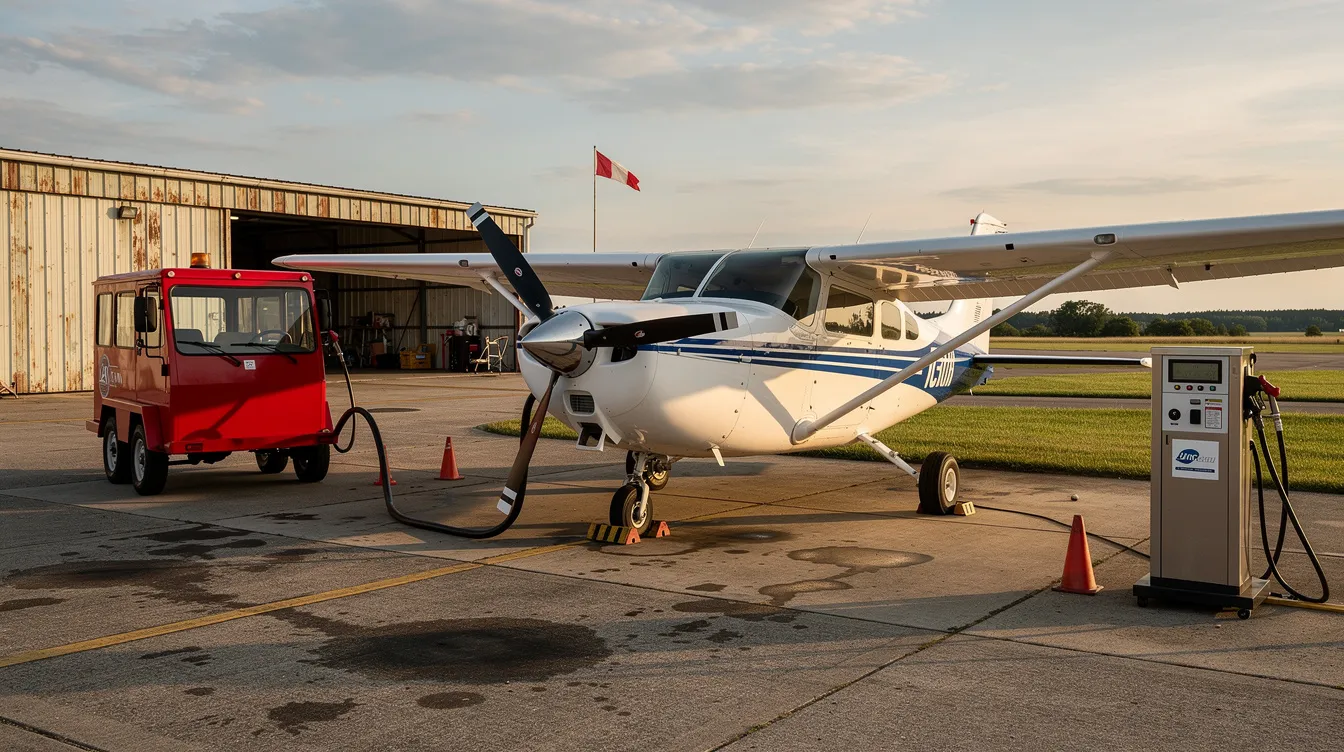
Maintenance is the most unpredictable part of annual costs, especially as the fleet ages. The complexity of a high-performance aircraft increases maintenance and operational expenses, and Cessna 210 maintenance is costlier than simpler aircraft.
Required inspections:
Annual inspection for private operation: the cost of a standard annual inspection ranges from $3,000 to $5,000 for a well-kept 210, excluding major findings.
Commercial or flight-training use may require 100-hour inspections, pushing bills higher.
Common age-related problems:
Corrosion in wing spars and tail structures, particularly on early models
Landing gear system wear (actuators, hydraulic seals, gear doors)
Exhaust and turbocharger work on T210/P210 models
Regular maintenance inspections cost $15–$30 per hour as a reserve. Annual maintenance costs can reach $87,080 for a high-utilization Cessna 210 when all inspection, parts, and labor costs are summed.
Engine and propeller reserves:
Setting aside funds for maintenance reserves is necessary for high-performance engines. Typical TBO runs 1,500–2,000 hours for Continental engines. Overhaul costs range from $40,000–$70,000+ for engine and prop combined. That converts to roughly $25–$40 per hour set aside so the eventual overhaul is fully funded.
Buyers evaluating a used 210 should check logbooks, get a borescope, and obtain a detailed pre-purchase inspection to avoid inheriting deferred maintenance liabilities.
Even when the aircraft sits, the owner pays insurance, storage, and subscriptions. These fixed expenses can dominate per-hour cost for owners who fly infrequently.
Insurance:
Insurance for a high-performance aircraft ranges from $2,000 to $6,000 annually. More specifically, Cessna 210 insurance costs range from $500 to $5,000 yearly depending on hull value, coverage type, and pilot experience.
Insurance adds about $4 to $40 per flight hour based on how many hours you fly and what coverage you carry.
Older Cessna 210s face higher insurance market rates, and insurance pricing has been increasing since 2018 across the general aviation market.
Insurance costs vary based on coverage type and flight hours logged annually.
Hangar and tie-down:
Outdoor tie-down: ~$75–$150 per month
T-hangar at a mid-size airport: $250–$500 per month
Premium hangar at a busy metropolitan airport: $600–$800+ per month
Hangar rental costs range from $4,000 to $10,000 per year. Landing fees for a Cessna 210 can range from $80–$200 per year at most general aviation airports.
Navigation database subscriptions, EFB apps, and chart services add another $500–$1,500 per year depending on avionics complexity.
Early models (1960–1966 210A through 210D) typically have lower acquisition prices but carry higher maintenance risk. Expect corrosion, legacy wiring, and harder-to-source parts that push maintenance cost per hour upward. These are often more expensive to maintain despite lower hull values.
Later 210L and 210N variants offer improved performance, better useful load, and more modern systems. Fuel burn may be slightly higher in some configurations, but maintenance tends to be more predictable. Many parts remain available on the market, and avionics upgrades are well supported.
Turbo T210 and pressurized P210 models add complexity with turbochargers, pressurization pumps, and environmental controls that increase inspection and overhaul costs. Higher fuel burn and potentially shorter engine TBO when not managed carefully mean higher hourly reserves.
For budget-aware private owners, a well-maintained, normally aspirated 210L or 210N with strong logbooks often represents the sweet spot between purchase price, payload capability, and day-to-day operating cost. It may not be as long-range as a Bonanza with tip tanks, but the cabin space and useful load make it competitive, particularly for owners comparing full ownership with fractional aircraft arrangements like Cessna 172 shared ownership.
Travelers who want similar capability without taking on early-model maintenance risk might instead charter comparable aircraft via Jettly and reference a comprehensive guide on how much to rent a private jet to understand hourly pricing across different categories.
The better option depends on annual flight hours, risk tolerance, and whether you want to manage an asset or simply buy outcomes.
Ownership makes sense when:
You fly 100–200+ hours per year on missions that fit the 210's range and payload
You value schedule control, aircraft customization, and the reactions of passengers who appreciate a well-equipped personal aircraft
Chartering makes sense when (and when broader questions like how much a private jet costs overall are part of your decision):
Annual flying is modest under 75 100 hours per year
You occasionally need more speed, a larger cabin, or a jet for longer routes
You want to avoid hangar fees, insurance, overhaul surprises, and depreciation
Charter pricing through Jettly is all-inclusive: fuel, crew, maintenance, insurance, and hangar expenses are baked into the quote, and resources on affordable private jet charter pricing can help you benchmark those all-in rates. The cost of private jet charter includes accessing a digital marketplace with over 20,000 unique aircraft, from prop planes to midsize jets, effectively tapping into a broad list of charter airlines and private operators. No capital outlay, no engine overhaul reserves, and no exposure to market depreciation.
A practical decision process: estimate realistic annual hours over the next 3–5 years, model Cessna 210 annual costs using the numbers above, then compare that to a Jettly charter quote on those same trips, especially if you are considering a NetJets alternative with more flexibility.
Ready to see how charter stacks up against ownership? Explore options or request a quote at jettly.com.
Many light-aircraft users who want predictable pricing and priority access instead opt for private jet memberships, trading the fixed costs of ownership for subscription-style access to a fleet.

Most owners should budget roughly $200–$300 per flight hour when all direct operating expenses, routine maintenance, and engine/prop reserves are included, similar in concept to broader private jet operating cost frameworks that separate fixed and variable elements. Some operators report Cessna 210 operating costs averaging $120–$150 per hour for variable expenses alone. Lower utilization pushes the true per-hour cost higher once fixed expenses are allocated. Turbocharged and pressurized variants sit above this band due to higher fuel burn and more complex systems, leading some pilots to compare ownership with affordable aeroplane rental options like clubs, schools, and charter.
Many private owners flying 80–150 hours per year report all-in annual costs in the $25,000–$45,000 range, a figure that invites comparison with how much it costs to rent a private jet for equivalent annual travel. Years involving engine overhauls, extensive avionics upgrades, or significant corrosion repairs can push annual costs well above $50,000. Spreading an engine overhaul reserve over every hour flown helps avoid budget shocks when big-ticket maintenance comes due.
On a pure cost-per-hour basis, yes, a Cessna 210 is typically much cheaper than a light jet or modern turboprop, though the broader charter airlines and private aviation market offers many aircraft where cost per seat-mile can be competitive. But jets and turboprops carry more passengers, cruise faster, and cover more distance per mile in the same time, so cost per seat-mile can be closer than headline numbers suggest. Travelers prioritizing time savings may prefer chartering a turboprop or light jet via Jettly or even exploring private jet lease cost structures if they anticipate sustained higher utilization.
Early models often have lower purchase prices but can be more maintenance-intensive due to age-related wear, corrosion risks, and outdated systems. Be aware that a thorough pre-purchase inspection including a borescope and detailed logbook review is essential when evaluating 1960s or 1970s airframes, especially if you are comparing a 210 against other affordable planes for budget-conscious buyers. A newer, mid-generation 210L or 210N with strong records may offer more predictable running costs even at a higher buy-in price.
Chartering usually makes more sense when annual flying is under 75–100 hours or when you frequently need aircraft types beyond what a Cessna 210 can provide, and heavy users may evaluate jet cards and corporate jet card programs alongside on-demand options. Jettly's platform lets users share instant charter pricing across thousands of aircraft, avoiding the fixed costs and maintenance responsibilities of ownership, while tools like a jet card flight cost estimator can help frequent flyers understand program-level pricing. Compare the estimated ownership figures from this article with an on-demand charter quote at jettly.com to see which option fits your travel pattern and budget.
Understanding the Cessna 210 operating cost is crucial for potential owners weighing the benefits of ownership against on-demand charter options. With variable costs typically ranging from $150 to $300 per flight hour and fixed annual expenses between $15,000 and $25,000, owning a Cessna 210 can be a significant financial commitment, especially when factoring in maintenance, insurance, and hangar fees. Early models may present higher maintenance risks, while later variants offer more predictable costs and performance.
For those flying fewer than 75 100 hours annually or seeking flexibility without ownership burdens, chartering through platforms like Jettly offers a convenient, cost-transparent alternative. Chartering provides access to a broad fleet, including aircraft comparable to the Cessna 210, without fixed costs or maintenance surprises. Learn more about private jet charter options and how private jet charter works.
Ultimately, the choice depends on your specific flying needs, budget, and preference for asset management versus convenience. For more insights and to explore charter options, visit Jettly's platform.
Ready to experience private travel on your terms? Explore flight options or request a quote at https://www.jettly.com.
Share this post:
Jay Franco Serevilla
Aug 30, 2026
|
5
min read
Discover tips and trends in the industry.

5
min read
Havasu Falls Helicopter Price: Costs, Schedule, and How to Book in 2026
Planning a trip to Havasu Falls in 2026? The helicopter service offers a quick alternative to the challenging hike, costing approximately $300 one-way. Flights operate on select days and are first-come, first-served, so early arrival is essential. Remember, a valid permit is required for all visitors to access the falls.
Read More
5
min read
How Long Does It Take to Get a Helicopter License? Timeline, Training, and Costs
Becoming a helicopter pilot can take anywhere from 2 months to 2 years, depending on the type of license and training frequency. A private pilot license typically requires 40 flight hours, while a commercial license demands 150 hours. Factors such as training intensity, weather conditions, and flight school choice significantly influence the timeline and costs involved.
Read MoreStay updated with our latest insights and tips to elevate your journey with us.
MEMBERSHIPS AND ASSOCIATIONS



Disclaimer: Jettly operates as a charter broker, offering access to a global digital jet charter marketplace. Jettly is not a direct air carrier and does not own or operate aircraft. All advertised flights are conducted by third-party air carriers that are fully licensed and hold the appropriate Part 135 or Part 121 certifications issued by the Federal Aviation Administration (FAA) or equivalent regulatory authorities under U.S. or foreign law. Jettly complies fully with the U.S. Department of Transportation's Part 295 and Part 298 Charter Broker regulations. Jettly does not carry additional liability insurance. Passengers are covered by aircraft operator insurance. TICO: 50023770


