


Login
Get Instant Pricing On 23,000+ Aircraft

>
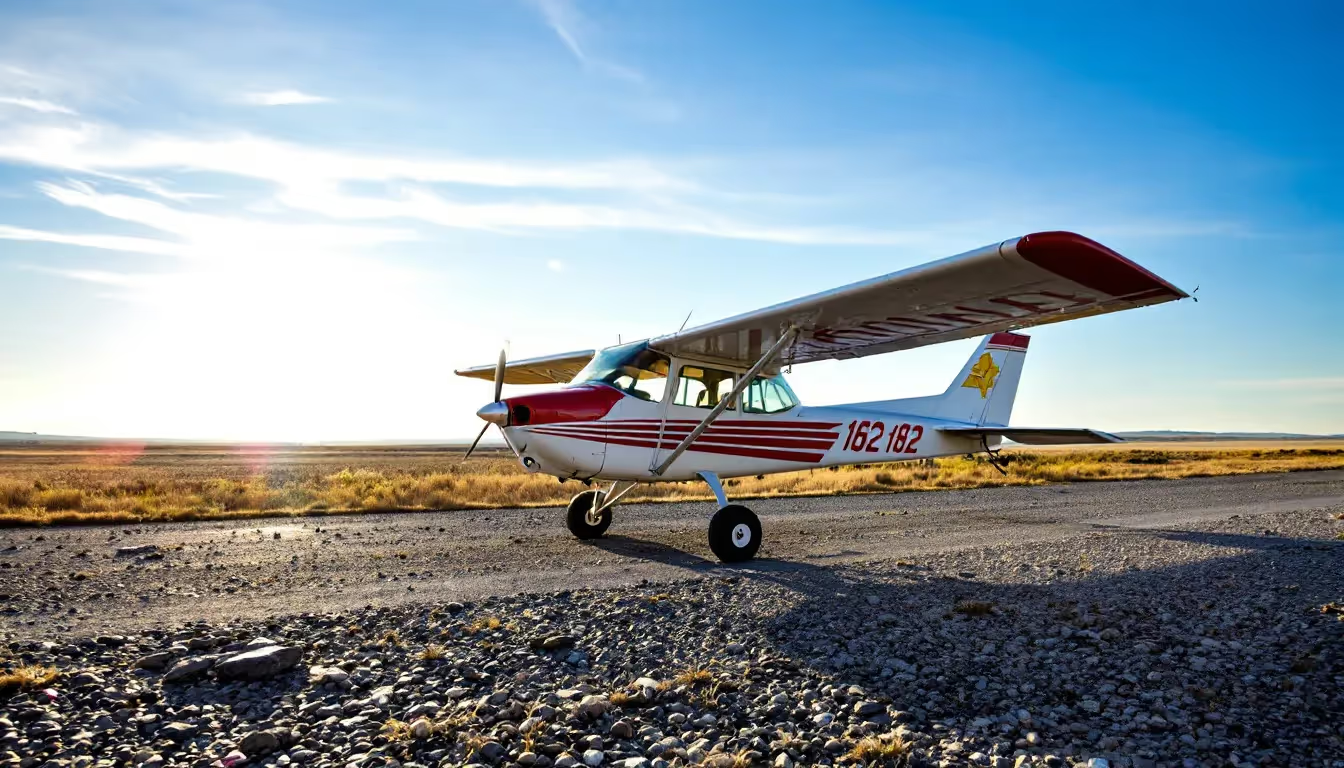
The Cessna 182, also known as the Skylane, is one of the most widely recognized and utilized single-engine airplanes in general aviation. As part of Cessna's extensive lineup of airplanes, the 182 stands out among the various models available for pilots. Originally introduced in 1956, this four-seat aircraft has gained a solid reputation for reliability, ease of operation, and balanced performance. The Cessna 182 is an airplane known around the world for its powerful combination of speed, range, and load-carrying capability, making it popular among private pilots, flight schools, and commercial operations alike.
Whether used for cross-country travel, flight training, or weekend getaways, the Cessna 182 delivers an efficient and consistent flying experience. When considering ownership or frequent use, choosing the right model from Cessna's range is important to match different pilots' needs. However, before committing, it’s essential to understand the full scope of Cessna 182 operating costs. These costs are typically broken down by hour and include fuel, insurance, tie-down or hangar storage fees, regular maintenance inspections, and landing fees. Landing fees for a Cessna 182 can range from $80-$200 per year, depending on the airport and the number of landings. The total estimated annual cost of operating a Cessna 182 can reach up to $21,100, equating to approximately $211 per flight hour.
The Cessna 182 stands out as one of the most popular aircraft in general aviation, thanks to its blend of reliability, performance, and affordability. Designed with a powerful engine and simple controls, the Cessna 182 is a favorite among flight schools and private pilots alike. Its ability to comfortably carry four adults makes it an excellent choice for family adventures, business trips, or weekend getaways. The Cessna 182 is designed to comfortably carry four adults with additional cargo, especially during long trips.
One of the key attractions of the Cessna 182 is its low operating costs and impressive fuel efficiency. Pilots appreciate that they can enjoy long-range flights without breaking the bank on fuel or maintenance costs. The aircraft’s design allows for quick refueling and efficient operation, making it ideal for both cross-country journeys and shorter regional hops.
Whether you’re a student learning the ropes or an experienced pilot seeking a dependable workhorse, the Cessna 182 offers a versatile platform that adapts to a wide range of flying needs. Its reputation for reliability and balanced performance ensures that pilots can focus on enjoying the journey, knowing they’re flying an aircraft trusted by generations of aviators.
Fuel is one of the most consistent and necessary expenses in operating a Cessna 182. This aircraft typically burns about 14 gal (gallons) of aviation gasoline (avgas) per hour during cruise. The Cessna 182 burns approximately 13 to 14 gallons of fuel per hour during cruise. With avgas prices ranging from $5.50 to $7.50 per gallon in many regions, the hourly fuel cost can range from $77 to $105. On average, avgas costs about $6 per gallon, making hourly fuel costs approximately $84. This fuel burn rate highlights the balance between performance and efficiency that the Cessna 182 offers. The Cessna 182 burns about 14 gallons of fuel per hour, which is a key consideration for budgeting operational costs.
Range: Approximately 880 nautical miles on a full tank (87 usable gal). The Cessna 182 has an 88-gallon fuel tank, allowing for extended flight durations without refueling.
Cruise speed: Around 145 knots, which offers respectable speed without excessive fuel consumption.
Efficiency: The cost per mile is reasonable compared to larger, more fuel-thirsty aircraft.
The aircraft’s fuel burn can fluctuate based on payload, altitude, and flying technique. Optimizing fuel usage requires proper mixture leaning, maintaining appropriate cruise altitudes, and ensuring the engine is operating at peak efficiency. Regular engine tune-ups and proper tire inflation can also subtly affect fuel economy over time.
Maintenance is a critical aspect of Cessna 182 ownership. As with all aircraft, the cost of maintenance scales based on airframe age, total hours, engine cycles, and previous upkeep. Parts for the Cessna 182 are generally easy to source due to its popularity, helping to keep maintenance costs reasonable. Maintenance is generally categorized into:
Legally required and typically cost $1,500 to $3,000, depending on complexity and findings. The FAA recommends that private aircraft undergo an annual inspection to thoroughly examine the aircraft's systems and verify its airworthiness.
Every 25–50 hours of operation, costing approximately $100 to $150 per change.
Costs vary widely but can include avionics repairs, landing gear issues, or corrosion control. Regular maintenance and inspections costs for a Cessna 182 typically range between $15-$30 per hour. The Lycoming engine used in the Cessna 182 requires an overhaul every 2,000 to 2,400 hours of operation, with costs typically ranging from $20,000 to $40,000. Propeller overhauls for a Cessna 182 are generally required every 1,800 hours of operation, and can cost between $1,000 and $2,000.
Routine maintenance for a Cessna 182 involves scheduled inspections, regular oil changes, and thorough checks of essential components such as the engine, propeller, and avionics systems.
A well-maintained Cessna 182 can go decades with minimal problems. However, deferred maintenance from previous owners can lead to hidden costs.
Insurance premiums depend on pilot experience, location, aircraft value, and intended usage. Typical costs fall between $1,000 to $6,000 per year, depending on these factors. Insurance for a Cessna 182 typically runs between $530-$1,200 per year. Additionally, insurance costs add about $3-$6 per hour depending on the amount of total hours flown in a year, making it an important consideration for frequent flyers.
$1,000 to $2,500 per year for private use.
Higher premiums for commercial, training, or rental purposes.
Maintaining a clean maintenance record, keeping a detailed log of all maintenance activities, and securing hangar storage can help reduce insurance costs.
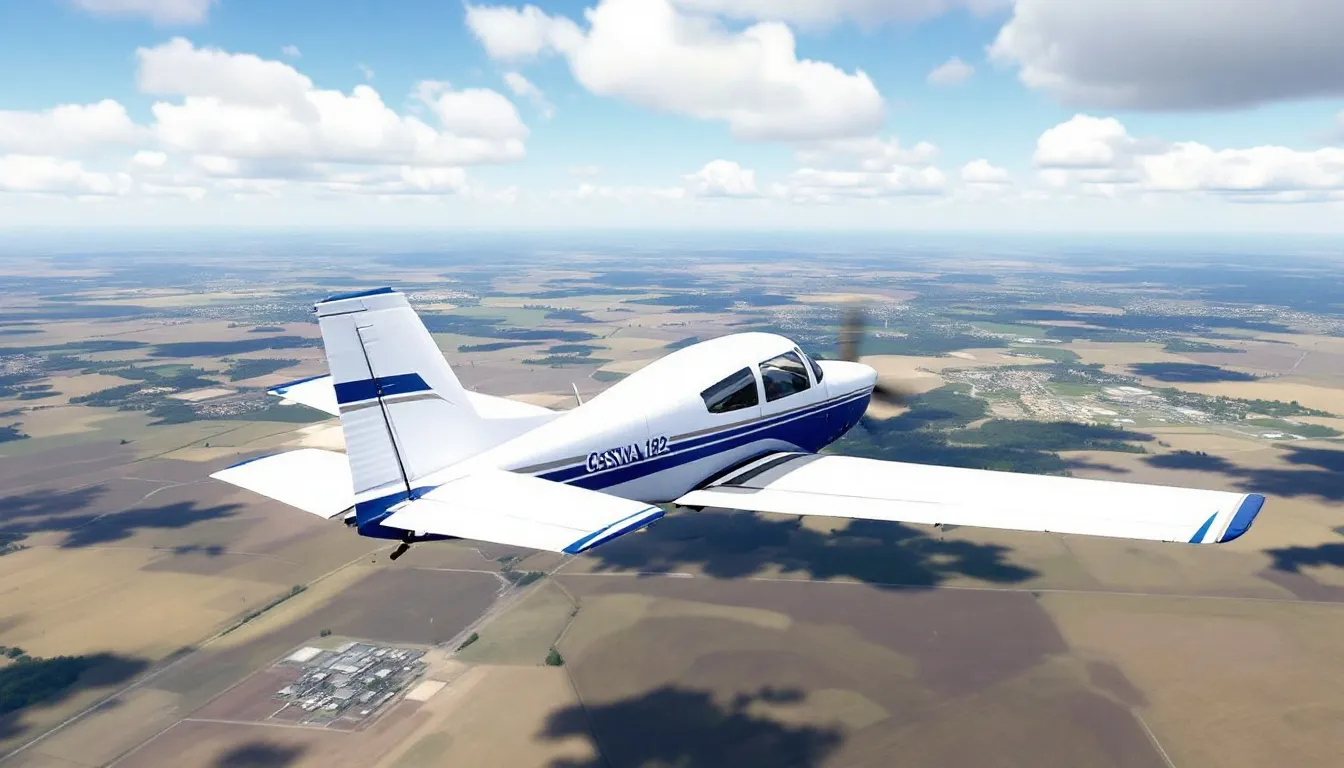
Beyond initial acquisition, Cessna 182 owners face a variety of recurring costs. Purchase prices range significantly:
Older models (1960s–70s): $50,000–$150,000. The aircraft's age often means a lower purchase price, but older aircraft may require more frequent repairs and higher maintenance costs. Older models from the 1970s and 1980s typically fall within the lower price range for used Cessna 182s. A late 70s Cessna 182 in good condition can sell for around $110,000. Many owners opt for used Cessna 182s to significantly lower the purchase price.
Well-maintained or upgraded models: $200,000–$300,000.
Newer or refurbished aircraft: Upwards of $400,000–$500,000. A new Cessna typically commands a premium price, but offers the latest features, improved performance, and lower initial maintenance needs compared to older models. As of 2023, the cost of a new Cessna 182 typically ranged from around $400,000 to $500,000. Newer models with upgraded avionics and engines will be priced higher than older models. The purchase price of a used Cessna 182 can range from $50,000 to $350,000 depending on its age and condition.
Annual inspection (as noted above)
Insurance premiums
Storage and hangar fees
Loan repayments (if financing the aircraft)
Subscriptions for avionics updates or navigation software
Even though the Cessna 182 may not be the cheapest aircraft on the market, many pilots see it as a long-term investment. The difference in operating costs between the 182 and other models, such as the Cessna 172, is notable, the 172 is generally cheaper to operate and maintain, making it a popular choice for flight training and budget-conscious owners. The Cessna 172 has lower fuel consumption than the Cessna 182 during cruise flight. Flight schools typically prefer the Cessna 172 for student training due to its affordability and fuel efficiency. Some aircraft may be cheaper to purchase and operate, but may not offer the same performance or capacity as the 182. Its durability and widespread parts availability can reduce unexpected costs over time.
Proper storage helps maintain the value and airworthiness of the Cessna 182. Storage options include:
Outdoor tie-downs: $100–$500/month. Most economical but exposes the aircraft to weather-related wear and tear.
Shared hangars: $250–$700/month depending on region and amenities.
Private hangars: $500–$1,000/month or more in premium locations. Tie-down or hangar fees for the Cessna 182 typically run between $100-$300 per month.
Additional handling costs may include:
Preheat systems in colder climates
Cleaning services
Ground handling at FBOs (Fixed-Base Operators)
While hangar storage increases monthly costs, it can reduce long-term maintenance by protecting the aircraft from corrosion, UV exposure, and storm damage.
Operating a Cessna 182 involves both fixed and variable costs, especially for commercial use such as air taxi services, aerial photography, or pilot training. Key flight operation expenses include:
Fuel and oil
Routine inspections
Tires, brakes, and consumables
Landing fees (in busier airports)
Navigation and airspace fees (in some countries)
Certain features or maintenance requirements, such as avionics upgrades or engine condition, can significantly impact how efficiently you operate the Cessna 182, affecting both cost and practicality.
For private owners, these costs remain manageable. For commercial operations, there are additional compliance and certification requirements, often increasing overall cost-per-hour.
Estimated hourly operating costs (excluding depreciation):
Private use: $130–$170/hour
Commercial/training use: $150–$200/hour
Typical Cessna 182 operating costs average around $180-$200 per hour depending on a wide range of variables.
These figures include fuel, maintenance reserves, and insurance, and can vary based on aircraft condition and utilization rate.
The Cessna 182 stands out in its class due to its combination of power, payload, and versatility. The Cessna 182 often requires a high-performance endorsement for pilots due to its more powerful engine:
Seating Capacity: 4 (pilot + 3 passengers)
Payload: Around 1,100 lbs useful load. The aircraft's weight directly affects its useful load and overall performance, influencing how much cargo or passengers it can safely carry and how efficiently it operates.
Cruise Speed: Approximately 145 knots (167 mph)
Takeoff Distance: About 1,500 feet
Landing Distance: Approximately 1,350 feet
Useful Load Capacity: Approximately 1260 pounds, allowing for flexibility in carrying passengers and cargo.
Its high-wing configuration provides excellent visibility and stability, making it a favorite for both training and backcountry flying.
The aircraft’s ability to access shorter airstrips makes it attractive for travelers seeking access to remote areas or private airports that jets or turboprops cannot reach. With a takeoff distance of around 1,200 feet, the Cessna 182 is well-suited for operations in areas with limited runway space. For those flying recreationally or regionally, the Cessna 182 offers reliable transportation without excessive complexity or cost. The Cessna 182 provides more cabin space and comfort for longer trips with full fuel and additional cargo.
Planning ahead is crucial for aircraft ownership. Developing a clear annual budget allows owners to avoid unexpected financial strain. Key budget categories to consider include:
Acquisition and financing: Initial down payment, loan interest, and amortization.
Fixed costs: Insurance, hangar fees, subscriptions.
Variable costs: Fuel, oil, maintenance, landing fees.
Maintenance reserves: Savings for engine overhaul (recommended every 1,500–2,000 hours).
A sample annual breakdown for private ownership might look like this:
Fuel (100 hrs @ $95/hr): $9,500
Maintenance/Inspections: $3,000–$5,000
Insurance: $1,200–$2,000
Hangar Storage: $3,600–$8,400
Miscellaneous Fees & Reserves: $2,000–$4,000
Having a reserve fund can reduce the financial burden of unexpected repairs or avionics upgrades. Remember to budget for unexpected repairs or upgrades that may arise during ownership.
When evaluating the true cost and value of owning or operating a Cessna 182, it’s important to look beyond the standard figures for fuel, maintenance, and insurance. Several additional factors can influence your overall experience and expenses.
First, the aircraft’s age and condition play a significant role in ongoing maintenance costs. Older Cessna 182s may come with a lower purchase price, but they can require more frequent repairs or upgrades, especially if previous owners deferred regular maintenance. Investing in a thorough pre-purchase inspection and reviewing the aircraft’s maintenance logs can help you avoid unexpected expenses down the line.
Regional differences also impact operating costs. For example, hangar fees, tie-down rates, and avgas prices can vary widely depending on your location. Pilots based in high-demand or urban areas may pay more for storage and fuel than those in rural regions. It’s wise to research local costs before committing to ownership.
Staying current with regulatory requirements and industry best practices is another important consideration. Regular maintenance, timely annual inspections, and keeping avionics up to date not only ensure safety but also help maintain the aircraft’s value. Upgrades to avionics or interior features can enhance comfort and performance, but they should be factored into your long-term budget.
Finally, joining Cessna owner groups or pilot associations can provide valuable support, from maintenance tips to group insurance rates. These communities often share resources and advice that can help you manage costs and get the most out of your Cessna 182.
By considering these additional factors, you can better plan for the true cost of ownership and enjoy the many benefits that come with flying one of the world’s most trusted and versatile aircraft.
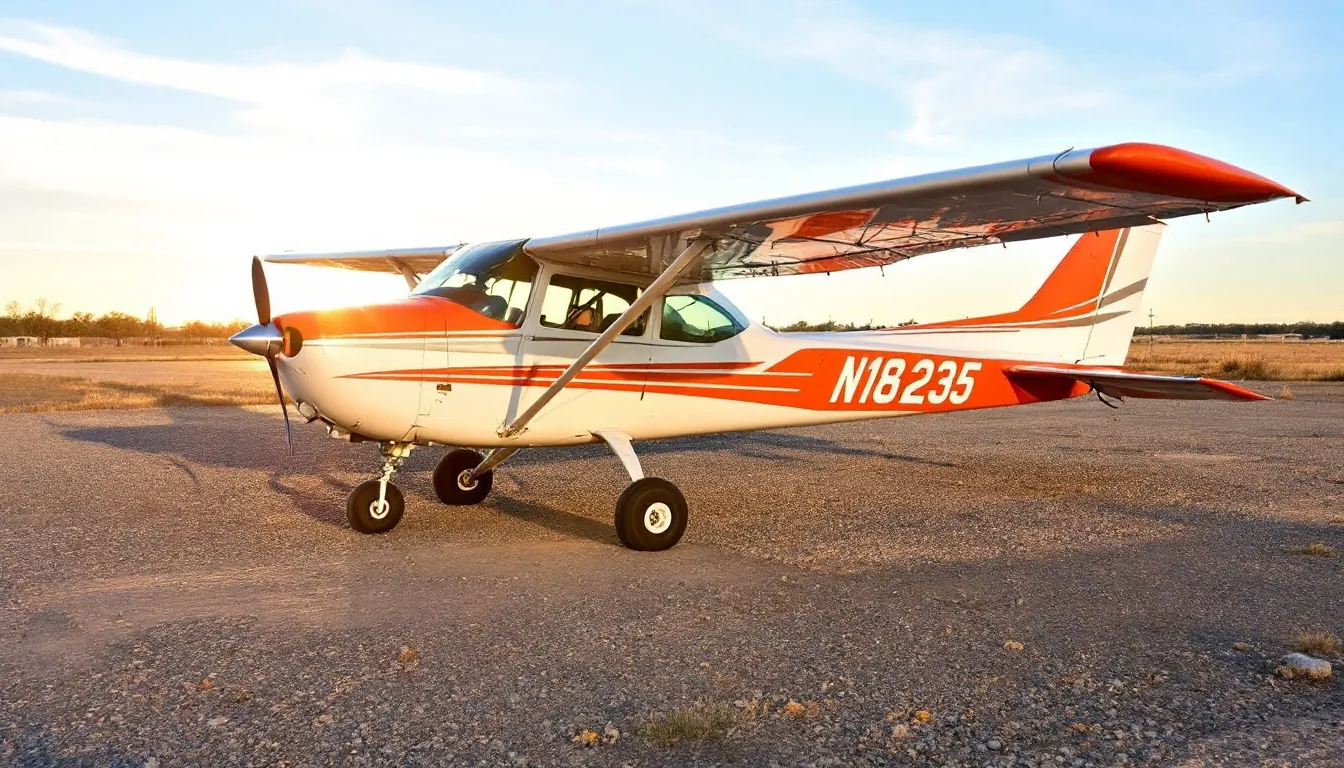
While private jets are often associated with luxury travel, aircraft like the Cessna 182 provide a more accessible path to private aviation. For those who don’t require long-haul flights or multiple passenger seats, the 182 offers:
Freedom to fly on your schedule
Access to thousands of small airports
Lower environmental impact compared to jets
Affordable entry point into general aviation
Choosing the right kind of aircraft depends on your travel requirements and flying experience, ensuring you get the best fit for your needs.
Whether flying for business meetings, weekend getaways, or flight training, the Cessna 182 remains a cost-effective alternative to chartering larger aircraft, while still delivering convenience and privacy.
However, for travelers needing longer range, cabin comfort, or higher passenger capacity, services like Jettly offer on-demand private jet charters with a range of aircraft and route options. While the 182 serves well for regional needs, jet travel becomes more efficient for multi-state or international travel.
The Cessna 182 offers a dependable, flexible, and efficient platform for pilots who value utility and cost-conscious performance. Although it does require ongoing maintenance, fuel, insurance, and storage costs, its total cost of operation is moderate compared to many aircraft in its class. While the Cessna 182 can be more expensive than some other aircraft, its performance and reliability often justify the investment. Its longevity and reputation in the aviation community speak to its overall value. The Cessna 182's maximum gross weight is around 2950 pounds.
For prospective owners, it’s important to conduct a thorough cost analysis and inspect aircraft records before purchase. For occasional flyers or those who want to avoid ownership complexities, private aviation services like Jettly offer a seamless alternative to owning an aircraft, especially when flexibility and luxury are a priority.
If you’re exploring personal or business air travel options, whether it’s owning a Cessna 182 or booking a private jet, Jettly can help you fly smarter.
Ready to explore efficient air travel options? Discover how Jettly can meet your aviation needs, whether you’re a seasoned pilot or a first-time flyer.
Share this post:
Jay Franco Serevilla
Sep 11, 2025
|
5
min read
Discover tips and trends in the industry.
5
min read
Boise Charter Flights with Jettly: Private Jets, Pricing & Top Routes
Boise charter flights with Jettly offer travelers a flexible and efficient way to fly in and out of Idaho's capital. With access to over 20,000 aircraft, Jettly provides personalized scheduling, enhanced privacy, and direct routing to numerous destinations, making it ideal for both business and leisure travel.
Read More
5
min read
Falcon 900EX EASy: Long-Range Comfort with Modern Avionics
The Falcon 900EX EASy is a long-range tri-engine jet by Dassault Aviation, designed for comfort and efficiency. With a maximum range of 4,725 nautical miles and a modern EASy flight deck, it caters to corporate and family travelers alike, offering a spacious cabin and advanced avionics. This guide details its performance, charter options, and how Jettly simplifies the booking process.
Read MoreStay updated with our latest insights and tips to elevate your journey with us.
MEMBERSHIPS AND ASSOCIATIONS



Disclaimer: Jettly operates as a charter broker, offering access to a global digital jet charter marketplace. Jettly is not a direct air carrier and does not own or operate aircraft. All advertised flights are conducted by third-party air carriers that are fully licensed and hold the appropriate Part 135 or Part 121 certifications issued by the Federal Aviation Administration (FAA) or equivalent regulatory authorities under U.S. or foreign law. Jettly complies fully with the U.S. Department of Transportation's Part 295 and Part 298 Charter Broker regulations. Jettly does not carry additional liability insurance. Passengers are covered by aircraft operator insurance. TICO: 50023770


