



Login
Get Instant Pricing On 23,000+ Aircraft

>
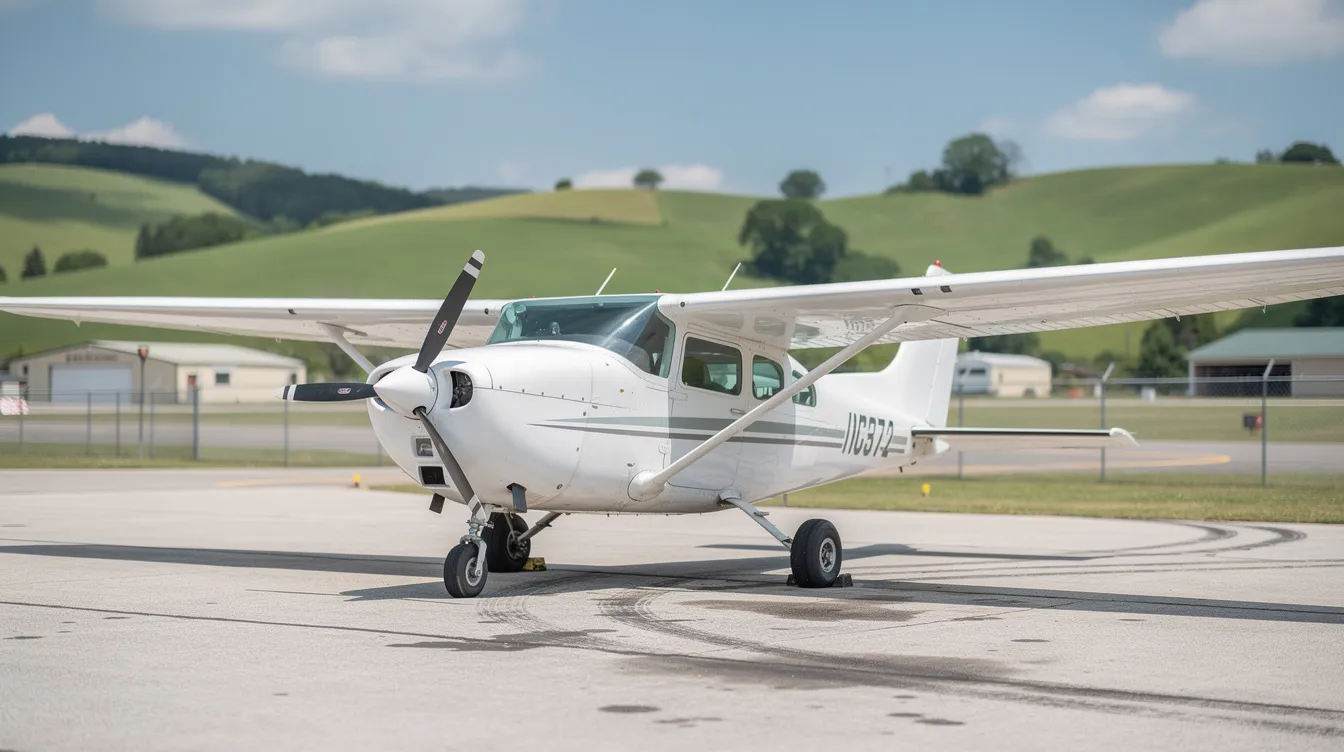
For pilots considering stepping up from a Cessna 172 or entering aircraft ownership for the first time, the Cessna 182 Skylane sits in a sweet spot of performance, payload, and versatility. But what does a Cessna 182 cost of ownership actually look like in 2026? The numbers may surprise you, and getting them right before you buy is the difference between enjoying your airplane and dreading the next invoice.
The true cost of owning a Cessna 182 in 2026 typically ranges from about $180 to $350 per flight hour, depending on aircraft age, financing status, and how many hours per year the plane flies. Owning a Cessna 182 Skylane involves balancing fixed costs and variable costs, and both categories deserve careful attention before signing a purchase agreement.
Fixed costs (insurance, hangar storage, annual inspection, avionics subscriptions, and financing) usually total $6,500 to $19,500 per year for most owners in North America.
Variable operating costs (fuel, oil, routine maintenance, and engine reserve accruals) for a Cessna 182 generally fall between $100 and $200 per flight hour in 2026, with hourly fuel costs ranging from $77 to $105 based on fuel prices driving the bulk of that figure.
Legacy Cessna 182 models (1956–1986 with Continental O-470 engines) can be cheaper to buy but often need larger reserves for unscheduled maintenance and structural inspections on older airframes.
For pilots flying under 75–100 hours a year, on-demand charter through platforms like Jettly can be cheaper and far less risky than full ownership, and a private jet charter cost estimator can help you compare realistic trip pricing against ownership costs or explore jet card flight cost estimates if you prefer prepaid hours. See the conclusion for a private charter cost comparison.
Here is what the numbers look like at different utilization levels for a privately owned Cessna 182 in 2026:
|
Annual Hours Flown |
Approximate All-In Cost Per Hour |
|---|---|
|
50 hours/year |
$260–$400/hr |
|
100 hours/year |
$200–$320/hr |
|
200 hours/year |
$180–$280/hr |
The spread between "cash operating costs" and "full cost of ownership" explains the wide range:
Cash operating costs include fuel, oil, maintenance, and engine/prop reserves — the expenses that scale with each hour you fly.
Full cost of ownership adds hangar, insurance, subscriptions, depreciation or loan interest, and avionics database updates on top of those hourly costs.
The per-hour cost drops as annual hours increase because fixed costs are spread over more flight time. A simple example: $12,000 in annual fixed costs divided by 60 hours is $200 per hour in fixed overhead alone. Divide that same $12,000 by 180 hours, and the fixed component drops to $67 per hour.
Owner-reported data from 2024–2026 typically clusters around $180–$210 per hour for a paid-off, frequently flown legacy Cessna 182. Estimated hourly operating costs range from $130 to $200 per hour for variable expenses alone. But total costs can exceed $300 per hour for low-utilization, financed aircraft. These numbers assume North American fuel prices in 2026 (~$7–$8 per gallon for 100LL) and moderate hangar rates in mid-sized markets. Adjust for your local costs.
The Cessna 182 Skylane is a four-seat, fixed-gear, high-wing piston airplane introduced in the 1950s. It remains one of the most popular single-engine aircraft in general aviation for family travel, backcountry strips, and as a natural step up from the Cessna 172.
Cruise speed is around 145 knots for the Cessna 182
Useful load ranges from roughly 1,000 to 1,250 lb depending on variant
The Cessna 182 has a range of approximately 880 nautical miles on standard tanks
Cabin comfort accommodates four adults with two big doors for easy entry and exit
The 182 occupies a middle ground in general aviation: significantly more performance and useful load than a 172, but lower acquisition and operating costs than larger singles like the Cessna 206 or Beechcraft Bonanza. It is important to distinguish between the legacy Cessna 182 (1956–1986, Continental O-470 powered) and later 182S/182T Skylane models with the fuel-injected Lycoming IO-540 engine and modern avionics, because the cost of ownership differs meaningfully between these groups.
Understanding the true cost helps pilots compare buying a Cessna 182 against alternatives like shared ownership or flying club arrangements, or using private turboprop and jet charter via digital platforms such as Jettly.
Fixed costs are expenses that recur annually whether the aircraft flies 10 hours or 300 hours. They form the baseline annual budget every owner must plan for.
Typical fixed cost categories with 2026 ranges:
|
Category |
Annual Range |
|---|---|
|
Hangar or tie-down |
$1,200–$12,000+ |
|
Insurance (hull + liability) |
$1,000–$6,000 |
|
Annual inspection (base labor) |
$1,500–$3,000 |
|
Avionics databases & subscriptions |
$300–$1,500 |
|
State registration & fees |
$50–$300 |
For a mid-time 1970s 182P stored in a shared hangar, fixed costs might add to roughly $10,000–$13,000 per year before loan payments.
Fixed costs are where location and personal choices — hangar vs. tie-down, full hull insurance vs. liability only, premium avionics subscriptions — create the biggest spread between private owners. A pilot in rural Kansas pays less for storage than one in coastal California. An experienced, claims-free pilot pays less for insurance than a fresh private certificate holder.
Compared to ownership, a private charter platform like Jettly rolls all of these fixed costs into the trip price, meaning occasional flyers pay nothing when they do not fly, while affordable aeroplane rental options such as clubs and traditional charters provide additional ways to access aircraft without full ownership; frequent charter users may even compare this against structured jet card programs that trade upfront commitment for predictable hourly rates.
Variable operating costs scale directly with flight hours: fuel, oil, routine wear items, and hourly maintenance accruals.
The Cessna 182 burns about 14 gallons of fuel per hour at typical cruise power settings. Fuel burn rates vary from 10 to 14 gallons per hour depending on model, altitude, and leaning technique. With avgas prices ranging from $5.50 to $7.50 per gallon in 2026 (and frequently higher at popular airports), fuel expenses can range from $72 to $105 per hour based on fuel prices. Fuel consumption is approximately 13 to 14 gallons per hour for most commonly flown variants.
Oil changes cost approximately $100 to $150 every 25–50 hours. Averaged across a typical interval, that works out to roughly $3–$8 per hour.
Routine maintenance costs for a Cessna 182 average $15 to $30 per hour when budgeting for tires, brakes, filters, and minor squawks on a normally maintained aircraft.
Maintenance costs for a Cessna 182 can vary greatly based on aircraft age and condition, so most owners add a buffer above these averages.
Aggregated, a typical variable cost per hour (fuel + oil + routine maintenance + engine/prop reserves) lands in the $110–$190 range, which the worked example section below refines further. Variable operating costs for a Cessna 182 range from $100 to $200 per flight hour depending on the specific airplane and how it is operated, similar in structure to the comprehensive breakdown of private jet costs where fuel, maintenance, crew, and capital expenses all shape the true hourly rate.
Annual inspections are legally required for Part 91 operations in the U.S., and their cost is one of the most visible recurring bills in Cessna 182 ownership. Annual inspections typically cost between $1,500 and $3,000 for base labor, but common discrepancy repairs frequently add $1,000–$5,000 depending on aircraft age and what the mechanic finds. A knowledgeable pre-buy inspection can also catch expensive issues such as nose gear damage on older Cessna 182s. Annual inspection costs average around $3,000 according to owner reports when squawks are included.
Older legacy Cessna 182 airframes (1956–1980s) often see higher annual bills due to corrosion, worn control cables, aging wiring, and compliance with Cessna Supplemental Inspection Documents. On 1979-and-newer aircraft, the wet wing fuel-tank design also makes it important to inspect for sealant seepage or leaks. Maintenance costs can climb quickly on these older airframes if previous owners deferred work.
Owner-assisted annual inspections can reduce labor costs significantly if the owner removes panels, cowlings, and interiors under A&P supervision — a common strategy among hands-on pilots who do their own oil changes and basic preventive tasks.
The recurring seat rail AD on many Cessna 182 models adds a small but ongoing compliance requirement during each inspection cycle.
Typical A&P shop hourly rates in 2026 run $110–$160/hr at many GA maintenance shops, so labor hours add up quickly when unexpected items appear.
Engine overhaul is one of the largest single expenses in Cessna 182 ownership. Setting aside a proper engine reserve each hour is critical to an accurate cost of ownership calculation — skipping this step just delays the financial hit.
The time between overhaul (TBO) for a Cessna 182 engine is typically 1,500 to 2,400 hours, depending on the engine variant. For legacy Continental O-470 engines, TBO commonly sits at 1,500 hours, with overhaul costs in 2026 often running $40,000–$55,000, including removal and reinstallation. Engine overhauls for the Lycoming engine cost between $20,000 and $40,000 at the lower end, but later 182S/182T models with the IO-540 often see bills of $55,000–$85,000+ depending on shop, parts choice, and accessories. For comparing engine overhaul costs and overhaul shops, Aviation Consumer is a useful starting point.
Translating overhaul costs into an hourly engine reserve:
$50,000 ÷ 2,000 hours = $25/hour
$40,000 ÷ 1,500 hours = $27/hour
A new engine or factory remanufactured unit pushes the reserve requirement higher but resets the clock entirely.
Propeller overhauls typically cost between $1,000 and $2,000 every 1,800 hours on many older models, though more complex constant-speed props on later variants can run $4,000–$8,000. That translates to a suggested hourly reserve of roughly $3–$6/hour to cover prop work.
Typical Cessna 182 policies include liability coverage plus hull coverage based on agreed hull value, with premiums heavily influenced by pilot experience and aircraft value. Insurance premiums for a Cessna 182 range from $1,000 to $6,000 annually, creating a wide spread that reflects how much individual factors matter.
Realistic 2026 ranges by pilot profile:
|
Pilot Profile |
Typical Annual Premium |
|---|---|
|
Experienced, IFR-rated, lower hull value |
$1,200–$2,000 |
|
Mid-time pilot, moderate hull value |
$1,800–$4,500 |
|
New pilots (under 200 hours total) |
$2,000–$3,500 |
|
High hull value (182T, $300K+) |
$2,500–$6,000 |
Cessna 182 insurance typically costs between $530 and $1,200 annually at the very low end for highly experienced pilots insuring older, lower-value hulls. Insurance costs depend on pilot experience and aircraft value, along with claims history, training recency, base location, and whether the plane is hangared versus tied down.
When broken into a per-hour figure, insurance costs add about $3 to $6 per hour flown for a pilot logging 100–200 hours annually. Charter customers, by contrast, do not pay separate aviation insurance — coverage is built into the charter rate, which is part of the appeal for occasional travelers who want predictable expenses.
Hangar or tie-down decisions affect both the annual cost and the long-term condition of a Cessna 182.
Hangar fees can range from $100 to $1,000 per month in 2026. Here is what that looks like across common options:
Outdoor tie-downs: $100–$300/month at many smaller airports
Shared or community hangars: $250–$700/month
Private T-hangars or box hangars: $500–$1,000+/month in high-demand regions
Hangar storage for a Cessna 182 can cost between $3,600 and $12,000 per year. While tie-downs cut storage costs 50–70%, they expose the aircraft to UV damage, hail, and corrosion — all of which accelerate paint and interior degradation and can drive up repair costs on items like plastics, seals, and avionics.
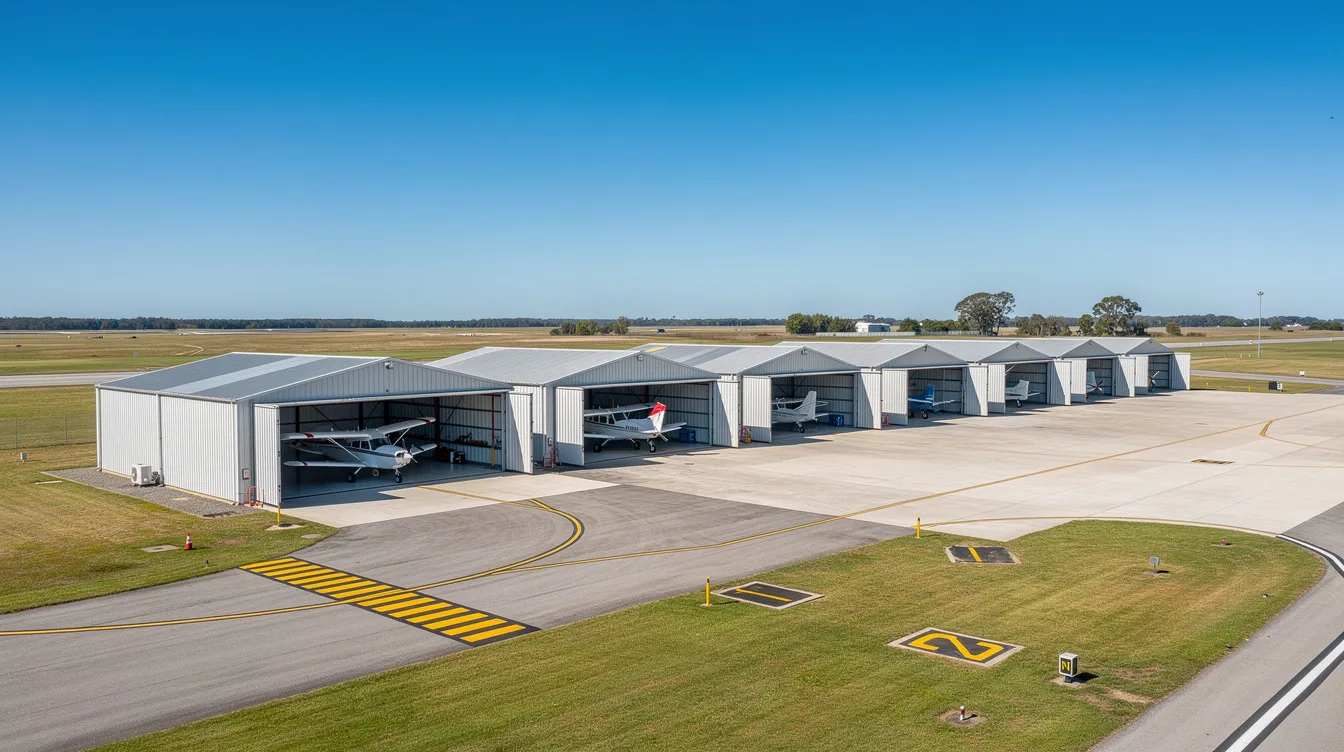
A quick comparison: $1,800/year for an inexpensive tie-down versus $7,200/year for a $600/month hangar. That $5,400 difference is real, but hangared aircraft tend to retain value better and accumulate fewer cosmetic and weather-related maintenance bills over time — a factor that matters at resale.
Many legacy Cessna 182 and older Skylane models still fly with 1980s or 1990s avionics. Modern GPS, glass panels, and ADS-B solutions can dramatically change both capability and the annual budget.
Typical 2026 installed costs for common avionics upgrades:
WAAS GPS navigator: $12,000–$25,000
Basic PFD/MFD glass panel package: $25,000–$60,000+
ADS-B transponder: $4,000–$8,000
Autopilot retrofit: $15,000–$40,000
Avionics upgrades rarely return full value at resale, especially on older airframes. Owners should budget them as safety and quality-of-life investments tied to their planned years of ownership and IFR usage. Avionics repairs on aging equipment can also be unpredictable — a failed nav/comm or autopilot servo can easily run $2,000–$5,000 to troubleshoot and fix.
Example financing scenario: a $30,000 avionics package financed over 10 years adds roughly $300/month to fixed costs, translating into an additional $20–$40 per flight hour for owners flying 75–150 hours annually. By comparison, chartering aircraft with up-to-date avionics and professional crews through platforms like Jettly provides access to modern cockpits without funding the upgrade personally.
The term "legacy Cessna" refers to fixed-gear, O-470-powered models from roughly 1956–1986. Later Cessna 182S/182T Skylane aircraft, delivered from the late 1990s onward, use the fuel-injected Lycoming IO-540 engine and generally come with newer avionics.
Purchase price ranges as of 2025–2026:
|
Model Group |
Typical Purchase Price |
|---|---|
|
Early legacy (1956–1970, basic) |
$50,000–$120,000 |
|
Well-equipped 1970s–1980s 182P/Q/R |
$135,000–$230,000 |
|
182S/182T, glass cockpit Skylane |
$350,000–$700,000+ |
Older Cessna 182 models can sell for $50,000 to $150,000. Purchase prices for used Cessna 182s range from $50,000 to $350,000 across the full spectrum. New Cessna 182 prices range from $400,000 to $500,000 for current-production or very late models.
Legacy aircraft have lower acquisition costs but higher reserves for aging airframe maintenance and structural inspections. Newer 182S/182T models can have lower unscheduled maintenance but higher insurance and financing costs due to higher hull values. Engine overhaul reserves also differ: O-470 at roughly $25–$30/hr vs. IO-540 at $27–$40/hr.
Mission profile matters. Pilots flying recreationally on weekends may prefer the lower entry price of a legacy model. Those planning serious IFR cross-country work with four adults and full fuel may value the newer panel, improved cabin comfort, and big doors of a late-model Skylane.
Consider a 1975 Cessna 182P based at a mid-cost U.S. airport in 2026, flown 100 hours per year, stored in a shared hangar, with no loan payments.
|
Line Item |
Annual Cost |
|---|---|
|
Hangar (shared T-hangar, $400/month) |
$4,800 |
|
Insurance (experienced pilot, older hull) |
$1,800 |
|
Annual inspection + squawks |
$3,500 + $1,500 = $5,000 |
|
Fuel (13 gph × 100 hrs × $7/gal) |
$9,100 |
|
Oil changes and filters |
$600 |
|
Routine maintenance and small parts |
$2,500 |
|
Engine reserve ($30/hr × 100 hrs) |
$3,000 |
|
Prop reserve ($5/hr × 100 hrs) |
$500 |
|
Total |
~$27,300 |
That translates to roughly $273 per hour. The average price per hour drops if annual utilization increases.
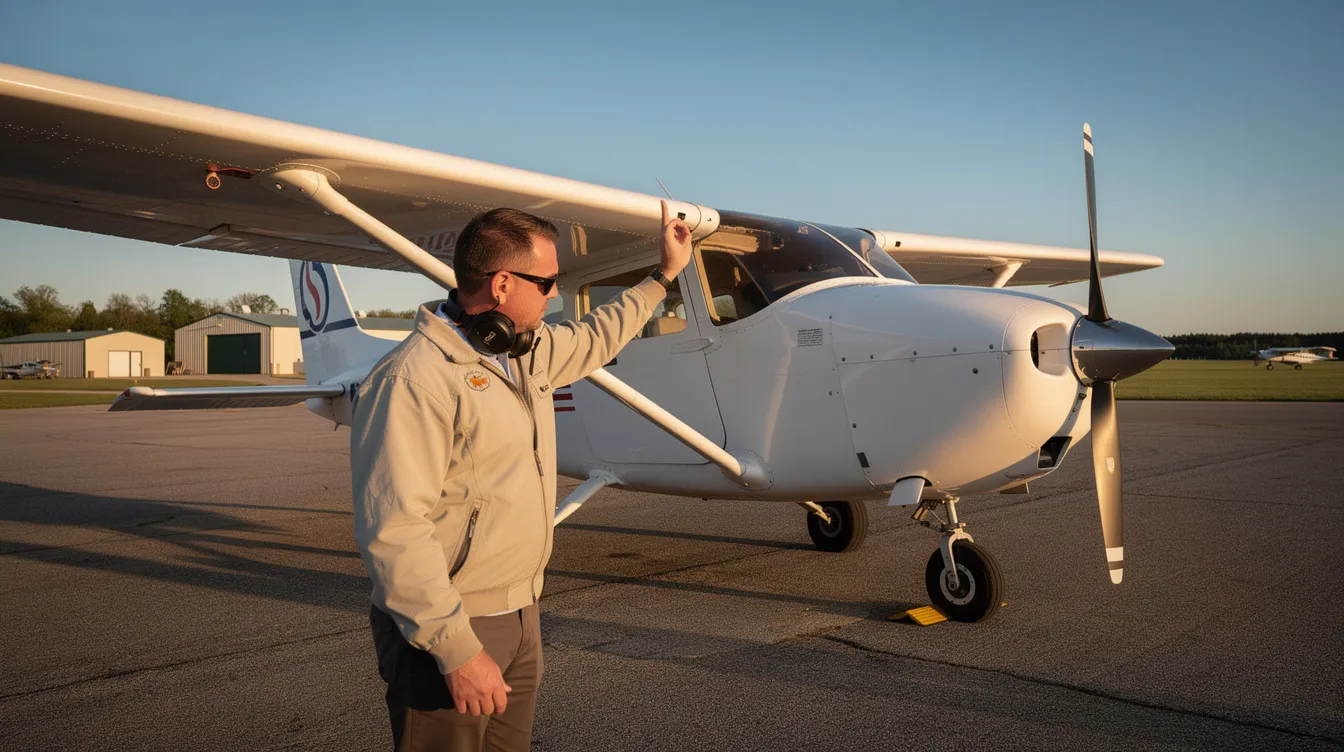
At 200 hours per year, fuel and variable costs roughly double (adding ~$12,000), but fixed costs stay the same, pushing total annual spending to about $39,000 — or approximately $195 per hour. For pilots flying only 40–60 hours per year, the all-in effective hourly cost can easily exceed $350–$400, at which point chartering larger, faster turboprops and light jets on-demand through Jettly may look financially attractive, especially when you understand how affordable private jet charter pricing is structured and which levers can reduce your trip cost.
Many Cessna 182 purchases are financed over 10–20 years, and loan payments plus interest significantly influence the true cost of ownership beyond day-to-day operating costs.
Typical 2026 aviation loan terms for piston singles:
15–20-year amortization
10–25% down payment
Interest rates in the mid-single to low-double digits
Example: financing $150,000 over 20 years at roughly 6% interest creates monthly payments of about $1,075, adding approximately $12,900 per year to the cost of owning a private plane, which some travelers offset by using flexible private jet memberships instead of taking on long-term aircraft loans.
Cessna 182 depreciation averages about $1,200 per year on older, stabilized-value models. A well-maintained Cessna 182 can retain value over decades, especially one with a fresh engine and modern avionics. Still, depreciation affects resale value significantly for older aircraft if maintenance is deferred or cosmetic condition declines.
The distinction between "cash cost per hour" (what leaves the bank account) and "economic cost per hour" (including opportunity cost of capital and depreciation) is important. Most owners focus on cash cost, but the true cost of ownership includes capital that could be earning returns elsewhere.
Typical Cessna 182 ownership works best for pilots who fly 100+ hours per year on local and regional trips and want the freedom to go when they want. But a self-flown Cessna 182 at $220–$320/hour all-in occupies a different niche than private charter, which moves passengers faster and farther with zero maintenance responsibility.
For pilots flying only 30–80 hours per year, the fixed-cost burden pushes cost of ownership uncomfortably high on a per-hour basis. On-demand charters via Jettly allow paying only for the trips actually flown. Jettly's digital platform offers transparent pricing, access to thousands of private charter aircraft types (from turboprops to long-range jets), integrated tools like an airport locator, and point-to-point booking without long-term commitments through vetted operators such as Dexter Air Taxi, including destination-specific options like private jet charter in Chennai, Kolkata, or New Delhi, often serving as a flexible NetJets alternative for those who want charter access without fractional ownership.
A practical example: a family uses their Cessna 182 for weekend trips within 400 NM but charters a light jet via Jettly for once-a-quarter cross-country trips where speed, cabin comfort, and weather flexibility matter more than flying the 182 personally. The airplane handles the regular missions it does best, while charter fills gaps where the 182's cruise speed and range fall short compared to faster aircraft; in some cases, families may even compare shared charter flights vs. full charters to balance privacy with cost or use crowdsourced private jet flights and shared seats to reduce the per-passenger price further.
These FAQs address common questions that go beyond the main body, focusing on edge cases and practical ownership planning concerns.
Financial "sense" is subjective, but many owners in the aviation community find that flying at least 100–150 hours per year keeps effective cost per hour closer to $200–$260 instead of $300–$400+. Below about 75–100 hours annually, the fixed costs (hangar, insurance, annual inspections, subscriptions) loom large and may make a flying club, rental, or on-demand charter via Jettly more cost-effective. To calculate your own break-even, divide your estimated annual fixed costs by anticipated hours, then add realistic variable operating costs per hour.
Shared ownership arrangements and equity-based flying clubs are fairly common ways to reduce individual cost of ownership. A two- or three-person partnership can split fixed costs such as hangar, insurance, and annual inspections, potentially cutting each pilot's annual cash outlay by 30–60%. Key considerations include scheduling conflicts, aircraft usage rules, reserves accounting, and formal legal agreements. Partnership can be a solid middle ground between full ownership and pure rental or charter.
Common underestimated items include corrosion repairs on older airframes, exhaust system replacements, cylinder work, interior and paint refurbishment, avionics repairs and troubleshooting, and compliance with older or newly issued Airworthiness Directives. Many buyers focus on engine time since overhaul but underestimate the cost of catching up on deferred maintenance uncovered during the first annual inspection. Budget an extra contingency reserve - roughly 10–20% of the average purchase price - over the first two to three years to handle unexpected repair costs without financial stress.
In the U.S., owners can legally perform certain preventive maintenance tasks on certificated aircraft. Tasks like doing your own oil changes, replacing tires, and simple non-structural work are permitted if done in accordance with regulations and properly logged. Owner-assisted annual inspections, where the owner removes panels and interior components under A&P supervision, can significantly reduce labor hours and thus the plan for annual inspection cost. Major maintenance and repairs must still be performed by licensed mechanics — cutting corners to save money backfires quickly in terms of safety, reliability, and resale value.
While a Cessna 182 can handle long cross-country flights, its cruise speed of around 145 knots and altitude capabilities mean that multi-state or coast-to-coast trips take substantially longer than in turboprops or jets. Club rental access may be limited for multi-day trips, making ownership attractive for schedule flexibility.
However, private charter via Jettly can offer significant door-to-door time savings and higher comfort on 800–1,500+ NM journeys, similar to the services highlighted in guides to the best private jet charter companies, comprehensive lists of charter airlines, and explanations of how to buy a seat on a private jet or get a seat on a private jet easily. Many Cessna 182 owners fly their plane for regional trips within 300–500 NM and complement it with occasional charter for longer, weather-sensitive business or family trips where time savings justify the higher charter rate.
The Cessna 182 cost of ownership in 2026 comes down to honest budgeting. Real-world ownership typically means total annual costs in the mid-five figures and effective hourly costs between roughly $180 and $350 depending on utilization, aircraft age, and financing. A well-chosen, well-maintained Cessna 182 - legacy or newer Skylane - remains a dependable, flexible platform for personal and family flying, provided the owner budgets realistically for fixed costs, operating costs, engine overhaul reserves, and avionics upgrades.
Pilots should run detailed, personalized numbers - including local hangar rates, expected annual flight hours, and likely maintenance scenarios - before committing to a purchase. For those who fly infrequently, need more passengers or range than a Cessna 182 offers, or simply prefer predictable trip-based pricing over ongoing ownership expenses, private jet and turboprop charter via Jettly is a practical alternative or complement.
Ready to compare aircraft ownership with on-demand charter? Explore private flight options or request a quote at https://www.jettly.com for transparent pricing and instant access to a global fleet.
Share this post:
Jay Franco Serevilla
Oct 19, 2026
|
5
min read
Discover tips and trends in the industry.
5
min read
Cessna 182 Cost of Ownership in 2026: Fixed Costs, Operating Costs, and Realistic Budgets
In 2026, owning a Cessna 182 Skylane involves navigating fixed and variable costs that can range from $180 to $350 per flight hour. Fixed costs typically amount to $6,500 to $19,500 annually, while variable costs, including fuel and maintenance, can add another $100 to $200 per hour. Understanding these expenses is crucial for pilots considering ownership versus alternatives like chartering.
Read More
5
min read
US Military Base Oman: Strategic Access, RAFO Thumrait, and Travel Options
Oman hosts U.S. military access through key facilities like RAFO Thumrait, Masirah Island Airbase, and Duqm Port, but does not have sovereign U.S. bases. This strategic partnership enhances regional security and logistics while maintaining Omani sovereignty. Travelers can utilize civil airports in Muscat and Salalah for access, with private jet services available through Jettly.
Read MoreStay updated with our latest insights and tips to elevate your journey with us.
MEMBERSHIPS AND ASSOCIATIONS



Disclaimer: Jettly operates as a charter broker, offering access to a global digital jet charter marketplace. Jettly is not a direct air carrier and does not own or operate aircraft. All advertised flights are conducted by third-party air carriers that are fully licensed and hold the appropriate Part 135 or Part 121 certifications issued by the Federal Aviation Administration (FAA) or equivalent regulatory authorities under U.S. or foreign law. Jettly complies fully with the U.S. Department of Transportation's Part 295 and Part 298 Charter Broker regulations. Jettly does not carry additional liability insurance. Passengers are covered by aircraft operator insurance. TICO: 50023770


