


Login
Get Instant Pricing On 23,000+ Aircraft

>
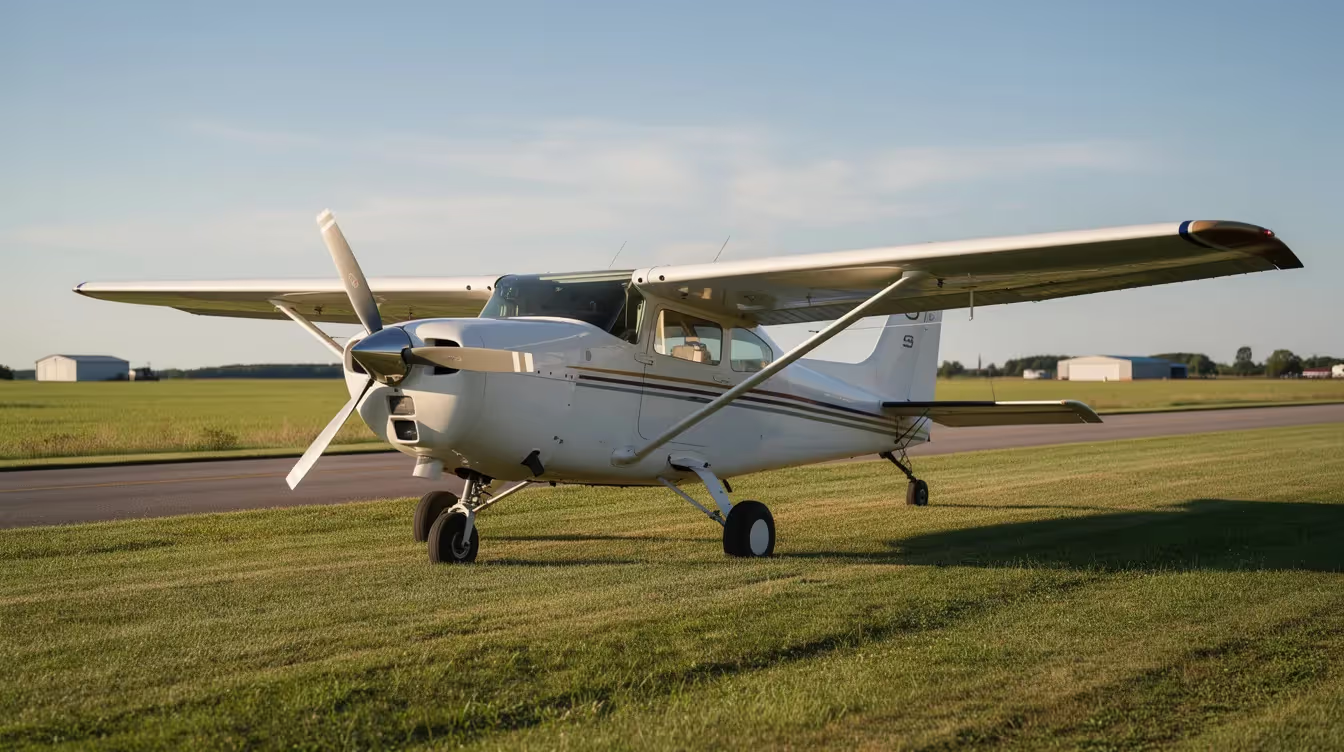
For aviation enthusiasts and private pilots, finding a reliable and affordable aircraft like the Cessna 172B for sale is an important step toward personal flight freedom. The Cessna 172B, introduced in the early 1960s, remains one of the most popular and enduring single-engine aircraft models worldwide. Known for its straightforward design, manageable handling, and versatility, the 172B appeals to both new pilots and seasoned aviators seeking a practical airplane for training, recreation, or short cross-country trips.
This guide provides a comprehensive overview of the 1961 Cessna 172B market, including typical specifications, pricing factors, inspection advice, and ownership costs. It also explains how platforms like Jettly offer an alternative to ownership through on-demand charter options, helping pilots and travelers access similar aircraft without the long-term commitments and expenses of buying. Whether considering purchase or charter, understanding the Cessna 172B’s value and operational profile is key to making informed decisions in today’s private aviation landscape.
Buyers can find a 1961 Cessna 172B for sale in today’s market, with Cessna 172B models typically listing between $59,000 and $100,000, influenced by engine time and avionics upgrades.
The 1961 Cessna 172B is a classic four-seat trainer featuring a Continental O-300-D engine common in original models, while some have undergone Lycoming conversions for more power, making it a practical aircraft for training and personal flight.
Owning a Cessna 172B brings fixed costs like hangar fees, insurance, and annual inspections, while chartering via Jettly offers on-demand access without ownership commitments.
Jettly does not broker aircraft sales but provides charter access to comparable single-engine aircraft and light jets worldwide.
This guide covers specs, inspection tips, operating costs, and how Jettly can complement or replace ownership for many travelers.
The Cessna 172B represents an early Skyhawk variant produced in 1961 and 1962, marking the first model with a swept-back tail and electrically actuated flaps. A 1961 Cessna 172B Skyhawk is highlighted as a practical and capable antique aircraft for sale, showcasing its enduring popularity among aviation enthusiasts.
Compared to later models:
172B: 145 hp Continental O-300-D, analog avionics, 112 knots cruise
172N (1978): 160 hp Lycoming, faster cruise, updated interior
172SP: 180 hp, glass panel options, modern amenities
Several 1961 Cessna 172B aircraft appear annually on major listing sites in North America and Europe, many with Garmin avionics upgrades. The Cessna 172B is available for sale with various listings across multiple platforms, including Trade-A-Plane and Plane Sales USA. This article helps readers decide whether buying or chartering a Cessna 172-type airplane best fits their mission profile, complementing broader guidance on budget-friendly aircraft choices and affordable planes.
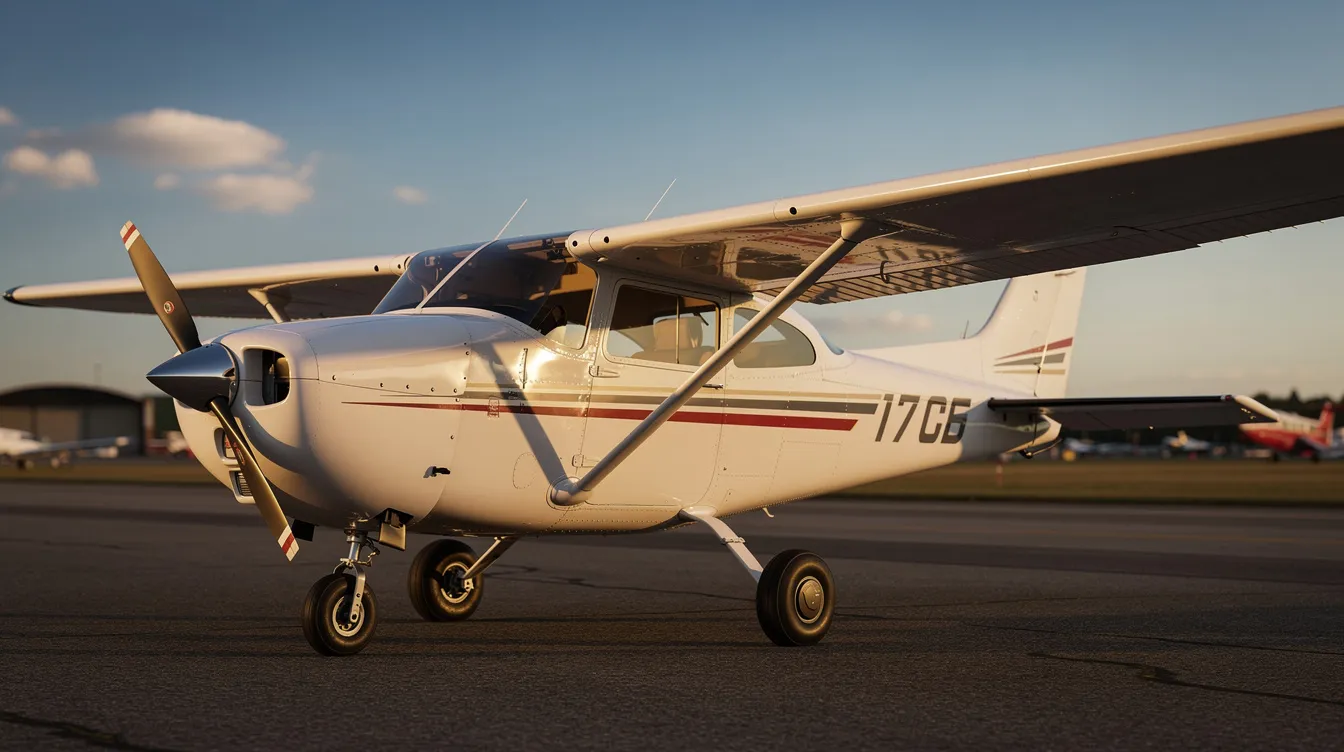
Factory specs and common upgrades define what buyers encounter when searching for a Cessna 172B for sale.
Key performance figures include four passengers, powered by a Lycoming O-320 engine producing 150 hp in converted models (original models use the Continental O-300-D engine). The plane achieves approximately 120 knots cruise speed with a range of about 550 nautical miles. Fuel burn runs roughly 8-9 gph.
The airframe features fixed tricycle landing gear, high-wing design, and a maximum takeoff weight of 2,400 lbs (1,088 kg). Useful load falls in the 800-900 lb range, depending on equipment installed.
The Cessna 172B typically features a range of avionics and interior upgrades, which can vary significantly between individual aircraft for sale. Common modernizations include Garmin GNS 430W/530W, GTX 345 transponder with ADS-B Out, leather interior refurbishments, and fresh paint completed after 2015.
|
Specification |
Details |
|---|---|
|
Engine |
Continental O-300-D or Lycoming O-320 (150 hp) |
|
Cruise Speed |
Approximately 120 knots |
|
Range |
About 550 nautical miles |
|
Fuel Burn |
8-9 gallons per hour |
|
Maximum Takeoff Weight |
2,400 lbs (1,088 kg) |
|
Seating Capacity |
4 passengers |
|
Landing Gear |
Fixed tricycle |
|
Avionics |
Varies; often Garmin upgrades |
|
Useful Load |
800-900 lbs |
A 1961 Cessna 172B for sale typically lists between $59,000 and $100,000, with rare fully upgraded examples sometimes exceeding $100,000.
Main value drivers include:
Total airframe time (4,000 hours commands premiums over 10,000+ hours)
Engine hours since major overhaul (200 SMOH vs 1,800 SMOH near TBO)
Avionics suite (original analog vs Garmin glass panels)
Cosmetic condition, including paint, interior date, and corrosion-free status
Battery replacement date and condition are important for ensuring electrical system reliability and can influence the aircraft's value.
Older Cessna 172s may require avionics upgrades to meet current airspace requirements, with costs for upgrades potentially exceeding $10,000 to $15,000
Recent major maintenance—new cylinders after 2020, complete interior refurbishment after 2018, or ADS-B compliance by 2020—materially increases asking price. Factor in pre-buy inspection costs and potential upcoming overhauls when comparing similarly priced listings.
Inventory for the 1961 Cessna 172B scatters globally, with concentrations in the USA, Canada, UK, Germany, and Scandinavia. Platforms like Trade-A-Plane, Controller.com, and Barnstormers are primary sites for Cessna 172B listings.
Marketplace types include dedicated aircraft sales portals, regional brokerages, flying club noticeboards, and online classifieds. Some 1961 Cessna owners sell directly without brokers. European buyers may find aircraft in Germany, Lithuania, and Sweden, while North American buyers typically find N-registered planes with documented FAA histories.
Jettly is not an aircraft sales website but a charter marketplace. Buyers still deciding on ownership can use Jettly to charter similar Cessna 172 or single-engine aircraft to test their mission profile or explore affordable airplane rental options and cost factors. International buyers should consider import/export steps, including deregistration, new registration, and potential VAT implications and confirm that their departure and destination fields are suitable using an airport locator tool for private flights.
When purchasing a used Cessna 172B, performing a rigorous pre-purchase inspection by an independent mechanic is crucial, especially for a 1961 Cessna with over six decades of flight history.
Structural checks:
Corrosion is a major concern in older Cessna 172B models, particularly in hidden areas such as wings, fuselage, and tail
Verify wing spar condition per AD 95-08-03 requirements
Check strut attach points, tailcone, and cabin floor for damage history
Engine and propeller:
Confirm time since major overhaul and review compression test results
Review oil analysis reports from the last 12-24 months
Inspect for leaks, magneto age, and propeller AD compliance
Avionics and documentation:
Verify GPS, radios, and ADS-B transponder functionality
It is essential to verify that the aircraft has thorough, well-documented, and complete logs (logbooks), as impeccable logs provide assurance of the aircraft's maintenance history and reliability. Also, confirm compliance with all Airworthiness Directives when evaluating a used Cessna 172B
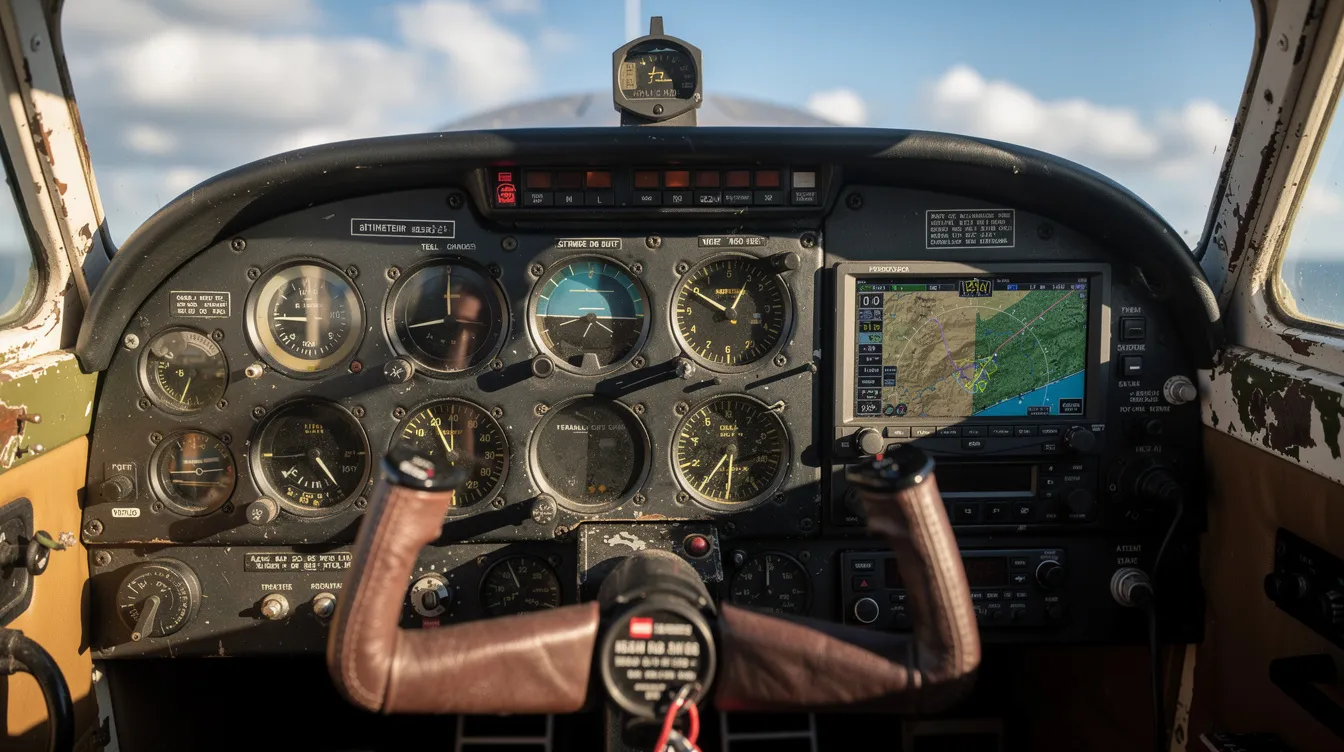
Many pilots compare the annual ownership costs of a 1961 Cessna 172B with on-demand charter through Jettly.
Ownership costs include:
Hangar or tie-down: $300-$800/month
Insurance for experienced pilot: $3,000-$5,500/year
Annual inspection: $3,000-$6,000
Variable costs: ~$51/hour fuel (8.5 gph at $6/gal), plus oil and maintenance
Chartering comparison:
Single-engine piston charters run $250-$450/hour through platforms like Jettly
No storage, maintenance, or insurance responsibilities
Zero fixed costs for occasional flyers
Frequent flyers logging hundreds of hours may prefer ownership. Business travelers and families needing occasional trips often find Jettly’s model more cost-effective and can quickly estimate budgets using Jettly’s private jet charter cost estimator tool, supported by a detailed breakdown of private jet operating costs and expense categories. Jettly also offers access to faster light jets and turboprops for routes where a Cessna 172B would be too slow, drawing from a broad ecosystem of private and charter airlines across the industry.
Jettly operates as a global digital private jet charter marketplace, giving users access to over 20,000 aircraft, including pistons, turboprops, light jets, and heavy jets for on-demand missions and positioning itself among the best private jet charter companies and top luxury options.
Beyond regional hops, many charter clients also plan cross-border trips; understanding whether private jets can fly internationally and key requirements is helpful when evaluating how Jettly fits into your travel mix.
How owners use Jettly:
Charter larger aircraft for family trips exceeding 172B capacity, often choosing from leading private plane manufacturers across different budgets
Book faster jets for urgent business travel or upsize into capable piston models like the Cessna 207 with higher seating capacity
Access empty-leg flights when schedules allow flexibility or select cabin-class piston twins such as the Cessna 340 for longer business hops
Jettly differentiators: Jettly’s private jet membership programs, including structured jet card programs with fixed hourly rates, support different usage levels while keeping access flexible and contract-free.
Instant online pricing and transparent cost breakdown
Membership and on-demand options that can be compared against general one-flight private charter cost fundamentals
Multiple aircraft categories for varied mission profiles
Example: A pilot who owns a Cessna for local 150-300 NM flying uses Jettly to charter a light jet for New York-Miami trips or a turboprop between Toronto and Vancouver, planning budgets in advance with Jettly’s jet card flight cost estimator.
Learn more about Jettly’s charter options at https://www.jettly.com or review Jettly’s guide on affordable private jet charter pricing and cost drivers alongside a complete overview of how much it costs to rent a private jet.
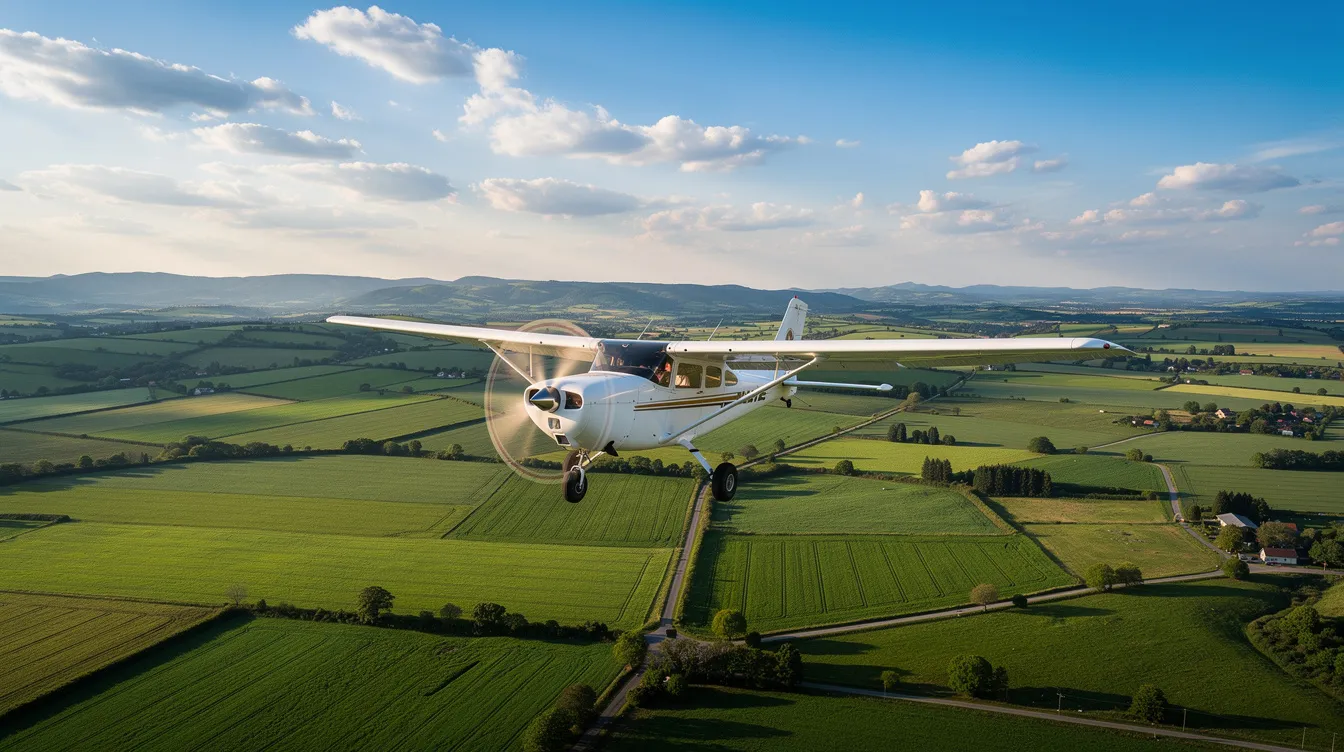
This FAQ addresses common questions about the 1961 Cessna 172B not fully covered above, complementing resources like our guide to fractional ownership of a Cessna 172 aircraft.
Many flight schools and private owners use legacy Cessna 172 models for PPL training when well-maintained, especially when they understand broader private jet ownership and operating cost considerations and detailed private jet operating cost breakdowns before committing capital. Buyers intending to use a 1961 Cessna for training should verify maintenance history, recent overhauls, and avionics suitability. For instrument training, upgrades like Garmin GPS units and current NAV/COM radios are recommended.
Parts availability remains strong since the Cessna 172 is one of the most produced aircraft types in history. PMA and OEM parts are available through suppliers in the USA and Europe. Some cosmetic or legacy components may require salvage yards, but routine parts are accessible. Confirm local shops are comfortable working on older 1961 Cessna models before purchase.
Typical timeline from accepted offer to delivery ranges from 2 to 6 weeks, depending on pre-buy inspection scheduling, financing, escrow, and registration; during that time, some buyers continue traveling by booking single seats on private jets through shared charter options or evaluating shared charter flights versus full private charters. International purchases take longer due to export certificates and customs, so buyers sometimes bridge the gap using flexible options for getting a seat on a private jet easily. Build extra time for hangar coordination, insurance approvals, and initial maintenance after delivery.
Chartering suits travelers flying fewer than 50-100 hours annually, needing multi-city itineraries, or wanting access to faster aircraft, and some lower their per-trip cost further by using Jettly’s platform to crowdsource private jet flights and share empty seats, and apply additional tips for booking the cheapest private jet flights. Jettly removes hangar, maintenance, and training requirements and often serves as a flexible NetJets alternative for cost-conscious private flyers who are comparing against the industry leader in private aviation, NetJets. Users simply click to book, share flight details via email, and view photos of available aircraft on the Jettly page, while travel content creators and brokers can monetize referrals through Jettly’s ultra-high ticket affiliate program.
Ready to experience private travel on your terms? Explore flight options or request a quote at https://www.jettly.com, whether you’re planning regional hops like a private jet charter to Chennai in Tamil Nadu or longer international itineraries.
The 1961 Cessna 172B remains a popular choice for pilots seeking a reliable, straightforward aircraft with a rich history. Whether purchasing a well-maintained Cessna 172B or opting for on-demand access through charter, understanding the aircraft’s specifications, market pricing, and operating costs is essential for making informed decisions. Platforms like Jettly provide flexible alternatives to ownership by offering instant booking and transparent pricing for comparable aircraft worldwide. This approach allows flyers to enjoy the benefits of private aviation without the long-term commitments and expenses of owning a plane. For those interested in exploring private flight options or chartering aircraft similar to the Cessna 172B, Jettly offers a seamless, tech-driven experience designed to meet diverse travel needs efficiently and affordably.
Ready to enjoy private travel tailored to your needs? Browse flight options or get a quote at https://www.jettly.com.
Share this post:
Jay Franco Serevilla
May 13, 2026
|
5
min read
Discover tips and trends in the industry.

5
min read
Flights to Zapopan: How to Get There, Save Time, and Upgrade with Private Charter
Traveling to Zapopan requires flying into Guadalajara Miguel Hidalgo y Costilla International Airport (GDL), located about 25-30 km away. This guide outlines both commercial and private flight options, helping travelers save time and choose the best fit for their needs. With competitive pricing and flexible scheduling, private jet charters through Jettly offer a convenient alternative for those seeking comfort and efficiency.
Read More
5
min read
Fractional Ownership Cirrus: How Shared Cirrus Aircraft Ownership Really Works
Fractional ownership of Cirrus aircraft offers a cost-effective way to access high-performance aviation without the full financial burden of sole ownership. This model allows multiple owners to share the costs and benefits of owning a Cirrus SR22 or Vision Jet, with management companies handling maintenance and scheduling. Ideal for those flying 50-200 hours annually, fractional ownership provides flexibility and access to premium aircraft.
Read MoreStay updated with our latest insights and tips to elevate your journey with us.
MEMBERSHIPS AND ASSOCIATIONS



Disclaimer: Jettly operates as a charter broker, offering access to a global digital jet charter marketplace. Jettly is not a direct air carrier and does not own or operate aircraft. All advertised flights are conducted by third-party air carriers that are fully licensed and hold the appropriate Part 135 or Part 121 certifications issued by the Federal Aviation Administration (FAA) or equivalent regulatory authorities under U.S. or foreign law. Jettly complies fully with the U.S. Department of Transportation's Part 295 and Part 298 Charter Broker regulations. Jettly does not carry additional liability insurance. Passengers are covered by aircraft operator insurance. TICO: 50023770


