


Login
Get Instant Pricing On 23,000+ Aircraft

>

Most people assume fighter jets are strictly off-limits to anyone outside the military. The reality is more nuanced - and more accessible than you might think. Whether you're chasing fighter pilot dreams or simply curious about what it takes for a regular person to fly a fighter jet, this guide breaks down the legal, physical, and financial realities of civilian fighter jet flights in 2026.
A regular person can fly in a fighter jet and sometimes handle the controls, but cannot act as pilot-in-command of an active combat aircraft.
Most fighter jet flights for civilians use demilitarized jet trainer aircraft like the L-39, S-211, or warbirds - not front-line fighters such as F-22s or current Blue Angels jets.
Civilians can also buy and fly certain retired military aircraft if they hold the right licenses, training, and can afford the high operating costs.
Fighter jet rides cost between $5,000 and $10,000 for most experiences, while warbirds can cost tens of thousands to millions of dollars to own.
Private jet charter through platforms like Jettly offers a more practical, comfortable, and repeatable way to experience high-performance aviation than a one-off fighter jet ride.
Yes, a civilian can fly in a fighter jet through specialized programs and may briefly fly a fighter jet under supervision. No, they cannot take off, land, or operate an active front-line combat jet as pilot-in-command. Civilians can only fly as passengers in military fighter jets.
There are three distinct levels to understand:
Fly in a fighter jet - ride as a passenger in the back seat or rear cockpit.
Fly a fighter jet - temporarily handle the controls and the stick during level flight under an instructor pilot's supervision.
Be a fighter pilot - requires full military service, training, and authorization.
In 2026, civilian fighter jet experiences typically involve ex-military trainer jets such as the Aero L-39 Albatros, which was first flown in 1968 and has over 2,900 units built for military training, or the SIAI Marchetti S-211, first flown in 1981. These two-seat, dual-control aircraft allow an instructor to retain final authority at all times. Flying experiences typically involve retired military trainers, not active combat platforms.
All aircraft must be demilitarized, meaning removal or deactivation of weapons and classified systems, and flights occur under strict national aviation regulations - FAA in the USA, EASA in Europe, or Transport Canada in Canada. While Jettly does not offer fighter jet rides, it connects travelers with high-performance private jets that deliver speed, altitude, and comfort without military-level risk or extreme g forces.
The term "fighter jet" is used loosely in marketing. Technically, a jet fighter is a high-performance military aircraft designed for air-to-air combat - think F-16, F/A-18, or MiG-29 - equipped with weapons systems, advanced radar, and a powerful jet engine built for combat. The MiG-29, for instance, can reach speeds over 1,500 km/h, but is not generally available for civilian flights.
Most people booking "fighter jet flights" will actually fly in something different, and calling any military-style aircraft a fighter jet is a common mistake when it is really a trainer rather than a front-line combat aircraft:
Aero L-39 Albatros - a subsonic jet trainer first flown in 1968 and widely used for fighter pilot training across Eastern Europe. It can pull up to 8G in aerobatic flight, making it a popular civilian jet for training.
SIAI Marchetti S-211 - an Italian jet trainer first flown in 1981 that can reach Mach 0.8 and is often used for civilian fighter jet flights.
BAC Strikemaster, L-29 Delfin, TA-4J Skyhawk - similar demilitarized jets operated by warbird enthusiasts and experience providers.
Demilitarized military jets are available for civilian use, but demilitarization means permanent removal or deactivation of gun hardpoints, missile rails, radar modes, and classified systems before any civilian can operate them.
Active demonstration aircraft like the Blue Angels' current F/A-18E/F or the Thunderbirds' F-16C are not available for charter, rental, or purchase. When operators advertise "fly a real military jet," they mean these ex-military trainers - authentic jet performance within civilian-legal limits.
The typical customer journey for a civilian fighter jet flight in 2026 follows a structured course:
Choosing a location - popular spots include the Czech Republic, Nevada, Florida, and Ontario.
Booking a specific aircraft - usually an L-39 or, where legal, a MiG-29.
Pre-flight screening and briefing - a 30 to 45-minute pre-flight briefing covers the flight profile (takeoff, maneuvers, landing), g forces, safety equipment, and ejection seats if the aircraft is equipped with them. Medical checks and weight (typically between 80lbs and 265lbs) and height limits (up to 6'6" or 201cm) are enforced.
Civilian pilot training includes learning emergency procedures and passenger responsibilities before taxiing to the runway.
Standard flight phases include:
Taxi and takeoff, with rapid acceleration.
Climb to altitude and initial gentle maneuvers.
Progressive aerobatics - rolls, loops, and steep climbs tailored to passenger tolerance, with g forces typically ranging from 4 to 6G.
Return to base, circuit, and landing.
Fighter jet flights typically last around 20 to 30 minutes in the air, though total experience time with briefing, gear-up, and debrief runs 2–4 hours. Many operators allow brief stick time during level flight, but the instructor pilot retains authority and can override via dual controls at any moment. No civilian flight school will let a non-rated passenger perform the landing.
Always confirm exactly what "you fly the jet" means in the fine print before booking.
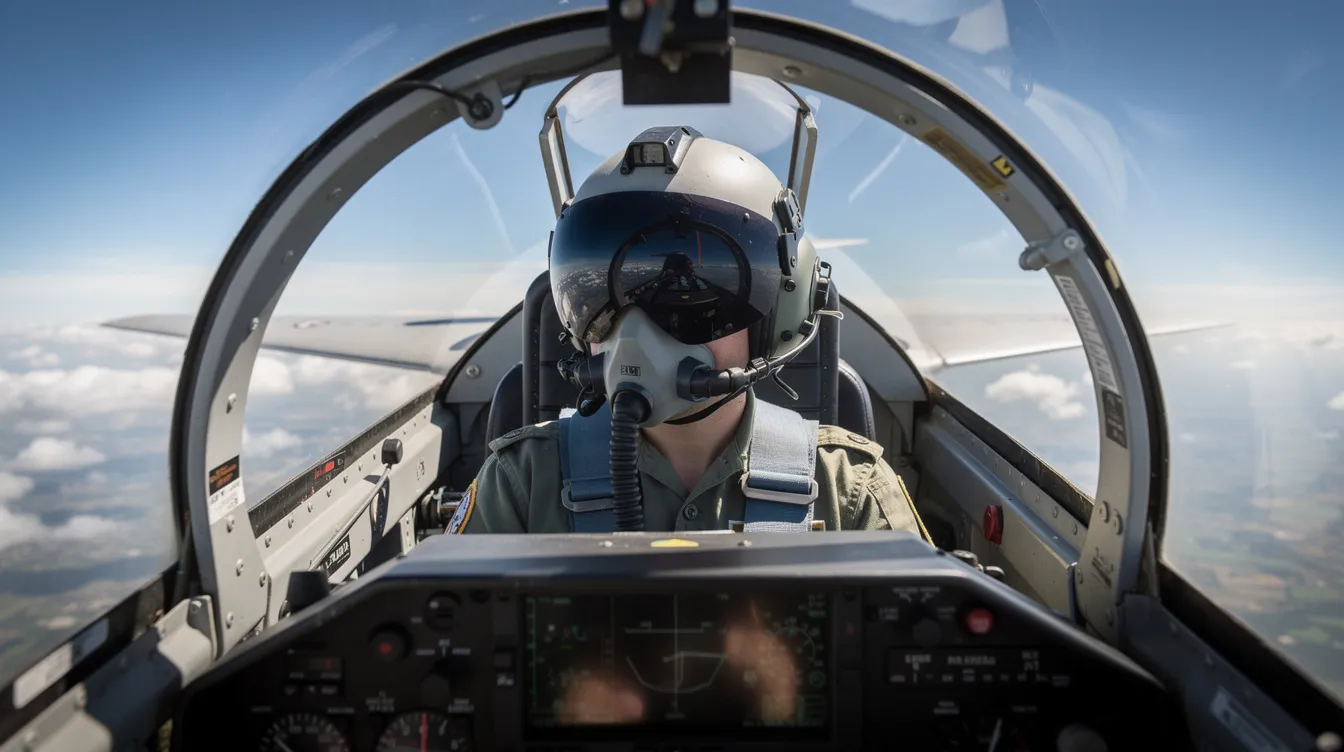
G forces are the defining physical challenge of any aerobatic flight in a fighter jet. Here's what to expect:
Flights can involve g forces ranging from 4 to 6G during aerobatics. At 4G, your body weight feels quadrupled. At 6G, lifting your arms becomes difficult and vision can narrow into tunnel vision.
The L-39 Albatros can pull up to 8G in aerobatic flight, though operators rarely push passengers to that limit.
Passengers experience g forces of 4 to 6G during aerobatics on most civilian rides.
Professional military pilots manage these forces with G-suits that inflate to push blood toward the brain and anti-G straining maneuvers involving controlled breathing and muscle tensing. Most civilian rides do not provide full military G-suits, so maneuvers are moderated.
Participants in fighter jet flights must meet health requirements. Medical checks are required before flying a fighter jet, and common exclusions include:
Uncontrolled high blood pressure
Serious heart disease
Recent major surgery
Significant spine or neck injury history
Severe motion sickness
Pregnancy
Additional requirements:
Participants must be between 80lbs and 265lbs to fly, with height limits for cockpit and ejection seat constraints.
Age limits for flying typically range from 18 to 75 years.
Practical advice: be honest on medical questionnaires, avoid alcohol before the flight, and stay hydrated. Expect post-flight fatigue, possible nausea, or minor muscle soreness.
By contrast, private business jets through Jettly expose passengers to normal commercial-flight g forces, making them accessible to far more travelers, including older passengers or those with medical limitations.
Major regions offering civilian fighter jet experiences in 2026:
Europe - Czech Republic, Germany, and France remain popular, often using L-39, L-29, or Strikemaster aircraft. MiGFlug is a well-known European operator in this space.
North America - select locations across the USA (Nevada, California, Florida, Texas) and Canada (Ontario, Quebec) using ex-military trainers.
Other regions - Australia and occasionally Eastern Europe or former Soviet states. However, restrictions on Russian aircraft parts and maintenance since 2022 have made MiG-series offerings in Russia and elsewhere less stable or more expensive.
Availability shifts with national defense export rules, local aviation authority policies, and geopolitical conditions. The MiG-29 can reach speeds over Mach 1.5 (over 1,500 km/h), but access to these aircraft has narrowed in recent years across every country where they once operated.
Airports used are typically secondary military airfields now open for civilian operations, regional airports with long runway capacity, or dedicated aerobatic facilities - not major commercial hubs. Always check operator licensing and safety records in each location, and confirm whether the flight is purely scenic, aerobatic, or includes simulated combat maneuvers.
Jettly's marketplace focuses on private jet charter from thousands of airports worldwide, many of which are smaller regional fields not used by commercial airlines - providing efficient ground access without military hardware, supported by an airport locator tool for finding suitable private aviation airports.
A civilian in countries like the USA, Canada, the UK, and many EU states can purchase certain retired military aircraft. However, civilians cannot purchase current front-line fighter jets - only demilitarized, weapons-stripped platforms.
Eligible warbirds include:
Demilitarized ex-military jets such as:
L-39 Albatros
S-211
BAC Strikemaster
TA-4J Skyhawk
Saab Draken
Aircraft registered in experimental or limited categories with the national aviation authority.
Cost ranges based on recent market data:
|
Aircraft Type |
Approximate Purchase Price |
|---|---|
|
Entry-level jet trainers (L-29, Strikemaster) |
USD 80,000–150,000 |
|
L-39C Albatros |
USD 800,000–1,000,000 |
|
TA-4J Skyhawk or Saab Draken |
USD 1–3 million + refurbishment |
Additional ongoing costs include:
Annual inspections
Overhauls
Hangar fees
Insurance
Type-specific parts
Hourly costs to fly warbirds can reach tens of thousands of dollars depending on the platform, with L-39 owners estimating around USD 1,200–1,500 per flight hour.
Flying a retired military jet incurs high maintenance costs.
A private owner also needs:
A private pilot license (PPL) with appropriate jet and type ratings
Substantial high-performance training
Civilian pilot training includes learning emergency procedures
Ownership is a serious, long-term financial and operational commitment - often better suited to dedicated enthusiasts than occasional thrill-seekers. Travelers who want access to high-performance jets only when needed can charter light, midsize, or heavy business jets through Jettly, avoiding acquisition and maintenance burdens entirely while still understanding how much a private jet really costs across ownership and charter options. Learn more about alternatives to private jet ownership.
No civilian can legally act as pilot-in-command of active-duty combat fighters (F-15, F-16, F-35, Su-35) owned by a nation's air force, or any aircraft configured with working weapons, stealth systems, or classified radar.
FAA regulations govern civilian fighter jet flight operations in the USA. The FAA regulates civilian operation of ex-military jets under experimental or limited airworthiness categories, with strict maintenance and pilot-qualification rules. In Europe, EASA and national authorities apply similar oversight; Canada uses Transport Canada rules.
Pilot licensing tiers for high-performance jets:
Private Pilot License (PPL) as baseline. Civilian pilots need a valid FAA private or commercial pilot license to act as pilot-in-command.
Instrument rating and multi-engine rating where needed.
Type rating or differences training for specific high-performance aircraft.
Class 1 or 2 medical certification depending on role.
Passenger-safety requirements for fighter jet experiences include:
Mandatory briefings on harnesses, ejection seats (if active - ejection seats are standard in military jets for safety), oxygen systems, and canopy operation
Weight and height checks ensure safe ejection-seat function across a range typically between 80–265 lbs and up to 6'6" (201 cm)
Some jurisdictions restrict supersonic flight over populated areas and certain aerobatic maneuvers below specified altitudes, limiting where operators can break the sound barrier.
Avoid unlicensed or "under the radar" operators. Always verify operator certificates and insurance coverage - the same diligence you'd apply when booking a private jet charter.
For many travelers, the real goal isn't sitting in a military cockpit. It's experiencing speed, altitude, and a sense of exclusivity - or simply saving hours on business trips and family travel without extreme g forces, which is where accessing a broad range of private charter aircraft for different mission profiles becomes more practical than a one-off fighter ride.
Non-military alternatives worth considering:
Private jet charter via platforms like Jettly - access to light jets (e.g., Citation CJ2), midsize jets (e.g., Learjet 60), and heavy jets (e.g., Gulfstream G450) that cruise at similar altitudes to some fighter jets, but in quiet, comfortable cabins.
Aerobatic flight in civilian stunt aircraft - the Extra 330LC can roll at 420° per second and delivers aggressive maneuvers with lower operating costs than any jet fighter.
High-performance turboprops (e.g., Pilatus PC-12, TBM 960) for fast, efficient regional trips through the skies.
Reasons most people prefer private jets over fighter jet rides:
No special medical screening for typical passengers.
Ability to carry colleagues, family, or friends on board.
Practical travel utility - point-to-point trips, business meetings, or vacation travel rather than a one-off thrill.
Jettly's digital marketplace offers instant pricing and aircraft options worldwide, on-demand booking without long-term jet card commitments, and access to smaller airports closer to city centers. It also highlights strategies for affordable private jet charter and ways to reduce hourly costs. Explore cheap private jet charter prices for a sense of real-world cost.

Here's what fighter jet experiences cost in 2025–2026:
|
Experience |
Approximate Cost |
|---|---|
|
20–30 min L-39 ride with light aerobatics |
USD 5,000–10,000 |
|
30 min MiG-29 flight (where available) |
USD 7,000+ |
|
45–60 min advanced aerobatic mission |
USD 4,000–8,000+ |
|
Supersonic MiG-29 flight (where available) |
USD 15,000–25,000+ |
The L-39 trainer ride costs around $5,000 at many operators.
MiG-29 flights range from over $7,000 for a 30-minute flight.
Most fighter jet rides cost between $5,000 and $10,000.
Cost drivers include high fuel burn (hundreds of gallons per hour), specialized maintenance, limited spare parts, insurance, and instructor pilot expertise.
Compare that with private jet charter via Jettly:
Short hop (e.g., Los Angeles to Las Vegas) in a light jet: often USD 6,000–10,000 for the entire aircraft, split among several passengers.
Popular leisure route (e.g., New York–Miami) in a midsize jet: roughly USD 15,000–25,000 depending on aircraft, dates, and availability. Private jet rides can exceed $10,000 per hour for larger, longer-range aircraft.
The value difference is clear: a fighter jet delivers an intense, solo or dual-seat thrill with no transport utility and high per-minute cost. A private jet offers a comfortable cabin, multiple passengers, luggage, and door-to-door efficiency.
Budget-conscious thrill seekers should weigh one 20-30 minute fighter jet flight against a multi-hour private charter that serves real business or vacation plans. Use Jettly's charter cost estimator to compare options, or explore the dedicated jet card flight cost estimator for route-based pricing and membership options.
Jettly does not sell fighter jet rides or combat aircraft access. Instead, the platform focuses on flexible private jet memberships that unlock wholesale charter pricing and:
On-demand private jet charter with access to more than 20,000 aircraft globally, including jets, turboprops, and helicopters.
Transparent pricing and instant online quotes.
Flights operated by certified air carriers under Part 135 (USA) or equivalent regulations worldwide, with strict maintenance and crew training standards.
High-performance experiences possible through Jettly include flying on modern light jets that climb quickly and cruise near 450–500 knots, using smaller airports that feel more efficient than large commercial terminals, and customizing itineraries for business roadshows, multi-stop family trips, or last-minute travel, including private jets that can fly internationally with tailored customs and permit handling.
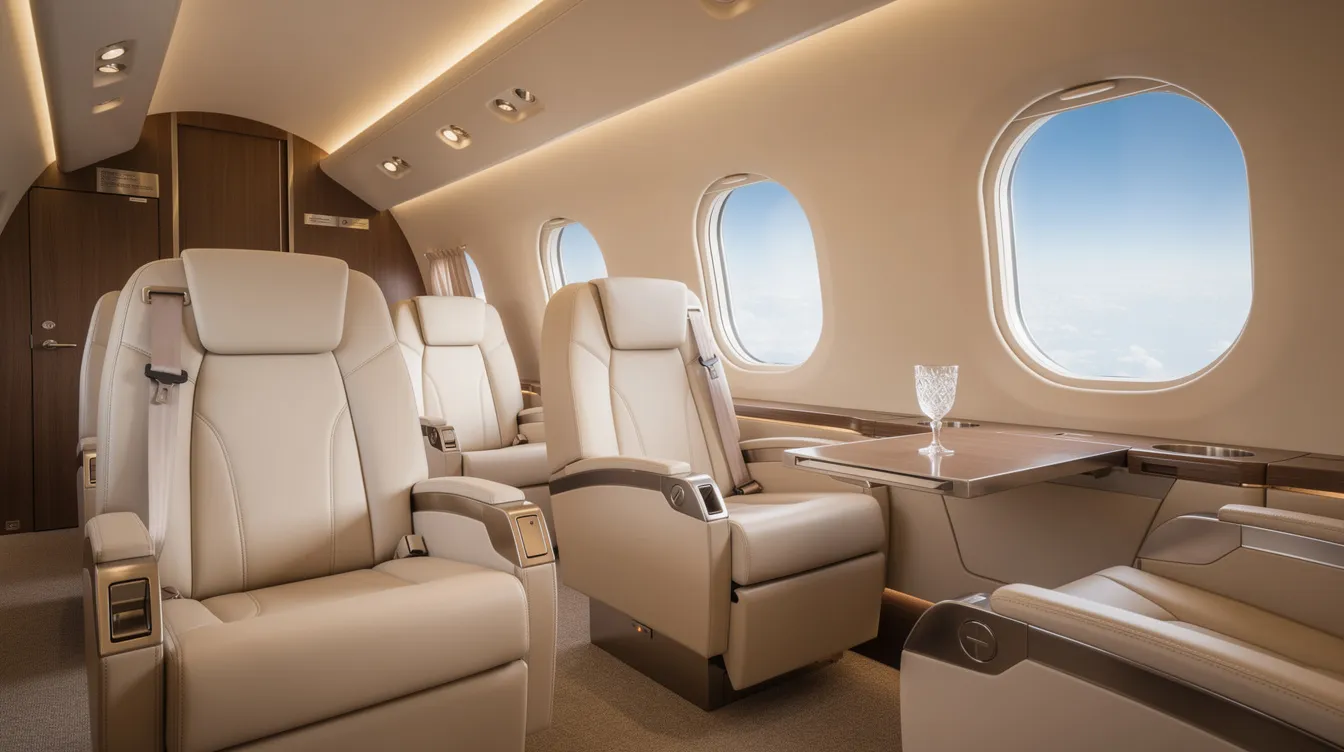
No need for G-suits, medical screening, or ejection-seat briefings. Comfort features like Wi-Fi, quiet cabins, and premium in-flight catering through Jettly Eats replace high g forces and oxygen masks.
Visit Jettly for membership details, on-demand options, and empty leg deals that can make private flight surprisingly affordable.
Below are answers to common questions not fully covered above.
Rides in U.S. military demonstration jets (Blue Angels F/A-18E/F, Thunderbirds F-16C) are extremely limited. They are reserved for certain media personalities, distinguished visitors, and key supporters through special outreach programs approved by the Department of Defense. The general public cannot book or purchase these flights. Those selected still undergo medical screening and safety briefings similar to other high-G flights through the air force, and for most travelers curious about flying rather than owning, understanding affordable aeroplane rental options and cost drivers is more relevant than chasing rare demonstration rides.
No pilot license is required to sit in the back seat or rear cockpit as a passenger on a commercial fighter jet experience. All actual flight operations - including takeoff, landing, and critical maneuvers - are handled by a qualified military or ex-military pilot with appropriate licenses and ratings. If a passenger later wants to move from ride to pilot, they would need at minimum a PPL and specialized high-performance training, and might compare that commitment with fractional private jet ownership and its pros, cons, and costs.
Reputable operators design their programs for first-time flyers. That said, the experience is physically intense. Medical screening and honest disclosure are essential. Most operators start with gentler maneuvers on your first flight and build up depending on how the passenger feels. Passengers can request reduced g forces or stop aerobatics mid-flight. Nervous travelers or those with health concerns may prefer a private jet charter, which delivers aviation excitement without extreme forces and allows them to buy just a seat on a private jet through shared and empty-leg options.
Book several weeks to a few months in advance, especially during peak seasons (summer in Europe and North America). Availability depends on aircraft maintenance schedules, pilot availability, and local airspace restrictions. Exotic or supersonic flights have even longer lead times. By contrast, many private jet charters through Jettly can be arranged within days or even hours depending on route and aircraft type, and there are numerous ways to get a seat on a private jet easily using memberships, sharing, and last-minute deals.
Many travelers use commercial or private flights to reach a fighter jet base and schedule the experience as a highlight within a broader trip. Jettly can facilitate private jet travel to and from smaller airports near fighter jet operators, with flexible timing that avoids tight commercial airline connections, using tools that help locate suitable airports and plan efficient routings. Travelers can also crowdsource private jet flights and share empty seats to reduce costs. Explore route options and request a quote for trips that include time for a fighter jet ride at your destination.
A civilian can fly in a fighter jet and may briefly fly a fighter jet under strict supervision in a demilitarized plane - but cannot command an active frontline fighter. The experience is short, physically demanding, and a genuine bucket-list moment for those who can handle it.
Fighter jet rides deliver intense g forces and unforgettable hours in the cockpit. Private jets offer repeatable, comfortable high-speed travel for work or leisure, without military risk or specialized training on the ground or in the air.
Reflect on your health, risk tolerance, and budget before booking a fighter jet flight. If the primary goals are time savings, flexibility, and a premium travel experience rather than maximum g forces, private jet charter through Jettly is the practical choice, especially as a flexible NetJets alternative that avoids long-term fractional contracts.
Ready to experience private travel on your terms? You can compare world-class jet card programs with fixed hourly rates and perks, review detailed jet card cost breakdowns and pricing structures, or evaluate fractional jet ownership pros, cons, costs, and FAQs alongside on-demand charter. Travelers with specific destinations in mind can explore private jet charter options to Chennai in Tamil Nadu, private flights serving Kolkata in West Bengal, or charter solutions for New Delhi and the wider Delhi region. Explore flight options or request a quote at https://www.jettly.com.
Share this post:
Jay Franco Serevilla
Jul 29, 2026
|
5
min read
Discover tips and trends in the industry.
5
min read
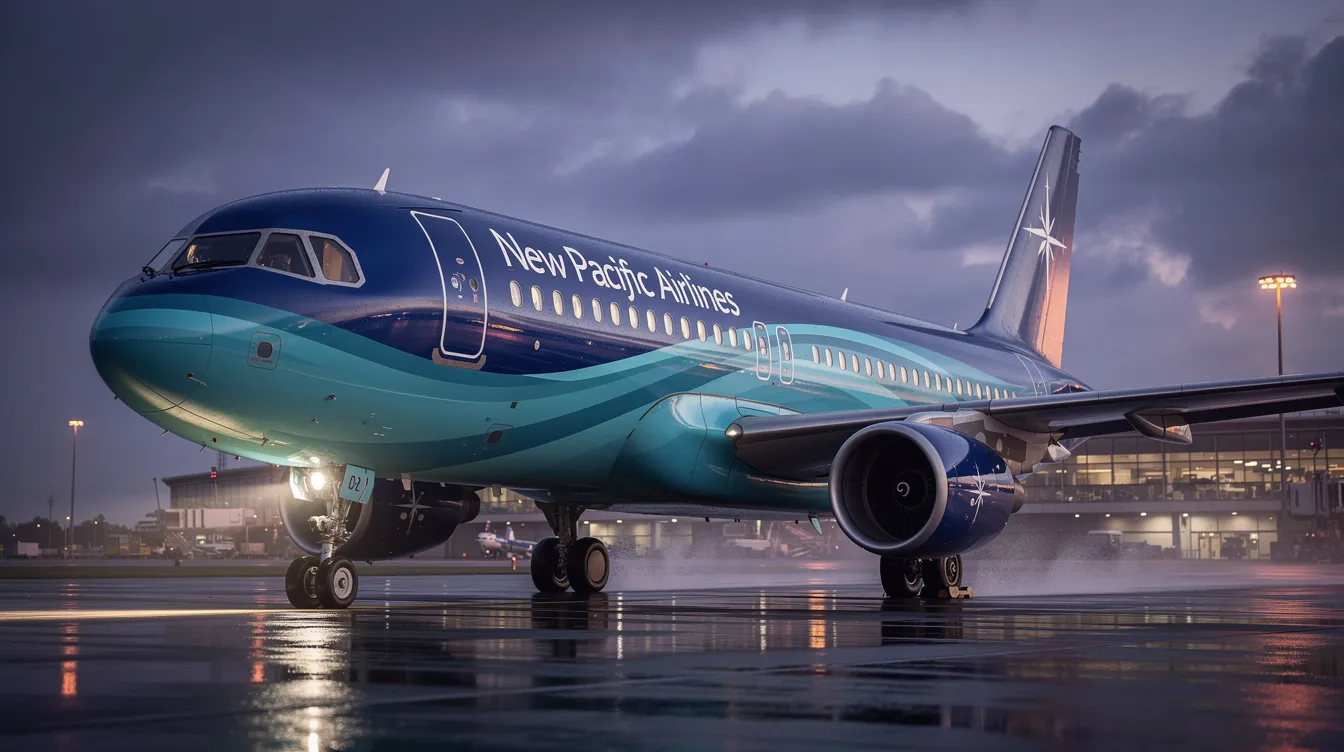
New Pacific Airlines: What Happened to the Former Northern Pacific Airways?
New Pacific Airlines, previously known as Northern Pacific Airways, launched in July 2023 but failed to establish sustainable transpacific routes, leading to its closure in November 2025. The airline faced significant operational and financial challenges, ultimately filing for Chapter 11 bankruptcy. This article explores the airline's rise and fall, highlighting the difficulties of launching long-haul services and the growing interest in private charter alternatives like Jettly.
Read More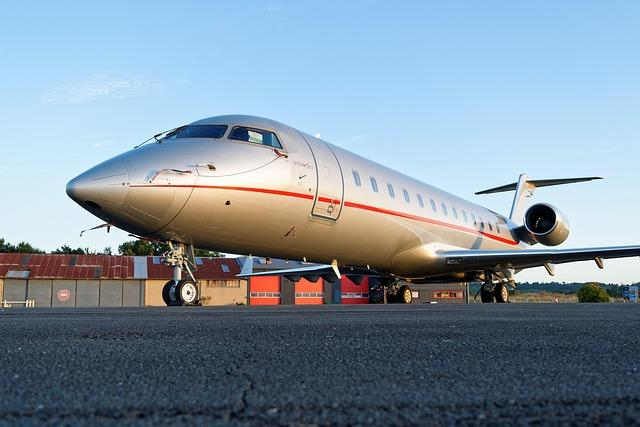
5
min read
Marsh Harbor Flights: Private Charters, Routes, and How to Find the Best Options
Planning flights to Marsh Harbor offers various options, including commercial airlines and private charters. This guide details routes, pricing, and tips for finding the best travel solutions to the Abacos. Whether you prefer the convenience of direct flights or the flexibility of private jets, there are numerous ways to reach this beautiful destination.
Read MoreStay updated with our latest insights and tips to elevate your journey with us.
MEMBERSHIPS AND ASSOCIATIONS



Disclaimer: Jettly operates as a charter broker, offering access to a global digital jet charter marketplace. Jettly is not a direct air carrier and does not own or operate aircraft. All advertised flights are conducted by third-party air carriers that are fully licensed and hold the appropriate Part 135 or Part 121 certifications issued by the Federal Aviation Administration (FAA) or equivalent regulatory authorities under U.S. or foreign law. Jettly complies fully with the U.S. Department of Transportation's Part 295 and Part 298 Charter Broker regulations. Jettly does not carry additional liability insurance. Passengers are covered by aircraft operator insurance. TICO: 50023770


