


Login
Get Instant Pricing On 23,000+ Aircraft

>
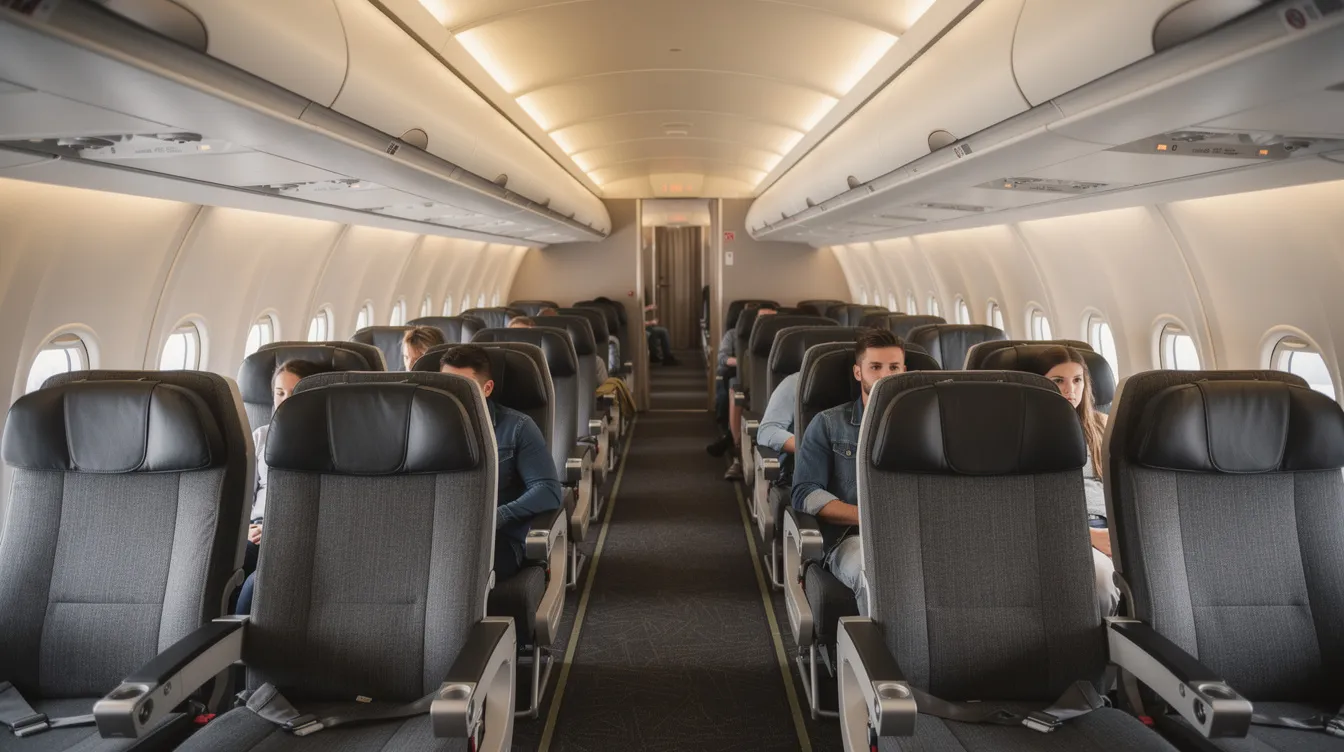
Budget airlines have reshaped air travel by making flights across the U.S. and to international destinations accessible at prices that would have seemed impossible 30 years ago. But that $49 fare on the booking site rarely tells the complete story. Between carry-on bag charges, seat selection fees, and limited schedules, the final cost of flying a low-cost airline can land closer to what major airlines like American Airlines or Delta charge for economy class tickets that include more perks.
This guide breaks down how budget carriers price their fares, where add-on fees appear, which airlines deliver the best deal, and when a private jet charter through a platform like Jettly can actually compete on value.
Budget airlines offer lower base fares by stripping out many amenities; the lowest advertised price is rarely the price passengers pay after bags, seats, and snacks are added.
The best budget airlines for U.S. travelers balance low fares with included extras. Southwest Airlines, JetBlue, and Avelo Airlines each take a different approach.
Ultra-low-cost carriers like Spirit Airlines and Frontier Airlines can save money for travelers who pack light and book early, but hidden fees catch everyone else.
For group travel, last-minute trips, or multi-stop itineraries, splitting a private charter through Jettly can match or undercut the total cost of budget airline tickets plus hotels plus ground transport.
Comparing ticket prices after adding fees is critical to understanding real travel costs on any airline.
A low-cost airline strips back the traditional flight experience to offer a cheaper base fare. An ultra-low-cost carrier takes that model further: the ticket covers a seat and a personal item, nothing else. Carry-on bags, checked bags, seat selection, snacks, and even printed boarding passes become paid extras. Budget airlines operate on unbundled pricing structures for services that legacy carriers like American Airlines or Delta bundle into one ticket.
The model dates to U.S. airline deregulation in 1978, which let carriers set their own routes and fares. Southwest Airlines pioneered the approach with a single aircraft type and point-to-point service out of Texas. In Europe, deregulation in the 1990s produced Ryanair and easyJet, carriers that Dutch and German travelers came to know well; travelers from the Netherlands, for instance, quickly adopted budget options zoals Ryanair for short-haul flights across the continent.
"Best budget airlines" can mean different things. For some passengers, it is the lowest sticker price. For the rest, it is the lowest total trip cost after factoring in comfort, bags, reliability, and ground transport to the airport. Both definitions matter.
Budget airlines maintain high-density seating configurations to maximize passenger counts. Many budget airlines use single aircraft types for operational efficiency: Southwest operates only Boeing 737 variants, and Frontier Airlines flies the Airbus A320 family (A319, A320, A321). A uniform fleet cuts training and maintenance costs. Budget airlines maximize seating capacity by using slimline seats, which shave inches off each row and allow tighter pitch (often 28 to 30 inches on Frontier and the former Spirit).
Low-cost airlines maximize aircraft utilization with short turnaround times, sometimes 25 to 30 minutes at the gate versus 45+ for legacy carriers. Secondary airports often incur lower fees for budget airlines, so carriers like Avelo Airlines and Allegiant Air choose smaller airports over congested hubs. Budget airlines typically fly point-to-point between smaller airports rather than routing passengers through big connection hubs.
Revenue comes from two channels: fares and ancillary fees. Budget airlines typically have aggressive price structures to drive demand for base tickets. Then they charge for everything from a carry-on to a window seat. Dynamic pricing pushes fares higher on peak dates. The result: a Tuesday departure in October might cost $49, while the same route on Thanksgiving weekend runs $189 before any extras. Budget airlines may not offer complimentary services or meals as traditional carriers do. In-flight services such as snacks and drinks usually incur extra costs on budget airlines, including non alcoholic beverages that legacy carriers hand out for free.
The "best" label depends on what a traveler values. Here are the strongest options.
Southwest Airlines serves 103 cities across the U.S., from the East Coast to Oregon and beyond. Until May 28, 2025, Southwest included two free checked bags on every ticket. That policy ended for most fare types in 2025: the first checked bag now costs about $35, the second about $45, though status holders and Business Select passengers still fly bags free. Southwest still charges no change fees (travelers pay only the fare difference), which remains a standout perk among budget carriers.
JetBlue Airways flies to over 100 destinations in the Americas, including popular routes along the East Coast and to the Caribbean. JetBlue offers free WiFi and seat-back entertainment on most aircraft. Free brand-name snacks and non alcoholic beverages come standard. Its Blue Basic fare class is JetBlue's budget tier, though even Blue Basic includes a carry-on and personal item. JetBlue charges $35 for checked bags on Blue Basic fares.
Avelo Airlines serves 22 destinations as of its 2021 launch year and has expanded since, reaching 53 destinations by late 2024. Avelo uses secondary airports and Boeing 737s, keeping overhead low while offering competitive prices on underserved routes.
Breeze Airways follows a similar playbook: point-to-point service between smaller cities, simplified fares, and a growing network. Together, value carriers like Avelo and Breeze served 1,608 nonstop U.S. markets in fiscal year 2025 at an average fare of about $96, compared to $266 on legacy airlines.
When choosing between these options, travelers should compare not just fares but total journey time, airport location, and whether the airline flies the route nonstop.
Some carriers advertise rock-bottom fares but recover the difference through extra fees at every step.
Spirit Airlines was the first airline to charge for carry-on bags in 2010 and built its model around ultra-cheap base tickets plus paying for everything. Spirit Airlines served 77 destinations in the U.S. and beyond before filing for Chapter 7 bankruptcy in May 2026 and ceasing operations. Before its exit, Spirit's seat pitch sat at about 28 inches, and passengers paid separately for carry-on bags, checked bags, and seat selection. The thought behind Spirit's pricing was simple: pay only for what you use. In practice, a $59 base fare often doubled after adding a carry-on ($60+), a seat ($10 to $30), and a checked bag ($30 to $60).
Frontier Airlines operates a similar model with an all-Airbus fleet and 28- to 30-inch seat pitch on most planes. Frontier charges extra for checked bags and seat selection, and there is no seat-back entertainment. A 2026 "BizFare" bundle now includes carry-on, seat selection, and flexible changes, but the price sits well above the base ticket.
Allegiant Air operates nearly 130 destinations in the U.S. with a focus on leisure routes to warm-weather cities. Allegiant charges for boarding passes printed at the airport and restricts overhead bin access on certain fare types. Sun Country Airlines has an average seat pitch of 29-30 inches, and Sun Country charges for both carry-on and checked bags. Both fly older fleets on limited schedules, so a delay can cascade with fewer recovery options.
These carriers can still deliver real savings for passengers who understand the fee structure before clicking "purchase."
Ultra-low-cost carriers often charge substantial fees for additional services. Here are the most common ones:
Carry-on bag: $25 to $75 per direction. Avelo charges $25 for a carry-on bag each way. Frontier and Spirit historically charged $59 to $65 on comparable routes.
Checked bags: $30 to $60 if purchased online in advance; $10 to $20 more at the airport. Southwest now charges $35 for a first checked bag.
Seat selection: $5 to $30 for standard seats; $30 to $80+ for extra-legroom or upfront seats.
In-flight food and beverages: $3 to $12 per item. Nothing free on most ultra-low-cost carriers.
Itinerary changes: $49 to $100+ on non-refundable base fares, though some bundled fare classes allow free changes.
Airport check-in or printed boarding pass: free online, but $5 to $25 at the counter with carriers like Allegiant.
Personal item size limits are strictly enforced by budget airlines. Baggage restrictions are strictly enforced on budget airlines, with hefty penalties for items that exceed posted dimensions. Hidden add-on fees can quickly exceed base fare prices with budget airlines if travelers don't plan ahead.
To avoid surprises: book bags and seats at purchase time (prices rise closer to departure), travel with only a personal item if the trip allows it, and bring your own snacks where the airline permits boarding food.
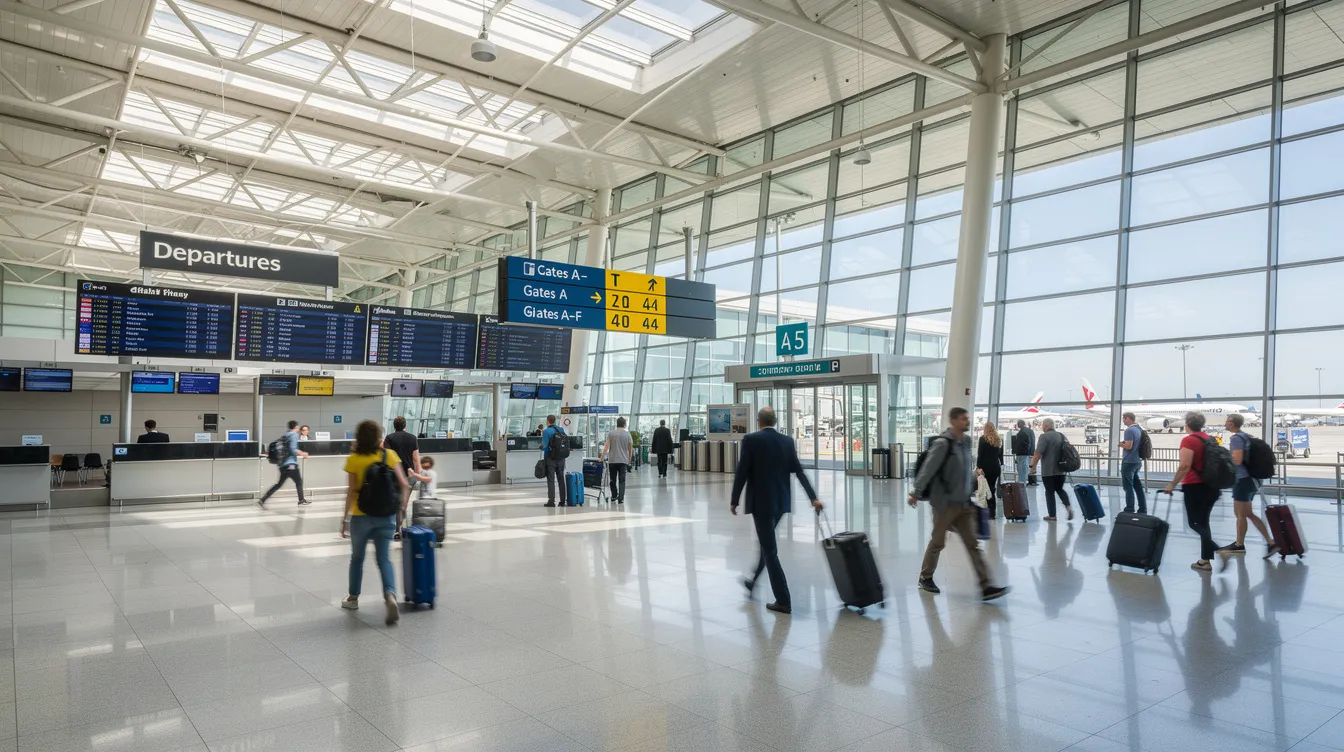
Budget airlines can work well for travelers who travel light and book early. Here is a practical framework:
Compare multiple dates. Midweek flights (Tuesday, Wednesday) on budget airlines cost less than weekend departures. Avoiding holidays and school breaks drops prices further.
Check secondary airports. Budget airlines often use secondary airports, requiring additional transportation costs. Factor in rideshare or parking at a smaller airport versus a closer hub.
Use the airline's own site. Southwest fares, for example, do not always appear on Google Flights or other metasearch tools. Booking direct can also unlock lower bag fees.
Calculate the real total. Add base fare + bag fees (each direction) + seat selection + ground transport. Then compare that number against what a legacy carrier charges for economy class with bags included.
It is essential to understand specific fare rules to avoid unexpected costs. Ja, even experienced travelers overlook this step: a $59 Frontier fare from Chicago to Orlando can become $199 after a carry-on ($59), seat ($20), checked bag ($45), and booking fee. An American Airlines economy ticket on the same route at $250 may include a carry-on, personal item, and seat assignment. Travelers should calculate total trip costs including ancillary fees when booking.
Budget airlines are generally most cost-effective for short to medium-haul trips with light luggage and no need for flight changes. For trips across the world or to remote destinations, the calculus shifts.
Ultra-low-cost carriers often charge substantial fees for additional services. Here are the most common ones:
|
Add-On Service |
Typical Fee Range |
Notes |
|---|---|---|
|
Carry-on bag |
$25 to $75 per direction |
Avelo charges $25 each way |
|
Checked bags |
$30 to $60 online advance |
Southwest charges $35 for the first bag |
|
Seat selection |
$5 to $30 standard seats |
Extra legroom seats $30 to $80+ |
|
In-flight food & drinks |
$3 to $12 per item |
Usually no complimentary items |
|
Itinerary changes |
$49 to $100+ |
Some bundles allow free changes |
|
Airport check-in / boarding pass |
$5 to $25 at counter |
Free online check-in |
Budget airlines fill a specific role: affordable fares on high-traffic routes for solo travelers or couples flying light. But the model breaks down when schedules tighten, groups grow, or destinations sit far from commercial airports.
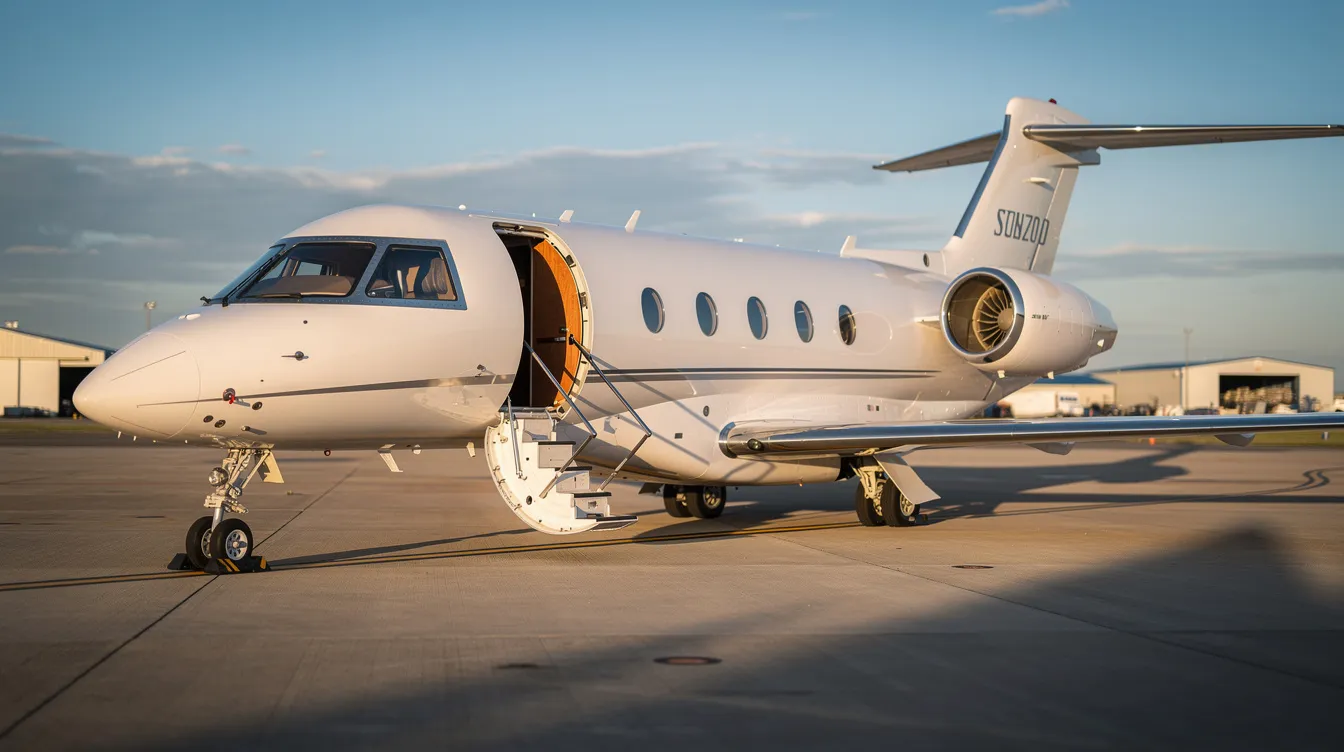
Jettly operates a digital charter marketplace with access to over 20,000 aircraft worldwide. Passengers get instant pricing, digital booking, and a choice of private jets, turboprops, and helicopters. No surprise add-on fees, no bag charges, and no board-at-gate C27 scramble. The plane departs on the traveler's schedule from a smaller FBO (fixed-base operator) airport, often minutes from the city center.
On cost per seat: a light jet charter from New York to Miami runs about $16,000 to $22,000 one way. Split among four passengers, that is $4,000 to $5,500 per seat. With six to eight passengers on a midsize plane, the per-seat figure drops further. Empty leg specials can bring the aircraft cost down to $5,000 to $9,000, which puts per-seat pricing for a group within range of last-minute business-class fares on commercial flights. Explore more on how splitting costs works.
The comparison is not about replacing a $79 Southwest ticket for a solo leisure trip. It is about recognizing that for the right route, group size, and timeline, the cost gap between budget airlines and private charter narrows faster than most travelers assume.
Budget airlines operate with limited flexible schedules due to lean fleet sizes. When a flight is canceled, or a connection is missed, recovery options are thin. Private charter removes that vulnerability.
Scenarios where charter wins:
Multi-city business trips. An executive visiting clients in three smaller cities in one day avoids two layovers and an overnight hotel by chartering a multi-city private jet route.
Group travel with luggage. A family of six flying to a remote vacation area with checked bags, car seats, and sports equipment. On Frontier, six checked bags at $50 each way total $600 in bag fees alone before seat selection.
Last-minute departure. Budget airline fares spike within 48 hours of departure. Charter pricing is based on aircraft availability and route distance, not demand-based fare buckets.
Urgent or time-sensitive travel. Medical, legal, or corporate emergencies where a missed connection costs more than the flight itself.
While private jets carry higher absolute prices than budget airline tickets, the total value becomes competitive once hotel nights, ground transport, additional fees, and lost work hours enter the equation. Safety and schedule control add further weight for time-critical trips.
If the priority is the lowest possible ticket price, flying solo or as a pair with a personal item on a nonstop budget carrier route, a llow-costairline is the right pick. Explore fare calendars, book early, and skip the extras.
If the priority is time, privacy, productivity during the flight, or covering multiple stops without layovers, a private charter through Jettly fits the need. Run two comparisons side by side: total budget airline cost (fares, all additional fees, hotels, ground transport) versus a charter quote from Jettly for the same passengers and dates.
Both options can coexist in a travel strategy. Budget airlines handle simple leisure trips from your home country to popular destinations. Private charter covers complex, time-critical, or high-value journeys where the money saved on a cheap ticket gets lost in delays and discomfort.
Not always. The base fare may be the lowest on the screen, but once carry-on bag fees, checked bags, seat selection, and transport to a secondary airport are included, the total sometimes exceeds what a standard airline charges for a bundled economy class ticket. Always compare final costs, not advertised fares.
Southwest Airlines is widely considered the most transparent budget carrier. It still offers no change fees and, for eligible fare classes and status holders, free checked bags. JetBlue also publishes clear fee tables and includes a carry-on even in its Blue Basic tier. Both airlines post their complete fee schedules online.
Yes. Travel with only a personal item, skip paid seat selection on short flights, bring your own food, and purchase any bags or extras at booking time rather than at the gate. Frontier Airlines and similar ultra-low-cost carriers reward ultra-light packing with the lowest realistic total fares.
When multiple travelers share the cost. A group of six splitting a light jet charter can pay less per person than six last-minute business-class tickets on the same route. Multi-city trips, remote destinations with limited commercial service, and urgent travel where missed connections carry financial penalties also tip the balance toward charter. Learn more about Jettly's membership and on-demand options.
Visit Jettly's cost estimator, enter your route and passenger count, and get an instant quote. Then calculate your budget airline total: base fare times the number of travelers, plus all bag fees, seat fees, ground transport, and any hotel stays caused by inconvenient schedules. Compare the two numbers directly.
Budget airlines have revolutionized air travel by offering low base fares that make flying accessible to many. However, the true cost often rises with add-on fees for bags, seats, and services, which can narrow the price gap with traditional carriers. The best budget airlines like Southwest, JetBlue, and Avelo balance affordability with some included perks, while ultra-low-cost carriers such as Spirit and Frontier require careful planning to avoid unexpected expenses.
For travelers prioritizing convenience, flexibility, and group travel, private jet charters through platforms like Jettly offer a competitive alternative. With transparent pricing, instant booking, and personalized service, private charters can match or even beat the total cost of budget airline tickets when factoring in luggage, ground transport, and time savings.
Ultimately, choosing between budget airlines and private charter depends on travel needs, group size, and schedule flexibility. Understanding the full cost and experience of each option empowers travelers to make smarter, more cost-effective decisions.
Ready to experience private travel on your terms? Explore flight options or request a quote at https://www.jettly.com.
Share this post:
Jay Franco Serevilla
Sep 23, 2026
|
5
min read
Discover tips and trends in the industry.
5
min read
Search Flights From Nearby Airports: How To Unlock Better Routes And Prices
Searching flights from nearby airports can significantly enhance your travel experience by revealing better prices, more convenient schedules, and faster routes. This guide provides insights on how to effectively utilize flight search tools like Google Flights and Jettly to maximize your options, whether flying commercially or privately. By expanding your search beyond a single airport, you can unlock a wealth of travel opportunities that cater to your needs.
Read More
5
min read
Wheels Up Private Jet Center FBO at Cincinnati / Northern Kentucky (CVG)
The Wheels Up private jet center FBO at Cincinnati/Northern Kentucky International Airport has transitioned to PremierFBO, operated by Premier Private Jets since April 2025. This guide details the changes, current services, and booking processes for private aviation travelers using this key facility.
Read MoreStay updated with our latest insights and tips to elevate your journey with us.
MEMBERSHIPS AND ASSOCIATIONS



Disclaimer: Jettly operates as a charter broker, offering access to a global digital jet charter marketplace. Jettly is not a direct air carrier and does not own or operate aircraft. All advertised flights are conducted by third-party air carriers that are fully licensed and hold the appropriate Part 135 or Part 121 certifications issued by the Federal Aviation Administration (FAA) or equivalent regulatory authorities under U.S. or foreign law. Jettly complies fully with the U.S. Department of Transportation's Part 295 and Part 298 Charter Broker regulations. Jettly does not carry additional liability insurance. Passengers are covered by aircraft operator insurance. TICO: 50023770


