



Login
Get Instant Pricing On 23,000+ Aircraft

>
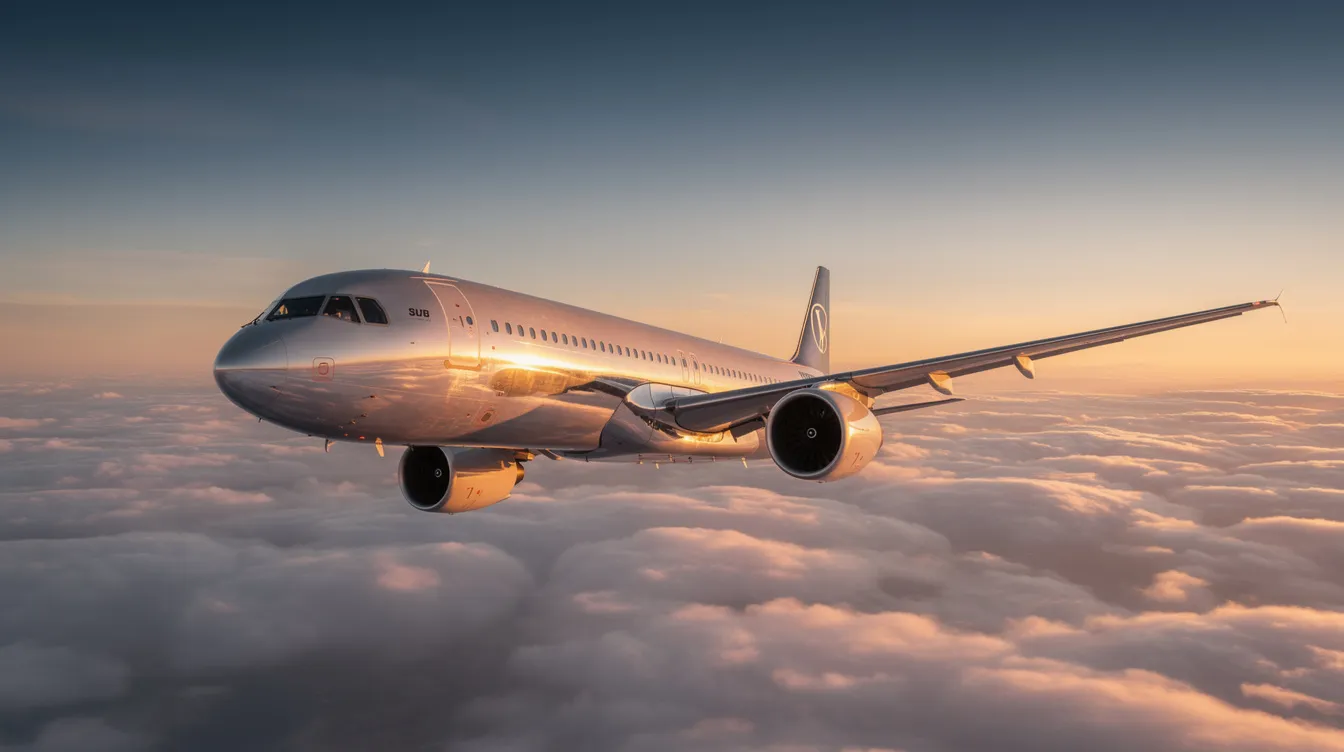
The Boeing 777- 300 is one of the most recognized long-haul aircraft flying today. As a stretched version of the original 777-200, it brought more seats and greater efficiency to high-density routes worldwide. Its extended-range sibling, the Boeing 777-300ER, pushed the airplane further, covering intercontinental distances that made it a replacement for older four-engine jets. This guide is intended for travelers, aviation enthusiasts, and industry professionals interested in the Boeing 777-300 and 777-300ER. Understanding the features and differences of these aircraft helps travelers make informed choices and highlights the evolution of modern long-haul aviation. This guide covers everything from technical specifications and cabin layouts to how the 777-300 experience compares with private jet charter.
The Boeing 777-300 and Boeing 777-300ER are stretched, long-haul versions of the Boeing 777, widely used by major airlines such as British Airways for intercontinental routes across Asia, North America, and the Middle East.
Core aircraft features include a twin-engine design, high fuel efficiency for its size, typical three- or four-class seat map layouts, and advanced avionics that support long nonstop flights.
The 777-300ER differs from the standard 777-300 in several ways: it has a longer maximum range (7,370 nautical miles vs. 6,005 nautical miles), more powerful GE90-115B engines, higher maximum takeoff weight, and raked wingtips for improved aerodynamics. It became the dominant long-haul variant from the mid-2000s onward.
Cabins across both variants typically feature economy, premium economy, business class, and sometimes first class, with comfort upgrades including lie-flat seats, in-flight connectivity, and modern LED lighting.
Travelers who value time and privacy often compare long-haul 777 flights with private jet charter options through digital platforms like Jettly, which offers instant pricing and access to aircraft suited for bespoke schedules.
The Boeing 777 series includes multiple variants designed for different operational needs. Boeing launched the 777 program in 1990, responding to airline demand for a wide-body, twin-engine aircraft capable of serving routes between the smaller 767 and the larger 747. Major assembly of the first aircraft began on January 4, 1993, and the first 777 flight took place on June 12, 1994. Boeing delivered the first 777 to United Airlines on May 15, 1995, and the first commercial flight of the 777 occurred on June 7, 1995.
Early variants included the baseline 777-200 and the 777-200ER, which added fuel capacity and range. Airline demand for more seats on dense routes led Boeing to develop the longer 777-300. The Boeing 777 series includes multiple variants designed for different operational needs, including the 777-200LR, which Boeing named the Worldliner and which has a maximum design range of 8,555 nautical miles.
The Boeing 777-300ER arrived as a further evolution, combining the stretched fuselage with extended range capability. By the 2010s, it had become the best-selling 777 model. Engine suppliers for the family included General Electric, Pratt & Whitney, and Rolls-Royce for earlier models, while the 777-300ER runs exclusively on GE90 engines. The 777 platform also influenced development of the 777X, with composite wings and new GE9X engines keeping the airplane concept relevant into the late 2020s, much as leading private jet charter companies and platforms have modernized business aviation.
The Boeing 777-300 is a stretched version of the Boeing 777-200. Boeing formally launched the 777-300 program in mid-1995. The first 777-300 made its first flight on October 16, 1997, and the aircraft was certified by the FAA and JAA on May 4, 1998. The first 777-300 entered service with Cathay Pacific on May 27, 1998, making it the world's longest commercial airliner at the time.
The Boeing 777-300 is a stretched version of the Boeing 777-200. The fuselage adds about 10 meters of length, bringing the total to 242.4 ft long. Extra exit doors, reinforced main landing gear, and structural updates accommodate the added weight. Passenger capacity increased roughly 20% over the 777-200 in standard layouts. The 777-300 can seat up to 368 passengers in a typical configuration or up to 550 passengers in an all-economy configuration.
Airlines often positioned the 777-300 as a modern replacement for the 747-200 on high-density trunk routes, particularly in Asia and on transcontinental services. Two engines instead of four meant lower operating costs per seat, while smaller narrowbodies like the Boeing 737-800 on shorter sectors covered medium-haul demand. However, the standard 777-300 has a range of 6,005 nautical miles, which limited its use on the longest intercontinental legs at full payload. That gap led airlines to push Boeing for a higher-range variant, resulting in the 777-300ER.
The Boeing 777-300ER first flew on February 24, 2003, and entered service with Air France in 2004. It was designed to carry large passenger loads on routes over 7,000 nautical miles, making it capable of nonstop service on most major city pairs.
Key design upgrades over the base 777-300 include a strengthened structure, raked wingtips for improved aerodynamics, higher maximum takeoff weight (approximately 351,500 kg), and exclusive use of General Electric GE90-115B1 engines delivering roughly 115,000 pounds of thrust each. Additional fuel capacity extends the maximum range to 7,370 nautical miles, or approximately 14,685 km (9,125 miles).
The 777-300ER quickly became the default long-haul workhorse, replacing older Boeing 747-400 and Airbus A340 fleets through the 2010s. Typical performance includes cruising speed around Mach 0.84 in long-range cruise, with a maximum speed of 950 km/h (590 mph). The aircraft can carry up to 297 passengers in a four-class configuration. In a two-class layout, the 777-300ER typically seats 392 passengers. Air France's 777-300ER, for instance, has a seating capacity of 472 in a higher-density arrangement, while the 777-300ER features a maximum capacity of 396 seats in a regional layout.
As of mid-2026, the 777-300ER remains a key member of many airline fleets, even as carriers prepare for newer models.
Here are the headline specifications for both variants:
|
Specification |
777-300 |
777-300ER |
|---|---|---|
|
Overall length |
~73.9 m (242.4 ft) |
~73.9 m (242.4 ft) |
|
Wingspan |
60.9 m (199 ft 11 in) |
64.8 m (212 ft 7 in) with raked tips |
|
Height |
~18.5 m |
~18.5 m |
|
Max takeoff weight |
~299,370 kg |
~351,500 kg |
|
Engines |
GE90 / PW4000 / Trent 800 |
GE90-115B (exclusive) |
|
Maximum range |
6,005 nm |
7,370 nm |
|
Maximum speed |
950 km/h (Mach ~0.89) |
950 km/h (Mach ~0.89) |
|
Service ceiling |
43,100 ft |
43,100 ft |
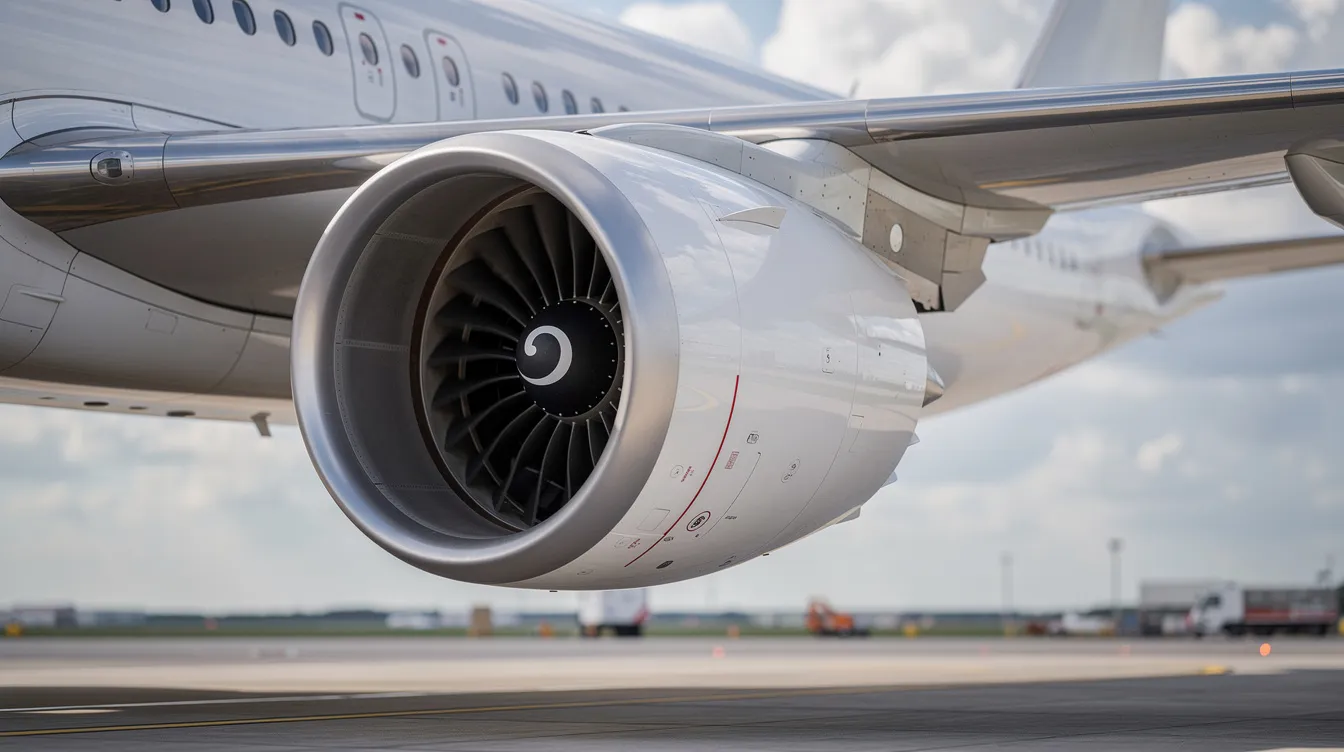
It features two General Electric GE90-115B1 engines on the ER variant, among the most powerful commercial jet engines ever certified. These high-bypass turbofan engines deliver the thrust needed for heavy payloads while maintaining fuel efficiency. The Boeing 777 series operates with lower fuel burn per seat compared to four-engine aircraft, a reduction that made the economic case for retiring older quad-jets.
The 777-300ER is powered by two General Electric GE90-115B1 engines, among the most powerful commercial jet engines ever certified. These high-bypass turbofan engines deliver the thrust needed for heavy payloads while maintaining fuel efficiency.
The Boeing 777 series operates with lower fuel burn per seat compared to four-engine aircraft, a reduction that made the economic case for retiring older quad-jets.
The aircraft uses digital fly-by-wire controls, advanced avionics, and flight envelope protection systems.
ETOPS certification allows both variants to fly long segments over water and remote areas.
Aerodynamic elements include a supercritical wing airfoil, blended wing-body fairings, and the blade-shaped tail cone that helps with drag reduction.
Boeing and engine manufacturers introduced incremental improvement packages during the 2010s, improving noise and emissions performance relative to earlier widebodies.
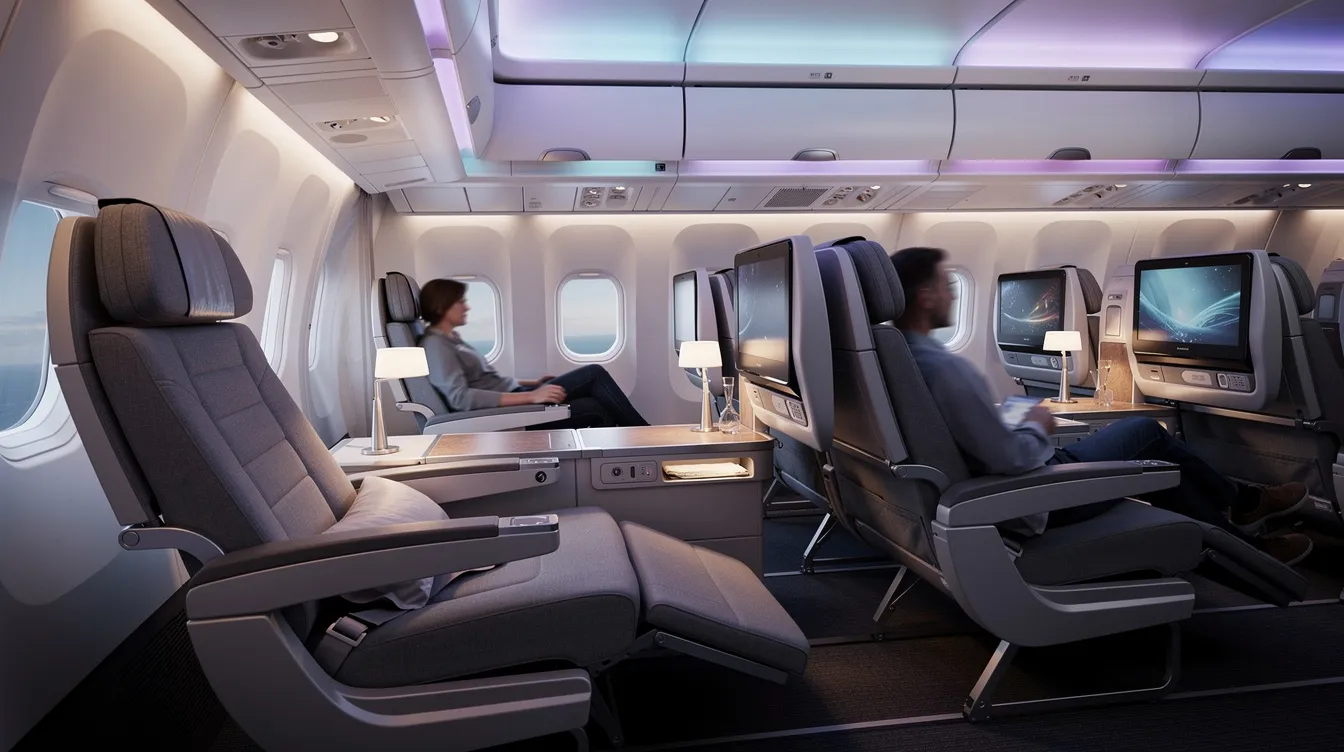
Actual seat maps vary by airline, but most Boeing 777-300 and Boeing 777-300ER layouts feature three or four cabins: economy, premium economy, business class, and sometimes first class. Each airline tailors its seating options to the distance and demand profile of its routes.
Seat map tools on airline websites visualize the cabin layout, including row numbers, galley and lavatory locations, exit rows, and special seats like bassinets or extra-legroom positions. Travelers can pair these with an airport locator and route planning tool to find the best seat and airport combination depending on their priorities.
|
Airline |
First Class |
Business Class |
Premium Economy |
Economy |
Total Seats |
|---|---|---|---|---|---|
|
British Airways |
8 |
76 |
40 |
132 |
256 |
|
ANA |
8 |
64 |
24 |
116 |
212 |
|
Singapore Airlines |
4 |
48 |
28 |
184 |
264 |
By contrast, travelers opting for private jet charter in Kolkata, West Bengal, will be looking at much smaller, fully private cabins but with similar intercity reach.
Typical seating patterns include 1-2-1 in business class, 2-4-2 in premium economy, and 3-3-3 or 3-4-3 in economy. In these cabins, seat pitch refers to the distance from one point on a seat to the same point on the seat in front. The 10-abreast (3-4-3) layout does affect shoulder room and space compared to 9-abreast. Seat maps also indicate in-seat power, inflight entertainment screen sizes, and sometimes preferred or quiet zones, details that matter on overnight long-haul flights.
Airlines use the generous fuselage length of the 777-300 and 777-300ER to offer multiple cabin products tuned for different budgets and comfort expectations. The cabin of the Boeing 777-300 features flexible architecture and modern LED lighting, giving carriers the freedom to configure the space as they see fit.
Standard seating, largest cabin section
3-3-3 or 3-4-3 layout
Seat widths around 17–18 inches, pitch commonly at 31–32 inches
Adjustable headrests
Individual seatback IFE screens (10–12 inches)
USB and AC power outlets
Mood lighting calibrated for long-haul rest
Meal service on major carriers usually covers a main dinner or lunch, a lighter snack or breakfast before landing, and complimentary soft drinks. Alcoholic beverages are available depending on airline policy. Special meals can be requested in advance.
Avoid seats adjacent to galleys and lavatories – noise and foot traffic increase near these areas.
Exit-row seats offer extra legroom but may have restrictions (no recline, cooler draft from door seals).
Last-row seats often have limited recline.
Window versus aisle is a personal choice, but on overnight flights, window seats let you lean against the wall.
Premium economy fills the gap between economy and business class on the Boeing 777 300, targeting long-haul leisure travelers and cost-conscious business passengers. It occupies a distinct block on the seat map, making it easy for travelers to spot the difference from standard economy.
Layout is typically 2-4-2 on most carriers
Seat width is around 18.5–19 inches, and pitch is between 38 and 42 inches
Noticeably more recline and leg space than economy
A separate, quieter cabin section
Enhanced meals served on china
Priority boarding at many airports
Larger checked baggage allowance on most routes
Small amenity kits for overnight flights
British Airways brands this cabin as World Traveler Plus. Other flag carriers like ANA, Singapore Airlines, and Air France offer similar specifications under their own naming conventions.
Modern business class on Boeing 777-300 and Boeing 777-300ER aircraft typically uses lie-flat or fully flat seats in 1-2-1 or staggered layouts. Direct aisle access from every seat is now the standard on most newer products, a feature that makes overnight flights far more practical.
Privacy dividers or doors (as on BA's Club Suite)
Large entertainment screens (17–18.5 inches)
In-seat storage compartments and power outlets
Do-not-disturb indicators and customizable reading lights
On the ground, business class passengers on many carriers receive priority check-in and boarding, lounge access, and fast-track security where available.
On ultra-long routes – London to Singapore, Dubai to Los Angeles – business class on the 777-300ER competes directly with private aviation for executives. But private jets still win on schedule control and privacy, two factors that matter most when time is the scarcest resource, even when travelers are only buying a single seat on a shared private jet.
Not every Boeing 777-300 or 777-300ER includes first class. When carriers do offer it, there are typically 6–14 suites at the front of the aircraft with doors or high walls for full privacy.
Extra-wide seats converting to full-length beds (pitch up to 81+ inches)
Premium bedding and pajama sets
Large personal IFE screens (22–23 inches)
Personal wardrobes or closet space
High-end amenity kits
The ground experience adds dedicated first-class check-in zones, flagship lounges, à la carte dining, and the highest baggage allowances, especially on flagship routes.
That said, even the best first-class suite shares the cabin with other passengers and runs on a fixed schedule. Chartering a private jet through a platform like Jettly offers complete cabin exclusivity, custom departure times, and tailored catering – advantages that matter when the point of travel is efficiency as much as comfort.
British Airways is a prominent Boeing 777 operator. Its fleet of 16 777-300ER aircraft serves long-haul routes from London Heathrow to destinations across Asia, North America, and the Middle East, covering 35 nonstop routes to 19 airports. The longest nonstop is London to Singapore, roughly 6,760 miles, a distance where comparing fares with a jet card flight cost estimator can be useful for frequent premium travelers.
BA's typical 777-300ER cabin mix:
|
Cabin |
BA Brand Name |
Seats |
|---|---|---|
|
First |
First Suite |
8 |
|
Business |
Club Suite (1-2-1) |
76 |
|
Premium Economy |
World Traveller Plus |
40 |
|
Economy |
World Traveller |
132 |
Other large 777-300ER operators include Emirates (the world's largest 777-300ER fleet), Qatar Airways, Air France, Cathay Pacific, Singapore Airlines, and ANA. The aircraft suits hub-and-spoke networks and high-demand city pairs.
Sample routes that frequently see 777-300ER service:
London–New York (LHR–JFK)
Dubai–Sydney (DXB–SYD)
Hong Kong–Los Angeles (HKG–LAX)
Singapore–New York (SIN–JFK)
Similar long-haul and regional missions can also be served by private jet charter to hubs like Chennai in Tamil Nadu when travelers prioritize flexibility over seat count.
The 777 family underwent an extensive flight-test program in the 1990s, with multiple airframes fitted with different engine options logging thousands of hours before certification. The 777-300 alone accumulated over 1,400 flight-test hours. This rigor contributed to dispatch reliability above 99% on many long-haul routes.
ETOPS-180 approval was a milestone. The 777 was the first airliner to receive ETOPS-180 clearance at service entry, allowing twin-engine aircraft to fly routes historically reserved for four-engine jets. That capability opened transoceanic and polar routes to the 777 and was a major confidence factor for airlines.
GE90-115B engine reliability has been rated at approximately 99.98% across large flight-hour samples. As of mid-2026, the Boeing 777 family has accumulated millions of flight hours with a strong safety record relative to total cycles. Accidents and incidents have occurred, but regulatory oversight, continuous design updates, and airline maintenance best practices have kept the number low on a per-flight basis, paralleling the emphasis on vetted operators across the wider charter airline and private aviation sector.
Beyond passenger service, the 777 family includes purpose-built freighters (777F) and aftermarket conversions from passenger models through Boeing's BCF programs. Many conversions are based on 777-200 and 777-300ER airframes, taking advantage of the airplane's cargo volume and range, similar in mission profile to other widebody charter aircraft like the Boeing 767-300ER for private rent on select high-end routes.
Some Boeing 777 aircraft are configured for government and corporate transport, with customized interiors that include conference rooms, bedrooms, and private lounges. These VIP versions serve heads of state and large corporate groups who need long-range, high-capacity travel, similar to how private jet charter in New Delhi, Delhi supports governmental and corporate movements on a smaller scale.
While the 777 is too large for most private missions, charter customers may occasionally fly in VIP-configured widebodies for delegations, sports teams, or corporate events, or take advantage of crowdsourced private jet flights and shared empty seats to reduce per-passenger cost. Jettly operates as a digital marketplace that can source a wide range of aircraft types for group charters, even though most private trips use smaller business jets.
How does flying commercially on a 777-300ER stack up against chartering a private jet? Here is a concise comparison that also reflects broader questions around how much private jet travel really costs:
|
Factor |
Commercial 777-300ER |
Private Jet Charter (via Jettly) |
|---|---|---|
|
Schedule |
Fixed airline timetable |
Depart when you choose |
|
Privacy |
Shared cabin |
Exclusive cabin |
|
Airport access |
Major hubs only |
5,000+ airports, including secondary fields |
|
Cost per seat |
Lower on high-volume routes |
Higher, but includes time savings |
|
Loyalty programs |
Yes |
No (but no hidden fees) |
|
Cabin customization |
Fixed by airline |
Tailored catering, seating, amenities |
Commercial 777 flights suit high-volume routes where travelers prioritize ticket price and frequent-flyer benefits. Private jets serve bespoke routes, secondary airports, and time-critical schedules, and a private jet charter cost estimator helps quantify the price difference for specific missions.
Heavy and ultra-long-range jets available through Jettly — Gulfstream G700, Bombardier Global 7500, Dassault Falcon 8X — overlap with 777 routes in terms of distance but carry far fewer passengers. The choice comes down to priorities.
Example use case: An executive team normally flies business class on a 777-300ER between London and New York. When they need a same-day return or a multi-city itinerary hitting three European capitals in 48 hours, a private jet charter delivers better overall productivity despite the higher absolute cost, especially if they apply tips for booking the cheapest private jet flights such as empty legs or secondary airports.
The Boeing 777X is the next generation, comprising the 777-8 and 777-9 models. Key innovations include composite wings with folding wingtips (allowing a larger wingspan without exceeding gate width limits), new GE9X engines with improved fuel efficiency, and redesigned interiors. The 777-9 completed its first flight in 2020, with deliveries to airlines expected later this decade.
Many airlines plan to transition some 777-300ER routes to the 777X but will continue operating existing aircraft into the 2030s. The proven economics of the 777-300ER make premature retirement unlikely. Incremental refurbishment programs – new seats, updated inflight entertainment, and connectivity upgrades – help keep 777-300 and 777-300ER cabins competitive during the transition, just as major private operators like NetJets with its fractional ownership model continually refresh their fleets.
Looking ahead, widebody fleets like the 777 will coexist with more flexible travel options. On-demand private jet charter continues to grow as traveler expectations evolve toward personalization and time efficiency. For some routes and some travelers, a commercial 777 will always make sense. For others, the flexibility of a platform like Jettly as a cost-effective alternative to providers like NetJets better matches the way they need to move.
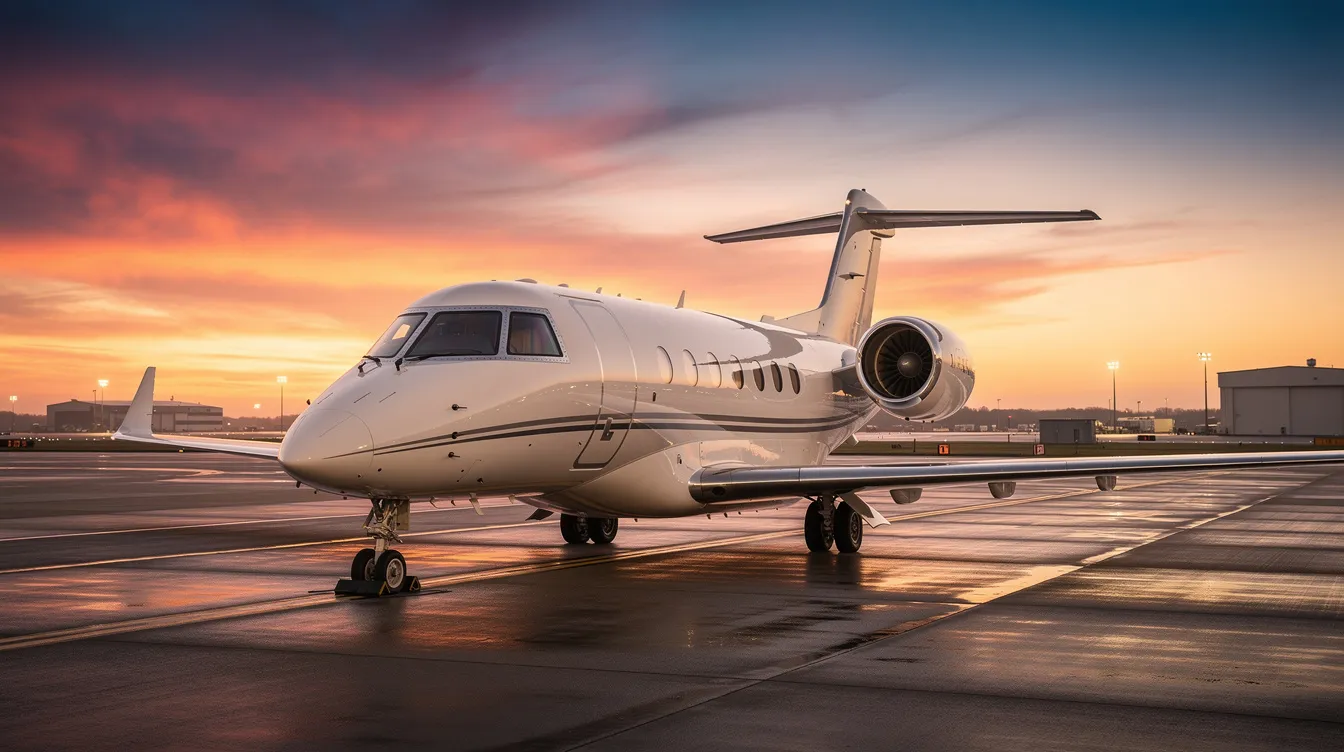
Below are common questions travelers ask about the Boeing 777-300, Boeing 777-300ER, and how they compare with private jet options.
Both share the same basic fuselage length and cabin cross-section. The 777-300ER adds a stronger airframe structure, exclusive GE90-115B engines with approximately 115,000 pounds of thrust, higher maximum takeoff weight (~351,500 kg vs. ~299,370 kg), raked wingtips, and significantly more fuel capacity. The result is a maximum range of 7,370 nautical miles for the ER, compared to 6,005 nautical miles for the standard 777-300. Airlines generally deploy the 777-300ER on long intercontinental routes, while the original 777-300 was more focused on high-density regional long-haul and shorter transoceanic services.
In a standard three-class layout, the 777-300ER carries about 315–370 passengers. High-density two-class layouts can push the number to 392 or higher. Air France, for example, operates a 472-seat configuration. Always check the specific seat map for the airline and route you are flying, as exact seat counts and cabin mixes vary significantly.
Modern business class on the 777-300ER offers lie-flat seats, quality dining, large screens, and solid privacy in products like BA's Club Suite. However, you still share the cabin with dozens of other passengers, fly on the airline's schedule, and navigate standard airport procedures. Chartering a private jet through platforms like Jettly gives travelers control over departure times, access to smaller airports closer to their origin and destination, and exclusive use of the entire cabin. Learn more about how private jet charter works.
Use the airline's online seat map during booking or check-in to view exact seat locations, exit rows, bulkheads, and proximity to galleys and lavatories. Look for extra-legroom rows, quieter mini-cabins between galleys, or window seats away from high-traffic areas. On long-haul flights, consider a cabin class upgrade – even stepping up to premium economy can make a meaningful difference in comfort over 10+ hours.
Private jet charter is most attractive for tight schedules, multi-city trips, group travel to airports not served by 777s, or situations where privacy and time savings outweigh the higher per-seat cost. If you are comparing commercial 777 flights with tailored private alternatives, explore Jettly's private jet charter options and instant pricing tools or structured private jet membership plans with wholesale rates if you fly frequently.
The Boeing 777-300 and 777-300ER remain essential players in modern long-haul aviation, combining efficiency, capacity, and range to serve key global routes. Their advanced design and powerful engines enable airlines to operate economically on high-demand intercontinental flights. For travelers, the 777 offers a range of cabin experiences from economy to first class, balancing comfort with scale.
However, for those prioritizing flexibility, privacy, and bespoke travel schedules, private jet charter platforms like Jettly provide a compelling alternative. By offering instant access to a broad network of aircraft and transparent pricing, Jettly meets the evolving needs of business and leisure travelers seeking time-saving convenience beyond traditional commercial options.
Whether flying commercially on a 777 or chartering a private jet, understanding the unique benefits of each can help travelers make informed choices that best suit their journey.
Ready to experience private travel on your terms? Explore flight options or request a quote at https://www.jettly.com.
Share this post:
Jay Franco Serevilla
Oct 17, 2026
|
5
min read
Discover tips and trends in the industry.
5
min read
Private Jet Italy Guide: Routes, Costs, Airports and How Jettly Helps
Flying by private jet to Italy offers unmatched flexibility and speed, making it ideal for both business and leisure travelers. This comprehensive guide covers routes, costs, and how Jettly simplifies the booking process, ensuring a seamless travel experience. Discover the advantages of private aviation and how it can enhance your Italian journey.
Read More
5
min read
Range of Cessna Aircraft: From Cessna 172 to Citation Longitude
Cessna aircraft range from the versatile Cessna 172, ideal for training and short hops, to the long-range Citation Longitude, capable of flying up to 3,500 nautical miles. Understanding the range capabilities of each model, including factors like fuel capacity and consumption, is essential for effective flight planning. For longer trips, private jet charters provide access to a variety of aircraft tailored to specific travel needs.
Read MoreStay updated with our latest insights and tips to elevate your journey with us.
MEMBERSHIPS AND ASSOCIATIONS



Disclaimer: Jettly operates as a charter broker, offering access to a global digital jet charter marketplace. Jettly is not a direct air carrier and does not own or operate aircraft. All advertised flights are conducted by third-party air carriers that are fully licensed and hold the appropriate Part 135 or Part 121 certifications issued by the Federal Aviation Administration (FAA) or equivalent regulatory authorities under U.S. or foreign law. Jettly complies fully with the U.S. Department of Transportation's Part 295 and Part 298 Charter Broker regulations. Jettly does not carry additional liability insurance. Passengers are covered by aircraft operator insurance. TICO: 50023770


