



Login
Get Instant Pricing On 23,000+ Aircraft

>
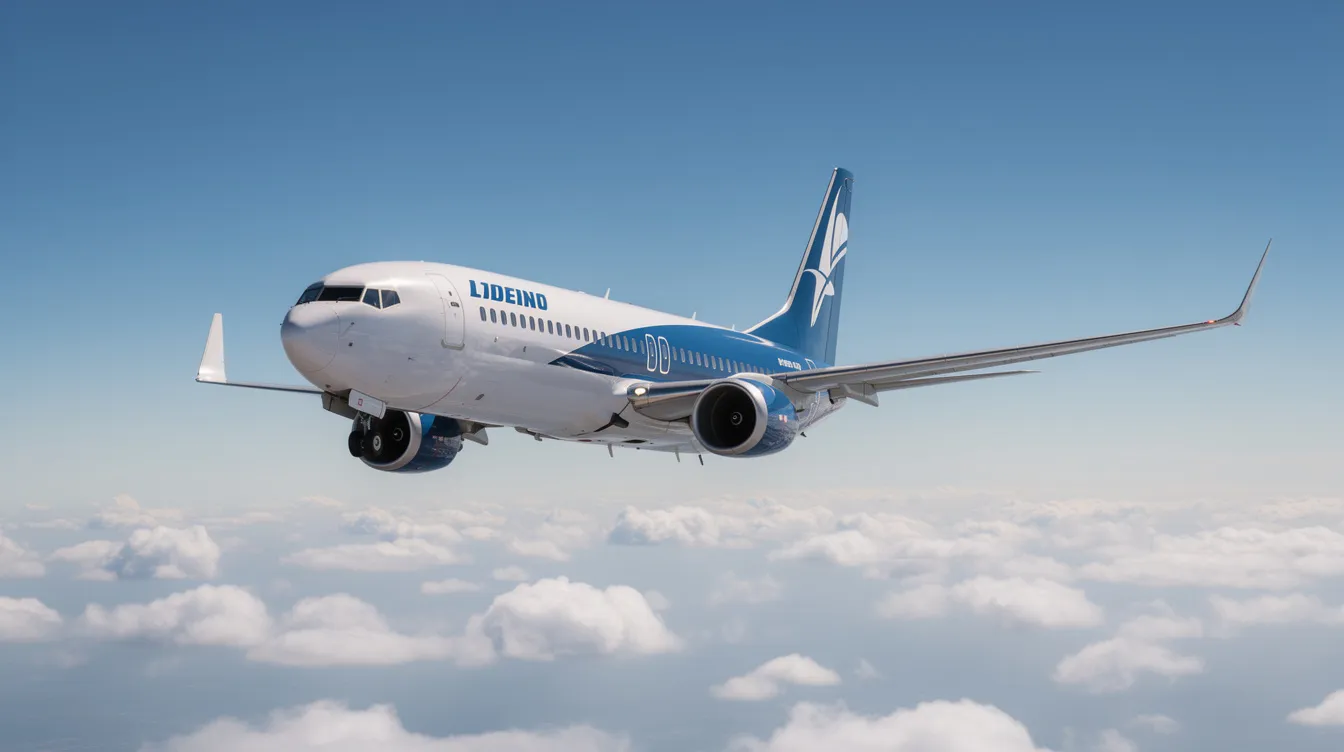
The Boeing 737-800 is one of the most widely operated narrowbody airliners in the world, and its speed capabilities play a central role in its operational appeal. This article breaks down the Boeing 737- 800 maximum speed, covering its certified Mach limits, real-world cruise profiles, and what all of it means for airlines, charter operators, and passengers.
Understanding the Boeing 737- 800 maximum speed starts with separating the certified ceiling from everyday operations. Here is what matters most.
The Boeing 737-800 has a maximum operating speed of Mach 0.82, which translates to roughly 620–630 mph at typical cruising altitude. In daily operations, it typically cruises at Mach 0.79, yielding a cruising speed of approximately 523 mph (842 km/h).
Airlines rarely push the aircraft to its absolute speed limit. Fuel burn and operating costs rise sharply above the economical cruise band, so most operators standardize around Mach 0.78–0.79 on medium-haul routes.
The aircraft's combination of speed, a range of approximately 2,935 nautical miles, and seating capacity of up to 189 passengers makes it a strong platform for both scheduled airline service and private charter missions, including VIP configurations.
Jettly, a global digital private aviation marketplace, can arrange Boeing 737-800 charters and similar large-group flights through its extensive private charter aircraft network. Travelers looking for point-to-point efficiency on a large cabin aircraft can explore options further in this article and on the Jettly platform.
The Boeing 737-800 is the best-selling version of the Boeing 737 Next Generation series, which entered service in the late 1990s. It was designed to serve short- and medium-haul routes efficiently, replacing older Classic variants with improved aerodynamics, modern avionics, and better fuel efficiency.
Within the broader Boeing 737 lineage — spanning the Original series (-100/-200), Classic (-300/-400/-500), NG series (-600/-700/-800/-900ER), and the current 737 MAX — the 737-800 carved out a dominant position. Its balance of capacity, range, and operating economics made it the backbone of fleets at airlines like United Airlines, Ryanair, and dozens of other carriers worldwide. The 737-800 is popular for both scheduled and charter air travel.
In a typical two-class layout, the aircraft seats around 162 passengers. High-density single-class configurations push the maximum passenger capacity to 189. Speed and fuel efficiency were central goals of the NG redesign, and both remain relevant to airlines, charter operators, and the passengers who fly on them.
"Maximum speed" in aviation refers to two distinct things. There is the certified operating limit — the absolute boundary the airframe and engines are cleared for — and the normal cruise speed that airlines actually use on revenue flights. The gap between them is significant and intentional.
The Boeing 737-800 carries a maximum operating Mach number (Mmo) of Mach 0.82. At cruise altitude (around FL350–FL390), this equates to roughly 541–545 knots true airspeed, or about 620–630 mph depending on atmospheric conditions. That is the maximum operating limit — the hard structural and aerodynamic limit that pilots must stay below.
In practice, the aircraft cruises at a speed of 453 knots (about Mach 0.79), giving a cruising speed of approximately 523 mph. Most airlines standardize on a long-range cruise Mach of 0.78–0.79. This band provides the optimal trade-off between block time and fuel consumption.
Indicated airspeed limits (Vmo, roughly 340–350 KIAS) translate into higher true airspeeds at altitude because the air is thinner. But pilots must respect both Vmo and Mmo simultaneously. Safety margins are built into these limits, providing a buffer for turbulence, gusts, and crew reaction time.
Aviation uses multiple speed references because a single number does not tell the whole story. Pilots monitor indicated airspeed (KIAS) at lower altitudes and Mach number at cruise, since air density shifts dramatically with altitude.
At cruising altitudes around FL350–FL410 (35,000–41,000 feet), the speed of sound varies with altitude and temperature. A given Mach number corresponds to different true airspeeds depending on these conditions. For example, Mach 0.79 at FL370 equates to somewhere in the 450–470-knot true airspeed range — well above the indicated airspeed reading on the flight deck, which might show under 300 KIAS at that altitude. Higher cruising altitudes reduce aerodynamic drag, which is one reason jets climb as high as they can.
The "maximum speed" figures found in brochures or spec sheets are usually the Mmo or a representative cruise speed — not a sustained top-speed run. In commercial aviation, the concept of speed is always tied to safety, efficiency, and operating cost, not to performance bragging rights, and understanding affordable aeroplane rental costs and options helps travelers see how these performance factors translate into pricing.
The technical specifications of the 737-800 directly shape how the airplane achieves and maintains its cruise and maximum speeds. Key performance and weight data include:
|
Specification |
Value |
|---|---|
|
Maximum operating Mach (Mmo) |
0.82 |
|
Typical cruise Mach |
0.78–0.79 |
|
Service ceiling |
41,000 feet |
|
Maximum takeoff weight |
Approximately 79,000 kg (174,200 lb) |
|
Operating empty weight |
Roughly 37,600 kg (83,000 lb) |
|
Wingspan (with standard winglets) |
34.32 m (approximately 112.5 ft) |
|
Wing area |
Redesigned NG wing providing improved lift-to-drag ratio |
Aircraft weight and environmental factors significantly influence cruising speed. A heavier airplane at or near its maximum takeoff weight climbs more slowly and may cruise at a slightly lower optimum altitude, which can affect efficiency. Heavier aircraft require a higher angle of attack, which shifts the optimal cruise speed profile. As fuel burns off during a flight, the aircraft becomes lighter and can step-climb to higher, more efficient altitudes.
The Boeing 737-800 is powered by two CFM56-7B turbofan engines, with each engine producing approximately 27,300 pounds of thrust at the top of the available rating range. The CFM56-7B family spans several sub-variants (from -7B18 to -7B27), with higher-rated versions suited for heavier takeoff weights or operations from hot and high airports.
The high-bypass turbofan design of the CFM56-7B delivers efficient thrust at cruise altitudes. Digital engine controls, advanced turbine blade materials, and refined compressor stages all contribute to reliability and fuel efficiency across the engine's operating envelope.
Post-2009, CFM introduced the -7BE enhancement package, which improved internal airflow, lowered operating temperatures, and trimmed fuel use by roughly 2 percent — without increasing the Mmo. These advanced technology refinements focused on durability and cost reduction rather than pushing speed higher.
For both airlines and charter operators, engine reliability translates directly into schedule reliability. The CFM56-7B has a proven track record spanning decades in fleet service, minimizing delays tied to unscheduled maintenance — a factor that matters on every flight, whether commercial or private.
The next-generation wing on the 737-800 was a major departure from earlier Classic variants. Boeing increased the wing area, refined the aerodynamic profile, and expanded internal fuel capacity, all of which improved cruise efficiency and extended potential range.
Blended winglets became standard on most 737-800 deliveries from the early 2000s onward. These curved wingtip devices reduce drag by smoothing the pressure differential at the wingtips, cutting induced drag by roughly 3.5–4 percent at cruise. The practical result: operators can increase range by 100–200 nautical miles on longer sectors, or burn less fuel on the same route.
Split Scimitar Winglets, introduced around 2014, take this further. Adding a downward strake and a revised upper tip shape, they deliver an additional 1.5–2 percent drag reduction over blended winglets alone, bringing total cruise fuel savings to roughly 5.5 percent compared to a winglet-free airframe. These aerodynamic improvements do not change the Mmo, but they allow the aircraft to cruise closer to optimal speeds with lower fuel burn.
For a concrete example: on a sector like New York to Los Angeles (roughly 2,150 nautical miles), Split Scimitar Winglets can extend useful range by up to 150–200 nautical miles and reduce drag enough to save several hundred gallons of fuel — a meaningful number for operators tracking fuel use per flight.
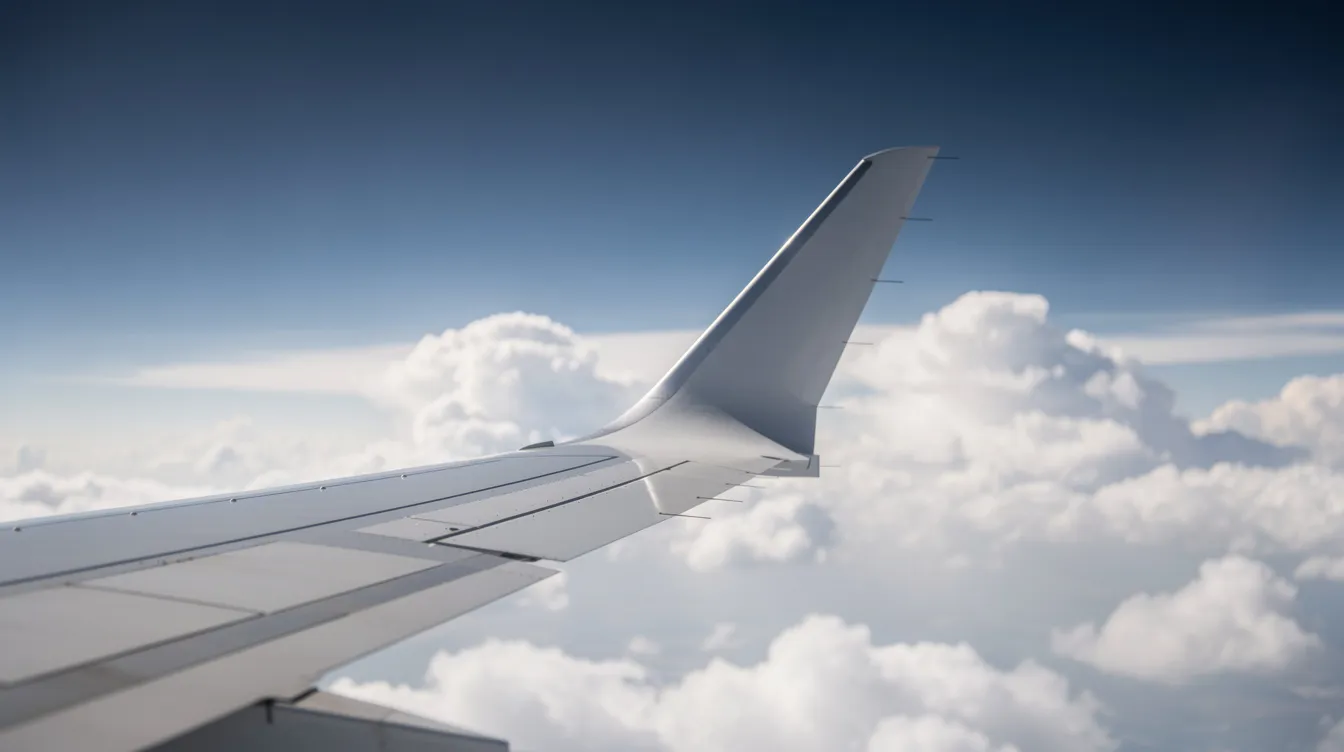
Airlines rarely fly the Boeing 737-800 at its absolute maximum speed. Instead, flight management systems use a cost index — a parameter that balances time-related costs against fuel consumption — to calculate an economical cruise Mach. For most operators, that lands around Mach 0.78–0.79. Modern aircraft typically do not fly at maximum speeds to optimize fuel burn.
A typical flight profile involves climbing to FL330–FL390, with step climbs on longer legs as fuel burns off and the aircraft becomes lighter. On routes like London–Athens or New York–Dallas, pilots may adjust speed settings slightly based on winds. Tailwinds increase ground speed without changing aerodynamic speed, so a strong jet stream can shave significant time off a flight without any Mach increase at all.
For passengers, this consistency means gate-to-gate times on the 737-800 are often very similar to those on competing aircraft like the Airbus A320. Small changes in cruise Mach — say from 0.78 to 0.80 — might save six to ten minutes in the cruise segment on a 2,000-mile route, but fuel burn could increase by 3–5 percent for that portion. Most operators and pilots consider that trade-off unattractive unless recovering from delays.
Within the 737 Next Generation series (-600, -700, -800, -900ER), the speed limits are broadly similar. All variants share the same Mmo of Mach 0.82 and very close normal cruise Mach numbers, a product of their common wing, engine family, and cockpit systems. This commonality simplifies crew training, maintenance, and scheduling across mixed NG fleets.
The 737-700, 737-800, and 737-900ER each hold the same certified speed ceiling. All modern narrowbody airliner speeds cluster around Mach 0.82 as a structural and aerodynamic standard.
Differences between variants show up more in payload, climb performance, and optimum cruise altitude than in raw speed:
|
Variant |
Mmo |
Typical Cruise Mach |
Key Difference |
|---|---|---|---|
|
737-600 |
0.82 |
~0.78–0.79 |
Smallest NG; lighter, fewer seats |
|
737-700 |
0.82 |
~0.78–0.79 |
Mid-size; often lighter loads |
|
737-800 |
0.82 |
~0.78–0.79 |
Best-selling; balanced capacity/range |
|
737-900ER |
0.82 |
~0.78–0.79 |
Stretched version; heavier, more seats |
The 737-900ER, as a stretched version with higher seating capacity and optional auxiliary fuel tanks, may climb a bit more slowly or reach its optimum altitude later under heavy loads. But once at cruise, its speed profile matches the 737-800 closely.
The 737 MAX represents the fourth generation of the 737 family. While its Mmo remains around Mach 0.82, its LEAP-1B engines and advanced technology winglets deliver 10–20 percent better fuel efficiency depending on the mission and configuration. Most narrowbodies prioritize fuel efficiency over high-speed performance, and the MAX is a clear example of that philosophy.
In terms of cruise speed, the 737 MAX family typically flies at Mach 0.79–0.80. Real-world gate-to-gate times between a 737-800 and a 737 MAX 8 on the same route are often very similar — differences of five minutes or less on a medium-haul sector. The maximum Mach number for many aircraft in this class is 0.82, so the speed envelope has not expanded; efficiency has.
Compared to the 737-900ER, the 737-800 shares the same engines and wing but carries fewer passengers. The 737-900ER can increase capacity to roughly 220 passengers in dense layouts and can add auxiliary fuel tanks to increase range. These features affect payload-range trade-offs more than raw speed.
For charter clients choosing between a 737-800 and a 737-900ER, the decision typically revolves around passenger capacity and range requirements rather than cruise speed differences, with larger widebody options such as the Boeing 767-300ER private jet charter serving missions that demand even more space and range.
The Boeing 737-800 has a range of approximately 2,935 nautical miles in standard configurations. Its maximum range can reach approximately 3,377 nautical miles under favorable conditions - lighter payloads, favorable winds, and generous fuel planning — while ultra-long sectors are better suited to aircraft like the Boeing 777-200 LR with extended range.
Practical nonstop routes within this envelope include:
New York to Los Angeles (~2,150 nmi) - typical nonstop routes include New York to Los Angeles
Toronto to Vancouver (~2,100 nmi)
London to Moscow (~1,550 nmi)

On shorter sectors under 1,000 nautical miles, the time spent climbing and descending limits the advantage of very high cruise speeds. The cruise phase is simply too short for Mach differences to meaningfully affect block time. On medium-haul routes of 1,200–2,500 nautical miles, cruise Mach has a larger effect on total flight time and fuel consumption, making speed selection a more consequential decision for operators.
Fuel planning, reserve requirements, alternate airport designations, and wind forecasts all shape real-world range. A strong headwind on a long sector can reduce effective range by hundreds of nautical miles, while a tailwind can extend it.
While maximum speed is a technical metric, passengers experience "speed" through total journey time and cabin comfort. Two flights at identical Mach numbers can feel very different depending on the interior.
The Boeing 737-800 typically seats 160 to 189 passengers depending on configuration. In a two-class layout, it typically seats 162 passengers. The maximum passenger capacity is 189 in a single-class layout. Denser seating reduces legroom and can slow boarding and deboarding, adding minutes to the overall gate-to-gate experience.
Cabin features like the Boeing Sky Interior—with LED mood lighting, sculpted sidewalls, and larger overhead bins — improve perceived comfort even at the same cruise speed as older interiors. These refinements reduce passenger fatigue and make medium-haul flights feel shorter.
Different airlines and private operators use varied seat pitches, in-flight entertainment systems, and catering standards. Two Boeing 737-800s flying at the same Mach may offer vastly different passenger comfort experiences, and for charter clients, this is where interior configuration and enhanced services like Jettly Eats in-flight catering become key decision factors.
A consolidated view of the 737-800's core technical specifications:
|
Specification |
Value |
|---|---|
|
Length |
~39.5 m (129 ft 6 in) |
|
Wingspan (with winglets) |
~34.3 m (112.5 ft) |
|
Height |
~12.6 m (41 ft) |
|
Maximum takeoff weight |
~79,000 kg (174,200 lb) |
|
Operating empty weight |
~37,600 kg (83,000 lb) |
|
Fuel capacity |
~6,875 US gallons (~20,894 liters) |
|
Engines |
2 × CFM56-7B turbofan |
|
Maximum operating Mach |
0.82 |
|
Normal cruise Mach |
~0.79 |
|
Cruise altitude band |
FL330–FL410 (33,000–41,000 ft) |
|
Service ceiling |
41,000 ft |
|
Takeoff distance (MTOW, sea level) |
~2,300 m (~7,500 ft) |
|
Landing distance (MLW) |
~1,600 m (~5,250 ft) |
|
Range |
~2,935–3,377 nautical miles |
|
Passenger capacity |
162 (two class) / 189 (single class) |
These baseline specs form the foundation for both airline schedules and charter mission planning. Runway requirements, payload limits, and landing performance constraints all flow from this data. The aircraft's fuel capacity, combined with its efficient airframe, allows operators to serve a wide variety of routes without compromising on speed or range.
Jettly is a global digital private jet charter marketplace that can source Boeing 737-800 VIP aircraft and comparable airliners from a network of regulated operators worldwide, and is frequently included among the best private jet charter companies for travelers prioritizing safety and value.
Charter configurations for the 737-800 vary significantly based on the mission:
High-capacity shuttle layouts: 150–189 seats for employee shuttles, pilgrimages, or event transport
Semi-VIP cabins: Business-class style seating with extra legroom and upgraded catering for 80–120 passengers
Full VIP refits: Lounge areas, meeting rooms, and bedroom suites for heads of state, celebrity tours, or ultra-high-net-worth group travel
The aircraft's cruise speed, range, and reliability make it suitable for corporate roadshows, sports teams moving between game-day cities, music tours, and large leisure groups needing city-pair connections within about 3,000 nautical miles, with dedicated options like the Boeing 737-800 private jet for rent available through select operators. Its widespread adoption across fleets worldwide means availability is generally strong.
Jettly's platform offers instant pricing tools, transparent cost breakdowns, and access to more than 20,000 aircraft. Clients can compare the 737-800 to smaller jets or other large-cabin options when planning group travel, or follow strategies on how to get a seat on a private jet easily, ensuring they match the right aircraft to their specific mission.
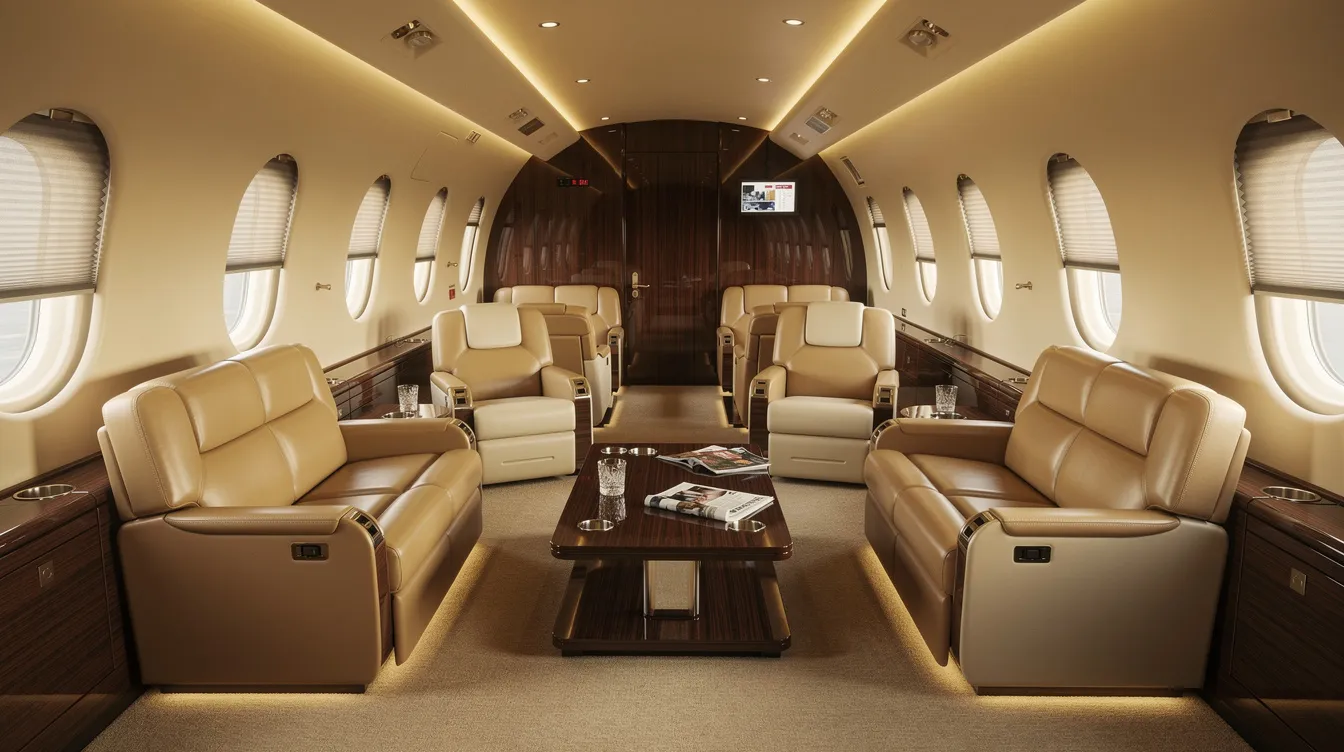
Chartering a Boeing 737-800 costs $11,000 to $18,000 per hour, though rates depend on route, season, and repositioning costs. Charter pricing includes occupied flight hours and additional fees such as airport handling, crew overnighting, catering, and ground transportation, and broader resources on affordable private jet charter pricing can help contextualize these figures against smaller aircraft options.
Several factors move pricing up or down, mirroring many of the drivers discussed in broader guides on how much a private jet costs overall:
Route length and direction: Longer flights mean more fuel burn; repositioning the aircraft to the departure point adds cost
Season and demand: Peak travel periods and popular routes command higher rates
On-board service level: VIP interiors and premium catering increase per-hour costs
Airport fees: Landing, handling, and parking charges vary widely by airport, and tools like an airport locator for private jet charter make it easier to evaluate options that fit both route and budget
Flying closer to maximum speed can marginally reduce block time but increases fuel consumption. Most charter operators choose an economical cruise profile that still delivers dramatic time savings compared to connecting commercial flights. Empty-leg flights can significantly reduce charter costs when available, offering the same aircraft at a fraction of the standard rate, and platforms that crowdsource private jet flights and share empty seats further improve cost efficiency by filling otherwise unused capacity.
Jettly's platform helps optimize aircraft choice so clients are not overpaying for capacity or speed they do not need. For detailed cost estimates, clients can use the Private Jet Cost Calculator, learn more about how much it costs to charter a 737, or review a broader guide on understanding one private jet flight cost across aircraft types.
The Boeing 737-800 is the right tool when you need to move a large group — typically 80–189 passengers — point-to-point within its range envelope. It excels on missions where synchronized arrival and departure matter: product launch tours, incentive travel events, or transporting a full sports roster plus coaching and support staff.
Compared to other categories on the Jettly platform, which positions itself as a flexible NetJets alternative for flying private:
Light, midsize, and heavy business jets cruise at similar Mach numbers but carry far fewer passengers — ideal for executive teams of 4–16, not groups of 100+
Widebody airliners (Boeing 767, Airbus A330) suit ultra-long-haul or very large groups but come with higher hourly costs and may be unnecessary for routes under 3,000 nautical miles
A practical use case: a multinational company launching a product across five cities in one week. A commercial airline charter on a 737-800 moves the entire team — executives, support staff, equipment - on a single aircraft with consistent schedules. The cruise speed keeps transit times tight, and the capacity avoids splitting the group across multiple flights.
Jettly enables on-demand access without jet cards or fractional ownership, making occasional large-group missions feasible and cost-transparent. Clients who need guidance on sizing can explore resources like the private jet for 50 passengers guide for smaller groups and consult the ultimate list of charter airlines to better understand the broader private aviation landscape.
The Boeing 737-800's maximum speed limits (Mmo and Vmo) are derived from extensive flight testing, structural analysis, and certification by regulators including the FAA and EASA. Aircraft speeds are constrained by operational limits set for safety, with margins designed to account for turbulence, gusts, and unexpected atmospheric conditions.
The flight deck includes overspeed warnings and automatic protections that alert crews if the aircraft approaches Mmo or Vmo. Rapid descents, strong turbulence, or mismanaged energy can push speeds toward these limits, making the warning systems a critical layer of protection. Pilots adjust speeds in turbulence to protect the airframe, often reducing Mach well below the normal cruise setting.
The 737-800 has a strong safety record within the broader 737 NG context. Regulators continuously monitor in-service data across the global fleet, and airworthiness directives address any emerging issues promptly, while reputable charter brokers such as Dexter Air Taxi on the Jettly platform work only with licensed operators that respect these standards.
For charter clients, this matters: reputable operators sourced through a platform like Jettly must comply with strict operational procedures, maintenance standards, and crew training requirements — all designed around these certified limits. The reliability of the model and the maturity of its operating ecosystem mean fewer surprises and more consistent performance.
The certified maximum operating Mach (Mmo) is Mach 0.82, which translates to roughly 620–630 mph at cruise altitude depending on temperature and atmospheric pressure. Pilots must remain below this limit at all times. It represents the structural and aerodynamic boundary beyond which the aircraft is not certified to operate.
Most airlines and charter operators cruise between Mach 0.78 and 0.79, yielding a cruising speed of approximately 523 mph. This range balances fuel efficiency and schedule reliability. Only small variations occur based on winds, routing preferences, and individual airline cost index policies.
All three aircraft families have similar cruise speeds, generally around Mach 0.78–0.80, with a shared Mmo near Mach 0.82. Differences in block time between them on the same route are usually small — often five minutes or less. The 737 MAX and A320neo families focus more on fuel efficiency and carbon emissions reductions than on achieving higher maximum speeds.
Increasing cruise Mach from 0.78 to 0.80 may save only six to ten minutes on a typical 2,000-mile medium-haul route, while increasing fuel burn by 3–5 percent for that segment. Operators generally prioritize efficiency over these marginal time savings unless recovering from schedule disruptions.
Jettly can source Boeing 737-800 aircraft and similar high-capacity jets through its global operator network. The platform provides instant pricing, transparent cost breakdowns, and access to over 20,000 aircraft. For specific routes, dates, and group sizes, travelers can request a quote or explore options at https://www.jettly.com.
The Boeing 737- 800 maximum speed — an Mmo of Mach 0.82 — defines the aircraft's certified operating envelope. In day-to-day service, airlines and charter operators cruise at Mach 0.78–0.79, delivering a cruising speed of approximately 523 mph across a range profile that supports most short- and medium-haul missions at competitive block times.
For most travelers, the real value comes from a combination of schedule reliability, passenger comfort, and total time savings - not from pushing the aircraft to its extreme speed limits. The 737-800's blend of proven efficiency, strong range, and flexible seating capacity keeps it relevant for airlines and charter operators alike.
Jettly uses its digital marketplace to match clients with aircraft like the 737-800 that fit their required speed, capacity, and route efficiently. Whether for a corporate shuttle to Houston private jet charter hubs, a team movement, or a large private event, the platform delivers transparent pricing and access to a global fleet.
Ready to experience private travel on your terms? Whether you are planning routes to major business centers or regional destinations like Kolkata with dedicated private jet charter services, looking to understand jet card costs in detail, or even interested in Jettly's ULTRAhigh-ticket affiliate program, you can explore flight options or request a quote at https://www.jettly.com.
Share this post:
Jay Franco Serevilla
Oct 17, 2026
|
5
min read
Discover tips and trends in the industry.
5
min read
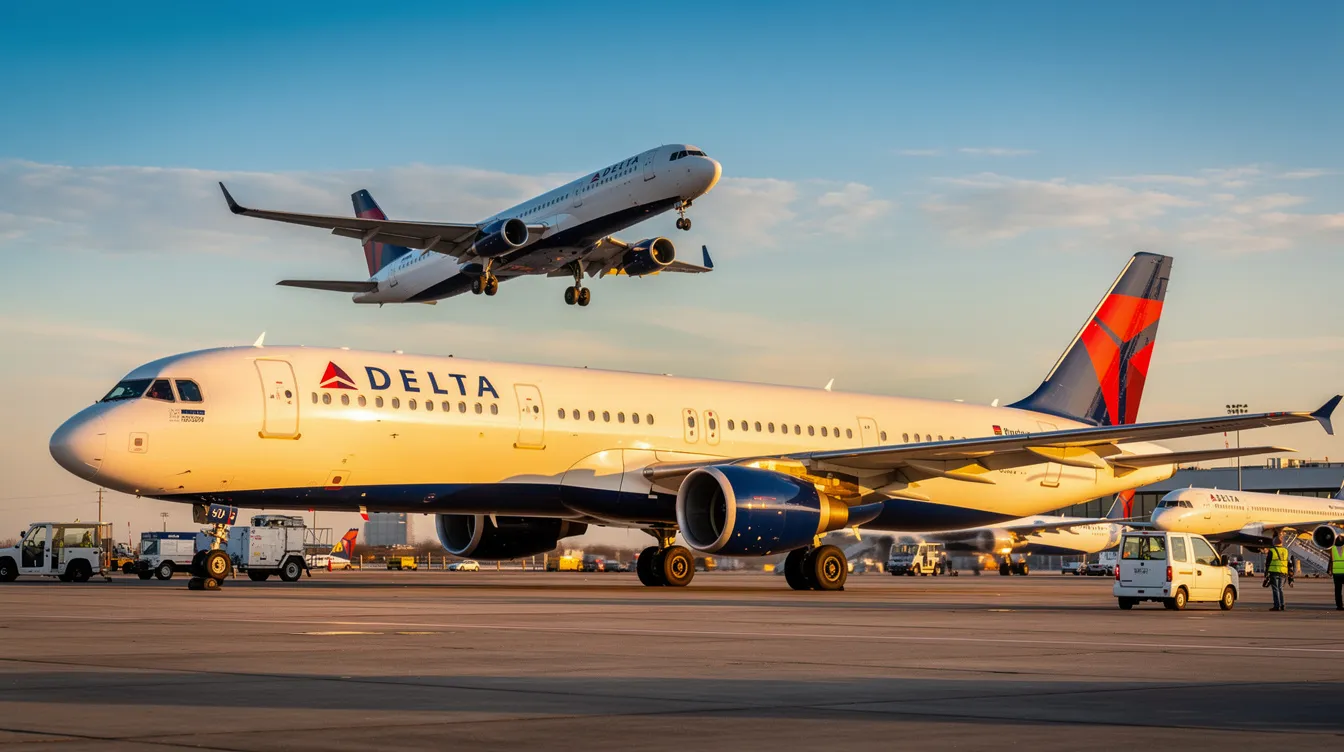
Delta Airline Planes: Fleet History, Current Aircraft, And How They Compare To Private Jets
Delta Air Lines boasts one of the largest fleets in the world, featuring over 1,000 aircraft from Airbus and Boeing. This article explores Delta's fleet history, current aircraft, and the advantages of private jet charters for travelers seeking flexibility and privacy. Discover how Delta's evolution from historic jets to modern fuel-efficient models shapes the aviation landscape today.
Read More
5
min read
Aircraft Charter Guide: How to Choose, Book, and Fly with Confidence
This comprehensive aircraft charter guide provides essential insights on how to choose, book, and fly with confidence using Jettly's digital platform. It covers various jet categories, the charter process, and highlights the benefits of private aviation for both personal and business travel. With access to over 20,000 aircraft and transparent pricing, Jettly simplifies the charter experience for travelers.
Read MoreStay updated with our latest insights and tips to elevate your journey with us.
MEMBERSHIPS AND ASSOCIATIONS



Disclaimer: Jettly operates as a charter broker, offering access to a global digital jet charter marketplace. Jettly is not a direct air carrier and does not own or operate aircraft. All advertised flights are conducted by third-party air carriers that are fully licensed and hold the appropriate Part 135 or Part 121 certifications issued by the Federal Aviation Administration (FAA) or equivalent regulatory authorities under U.S. or foreign law. Jettly complies fully with the U.S. Department of Transportation's Part 295 and Part 298 Charter Broker regulations. Jettly does not carry additional liability insurance. Passengers are covered by aircraft operator insurance. TICO: 50023770


