



Login
Get Instant Pricing On 23,000+ Aircraft

>

The total weight a single-engine aircraft can carry is referred to as its useful load, which includes the weight of fuel, passengers, and cargo. Understanding useful load is essential for pilots, aircraft buyers, and charter customers alike. Whether you’re a pilot planning safe and efficient flights, an aircraft buyer evaluating which model best fits your mission needs, or a charter customer seeking the right aircraft for high-capacity trips, knowing the useful load ensures you can safely and legally carry what you need. Efficient single-engine load-haulers are defined by a high useful load relative to fuel consumption and operating costs, making this a key metric for anyone seeking the best useful load single-engine plane.
This article is designed for anyone evaluating the best useful load single-engine plane—whether you’re considering ownership or exploring charter options for high-capacity missions. We cover both ownership and charter considerations, providing a comprehensive guide to help you make informed decisions based on your mission profile, budget, and operational preferences.
Below is a summary table comparing the useful load figures for leading single-engine aircraft. A useful load over 1,000 lbs is generally considered impressive for high-capacity single-engine planes in general aviation.
|
Aircraft Model |
Useful Load (lb) |
Source/Notes |
|---|---|---|
|
Cessna 185 Skywagon |
1,600 |
Cessna 185 POH – One of the most capable single-engine utility aircraft |
|
Cessna T206 Turbo Stationair HD |
1,623 |
Cessna T206 POH – Turbocharged, ideal for various missions |
|
Piper PA-32 Cherokee Six 300 |
1,500 |
Piper PA-32 POH – Six seats, strong utility, 140+ knots cruise |
|
CubCrafters XCub |
1,080 |
CubCrafters XCub Specs – Extreme STOL, two seats |
|
Aviat Husky A-1C |
950 |
Aviat Husky Specs – Rugged, backcountry specialist |
|
Maule M-7 |
900 |
Maule M-7 Specs – Four seats, bush capability |
|
Impressive Benchmark |
1,000+ |
A useful load over 1,000 lbs is considered impressive for single-engine aircraft |
Transition: Now that you have a quick comparison of the top contenders, let’s explore why useful load matters and how it shapes your aircraft selection process.
The total weight a single-engine aircraft can carry is referred to as its useful load, which includes the weight of fuel, passengers, and cargo. Useful load is the difference between an aircraft’s maximum takeoff weight (MTOW) and its basic empty weight. This figure, typically expressed in pounds, represents everything you can put in the airplane: fuel, oil, passengers, baggage, and any additional equipment.
Useful load vs. payload: Useful load includes fuel weight, while payload refers to what remains after fueling. For example, if your aircraft’s useful load is 1,600 lb and you fill up with 520 lb of fuel, your remaining payload for people and baggage is 1,080 lb.
Efficient single-engine load-haulers are defined by a high useful load relative to fuel consumption and operating costs. This is especially important for pilots and operators who need to maximize the number of passengers or amount of cargo they can carry without exceeding weight limits or sacrificing range.
Transition: With a clear understanding of useful load, let’s review the key considerations and takeaways for selecting the best useful load single-engine plane for your needs.
Mission Profile Matters:
Finding the best useful load single-engine plane requires balancing raw payload numbers against your actual mission profile. Consider whether you prioritize passengers, cargo, or the ability to operate from short or rough runways.
Utility Aircraft Versatility:
Utility aircraft are known for their ability to operate from rough strips and require less runway than their less utilitarian counterparts. Many single-engine aircraft used for hauling are designed with Short Takeoff and Landing (STOL) capabilities.
Rugged Landing Gear:
Robust landing gear enhances reliability and ruggedness for rough-strip hauling in single-engine planes, a common feature among top utility models.
Top Contenders:
Cessna 206 Turbo Stationair HD (1,600+ lb, six seats, cargo doors)
Cessna 185 Skywagon (1,600 lb tailwheel ruggedness, versatile on wheels, bush tires, floats, or skis)
Piper PA-32 Cherokee Six 300 (1,500 lb cabin volume, capable of speeds over 140 knots while burning about 15 gallons per hour)
CubCrafters XCub (1,080 lb extreme STOL)
Aviat Husky A-1C (950 lb rough-strip versatility)
Maule M-7 (900 lb four-seat backcountry capability)
Charter as an Alternative:
Owners can charter larger aircraft instead of upgrading their fleet. Jettly’s on-demand charter platform offers a cost-effective alternative to buying and operating a heavy hauler for occasional high-payload missions.
Detailed Guidance:
This article provides detailed aircraft summaries, spec comparisons, and guidance on when ownership makes sense versus booking a private charter.
Transition: Next, let’s look at a practical example of how useful load calculations work in real-world scenarios, before diving into detailed aircraft breakdowns.
Here’s a practical breakdown using a typical six-seat piston single:
|
Component |
Weight (lb) |
|---|---|
|
Useful Load |
1,600 |
|
Full Fuel (88 gal) |
520 |
|
Remaining Payload |
1,080 |
|
Four Adults (avg) |
680 |
|
Baggage Allowance |
400 |
The total weight a single-engine aircraft can carry is called its useful load, which includes the weight of fuel, passengers, and cargo. The distinction between useful load and payload matters for planning. So, useful load includes fuel weight, while payload refers to what remains after fueling. This explains why “full fuel, full seats” scenarios are often unrealistic in smaller single-engine airplane configurations—the math simply doesn’t work for many pilots.
Modern avionics upgrades can paradoxically reduce useful load. While glass cockpits like Garmin G1000 systems may save 50-100 pounds over steam gauges, additions like autopilots (30-50 lb), air conditioning (50-80 lb), and de-icing equipment (40-70 lb) often increase empty weight by 100-200 pounds. Always check the actual weight and balance sheet for a specific aircraft before purchase.
Single-engine aircraft generally reduce maintenance costs and fuel consumption compared to twin-engine aircraft with similar capacities, making them an efficient choice for many operators.
Chartering through platforms like Jettly lets travelers treat useful load as a selection filter. Rather than calculating weight and balance, passengers simply specify seats and luggage requirements, and the platform matches missions to private charter aircraft with verified payload capacity.
Transition: Now that you understand the basics of useful load and its impact on real-world operations, let’s dive into the top single-engine planes for useful load in 2026, with detailed breakdowns for each model.
The following aircraft represent the strongest payload performers across piston singles and backcountry specialists in 2026. Each excels in specific mission profiles.
Around 1,600+ lb useful load, six seats, strong short-field capability, turbocharged engine allowing higher performance at altitude, often called the 'SUV of the skies' for its legendary durability and reliability.
~1,600 lb useful load with tailwheel ruggedness and float options; highly versatile, capable of operating on wheels, bush tires, floats, or skis, allowing access to a wide range of environments and missions.
Six-seat cabin, roughly 1,500 lb useful load in typical configurations; capable of speeds over 140 knots while burning about 15 gallons per hour, making it a capable utility aircraft.
Useful load just over 1,000 lb with extreme STOL performance.
Two seats, ~900+ lb useful load, excellent for rough strips.
Four seats, near 900 lb useful load, backcountry-capable.
Celebrated for its luxurious appeal, cutting-edge features, and efficient performance, it is a top choice among single-engine aircraft.
Renowned for its blend of speed, safety, and operational simplicity, making it a perennial favorite in general aviation.
Noted as the only pressurized aircraft in its category, it provides enhanced comfort and capability for long-distance travel.
Known for excellent short-field performance, requiring very little runway to operate effectively, making it suitable for unimproved airstrips.
These numbers are approximate and vary by year, options, and modifications. Buyers should check the current POH and weight & balance documentation for exact figures on any specific airframe.
Pilots flying larger groups or carrying large amounts of gear may want to compare ownership costs against on-demand private jet charter estimates for turboprops via Jettly for longer or international legs.
Transition: Let’s now explore each of these top aircraft in detail, highlighting their unique strengths and mission profiles.
The Cessna 206 Turbo Stationair HD stands as one of the most useful single-engine planes for owners who need six seats and serious cargo capability in 2026. Aviation experts frequently call it the “SUV of the skies” for good reason.
Typical useful load exceeds 1,600 lb in common 2020s configurations. After loading full fuel (approximately 520 lb for 88 gallons), owners retain roughly 1,100 lb for payload—enough for four 180-lb adults plus 380 lb of baggage capacity.
Performance specifications:
Engine: 310 hp Lycoming TIO-540 (turbocharged), allowing higher performance at altitude and increased gross weights.
Cruise speed: 160-165 knots
Range: 700+ nm with standard tanks
Takeoff roll: Approximately 1,000 feet at sea level
Landing roll: Short-field optimized
The large double-sided cargo doors and float-attach points make the 206 popular among fishing lodges and remote resorts throughout Canada and Alaska. The rugged fixed-gear and high-wing design suits short, unimproved runways exceptionally well, providing greater stability under heavy load.
For owners regularly hauling gear into remote strips, the 206 makes financial sense. Travelers doing occasional heavy trips can use Jettly to book a turboprop-class charter instead of committing to purchase and operating costs.
Transition: Next, let’s look at the Cessna 185 Skywagon, a legendary tailwheel workhorse with a big payload.
Though out of production since 1985, the Cessna 185 remains one of the most useful-load single-engine taildraggers on the used market, commanding prices between $300,000 and $500,000 depending on condition and modifications.
Typical useful load ranges from 1,500 to 1,600 lb. This translates to six seats occupied plus baggage on shorter legs, or four people with gear and generous fuel for longer backcountry flights.
|
Specification |
Value |
|---|---|
|
Engine Power |
260-300 hp |
|
Cruise Speed |
140-150 knots |
|
Fuel Burn |
14-16 gph |
|
STOL Capability |
Excellent |
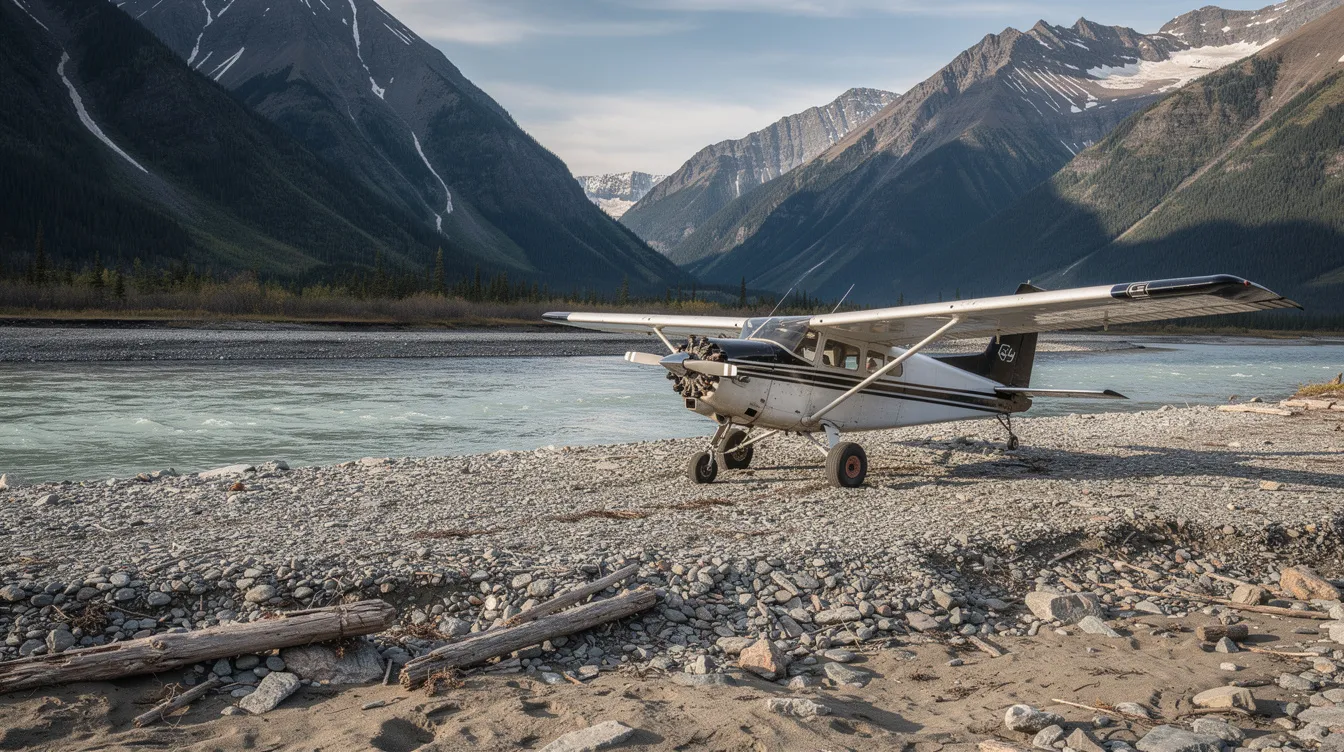
The aircraft’s Alaska and bush-flying legacy includes operations from 300-foot sloped gravel bars on tundra tires or floats. Its robust landing gear enhances reliability and ruggedness for rough-strip hauling, a key feature for utility aircraft. The Cessna 185 is highly versatile, capable of operating on wheels, bush tires, floats, or skis, allowing it to access a wide range of environments and missions. Student pilots should note that tailwheel skills and training are essential—the 185 demands proficiency to manage prop clearance on uneven terrain.
Frequent off-grid users may justify owning a 185 as a rugged performer. Occasional adventure travelers might opt for chartered wilderness flights discovered via Jettly, avoiding the ongoing maintenance and insurance costs of taildragger ownership.
Transition: For those who value cabin volume and speed, the Piper PA-32 Cherokee Six 300 is a standout. Let’s see how it compares.
The Piper PA-32 Cherokee Six 300 remains a classic six-seat, single-engine hauler, prized for its spacious cabin and a solid useful load at a relatively modest acquisition cost in the used market.
Typical useful load falls in the 1,450-1,600 lb neighborhood, depending on year and equipment. The forward baggage compartment (120 lb capacity) and rear cargo access (200 lb capacity) make real-world loading straightforward.
Key specifications:
Engine: 300 hp Lycoming IO-540
Cruise speed: 140-150 knots
Fuel burn: 15 gph
Seats: Six with baggage capacity
The Piper PA-32 Cherokee Six 300 combines speed, payload, and cabin volume, making it a capable utility aircraft. Its low-wing design limits it slightly on very rough strips compared to taildraggers, but it proves comfortable and stable on paved and grass fields.
Example mission: A family of five (averaging 170 lb each = 850 lb) plus 400 lb of luggage can fly 400-500 nm with adequate fuel reserves, demonstrating how useful load figures translate into practical planning.
Travelers needing Cherokee Six-type utility on routes they don’t fly often could compare total ownership operating costs against affordable private jet charter options via Jettly.
Transition: For pilots seeking extreme STOL performance and high useful load in a two-seat package, the CubCrafters XCub is a modern favorite.
The CubCrafters XCub represents a modern, certified two-seat taildragger offering standout useful load for its category—around 1,000-1,080 lb—making it notable among backcountry piston singles.
Powered by approximately 180 hp Lycoming O-360, the XCub delivers:
Cruise speed: 120-125 knots
Range: 800-1,000 nm, depending on power settings
Takeoff/landing roll: ~170 feet demonstrated
This extreme STOL capability enables safe operations from very short runways—short grass, gravel, and river bars—with a meaningful payload. The useful load is effectively divided among the pilot, passengers, camping gear, and extra fuel, making it ideal for adventure flying, aerial photography, and remote property access.
While it can’t match six-seat haulers in total payload, the XCub’s ratio of useful load to empty weight (nearly 50% versus 40% in 1950s designs) and its performance from tiny strips place it among the best useful load single-engine planes for two-person missions.
Transition: For those who prioritize ruggedness and backcountry access, the Aviat Husky A-1C and Maule M-7 are top choices. Let’s compare their strengths.
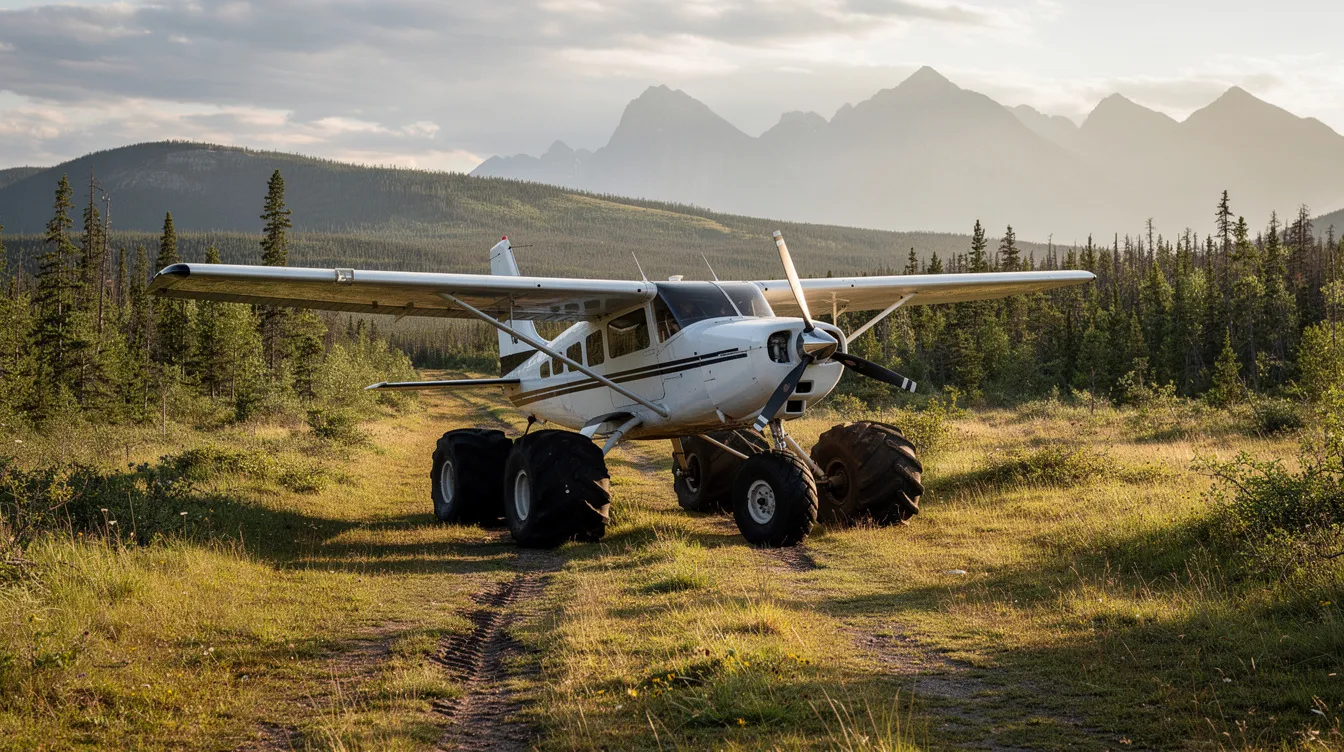
Both the Aviat Husky A-1C and Maule M-7 trade speed and luxury for useful load and rugged capability, serving pilots who prioritize backcountry access over cruise performance.
Aviat Husky A-1C:
Useful load: 850-950 lb, depending on configuration
Engine options: 180-200 hp Lycoming
Cruise speed: 120-135 knots
Stall speed: ~40 knots
Specialty: Versatility with tundra tires, skis, and floats for remote access
Maule M-7:
Useful load: 850-900 lb
Configuration: Four seats with a large cargo door
Cruise: 135-140 knots
Climb rate: Strong for backcountry departures
Construction: Tube-and-fabric adaptable to floats and bush operations
Both aircraft suit owners who frequently fly into short, rough strips. The Husky excels at two-person cargo missions, while the Maule offers additional seating for family transport into remote areas.
Occasional backcountry travelers might charter similar types—or helicopters and turboprops—using Jettly’s airport locator tool and charter platform for specific expeditions rather than maintaining a specialized bush plane year-round.
Transition: Now that you’ve seen the top aircraft options, let’s discuss how useful load influences the decision between ownership and charter.
Choosing a larger, more complex single-engine airplane solely to gain extra useful load can significantly increase acquisition and operating costs. Understanding these costs and your mission patterns is essential.
Annual ownership costs for a 206-class aircraft (estimated):
|
Cost Category |
Annual Amount |
|---|---|
|
Hangar |
$12,000 |
|
Insurance |
$5,000-$6,000 |
|
Maintenance |
$20,000 |
|
Engine Reserve |
$15,000 |
|
Fuel (200 hrs) |
$13,600 |
|
Total |
$65,000-$80,000 |
Regular weekly or monthly heavy-load trips may justify ownership.
Sporadic hunting trips, ski weekends, or family reunions may be cheaper as private charters, especially when a larger turboprop or light jet is more time-efficient.
Jettly allows travelers to filter aircraft by passenger count and baggage needs, effectively outsourcing the “useful load math” to vetted operators through its private jet membership programs. Charter removes concerns about weight-and-balance paperwork, seasonal demand for backcountry planes, and financing, making it attractive to those who primarily care about efficiently getting groups and equipment from A to B.
Transition: Let’s see how Jettly’s platform helps travelers match aircraft to their payload needs, simplifying the process even further.
Jettly operates as a digital private-jet and aircraft-charter marketplace, providing on-demand access to over 20,000 aircraft globally without ownership commitments as a compelling NetJets alternative for flying private. The platform connects business and leisure travelers with vetted operators for flights ranging from turboprops to heavy jets.
Travelers enter route, dates, passenger count, and baggage or equipment needs. Jettly’s platform surfaces suitable aircraft options that meet payload requirements with transparent pricing and instant quoting.
Example use cases where payload drives aircraft choice:
Six executives plus presentation gear on a New York–Chicago round trip
A family ski trip with bulky luggage from Los Angeles to Aspen
Emergency medical or time-sensitive cargo needing same-day uplift
Jettly emphasizes transparent pricing, instant or rapid quoting, and jet card membership options. These features can compare favorably with the fixed costs of owning a heavy-hauling single-engine airplane when flights are occasional rather than weekly.
Safety remains central: Jettly connects travelers only with licensed operators that meet FAA, EASA, and regional aviation safety standards—reassuring those considering crowdsourced and shared private jet flights for high-payload trips carrying valuable cargo or passengers.
Learn more about Jettly’s charter options at https://www.jettly.com.
Transition: For further clarity, let’s address some frequently asked questions about useful load and single-engine aircraft selection.
“Good” varies significantly by aircraft category. Around 1,000 lb is strong for a two-seat backcountry aircraft like the XCub, while 1,400-1,600+ lb is competitive for six-seat piston singles like the Cessna 206 or Piper PA-32. Many pilots flying the Cessna Skyhawk (four seats) operate with a useful load of approximately 800-900 lb.
Compare useful load against your actual missions:
Number of passengers
Average baggage per person
Desired fuel reserves
Always check the actual weight and balance data for the specific aircraft—not brochure numbers—especially on older or heavily modified airframes where production specifications no longer apply.
Replacing steam gauges with modern glass cockpits can sometimes reduce empty weight by 50-100 lb. However, added options such as autopilot systems (30-50 lb), de-icing equipment (40-70 lb), and air conditioning (50-80 lb) often increase the total weight. The Cessna TTX, for example, ships equipped with advanced avionics that add to its empty weight compared to simpler models.
Always request updated weight-and-balance documentation after avionics work. Improved situational awareness enhances safety and mission capability, which may justify a slight payload reduction for many pilots.
Single-engine turboprops like the Pilatus PC-12 (approximately 2,500 lb useful load) and Cessna Caravan offer significantly higher payload and cabin volume than piston singles. They also cruise faster—the PC-12 reaches 285-290 knots versus 160 knots for a Cessna 206.
However, turboprops cost $5M+ to acquire and carry higher operating costs. They make sense for commercial operations, business transport, or high-hour owners. Travelers who occasionally need turboprop-level payload may find it more economical to charter via Jettly than to own outright.
While brochures sometimes imply “full fuel, full seats,” real-world operations must account for maximum takeoff weight, center-of-gravity limits, runway performance, and density altitude. Hot-and-high conditions at places like Vero Beach in summer or mountain airports can slash effective payload by 20-30%.
Run weight and balance calculations for each flight. For trips truly requiring full fuel, full seats, and maximum baggage, stepping up to a larger aircraft via private charter often proves safer and more practical than pushing limits on a smaller plane.
Consider the following factors:
How many heavy-payload trips per year do you expect
Average trip length
Whether routes involve rough strips or only paved airports
Annual flying hours (e.g., 100+ hours into backcountry destinations may justify ownership)
Total ownership costs (financing, maintenance, hangar, insurance, training)
Sample charter quotes available at https://www.jettly.com
The answer often depends on whether flying is part of your life or an occasional means of transportation.
There is no single best, most useful single-engine plane for every pilot. The Cessna 206 dominates six-seat utility flying, the Cessna 185 excels on rough tailwheel operations, the PA-32 Cherokee Six delivers cabin volume at lower cost, and the XCub, Husky, and Maule M-7 each own specific backcountry niches.
Useful load figures must be considered alongside runway length, typical passenger count, baggage type, and terrain. The real-world impact of modern avionics and options on empty weight makes checking actual POH data essential before any purchase decision.
For many travelers and business owners, private charter through Jettly delivers the payload, range, and scheduling flexibility they need, without the risk and complexity of aircraft ownership. Whether transporting a board of directors or a family with skis and luggage, matching the right plane to the mission matters more than owning one outright, including details like in-flight catering for private jets when comfort is a priority.
Ready to experience private travel on your terms? Explore flight options or request a quote at https://www.jettly.com for your next high-payload mission.
Share this post:
Jay Franco Serevilla
Apr 13, 2026
|
5
min read
Discover tips and trends in the industry.
5
min read
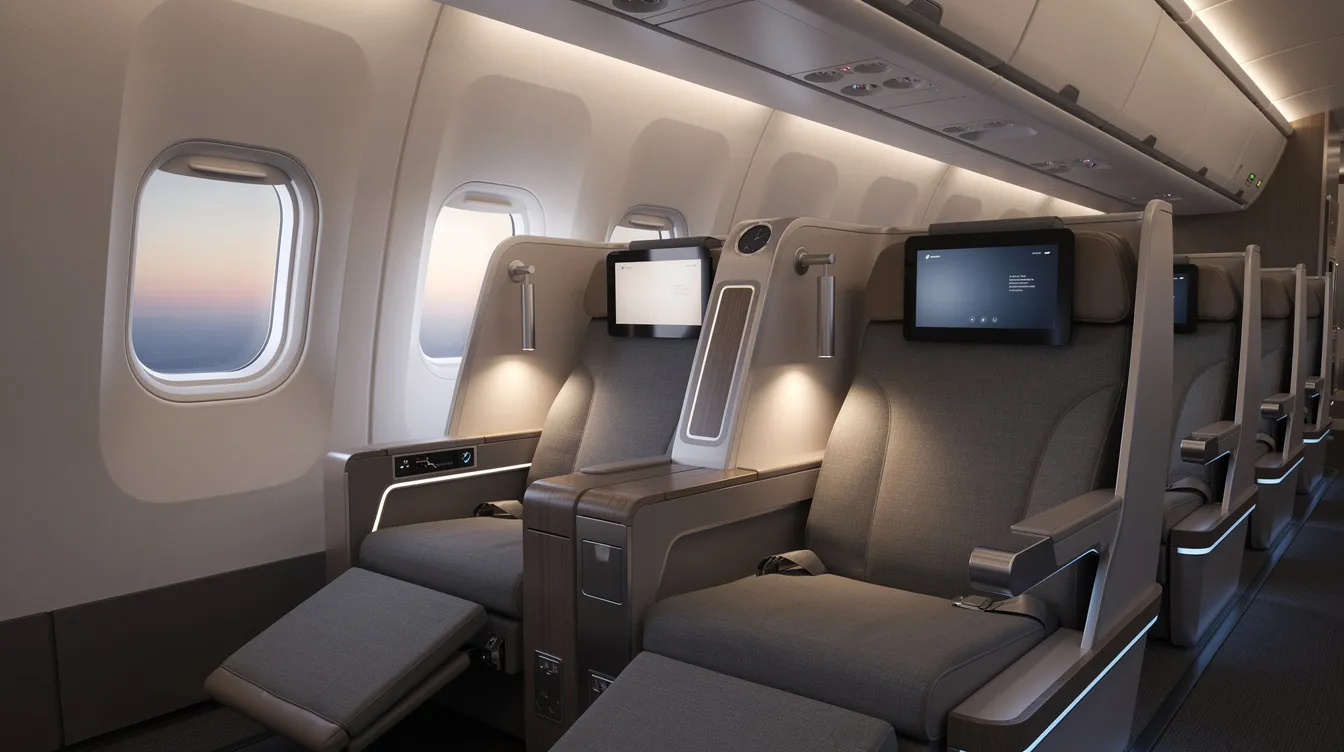
Business Class in Flight: Comfort, Cost, and Private Jet Alternatives with Jettly
Flying business class offers travelers enhanced comfort, priority services, and access to airport lounges, making long-haul flights more enjoyable. However, for those seeking ultimate privacy and flexibility, private jet charters through platforms like Jettly present a compelling alternative. This guide explores the benefits, costs, and comparisons between business class and private jet travel.
Read More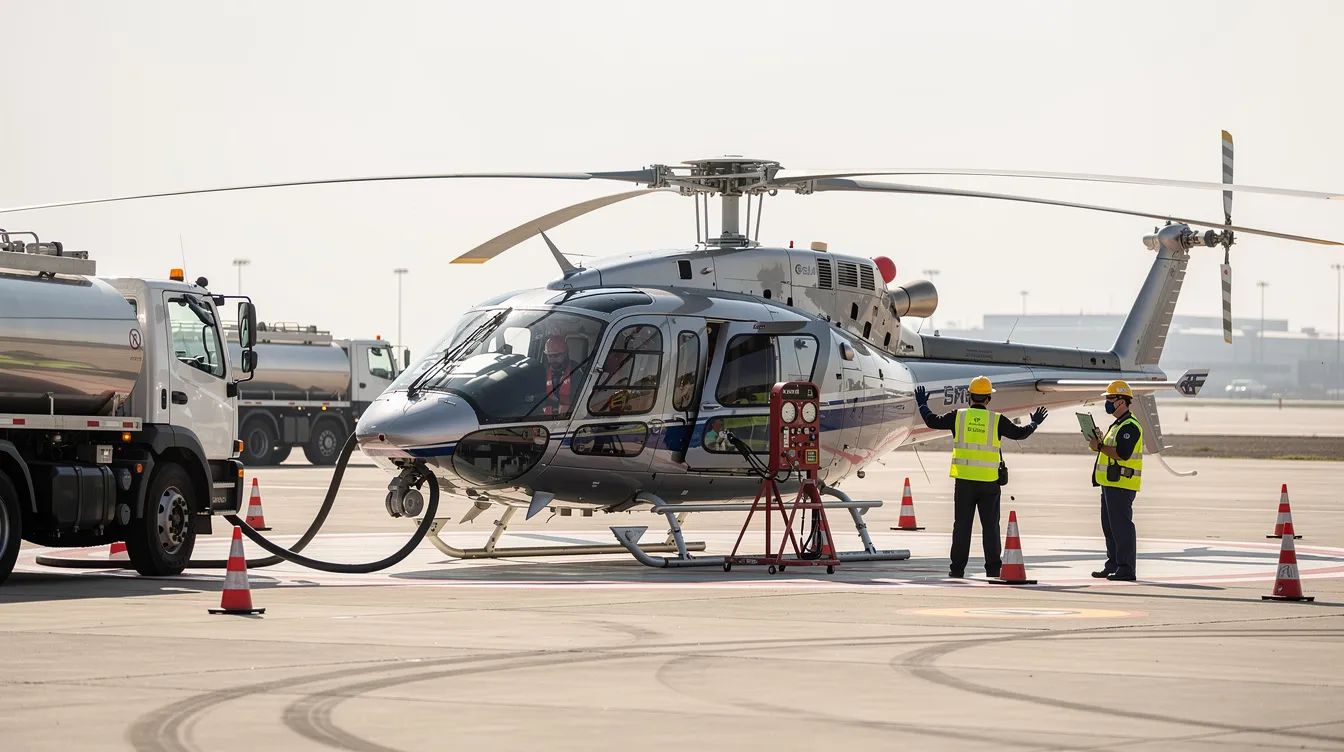
5
min read
Price of Helicopter Fuel: What It Really Costs to Fly
Understanding helicopter fuel prices is essential for charter flight customers, as fuel is the largest variable cost in helicopter operations. This article details current fuel prices, burn rates across various helicopter models, and regional price variations, helping customers make informed decisions. Jettly's transparent pricing model incorporates these factors, ensuring no surprises during booking.
Read MoreStay updated with our latest insights and tips to elevate your journey with us.
MEMBERSHIPS AND ASSOCIATIONS



Disclaimer: Jettly operates as a charter broker, offering access to a global digital jet charter marketplace. Jettly is not a direct air carrier and does not own or operate aircraft. All advertised flights are conducted by third-party air carriers that are fully licensed and hold the appropriate Part 135 or Part 121 certifications issued by the Federal Aviation Administration (FAA) or equivalent regulatory authorities under U.S. or foreign law. Jettly complies fully with the U.S. Department of Transportation's Part 295 and Part 298 Charter Broker regulations. Jettly does not carry additional liability insurance. Passengers are covered by aircraft operator insurance. TICO: 50023770


