


Login
Get Instant Pricing On 23,000+ Aircraft

>
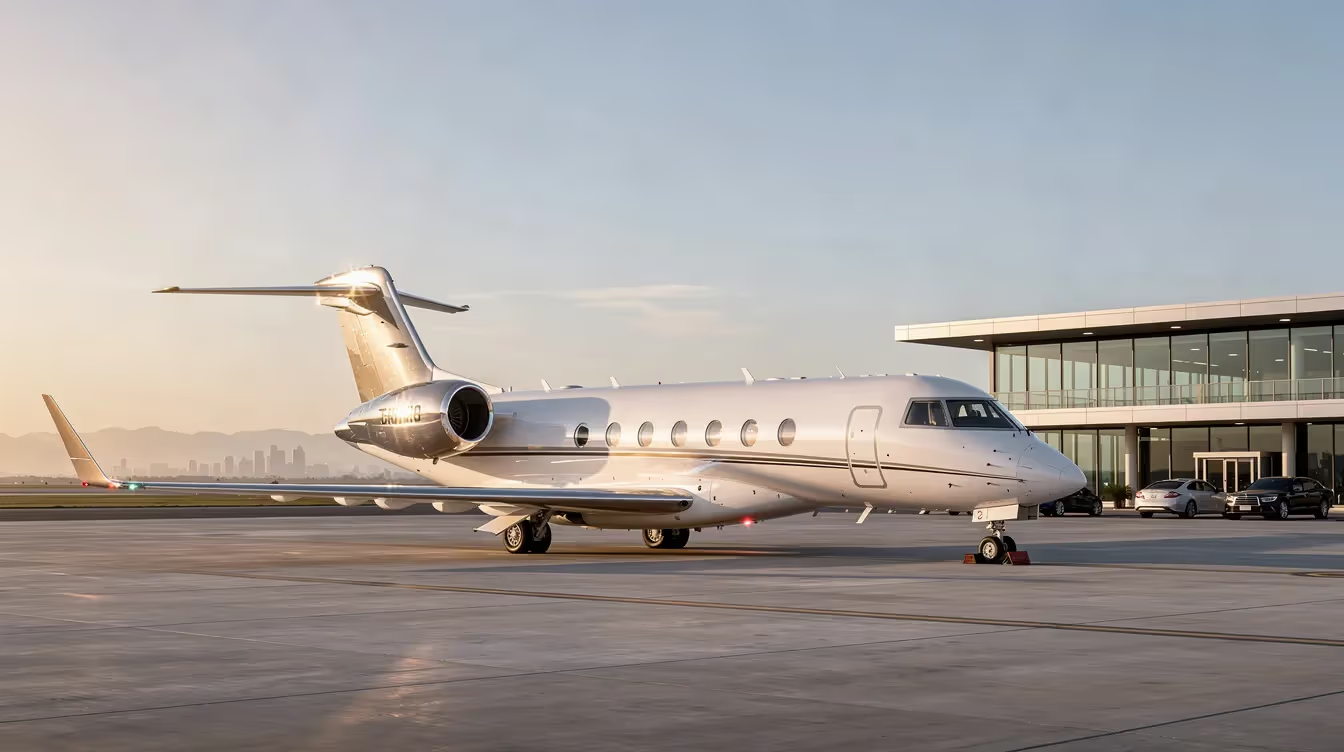
Choosing the best planes for private jet travel means balancing multiple factors: trip length, passenger count, budget, and airport access. Unlike commercial flights, private aviation offers unmatched flexibility, allowing travellers to select aircraft that precisely fit their needs. Whether flying a quick business trip, a family vacation, or an urgent medical flight, the right plane enhances comfort, efficiency, and convenience.
This guide is for private jet travelers, business executives, and anyone considering private aviation in 2026. Choosing the right aircraft can dramatically improve comfort, efficiency, and value for every trip.
This guide explores the top private aircraft options available in 2026, highlighting models across light jets, midsize jets, large-cabin jets, and turboprops. It explains key features, performance metrics, and cost considerations to help travellers make informed decisions, and complements deeper resources on choosing the best personal plane for ownership. Jettly’s digital platform simplifies access to thousands of aircraft worldwide, providing transparent pricing and instant booking to put control back in the hands of private flyers.
Discover how to match your mission to the plane that delivers the best experience, whether that means speed, range, cabin comfort, or operating cost. Advanced lighter materials and aerodynamic designs in modern jets result in 20-25% better fuel efficiency, supporting more sustainable travel choices. With the right information and tools, private jet travel becomes practical, flexible, and perfectly tailored to your journey.
The best commercial aeroplanes currently in operation are also favoured for their superior cabin comfort, quietness, and fuel efficiency. For example, the Airbus A380, the world's largest passenger plane and an engineering marvel, is a double-decker aircraft capable of carrying over 800 passengers in an all-economy configuration, though it typically carries around 500 across multiple classes. Its wide cabin allows for diverse seating layouts and premium amenities such as bars and lounges, making it an iconic choice for passenger comfort and quiet operation in the aviation industry. Similarly, the Boeing 747, often called the ‘queen of the skies,’ was the first widebody passenger aircraft and has been a significant part of commercial aviation since its first flight in 1970, remaining iconic for its distinctive upper deck seating and design, much as dedicated operators like Dexter Air Taxi’s private jet service have become synonymous with flexible point-to-point travel in the charter world.
Other leading commercial aircraft, like the Airbus A350 and Boeing 787 Dreamliner, are designed with passenger comfort and fuel efficiency in mind. The Airbus A350 is designed with high ceilings and wide seats, providing a spacious feel and is often chosen for long-haul flights due to its fuel-efficient design. The Boeing 787 Dreamliner enhances the passenger experience with larger, auto-dimming windows and improved cabin pressure to reduce jet lag. The Airbus A321XLR is designed to fly up to 11 hours with the efficiency of a smaller plane and brings wide-body luxury to single-aisle jets. The Boeing 777 is recognized for its range and passenger capacity, often serving as a workhorse for long-haul flights, while the Airbus A320 family is noted for its fuel efficiency and comfort in short to medium-haul operations, just as private-focused platforms like Zenflight’s instant-book charter marketplace prioritise efficiency and comfort in the on-demand segment.
The best planes for private travel depend entirely on mission type: short regional hops, transcontinental business trips, or ultra-long-range intercontinental flights each demand different aircraft.
Jettly’s digital marketplace provides access to 20,000+ aircraft, allowing travellers to select the ideal plane for each trip rather than being locked into a single type.
Modern jets like the Gulfstream G700, Bombardier Global 7500, and Dassault Falcon 8X define the current top tier of long-range private aviation, featuring multiple living zones and bedrooms designed for 12+ hour flights.
Light jets and turboprops—such as the Embraer Phenom 300E and Pilatus PC-12—are often the best planes for short, regional, and cost-efficient missions, with single-engine turboprops operating 30-60% cheaper than rival twin-engine jets.
Bombardier Challenger 3500 is widely considered the leader for cabin quietness and ride smoothness, featuring a flat-floor design to make the cabin feel more spacious.
Learn more and compare specific aircraft and pricing at Jettly, or request a quote at the end of this article.
Asking which aircraft is the “best” in private aviation is like asking which vehicle is the best on the road. A two-seater sports car serves a different purpose than a family SUV. The same logic applies to aircraft. Range, passenger count, budget, and airport access matter far more than brand names alone, and each model offers unique features and experiences compared to any other plane in its class.
This article focuses on private jets and high-end business aircraft in active use as of 2026. Unlike discussions about commercial aircraft or the world’s largest passenger plane, like the Airbus A380, this guide complements broader overviews of the best private aeroplanes and luxury aircraft options and instead addresses personal aircraft and charter options where travellers control the schedule, route, and onboard experience.
Jettly, as a private jet charter marketplace, helps customers match aircraft types to specific trip profiles and sits alongside other top private jet charter companies in the market. Its private charter aircraft inventory spans turboprops, light jets, midsize jets, and large-cabin jets. Whether the mission is a quick business commute, a family holiday, or urgent medical travel, the platform surfaces options across these categories. Key evaluation criteria throughout this article include:
Comfort and cabin layout, including advanced features like Bombardier Global 7500’s “Soleil” lighting system that reduces jet lag and four distinct living zones with a full bedroom.
Range and flight characteristics, with the fastest private aircraft reaching speeds around Mach 0.935 and flying over 7,000 nautical miles for true intercontinental capability.
Operating cost per hour, noting that single-engine turboprops can be 30-60% cheaper to operate than twin-engine jets; understanding how much it costs to fuel a private jet is also essential when comparing categories.
Airport flexibility and runway requirements, with aircraft like the Bombardier Challenger 3500 leading in cabin quietness and smooth ride, thanks to flat-floor design and modern insulation reducing noise.
Charter availability through digital platforms, including tools that let travellers locate nearby airports and plan routings around runway length and access constraints.
Unlike commercial flights, where passengers work around airline schedules and hub connections, private charter puts departure times and airport choices back in travellers’ hands. Skipping crowded terminals, using smaller airports closer to home and destination, and avoiding layovers can save 4–8 hours per round-trip compared to flying business class or first class on many airlines, especially on international private jet flights and long-haul routes where border formalities are streamlined.
Very light jets and light jets serve a specific role in private aviation: efficient, cost-effective transport for 4–8 passengers over distances up to approximately 1,800 nautical miles. These aircraft handle 1–3 hour flights such as Los Angeles–Las Vegas or London–Geneva with ease, offering a substantial upgrade over commercial alternatives without the hourly costs of larger aircraft. Their simpler landing gear systems also contribute to lower maintenance costs and overall affordability, making them an attractive option for travelers seeking value and reliability.
The Phenom 300E has been one of the world’s best-selling light jets for several consecutive years. It seats around 7–9 passengers, offers a maximum range of 2,010 nm, and cruises at 464 knots. The updated Garmin G3000 avionics suite includes synthetic vision and auto-throttles. With hourly operating costs between $2,500 and $3,500, it represents strong value for North American and European business hops. The cabin offers 5.1 feet of height and 55 cubic feet of baggage space—enough for golf bags or skis.
The CJ4 Gen2 typically accommodates 7–8 passengers with a range of 2,165 nm and cruise speeds around 451 knots. Its short-field performance (takeoff in approximately 3,540 feet) makes it accessible at many secondary airports where larger jets cannot operate. Gen2 upgrades include enhanced cabin lighting, Wi-Fi, and reduced noise levels under 80 dB thanks to modern engines and improved insulation.
For travellers seeking a premium option with 4–6 passengers, the HondaJet Elite II delivers unique over-wing engines that create a quieter cabin experience (around 74 dB) and 15% better fuel efficiency than competitors. With a range of 1,437 nm and a cruise speed of 422 knots, it suits solo executives or small teams on frequent short sectors. Operating costs run $2,000–2,800 per hour.
Comfort and amenities: Light jets offer cabin heights between 4.8 and 5.1 feet, requiring some crouch for taller passengers but providing comfortable seating. Baggage capacity handles carry-ons, golf clubs, and ski equipment. Expect in-flight Wi-Fi, refreshment centres, and device charging as standard.
Light jets are the best planes from a value perspective when missions involve frequent regional business trips, small teams, and sectors under 1,800 nm. Compared to midsize jets, hourly rates drop 20–40%, and fuel consumption decreases proportionally. Guides that explain what drives the cost of a single private jet flight complement Jettly’s instant pricing, jet card flight cost estimator, and private jet charter cost estimator to let travellers compare light jets versus turboprops on specific city pairs—showing real cost differences before booking.
Midsize and super-midsize jets occupy the territory many corporate travellers consider ideal: 7–10 passengers, stand-up cabins, and ranges from approximately 2,500 to 3,500+ nm. These aircraft handle transcontinental routes like New York–Los Angeles, Toronto–Vancouver, or London–Dubai without fuel stops while maintaining competitive hourly rates.
Entering service in 2022, the Challenger 3500 offers 3,400 nm range, seating for 8–10 passengers, and a high-speed cruise of 470 knots. The flat-floor cabin measures 6.0 feet in height with 107 cubic feet of baggage space. Voice-controlled cabin technology and lower cabin altitude (4,850 feet at FL450) reduce fatigue. Modern engines and insulation contribute to the quietest cabin in its class, enhancing ride smoothness. Hourly costs run $4,500–6,000, making it widely available for North American transcons and business travel.
The Citation Latitude serves as a midsize jet with a large, flat-floor cabin (5.9 feet height), seating 9 passengers and offering approximately 2,700 nm range at 442 knots. The Citation Longitude upgrades to super-midsize territory: 3,500 nm range, 483 knots cruise, 12 seats, and 6.1 feet cabin height. Collins Aerospace Pro Line Fusion avionics enhance situational awareness and hot-high performance.
Both Praetor models feature advanced winglets for improved efficiency. The Praetor 500 delivers a 3,340 nm range with 8 seats, while the Praetor 600 extends to 4,018 nm with 4 passengers—competitive with many large-cabin jets. Cabin heights reach 6.0 feet with 155–170 cubic feet of baggage. The Praetor 600’s full-beam lavatory and superior range make it a value leader at $5,000–7,000 per hour.
Cabin experience: Stand-up room transforms the travel experience. Club seating around tables enables productive in-flight meetings. Noise levels drop to 80–82 dB on modern designs. Upgraded galley space supports hot catering beyond simple refreshments.
Many corporate travellers consider this category the best planes for overall value. These aircraft cross continents non-stop, access 80% more airports than large jets, and maintain 25–35% cost savings over heavy jets. For travellers who prioritise speed, resources on fast personal planes and high-speed private aircraft and, for those comparing coast-to-coast options, Jettly’s guides to finding the best cross-country plane for your journey and its overview of the top 10 best private jets in the world complement the platform’s ability to set preferences for midsize or super-midsize jets and receive real-time quotes across multiple operators on common routes like New York–Miami or London–Nice.
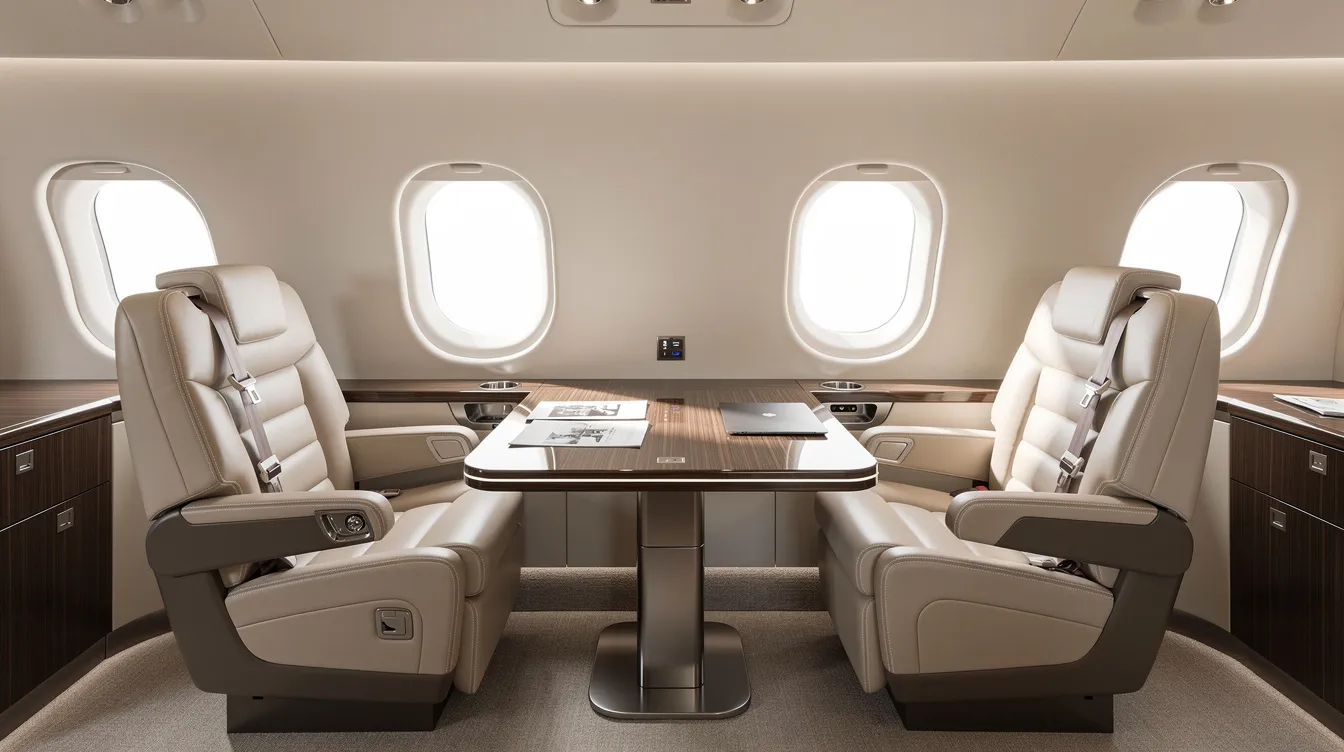
Ultra-long-range jets are private aircraft designed for 12+ hour flights, often featuring multiple living areas and bedrooms for maximum comfort on intercontinental journeys.
Large-cabin and ultra-long-range jets represent the top aircraft tier for global missions. With capacity for 10–19 passengers, lie-flat sleeping for multiple travellers, and ranges exceeding 6,000–7,750 nm, these aircraft enable non-stop flights like New York–Hong Kong or London–Singapore. Aviation fans and frequent long haul travelers recognize these as the best passenger aircraft for intercontinental journeys.
The G700, certified in 2024, delivers 7,750 nm at Mach 0.85 (488 knots high-speed cruise). Cabins accommodate up to 19 passengers across five living zones with a height of 6.3 feet and 195 cubic feet of baggage. The lowest cabin altitude in its class (2,840 feet at FL510) helps passengers feel more refreshed after long flights. Noise levels measure 88 dB. The G800 pushes the range to 8,000 nm with similar cabin comfort.
Entering service in 2018, the Global 7500 holds the record-setting range of nearly 7,700 nm. Its four-zone cabin includes a permanent bedroom and optional shower, Nuage seats designed for comfort, and cruise capability at Mach 0.85. The "Soleil" lighting system reduces jet lag by simulating natural light cycles. Hourly costs range from $10,000–14,000. Regular use on ultra-long-haul charter missions makes it a favourite among business executives flying between financial centres.
The Falcon 8X utilises a tri-jet design with four engines’ worth of reliability redundancy, ranges around 6,450 nm at Mach 0.80, and seats 12–16 passengers. Exceptional short-field performance (5,100 feet takeoff) provides access to airports that other aircraft of similar size cannot reach. The upcoming Falcon 10X, expected around 2027, promises a 9.1-foot-wide cabin and 7,500 nm range—already generating buzz among aviation enthusiasts for 2026.
Passenger experience: These aircraft feature lie-flat beds, separate lounge or conference areas, full galleys for hot catering, and large baggage holds accessible in flight on most models. Advanced HEPA filtration systems (99.99% clean cabin air renewal every 2 minutes) and lower cabin altitude reduce fatigue by 50% compared to older models. Modern engines combined with improved insulation produce significantly less noise, enhancing comfort.
Ideal use cases: Overnight intercontinental business travel, flying executive teams between financial centres, extended family vacations requiring direct flights to remote destinations. Whether departing for meetings with clients in Asia or heading to a quiet ride through the European countryside, these aircraft deliver consistent performance.
Jettly’s platform surfaces these aircraft when customers search ultra-long-range routes, providing transparent pricing so travellers can weigh direct non-stop flights against options with fuel stops or different plane types, or even consider crowdsourced and shared private jet flights to reduce per-seat costs on select routes.
Single-engine turboprops, which are 30-60% cheaper to operate than twin-engine jets, are ideal for cost-conscious travelers needing access to smaller airports.
Turboprops are often the best planes for short, regional, or rugged missions where runway length is limited, or costs need tight management. Unlike jets, turboprops excel at accessing smaller airports—over 10,000 unpaved strips versus approximately 5,000 for jets—making them ideal for mountain communities, island destinations, and rural areas, including regional hubs like Kolkata and other secondary cities served by private charter or New Delhi’s private jet charter market. For bush flying and remote operations, the Carbon Cub stands out as a high-performance, modernized version of the classic Piper Super Cub, featuring a lightweight design and advanced features that make it exceptionally suited for rugged terrain and short runways.
The PC-12 NGX holds a remarkable single-engine reliability record (99.99% dispatch rate). It accommodates 6–9 passengers, ranges 1,803 nm, and cruises at 290 knots. Short-field performance (2,490-foot takeoff) enables access to mountain strips like Aspen or small island airports throughout the Bahamas. The large cargo door fits pallets, skis, and oversized luggage. Hourly costs run $2,000–3,000.
This classic twin-turboprop seats 8–11 passengers with a 1,806 nm range and 312 knots cruise. Pressurised cabins reach 4.9 feet in height. Robust construction handles unimproved runways across the North American wilderness and beyond. Operating costs fall between $2,200 and $3,500 per hour, positioning it as a workhorse for regional operations.
The TBM 960 combines jet-like cruise speeds (330 knots) with turboprop efficiency. Seating 4–6 passengers with a 1,730 nm range and a 2,185-foot takeoff, it includes Garmin HomeLink autoland for enhanced safety. This small plane suits executives who need speed but fly from airports where a light aircraft performs better than regional jets.
Cost advantages: Turboprops burn 30–50% less fuel on short legs compared to jets. On sectors under 500–600 nm, speed differences become less critical while savings become substantial.
Ideal missions: Accessing smaller airports near ski resorts, vineyards, or remote lodges; frequent weekend family trips; flights where runway conditions limit jet operations. For leisure flyers planning short escapes, guidance on the best weekend plane rental options and costs can help align turboprop capabilities with trip budgets. A different plane category often makes the most sense when the destination airstrip is too short for other aircraft.
Jettly’s empty leg listings frequently include turboprops, offering 30–70% savings for customers flexible with dates, times, and routes, and can be paired with insights on the cheapest private aircraft options across categories to further optimise budgets.
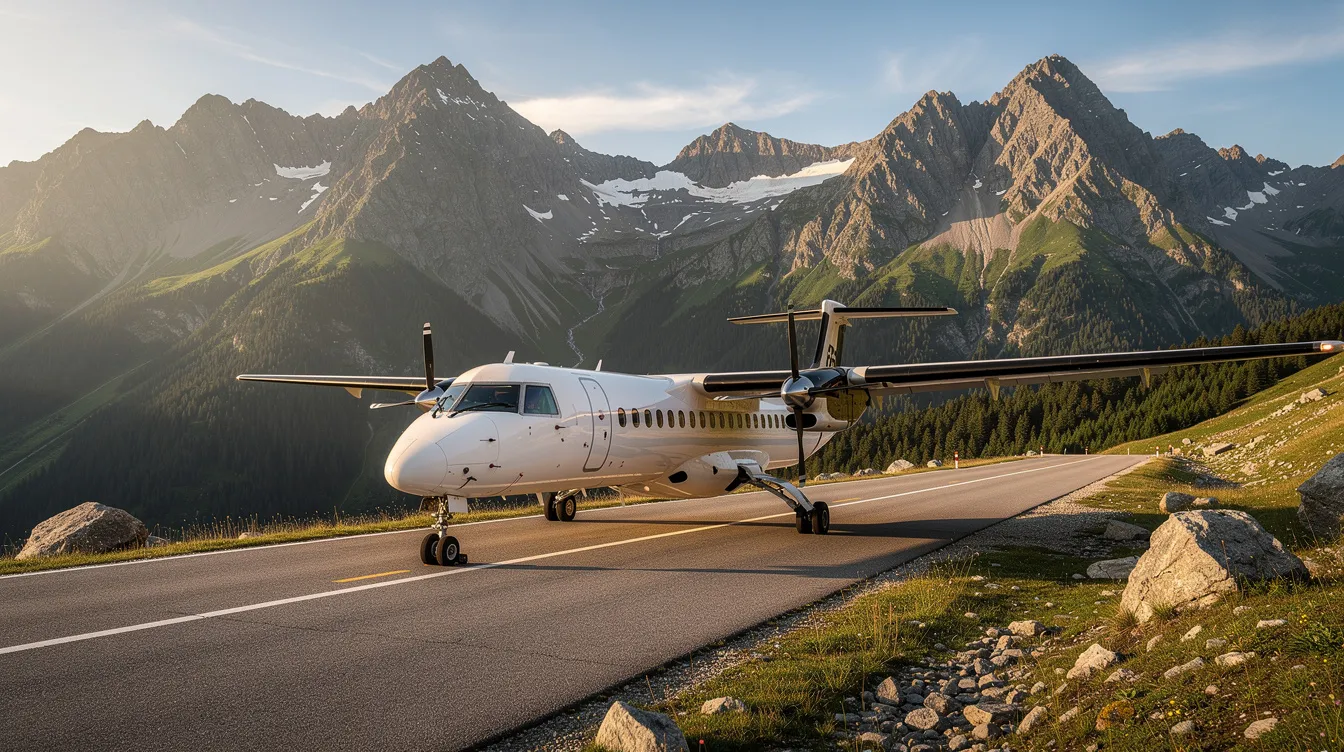
For many aircraft travellers, the best plane is simply the one that feels most comfortable inside. Brand prestige matters less than how the cabin serves the mission—whether that means productive work space, restful sleep, or a roomy cabin for family-focused private plane travel informed by a dedicated guide to the best plane for a family of four.
Connectivity and inflight entertainment: Reliable Wi-Fi, streaming options, and inflight entertainment systems are crucial for both productivity and relaxation, especially on long international routes. The quality of control interfaces and the availability of food and drinks during flights can significantly impact overall passenger satisfaction.
Seating layout: Club seating around tables supports meetings; divans provide rest space; true lie-flat beds on long-range aircraft enable overnight travel without arriving exhausted.
Noise and pressurisation: Newer designs using composite materials achieve lower cabin altitudes (6,000–8,000 feet equivalent) and better sound insulation. These improvements reduce fatigue on any long flight, much like how Singapore Airlines, British Airways, or Cathay Pacific invest in quiet ride technology for their Airbus A350 cabins. The Airbus A350, designed with high ceilings and wide seats, provides a roomy feel and improved passenger comfort compared to older aircraft models. The Boeing 787 Dreamliner features larger auto-dimming windows that enhance natural light and views while improving cabin pressure to reduce jet lag.
Connectivity: Ka-band Wi-Fi delivers 50–200 Mbps on many modern jets. Expect 110V outlets, USB charging, streaming capability, and basic in-flight entertainment options. Unlike economy class on commercial carriers, where a window seat might be your only comfort, private cabins put connectivity everywhere.
Catering: Galley size varies from refreshment centres in light jets to full-service kitchens in large-cabin aircraft. Hot meals, dietary preferences, dedicated services like Jettly Eats in-flight catering, and ground catering integration enhance the experience far beyond what most airlines offer outside first class.
Jettly’s aircraft profiles display cabin photos, seating diagrams, and key amenities. An executive team needing a conference-style setup can filter accordingly. A family prioritising quiet space for overnight flights sees relevant options immediately, similar to how high-profile travellers configure celebrity private jets with bespoke cabin layouts.
Beyond comfort, performance and safety standards define which planes are genuinely best in day-to-day operations. Whether comparing two engines versus four engines, jet versus turboprop, or new aircraft versus older models, operational capability matters—and so does understanding how leading private plane manufacturers like Gulfstream, Bombardier, Dassault, and others design aircraft for different missions and budgets. For training and entry-level pilots, the easiest airplane models—such as the highly stable, simple, and forgiving Cessna Skyhawk and Piper Archer LX—are ideal choices due to their user-friendly handling characteristics, and many of these appear among the best cheap plane options for budget-conscious buyers looking to keep ownership costs manageable.
Understanding performance also means grasping the ongoing expenses behind each mission profile, and a detailed look at private jet operating costs and how they break down helps put range, speed, and utilisation into a financial context.
Range and speed: Determines routing choices, fuel stops, and total air travel time. A midsize jet avoiding fuel stops saves 1–2 hours versus a light jet requiring a technical stop.
Airport performance: Short-field capability, hot-and-high conditions, and runway requirements affect access to secondary airports. The PC-12’s 2,490-foot takeoff versus a heavy jet’s 5,000+ foot requirement opens thousands of additional destinations.
Reliability and maintenance: Established fleets with strong global support networks—like Gulfstream, Bombardier, and Pilatus—provide 95%+ dispatch reliability. US carriers of business aviation maintenance ensure parts and service remain accessible.
All aircraft operating through reputable charter platforms meet rigorous regulatory standards. FAA Part 135, EASA approvals, and equivalent international certifications ensure pilots meet training requirements (typically 200–500 hours between major inspections), and aircraft remain airworthy. Jettly works exclusively with certified operators, surfacing operators, and aircraft details so travellers make informed decisions.
Safety records for jets and turboprops under professional management show fewer than 1 accident per million departures—comparable to or better than many airlines’ commercial flight operations. Travellers comparing major fractional providers such as NetJets and its private aviation model with more flexible NetJets alternatives like Jettly or evaluating the best private jet charter companies overall can weigh these safety benchmarks alongside cost and commitment structure, and deeper comparisons of the best fractional jet ownership companies and programs can clarify when shared ownership fits better than on-demand charter.
Newer designs reduce fuel consumption through advanced winglets (5–10% savings), efficient engines like the Pearl 15 on the G700 (10–15% improvement), and aerodynamic refinements similar to how Airbus announced efficiency improvements in the A350. Carbon offset programs allow charter customers to neutralise emissions. Choosing a Phenom 300E over a heavy jet for short hops cuts fuel burn by approximately 70%, and travellers using strategies for booking the cheapest private jet flights or exploring affordable planes and budget-friendly aircraft choices or even the cheapest planes for budget-friendly aviation enthusiasts can further align aircraft choice with budget and sustainability goals.
Jettly allows travellers to weigh speed, efficiency, and sustainability alongside comfort and price when selecting aircraft. Just as American Airlines, Air Canada, Air France, Qatar Airways, and Korean Air consider fleet efficiency, private travellers can make similar choices through the platform, which sits within a broader landscape of charter airlines and private aviation operators and an expanding global fleet of private jets, especially when they understand the full picture of private jet operating costs over time and how competitors like XO charter flights and their app-based model compare.
The best plane for a 45-minute hop differs dramatically from the ideal aircraft for a 10-hour overnight flight. A structured approach helps avoid overpaying for unnecessary capacity or underestimating comfort needs on longer sectors.
Define trip basics: Route, dates, passenger count, and luggage type (skis, golf bags, equipment cases, or standard carry-ons).
Decide comfort priorities: Required cabin height, work space needs, sleeping arrangements for overnight travel, and catering level.
Set budget and time constraints: Determine whether a fuel stop is acceptable or if only non-stop options work. A fuel stop may save $10,000 but add 45 minutes, and understanding how much to rent a private jet costs helps frame these trade-offs clearly.
Compare aircraft categories: Use Jettly’s instant pricing and private charter aircraft directory alongside a broader guide to affordable aeroplane rental options to view choices across turboprops, light jets, midsize, and large-cabin jets for the same route.
The plane depends on how these factors align. A last flight before an important meeting might justify a faster, more expensive aircraft. Routine travel allows more flexibility.
Jettly’s marketplace provides transparent quotes from multiple operators. Travellers see clear cost and time differences between aircraft types in a single view—similar to comparing aeroplanes rather than just one plane from a single fleet—and can draw on practical guides to renting a plane and how the process works as well as apply strategies for getting a seat on a private jet easily and affordably by leveraging memberships, empty legs, and shared flights and other tips for booking the cheapest private jet flights. Regional pages for booking, such as Jettly’s private jet charter in Abuja, private jet charter in Atlanta, and private jet charter in Houston, show how these principles apply in specific markets.
Membership options reduce per-flight costs for frequent flyers. Jettly’s private jet membership plans offer access to wholesale rates without long-term contracts, while its jet card programs provide fixed hourly rates and added benefits for travellers who value predictable pricing, and a primer on what a jet card is, how it works, and typical costs can help determine if this model matches your flying pattern. Casual travellers book on-demand without commitments, avoiding the obligations of jet cards or fractional ownership that competitors require.
Whether seeking the easiest aeroplane booking process or access to the top aircraft in any category, the platform surfaces relevant options. Resources such as Jettly’s guide to affordable private jet charter pricing, detailed breakdowns of how much a private jet really costs, and focused explainers on jet card costs and pricing structures help travellers understand cost drivers before requesting quotes. For larger groups used to commercial layouts, profiles of aircraft like the Boeing 737-800 and its capacity and range help frame expectations when moving into chartered airliners, while destination-specific pages such as private jet charter in Chennai, private jet charter in Hyderabad, private jet charter in Jaipur, private jet charter in Lagos, and private jet charter in Mumbai provide local airport and travel details. Visit Jettly to explore aircraft, check real-time availability, and request a tailored quote.

For owner-pilots looking to handle these hops themselves rather than charter, exploring the best cheapest single-pilot jets on the market can highlight efficient models suited to short missions.
For most sub-two-hour flights with up to 6–8 passengers, light jets like the Embraer Phenom 300E or Cessna Citation CJ4 Gen2 are often ideal due to their speed, comfort, and competitive hourly rates. On very short regional routes or when using smaller airfields with limited runway length, turboprops such as the Pilatus PC-12 or King Air 350i prove more cost-effective while still delivering comfortable cabins. Jettly’s platform allows travellers to compare these options side by side, showing price and flight time differences before committing to a booking. The first airline to offer such transparency in private charter helps travellers avoid overpaying for capacity they don’t need.
For travellers deciding between booking an entire aircraft or paying by the seat, understanding the trade-offs in shared charter flights versus full charters is helpful before narrowing down specific overnight transatlantic jet models, and a basic grasp of how many passengers different private jet sizes can carry makes it easier to match aircraft categories to group size.
Large-cabin and ultra-long-range jets like the Bombardier Global 7500, Gulfstream G650ER or G700, and Dassault Falcon 8X are generally the best planes for overnight routes such as New York–London or Toronto–Paris. These aircraft feature multiple lie-flat beds, separate living zones for privacy, and enhanced cabin pressurisation that helps passengers arrive rested and ready for meetings. Flight attendants on charter services provide personalised attention throughout these long sectors. Jettly’s aircraft filters make prioritizing these long-range models straightforward when planning intercontinental travel—three quarters of ultra-long-haul bookings feature one of these flagships.
Many safety-conscious leisure travellers first encounter turboprops on short leisure hops or weekend plane rentals for quick getaways, where proper training and reputable operators keep standards in line with jet services, and some trips may even call for rotary-wing options covered in Jettly’s guide to helicopter rental costs and pricing factors.
Modern turboprops like the Pilatus PC-12 and Beechcraft King Air series operate under the same strict regulatory and maintenance standards as jets when flown by certified charter operators. Turboprops are widely used for regional airline service globally, particularly on shorter routes or more challenging runways where their performance advantages shine. Pilots flying these aircraft meet identical training and certification requirements as jet pilots. Safety depends more on operator standards, crew training, and maintenance quality than on whether the aircraft uses jet A fuel in turbine engines or turboprop configurations. Jettly works exclusively with regulated operators meeting these benchmarks, and mixed reviews of any operator type lead to removal from the platform.
For travellers considering longer-term access instead of ad hoc bookings, reviewing private jet lease costs and contract structures can clarify when leasing a jet might complement or replace frequent chartering.
Booking 7–14 days in advance typically provides access to a wider selection of aircraft types and operators, especially for popular business routes and peak travel days. The first commercial flight of any trip works better with advance planning. Last-minute charters remain possible, but choice may be limited to aircraft already positioned nearby or available as empty legs. For corporate travel planners, comparing jet rentals versus first-class tickets and when each makes sense can help decide which trips justify private charter. Jettly’s real-time availability and instant pricing help travellers quickly identify which planes are realistically available for chosen dates and times, avoiding the frustration of discovering the ideal aircraft flew its last flight from the region yesterday.
If you fly regularly and tend to request the same models, comparing the best jet card programs available today can reveal whether locking in hours on preferred aircraft offers better value than repeated on-demand requests, and understanding NetJets jet card costs and pricing provides a useful benchmark against other providers.
Travellers can absolutely request a specific model—such as a Phenom 300E, Challenger 3500, or Global 7500—when submitting a trip request through Jettly. Availability depends on operator schedules and aircraft positioning, but the platform prioritises requested types or proposes close alternatives with similar performance and cabin features. Including preferred aircraft types and specific cabin requirements in quote requests helps Jettly’s system and support team tailor options accordingly, and those who like to monitor movements of preferred aircraft can use the best tools for tracking private jets efficiently and accurately. Whether seeking the jumbo jet of private aviation or a nimble light jet, the world of charter options remains accessible through a single platform, much like the range of flagships highlighted among the top private planes in 2025.
No single model qualifies as “the best plane” for every mission. Distance, group size, airport options, and passenger comfort expectations all influence the right choice. A Phenom 300E excels for a three-hour business hop where a Global 7500 would be unnecessary. Conversely, attempting New York–Tokyo on a light jet means fuel stops and fatigue—situations where some travellers instead focus on simply buying a seat on a suitable private jet via shared or semi-private options.
Modern standouts—the Embraer Phenom 300E, Bombardier Challenger 3500, Global 7500, Gulfstream G700, and Pilatus PC-12—represent benchmarks in their respective categories for 2026 travellers. Each serves different missions optimally, from the Carbon Cub’s simplicity (an honourable mention nod to light aircraft enthusiasts) to the Global 7500’s upper deck-like spaciousness for transcontinental executives.
The best planes for your travel aren’t determined by industry rankings but by how well aircraft match specific journeys. Jettly’s global marketplace connects travellers with 20,000+ aircraft, enabling the selection of the right plane for each trip rather than compromising on a single fleet. With transparent pricing, instant digital booking, and access to many aircraft types, private aviation becomes practical rather than exclusive, and even content creators or travel advisors can benefit by joining Jettly’s ULTRA high ticket affiliate program to earn commissions when clients book flights.
Ready to experience private travel on your terms? Explore flight options or request a quote at Jettly
Share this post:
Jay Franco Serevilla
Apr 23, 2026
|
5
min read
Discover tips and trends in the industry.

5
min read
New York to Miami Distance: Routes, Flight Times, and Private Jet Options
Traveling from New York to Miami offers various options, including direct flights, driving, and private jet charters. The aerial distance is about 1,090 miles, while driving spans approximately 1,280–1,300 miles. This guide provides insights into travel times, costs, and the best routes for your journey.
Read More
5
min read
NY to Aruba Flight Time: How Long It Takes & The Fastest Ways to Get There
The flight time from New York to Aruba typically ranges from 4 hours 30 minutes to 5 hours, with an average of about 4 hours 43 minutes. Factors such as departure airport and flight type can significantly affect total travel time, especially when considering connecting flights. For those seeking convenience, private jet charters can offer similar in-air times while reducing overall travel duration.
Read MoreStay updated with our latest insights and tips to elevate your journey with us.
MEMBERSHIPS AND ASSOCIATIONS



Disclaimer: Jettly operates as a charter broker, offering access to a global digital jet charter marketplace. Jettly is not a direct air carrier and does not own or operate aircraft. All advertised flights are conducted by third-party air carriers that are fully licensed and hold the appropriate Part 135 or Part 121 certifications issued by the Federal Aviation Administration (FAA) or equivalent regulatory authorities under U.S. or foreign law. Jettly complies fully with the U.S. Department of Transportation's Part 295 and Part 298 Charter Broker regulations. Jettly does not carry additional liability insurance. Passengers are covered by aircraft operator insurance. TICO: 50023770


