


Login
Get Instant Pricing On 23,000+ Aircraft

>

Choosing where to build an airline pilot career ranks among the most consequential decisions any aviator will make. The right fit can mean hundreds of thousands of dollars in additional lifetime earnings, better schedules, and a path to the left seat that aligns with personal priorities. This guide is designed for aspiring and current airline pilots evaluating their career options in 2026. This guide breaks down what matters most when evaluating the best airlines to be a pilot for in 2026.
The demand for pilots is expected to remain high due to the need for airlines to replace retiring pilots and expand operations, creating favorable job prospects for aspiring aviators. Here’s what this guide covers:
No single “best airline” exists—the ideal choice depends on individual goals, including pay, base location, long-haul vs. short-haul flying, growth potential, and work rules
Seniority and upgrade speed often matter more than headline salary—moving from first officer to captain five years earlier can add $500,000+ to lifetime earnings
Legacy majors like Delta Air Lines, United, and American Airlines lead on total compensation, while carriers like Southwest, Alaska, and JetBlue stand out for culture and rapid career advancement
In 2026, the projected career values for the “Big Three” legacy carriers are approximately $20 million over 30 years, making them highly attractive for long-term wealth building
Private aviation and charter flying through platforms like Jettly can complement or replace a traditional airline career for pilots seeking flexibility and variety
There is no single best airline pilot job. The most successful pilots match each airline’s strengths to their own career stage, family situation, and lifestyle priorities. A 25-year-old building flight hours has different needs than a 40-year-old military pilot transitioning to civilian aviation.
This guide compares major U.S. and selected international airlines on pay, schedule, base options, and growth potential for airline pilots as of 2026. The “Big Three” U.S. carriers—Delta, United, and American—are recognized for superior pay, benefits, and career longevity, but they aren’t the only paths worth considering.
Data points, including 2023–2025 contract figures and typical salary bands for first officers and captains, are approximate and subject to change with new union agreements. Later sections also cover regional airlines, flight school pathway programs, and private jet charter opportunities through digital platforms like Jettly.
Aspiring pilots often focus on aircraft types or exotic destinations, but the day-to-day quality of life and long-term earnings deserve more attention. Here’s what actually matters when evaluating where to fly:
Starting pay for first officers and long-term captain pay scales
Upgrade time from first officer to captain
Seniority system structure and transparency
Base locations and commuting policies
Long-haul vs. short-haul flying opportunities
Training quality and safety record
Airline financial stability and fleet growth plans
Seniority is a critical factor in a pilot's career, influencing their schedule, the quality of trips, the aircraft they fly, and their ability to pick up additional flying opportunities. A strong safety culture within an airline is crucial for pilot job satisfaction, as it reflects the company’s commitment to maintaining high operational standards. The perceptions and experiences of other pilots within the airline can provide valuable insight into the company's safety culture, scheduling practices, and overall reputation, highlighting the importance of a positive working environment and strong peer relationships. Union representation through organizations like the Air Line Pilots Association, APA, or SWAPA strongly shapes schedule control, reserve rules, and retirement benefits.
Seniority is a critical factor in a pilot career, influencing schedule, the quality of trips, the aircraft type assigned, and the ability to pick up additional flying opportunities. Airlines experiencing growth or high retirements often provide faster upgrades—a key factor that can dramatically accelerate earnings.
Airlines with a positive work culture often experience lower turnover rates, indicating higher employee satisfaction and loyalty. This factor can significantly impact pilot job satisfaction and career longevity.
|
Airline |
Starting Pay (First Officer) |
Senior Captain Pay |
Upgrade Time (FO to Captain) |
Fleet Focus |
Base Locations |
Culture & Benefits |
Notes |
|---|---|---|---|---|---|---|---|
|
Delta Air Lines |
$90,000 - $110,000 |
$300,000 - $400,000+ |
8-15 years |
Widebody & Narrowbody |
ATL, DTW, MSP, LAX, SEA |
Strong profit-sharing, seniority-based |
Legacy carrier, strong job security |
|
United Airlines |
$95,000 - $110,000 |
$280,000 - $320,000+ |
8-15 years |
Widebody & Narrowbody |
ORD, DEN, IAH, EWR, SFO, LAX |
Aviate program, large global network |
Extensive international flying |
|
American Airlines |
$85,000 - $110,000 |
$270,000 - $310,000+ |
8-15 years |
Widebody & Narrowbody |
DFW, CLT, MIA, PHX, ORD, LAX |
Hub-centric, strong union representation |
Large domestic and international network |
|
Southwest Airlines |
$65,000 - $85,000 |
$250,000 - $280,000 |
5-10 years |
Narrowbody (737) |
DAL, HOU, MDW, BWI, PHX |
Profit-sharing, positive culture |
Point-to-point domestic focus |
|
Alaska Airlines |
$65,000 - $75,000 |
$200,000 - $240,000 |
5-8 years |
Narrowbody & Regional |
SEA, PDX, ANC, SFO, LAX |
Fast upgrades, competitive benefits |
West Coast focus, growth-oriented |
|
JetBlue Airways |
$72,000 - $82,000 |
$245,000 - $260,000 |
5-8 years |
Narrowbody & Midsize |
JFK, BOS, FLL, MCO |
High starting pay, rapid progression |
Northeast and Caribbean network |
|
Frontier Airlines |
$45,000 - $55,000 |
$170,000 - $210,000 |
3-7 years |
Narrowbody |
DEN, ATL, LAS, ORD |
Equity stake, profit sharing |
ULCC with growth potential |
Delta Air Lines operates as a legacy airline with one of the industry’s largest widebody aircraft fleets, robust profit sharing, and a seniority-driven career model that appeals to long-term planners. Pilots often prioritize legacy carriers like Delta for better protection against economic downturns and furloughs.
The ALPA-negotiated 2023–2024 contracts delivered high hourly rates, improved retirement contributions, and historically generous profit-sharing—often in the 10–20% of annual pay range during strong financial years. Many airlines offer profit-sharing plans that can provide substantial bonuses on top of base pay, with payouts varying from 5-20% of earnings depending on airline performance. Delta consistently leads due to its profit-sharing models, making its compensation structure one of the most competitive among major airlines.
Typical pay ranges at Delta:
First-year first officers: Near six figures after bonuses and per diem (first-year first officers at major carriers typically earn between $90,000 and $110,000 annually)
Senior widebody captains: Over $300,000 in good years, with some senior captains earning over $400,000 annually
Delta’s financial performance makes it one of the best airlines for overall pilot compensation and retirement savings over a 20–30 year pilot career. Getting hired early at an airline allows pilots to start accumulating seniority sooner, which is crucial for advancing to higher-paying positions and more desirable aircraft.
Delta rewards patience and long-term planning. Here’s why it attracts career-focused pilots:
Predictable, seniority-based progression helps pilots plan when they might upgrade from first officer to captain and move to larger planes
Delta’s long-haul international network (Europe, Asia, South America) provides widebody and premium pay flying opportunities for pilots who want fewer but longer trips
Strong training infrastructure and a conservative safety culture attract pilots prioritizing operational standards
Competition to be hired at Delta is intense—flight school choice, quality turbine time, and networking all matter
Base options include ATL, DTW, MSP, LAX, and SEA, making the early hire date and base assignment crucial
United operates the largest widebody fleet in North America with extensive long-haul operations to Europe, Asia-Pacific, and beyond. For pilots who want to fly Boeing 787 and 777 aircraft on international routes, United offers some of the highest pay scales in the industry.
Larger aircraft (widebodies) generally provide higher pay due to increased operational costs and passenger capacity. New-hire first officers at United earn in the high-five to low-six-figure range, while senior widebody captains can reach the low-to-mid $300,000 range with international premiums and premium pay flying opportunities.
United’s Aviate program provides a structured pilot career pathway from flight school or regionals directly to a mainline United flight deck, offering clear long-term visibility for career advancement.
Major hubs include ORD, DEN, IAH, EWR, SFO, LAX, IAD, and GUM—each influencing lifestyle, commuting, and seniority progression differently.
United attracts pilots who want global flying and heavy metal. Here’s the appeal:
The large fleet of widebody aircraft means more opportunities to bid into long-haul schedules earlier compared with smaller carriers
Long-haul trips often mean fewer duty days per month but still high total pay—major airlines typically offer 15–18 days off per month for senior pilots
International overnights and larger blocks of consecutive days at home appeal to many pilots with families
Trade-offs exist: time zone fatigue, irregular sleep, and the demands of international operations differ significantly from domestic short-haul flying.

American Airlines stands as another legacy airline with large hubs, broad domestic coverage, and competitive pay scales negotiated by the Allied Pilots Association. Compensation scales with aircraft type and seniority, with widebody Boeing 777 and 787 captains earning in the high-$200,000s to low-$300,000s before profit sharing or overrides.
Hub choice significantly impacts daily life. American’s bases include DFW, CLT, MIA, PHX, ORD, and LAX. Airline bases that align with a pilot’s residence can significantly improve quality of life by reducing commuting stress.
American’s route structure offers a mix of short-haul domestic, Caribbean, and transatlantic/transpacific flying, letting pilots customize their schedules as seniority grows. The airline’s large size and predictable seniority ladders make it attractive for pilots wanting a stable airline career from their mid-20s through mandatory retirement.
American suits pilots who prioritize where they live. Key advantages include:
Pilots based near large hubs like DFW or CLT can often avoid commuting entirely, dramatically improving work-life balance
Americans’ breadth of flying allows pilots to shift between shorter-haul domestic schedules (more legs, more takeoffs and landings) and higher-paying international trips over time
Consistent union representation and clear contract language provide long-term stability in work rules and retirement planning
Southwest operates a large U.S. point-to-point domestic network with an all-Boeing 737 fleet and a reputation for positive corporate culture. The airline’s pilots, represented by SWAPA, typically receive competitive base pay plus significant profit-sharing participation in strong financial years.
Compensation at Southwest:
First officers often start in the mid-five-figure to low-six-figure range, including bonuses and per diem
Senior captains can exceed $250,000–$280,000 in strong years, with take-home pay boosted by profit sharing
Southwest’s model focuses primarily on domestic and near-international flying (Caribbean, Mexico), appealing to pilots who prefer shorter legs and fewer ultra-long-haul nights away from fellow crew members. An all-narrowbody fleet means no widebody flying, but simplifies training and aircraft transitions.
Company culture can significantly impact pilot job satisfaction, with airlines known for fostering a family-like environment often being preferred. Airlines with a positive work culture often experience lower turnover rates, indicating higher employee satisfaction. Here’s why Southwest fits culture-focused pilots:
Pilots leverage profit sharing and premium pay trips to raise total compensation significantly during high-demand seasons
Domestic focus means more overnights within the U.S. and fewer multi-day long-haul trips—some pilots prefer this for family reasons
Fast-growing bases and retirements can create earlier upgrade opportunities than at slower-growing legacy carriers
The job becomes more than just a job when the culture supports pilot wellbeing
Alaska Airlines and JetBlue represent established yet growing carriers that often offer faster upgrade times and attractive base locations compared with the largest legacy majors.
Alaska’s West Coast focus includes SEA, PDX, ANC, SFO, and LAX. JetBlue serves the East Coast and Caribbean through JFK, BOS, FLL, and MCO. Both airlines are known for competitive starting pay for first officers and relatively quick transitions to captain in some fleet types during growth phases.
The speed at which a pilot gains seniority is largely determined by the rate of retirements and growth of the airline, making it essential to consider these factors when choosing an employer. Smaller pilot groups relative to mega-carriers can create a more close-knit operational feel while still offering modern fleets and advanced avionics.
Pilots seeking rapid early-career earnings and growth potential might favor carriers with faster left-seat upgrades, even if top-end widebody pay bands run slightly lower than at larger majors.
Faster upgrade times from first officer to captain are crucial for maximizing earnings and improving working conditions. Here’s the appeal:
Upgrading to captain in roughly 5–8 years in certain fleets (depending on hiring waves and retirements) can significantly increase lifetime earnings compared with waiting 15+ years at other airlines
Route networks include medium-haul and some longer transcontinental flights, providing variety without ultra-long-haul fatigue
Base costs of living matter—Seattle and Boston run expensive, so net take-home pay requires careful comparison
For many pilots, early captain status and schedule control outweigh chasing the highest pay rates at the end of a career
Low-cost carriers and ultra-low-cost carriers such as Frontier and Spirit offer unique compensation structures combining base pay, profit sharing, and sometimes equity participation.
Starting pay at these airlines may run slightly lower than at legacy majors, but growth potential, equity awards, and rapid upgrade opportunities can make total career earnings competitive. Aggressive expansion often leads to more rapid hiring and base openings, accelerating seniority gains for early joiners.
Trade-offs to consider:
Denser schedules and tighter turn times
More pressure on on-time performance
Higher day-to-day workload
Fleet size may be smaller, limiting long-term options
These airlines may appeal to pilots with higher risk tolerance who value the chance to build wealth through company growth and equity appreciation.
These carriers fit specific pilot profiles:
Pilots who enjoy fast-paced operations and don’t mind frequent legs
Aviators are comfortable with evolving company strategies and some uncertainty
Younger pilots early in their airline career who view LCCs as either long-term homes or stepping stones toward the largest major carriers, depending on contract quality
Those willing to weigh base locations, commuting policies, and long-term fleet plans carefully against the secure path offered by legacy carriers
Most pilots begin their airline career at regional airlines, using them as a bridge between flight school and a major airline cockpit. Regional carriers often serve as entry points with faster upgrade times compared to major airlines.
Regional airlines provide crucial turbine time and airline operating experience needed to qualify for a major airline or low-cost carrier. Compensation for pilots varies significantly based on experience, aircraft type, and airline size, with regional airlines usually offering lower starting pay, around $80,000 to $90,000 for new first officers.
Pathway programs between flight schools and regional airlines provide a structured route for pilots to accumulate flight hours and experience necessary to join major airlines, significantly shortening the time to reach a six-figure salary. Common programs include flow-through or guaranteed interview arrangements with American, Delta, and United affiliates.
Regional first officers typically earn less than those at most airlines, but may receive signing bonuses, tuition reimbursement, and other incentives, plus structured upgrade paths to captain.
Not all regionals offer the same upgrade times, bases, or flow protections. Consider these factors:
Compare average upgrade timelines, current hiring trends at partner majors, and base locations relative to where you want to live
Research safety culture, training quality (simulator availability, chief pilot accessibility, instructor ratios), and contract terms before committing
Evaluate reserve rules and commuting policies—these directly impact the quality of life for newer pilots
Explore pathway programs that map a clear path from current training to a major airline or other desired operator
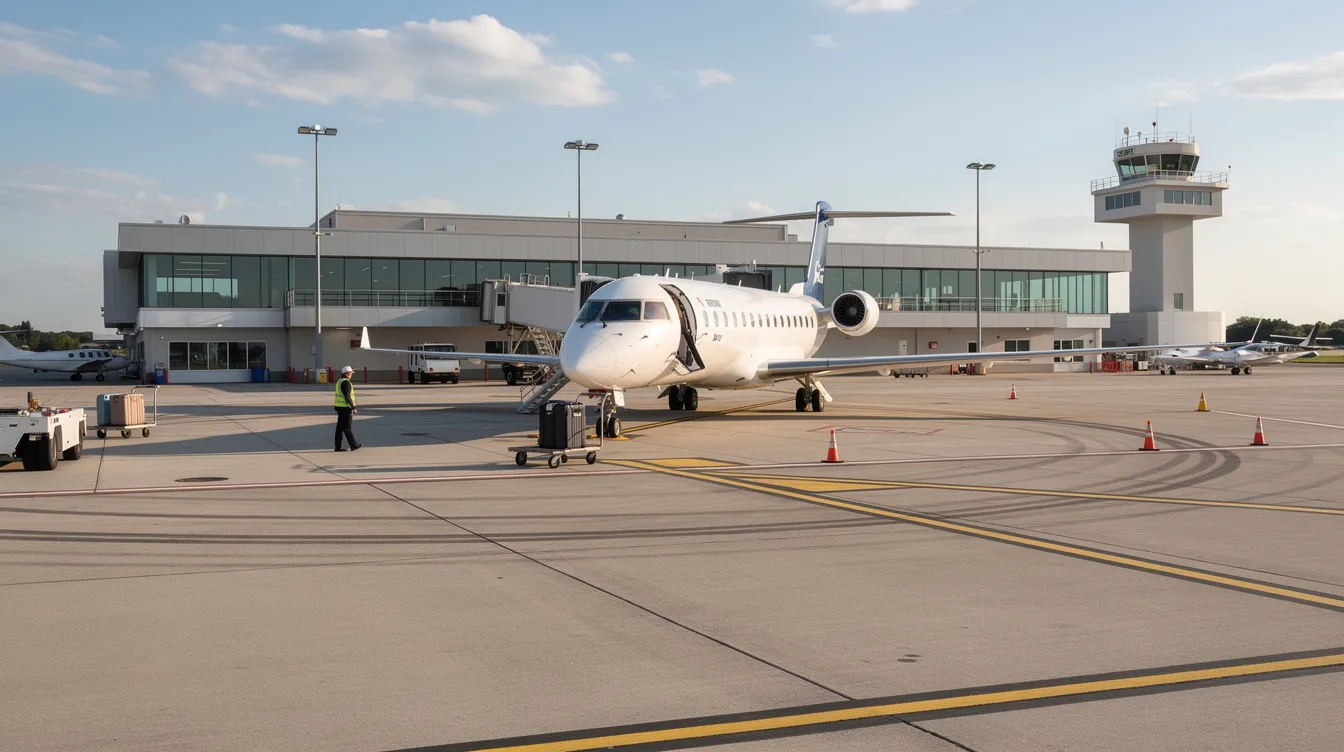
Not every pilot chooses a traditional major airline path. Many pilots pursue corporate, cargo, or private jet charter careers that can rival or exceed legacy airline opportunities in flexibility and pay.
Corporate flight departments flying business jets for single companies offer schedule variability but high pay and premium equipment for senior captains. Cargo carriers like FedEx, UPS, and DHL contractors provide strong options for pilots comfortable with night flying and irregular schedules in exchange for competitive compensation and solid benefits.
For international flying, Emirates and Qatar Airways are known for offering tax-free salaries and significant benefits—an attractive option for pilots willing to relocate abroad or work closely with clients who understand whether private jets can fly internationally.
Digital charter platforms like Jettly represent part of a growing on-demand private aviation sector where pilots fly a wide variety of private charter aircraft and missions for high-net-worth and corporate clients. These non-airline paths may offer more schedule customization, smaller team environments, and the opportunity to base near smaller airports closer to home.
Jettly operates as a global private jet charter marketplace connecting travelers with 20,000+ aircraft through a digital platform that can also crowdsource private jet flights and share empty seats. Pilots flying for operators within Jettly’s network experience diverse missions: business hops between financial centers, family leisure trips, or urgent last-minute flights.
Private charter flying can complement an airline career (off-duty charter work where contracts allow) or serve as a full-time alternative for pilots who prefer smaller crews and flexible routing. The variety differs substantially from flying the same airplane on the same routes month after month.
As more travelers choose on-demand private flights instead of fixed-schedule airline services, operators in Jettly’s network need additional crew. This creates more flight hours and job opportunities for the best pilots seeking careers in private aviation beyond traditional airlines.
When multiple job offers arrive, pilots should compare more than hourly rates. Many pilots prioritize seniority progression as it dictates pay, aircraft type, schedule, and job security.
Total compensation: Includes base pay, per diem, profit sharing, and retirement contributions
Upgrade time to captain: Earlier upgrades = more years at captain pay
Monthly schedules: Affects family time and personal life
Reserve rules: Junior pilots may face unpredictable schedules
Base locations: Cost of living directly impacts net earnings
Fleet modernization: Newer planes = better working conditions
Growth potential: More aircraft orders = faster hiring = quicker upgrades
Benefits: Airlines offer a range of benefits to attract and retain pilots, including health insurance, retirement plans, and profit-sharing programs. Health insurance coverage and costs can vary widely between airlines, with some offering better family coverage or lower deductibles. Most major airlines provide 401(k) plans with company matching contributions, though the match amount differs between carriers.
Work rules: Work rules like trip trading, the ability to pick up premium time, and vacation bidding systems heavily impact lifestyle. Think long-term: early higher earnings and fast captain upgrades can outweigh slightly higher top-of-scale pay at slower-growth airlines.
From a pilot’s perspective, scheduled airline flying and on-demand private charter offer distinctly different experiences.
Predictable bid schedules
Union contracts with clear work rules
Highly structured career ladders
Strong retirement and benefit packages
More trip variety and mission diversity
Access to smaller airports
Closer interaction with passengers
Potentially more control over the schedule
Platforms like Jettly, which emphasize transparent pricing and digital trip coordination, create more efficient aircraft utilization. This efficiency can translate into more flying hours for crews working with charter operators across the world.
Many pilots build experience in both worlds over the course of a long pilot career, moving between airline, cargo, corporate, and roles within the broader charter airlines and private aviation ecosystem as priorities change. The real difference often comes down to whether a pilot values structure or variety more at a given life stage.
These FAQs address common questions about pilot training, career transitions, and how different airline types compare. Answers provide realistic timelines and practical guidance for pilots at various career stages.
Yes, experienced pilots can often transition to another airline, especially if they meet the hiring requirements and have the necessary flight hours. Many pilots switch to another airline to fly wide-body aircraft for international or long-haul routes, pursue career advancement, or find a better lifestyle fit. Moving to another airline can also allow pilots to fly different aircraft types or benefit from improved pay, schedules, or base locations. However, the process may involve additional training or type ratings, and seniority typically resets with the new employer.
Most pilots need around 1,500 flight hours for an ATP certificate, which typically takes 2–4 years after starting flight school, depending on training intensity and job opportunities as an instructor or regional first officer.
A common path looks like this: 1–2 years of flight school and instructing, followed by 2–5 years at a regional airline, then a successful first interview and application to a major airline or large low-cost carrier. Pathway programs and military experience can shorten or lengthen these timelines based on individual circumstances and hiring cycles.
Regionals typically provide the most direct stepping stone to a major airline because they offer structured jet experience under airline-style operations. This path makes sense for pilots whose ultimate goal is a legacy major airline.
Private jet charter, including operators accessible via Jettly, can be a strong alternative for pilots who value variety, smaller crews, and flexible routing tied to affordable private jet charter options. However, experience gained in charter may not always map as cleanly into major airline minimums and preferences.
Long-haul captains at major airlines often work fewer duty days each month and earn higher pay per trip, which many pilots see as an improvement in lifestyle and work-life balance. More articles have covered how international flying appeals to senior pilots seeking fewer but longer trips.
However, ultra-long-haul flying brings jet lag, overnight time zone shifts, and longer stretches away from home. Many pilots try both domestic and long-haul flying during their airline career to decide which pattern suits them and their families best.
Switching airlines to another airline is possible and increasingly common, especially for pilots seeking to fly wide-body aircraft, operate international or long-haul routes, or pursue better career advancement and lifestyle options. However, this move comes with a high cost: seniority resets to zero at the new airline, affecting schedules, pay, and vacation bidding. The decision to switch to another airline depends heavily on where a pilot is in their career.
Some pilots move to another carrier early to lock in a better long-term fit, while others stay at one airline for decades to maximize seniority benefits. Flying for multiple airlines can offer valuable experience with different aircraft types and operational cultures. Consider base location, contract quality, fleet plans, and working conditions before making a move—most pilots only want to reset seniority once, if at all.
Jettly aggregates a large global inventory of private aircraft and offers instant pricing and digital booking, making private charter more accessible to business and leisure travelers who also want tips for booking the cheapest private jet flights. This accessibility represents a unique position in the aviation industry.
As more travelers choose on-demand private flights instead of fixed-schedule airline services, operators in Jettly’s network need additional crew. This creates more flight hours and job opportunities for the best pilots seeking careers in private aviation beyond traditional airlines.
The best airline to be a pilot for depends entirely on personal priorities: pay ceiling, base city, long-haul vs. short-haul flying, culture, and how quickly a pilot wants to upgrade and gain schedule control. There’s no universal answer that fits every aviator.
Major airlines like Delta, United, and American excel in long-term compensation and stability. Southwest, Alaska, JetBlue, and certain LCCs stand out for growth potential, faster upgrades, and lifestyle trade-offs that appeal to different pilot profiles. Private jet charter, cargo, and corporate flying—supported by digital platforms such as Jettly—offer credible alternatives or complements to a traditional airline career.
Ready to experience private travel on your terms? Explore flight options or request a quote at https://www.jettly.com.
Share this post:
Jay Franco Serevilla
May 13, 2026
|
5
min read
Discover tips and trends in the industry.

5
min read
Who Flies a Plane: From Private Jet Captains to Celebrity Pilots
Flying a plane requires skilled, licensed pilots who undergo extensive training. This article explores the various types of pilots, their training processes, and the controls they manage during flights. It also highlights the role of private jet charter services like Jettly in connecting travelers with professional pilots and aircraft.
Read More
5
min read
Free Flight Tracker: How to Monitor Commercial and Private Flights in Real Time
Free flight trackers have revolutionized how we monitor aircraft in real-time, providing accessible tools for tracking both commercial and private flights. These platforms aggregate data from various sources to deliver live updates on flight status, routes, and estimated arrivals. While free versions offer essential features, premium options and services like Jettly enhance the experience by enabling booking and detailed trip management.
Read MoreStay updated with our latest insights and tips to elevate your journey with us.
MEMBERSHIPS AND ASSOCIATIONS



Disclaimer: Jettly operates as a charter broker, offering access to a global digital jet charter marketplace. Jettly is not a direct air carrier and does not own or operate aircraft. All advertised flights are conducted by third-party air carriers that are fully licensed and hold the appropriate Part 135 or Part 121 certifications issued by the Federal Aviation Administration (FAA) or equivalent regulatory authorities under U.S. or foreign law. Jettly complies fully with the U.S. Department of Transportation's Part 295 and Part 298 Charter Broker regulations. Jettly does not carry additional liability insurance. Passengers are covered by aircraft operator insurance. TICO: 50023770


