


Login
Get Instant Pricing On 23,000+ Aircraft

>
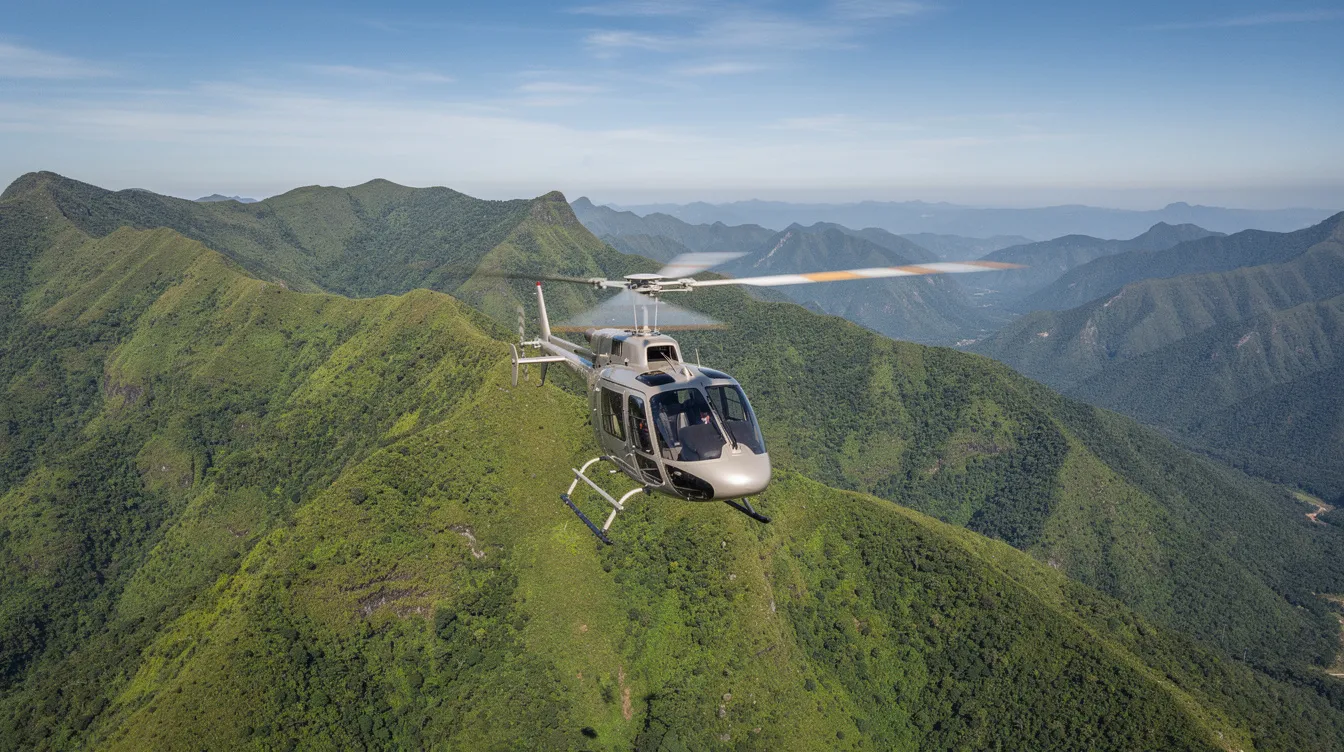
The Bell 505 Jet Ranger X is one of the most recognizable light helicopters in production today. Built for versatility and equipped with modern avionics, this five-seat aircraft serves training schools, corporate operators, tourism outfits, and private charter fleets across more than 55 countries. Here's what travelers, buyers, and aviation enthusiasts should know about its capabilities, market position, and how it fits into on-demand helicopter charter.
The Bell 505 Jet Ranger X is a single-engine light turbine helicopter that seats one pilot and up to four passengers, built for versatile short-range missions from flight training and corporate transport to sightseeing, utility work, and private charter. Bell Helicopter developed it as a spiritual successor to the long-running Bell 206 JetRanger line, and the program achieved its successful first flight on 10 November 2014 at Bell's Mirabel, Québec facility. Transport Canada certified the Bell 505 Jet in late 2016, with FAA approval following in June 2017, and the model now serves operators across more than 55 countries.
For travelers comparing charter options, buyers evaluating light helicopters, aviation enthusiasts following Bell’s modern lineup, and private charter customers considering where the 505 fits, this overview examines the aircraft’s design, performance, avionics, engine, operating role, safety features, market positioning, pricing, and how it connects to Jettly’s on-demand charter offering. The Bell 505 Jet Ranger X stands out because it gives private, corporate, and leisure users an efficient, flexible, and often more cost-effective way to cover short distances, reach heliports and private landing sites, and avoid the limits of both ground travel and fixed-wing aircraft.
Bell launched the Jet Ranger X program in the early 2010s to address an aging global fleet of Bell 206 helicopters and to compete with newer types like the Robinson R66 and Airbus H125. The company aimed for a machine that would carry forward the JetRanger name with significantly lower operating costs and modern safety standards.
The development timeline moved quickly. Bell promoted the program at HAI Heli-Expo 2014, and the first Bell 505 prototype completed its successful first flight that November. Transport Canada awarded the type certificate in December 2016, with FAA and EASA certifications issued shortly after.
Initial delivery began in March 2017 when the first Bell 505 was delivered to Pylon Aviation in Arizona. Fleet growth has been consistent since: the 100th aircraft was delivered in June 2018, the 200th went to Hubi-fly Helikopter GmbH in Austria in 2019, and by July 2026, Bell had delivered its 700th Bell 505, logging over 390,000 flight hours globally. According to Bell's published program milestones, the engineering priorities were straightforward: reduce direct operating costs, improve safety through glass cockpit avionics, and build a modular cabin that could handle everything from training to VIP transport.
For context on its predecessor, the Bell 206 served operators worldwide for decades but lacked the digital engine management and integrated avionics that modern operations demand.
The Bell 505 Jet Ranger X is a clean-sheet adaptation rather than a simple upgrade of the 206. Bell used modern composite materials and a modular cabin structure built around flexibility. The result is an aircraft that can shift between passenger transport, cargo hauling, and training roles with minimal reconfiguration.
The cabin features a completely flat floor and removable seats arranged in a two-plus-three layout. Large doors on both sides make boarding easy, and the helicopter offers excellent visibility due to large windows running along the fuselage. Rear luggage space provides roughly 18 cubic feet of baggage capacity, with additional under-seat storage.
It features a Garmin G1000H glass cockpit with dual displays-twin 10.4-inch LCDs providing integrated GPS, COM, NAV, synthetic vision, moving map, and crew alerting. This avionics suite benefits both training environments and single-pilot commercial operations by reducing workload and improving situational awareness. Safety features include crash-resistant fuel systems and energy-absorbing seats.
Key cabin specs at a glance:
Seating: 1 pilot + up to 4 passengers
Cabin floor area: approximately 22 sq ft
Baggage compartment: ~18 cu ft
Empty weight: ~2,180 lb (989 kg)
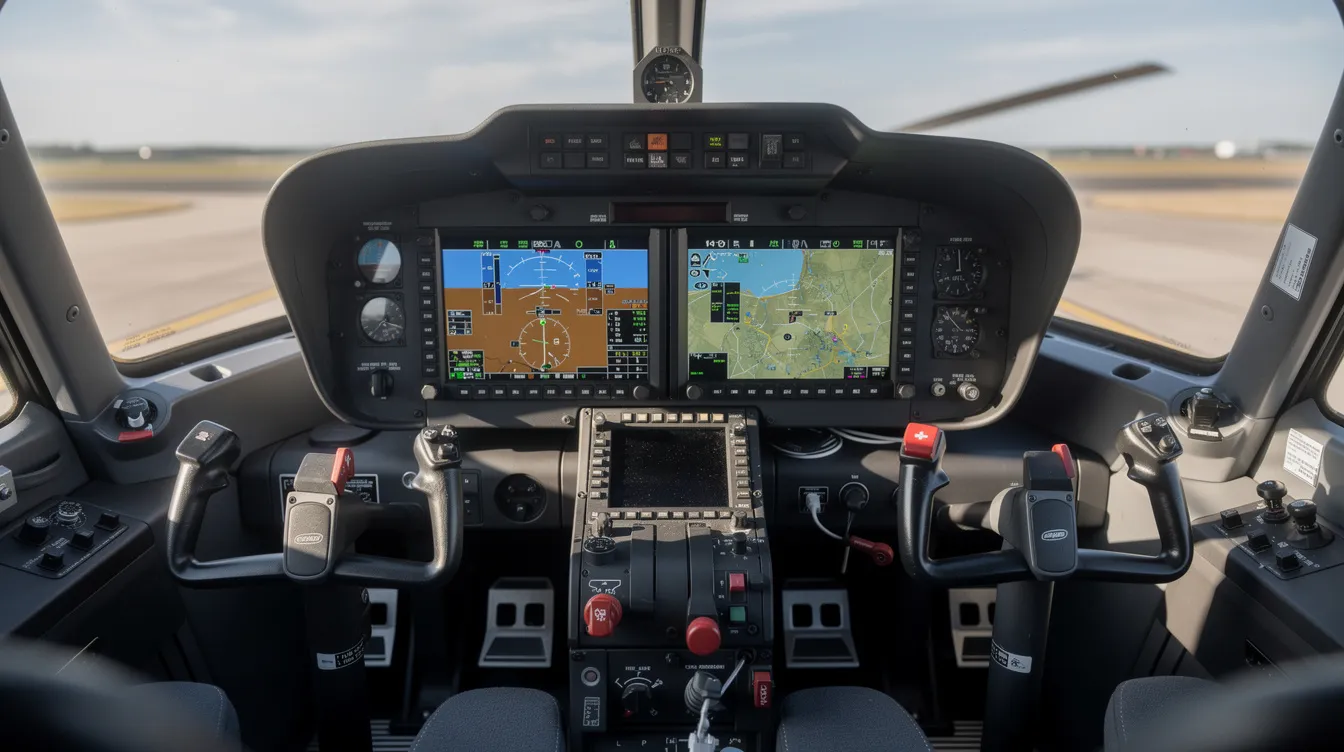
The Bell 505 Jet Ranger X features a single Turbomeca Arrius 2R engine producing approximately 505 shaft horsepower at takeoff. Early forum discussion around the helicopter questioned whether the power margins were sufficient compared to larger types, but operational experience has largely settled that debate when proper weight planning is followed.
It uses a dual-channel FADEC system for engine management, which simplifies starts, automates fuel scheduling, and protects against overspeed. This is a significant innovation over older manually managed turbine helicopters and makes single-pilot charter and training missions far more predictable.
The Bell 505 Jet Ranger X has a maximum cruise speed of 125 knots (approximately 230 km/h). It has a range of 340 nautical miles with standard fuel and no reserves, and its service ceiling is reported to be 18,610 feet. Real-world performance in hot-and-high conditions does require careful density altitude management-operators in places like Nepal and mountainous Europe have flown the type successfully after Bell completed high-altitude certification testing around 2019.
The 505 Jet Ranger X fits missions like 30–60 minute city-pair hops, heli-ski transfers, and short-range corporate shuttle flights. For travelers booking through platforms such as Jettly, this translates to quick point-to-point access that simply isn't possible with ground transport or runway-dependent aircraft, and understanding overall helicopter rental costs helps set realistic expectations for these types of missions, though inspection and overhaul intervals can change over time based on scheduled maintenance requirements.
Here are the core numbers for the Bell 505, presented for quick reference:
Overall length (rotors turning): ~42 ft 6 in (12.9 m)
Rotor diameter: ~11.27 m
Height: ~10 ft 8 in (3.25 m)
Maximum takeoff weight: 3,175 pounds
Maximum useful load: approximately 1,500 lb
With full fuel (~85 US gallons of Jet-A), the Bell 505 Jet Ranger can still carry roughly 940 lb of passengers and baggage
Maximum cruise speed: 125 knots
Economical cruise: ~112–115 knots
Range: 340 nautical miles (standard fuel, no reserves)
Endurance: approximately 3.9 hours
For a broader comparison of how these numbers stack up against other types, Jettly's helicopter specs guide can provide context across helicopter categories.
Maintenance intervals follow standard Part 27 requirements with hourly and calendar-based inspections. The Arrius 2R engine carries a time between overhauls of approximately 3,000 hours. Predictable maintenance scheduling directly benefits charter operators, keeping aircraft available and reducing cancellations-things happen less often when inspection cycles are well-managed.
The Bell 505 sits in the single-engine light turbine segment, competing with the Robinson R66 at the lower end and the Airbus H125 at the upper end of the market. It offers a middle ground between acquisition cost, cabin comfort, and mission capability.
Factory-new pricing started around US$1.0–1.2 million when deliveries began in 2017, with options and avionics packages pushing the number higher. Current resale pricing for Bell 505 examples spans model year 2015 through 2025, and low-time, well-maintained aircraft hold their value relatively well. The Official Helicopter Blue Book includes historical resale values for the type, and resale trends are based on components' weighted average life, including adding component times or equipment details to refine estimates. HeliValue$ performs over 2,500 helicopter appraisals annually, providing market benchmarks that should be considered alongside appraisals, component status, and market conditions. That resale data also does not work the same way as cars. Resale values are influenced by market conditions and sales volume, with avionics upgrades and total flight hours being the primary differentiators.
Demand drivers include training schools upgrading from piston fleets, private owners replacing older Bell 206s, and charter operators seeking modern avionics with competitive operating costs. For a deeper look at what helicopter charters actually cost, see Jettly's helicopter flight cost breakdown.
For Jettly customers, this strong resale market means operators are more willing to invest in newer Bell 505 Jetfleets, resulting in younger, better-equipped aircraft available for on-demand charter, which complements broader affordable aeroplane rental options for travelers comparing helicopters with fixed-wing rentals.
The Bell 505 Jet Ranger X was built for versatility, echoing the original JetRanger's multi-role reputation across decades of aviation history.
Training: Flight schools use the G1000H NXi avionics and FADEC engine to teach turbine transition, glass cockpit procedures, and standardized checklists. The cost per hour is higher than piston trainers but lower than larger turbine types, making it a practical choice for programs that need to prepare students for commercial operations.
Corporate and private travel: Small executive teams or families flying 30–250 nm legs to remote business sites, golf resorts, or ski lodges. Think routes like Toronto to Muskoka or Los Angeles to Palm Springs-trips where driving takes hours but a helicopter covers the distance in under 40 minutes, provided the helicopter passenger capacity aligns with the group size.
Tourism: Wide windows, a smooth ride, and a flat-floor cabin make the 505 a customer favorite for aerial sightseeing over city skylines, coastal views, or natural landmarks. The present generation of sightseeing operators in Europe and North America has adopted the type in significant numbers.
Light utility: Aerial survey, pipeline patrol, photography, and light external sling work within the aircraft's weight limits. For those exploring small helicopter options, the 505 sits at the capable end of the light category.
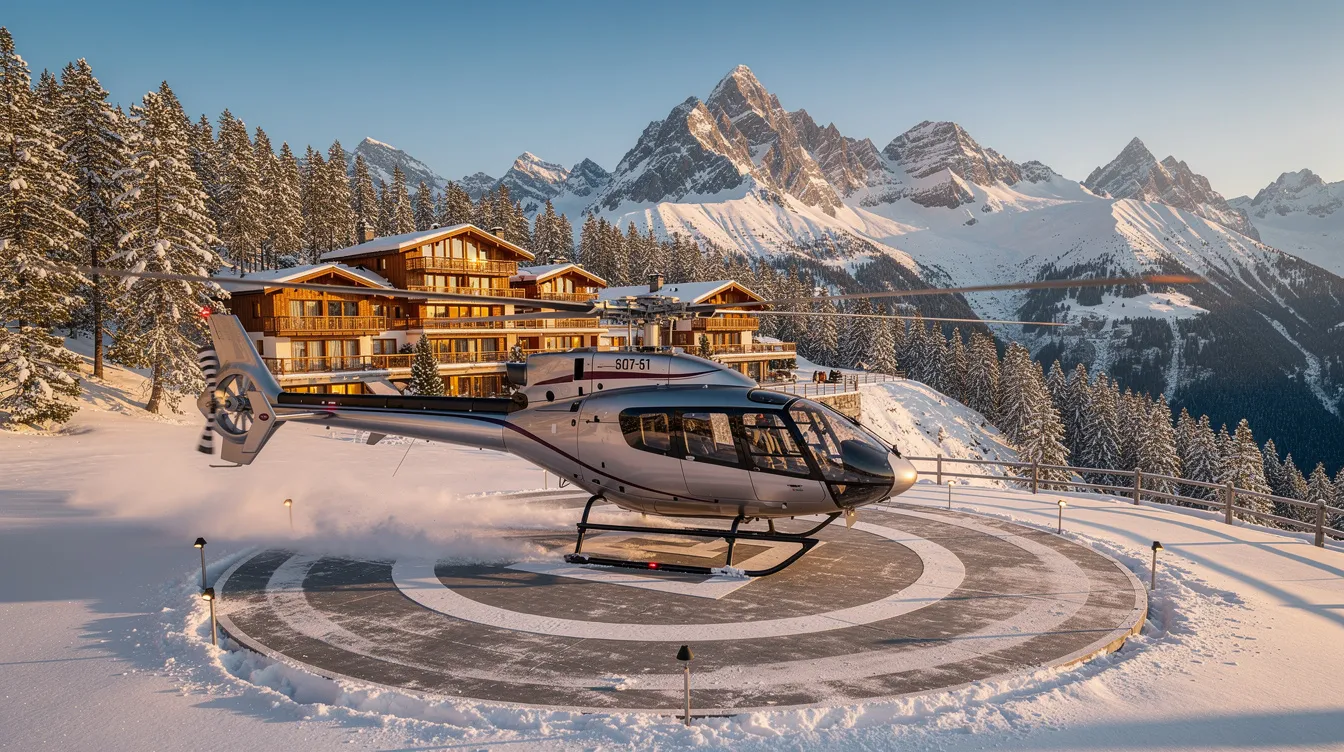
The Bell 505 Jet Ranger X fits into Jettly's global aircraft inventory as a light helicopter option for short-range, on-demand missions. Typical charter scenarios include rapid airport-to-downtown transfers, same-day multi-stop business trips, resort access where runways are unavailable, and event shuttles for groups of up to four passengers, often using tools like Jettly's airport locator platform to identify suitable heliports and airports near each stop.
On Jettly's platform, customers can search routes, use a private jet charter cost estimator to understand pricing, and compare the Bell 505 to other helicopter and fixed-wing aircraft options side by side. The product is simple: enter your origin, destination, and date, and find what's available.
The value points are straightforward. A helicopter charter on a Bell 505 saves significant time versus driving in congested metro areas, provides the ability to land at smaller heliports or private pads, and comes at a lower charter cost than larger twin-engine helicopters for small groups, especially when compared against Jettly's broader private charter aircraft fleet. Learn more about Jettly's charter options at https://www.jettly.com.
The Bell 505 Jet Ranger X is certified under Transport Canada, FAA, and EASA standards. Commercial operators fly it under relevant national regulations-Part 135 in the United States, Part 703 in Canada, and equivalent frameworks across Europe.
Safety features are built into the design: crash-resistant fuel systems, energy-absorbing seats, terrain awareness options (HTAWS), synthetic vision, and the dual-channel FADEC that reduces the risk of engine management errors. The high-inertia two-blade rotor also supports stable autorotation if things require an emergency procedure.
Pilot community views have evolved since the aircraft was first flown. Early online discussion focused on power margins when heavily loaded and tail rotor authority at high density altitudes. Experienced pilots who have signed off on hundreds of hours in the type generally agree that with proper weight management and planning, the aircraft performs as published.
Charter brokers like Jettly emphasize operator vetting. Customers can ask about operator certifications, maintenance programs, pilot type ratings, and safety records before confirming a Bell 505 Jet Ranger X flight. Understanding these details is simply part of making an informed booking decision.
A1: The Bell 505 Jet Ranger X can accommodate one pilot and up to four passengers, making it ideal for small groups or private charters.
A2: This helicopter is versatile and commonly used for flight training, corporate transport, tourism, and light utility missions such as aerial survey and photography.
A3: It offers a balance of modern avionics, cost efficiency, and operational flexibility, sitting between lower-cost models like the Robinson R66 and higher-performance types like the Airbus H125.
A4: The helicopter has a maximum cruise speed of 125 knots and a range of approximately 340 nautical miles on standard fuel.
A5: Yes, Jettly offers on-demand access to the Bell 505 Jet Ranger X for charter flights, providing transparent pricing and instant booking for eligible routes.
A6: It includes crash-resistant fuel systems, energy-absorbing seats, terrain awareness systems, and a dual-channel FADEC engine management system to enhance safety.
A7: The Bell 505 follows standard maintenance intervals with predictable inspection schedules, which helps reduce cancellations and keeps the aircraft reliably available for charter.
A8: Detailed specs and resale trends are available through resources like The Official Helicopter Blue Book and HeliValue$, with subscription options for in-depth data. Jettly also provides insights into charter costs and aircraft comparisons.
The 505 Jet Ranger X is best suited for one to four passengers on short-range trips where direct access to remote or urban locations matters more than cabin size. If your priority is saving time, avoiding traffic, and landing closer to your final destination, this helicopter is a strong option, particularly once you understand typical helicopter rental costs relative to other aircraft categories.
For longer ranges or larger groups, a light jet or turboprop may be the better way to go. But for city-center transfers, island hops, mountainous terrain access, or scenic flights, a light helicopter is hard to beat. Practical decision factors include distance, luggage volume, passenger count, heliport availability, weather, and budget.
The Bell 505 Jet Ranger X remains a compelling choice for travelers who value flexibility and efficiency over long-range capability. With over 700 units delivered and a proven track record in more than 55 countries, the machine has earned its place in the modern charter fleet.
Ready to compare helicopter and fixed wing aircraft options for your next trip? Explore live availability or request a tailored quote at https://www.fixed-wing. Whether you're looking to fly private for business or enjoy a scenic day flight, Jettly makes it easy to find and book the right aircraft.
Share this post:
Jeff Ryan Serevilla
Oct 5, 2026
|
5
min read
Discover tips and trends in the industry.
5
min read
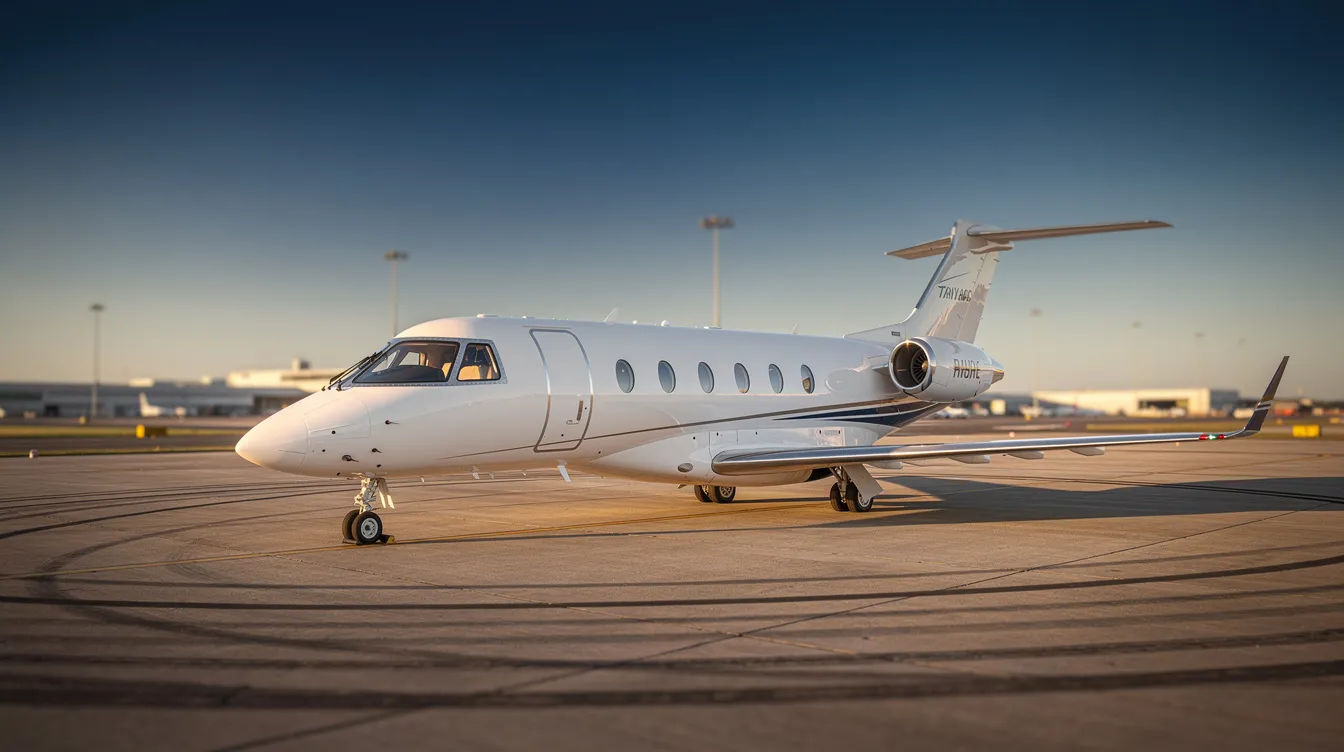
Small Private Jet Price: What It Really Costs to Fly vs Own in 2026
In 2026, the cost of small private jets varies significantly based on whether you choose to charter or own. Charter rates for very light jets range from $2,000 to $3,000 per hour, while ownership costs can exceed $1 million annually. This guide provides a comprehensive breakdown of purchase prices, operating costs, and the advantages of chartering versus owning a private jet.
Read More
5
min read
Delta Carrier Code: DL Airline Code, DAL ICAO & How They Affect Your Flights
Understanding Delta's carrier code, DL, and its ICAO code, DAL, is essential for navigating flight bookings and connections. These codes are crucial for identifying Delta flights across various systems, ensuring travelers can manage their itineraries effectively. Whether flying commercially or coordinating private charters, knowing these identifiers enhances the travel experience.
Read MoreStay updated with our latest insights and tips to elevate your journey with us.
MEMBERSHIPS AND ASSOCIATIONS



Disclaimer: Jettly operates as a charter broker, offering access to a global digital jet charter marketplace. Jettly is not a direct air carrier and does not own or operate aircraft. All advertised flights are conducted by third-party air carriers that are fully licensed and hold the appropriate Part 135 or Part 121 certifications issued by the Federal Aviation Administration (FAA) or equivalent regulatory authorities under U.S. or foreign law. Jettly complies fully with the U.S. Department of Transportation's Part 295 and Part 298 Charter Broker regulations. Jettly does not carry additional liability insurance. Passengers are covered by aircraft operator insurance. TICO: 50023770


