


Login
Get Instant Pricing On 23,000+ Aircraft

>
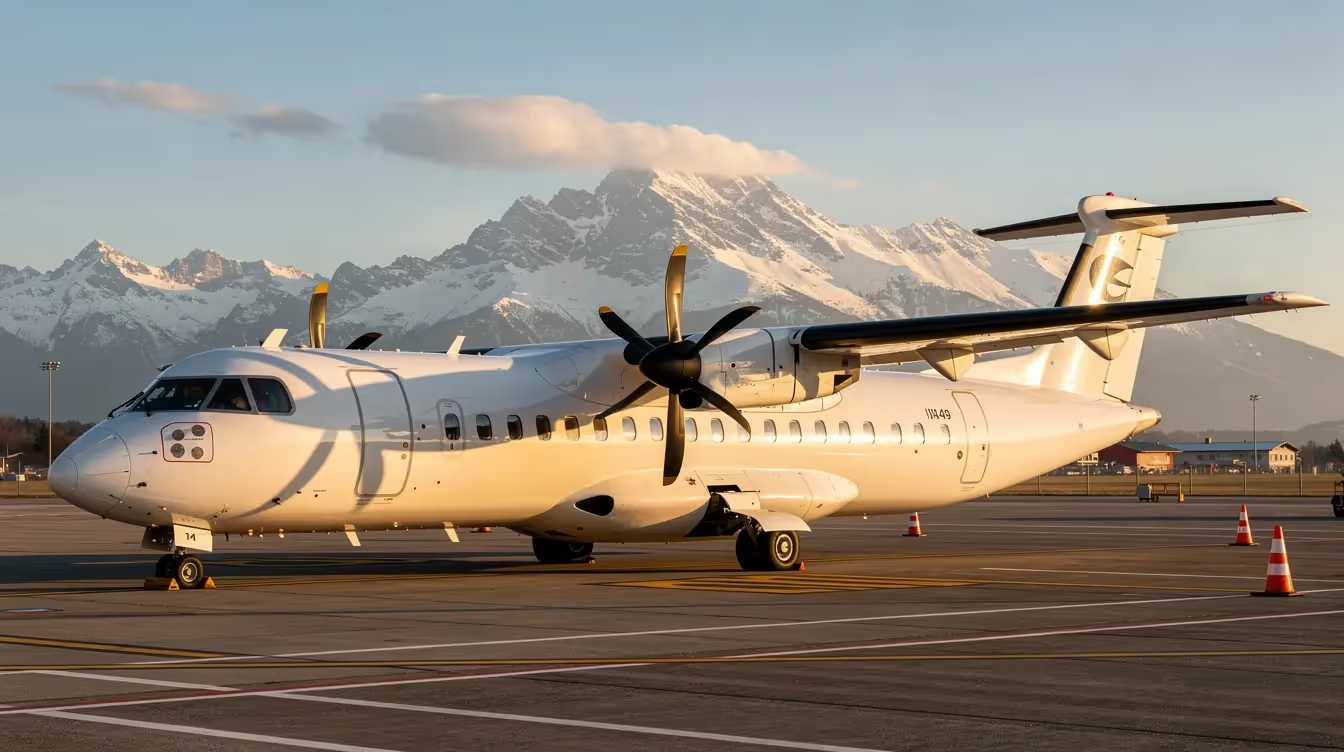
Understanding the ATR airplane price starts with recognizing the ATR 72 as a regional airliner developed for short-haul passenger flights, designed to efficiently serve commercial routes and carry up to 78 passengers. This guide is intended for airline operators, charter customers, and aviation professionals seeking detailed information on ATR aircraft pricing and operational costs. These aircraft play a crucial role in supporting businesses, governments, and communities by enhancing regional connectivity. Developed through a collaboration between major aerospace companies, the ATR 42, ATR 72, and ATR 72-600 models offer distinct economics compared to private jets, whether configured for airline service or executive VIP layouts. This guide answers how much an ATR aircraft costs to buy or charter, breaking down acquisition, operating, and hourly rental figures relevant through 2025.
ATR airplane price depends heavily on model variant, age, total flight cycles, and interior configuration. New ATR 72-600 aircraft generally cost around USD 21 million to USD 26 million as of 2022-2023, though published list prices sit closer to USD 26-27 million before negotiated discounts of 20-30%. Pre-owned ATR 72-600 aircraft trade around USD 17,850,000 on average, with specific examples ranging from USD 13-18 million based on maintenance status and remaining engine life.
New ATR 72-600 list prices hover around USD 26-27 million, with typical transaction prices closer to USD 20-22 million after bulk order discounts
Pre-owned ATR 72-600 aircraft from the early 2010s commonly sell between USD 14-18 million, depending on cycles and configuration
ATR 42-500 and similar ATR 42 variants are smaller and more affordable, with pre-owned examples available roughly between USD 4.5-9.7 million
Hourly charter rates for an ATR 72-600 in commercial seating typically range from USD 18,000-22,000, with many operators quoting near USD 20,400 per hour
Jettly does not sell ATR aircraft directly but provides transparent charter pricing through its marketplace, allowing travelers to access ATR economics without ownership

ATR aircraft—including the ATR 42, ATR 72, and current-production ATR 72-600—serve as regional turboprop planes widely deployed by airlines, government operators, and charter companies worldwide. When examining the ATR airplane price, the analysis must span acquisition costs, lease structures, and charter rates to provide a complete picture, and can be complemented by broader insights from affordable aircraft rental options and cost factors.
ATR operates as a Franco-Italian manufacturer formed through a joint venture between Airbus and Leonardo, with development and manufacturing based in Toulouse, France. The company has achieved over 1,700 deliveries to more than 200 operators around the world, establishing itself as the leading regional aircraft builder in the sub-90-seat category. ATR's global presence and leadership in the regional airliner market reflect the platform’s proven reliability across diverse operating environments. The current backlog of ATR orders, including 231 for the ATR 72, demonstrates strong demand and robust production planning.
Current list-price benchmarks for 2024-2025 position the ATR 72-600 at approximately USD 26-27 million and the ATR 42-600 around USD 20-22 million. However, actual transaction prices typically fall lower due to volume discounts and market conditions. New ATR aircraft typically cost between USD 19 million and USD 26 million, depending on the model and configuration.
Ongoing development and improvements to the ATR series continue to enhance performance, fuel efficiency, and sustainability. ATR aircraft pricing is primarily influenced by their low operational costs, specifically fuel efficiency and fleet commonality. The 85% spare part commonality between ATR 42 and 72 models reduces spare inventory costs significantly for operators running mixed fleets. These turboprops compete directly with regional jets but deliver substantially lower fuel burn on sectors below 500-600 nautical miles.
The ATR 72 represents the larger platform in the ATR series, seating up to 78 passengers and serving as the benchmark when operators and charter customers ask about regional turboprop pricing for large group missions.
Historic pricing context helps frame current values:
Early ATR 72-200/210 aircraft delivered in the 1990s originally listed below USD 15 million
These older variants now trade only on the secondary market as aging commuters or freighters
Used ATR 72-500s are roughly valued at USD 11.5 million in current market conditions
Older models of ATR can be found between USD 3.75 million and USD 11.5 million
The ATR 72-600 is designed for short sectors and is recognized as one of the most fuel-efficient regional aircraft, with a fuel burn that can be half that of alternatives. It is powered by improved Pratt & Whitney Canada PW127M engines, which provide better hot and high takeoff performance compared to earlier models, contributing to operational efficiency. The ATR 72-600 is equipped with advanced equipment, including a new glass cockpit with five LCD screens and modern cabin systems, enhancing flight safety, surveillance, passenger comfort, and reducing pilot workload.
In December 2015, the EASA authorized a new high-density seating configuration for the ATR 72-600, raising its maximum passenger capacity from 74 to 78 seats. This certification expanded the aircraft’s revenue potential for high-density routes.
Current ATR 72-600 pricing guidance:
The list price of the ATR 72-600 is typically around USD 26.8 million
It is often discounted by 25%, bringing the effective price to about USD 20.1 million
The average purchase price of a new ATR 72-600 is approximately USD 26,000,000 before negotiations
Bulk airline orders, such as UNI Air’s 2025 purchase of 19 aircraft for USD 437 million, averaged approximately USD 23 million per unit; smaller deployments, like the acquisition of two aircraft, are also common for regional operators seeking flexibility in fleet deployment and economic efficiency
Pre-owned ATR 72-600 examples from early 2010s production years sell anywhere from USD 13-18 million. The average purchase price of a pre-owned ATR 72-600 runs around USD 17,850,000, influenced by total cycles, maintenance status, and whether configured for passengers or freight.
VIP or HighLine executive conversions add several million dollars to standard airline-spec aircraft. These cabin modifications reduce seat count in favor of wider pitch and meeting-style layouts, pushing total project costs to USD 20-25 million for turnkey corporate shuttles.
The ATR 42 is the smaller sibling of the ATR 72, typically seating up to 42-50 passengers and optimized for thinner routes and constrained airfields where the larger aircraft would fly with excess capacity.
Classic ATR 42-300/320 aircraft from the 1980s-1990s trade at low single-digit millions. Expect prices around USD 2-4 million for passenger or cargo configurations, depending on remaining airframe life and avionics upgrades installed. These units often serve commuter operators or regional cargo carriers in developing markets.
ATR 42-500 used aircraft typically sell for between USD 4.5 million and USD 9.7 million. Pricing within this range depends on cabin refurbishment quality, engine times remaining, and whether the aircraft received glass cockpit retrofits. The model offers a mid-generation balance between acquisition cost and operational efficiency.
The ATR 42-600 represents the current production standard. List prices sit roughly in the low USD 20 million range, with actual sale prices typically several million lower for fleet deals or customers with long-term support packages.
ATR 42 and ATR 72 share about 85-90% of spare parts, reducing costs for maintenance inventory and crew training. This commonality makes the ATR 42 particularly attractive for operators already flying the larger model and for buyers researching budget-friendly aircraft ownership choices.
Why choose ATR 42 over ATR 72?
Better match for low-demand routes where 70+ seats create excess capacity
Shorter runway performance suits remote destinations
Ideal for thin island-hopping networks
Lower acquisition costs for budget-constrained operations
|
Aircraft Model |
Typical List Price (USD) |
Typical Transaction Price (USD) |
Seating Capacity |
Average Hourly Charter Rate (USD) |
Notes |
|---|---|---|---|---|---|
|
ATR 42-300/320 |
2-4 million (used) |
2-4 million (used) |
42-50 |
12,000-17,000 |
Older generation, suitable for smaller routes |
|
ATR 42-500 |
4.5-9.7 million (used) |
4.5-9.7 million (used) |
42-50 |
12,000-17,000 |
Mid-generation with improved avionics |
|
ATR 42-600 |
~20-22 million (new) |
18-20 million (new) |
42-50 |
12,000-17,000 |
Current production standard |
|
ATR 72-200/210 |
<15 million (used) |
3.75-11.5 million (used) |
68-74 |
18,000-22,000 |
Early models, aging commuter/freighter |
|
ATR 72-500 |
~11.5 million (used) |
11.5 million (used) |
68-74 |
18,000-22,000 |
Popular used model |
|
ATR 72-600 |
~26.8 million (list) |
20-22 million (discounted new) |
74-78 |
~20,400 |
Latest model with advanced features |
Aircraft price represents only the initial capital outlay. Operating costs—fuel, maintenance, crew, insurance, and financing—are the dominant factors influencing long-term economics for any ATR aircraft operator.
ATR aircraft are known for having 20% lower operating costs than competing turboprops and 40% lower than regional jets. The ATR 72-600 is designed for short sectors and is recognized as one of the most fuel-efficient regional aircraft, with fuel burn that can be half that of alternatives, positioning it well against the cheapest private aircraft options across categories.
Estimated direct operating costs for ATR aircraft range between USD 3,500 and USD 6,000 per hour, depending on fuel prices, utilization levels, and local labor costs. Typical airline-configuration ATR 72 operations see costs around USD 1,400-1,900 per flight hour at standard utilization of 1,500-2,500 hours annually. Storage of aircraft not in active service is another cost consideration for operators managing fleet utilization, similar to the broader economics discussed in comprehensive guides to private jet costs and ownership.
In terms of fuel efficiency, the ATR 72 is reported to be 39% more efficient in fuel burn over 300 nautical miles compared to the Dash 8 Q400, although the Q400 has a higher passenger capacity. This efficiency translates directly to lower trip costs on regional sectors.
Major fixed costs that owners must budget include:
Crew salaries and recurrent training programs
Hangar and parking fees at home bases
Insurance premiums scaled to hull values of USD 10-25 million
Navigation and ATC fees across operating regions
Scheduled heavy maintenance checks and engine overhauls
Financing significantly changes effective cost structures. A financed purchase of around USD 9-10 million for a used ATR 72 at 6-7% APR over 10 years could add well over USD 1.5 million per year in capital and interest payments, which may lead some operators to compare against on-demand access to a wider range of private charter aircraft.
ATR 42 aircraft, while slightly cheaper to fuel and maintain, do not always deliver proportionally lower per-seat operating costs. Route planning and load factors are key factors that matter more than aircraft size alone when examining total economics.
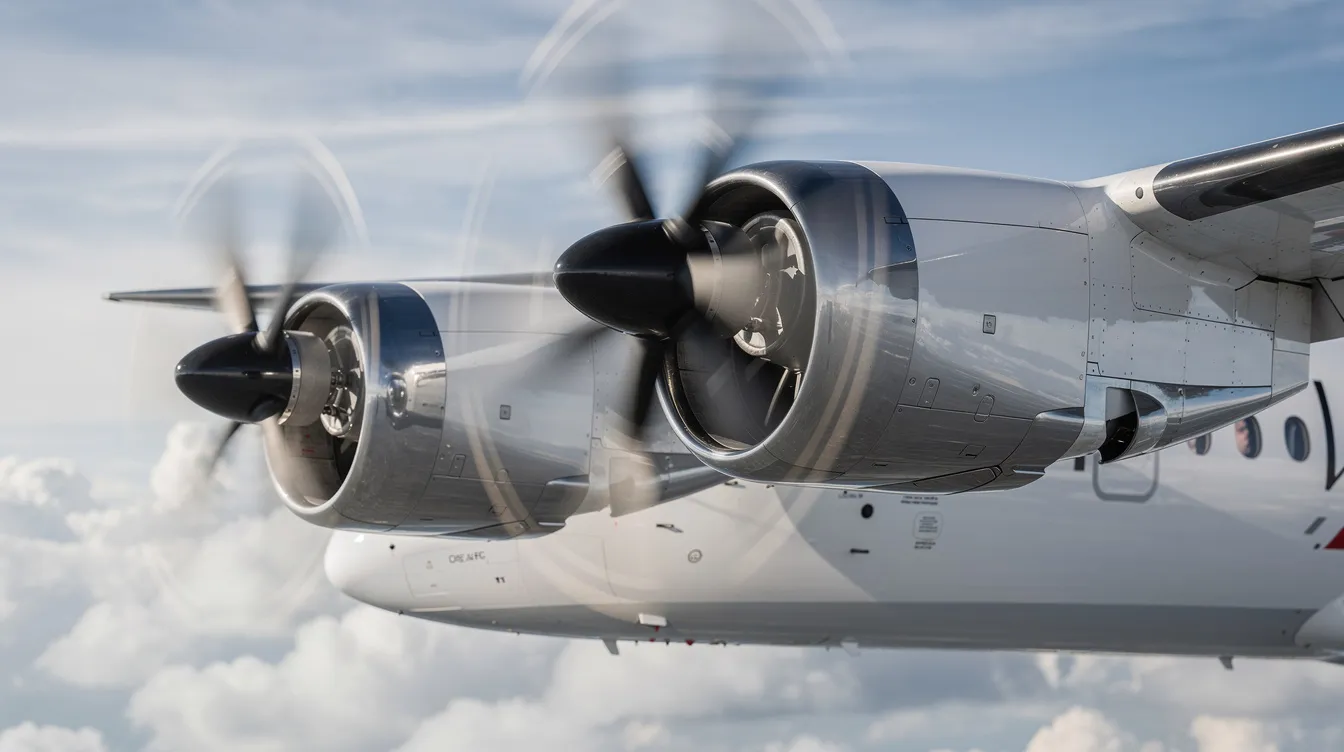
Most private travelers encounter ATR aircraft through charter arrangements rather than ownership. Jettly’s platform surfaces live charter pricing for ATR turboprops worldwide, allowing customers to compare options instantly.
The average hourly rental rate for the ATR 72-600 is about USD 20,400 per hour. Commercial-style seating configurations typically command rates between USD 18,000-22,000 per flight hour, with specific pricing influenced by route distance, airport fees, and seasonal availability—similar to the variables highlighted in Jettly’s private jet charter cost estimator tool.
When boarding an ATR charter, passengers typically board via a rear airstair door, which allows for efficient boarding and deplaning, especially at regional airports or remote locations. Boarding procedures are managed by the crew to ensure a smooth and timely process, accommodating both standard and VIP configurations.
ATR 42 charter rates tend to be slightly lower, generally falling in the USD 12,000-17,000 per flight hour range. This makes them a cost-effective choice for smaller groups or routes requiring access to short-field airports, and illustrates many of the same pricing drivers outlined when understanding single private flight cost components.
What charter rates typically include:
Aircraft and crew
Standard handling at origin and destination
Basic fuel assumptions for the quoted route
What may be extra:
De-icing services (USD 5,000-10,000)
Positioning flights are charged at an hourly rate
Overnight crew costs
Special catering or VIP services
Premium ground transport
ATR charters versus private jets offer different value propositions. ATR turboprops deliver more seats and lower cost per seat on short routes, while light or midsize jets provide faster cruise speeds, more privacy, and a more executive cabin feel for smaller groups of 2-12 passengers—trade-offs that mirror those described in Jettly’s guide to affordable private jet charter pricing and savings strategies.
Practical charter examples include, in addition to traditional full-aircraft bookings, opportunities to lower per-passenger costs via crowdsourced and shared private flight options:
A company running an ATR 72-600 corporate shuttle between two regional hubs, moving 50-70 employees efficiently
A sports team chartering an ATR 42 to a secondary airport with a short runway where jets cannot comfortably operate
Government agencies transporting personnel to remote destinations lacking jet-capable infrastructure
A leisure group chartering an ATR 72-600 for a direct flight from Paris to Rome, illustrating popular European city-pair routes
Jettly’s digital marketplace presents ATR aircraft alongside light, midsize, and heavy private jets, giving users side-by-side options based on distance, group size, and budget considerations, all of which can be accessed more efficiently through Jettly’s range of private jet membership programs.
When ATR turboprops outperform traditional jets:
Large groups of 40-70+ passengers where the cost per seat matters
Short regional hops under 500 nautical miles
Corporate shuttle programs with predictable high-volume needs
Event charters for conferences or team travel
Cost-sensitive operations prioritizing economics over speed
When private jets are preferable, especially when comparing different operators and business models across the sector, as outlined in Jettly’s guide to leading charter airlines and private aviation options:
Smaller groups of 2-12 passengers
Long-range missions exceeding 1,500 nautical miles
Tight schedules requiring maximum cruise speed
Travelers prioritizing privacy and premium cabin finishes
Routes between major airports with full jet infrastructure
Jettly provides instant, transparent pricing across aircraft categories. Users can compare an ATR 72-600 turboprop against options like a Bombardier Challenger or Embraer Legacy for identical routes, evaluating total trip cost against flight time and capacity, often beginning with tools such as the airport locator and route-planning platform.
The platform supports both one-off on-demand bookings and membership models. Frequent travelers can reduce per-trip costs without committing to aircraft ownership, fractional shares, or long-term leasing arrangements that tie up capital, and may also benefit from fixed-rate access through Jettly’s corporate jet card programs.
ATR aircraft support regional connectivity by operating into smaller airports and delivering lower emissions per passenger-kilometer than many regional jets. This combination addresses both operational and environmental priorities.
ATR turboprops can emit up to around 40-45% less CO2 than comparable regional jets on short routes. This efficiency directly impacts long-term operating costs while improving environmental reporting metrics for operators tracking sustainability goals, particularly for businesses comparing ATR-based solutions with NetJets-style fractional programs and their alternatives.
Due to high demand for regional, fuel-efficient aircraft, ATRs retain high resale value throughout their operational lives. High demand for passenger-to-freighter (P2F) conversions further helps sustain the resale value of used ATRs as they transition from passenger service to cargo roles, extending their operational lifespan and market appeal, much as leading private plane manufacturers for every budget and need design aircraft with longevity and versatility in mind.
Airlines across Asia and Europe use ATR 72-600 fleets to open new routes to remote islands and secondary cities. The aircraft’s ability to operate from runways as short as 800-1,200 meters keeps infrastructure costs down while expanding network reach.
Lower fuel consumption reduces not only direct operating costs but also exposure to volatile fuel prices. Potential carbon taxation or offsetting obligations over the next decade make fuel efficiency increasingly valuable.
Jettly can help environmentally conscious customers select more efficient options—such as turboprops instead of jets on short missions—and integrate carbon offset programs where available through partner operators, while also advising how products like jet cards and their pricing structures compare to on-demand regional turboprop charters.
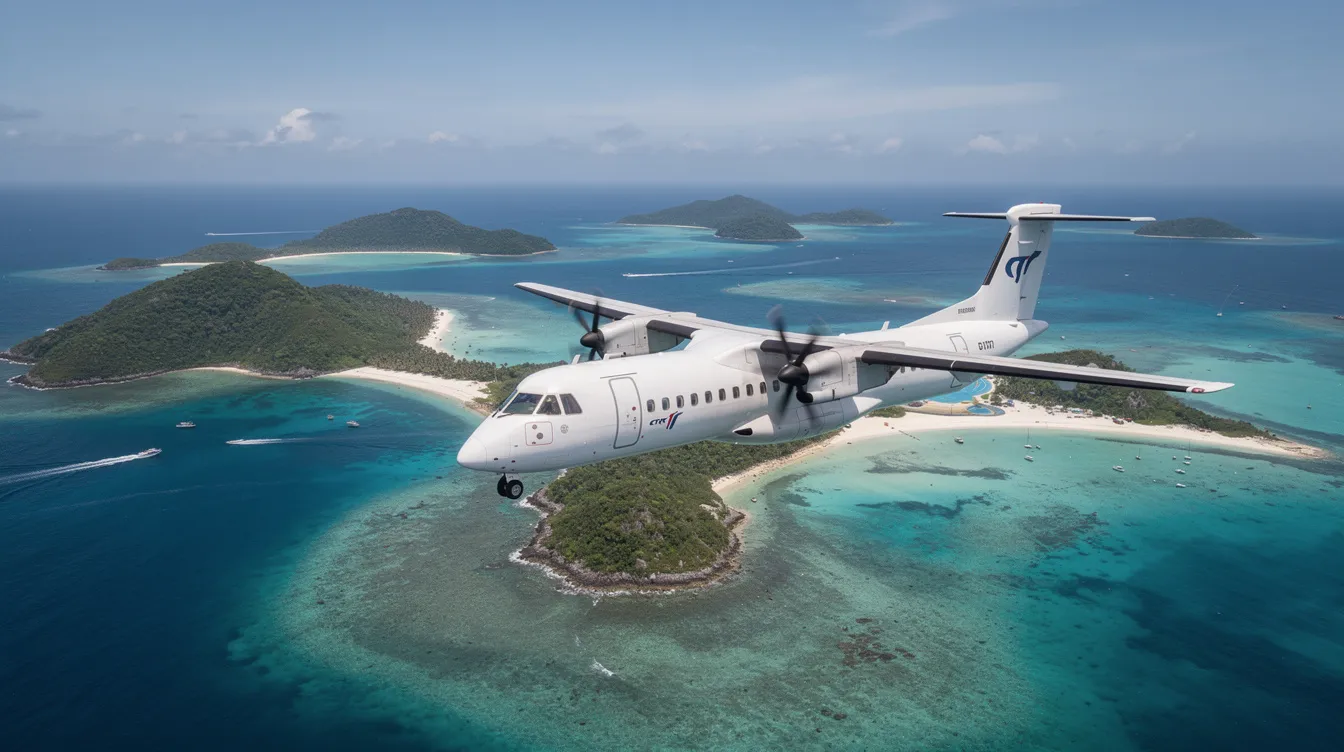
Jettly does not broker aircraft sales directly. The platform acts as a digital marketplace for on-demand charter, including ATR turboprops and private jets across more than 20,000 unique aircraft worldwide, similar in structure to its partnerships with operators like Dexter Air Taxi’s private jet services.
Users can explore ATR pricing through a straightforward process, and for jet alternatives, can supplement these searches with tools like Jettly’s private jet charter cost estimator and jet card flight cost calculator:
Search for a specific route
Set passenger count (40-70+ travelers for ATR missions)
Filter results for turboprops
Compare ATR 42, ATR 72, and jet options with transparent per-leg and per-seat estimates
The platform displays clear breakdowns of what charter quotes include—aircraft, crew, basic catering—versus optional extras like VIP catering, ground transfers, or specific branding requirements.
Pre-owned prices for ATR aircraft vary significantly based on the aircraft’s age, flight hours, and maintenance history. These factors—age, total flight hours, and maintenance history—are the primary determinants of a pre-owned ATR's market value.
For those considering ownership, monthly lease rates for new ATR 72-600 aircraft are approximately USD 170,000, representing an alternative to capital purchase for operators seeking flexibility.
Corporate shuttle programs and sports teams who might otherwise examine purchasing an ATR aircraft can find that frequent charters through Jettly offer fleet-like flexibility without capital outlay, depreciation risk, or maintenance management overhead, while premium travelers can further enhance the experience with dedicated in-flight catering services through Jettly Eats.
Ready to explore ATR charter options or compare turboprop economics against private jets? Visit Jettly’s charter marketplace to request live quotes for specific ATR aircraft or alternative jets, benchmarking cost per seat and total travel time for your routes, or consider partnering through Jettly’s high-ticket affiliate program for travel referrals.
This FAQ addresses common follow-up questions about ATR aircraft costs, leasing options, and how they compare to private jets—covering angles not fully detailed in earlier sections.
While the published list price for a new ATR 72-600 sits around USD 26-27 million, airlines and large operators commonly negotiate discounts. Most buyers pay closer to USD 20-22 million per aircraft, depending on order size, delivery slots, and bundled support packages. Strong demand for fuel-efficient regional aircraft maintains pricing power, but volume orders consistently achieve 20-25% reductions from catalog figures.
Operating leases and finance leases reduce upfront capital requirements and shift residual value risk to lessors. Typical monthly lease rates for young ATR 72-600 aircraft historically fall in the low- to mid-six-figure USD range. However, over extended periods, total lease payments can exceed the outright purchase price. Leasing suits operators prioritizing cash flow flexibility over long-term asset ownership.
Several completion centers and ATR’s own HighLine offerings provide executive or corporate shuttle layouts for ATR 42 and ATR 72 platforms. These conversions typically reduce seat count from 70+ to 30-50 passengers, adding wider pitch, premium materials, and meeting-style seating. Conversion and interior projects add several million dollars and 6-12 months of downtime to the total program cost, with finished aircraft reaching USD 20-25 million.
Jettly’s global network includes ATR 42 and ATR 72 operators across multiple regions. Users can request quotes for turboprops in addition to light, midsize, and large-cabin jets. The platform allows direct comparison of total trip price, flight time, and seat capacity before booking, ensuring travelers select the optimal aircraft category for their specific mission.
Owned corporate shuttles may achieve lower effective hourly costs at very high utilization levels exceeding 2,000+ hours annually. However, ownership requires major capital investment, crew management, insurance, and maintenance oversight. Chartering an ATR 72-600 through Jettly at roughly USD 18,000-22,000 per hour delivers predictable, on-demand access without ownership risk, depreciation exposure, or long-term capital commitments.
The ATR airplane price reflects a balance of efficient design, operational economy, and versatility that makes ATR turboprops a compelling choice for regional airlines, corporate shuttle programs, and charter customers. With new ATR 72-600 aircraft priced around USD 21-26 million and hourly charter rates near USD 20,400, these aircraft deliver strong value for short-haul routes requiring 40-78 seats. Their more powerful engines, advanced features, and proven reliability contribute to lower fuel burn and maintenance costs, supporting sustainable and cost-effective operations.
For travelers and operators seeking flexible access to ATR turboprops without ownership commitments, Jettly’s digital private jet charter platform offers transparent pricing and instant booking across a global network. Whether comparing ATR 42 or ATR 72 options or exploring alternatives in private jets, Jettly simplifies the process with clear cost breakdowns and a seamless user experience.
Ready to experience the convenience and efficiency of ATR aircraft for your next regional flight? Explore ATR charter options or request a personalized quote today at https://jettly.com/.
Share this post:
Jay Franco Serevilla
May 13, 2026
|
5
min read
Discover tips and trends in the industry.

5
min read
Jettly Launches Special Missions, Expanding On-Demand Access to Helicopters, Group Charter, Cargo, Medevac and VIP Airliners
Jettly has launched "Special Missions," integrating complex charter categories—including helicopters, group charter (18–200 seats), cargo freighters, medevac flights, and VIP airliners—into its instant-pricing digital marketplace. Supported by a network of over 23,000 aircraft and 24/7 flight operations, the feature replaces slow, offline sourcing with transparent digital access for high-stakes, specialized flying.
Read More
5
min read
Tom Brady's Aviation Habits After His Retirement From Pro Football
Tom Brady’s post-NFL career has transformed his travel needs from those of a professional athlete into those of a broadcaster, investor, and business executive. While he has long been associated with the Gulfstream G550, the economics of private aviation suggest that flexible access can be more efficient than whole-aircraft ownership for travelers flying fewer than several hundred hours per year. His evolving schedule illustrates why depreciation, fixed operating costs, productivity, and fleet flexibility increasingly shape how ultra-high-net-worth travelers approach private aviation.
Read MoreStay updated with our latest insights and tips to elevate your journey with us.
MEMBERSHIPS AND ASSOCIATIONS



Disclaimer: Jettly operates as a charter broker, offering access to a global digital jet charter marketplace. Jettly is not a direct air carrier and does not own or operate aircraft. All advertised flights are conducted by third-party air carriers that are fully licensed and hold the appropriate Part 135 or Part 121 certifications issued by the Federal Aviation Administration (FAA) or equivalent regulatory authorities under U.S. or foreign law. Jettly complies fully with the U.S. Department of Transportation's Part 295 and Part 298 Charter Broker regulations. Jettly does not carry additional liability insurance. Passengers are covered by aircraft operator insurance. TICO: 50023770


