



Login
Get Instant Pricing On 23,000+ Aircraft

>
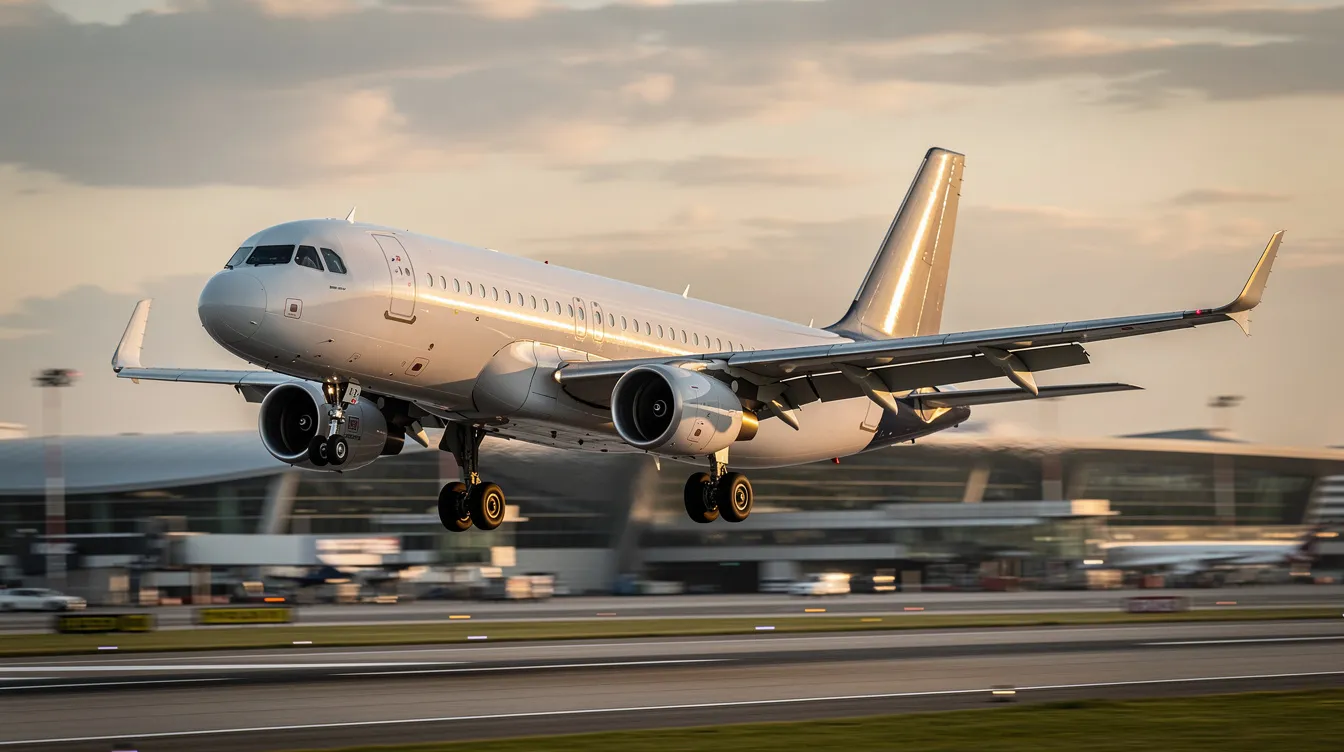
The Airbus A320 is a single-aisle, twin-engine commercial jetliner introduced in 1988 and now one of the world’s most successful narrow-body airliners, serving short- and medium-haul routes on every continent. For travelers, corporate planners, and private charter customers—including frequent flyers, sports teams, and executives comparing large-group lift—it is a useful aircraft to understand because the A320 family dominates global air travel, combines efficient operating economics with modern cabin and flight-deck technology, and is widely available in both airline service and charter markets.
Whether you spot “A320” on a boarding pass or are evaluating high-capacity private flight options, this guide explains the aircraft’s history, major variants, onboard experience, performance, environmental profile, and how to book or charter an A320 through platforms such as Jettly.
The Airbus A320 is a single-aisle, twin-engine jet that entered commercial service in 1988. It now forms the core of the Airbus A320 family, the best-selling airliner line in history with over 19,000 orders by mid-2026.
The A320 typically seats 150–180 passengers in a two-class layout, with high-density all-economy configurations reaching up to 194 passengers. The A320 family was developed for short- to medium-haul routes worldwide.
As the first airliner with full digital fly-by-wire flight controls, flight envelope protection, and a full glass cockpit with six large displays, the A320 set cockpit technology standards now adopted across modern commercial aircraft.
The difference between the A320ceo (current engine option) and A320neo (new engine option) comes down to efficiency: the neo delivers up to 20% lower fuel consumption per seat and extended range, thanks to new-generation engines and sharklet wingtip devices.
Aircraft in the Airbus A320 family, including corporate jet variants, are available through private charter platforms such as Jettly for high-capacity group flights, corporate shuttles, and VIP travel.
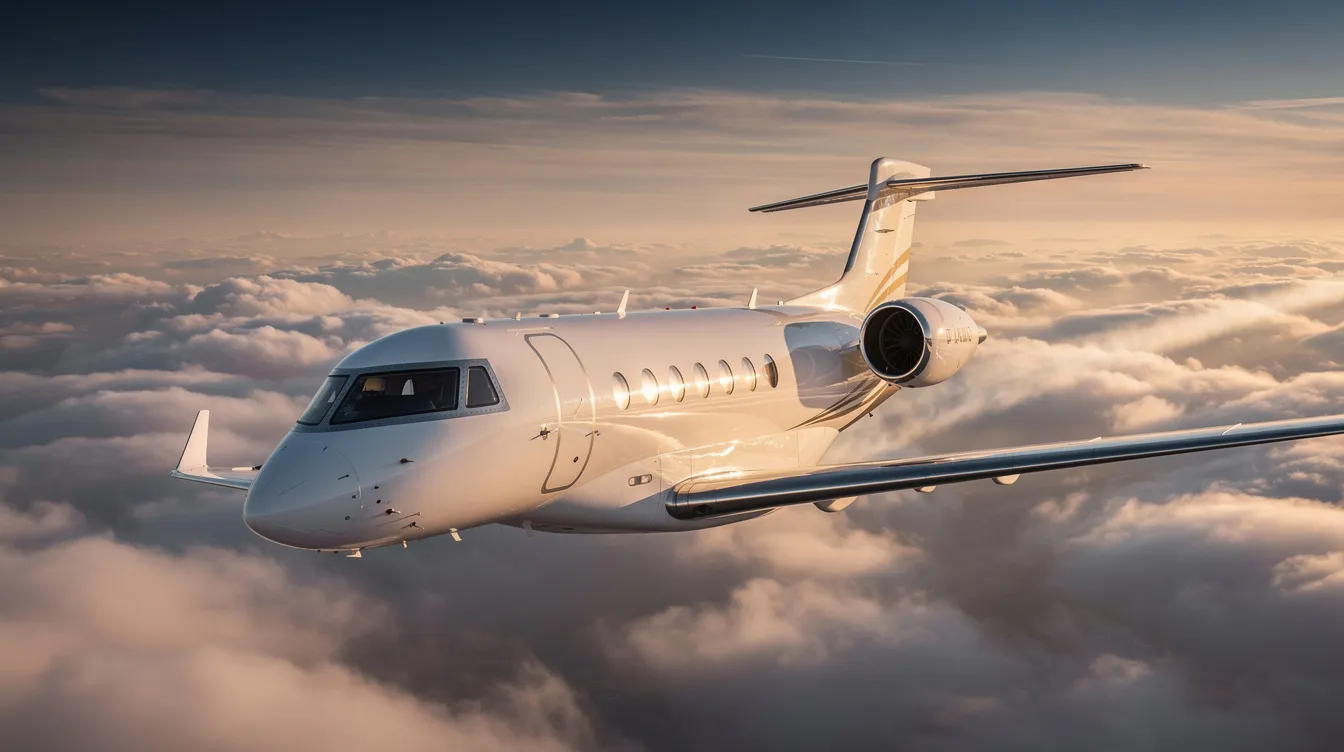
The Airbus A320 is a narrow-body, twin-engine jetliner and the first member of the wider A320 family. Designed to compete directly with the Boeing 737, it introduced technologies that reshaped how airlines fly single-aisle aircraft on routes ranging from one-hour domestic hops to five-hour intercontinental sectors.
The A320 entered commercial service with Air France in March 1988. By mid-2026, over 12,700 A320 family aircraft will have been delivered, with total orders exceeding 19,000. As of June 2026, there are 11,244 A320 family aircraft in service globally. The A320 family holds a dominant market share of over 60% in the single-aisle market, making it the most-ordered jet family in history.
Why do travelers keep seeing "Airbus A320" on their boarding passes? Airlines value the A320 for its operational flexibility and efficiency. The aircraft handles everything from short domestic shuttles to medium-haul international flights. Its wide cabin (the widest single-aisle cabin at 3.95 meters), modern systems, and low operating costs make it a favorite among both low-cost airlines and full-service carriers.
While most A320S fly scheduled airline services, high-capacity charter and corporate configurations are also available. Platforms like Jettly connect travelers with A320 charters for sports teams, corporate events, and group travel.
Understanding how the A320 came to be helps explain its technology and lasting market success.
The program's roots trace back to the 1960s and 1970s, when European aerospace firms conducted joint jet study programs to evaluate a modern short-haul airliner. By the early 1980s, Airbus consolidated these efforts. Airbus launched the A320 program formally in 1984, targeting a fuel-efficient, technologically advanced single-aisle competitor to the Boeing 737 and McDonnell Douglas MD-80.
The first flight took place on 22 February 1987. Air France took the first delivery in early 1988, and the aircraft quickly set new standards for cockpit technology and cabin width. To complete the family, Airbus developed several variants in rapid succession:
A321: first flight in 1993, entering service in 1994 as a stretched, higher-capacity version, 6.94 meters longer than the A320.
A319: first flight in 1995, service from 1996, offering a shorter fuselage for lower-demand routes, with a maximum range of 6,850 km with sharklets.
A318: first flight in 2002, service from 2003, the smallest variant, seating up to 132 passengers.
Airbus inaugurated additional final assembly line facilities over the years, including sites in Hamburg, Tianjin, and Mobile, Alabama, to support growing global demand. Continual performance upgrades and avionics improvements kept the A320 competitive for decades before the neo program arrived in 2010.
A key design philosophy from day one was cockpit commonality: shared controls, displays, and systems across all variants. This allowed airlines and charter operators to move pilots between the A318, A319, A320, and A321 with minimal retraining.
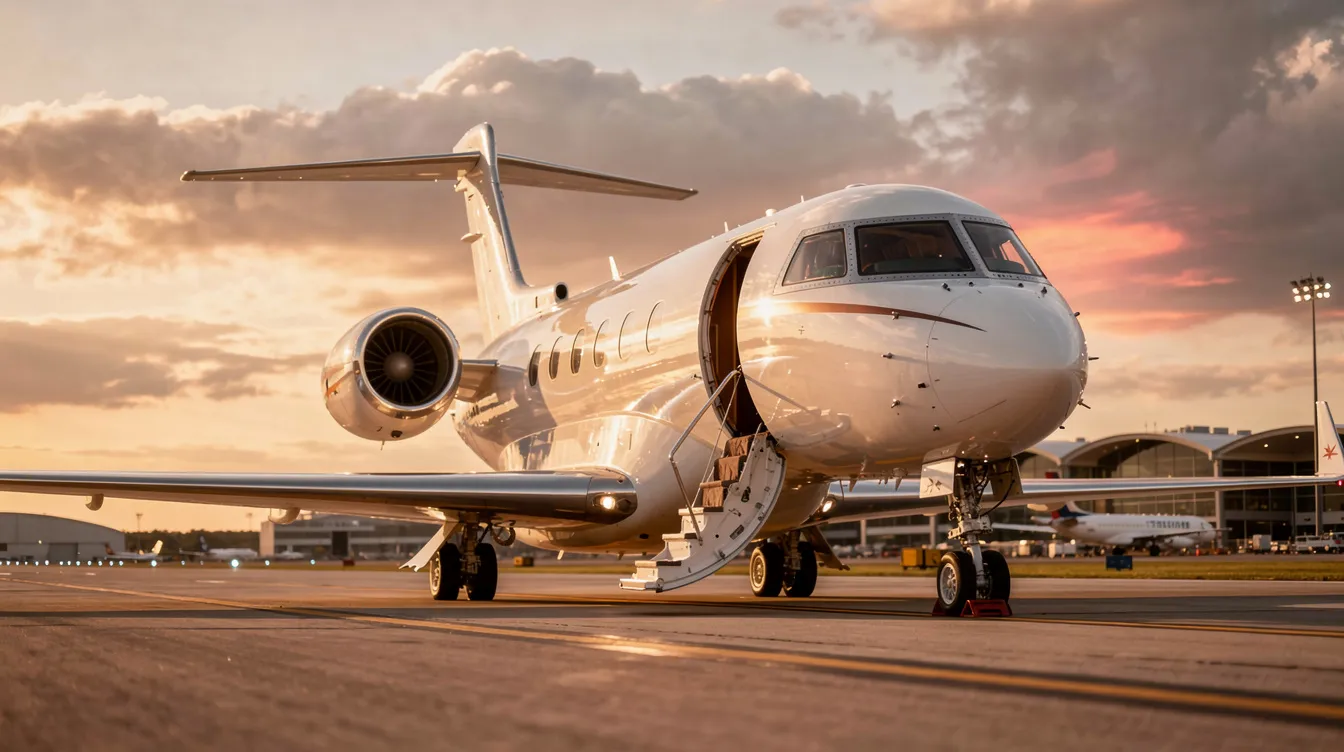
The term "Airbus A320 family" refers to a group of related single-aisle jets sharing the same basic design, cockpit, and systems architecture. The A320 family includes four core aircraft types, each tailored for different passenger capacities and route requirements.
Here is a high-level overview of each variant:
A318: The smallest variant, seating up to 132 passengers. Designed for lower-demand or runway-constrained routes with limited range requirements.
A319: The A319 typically seats 120–150 passengers. It serves thin routes and airports where larger aircraft would fly half-empty, offering good range for its size.
A320: The standard family member. The A320 can carry up to 180 passengers in a single-class layout. It covers mainstream short- and medium-haul operations and is the most widely produced variant.
A321: The largest core member, stretching the fuselage to seat up to 220+ passengers depending on configuration. Most airlines use it for denser routes or longer-range missions.
Beyond these, long-range sub-variants expand the family's reach. The A321LR offers approximately 4,000 nautical miles of range, while the A321XLR has a range of 4,700 nautical miles (roughly 8,700 km). These two variants enable true transatlantic and other long-range single-aisle flights that previously required wide-body aircraft.
Special versions round out the portfolio. Airbus Corporate Jets (ACJ318, ACJ319, ACJ320, ACJ321) serve the VIP and business market. Freighter conversions like the A321P2F handle express cargo. These expand the family's use well beyond scheduled passenger services.
Charter users on platforms like Jettly may encounter A319, A320, or A321 aircraft in VIP or high-density layouts for sports teams, tour groups, or corporate movements.
The short answer: the A320 typically seats 150–180 passengers in a standard two-class configuration. A320S can accommodate up to 194 passengers in an all-economy layout, though seating capacity varies based on airline choices and regulatory exit limits.
The cabin uses a standard 3-3 seating layout for economy class. On many European carriers, business class on an A320 simply uses the same seat with the middle position blocked off for extra space. Other airlines install dedicated wider seats or cradle-style recliners in a forward cabin section.
Seating density and pitch depend heavily on the airline's business model:
Low-cost airlines like easyJet or Spirit prioritize high-density configurations with tighter seat pitch (28–29 inches)
Full-service carriers like Lufthansa or American Airlines space seats further apart (30–32 inches) and dedicate several rows to premium cabins
Corporate or chartered configurations can reduce the seat count dramatically. ACJ variants, for example, might carry 19–50 passengers in lounge-style or all-business-class cabins designed for private flights.
For travelers, here are a few practical tips when choosing routes and airports using an airport locator tool:
Quieter sections are typically near the front or over the wings
Exit row and bulkhead seats offer more legroom but may lack recline or under-seat storage
Always check the specific airline's A320 seat map before booking
Group charter customers can choose between high-density layouts for cost efficiency or lower-density VIP configurations when comfort is the priority, much like travelers comparing options in a broader guide to affordable airplane rental and charter choices.
The A320 was the first airliner with digital fly-by-wire technology in the single-aisle category. This was a landmark shift when the aircraft debuted in the late 1980s, and the core principles still define how modern Airbus jets are handled.
In simple terms, fly-by-wire means pilots' inputs are sent as electronic signals through wire connections to flight computers, which then move the control surfaces on the wings and tail. The system includes flight envelope protection, which prevents the aircraft from exceeding safe limits for angle of attack, bank angle, speed, and load factor. These protections act as an automated safety net, reducing the risk of stall, overspeed, or structural overload.
The A320 features a side-stick controller instead of a traditional control yoke. Six large cockpit displays present flight data, navigation, and engine parameters in a clean, integrated format. The A320's common cockpit design allows pilots to transition between models with minimal retraining, covering the A318 through A321 on a single type rating.
Modern avionics upgrades have added satellite navigation, Required Navigation Performance (RNP) capability for precision approaches, and integration with Airbus's Skywise data platform for real-time health monitoring and predictive maintenance.
On the safety record, the A320 family maintains a very low fatal hull-loss rate relative to total departures. The rate has declined over time as design improvements, training standards, and regulatory oversight have strengthened. Like any aircraft type, operator standards and maintenance quality remain essential - factors carefully evaluated during security verification for charter operators listed on platforms like Jettly and guided by regulations that govern Part 135 charter companies and their safety standards.
The A320 has been offered with different engine option generations, commonly referred to as ceo (current engine option) and NEO (new engine option).
A320ceo engines include two well-established powerplants:
CFM56 series (CFM International)
IAE V2500 series (International Aero Engines)
These engines have powered the A320 family for decades and remain in service across thousands of aircraft worldwide. They deliver reliable performance but lack the efficiency gains of newer designs.
A320neo engines, introduced when Airbus launched the neo program in 2010 (first flight 2014, first delivery 2016), offer two choices:
CFM LEAP-1A - next-generation turbofan from CFM International
Pratt & Whitney PW1100G-JM - geared turbofan with a distinctive reduction gearbox
The A320neo features new-generation engines for improved efficiency, paired with sharklet wingtip devices that reduce drag. Together, these new technologies deliver measurable results. The A320neo is 15% more fuel-efficient than previous models and delivers up to 20% lower fuel consumption per seat. Noise footprint drops by roughly 50% compared to ceo aircraft.
The engine option terminology applies across the entire family: A319neo, A320neo, and A321neo, including long-range variants such as the A321LR and A321XLR.
For travelers and charter customers, better fuel efficiency translates into more competitive fares on commercial flights and improved economics for long-range, high-capacity trips booked through platforms like Jettly.
Range - the maximum distance an aircraft can fly without refueling under typical conditions - determines which routes an airline or charter operator can serve nonstop.
The A320 has a maximum range of approximately 6,300 km (about 3,400 nautical miles). The aircraft cruises at a speed of approximately Mach 0.78, making it efficient for sectors between one and six hours, while wide-body types like the Airbus A330-300, for longer-haul missions, cover intercontinental routes beyond the A320’s reach.
Here is how the range breaks down across key variants:
|
Variant |
Approximate Range |
|---|---|
|
A320ceo |
~3,000–3,300 nm (~5,600–6,100 km) |
|
A320neo |
~3,400 nm (~6,300 km) |
|
A319ceo/neo |
~3,350–3,700 nm (varies by config) |
|
A321LR |
~4,000 nm (~7,400 km) |
|
A321XLR |
~4,700 nm (~8,700 km) |
The A321XLR achieves its range through a rear center fuel tank and a higher maximum takeoff weight. This enables transatlantic city pairs - such as London to New York - that previously required wide-body aircraft.
The A320 burns 11,608 kg of fuel over 3,984 km in standard operations. The A320's wing design improves aerodynamic efficiency significantly, contributing to strong performance even at hot-and-high airports or on shorter runways.
For charter use cases, common A320-family sectors include New York–Los Angeles, London–Canary Islands, or Dubai–Mumbai. To plan budgets for these missions, many clients rely on a private jet charter cost estimator. When a longer range is needed, a commercial airline charter using an A321neo or A321XLR can replace a wide-body at lower cost.
The A320 offers one of the widest cabins in the single-aisle category. At roughly 3.70 meters (12.1 feet) inside, the fuselage allows for slightly wider seats or aisles compared with some competing narrow-body types.
The cabin is designed to be bright, quiet, and open. Standard features include 3-3 economy seating, overhead bins, and adjustable lighting. Modern A320 models incorporate larger overhead bins and improved cabin design for passenger comfort, including slimmer sidewalls that recover interior space.
On A320neo family jets, Airbus introduced the "Airspace" cabin concept:
Larger overhead bins with roughly 60% more bag capacity
Quieter cabin environment through improved insulation
Refined sidewalls and updated lavatories
Customizable mood lighting with LED systems
A320neo models offer improved air circulation and mood lighting, with cabin air renewed every two to three minutes through HEPA filtration. Onboard entertainment and Wi-Fi depend on the airline - some carriers install seat-back screens, others offer streaming to personal devices.
Chartered A320S and ACJ variants can be configured very differently. Options range from standard airline seating to full-flat business seats, lounges, conference tables, and private suites - especially relevant for corporate and VIP clients.
Travelers flying commercial should check their specific flight's A320 cabin layout during booking to confirm legroom, amenities, and proximity to exits.
The Airbus A320 family is operated by more than 300 airlines, leasing companies, and other operators on every inhabited continent. The A320 family became the most operated airliner family in 2017, and that lead has only widened.
Representative major airlines flying the A320 family in 2026 include:
North America: American Airlines, Delta Air Lines, United Airlines, JetBlue, Frontier
Europe: Lufthansa, Air France, British Airways, easyJet, Wizz Air
Asia-Pacific: IndiGo, China Eastern, AirAsia, Cebu Pacific
Middle East/Latin America: Qatar Airways, LATAM, Avianca
Most airlines use the A320 for domestic shuttles (New York–Chicago, London–Berlin), regional routes within Europe or Asia, and longer sectors like transcontinental U.S. or Europe–Middle East flights. The mix of full-service carriers and low-cost airlines means the same aircraft can deliver very different onboard experiences depending on the operator's business model.
Beyond scheduled service, sports teams, touring artists, incentive travel groups, and large corporate delegations regularly charter A319, A320, or A321 aircraft via marketplaces like Jettly for custom schedules, direct flights between city pairs not served nonstop by airlines, or even crowdsourced private jet flights with shared empty seats.
Emissions reduction is a growing priority across commercial aviation, and the A320 family sits at the center of that effort given its sheer fleet size.
The A320neo family achieves around 20% lower fuel burn and CO₂ emissions per seat compared with older ceo models. Specific contributors include:
Sharklet wingtip devices: An A320 with sharklets saves approximately 700 tons of CO₂ annually
Improved aerodynamics: refined wings and fuselage fairings reduce drag
New engine technology: LEAP-1A and PW1100G engines burn less fuel at equivalent power
Lighter materials: carbon fiber composites and aluminum-lithium alloys cut weight
A320 family aircraft are certified to operate with up to a 50% blend of sustainable aviation fuel (SAF) today. Airbus plans to reach 100% SAF capability by 2030.
For charter customers, selecting a neo-variant through a digital platform can lower the carbon footprint of large group trips. Many platforms also offer carbon offsetting, emissions reporting, and flexible private jet membership plans to support corporate sustainability goals.
While the A320 is best known as an airline workhorse, several versions serve the private and corporate market directly.
Airbus Corporate Jets (ACJ), based on the A319, A320, and A321, carry far fewer passengers than airline versions but offer large, customizable cabins. A typical ACJ320neo might be configured for 25–50 passengers with meeting spaces, bedrooms, full galleys, and premium catering facilities - a stark contrast to the 180-seat airline layout and representative of options you’ll see in comprehensive lists of charter airlines and private operators.
Charter brokers and digital platforms like Jettly tap into both categories:
Airline-style high-density A320 configurations for sports teams, tour operators, and incentive travel groups needing to move 100–180+ passengers on a single flight
VIP ACJ layouts for heads of state, ultra-high-net-worth families, and corporate roadshows requiring privacy and comfort
Key advantages of using an A320-family aircraft for private charter include options like structured jet card programs for frequent corporate travelers, plus:
Moving an entire group on one direct flight instead of splitting across multiple smaller jets
Flexible departure times and routing to secondary airports closer to final destinations, sometimes using feeder flights on smaller types such as the Cessna 340 light twin for regional legs.
Fully customized onboard services, in-flight catering for private jets via Jettly Eats, and branding
Popular charter missions for A320-family aircraft include international product launches, staff shuttles between corporate hubs, destination weddings, and flying an entire sports squad plus support staff to a tournament, whether that’s within Europe or to key hubs like New Delhi by private jet charter.
The A320 entered service in 1988. In the decades since, the A320 family has logged over 380 million flight hours, and the A320 family has completed over 176 million flights since 1988. The A320 family has 99.7% operational reliability as of March 2024, a figure that places it among the most dependable aircraft in commercial aviation.
Commercial success has been extraordinary. Airbus delivered 8,605 A320 family aircraft by December 2018. By mid-2026, that figure will exceed 12,700, with total orders surpassing 19,000. The order backlog remains above 7,000 aircraft - heavily weighted toward A321neo variants, which account for about 72% of outstanding orders.
Airbus plans to ramp production to 75 A320 family aircraft per month by 2027, expanding final assembly capacity at existing and new facilities worldwide.
Operational reliability stems from robust design, global maintenance and parts support networks, and continuous digital upgrades. Tools like Skywise and Fleet Performance+ enable predictive maintenance and fault tracking, reducing unscheduled downtime.
On safety, the fatal accident rate per million departures is low relative to total flight volume and has improved steadily over the aircraft's service life, supported by strong regulatory oversight and ongoing pilot training standards.
Many travelers compare the Airbus A320 with the Boeing 737 family, while charter clients often weigh it against large business jets or regional aircraft, including popular types like the Boeing 737-800 and its charter capabilities.
|
Factor |
Airbus A320 |
Boeing 737 |
|---|---|---|
|
Cabin width |
Slightly wider (~3.70m) |
Slightly narrower (~3.54m) |
|
Cockpit |
Side-stick, FBW |
Control yoke, conventional |
|
Seating (typical) |
150–180 (2-class) |
140–175 (2-class) |
|
Market role |
Short/medium-haul |
Short/medium-haul |
Both dominate the single-aisle market. The A320's wider cabin can mean slightly more shoulder room, while the 737 has its own operational strengths.
A320 charter vs. large business jets:
A Gulfstream, Global, or Falcon suits smaller groups (8–19 passengers) needing ultra-long-range, point-to-point access to smaller airports. An A320-family charter offers better value when moving 100+ people on a common itinerary.
Digital charter platforms like Jettly can display side-by-side options - A320 family versus smaller jets or multiple aircraft - helping clients balance budget, schedule, and comfort while exploring different ways to get a seat on a private jet easily.
There is a clear difference between booking a seat on an airline's scheduled A320 flight and chartering an entire A320-family aircraft for private use.
For airline travel:
Select the origin and destination on the airline's website or app
Choose travel dates and review available flights
Check aircraft type information - most booking engines list "Airbus A320" or "A320neo" on the flight details page
Review cabin features (seat map, Wi-Fi, in-flight entertainment) before completing the booking
For chartering an A320 through Jettly:
Enter the route, dates, and passenger count on the Jettly platform
Review instant pricing and available aircraft types
Compare options - A320 vs. A319 vs. A321 vs. other private jets - based on passenger capacity, range, and budget
Confirm the charter and coordinate custom services (catering, ground transport, branding)
An A320 charter is especially efficient for:
Large corporate meetings and retreats
Destination weddings with 100+ guests
Sports and entertainment tours
High-volume seasonal shuttles
Interested in empty-leg flights or membership benefits? Jettly offers tailored options across the full spectrum of aircraft, from light jets to A320-family airliners, along with guidance on affordable private jet charter pricing. Explore charter options and see how they work.
Below are common questions that go beyond what the main sections cover in detail.
The A320 family has a strong safety record built over billions of passenger journeys since 1988. Its digital fly-by-wire flight controls, flight envelope protection, and rigorous certification processes from EASA and the FAA all contribute to safety. The fatal hull-loss rate per million departures is among the lowest for any commercial aircraft type and has improved steadily over the years.
That said, safety depends not just on the aircraft but on operator standards, maintenance quality, and regulatory oversight. For charter operations, reputable platforms like Jettly evaluate operators carefully before listing them, ensuring they meet strict safety and compliance standards.
The A321 is a stretched version of the A320 with a longer fuselage and more seats - typically 185–220 in airline configurations versus 150–180 on the A320. In newer variants like the A321LR and A321XLR, the A321 also offers significantly longer range.
From a passenger perspective, the cabin width and general comfort feel similar. Seat layout remains 3-3 in economy on both types. Passengers may notice slightly longer boarding and deplaning times on the A321 due to the extra rows, and emergency exit locations differ. Otherwise, the onboard experience is largely consistent across the family, whether you’ve booked a full charter or simply bought a single seat on a private jet through a shared-flight model.
Standard A320 aircraft are optimized for short- and medium-haul flights, typically covering sectors of up to five or six hours. However, the aircraft is technically capable of longer sectors depending on payload and configuration.
For true long-range missions - such as transatlantic routes - the A321LR and A321XLR are the relevant choices within the family, reaching up to 4,700 nautical miles. Beyond the A320 family, wide-body jets or long-range business aircraft in the charter market handle ultra-long-haul requirements, following the same basic steps outlined in guides on how renting a plane works.
A standard airline A320 carries 150–194 passengers in a busy cabin with fixed schedules and shared terminals. A typical private jet seats 6–16 passengers with more space per person, higher privacy, faster boarding, and access to smaller airports, especially when you apply tips for booking the cheapest private jet flights, such as choosing smaller aircraft or flexible routings.
VIP-configured A320 or ACJ aircraft blend both worlds - large group capacity with private-jet-style interiors, including lounges, lie-flat seats, and conference areas. For travel with children or multi-generational groups, these layouts complement other options highlighted among the best private planes for families. These are often arranged through specialized charter providers such as Jettly for corporate delegations or high-profile group travel.
Most airline booking engines list the aircraft type (for example, "Airbus A320" or "A320neo") on the flight selection or confirmation page. Travelers can also check their booking management portal or online check-in screen for equipment details.
Keep in mind that airlines may substitute similar models - swapping an A320 for an A319 or A321 - before departure. If a specific aircraft type or cabin feature matters to you, verify the equipment a day or two before your flight through the airline's app or website.
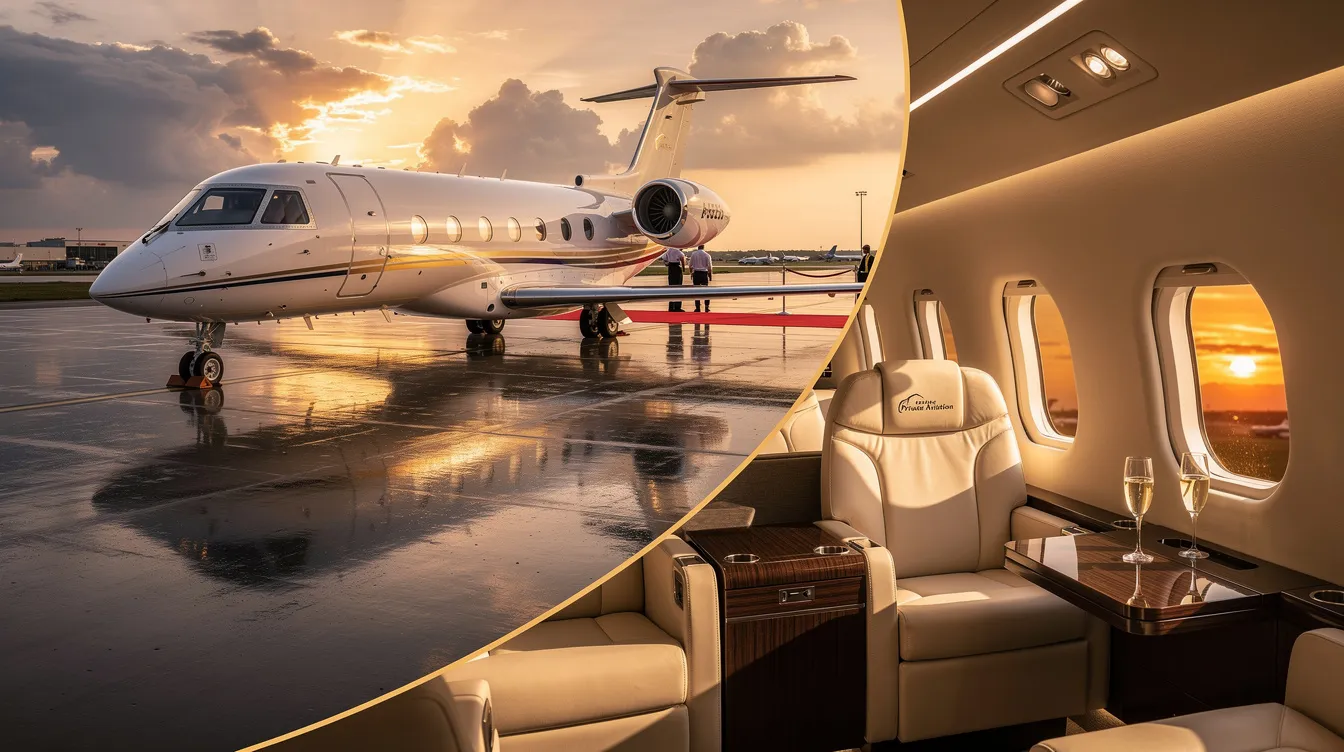
The Airbus A320 has earned its position as the dominant single-aisle aircraft for short- to medium-haul flights. Continuous evolution in engines, avionics, and cabin design keeps it relevant and competitive in 2026.
For passengers, the A320 delivers predictable comfort: a wide cabin, modern flight controls and safety systems, and broad route coverage thanks to the hundreds of airlines that fly it daily. The contrast between A320ceo and A320neo is significant - the neo's better fuel efficiency, extended range, and lower emissions align with both airline economics and environmental goals.
In private aviation, the A320 family plays a distinct role. From ACJ corporate jets configured for VIP travel to high-capacity charters arranged through Jettly for time-sensitive, large-group movements, the aircraft offers a combination of capacity, range, and flexibility that smaller private jets cannot match.
Whether a traveler is checking their boarding pass for a two-hour flight or a corporate planner is coordinating a 150-person shuttle across continents, the A320 family remains central to how the world flies.
Ready to explore private travel on your terms? Request a quote or browse flight options at https://www.jettly.com.
Share this post:
Jay Franco Serevilla
Jul 17, 2026
|
5
min read
Discover tips and trends in the industry.

5
min read
Delta Boarding Zones: How Delta Air Lines Boarding Works (and What It Means for Private Flyers)
Delta Air Lines utilizes a structured boarding system with eight numbered zones plus pre-boarding, determining the order in which passengers board based on cabin class, fare type, and loyalty status. Understanding this system is crucial for travelers considering commercial flights versus private jet charters, as it impacts overhead bin space and wait times. For those seeking a more streamlined experience, private jet options like Jettly eliminate the complexities of boarding zones altogether.
Read More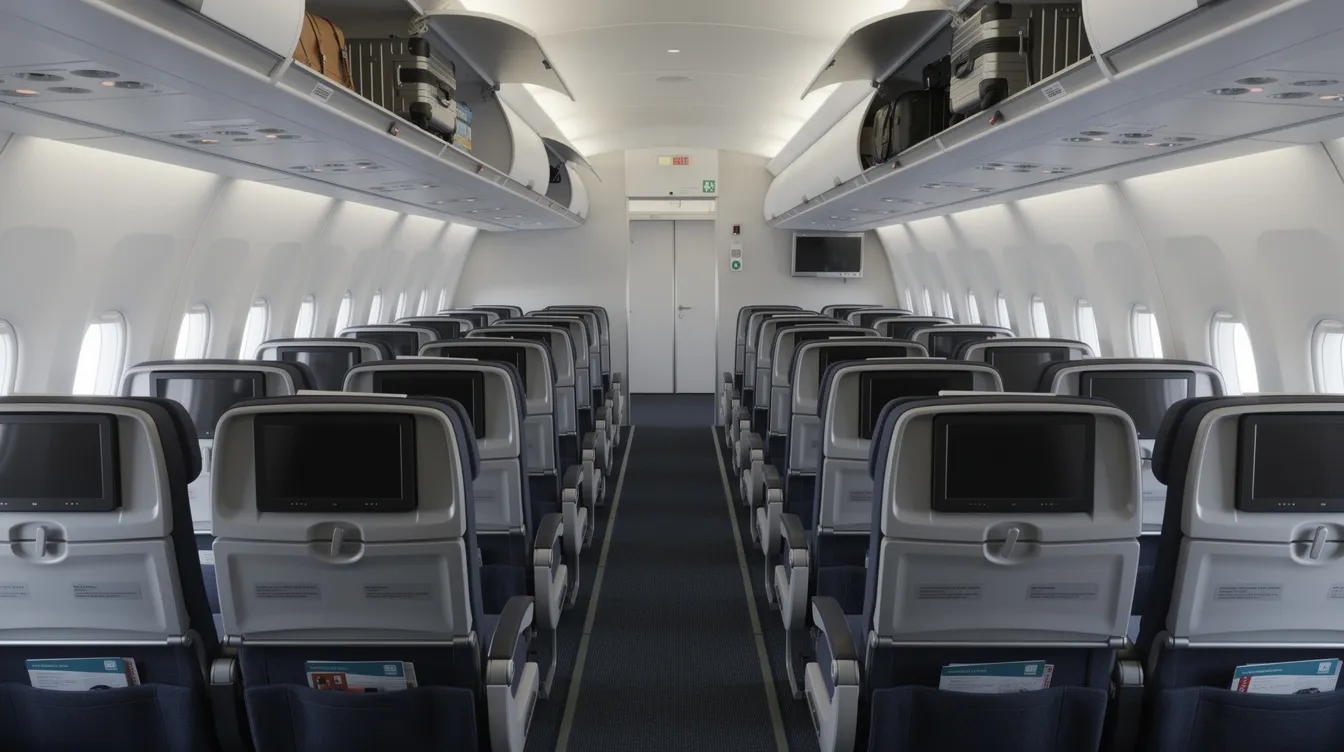
5
min read
Delta Basic Economy: What Changed, What It Includes, and When to Avoid It
Delta Air Lines has rebranded its Basic Economy fare to Delta Main Basic as of October 1, 2025, maintaining its core restrictions while altering the booking experience. This fare class is the most restrictive in Delta's lineup, making it suitable primarily for solo travelers on short flights who prioritize low prices over flexibility. For most travelers, considering higher fare options like Delta Main Classic or private jet charters may provide better value.
Read MoreStay updated with our latest insights and tips to elevate your journey with us.
MEMBERSHIPS AND ASSOCIATIONS



Disclaimer: Jettly operates as a charter broker, offering access to a global digital jet charter marketplace. Jettly is not a direct air carrier and does not own or operate aircraft. All advertised flights are conducted by third-party air carriers that are fully licensed and hold the appropriate Part 135 or Part 121 certifications issued by the Federal Aviation Administration (FAA) or equivalent regulatory authorities under U.S. or foreign law. Jettly complies fully with the U.S. Department of Transportation's Part 295 and Part 298 Charter Broker regulations. Jettly does not carry additional liability insurance. Passengers are covered by aircraft operator insurance. TICO: 50023770


