


Login
Get Instant Pricing On 23,000+ Aircraft

>
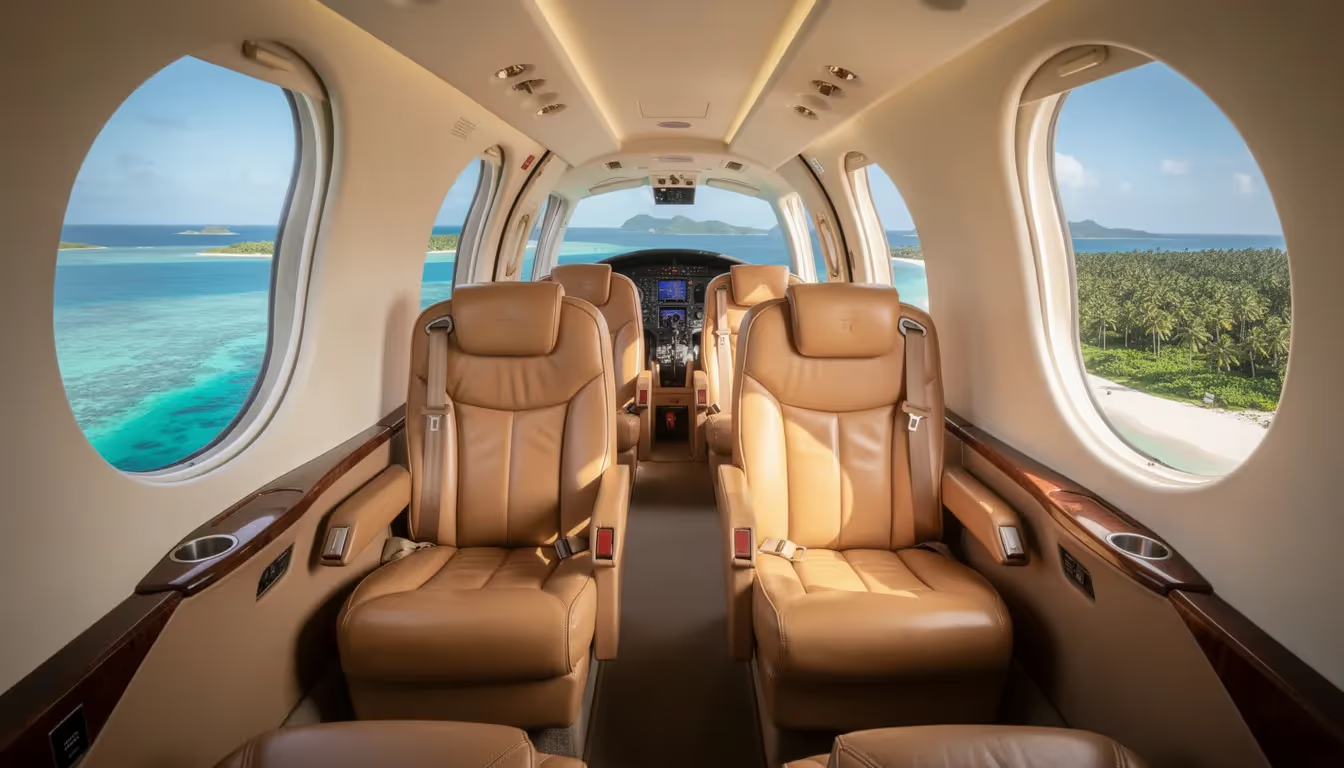
When you search for “aerocaribe,” you’ll discover a name that spans decades of aviation history across Mexico, Costa Rica, and Honduras. Understanding which operator you’re researching—and whether there’s a better way to fly private today—can save you time, money, and frustration.
“Aerocaribe” refers to several different aviation brands: a historic Mexican regional airline that started operations in 1975, active Central American charter operators in Costa Rica, and a Honduran domestic carrier serving remote communities.
Modern travelers seeking private, flexible, and cost-efficient flying in the region can now explore various private charter services that offer alternatives to traditional commercial flights.
Costa Rica–focused operators under the Aero Caribe air charter name specialize in scenic charter flights, day tours, and short-haul connections across the country.
Aerocaribe de Honduras provides essential domestic links from La Ceiba to Guanaja and Puerto Lempira with simple, no-frills cabins.
AerCaribe also operates cargo and maintenance services in Colombia with a fleet including converted Boeing 737-300 freighters.
This article compares these brands, outlines their service offerings and safety context, and highlights modern private flying options for discerning travelers.
The name “aerocaribe” carries different meanings depending on where you’re traveling in Latin America. It’s shared by several related but distinct aviation entities across Mexico, Costa Rica, Honduras, and Colombia—each with its own history, fleet, and mission.
The main uses of this term include:
Aerocaribe (Mexico): Founded in 1972 as Aerolíneas Bonanza and started operations on July 12, 1975, based in Mérida, Yucatán, Mexico, operated as a regional passenger airline (now defunct).
Aero Caribe Air Charter: Active operator based in Costa Rica, providing private charter flights and aerial tours.
AeroCaribe de Honduras: Founded in 2009, based in La Ceiba, offering domestic scheduled flights.
AerCaribe (Colombia): Founded in 2006, a cargo and passenger charter carrier operating Boeing 737-300P2Fs and maintaining Antonov aircraft.
Travelers searching for “aerocaribe” are typically interested in private charter flights, regional connectivity, or learning about the brand’s history and safety record. These brands represent traditional charter and scheduled models that can be complemented by modern private charter services offering flexible, luxurious travel in Central America.
The original Aerocaribe began as Aerolíneas Bonanza in 1972 and started operations on July 12, 1975, under the Aerocaribe name. Based in Mérida, Yucatán, Mexico, it served domestic routes with turboprops and regional jets, connecting secondary Mexican cities with major hubs.
At its peak, Aerocaribe operated almost 120 flights per day, linking secondary cities and resort destinations. The airline was bought by Corporación Mexicana de Aviación on August 23, 1990, becoming a regional affiliate of Mexicana de Aviación. It operated under the Mexicana Inter banner with codeshare agreements to expand connectivity.
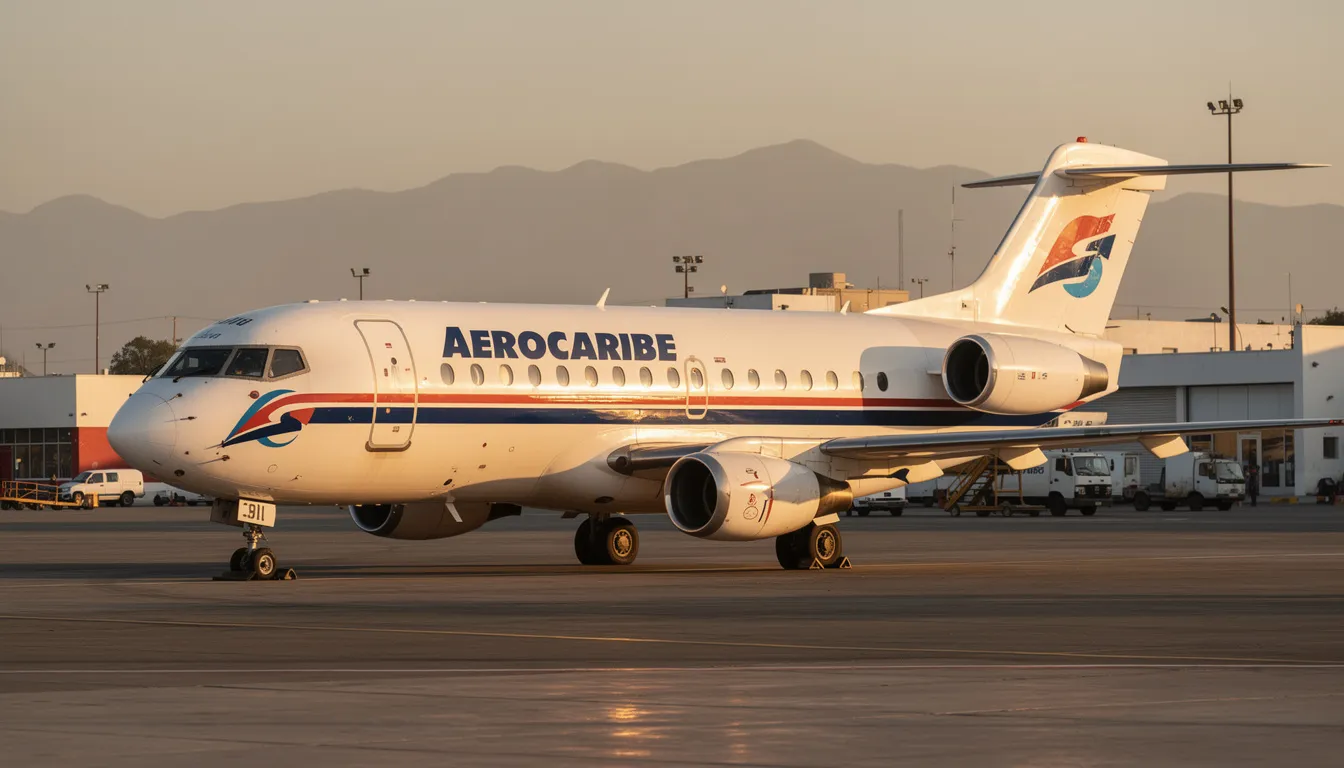
In 2005, Mexicana rebranded Aerocaribe as MexicanaClick, shifting it to a low-cost carrier model using its fleet of Fokker 100 aircraft. Later, Aerocaribe added Boeing 717 aircraft to its fleet, introducing business-class offerings to enhance passenger experience.
In 2008, it was announced that Aerocaribe would cease operating as a low-cost airline and instead function as a regional feeder for domestic destinations in Mexico. The Aerocaribe brand gradually disappeared from commercial use following Mexicana’s restructuring.
Regional aviation in Mexico during the 1980s through the early 2000s faced infrastructure and weather challenges. Aerocaribe experienced several significant incidents during this era:
July 8, 2000 - Flight 7831: A regional turboprop crashed near Chulum Juárez, Mexico, killing all 19 passengers and crew.
March 15, 1984 - Aerocozumel Flight 261: Crashed after takeoff from Cancún International Airport; no fatalities resulted from the crash, though one passenger later died of a heart attack.
June 21, 1988 - Cancún–Chichén Itzá Flight: After a hydraulic failure, the plane crashed into a swamp near Cancún. All passengers and crew survived after walking through the swamp to safety.
These incidents pertain to the historic Mexican Aerocaribe operations and are distinct from modern Central American charter operators using similar names, which adhere to current international safety standards.
The contemporary Aero Caribe Air Charter operates as a private charter and tour provider in Costa Rica, focusing on short-haul domestic and near-regional flight services. This operator offers an exclusive range of private charter flights and unique aerial tours, catering to travelers eager to elevate their Costa Rican adventure.
Core service offerings include:
Private charter flights between major Costa Rica destinations
Aerial tours over signature attractions like Arenal Volcano and Nicoya Peninsula beaches
Transport to remote areas, including the Osa Peninsula
Personalized, VIP, and pet-friendly travel services, including flights to non-commercial locations
Travelers frequently praise Aero Caribe for professionalism, excellent communication, and making travel between destinations easy and stress-free. Many recommend Aero Caribe as a better option compared to other commercial airlines in Costa Rica, highlighting fair pricing and courteous service from pilots and staff.
Imagine lifting off from San José and watching volcanoes, cloud forests, and pristine coastlines unfold beneath you in a 30 to 60-minute journey that would otherwise take hours by road. This travel experience draws thousands of visitors to Costa Rica’s charter aviation sector each year.
Common charter routes and approximate flight times:
San José to La Fortuna (Arenal): 25-35 minutes flight (vs. 3-4 hours driving)
San José to Quepos (Manuel Antonio): 18-25 minutes flight (vs. 3.5 hours driving)
San José to Tambor: 20-30 minutes flight (vs. over 5 hours driving, including ferry)
San José to Carate (Osa Peninsula): 40-50 minutes flight (vs. over 8 hours driving)
Liberia to Pacific Coast strips: 15-30 minutes flight (vs. 1-2 hours driving)
Passengers enjoy communicative pilots, personalized attention, and flexibility accommodating family groups and last-minute changes. Aerial day tours often include scenic circuits over volcanoes, beaches, and national parks, providing unforgettable views and experiences.
Operators using the Aero Caribe and related names across Central America offer a range of aerial services tailored to the region’s unique geography, including:
Cost-efficient, small-group flights with club-style seating and flexible departure times
Helicopter services: Point-to-point flights to hard-to-reach lodges and private properties with panoramic views
Air ambulance and medical evacuation: Rapid response flights with medical crews for urgent patient transport
Empty leg flights: Discounted private jet travel on repositioning flights
Scenic flights and tours: Pleasure-focused journeys showcasing natural beauty
Typical fleets include:
Cessna Caravan: seating 9-14 passengers, ideal for regional hops with luggage flexibility
Twin-engine propeller aircraft: seating 6-9 passengers, suited for remote airstrip operations
Light helicopters: seating 4-6 passengers, perfect for scenic tours and point-to-point travel
These operators prioritize safety, pilot experience, and maintenance protocols to ensure trust and comfort.
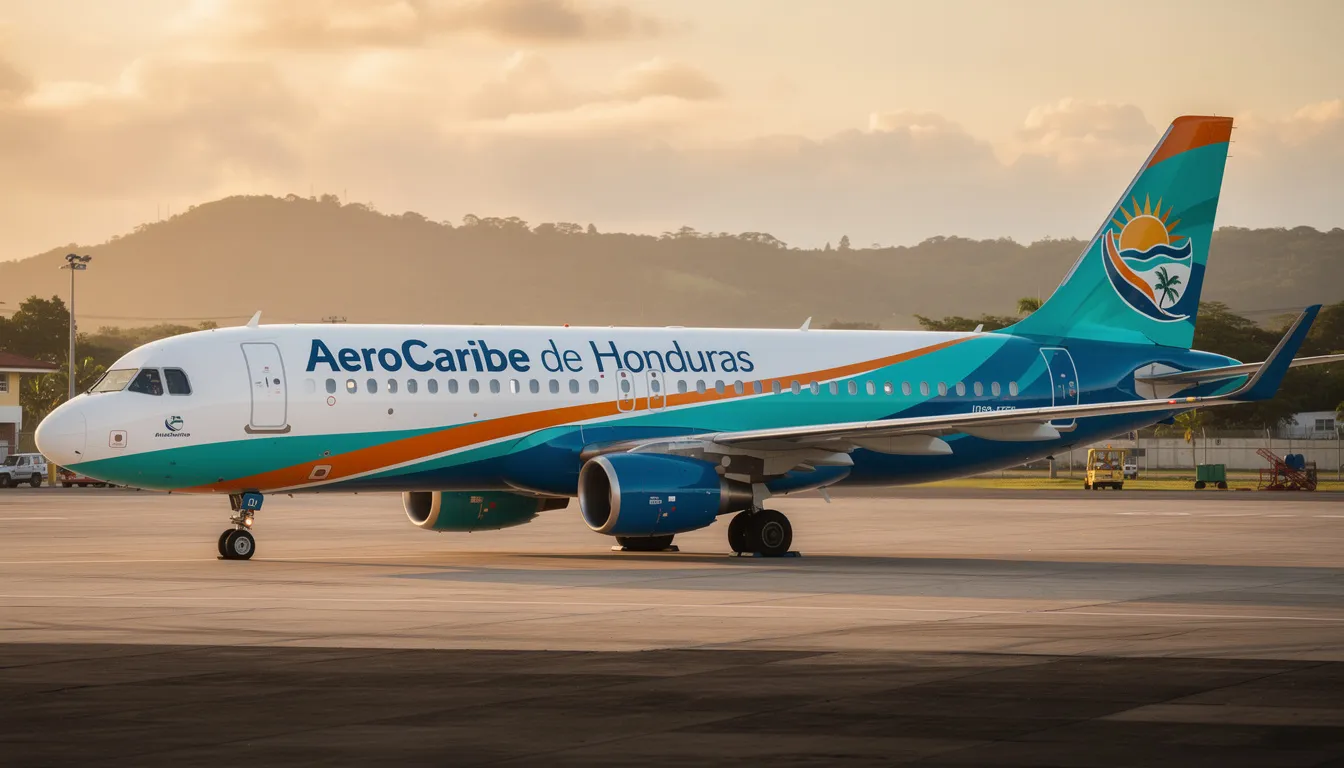
Aerocaribe de Honduras, founded in 2009 and based at La Ceiba Golosón International Airport, provides essential domestic flights connecting remote communities.
Primary routes:
La Ceiba (hub) – Guanaja Island
La Ceiba – Puerto Lempira (Gracias a Dios Región)
The airline offers a single Economy Class cabin with basic but comfortable seating arranged in a 1 x 2 configuration. Flights are always direct between these destinations. The service is functional and no-frills, focusing on reliable transport.
Booking and travel details include:
Cancellations or date changes must be requested at least 72 hours before departure to avoid penalties.
Payments accepted via credit cards, bank transfers, and cash at their Caracas headquarters.
Passengers must arrive well in advance for check-in with valid identification; minors under 9 require a copy of their birth certificate.
Booking requires providing a digital copy of ID or a passport and accommodation details.
Aerocaribe primarily uses a manual booking process; payment must be completed within 6 hours of the reservation, or the booking is canceled.
Baggage is limited to 3 kg (6.61 lbs) carry-on and specific checked baggage allowances varying by flight.
Alternatives on similar routes include Avianca Honduras and CM Airlines.
AerCaribe, founded in 2006 in Bogotá, Colombia, specializes in cargo and passenger charters throughout Latin America. It operates a fleet including converted Boeing 737-300P2F freighters with a capacity of 48,000 lbs. The company is certified to maintain Antonov aircraft and operates a 3,000 sqm hangar at El Dorado International Airport for maintenance and cargo operations.
Booking with these small-aircraft operators requires attention to specific policies, including baggage restrictions and payment timelines. Travelers should verify departure airports carefully to avoid confusion due to multiple airfields in cities like La Ceiba, San José, and Liberia.
No. The Costa Rica-based Aero Caribe air charter is a separate company from the historic Aerocaribe regional airline that operated out of Mérida, Mexico. The original Mexican carrier was rebranded as MexicanaClick in 2005 and no longer operates under the Aerocaribe name. Current Costa Rican charters focus on private and scenic flights rather than scheduled passenger service.
Aerocaribe de Honduras does not have a frequent flyer program nor is it part of any airline alliance. Flights prioritize schedule and convenience over loyalty benefits.
Modern operators in Costa Rica, Honduras, and Colombia comply with national civil aviation authority regulations covering maintenance, pilot training, and operations. Checking current safety records and certifications before booking is advised.
Yes, combining different private charters is common. Coordination and buffer times between flights help ensure smooth connections. Local ground handling or concierge services can assist with transfers.
Aerocaribe represents a diverse legacy and presence in Central American and Latin American aviation, spanning historic regional airlines in Mexico, active private charter services in Costa Rica, essential domestic flights in Honduras, and cargo and maintenance operations in Colombia. Each iteration serves unique traveler needs—from connecting remote communities to providing luxury, personalized service for adventurous visitors. Understanding the distinct Aerocaribe brands and available private flying options ensures you make the best choice for your next Central American adventure.
For travelers seeking a game changer in private aviation, platforms like Jettly offer an excellent way to access a wide range of private charter flights, including those operated by Aero Caribe and similar providers. Jettly simplifies the process by allowing you to search, select, and book private flights online with ease, providing instant quotes and personalized service. This innovative approach enhances convenience and flexibility, making it easier than ever to elevate your travel experience in Costa Rica, Honduras, and beyond.
Share this post:
Jay Franco Serevilla
Feb 13, 2026
|
5
min read
Discover tips and trends in the industry.

5
min read
Best Time to Buy International Airline Tickets to Europe
Finding the best time to buy international airline tickets to Europe can save travelers hundreds of dollars. Booking 3 to 7 months in advance typically yields the best prices, especially during shoulder seasons. This guide offers insights on timing, fare tracking, and alternative airports to maximize savings and flexibility.
Read More
5
min read
When Do Plane Tickets Get Cheaper? Timing Your Booking for Better Flight Prices
Understanding when plane tickets get cheaper is essential for travelers looking to save on airfare. Generally, booking domestic flights 1 to 3 months in advance and international flights 2 to 8 months ahead yields the best prices. Factors like travel dates, day of the week, and seasonality significantly impact ticket costs, making it crucial to stay flexible and track fare changes.
Read MoreStay updated with our latest insights and tips to elevate your journey with us.
MEMBERSHIPS AND ASSOCIATIONS



Disclaimer: Jettly operates as a charter broker, offering access to a global digital jet charter marketplace. Jettly is not a direct air carrier and does not own or operate aircraft. All advertised flights are conducted by third-party air carriers that are fully licensed and hold the appropriate Part 135 or Part 121 certifications issued by the Federal Aviation Administration (FAA) or equivalent regulatory authorities under U.S. or foreign law. Jettly complies fully with the U.S. Department of Transportation's Part 295 and Part 298 Charter Broker regulations. Jettly does not carry additional liability insurance. Passengers are covered by aircraft operator insurance. TICO: 50023770


