


Login
Get Instant Pricing On 23,000+ Aircraft

>
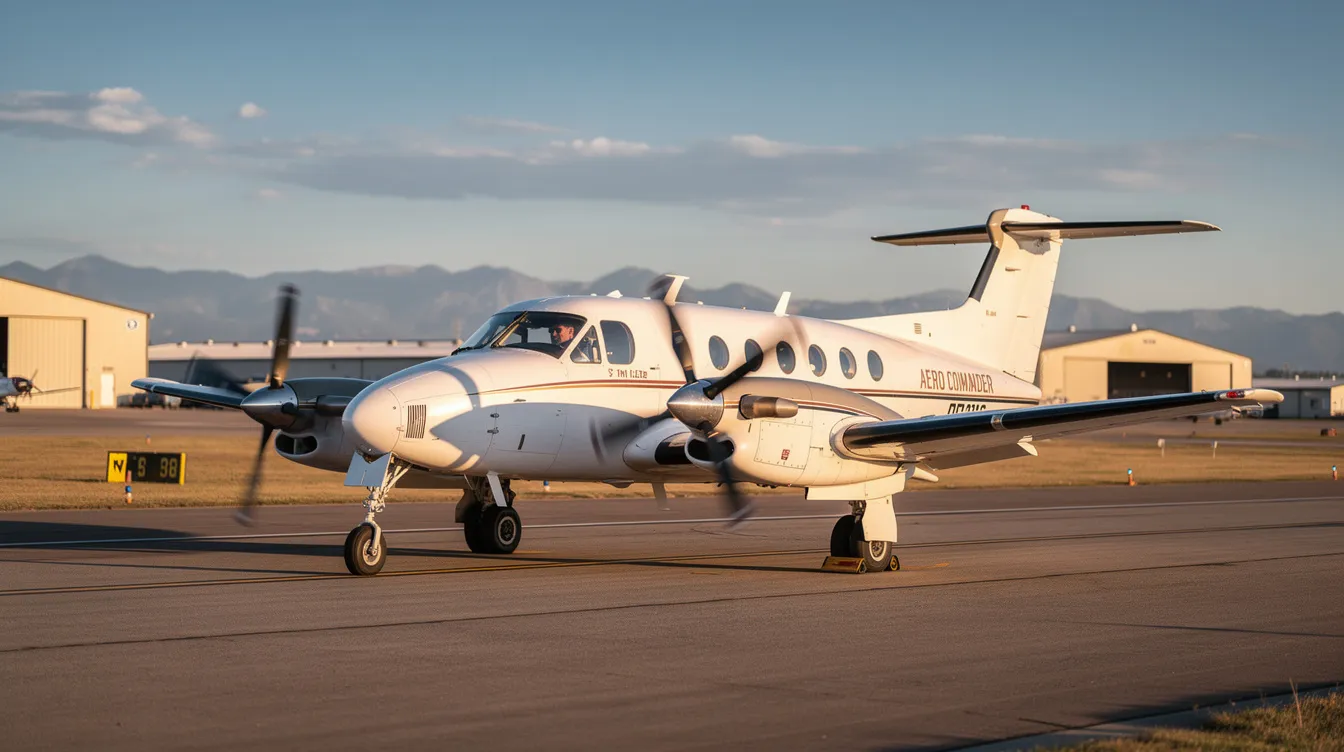
The Aero Commander 690 is a twin-turboprop aircraft built for regional private flights where short runways, practical budgets, and reliable twin-engine performance matter more than stand-up cabins. This guide covers what charter passengers need to know before booking one.
Seats 5–9 passengers for regional charter flights
Max speed: 328 mph (285 knots); range: ~1,790 miles
Introduced in the early 1970s; still active in charter and corporate service
Powered by reliable Honeywell TPE331 engines; excels at short-field operations
Compact, functional cabin—typically no full lavatory; best for 1–3 hour trips
More cost-effective than jets; lower hourly rates and access to smaller airports
Compare with other turboprops and get instant charter pricing via Jettly's platform
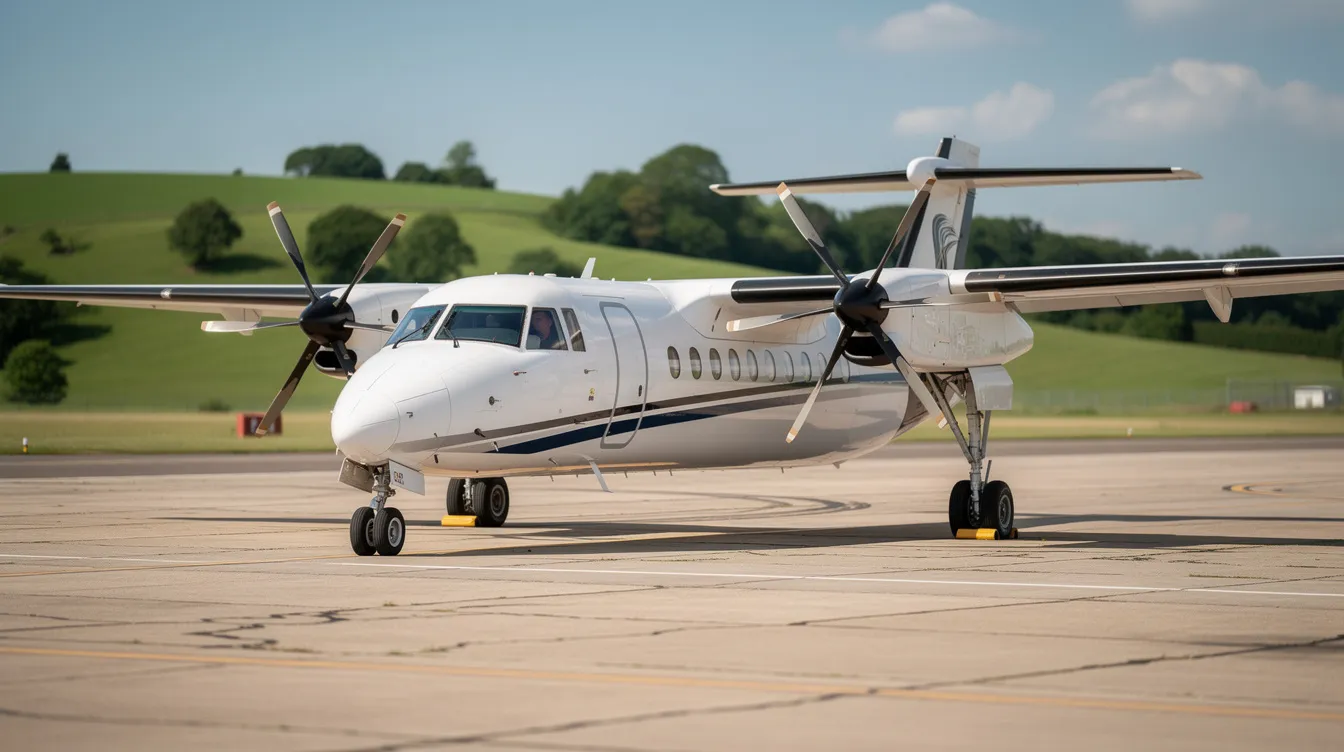
The Aero Commander 690 is a pressurised turboprop aeroplane that first flew in the late 1960s and received certification on July 19, 1971. It belongs to the twin Commander lineage, evolving from earlier piston-powered Aero Commander models (500, 680, 681 series) into a turbine-driven plane built for speed and field flexibility.
Engines: Powered by two Honeywell TPE331 turboprop engines producing about 717 shp each.
Category: Pressurised twin turboprop; high-wing design offers improved visibility and safety during operations.
Variants: 690 (original), 690A (higher ceiling, added pressurisation), 690B (soundproofing, interior upgrades). Later models include the Jetprop 840 and 900.
Roles: The Aero Commander 690 is widely used for corporate and executive transport. It has also been adapted for special missions like aerial surveying and research; agencies like NOAA utilise modified versions of the 690 for environmental monitoring. The U.S. Army has operated Aero Commander variants for utility and transport work over the years.
Its robust construction allows it to handle operations from unimproved airstrips. The type has historically garnered Airworthiness Directives regarding wing inspections, a factor covered in maintenance logs that operators track closely. The aircraft's fuel system simplifies pilot management of fuel, which pilots note as a practical advantage on long legs, especially when planning routes into shorter regional and municipal airports.
The interior is practical rather than plush, optimised for regional flying where time in the cabin is measured in a couple of hours, not half a day.
Seating: The aircraft is typically configured to seat 1-2 pilots and 5 to 10 passengers. The Aero Commander 690 accommodates 5 to 9 passengers in most charter layouts, with club and forward-facing arrangements. Ideal comfort sits around 5 to 7 people.
Dimensions: The cabin measures 29.5 feet long and 4 feet wide. The cabin height is approximately 13.1 feet in total interior volume measurements; expect to stoop when moving through the aisle, as this is not a stand-up cabin.
Amenities: Basic seating, reading lights, and a small refreshment area. Cabin pressure differential is around 5.25 psi, enhancing high-altitude comfort. The cabin layout provides good visibility and accessibility for passengers thanks to the high-wing design and large windshield area. Some aircraft have added upgraded interiors or avionics refits post-refurbishment.
Lavatory: The aircraft typically has no lavatory. Select 690B models include a compact belted lavatory in the aft section; confirm this feature before you sign off on a booking through Jettly.
Luggage: There is about 43.08 cubic feet of luggage space. Soft-sided bags are easier to work with for loading through the baggage door, and operators can often pair flights with in-flight catering for private jets when requested in advance.
The Aero Commander 690 offers a strong match of speed, range, and short-runway access that few aircraft in its category can replicate.
Speed: Maximum cruise speed ranges from approximately 270 to 310 knots. The aircraft can fly at a speed of 285 nautical miles per hour in typical cruise, featuring high cruising speeds and short-field capabilities.
Altitude: The aircraft has a maximum service ceiling of 31,000 feet, with a cruising altitude of about 25,000 feet for most charter operations.
Range: The range of the Aero Commander 690 is approximately 820 to 1,454 nautical miles depending on payload and conditions, translating to about 1,790 miles at maximum fuel under favourable conditions. Real-world charter legs are often kept between 600 and 1,200 miles for comfort and reserves.
Climb: The aircraft has a climb rate of up to 3,000 feet per minute, valued for operations in mountainous terrain or challenging weather.
Short-field: The aircraft is known for its exceptional short-field takeoff and landing performance, allowing access to smaller airports that jets cannot reach.
Route examples within the performance envelope: New York to Dallas (~1,350 nm), Chicago to Phoenix (~1,500 nm), or Toronto to Miami (~1,300 nm).

The Aero Commander 690 sits in Jettly's database as a cost-efficient turboprop option for people who want to jump between regional cities without the price tag of a light jet, fitting neatly with broader strategies for booking the cheapest private jet flights.
Use cases include same-day business trips, family weekends to remote vacation spots, and utility flights where field conditions limit jet access; some travelers may even reduce per-person costs further by sharing empty seats on private flights. To search for available aircraft, enter your route, date, and passenger count on Jettly's platform. The system returns matching options with transparent pricing.
Charter pricing varies by departure and destination locations, as outlined in Jettly's resources on affordable private jet charter. Charter costs also depend on how far in advance you book, and charter pricing is influenced by aircraft type and availability, echoing the main factors outlined in guides to understanding one private flight cost. On-demand users can book without long commitments or opt into private jet memberships with wholesale rates. Learn more about Jettly's charter options.
For a quick way to estimate turboprop charter rates or broader private jet charter cost estimates, Jettly's quote tool shows flight time, fuel, repositioning, and taxes before you commit.
The Aero Commander 690 competes with aircraft like the Beechcraft King Air and Cessna Conquest in the twin turboprop category. Here is how they compare at a high level:
|
Feature |
Aero Commander 690 |
King Air 90/200 |
|
|---|---|---|---|
|
Engines |
Twin TPE331 |
Twin PT6A |
Single PT6A |
|
Passengers |
5–9 |
6–13 |
6–9 |
|
Cabin width |
~4 ft |
~4.5 ft |
~5 ft |
|
Cruise speed |
~285 kt |
~260–310 kt |
~280 kt |
|
Acquisition cost (used) |
Lower |
Higher |
Higher |
Aero Commander 690s are often available for less than comparable King Airs on the used market, which translates into lower charter rates and makes them attractive in broader comparisons of affordable aeroplane rental options and costs. The twin commander branding can show up differently in fleet listings; you may see "Twin Commander 690" or "Aero Commander 690" for the same aeroplane. The type's advantages include strong climb performance, good speed for its class, and a loyal operator base that keeps parts and service networks active.
Trade-offs: narrower cabin than the PC-12, limited stand-up height, and older airframes where interior quality varies. Review aircraft photos, pics, and specs on Jettly before you choose a specific tail number or compare the Aero Commander 690 to other private charter aircraft across Jettly's fleet.
The Aero Commander 690 appeals to people who value practicality and cost control over stuff like marble countertops and lie-flat seats.
Efficient operating costs versus light jets
Twin-engine redundancy for safety in varied weather and terrain
Access to shorter runways found at regional airports, not just major hubs
Sufficient range for common business and leisure routes across North America
The aircraft shows its versatility by serving executives, small teams, families, and special-mission operators in similar fashion, day after day, much like other types highlighted in broader guides to private and charter airlines and operators. Many airframes have been flying for 40-plus years, a long track record that shows the platform's durability.
Booking through Jettly adds value: transparent pricing, the option to view more photos and cabin layouts, and the ability to create an account to log past trips and share preferences. If you found this guide helpful and love the idea of turboprop travel, the next step is straightforward, whether you prefer to charter the whole aircraft or simply buy a seat on a private jet.
Ready to experience private travel on your terms? Explore flight options or request a quote at https://www.jettly.com, especially if you're comparing Jettly as a cost-effective NetJets alternative.
These questions address common concerns from first-time charter passengers considering the Aero Commander 690.
The Aero Commander 690 is operated by licensed commercial operators under regulations such as FAA Part 135, with mandatory maintenance schedules and recurrent pilot training. The twin-engine turboprop design provides redundancy that single-engine aircraft do not offer. Jettly works only with vetted operators that meet strict safety and insurance standards, so passengers can expect consistent oversight—useful context when comparing leading providers such as NetJets and other private aviation leaders.
The cabin is generally louder and more compact than many modern light jets, with limited stand-up room and more basic finishes. For flights of 1 to 3 hours with a small group, comfort is adequate. Some aircraft have updated seating, improved soundproofing, and refreshed interiors. Passengers can review cabin photos and layouts through Jettly before selecting a specific aircraft.
Jettly's platform provides aircraft profiles including galleries with more photos, interior and exterior views, and key performance data. Where pics are limited, travellers can request additional images from Jettly's support team to understand the seating layout, baggage access, and onboard amenities before confirming the booking.
The aircraft can operate from many shorter regional and municipal airports with paved runways, often closer to city centres than major airline hubs, including busy markets like private jet charter in Houston, Texas. Exact airport suitability depends on field length, elevation, temperature, and weight. Jettly's operators recommend appropriate airports when building the itinerary.
While the aircraft has the range for flights up to roughly 3 to 4 hours under favourable conditions, most charter legs are planned between 60 minutes and about 2.5 hours for optimal comfort and scheduling flexibility, similar to many other scenarios covered in guides on how renting a plane works. Short-haul hops between nearby cities or regional hubs and resort destinations are the most common use case, and there are now many ways to get a seat on a private jet easily without committing to full ownership. Confirm expected flight time and routing when requesting a quote through Jettly.
The Aero Commander 690 remains a practical, reliable choice for travellers seeking efficient regional turboprop charter flights. Its combination of strong performance, short-field capability, and cost-effective operation makes it ideal for business trips, family getaways, and special missions where flexibility and accessibility to smaller airports matter. While the cabin prioritises function over luxury, it delivers comfort for typical flight durations of 1 to 3 hours.
Booking an Aero Commander 690 through Jettly offers transparent pricing, instant digital booking, and access to a wide network of vetted operators. Whether you need a quick business hop or a weekend escape, Jettly’s platform simplifies private aviation by providing detailed aircraft information, real-time availability, and competitive rates. Learn more about Jettly's charter options, explore our guide on how renting a plane works, or check out affordable private jet charters to plan your trip.
Ready to experience private travel on your terms? Explore flight options or request a quote at https://jettly.com.
Share this post:
Jay Franco Serevilla
Sep 27, 2026
|
5
min read
Discover tips and trends in the industry.

5
min read
Jetout vs. Jettly: How Modern Private Aviation Is Changing for Travelers and Crew
Jetout and Jettly represent two distinct models in private aviation, catering to different traveler needs. Jetout focuses on regional co-ownership with a dedicated fleet, while Jettly offers a global digital marketplace for on-demand charter services. Understanding these options can help travelers make informed decisions based on their flight frequency and preferences.
Read More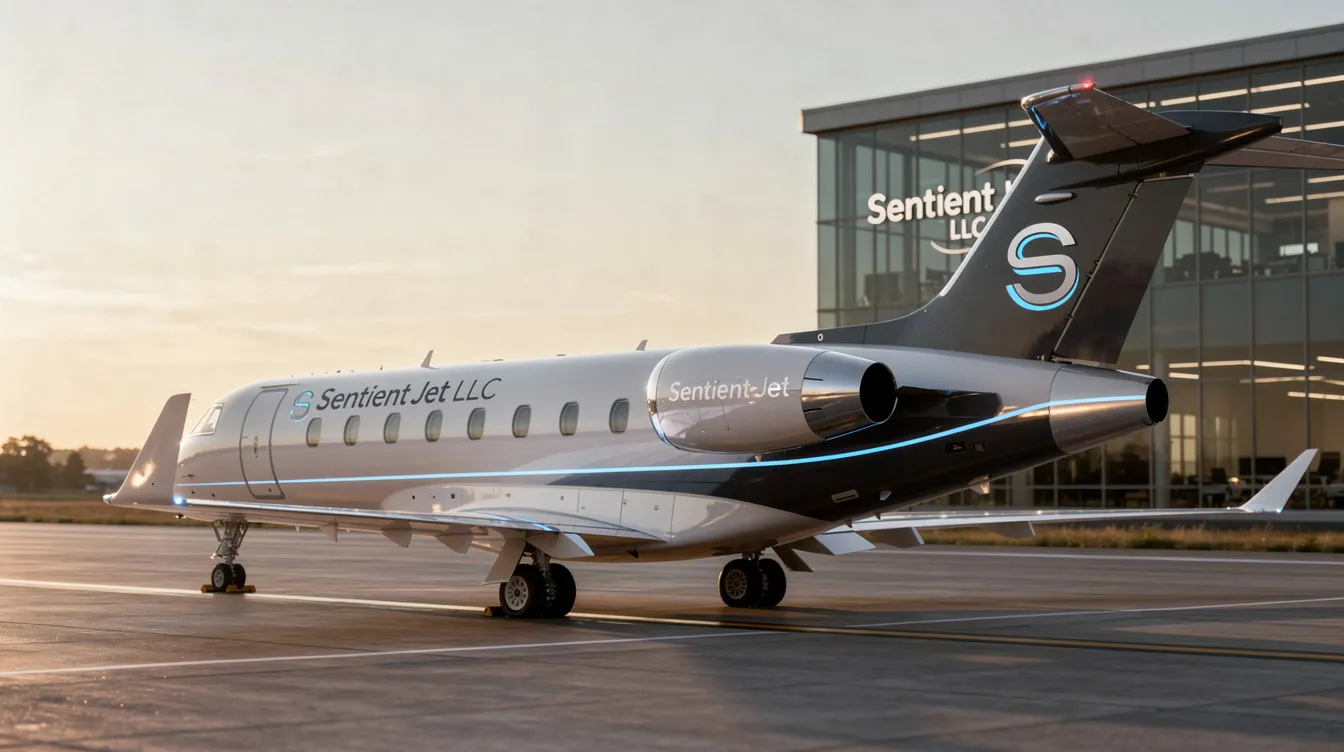
5
min read
Sentient Jet LLC: Jet Cards, the Sentient Certified Network, and Modern Private Aviation
Sentient Jet LLC revolutionized private aviation by introducing the jet card model in 1999, offering prepaid flight hours at fixed rates. This article explores the advantages and disadvantages of Sentient Jet's structured approach compared to on-demand charter solutions, helping travelers make informed decisions based on their flying habits and preferences.
Read MoreStay updated with our latest insights and tips to elevate your journey with us.
MEMBERSHIPS AND ASSOCIATIONS



Disclaimer: Jettly operates as a charter broker, offering access to a global digital jet charter marketplace. Jettly is not a direct air carrier and does not own or operate aircraft. All advertised flights are conducted by third-party air carriers that are fully licensed and hold the appropriate Part 135 or Part 121 certifications issued by the Federal Aviation Administration (FAA) or equivalent regulatory authorities under U.S. or foreign law. Jettly complies fully with the U.S. Department of Transportation's Part 295 and Part 298 Charter Broker regulations. Jettly does not carry additional liability insurance. Passengers are covered by aircraft operator insurance. TICO: 50023770


