


Login
Get Instant Pricing On 23,000+ Aircraft

>

Advanced aviation in 2026 represents the convergence of modern aircraft technology, AI-driven operations, and digital booking platforms that have transformed private jet charter. Jettly stands at the center of this evolution, offering travelers instant access to over 20,000 aircraft worldwide without jet cards, fractional ownership, or lengthy broker negotiations.
This guide is designed for private flyers, aviation enthusiasts, and anyone interested in how technology is transforming private jet travel. Understanding advanced aviation is essential for making informed decisions about safety, efficiency, and the evolving options available in the private charter market.
This guide breaks down what advanced aviation means today, how pilot training and safety standards underpin the industry, and why platforms like Jettly are making private flying faster, safer, and more accessible than ever.
Advanced aviation combines next-generation avionics, data-driven flight operations, and digital marketplaces like Jettly to simplify private jet charter access globally.
Travelers can now book from a fleet of over 20,000 aircraft on demand, with instant pricing built from 250+ data points—no jet card commitments required.
Many charter pilots hold commercial licenses, instrument rating credentials, and flight instructor backgrounds, averaging 5,000 to 15,000 total flight hours.
Advanced aviation providers like Jettly are committed to delivering the best service through comprehensive aircraft maintenance and 24/7 support, ensuring safety, reliability, and minimal downtime.
Read on to learn how technology and rigorous training make private flying faster, safer, and more transparent.
Advanced aviation refers to the integration of modern aircraft technology, predictive analytics, and digital charter platforms that optimize every aspect of private jet operations. Jettly exemplifies this by connecting travelers to a global network of operators through instant pricing and streamlined booking.
Since the early 2010s, avionics have evolved dramatically. Modern jets now feature:
Garmin G3000 and G5000 suites with touchscreen interfaces and coupled autopilot modes
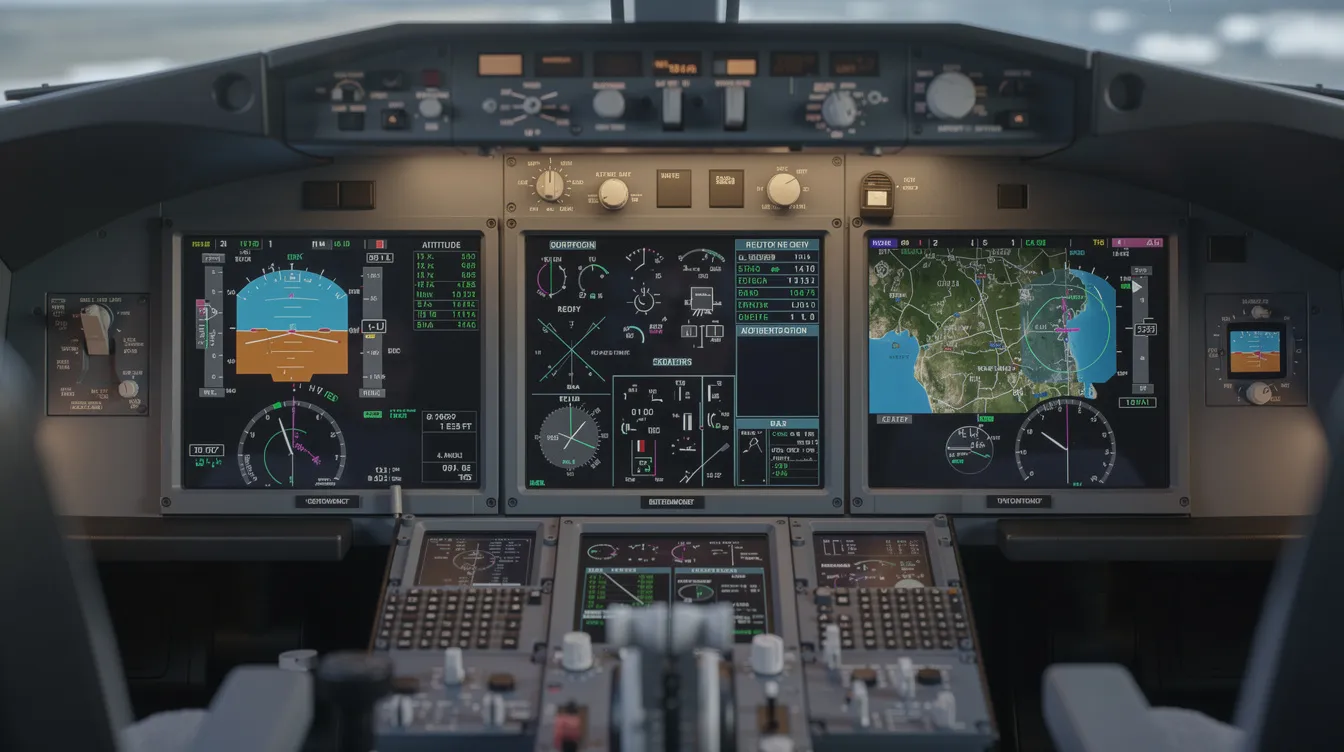
Synthetic vision systems (SVS) provide 3D terrain rendering up to 10 nautical miles ahead
ADS-B In/Out technology for 360-degree traffic awareness, mandated by the FAA since 2020
Autoland capabilities on select aircraft certified post-2023, enabling hands-off landings via WAAS GPS precision
These technologies enhance pilot situational awareness and operational efficiency, setting a new standard for safety and performance in advanced aviation.
Most charter captains today hold commercial pilot licenses, instrument rating credentials, and often certified flight instructor experience. This ties traditional flight training directly to modern private jet operations, with advanced simulators and programs designed to enhance pilot skills.
Advanced aviation also encompasses new business models: on-demand charter with dynamic pricing, empty leg opportunities, and membership versus pay-as-you-go access. Jettly’s algorithms factor in 250+ data points—including fuel costs ($4.50-$6 per gallon in 2026), crew per diems, and airport fees—to deliver quotes in seconds rather than days, similar to its dedicated private jet charter cost estimator.
Safety and customer care are always top of mind in the design and operation of advanced aviation services, ensuring a focus on professionalism and client well-being.

A typical pilot’s career begins with the Private Pilot certificate, often the first step for people seeking to fly for leisure or as a career in aviation. From there, pilots progress through structured courses available for each certification level, building the foundation for advanced jet operations.
The standard progression looks like this:
|
Certificate/Rating |
Minimum Hours |
Purpose |
|---|---|---|
|
Private Pilot (PPL) |
40 hours |
Basic flight privileges |
|
Instrument Rating (IR) |
50 hours cross-country |
Flying in reduced visibility |
|
Commercial Pilot (CPL) |
250 total hours |
Compensation for flying |
|
Airline Transport Pilot (ATP) |
1,500 hours |
Captain-level operations |
An Instrument Rating allows pilots to fly in a wider range of weather conditions and is essential for those looking to operate commercial flights. This certification enables safe operations in complex airspace on business routes like New York–Miami or London–Geneva.
Flight training programs can vary in duration, with fast-track courses for Private Pilot certification taking as little as 21 days. Many of these programs have been created by experienced instructors to ensure effective learning. Students in grades 9-12 can also explore aviation career opportunities through courses that include flight simulation and drone flight training. Many flight training programs offer pathways to various aviation careers, including roles as commercial pilots, flight instructors, and specialized endorsements, often leading to roles at regulated Part 135 charter companies
The demand for airline pilots has never been higher, with many flight training academies reporting high employment rates for their graduates. Pilots who serve as certified flight instructors (CFIs/CFIs) build 1,000 to 2,000 hours teaching other people before transitioning to Part 135 charter operations. Hands-on training is essential, as leadership and personal development go hand in hand with technical instruction and learning by doing.
A typical advanced aviation crew profile on Jettly flights includes:
10,000+ total flight hours
2,500+ multi-engine hours
Annual recurrent training in Level D full-motion simulators
Type ratings for specific aircraft (e.g., Citation, Gulfstream)
Line checks every six months
This rigorous standards framework ensures passengers fly with crews who have the highest quality training in the industry.
Jettly operates as a B2C digital marketplace connecting travelers to over 20,000 unique aircraft from 1,500+ operators worldwide. The platform processes more than 50,000 quotes monthly, replacing slow email-based broker negotiations with instant pricing and online booking.
The instant pricing system calculates costs using these factors:
Aircraft type and NBAA block rate ($3,500-$12,000 per hour)
Positioning/ferry legs (can add up to 20%)
FBO fees ($500-$3,000 depending on location)
Crew overnight costs ($1,200 per night)
Fuel uplift at current market rates
De-ice, catering, and ground transportation
Additional fees may apply for services requested outside regular hours or under special circumstances, such as call-out fees, and travelers can compare these variables using Jettly’s broader guide on affordable private jet charter pricing.
The booking process is straightforward: enter your origin, destination, and travel dates (e.g., Toronto–Vancouver for 4 passengers), filter by aircraft category (light jet, 1:45 block time), review operator safety credentials, and confirm with an online deposit. Completion takes under five minutes, making it one of several modern ways to get a seat on a private jet easily.
Transparency sets Jettly apart from traditional brokers. There are no jet card mandates requiring $100,000+ buy-ins. Travelers see operator profiles showing:
FAA Part 135 Air Carrier certification details
Third-party audit ratings (IS-BAO Stage 3, ARGUS compliance)
Pilot credentials and experience summaries
Safety compliance scores
Advanced aviation logistics extend beyond the flight itself. Jettly coordinates ground transportation, FBO access at terminals like Teterboro or Van Nuys, and in-flight catering from trusted providers such as Jettly Eats. This full-service approach delivers a seamless experience from car to aircraft, and concierge services can also assist with hotel reservations and related amenities to enhance the customer experience.

Advanced aviation is rooted in aircraft capabilities: avionics suites, performance specifications, and strict maintenance regimes that work together to ensure safety and reliability. Jettly and its partners have supported a significant number of aircraft builds and operations worldwide, demonstrating extensive experience and a strong reputation in the advanced aviation sector through its extensive catalog of private charter aircraft.
|
Category |
Example Models |
Range |
Best Use Case |
|---|---|---|---|
|
Very Light Jet |
Eclipse 550 |
1,100 nm |
Short hops under 300 nm |
|
Light Jet |
Citation CJ3+ |
2,000 nm |
NYC–Miami, regional |
|
Midsize |
Learjet 75 |
2,500 nm |
Transcontinental |
|
Super-Midsize |
Praetor 600 |
4,000 nm |
Coast-to-coast |
|
Heavy |
Global 7500 |
7,700 nm |
International |
|
Turboprop |
Pilatus PC-12 |
1,800 nm |
Short fields, flexibility |
|
Helicopter |
Bell 407 |
300 nm |
Urban transfers |
Today’s jets are equipped with technology that enhances situational awareness:
TAWS (Terrain Awareness and Warning Systems) warns pilots 30-60 seconds before potential terrain conflicts
TCAS II provides traffic resolution advisories with 1,200-foot vertical separation
Flight Data Monitoring streaming 1,000+ parameters per flight for predictive maintenance
Electronic Flight Bags (EFBs) are replacing paper charts with geo-referenced approach plates
Aircraft maintenance services typically include routine inspections, repairs, and overhauls to ensure safety and compliance with aviation regulations. The FAA requires that aircraft undergo a detailed inspection every 100 flight hours, along with additional servicing and condition analysis every 50 hours.
Maintenance services for aircraft can include annual inspections, emergency repairs, and specialized checks for both piston and turbine engines. FAA Part 145 repair stations follow progressive inspection schedules, with engine Health Monitoring Units predicting failures up to 50 hours in advance, and owners must budget carefully for substantial private jet maintenance costs.
Top operators listed on Jettly achieve 95%+ compliance scores on ARGUS Platinum audits, which evaluate 90+ criteria. Digital maintenance tracking supports a zero-accident approach among these approved carriers.
Private aviation saves travelers 3-6 hours per round trip compared to commercial airlines. The process eliminates TSA lines, boarding delays, and the hub-and-spoke routing that adds time to every journey, which helps explain the rapid growth of the global fleet of private jets.
|
Route |
Aircraft Type |
Block Time |
Estimated Cost |
|---|---|---|---|
|
New York–Miami |
Midsize |
2:15 |
$25,000-$40,000 |
|
Los Ángeles–Las Vegas |
Light Jet |
0:45 |
$10,000-$18,000 |
|
London–Nice |
Light Jet |
2:00 |
$30,000 |
|
Toronto–Vancouver |
Midsize |
4:30 |
$28,000 |
Access to business airports cuts ground transfer time significantly:
Teterboro (TEB) – 15 minutes to Manhattan vs. 60+ minutes from JFK
Van Nuys (VNY) – 20 minutes to Beverly Hills vs. 90 minutes from LAX
Billy Bishop (YTZ) – Downtown Toronto location, no highway traffic
Advanced flight planning via ForeFlight and Jeppesen uses real-time winds aloft data to optimize routing, saving 10% on fuel burn while avoiding delays. NOTAMs and weather integration prepare crews to make adjustments that keep arrivals on schedule, and similar efficiency tactics appear in many tips for booking the cheapest private jet flights.
On-demand charter serves diverse needs and can be combined with options that let travelers buy a seat on a private jet instead of chartering the entire aircraft:
Same-day executive trips (NYC–Boston, depart 8 AM, return 6 PM)
Last-minute family travel with pets and equipment
Medical repositioning or emergency transport
Time-critical site visits for construction, real estate, or manufacturing
Jettly offers two primary ways to access advanced aviation: on-demand charter and structured membership programs, which can be evaluated alongside tools like its jet card flight cost estimator. Each model suits different travel patterns.
Membership programs typically offer:
Reduced or zero commission on bookings
Capped hourly rates with predictable pricing bands
Dedicated support and priority dispatch
Value for travelers flying 50+ hours annually
Annual membership fees range from $5,000 to $50,000, depending on the tier, with discounts of 10-20% off standard rates, and some travelers compare these benefits with fixed-rate jet card programs.
On-demand access requires no upfront investment—travelers simply book flights as needed. This model suits:
Occasional flyers (fewer than 10 hours annually)
Travelers testing private aviation before committing
Those with unpredictable schedules
Empty legs are repositioning flights that would otherwise fly without passengers. When routes align with your plans, savings can reach 30-75% off standard charter rates.
Example: A standard NYC–Miami flight at $25,000 might offer an empty leg at $10,000 when an aircraft needs to reposition, or travelers might opt to crowdsource private jet flights and share empty seats to reduce their per-passenger cost.
Trade-offs include fixed routes and departure times—travelers adapt their plans to the available segments rather than customizing everything. Approximately 15% of Jettly bookings are empty legs, with users able to search, filter by region or date, and set alerts for matching opportunities through Jettly’s dedicated empty leg flights platform.
Advanced users combine options: private jet memberships for core business routes, empty legs for spontaneous leisure when routes align, and on-demand for everything else.
Environmental concerns around aviation have prompted meaningful responses across the industry. Advanced aviation addresses these challenges through technology, efficiency, and emerging alternatives.
Current sustainability measures include:
Right-sizing aircraft and choosing newer models from the latest generation of best private airplanes also support lower emissions per seat-mile.
Right-sized aircraft matching – VLJs for short hops produce roughly 100g CO2 per seat-km versus 200g for underutilized heavy jets
Optimized routing – AI flight planning reduces fuel burn 5-10% via winds aloft optimization
Sustainable Aviation Fuel (SAF) – Now at 10% industry uptake, with blends of 2-80% available at premium ($7-$10 per gallon)
Carbon offset programs – Gold Standard offsets at $10-20 per ton
Looking ahead, hybrid-electric aircraft projects (like Beta eVTOL targeting 250nm urban routes by 2028) and hydrogen concepts (Airbus ZEROe targeting 2035) will reshape what private flying looks like, just as innovative platforms like Jettly position themselves as a flexible NetJets alternative for private flyers.
Students in grades 9-12 can explore aviation career opportunities through courses that include flight simulation and drone flight training, preparing the next generation of pilots and engineers to build a more sustainable industry. Simulator-based training already reduces live flight emissions by 90% for recurrent certification.
Advanced aviation directly improves the traveler’s journey from curb to destination. The experience starts well before boarding. Some operators may even offer unique perks, such as a complimentary six-pack of beer, as a gesture of hospitality for customers.
Private terminals (FBOs) with dedicated lounges
Check in to wheels-up in 15 minutes
Direct ramp access—walk from car to aircraft
Integrated car-to-jet transfers coordinated through Jettly
Modern charter aircraft offer:
Gogo 5G Wi-Fi at 50 Mbps for remote work
Quiet cabins with modern noise insulation
Customizable in-flight catering matched to preferences
Flexible seating for productivity or rest
An executive flying from New York to Chicago for same-day meetings arrives rested and prepared, having worked throughout the 1:45 flight rather than dealing with airport logistics. A family chartering Toronto–Orlando during school holidays travels with pets, sports equipment, and no baggage restrictions, illustrating the broader trends highlighted in comprehensive guides to the charter airlines and private flights landscape.
Technology and strong pilot training in advanced aviation allow passengers to focus on business, family, or rest instead of managing logistics. That care for the passenger experience is what sets private charter apart.

This section addresses common questions about safety, costs, pilot qualifications, and getting started with private charter, whether you’re flying from major hubs or specific markets like private jet charter in Atlanta, Georgia.
Charter operators in the USA work under FAA Part 135 regulations, with parallel standards under EASA in Europe and Transport Canada CAR 702/704. These frameworks mandate strict maintenance schedules, crew qualifications, and operational procedures.
Most captains in advanced aviation hold commercial pilot licenses, instrument rating credentials, and often flight instructor or airline backgrounds. Pilots average 5,000-15,000 total flight hours with extensive multi-engine and jet PIC time.
Modern avionics (TAWS, TCAS, flight data monitoring) combined with recurrent simulator training every 6-12 months deliver safety levels comparable to commercial operations. NTSB data from 2020-2025 shows the Part 135 fatal accident rate at 0.47 per million departures, and advanced training continues to close the gap with Part 121 airlines.
Jettly only lists flights from properly certificated operators and encourages customers to review safety credentials before booking, similar to the diligence applied when evaluating established providers like NetJets, the industry leader in private aviation.
No flight training, private pilot certificate, or instrument rating is required to book or fly as a passenger. The flight crew handles all operational aspects—passengers simply travel.
Users create an account, enter their route and dates, review available aircraft options, and confirm the itinerary through Jettly’s platform. The entire process works online or via the mobile app.
Customer support can help decode aviation terminology (aircraft categories, airport codes, block times) for travelers new to private flying. Contact the team via email or through the page on the website.
Costs vary based on aircraft category, distance, airport fees, crew costs, and travel dates. Here are example ranges:
|
Route |
Aircraft |
One-Way Estimate |
|---|---|---|
|
Los Ángeles–Las Vegas |
Light Jet |
$10,000-$18,000 |
|
New York–Miami |
Midsize |
$25,000-$45,000 |
|
Toronto–Vancouver |
Light/Midsize |
$25,000-$32,000 |
Key variables include:
Aircraft category and hourly rate
Distance and flight time
Positioning (one-way vs. round trip)
Peak travel dates (summer, holidays)
Overnight crew costs
Jettly’s instant pricing gives real-time estimates before committing, helping travelers compare options and book with confidence.
Empty legs are repositioning flights that would otherwise operate without passengers. When an aircraft finishes a charter and needs to return to its home base or reposition for the next trip, operators often offer these segments at substantial discounts—typically 30-75% off standard rates.
The trade-off: routes and times are fixed. Travelers adapt their plans to available segments rather than customizing departure times and destinations.
On Jettly, users can search for empty legs, filter by region or date, and subscribe to alerts highlighting attractive last-minute opportunities. This option brings the joy of private travel to budget-conscious travelers willing to be flexible.
Jettly allows filtering by both aircraft category (light jet, midsize, turboprop, helicopter) and specific models when available—such as a Cessna Citation CJ3, Embraer Phenom 300, or Pilatus PC-12.
Choice depends on route requirements, airport runway length, and local operator availability. The platform presents multiple options for each trip, equipped with details on range, passenger capacity, and amenities.
First-time users often start with category-based selection while frequent flyers develop preferences for specific aircraft types based on their travel patterns. Explore the options today and find the aircraft that fits your needs.
Advanced aviation combines cutting-edge technology, highly trained pilots (many with instrument rating and flight instructor backgrounds), and digital marketplaces to deliver private jet travel that’s transparent and accessible. Jettly offers access to a global aircraft inventory, instant pricing, and flexible options—on-demand, memberships, or empty legs—without ownership commitments or jet card requirements.
The benefits are clear: time saved, control over your schedule, expanded route options, and transparent costs that end the guesswork of traditional booking models.
Ready to experience private travel on your terms? Explore flight options or request a quote at https://www.jettly.com.
Share this post:
Jay Franco Serevilla
May 13, 2026
|
5
min read
Discover tips and trends in the industry.

5
min read
How Far Is Las Vegas to Arizona? Distance, Driving Times, and Scenic Private Jet Options
Traveling from Las Vegas to Arizona varies significantly based on your destination, with distances ranging from 35 miles to over 420 miles. Popular spots like the Grand Canyon and Hoover Dam are easily accessible, making for memorable day trips. Whether you choose to drive, take a guided tour, or fly privately, each option offers unique experiences and scenic views along the way.
Read More
5
min read
Jet It: What Happened, What It Means for Private Aviation, and Smarter Alternatives
Jet It, a fractional jet ownership company, ceased operations in mid-2023 due to financial and operational challenges, highlighting the risks of low-cost models in private aviation. Its collapse serves as a cautionary tale for potential buyers, emphasizing the importance of understanding costs and flexibility in private flight options. As a result, many customers are now turning to platforms like Jettly for more reliable and adaptable private aviation solutions.
Read MoreStay updated with our latest insights and tips to elevate your journey with us.
MEMBERSHIPS AND ASSOCIATIONS



Disclaimer: Jettly operates as a charter broker, offering access to a global digital jet charter marketplace. Jettly is not a direct air carrier and does not own or operate aircraft. All advertised flights are conducted by third-party air carriers that are fully licensed and hold the appropriate Part 135 or Part 121 certifications issued by the Federal Aviation Administration (FAA) or equivalent regulatory authorities under U.S. or foreign law. Jettly complies fully with the U.S. Department of Transportation's Part 295 and Part 298 Charter Broker regulations. Jettly does not carry additional liability insurance. Passengers are covered by aircraft operator insurance. TICO: 50023770


