


Login
Get Instant Pricing On 23,000+ Aircraft

>
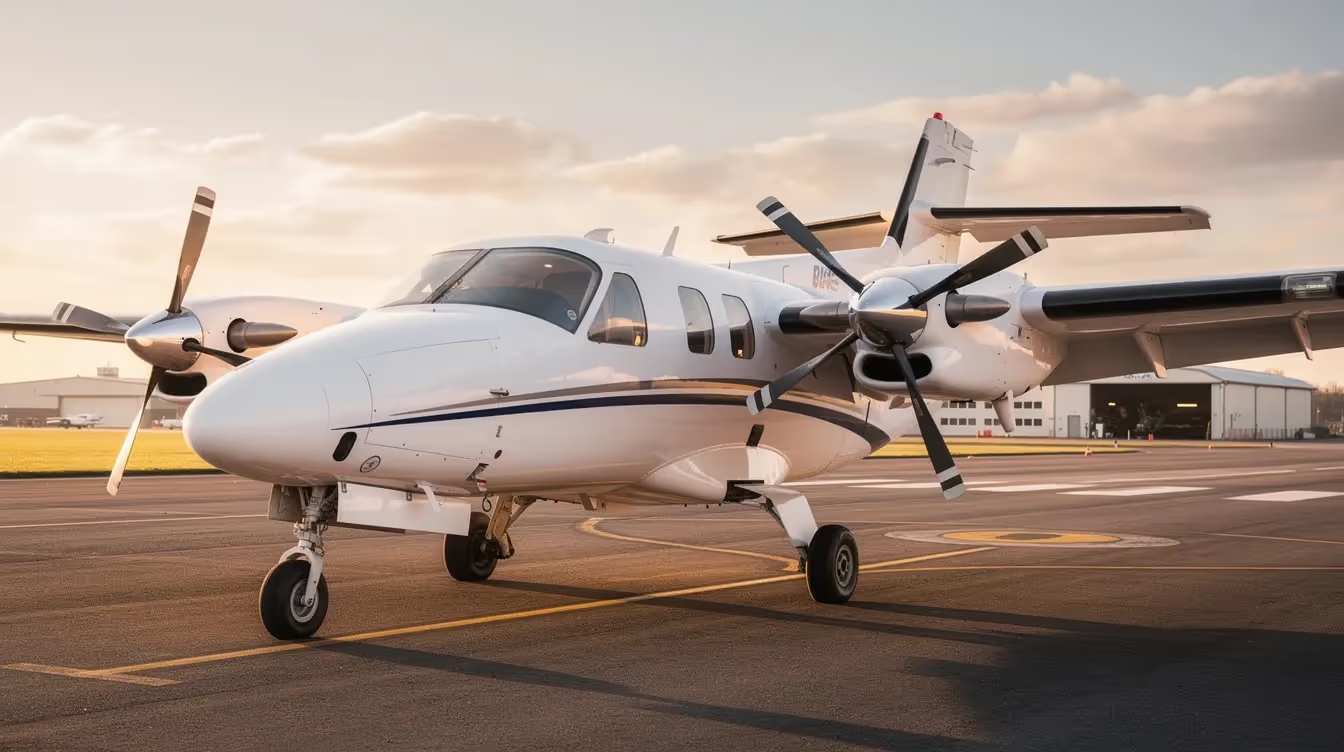
Searching for an 8-seater plane for sale often leads buyers down a path of aircraft listings, broker inquiries, and complex financing discussions. Yet many travelers discover that on-demand charter through digital platforms like Jettly delivers similar comfort and flexibility without the financial weight of ownership. This guide breaks down what an 8-seat aircraft really costs, which models dominate the market, and why charter often makes more practical sense.
Instead of purchasing an 8-seater plane for sale, many travelers now use on-demand private jet charters through digital platforms like Jettly for similar comfort without ownership costs.
8-seater aircraft include a variety of types such as jets, turboprops, and piston aircraft, catering to different passenger needs and flight ranges. Options range from turboprops like the Pilatus PC-12 NGX to midsize jets like the Cessna Citation XLS+, each with different range, speed, and operating costs.
Pre-owned 8-seat jets typically range from $3 million to $7 million, while new models cost between $3 million and $12 million. Annual ownership expenses often total 10-15% of aircraft value.
Ownership is generally only financially efficient if you fly more than 200 hours per year. Fixed costs can range from $800,000 to $1.8 million annually, and variable costs scale with usage, typically between $2,200 to $4,500 per flight hour.
Jettly provides instant pricing, access to over 20,000 aircraft worldwide, and flexible membership or on-demand options for 8-passenger missions.
When someone searches for an 8-seater plane for sale, they typically mean an aircraft certified for approximately 7-9 passengers plus crew. These range from pressurized piston twins and single-engine turboprops to light jets and midsize jets optimized for business, family, or charter operations. Buyers often look for specific aircraft features such as advanced avionics, luxurious interiors, and unique capabilities that enhance comfort and performance.
These aircraft commonly serve routes like New York to Miami (900 nm), London to Geneva (400 nm), or Toronto to Vancouver (1,300 nm). The appeal lies in balancing cabin volume, range capability, and short-field performance for access to smaller airports beyond commercial hubs that you can easily identify with an airport locator tool for private flights. Executive layouts typically feature club seating, refreshment galleys, and lavatories.
While traditional marketplaces list dozens of 8-seat aircraft for purchase, many customers begin their search on dedicated aircraft sales websites, which provide access to a wide range of inventory and connect buyers and sellers globally. Low-time aircraft—those with minimal engine or airframe hours—are especially sought after for their higher residual value and lower maintenance costs. Private fliers increasingly compare ownership costs with flexible charter through platforms such as Jettly. Data suggests roughly 60% of private aircraft owners underutilize their planes, flying fewer than 150 hours annually.
High-performance pistons: Cessna 421C Golden Eagle
Single-engine turboprops: Pilatus PC-12 NGX
Twin turboprops: Beechcraft King Air 250/350
Midsize jets: Cessna Citation XLS+, Embraer Praetor 500
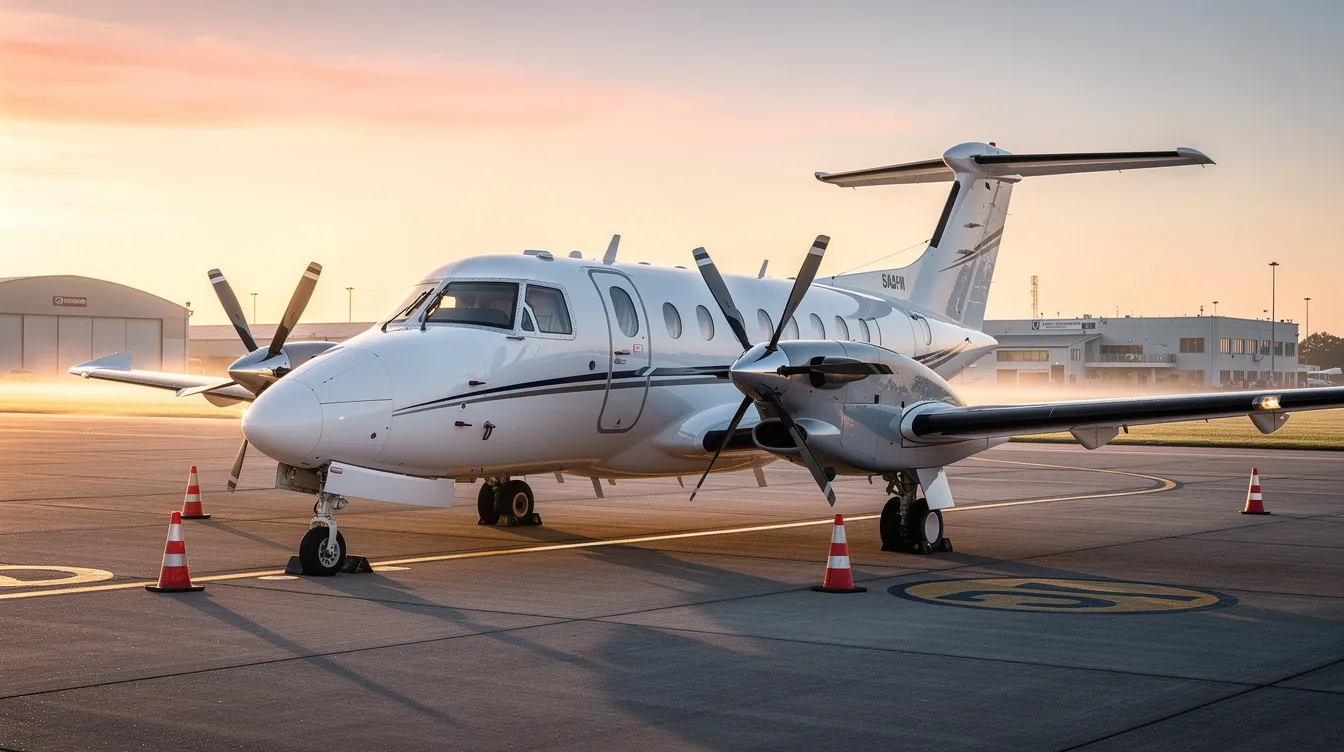
8-seat aircraft span multiple classes, from piston aircraft to jets, and each type suits different budgets and mission profiles. Understanding these categories helps buyers and charter users select the right airplane for their specific travel patterns, especially when comparing the best private plane manufacturers for every budget.
Piston aircraft like the Cessna 421C Golden Eagle represent the entry point for small aircraft ownership. This pressurized twin features 6-8 seats, cruises around 230 knots, and covers approximately 1,200 nm. Used models from the 1970s-80s trade between $300,000-$600,000. While acquisition cost is lower, piston aircraft are limited by altitude (25,000 ft) and speed compared to turboprops. They suit regional trips and budget-conscious owners flying routes like Chicago to Dallas.
Single-engine turboprops offer a perfect blend of efficiency and capability. The Pilatus PC-12 NGX configures for 8-9 passengers in a 330 cubic foot cabin with exceptional STOL performance (2,385 ft takeoff). Cruising at 290 knots with 1,803 nm range, it serves corporate and medevac missions across 1,500+ U.S. operators. New units list around $5.3 million; used 2020s vintages run $4-5 million. Operating costs average $1,000/hour, including low maintenance from single-engine simplicity.
Twin turboprops like the Beechcraft King Air series remain popular choices among 8-seater turboprop aircraft, known for reliability and versatility in various flight conditions. Many King Air 250 and 350 models are equipped with advanced avionics and comfort amenities, enhancing their appeal for both business and leisure use. The King Air 250 and 350 are configured for 8-9 passengers, cruise at 280-310 knots, and cover 1,720-1,806 nm. They handle short runways (3,300 ft) efficiently. Used mid-2010s models with Pro Line Fusion avionics trade at $4-7 million, and some have undergone engine overhauls performed by Standard Aero, ensuring reliability and certification. The global fleet exceeds 7,000 units.
Midsize jets deliver speed and range for longer missions. The Cessna Citation XLS+ seats 8-9 passengers, cruises at 441 knots, and covers 2,100 nm—sufficient for routes like Boston to Denver. These jets have cruising speeds higher than light jets, providing faster journeys and greater route flexibility. The Embraer Praetor 500 pushes further with 466 knots and 3,340 nm range. Midsize 8-seaters typically cover 2,000 to 3,500 miles, enough for coast-to-coast U.S. travel. Midsize jets can carry up to 10 passengers over distances of 3,000 to 4,000 km, enabling them to cover transcontinental distances non-stop, while larger narrow-body aircraft like the Boeing 737-800 serve high-capacity routes with different economics. New pricing runs $14-17 million.
Readers can replicate the comfort and cabin layouts of these 8-seat aircraft via charter, without tying up capital in a single airframe.
Many buyers initially search for an 8-seater plane for sale, but later discover that charter or membership often delivers the same benefits with less financial risk. The true cost of ownership is determined by a combination of fixed and variable costs, depreciation, and support infrastructure. Fixed costs can range from $800,000 to $1.8 million annually, depending on the aircraft size, and variable costs scale with usage, typically between $2,200 to $4,500 per flight hour. Broader analyses of how much a private jet really costs often reveal additional ownership expenses many first-time buyers overlook.
|
Aircraft Type |
New Price (USD) |
Used Price (USD) |
|---|---|---|
|
Single-engine turboprop (PC-12 NGX) |
$5-7 million |
$4-5 million |
|
Twin turboprop (King Air 250) |
$6.5-9 million |
$4-7 million |
|
Midsize jet (Citation XLS+) |
$13-16 million |
$8-12 million |
Annual Ownership Expenses typically aggregate 10-15% of hull value for regularly flown business aircraft:
Hangar fees typically range from $30,000 to $100,000 annually
Insurance: 1-2% of value ($50,000-$300,000)
Salaries for two pilots generally range from $100,000 to $200,000 each per year
Maintenance reserves: $300-$600 per flight hour
Fuel costs for midsize jets range from $1,400 to $2,100 per flight hour
Navigation fees and training: $50,000+
Annual ownership costs for midsize jets are often between $1.25 million and $1.5 million.
Charter costs invert this equation. King Air-class turboprops charter at $2,500-$3,500 per hour, while midsize jets run $4,000-$6,000 per hour. A round-trip New York to Miami for 8 passengers might cost $15,000-$20,000 on a turboprop or $25,000-$40,000 on a midsize jet, and tools like a private jet charter cost estimator can help you model these numbers for your specific routes.
Economic breakeven typically favors ownership above 200-300 flight hours annually. However, most owners fly under 150 hours, incurring significant unused capacity costs. Charter eliminates capital tie-up and depreciation risk. Fractional ownership programs offer another alternative, providing guaranteed access to aircraft with predictable costs and reduced risk compared to full ownership, and travelers evaluating fractional jet ownership pros, cons, and costs can compare these structures to charter and leasing, while jet card products supported by a jet card flight cost estimator give frequent flyers fixed-rate pricing without assuming full asset risk.
Aircraft ownership historically appealed for schedule control, privacy (no security lines), and access to 5,000+ U.S. public airports versus commercial aviation’s 500 hubs. Digital brokers now deliver 90% availability on-demand, and post-pandemic charter demand rose 25% as travelers prioritized flexibility over asset accumulation, mirroring growth across a global list of leading charter airlines and private operators.
8-seater jets and turboprops are often used for business travel, providing a compromise between efficiency, comfort, and performance for group travel over medium distances. Charter offers these same advantages without crew management, maintenance hassles, or regulatory compliance burdens. Operators handle FAA Part 135 charter requirements and safety standards, and safety audits.
Executive team (Chicago to Dallas): 8-person group flies 700 nm for a same-day meeting. King Air 250 charter runs $12,000-$16,000, completing in 2.5 hours versus 5+ hours commercial with connections.
Family ski trip (LA to Jackson Hole): Six passengers plus luggage fly 650 nm direct to a small regional airport. PC-12 charter costs $10,000-$14,000, avoiding LAX chaos entirely and illustrating how you can buy a single seat on a private jet or share flights instead of booking the whole aircraft.
Urgent medical travel: Rural patient transferred to Mayo Clinic via STOL turboprop, shaving hours versus airline reroutes through hubs, which is one of many scenarios where knowing how to get a seat on a private jet easily can be critical.
Compared to commercial airlines, private aviation saves 3-6 hours per flight segment by eliminating security queues, boarding delays, and connection times. For travelers flying fewer than 150-200 hours annually, charter consistently delivers better value than ownership while providing identical point-to-point convenience, whether they opt for shared charter flights or full private charters.
Jettly operates as a tech-driven aggregator connecting travelers to over 20,000 aircraft from 1,000+ operators worldwide. Rather than functioning as an aircraft dealer listing static “8 seater plane for sale” options, the platform focuses on dynamic private charter aircraft access for 6-10 seat configurations.
Enter departure, destination, dates, and passenger count
Instantly see live charter options matching 8-seat requirements
Compare estimated pricing and flight times directly online
Book turboprops or midsize jets based on mission needs
Transparent pricing models without traditional jet card lock-ins, supported by flexible private jet memberships that give access to wholesale charter rates
Membership and on-demand options for frequent and occasional flyers, including structured jet card programs for corporate travelers
Access to certified operators meeting strict safety and regulatory standards
Strong support network through certified operators, ensuring operational reliability and maintenance assistance across the global fleet of private jets
No brokerage markups on base operator rates, helping keep private jet charter pricing affordable for both business and leisure flyers
Empty leg flights offering 40-75% savings for flexible travelers, alongside flight-sharing options that let you crowdsource private jet flights and share empty seats
Midsize jets are capable of taking off and landing on shorter runways than wide-body jets, allowing access to a greater number of airports through Jettly’s network. The platform connects users to over 14,000 airports worldwide, versus approximately 500 commercial hubs.
For those considering an 8-seater plane for sale, chartering through Jettly offers a lower-risk first step before any major acquisition. Travelers and content creators can also offset costs or build new revenue streams by joining Jettly’s ultra-high-ticket affiliate program. Learn more about charter options at https://www.jettly.com.
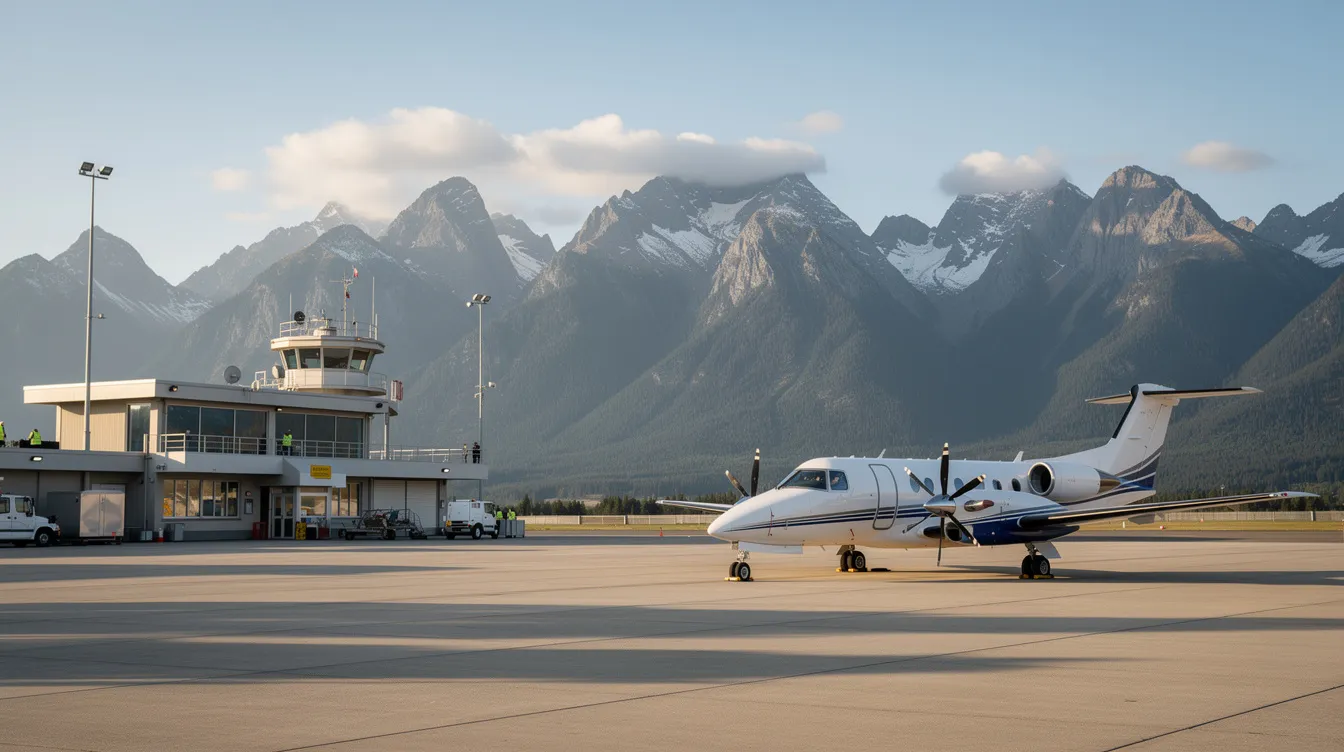
Anyone seriously evaluating an 8-seater plane for sale should conduct a structured needs analysis before engaging brokers, lenders, or management companies. The private jet acquisition process typically runs 60 to 120 days, starting with mission analysis and budget definition before browsing listings.
Annual flight hours and trip distance: Under 200 hours annually almost always favors charter economics. Consider whether typical missions run under 500 nm (turboprop territory) or frequently exceed 1,500 nm (jet advantage).
Typical passenger count: Do flights truly carry 7-8 passengers regularly, or do most trips involve 4-5 people? Oversized aircraft waste fuel and hangar space.
Home airport infrastructure: Evaluate runway length, hangar availability, fuel services, and known icing conditions. Turboprops require shorter runways; jets need 5,000+ feet ideally.
Budget for acquisition and operations: Account for purchase price plus 12-18% annual operating expenses ($600,000-$2 million). Include reserves for events like engine overhaul or avionics upgrades. Before spending $25,000 to $75,000 on a pre-buy inspection, buyers should assess total airframe time, engine time since overhaul, and avionics status to eliminate unsuitable aircraft.
Cabin preferences: Stand-up height matters in jets (5.5-6 ft). Consider enclosed lavatory requirements, baggage space, and in-flight connectivity via providers like Gogo.
Regulatory and safety oversight: Understand differences between operating privately under FAA Part 91 versus charter operations under Part 135 and how this affects oversight requirements. Never rely on the seller’s maintenance records alone; hire an independent, certified inspector to check for corrosion, airworthiness directives (ADs), and complete logbooks. Request the aircraft’s serial number and verify damage history through certified inspectors, and compare the best private jet charter companies on safety ratings and audit standards before booking.
Environmental considerations: Turboprops burn 50-80 gallons per hour versus jets at 150-250 gallons. Carbon offset options exist through various providers, and Jettly enables efficient aircraft selection to minimize environmental impact while also serving as a flexible NetJets alternative for private flying.
Chartering different 8-seat aircraft for real trips remains one of the most practical ways to evaluate what to buy later, if ownership still makes sense after testing.
Charter a Pilatus PC-12 NGX for a regional business route to assess turboprop comfort, cockpit visibility, and performance on shorter runways
Try a Beechcraft King Air 250 on a multi-stop itinerary to evaluate how twin turboprops handle varied airfields and weather conditions
Book a midsize jet like the Citation XLS+ for a longer nonstop route (Boston to Denver) to compare speed, cabin environment, and interior noise levels
Flying several aircraft types over 3-6 months reveals preferences about cabin layout, luggage handling, and short-runway flexibility better than reading specifications alone. Many prospective buyers discover that charter alone satisfies their needs, removing pressure to finalize an expensive acquisition.
Request tailored charter quotes for 8 passenger missions directly through Jettly’s online interface.
Ownership can make financial sense for very high usage—typically above 200-300 flight hours annually. However, a purchase requires millions in capital plus ongoing yearly costs averaging 10-15% of aircraft value. Charter spreads costs across trips and proves more economical for occasional or moderate flyers under 200 hours per year.
Popular models include the Pilatus PC-12 NGX, Beechcraft King Air 250 and 350, Cessna Citation XLS+, and Embraer Praetor 500. Availability varies by region, but many of these types can be sourced through Jettly’s network of over 20,000 aircraft worldwide.
Many turboprops in this category fly around 1,500-2,000 nautical miles. Midsize jets often cover 2,000-3,000+ nautical miles, sufficient for most North American city pairs and intra-European routes. This range handles trips like New York to Los Angeles or London to Moscow without fuel stops.
One of the main advantages of using Jettly is accessing thousands of smaller airports worldwide. Passengers can depart from and arrive closer to actual start and end points compared to large commercial hubs, often saving 2-3 hours of ground transportation per trip.
Visit https://www.jettly.com, enter route details, preferred dates, and passenger count, then review instant estimates or submit information for a tailored quote. Ready to experience private travel on your terms? Explore flight options or request a quote at https://www.jettly.com.
Choosing an 8-seater plane for sale involves significant financial commitment, ongoing operational costs, and careful evaluation of mission needs. For most travelers flying fewer than 200 hours annually, chartering through platforms like Jettly offers a flexible, cost-effective alternative that delivers comparable comfort and convenience without ownership burdens. Jettly’s digital marketplace provides instant access to thousands of 8-passenger aircraft worldwide, transparent pricing, and seamless booking from smaller airports closer to your origin and destination.
Whether considering ownership or charter, understanding aircraft categories, costs, and operational factors is essential. Testing different aircraft types via charter before purchasing can help clarify preferences and requirements. To explore private flight options, compare aircraft, or request a personalized quote, visit Jettly at https://www.jettly.com. Experience private travel on your terms with the convenience and flexibility that modern digital platforms provide.
Share this post:
Jay Franco Serevilla
May 3, 2026
|
5
min read
Discover tips and trends in the industry.

5
min read
Jet It: What Happened, What It Means for Private Aviation, and Smarter Alternatives
Jet It, a fractional jet ownership company, ceased operations in mid-2023 due to financial and operational challenges, highlighting the risks of low-cost models in private aviation. Its collapse serves as a cautionary tale for potential buyers, emphasizing the importance of understanding costs and flexibility in private flight options. As a result, many customers are now turning to platforms like Jettly for more reliable and adaptable private aviation solutions.
Read More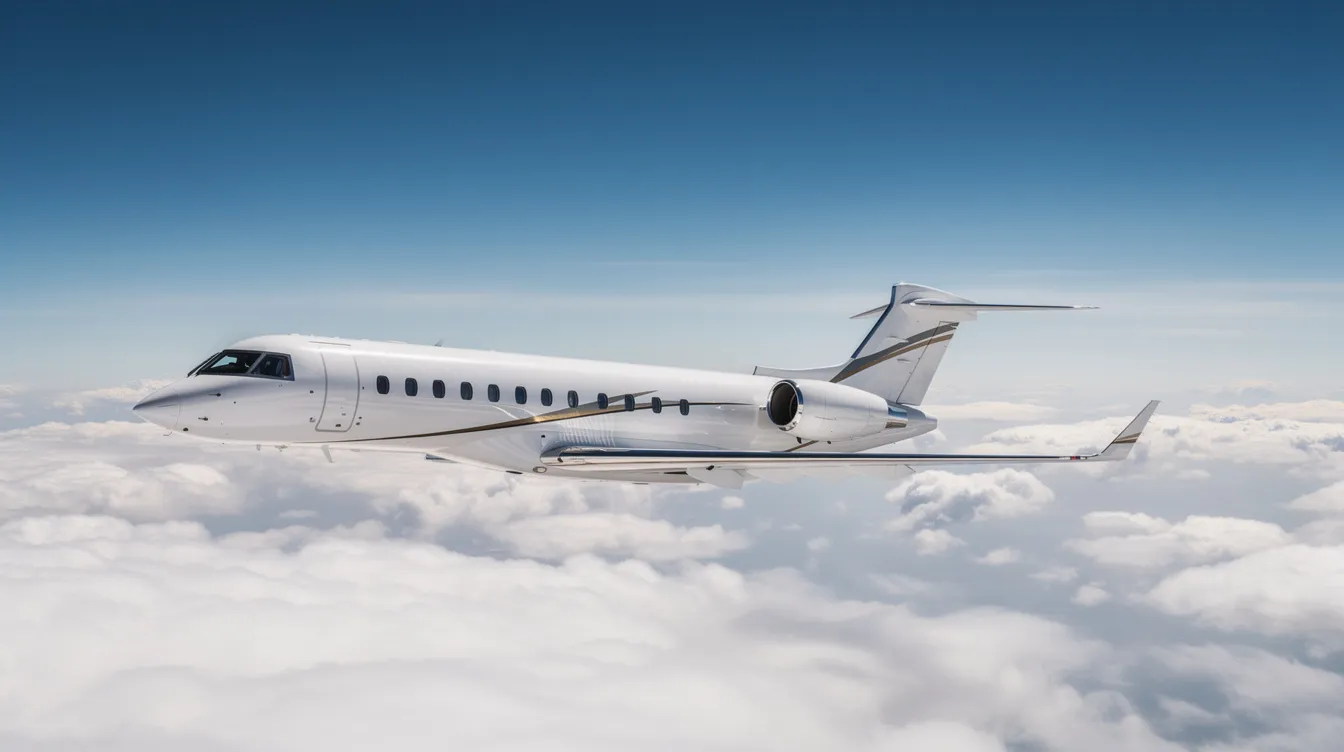
5
min read
Hawker Beechcraft: Aircraft Family, History, and Charter Insights
Hawker Beechcraft, a prominent name in private aviation, combined the legacies of Beechcraft and Hawker to produce a diverse fleet of business jets and turboprops. Although the company no longer exists, its aircraft continue to operate globally, supported by Textron Aviation. This guide explores the history, aircraft families, and charter options available through platforms like Jettly.
Read MoreStay updated with our latest insights and tips to elevate your journey with us.
MEMBERSHIPS AND ASSOCIATIONS



Disclaimer: Jettly operates as a charter broker, offering access to a global digital jet charter marketplace. Jettly is not a direct air carrier and does not own or operate aircraft. All advertised flights are conducted by third-party air carriers that are fully licensed and hold the appropriate Part 135 or Part 121 certifications issued by the Federal Aviation Administration (FAA) or equivalent regulatory authorities under U.S. or foreign law. Jettly complies fully with the U.S. Department of Transportation's Part 295 and Part 298 Charter Broker regulations. Jettly does not carry additional liability insurance. Passengers are covered by aircraft operator insurance. TICO: 50023770


