


Login
Get Instant Pricing On 23,000+ Aircraft

>
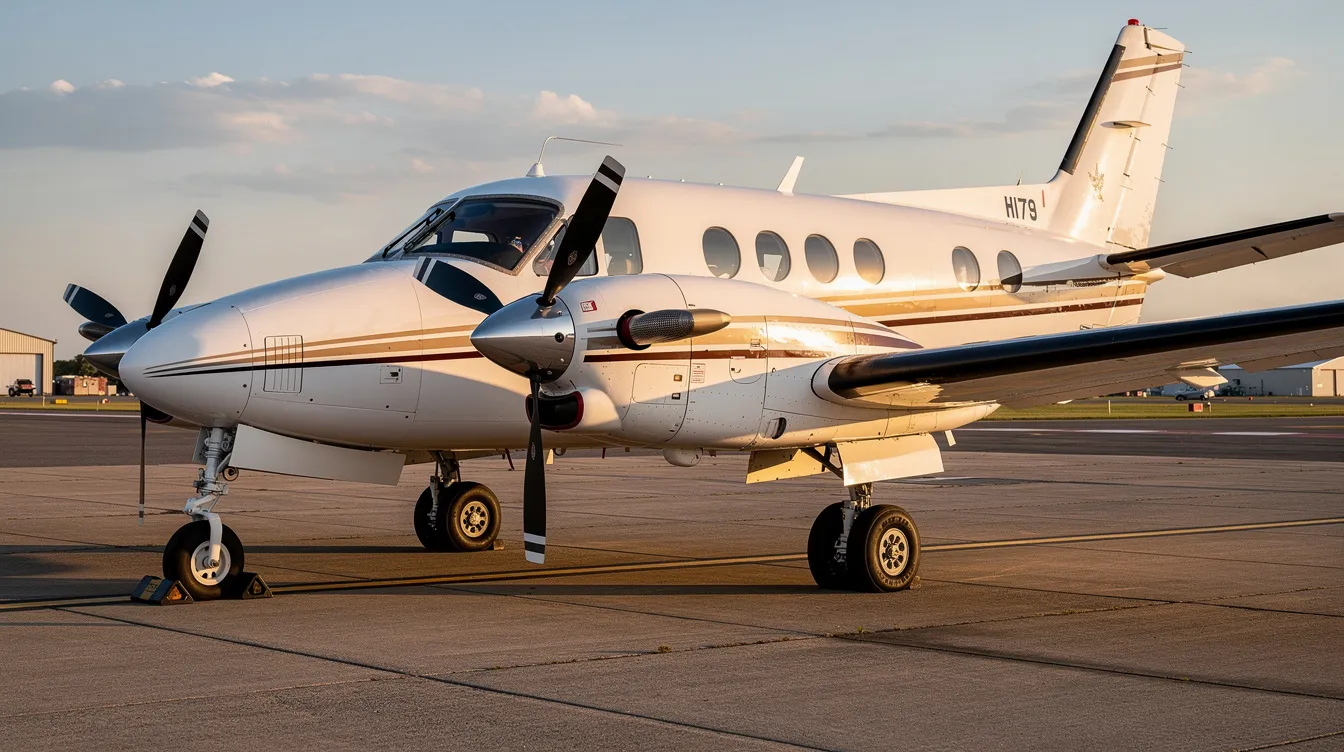
The 1974 Beechcraft King Air E90 remains one of the most practical twin-turboprop platforms still flying today. Built during an era when Beechcraft was refining its 90-series line for greater power and capability, this aircraft continues to serve business, charter, and special-mission operators more than five decades after rolling off the production line. This guide breaks down what makes the 1974 model year distinct, how the aircraft performs in real-world operations, and whether buying or chartering through a platform like Jettly is the smarter path for today's travelers.
The 1974 Beechcraft King Air E90 is a twin-turboprop variant in the King Air 90 family, positioned between the C90 and A100 with more powerful Pratt & Whitney PT6A-28 engines.
A typical 1974 King Air E90 offers pressurization, short-field capability, and a 6-passenger executive cabin suited for business, medevac, and charter missions.
This article focuses on real-world use in 2020s operations: acquisition considerations, charter suitability, upgrade paths, and how Jettly can source this aircraft on-demand.
Buyers should pay close attention to engine and prop times, avionics upgrades, corrosion history, and maintenance pedigree when evaluating any 1974 Beechcraft King Air E90.
Travelers can compare the King Air E90 with other turboprops and light jets and request instant quotes via Jettly's digital charter platform.
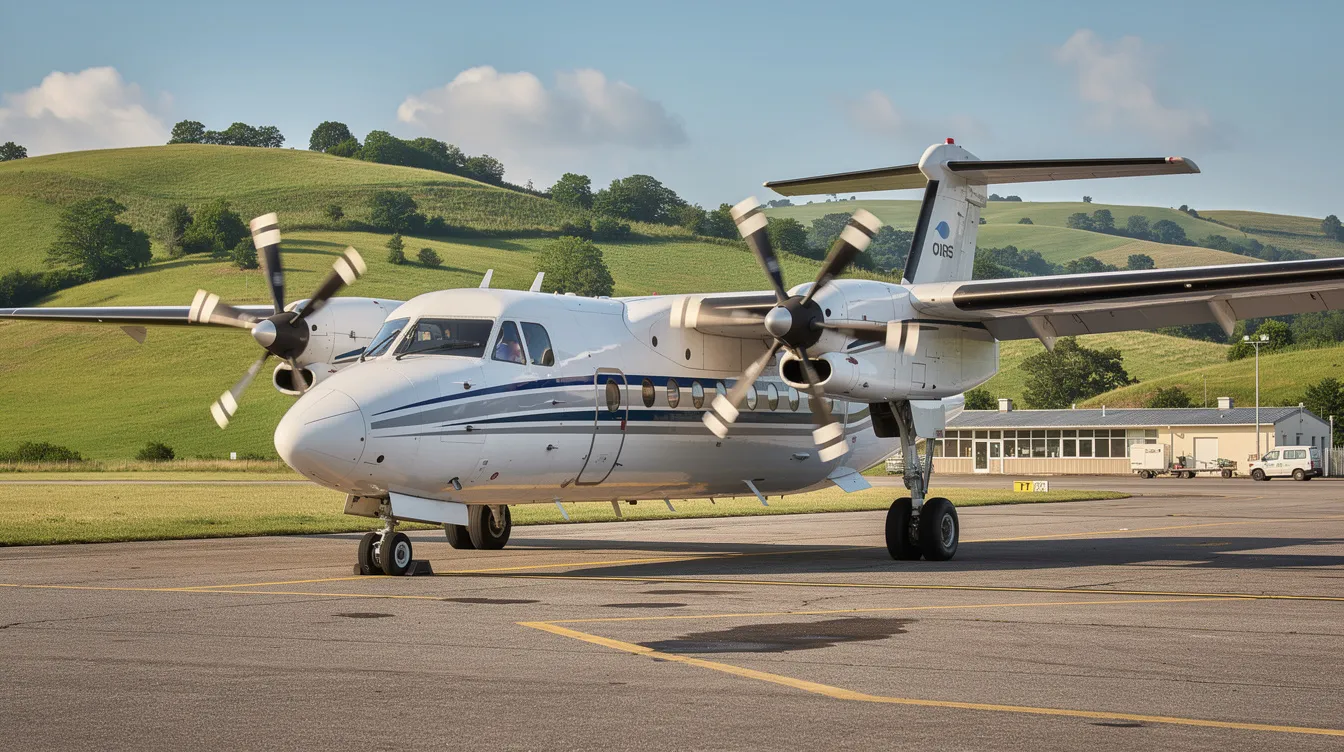
The Beechcraft King Air family traces its origins to the 1960s, evolving from the Queen Air and earlier Beechcraft model designs into what became the world's most popular twin-engine turboprop line. The King Air E90 variant entered production in 1972 as a direct evolution of the C90, combining that aircraft's proven fuselage with the A100's fuel system and instrument panel.
The key upgrade was the introduction of more powerful Pratt & Whitney PT6A-28 engines, each rated at approximately 680 shaft horsepower and flat-rated to 550 shp. This gave the E90 a higher gross weight capability, better climb performance, and improved payload over its predecessor. Production of the Beechcraft King Air E90 ran from 1972 through 1981, with a total of 347 aircraft built across the entire production run.
The E90 combines elements from the larger King Air 100 series, improving its performance while maintaining a smaller cabin size. The airframe is built on one of the longest-running civilian turboprop production lines, underscoring its reliability and durability.
The E90 sits between the C90 and A100 in the King Air line, offering operators more range and load capacity than the early 90-series variants without moving to the larger 100- or 200-series airframes. Typical seating is 6 passengers in an executive layout, with cruise speeds in the mid-240-knot range and a practical range suitable for most regional missions.
The 1974 Beechcraft King Air E90 represents one of the earlier production years for this model. Serial numbers for 1974 builds run from LW-74 through LW-117, covering 44 aircraft produced that year. A real-world example is N90JN (serial LW-74), a 1974-built aircraft with approximately 8,380 airframe hours and multiple avionics and interior upgrades completed over its service life.
A typical 1974 configuration originally included:
Analog "steam gauge" flight instruments
RCA or King avionics stacks
Basic weather radar (Bendix/King or Collins)
Standard autopilot (S-TEC or Bendix)
Club seating with aft belted lavatory
Airframes from 1974 will often have gone through several interior and avionics refits, so current condition varies widely. The airworthiness and market value of a 1974 King Air depend far more on maintenance history, engine times, and completed upgrades than on model year alone. Buyers should verify serial number ranges, compliance with known service bulletins from that era, and any factory changes introduced during the mid-1970s production cycle.
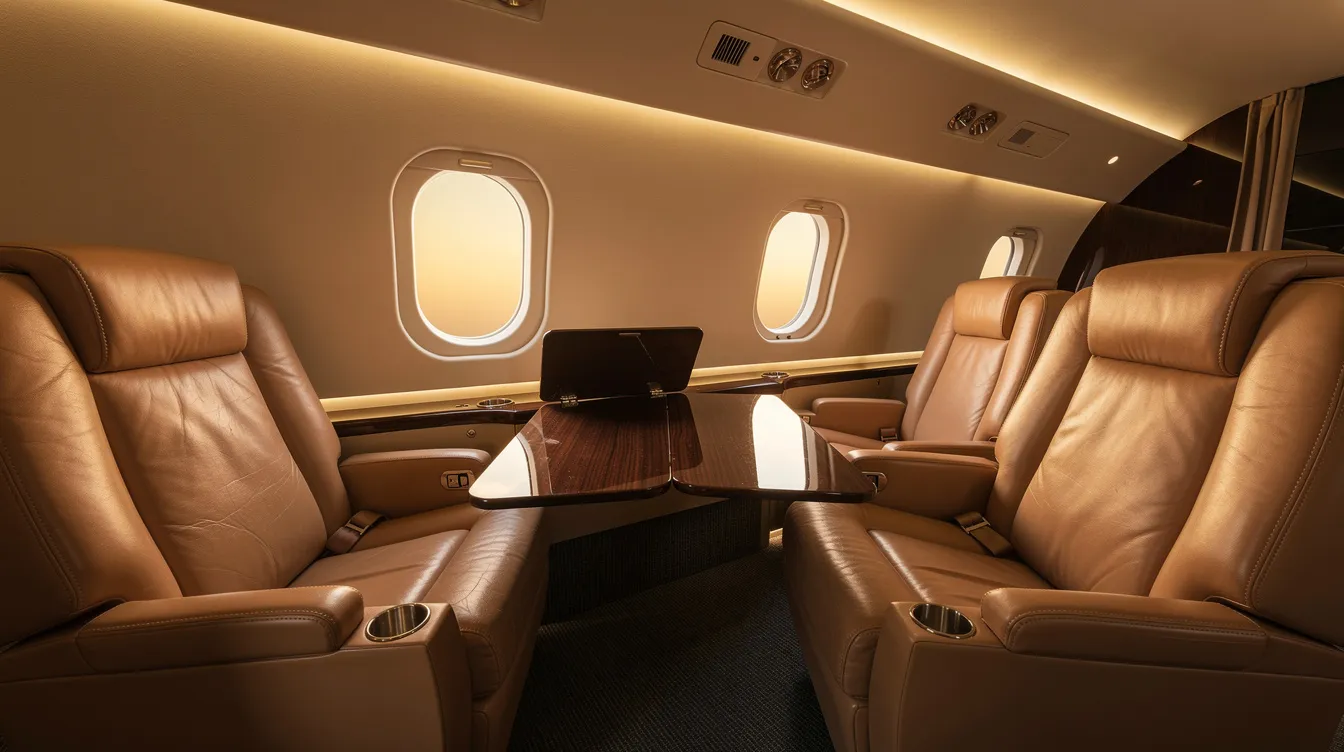
The King Air E90 cabin features four reclining chairs arranged in a club configuration, with optional fifth and sixth passenger seats depending on the operator's layout. Some configurations include an aft belted potty that doubles as a jump seat. The maximum passenger capacity of the King Air E90 is 6.
Approximate cabin dimensions:
|
Dimension |
Measurement |
|---|---|
|
Length |
12 ft 5 in |
|
Width |
4 ft 6 in |
|
Height |
4 ft 10 in |
After refurbishment, a 1974 Beechcraft King Air E90 can offer updated upholstery, modern LED lighting, USB or power outlets, fold-out tables, and a refreshment compartment opposite the airstair door. The cabin area provides a refreshment center and storage for in-flight convenience.
The aft baggage compartment accommodates around 350 lb of luggage across roughly 54 cubic feet, plus smaller storage pockets throughout the cabin. For charter customers, the cabin feels roomier than many comparable light jets due to the turboprop's wider cross-section, though cruise times run slightly longer on equivalent routes than larger regional aircraft such as the Embraer ERJ 145.
The Beechcraft King Air E90 draws its performance from two Pratt & Whitney PT6A-28 engines, known for reliability and a massive global support network. In addition, many aircraft in this segment have seen equipment upgrades over time, and the E90 remains relevant despite steady competition in the twin-turboprop market. Combined, the powerplant delivers strong climb and cruise characteristics for a light twin-turboprop in its class.
Key performance figures:
Typical cruise speed: ~244 knots true airspeed
Range: 2,371 km (approximately 1,280 nm) with standard reserves
Maximum operating altitude: 30,000 feet
Maximum takeoff weight: 10,100 lb
Empty weight: 5,800 pounds
Useful load: ~3,100 lb
Takeoff distance: approximately 4,300–4,500 ft
Landing distance: approximately 3,500 ft
Fuel burn: roughly 75–80 gallons per hour total
The E90's short-field performance allows access to smaller regional and executive airports that longer-runway jets cannot reach, saving ground time significantly. This places the King Air E90 in a cost-efficient niche between piston twins and light business jets for 300–800 nautical-mile missions. Fuel costs for the King Air E90 are substantial, but the per-mile economics often favor the turboprop on shorter legs. Prospective renters comparing options may benefit from a broader guide to affordable airplane rental costs and options. Some listings also note maintenance milestones such as propeller overhaul completion in April 2008, though buyers should verify technical information through current records before relying on published specs. These figures are approximate and intended for general comparison, not flight planning.
Original 1970s avionics—RCA navcoms, King ADF, DME, analog weather radar, and basic autopilot—are frequently replaced in aircraft still operating today. Common modern upgrades include Garmin G600 TXi glass panels, GTN-series GPS/Nav/Comm units, and the addition of digital autopilots such as the Garmin GFC 600 for added capability.
Popular upgrade programs for the E90:
Blackhawk XP135A re-engined conversion (PT6A-135A swap, giving 260–270 ktas cruise)
WAAS/LPV GPS capability and ADS-B Out compliance
Modern terrain awareness (TAWS) and traffic systems
Engine trend monitoring and digital weather radar
In the twin-turboprop business-airplane market, these upgrade choices also shape how well an E90 meets its niche amid competition.
Maintenance costs include airframe inspections, engine hot-section and overhaul intervals (PT6A-28 TBO around 3,500 hours), and propeller overhauls. Corrosion checks are especially important for 1974 airframes operated in maritime or humid climates. Aircraft equipped with upgraded avionics and fresh engine and prop times carry significantly higher resale value and offer better safety margins. This information is for general reference and should be verified through official sources or current aircraft records. For example, government contract E90S have been refitted with advanced surveillance avionics, while others have been converted for air ambulance service with the addition of medical equipment and other capability-enhancing modifications.
The King Air E90 serves a wide range of mission profiles:
Corporate shuttle: 4–6 executives on regional routes (Dallas–Houston, Toronto–regional Ontario airports)
Family travel: Weekend trips divided between two families sharing a charter
Medevac: Air ambulance operations with medical interior conversions
Government and military transport: The U.S. military used King Air 90s for VIP transport, with two VC-6A aircraft operated to transport President Johnson. The U-21 Ute was a common military version of the King Air, and the U.S. Navy received 61 T-44A Pegasus trainers from 1977 to 1980. The Japan Maritime Self-Defense Force operates 40 King Airs for patrol and training, underscoring the platform's durability.
Charter operators deploy the Beechcraft King Air E90 on 300–600 nautical-mile legs between business hubs and smaller regional fields. On sub-500 nm trips, turboprops like the E90 often match light jets on door-to-door time thanks to access to closer airports and shorter ground segments, while operating at lower hourly costs. Travelers weighing whether to split costs with others can compare shared charter flights versus full charters. This combination of performance and efficiency explains the model's staying power in the charter market.
Ownership of a 1974 Beechcraft King Air carries real financial weight. Acquisition prices for refurbished E90S with good engine times and modern avionics typically fall between $600,000 and $1 million, depending on condition. Annual operating costs for the King Air E90 are significant and include:
Fixed costs: Hangar, insurance costs (necessary for operating the King Air E90), crew expenses, including salaries for the captain and co-pilot, and recurrent training
Variable costs per flight hour: Fuel (75–80 gal/hr), scheduled inspections, engine reserves, and replacement parts
For operators logging fewer than 150–200 hours per year, the economics rarely favor full ownership. Charter through platforms like Jettly offers a pay-per-trip structure with no long-term capital commitment. Travelers can switch between King Air models, light jets, or helicopters depending on the mission, and use tools like Jettly's private jet charter cost estimator to compare aircraft categories instantly.
Jettly is a digital private jet charter marketplace with access to over 20,000 private charter aircraft worldwide, including various Beechcraft King Air models such as the E90. Users can search for a King Air E90 or comparable turboprop on the platform, receive instant pricing, and compare travel times and costs with light jets and other turboprops.
Jettly works with Part 135 charter companies and other regulated operators and can source aircraft ranging from legacy 1974 E90 examples with upgraded avionics to newer King Air variants for different comfort and budget levels. Convenience features include online booking, membership options, in-flight catering through Jettly Eats, and ground transportation to and from smaller regional airports the E90 can access.
Learn more about charter options and aircraft comparisons at https://www.jettly.com.
Below are answers to common questions about the 1974 Beechcraft King Air E90 not fully covered above.
Safety depends on regulatory compliance, maintenance quality, and upgrades rather than age alone. Many 1970s King Airs remain in active service under strict FAA, EASA, or local authority inspection regimes. Operators typically participate in engine and airframe monitoring programs to stay current. Charter flights arranged through reputable platforms like Jettly are conducted by certified operators subject to ongoing safety oversight, but aircraft-specific information should still be confirmed directly with the operator or official records.
The King Air E90 has a maximum passenger capacity of 6. Most charter layouts are optimized for 4–6 passengers to balance comfort and baggage capacity. Seating and amenities can vary by operator and by how the 1974 aircraft has been refurbished. Travelers should confirm the exact seat count and layout at the time of booking.
The King Air E90 has a range of 2,371 km (approximately 1,280 nm) with standard reserves. Many charter missions fall in the 300–800 nautical mile band for optimal efficiency. Actual range depends on passenger count, baggage weight, weather, and routing. Use Jettly's trip planning tools or contact support for time and range estimates on specific routes.
Light jets are usually faster and fly at higher altitudes, but the Beechcraft King Air E90 offers lower operating costs, better short-field performance, and similar door-to-door times on many sub-500 nm trips. The E90's cabin can feel more spacious in width, though cruise speeds are slower. It is often the right choice when cost-efficiency and small-airport access matter most. Users can compare both categories on Jettly's platform to see price and time differences for specific routes.
Aircraft availability depends on Jettly's operator network and location. Requesting an exact year and variant, such as a 1974 King Air E90, may or may not be possible on every route. Travelers can express a preference for a Beechcraft King Air or turboprop category, and Jettly can often match them with a similar aircraft if a specific tail number is unavailable. Contact Jettly support for tailored assistance with precise aircraft requirements.
The 1974 Beechcraft King Air E90 remains a capable twin-turboprop choice thanks to its balance of power, range, and cabin comfort within the broader Beechcraft King Air family of aircraft. Prospective buyers should focus on maintenance records, engine and prop times, and avionics upgrades when evaluating individual 1974 airframes on the market today.
For many travelers, chartering a King Air E90 through a platform like Jettly delivers the performance benefits of the aircraft without the financial and operational burden of ownership. The introduction of digital booking and transparent pricing has made access to these aircraft simpler than ever.
Experience private travel your way. Discover flight options or get a personalized quote at https://www.jettly.com.
Share this post:
Jay Franco Serevilla
Jul 1, 2026
|
5
min read
Discover tips and trends in the industry.
5
min read
Which Airlines Have the Most Accidents? (And What That Really Means for Safety)
When evaluating airline safety, historical accident totals can be misleading. Airlines with the most accidents, like American Airlines and Aeroflot, have improved significantly due to modern safety standards and regulations. Today, flying is statistically the safest form of long-distance transport, with a focus on accident rates per million flights providing a clearer picture of safety.
Read More
5
min read
Jet Airways: From Full-Service Icon to Modern Travel Alternatives
Jet Airways, once a leading full-service airline in India, ceased operations in 2019 and is now under liquidation. With no new tickets available, travelers are seeking alternatives for their air travel needs. Private jet charter services like Jettly offer flexible and convenient options for those looking to navigate the skies post-Jet Airways.
Read MoreStay updated with our latest insights and tips to elevate your journey with us.
MEMBERSHIPS AND ASSOCIATIONS



Disclaimer: Jettly operates as a charter broker, offering access to a global digital jet charter marketplace. Jettly is not a direct air carrier and does not own or operate aircraft. All advertised flights are conducted by third-party air carriers that are fully licensed and hold the appropriate Part 135 or Part 121 certifications issued by the Federal Aviation Administration (FAA) or equivalent regulatory authorities under U.S. or foreign law. Jettly complies fully with the U.S. Department of Transportation's Part 295 and Part 298 Charter Broker regulations. Jettly does not carry additional liability insurance. Passengers are covered by aircraft operator insurance. TICO: 50023770


