


Login
Get Instant Pricing On 23,000+ Aircraft


Cessna offers a diverse range of aircraft models suitable for flight training, personal travel, and business charter, including popular options like the 172 Skyhawk for training and the Caravan 208 for cargo operations. Each model varies in seating capacity, engine power, and intended mission, catering to different needs from economical training to executive travel. The Citation family of jets provides advanced technology and long-range capabilities for business travelers, while Cessna's piston and turboprop models are favored for their reliability and lower operating costs. Jettly's platform allows users to easily book these aircraft for charter, providing flexibility and transparent pricing without ownership commitments.
Jay Franco Serevilla
Apr 28, 2026
|
5
min read


View all
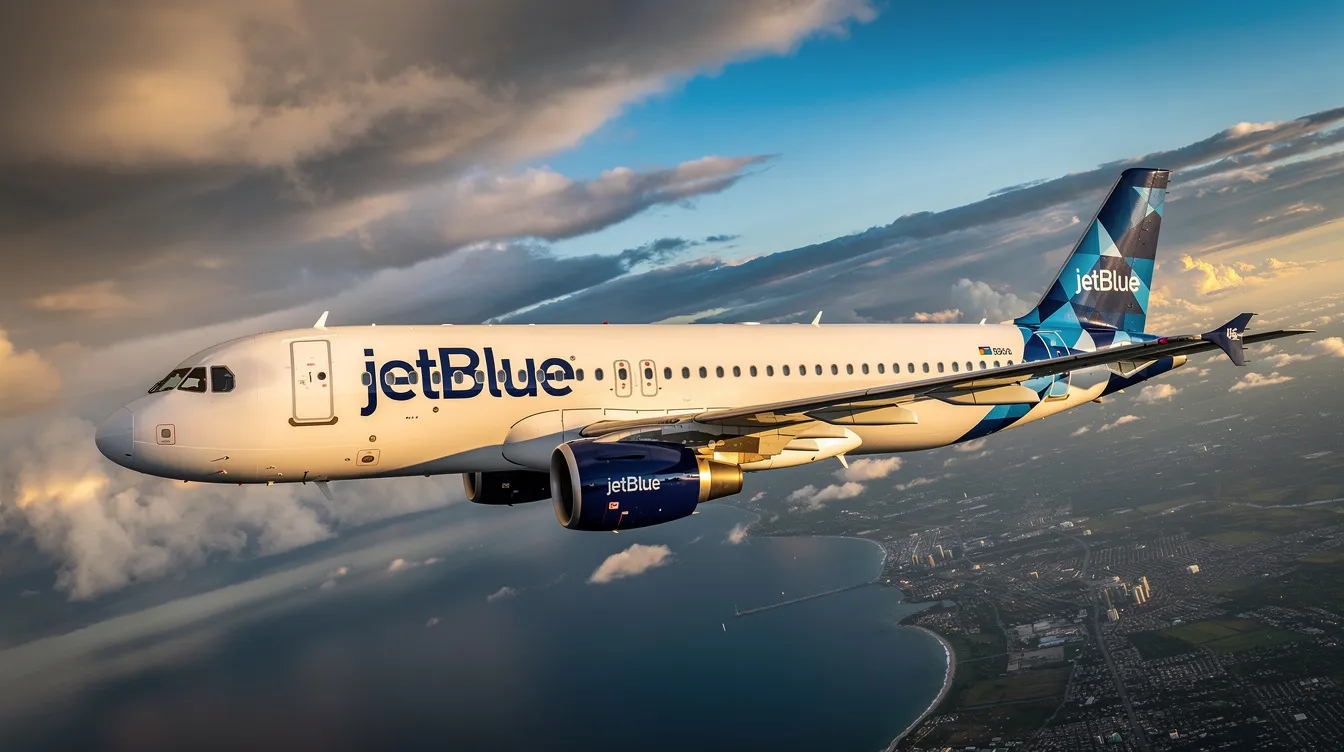
This article provides developers and travel planners with essential insights into accessing JetBlue's aviation data, including flight schedules and real-time status. It highlights the importance of integrating JetBlue's API with private charter services like Jettly to enhance travel solutions and optimize trip planning. Understanding these options allows for seamless passenger experiences and operational advantages.
Jay Franco Serevilla
Sep 13, 2026
|
5
min read

View all
ATI Jet, now rebranded as Jetvia, specializes in private jet charters with a dedicated fleet of Learjet 60 aircraft. Established in 1985 in El Paso, TX, the company offers tailored services and a strong safety record, catering to both business and leisure travelers across North America. This overview compares Jetvia's fleet-based model with digital platforms like Jettly, highlighting the benefits of each for potential travelers.
Jay Franco Serevilla
Sep 13, 2026
|
5
min read
View all
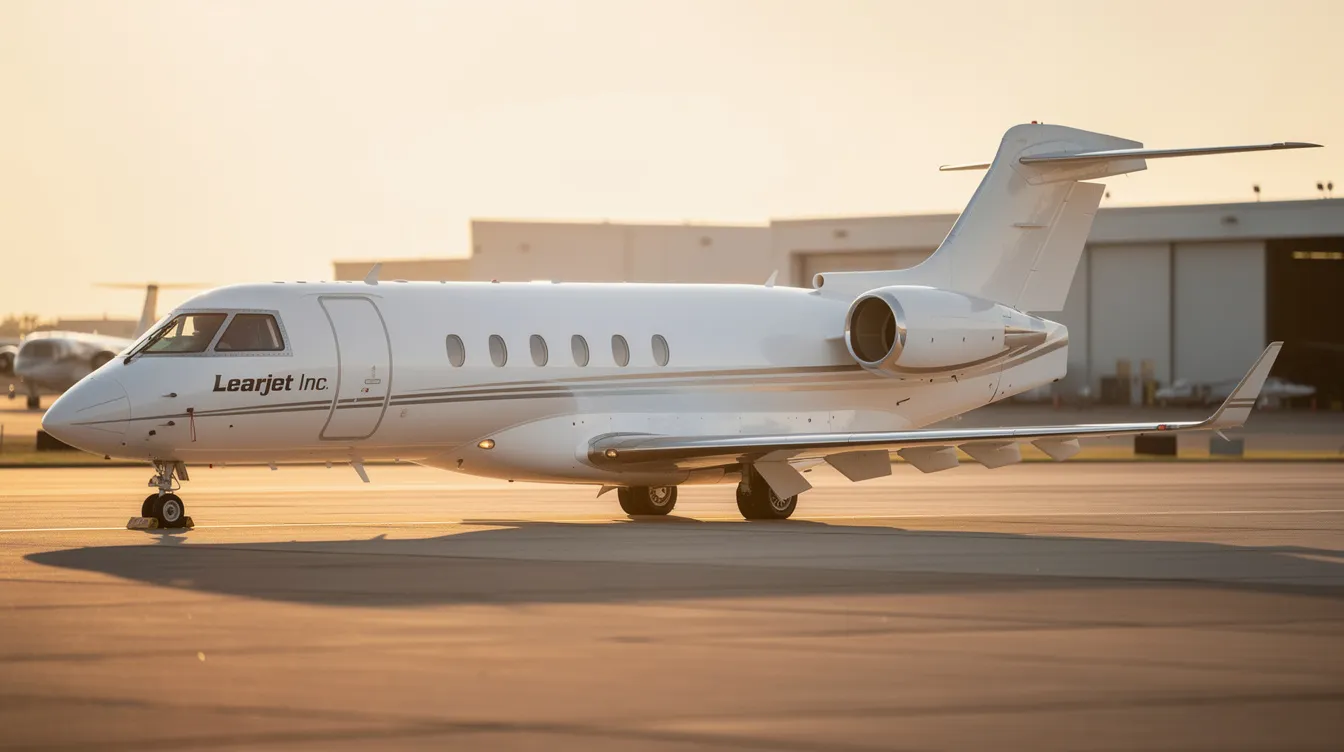
The Learjet 55 is a renowned midsize business jet known for its speed, altitude capability, and spacious stand-up cabin. Since its introduction in the early 1980s, it has remained a practical choice for charter travelers and aircraft buyers alike. This guide covers its performance, cabin features, operating costs, and charter options, providing essential insights for those interested in this versatile aircraft.
Jay Franco Serevilla
Sep 13, 2026
|
5
min read
View all
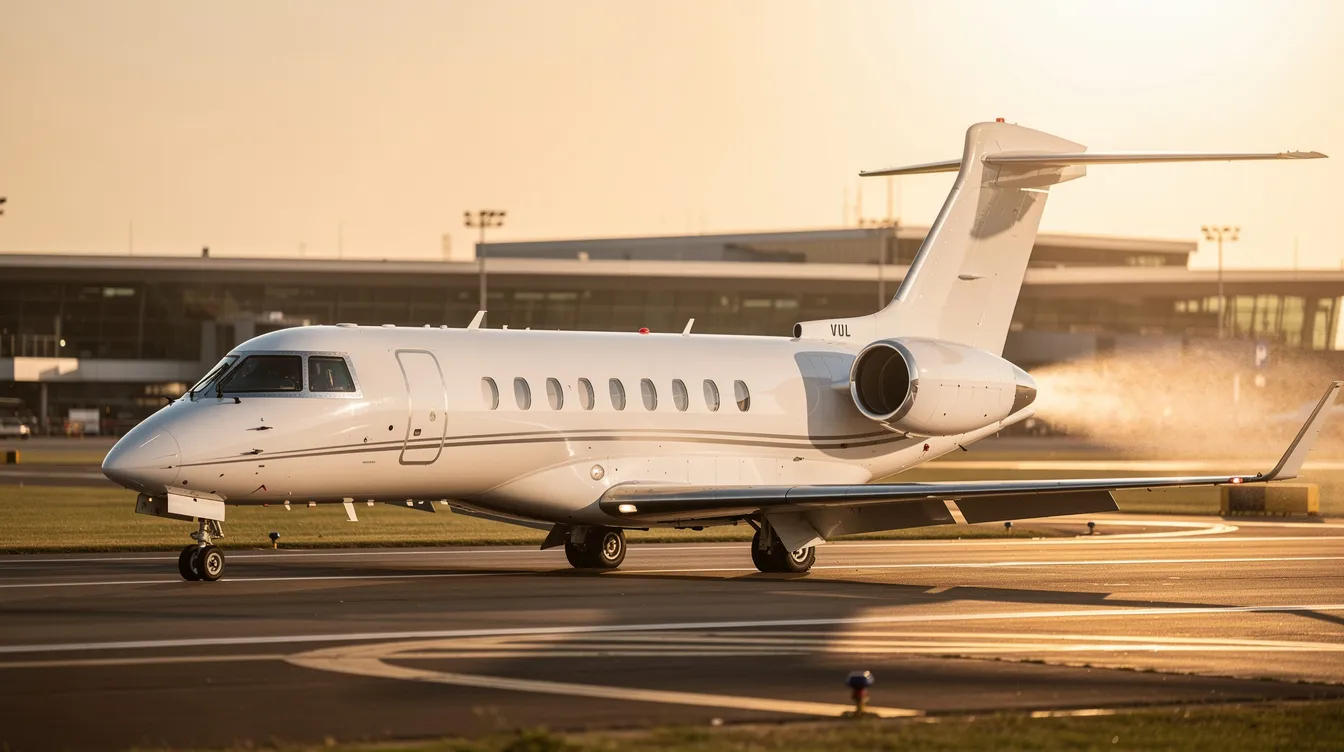
The Learjet 55 is a renowned midsize business jet known for its speed, altitude capability, and spacious stand-up cabin. Since its introduction in the early 1980s, it has remained a practical choice for charter travelers and aircraft buyers alike. This guide covers its performance, cabin features, operating costs, and charter options, making it a valuable resource for aviation enthusiasts.
Jay Franco Serevilla
Sep 13, 2026
|
5
min read
View all
As the private jet charter landscape evolves in 2026, understanding the differences between Ultimate Jetcharters LLC and modern platforms like Jettly is essential. Ultimate Jetcharters, once a key player in group travel, has ceased operations, leaving travelers to seek flexible and efficient alternatives. Jettly offers access to over 20,000 aircraft, providing instant pricing and tailored services for various travel needs.
Jay Franco Serevilla
Sep 13, 2026
|
5
min read

View all
Jet rides offer a thrilling range of experiences, from luxurious private jet charters to adrenaline-pumping fighter jet flights. Jettly connects travelers with vetted operators for both comfort and adventure, making it easy to compare options and book unforgettable flights. Whether you're an aviation enthusiast or looking for a unique gift, this guide covers everything you need to know about jet rides.
Jay Franco Serevilla
Sep 13, 2026
|
5
min read
Explore our latest articles and updates.
5
min read
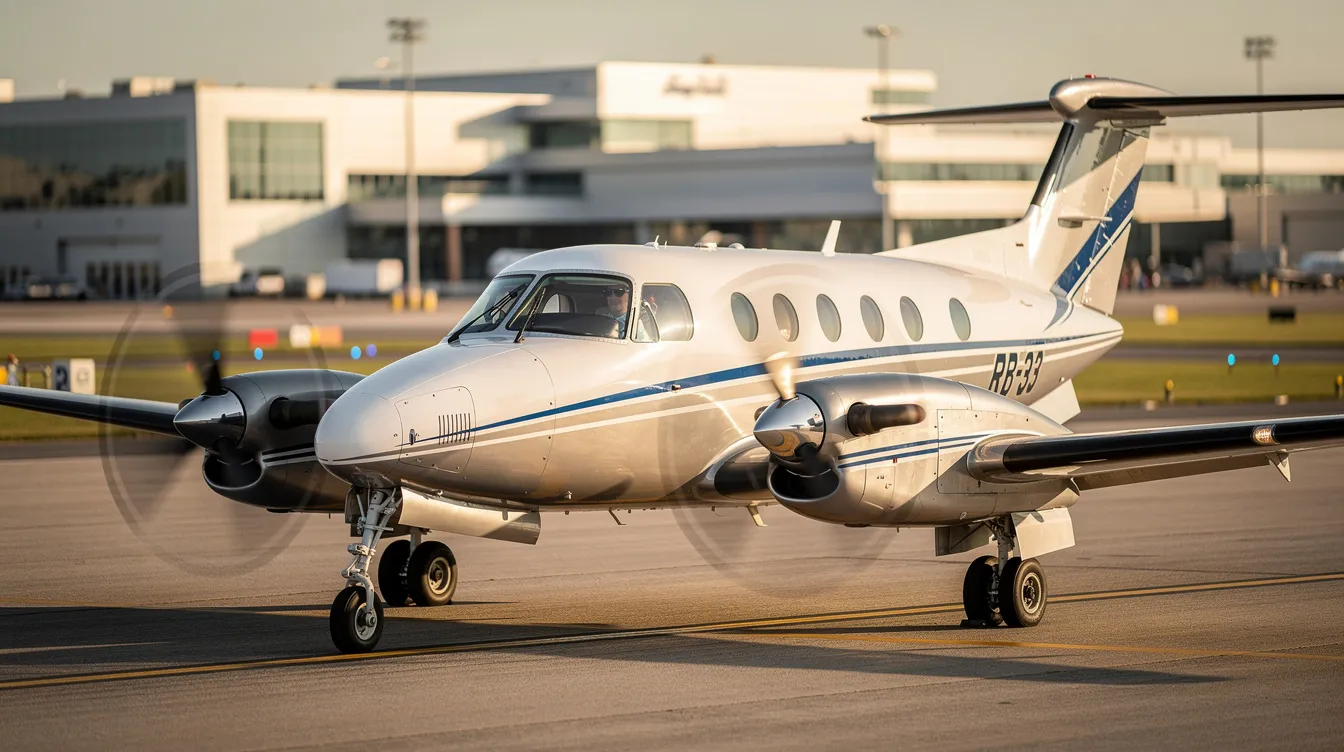
Beechcraft King Air 360: Performance, Comfort, and Charter Use with Jettly
The Beechcraft King Air 360 is a modern turboprop aircraft that combines reliability, advanced avionics, and enhanced cabin comfort, making it an ideal choice for private charter services. With a maximum cruise speed of 312 knots and a range of 1,806 nautical miles, it efficiently serves regional routes while accessing smaller airports that jets cannot. The aircraft features a spacious cabin designed for up to 11 passengers, with improvements in soundproofing and seating comfort, catering to both business and leisure travelers. Jettly offers flexible charter options for the King Air 360, providing cost-effective solutions for various travel needs, including corporate shuttles and medical transport.
Read More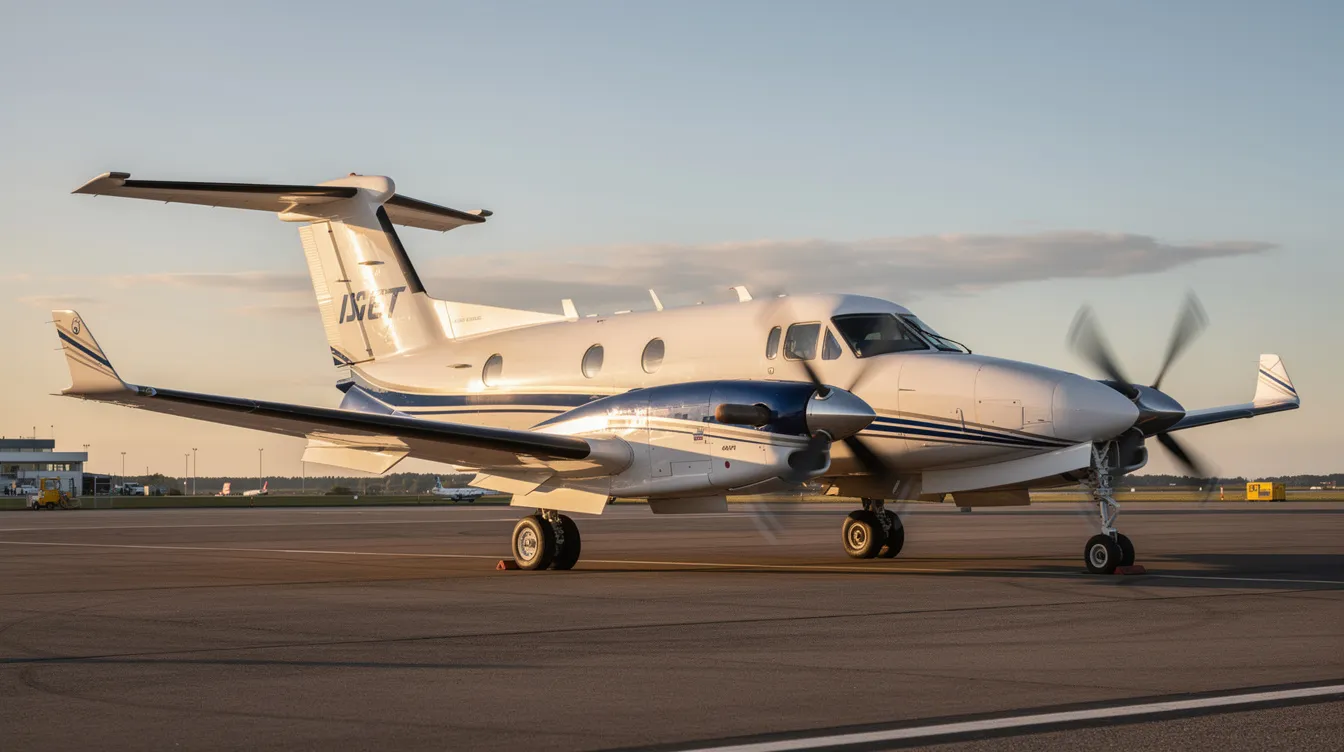
5
min read
King Air B200GT Specs & Charter Guide: Performance, Cabin, Costs & Use Cases
The Beechcraft King Air B200GT is a practical twin-engine turboprop popular for private charter and regional business missions, offering seating for 6-8 passengers, a range of 1,164 nautical miles, and a maximum cruise speed of 305 knots. With annual operating costs around $1,054,495 and efficient fuel consumption, it provides a cost-effective alternative to light jets, especially for trips between 300-800 nautical miles. The aircraft features modern avionics and a comfortable cabin, making it suitable for executive travel, medical evacuations, and cargo transport. Travelers can easily charter the King Air B200GT through Jettly's on-demand platform, which offers instant pricing and flexible booking options.
Read MoreJoin our community and receive the latest blog updates directly in your inbox.
MEMBERSHIPS AND ASSOCIATIONS



Disclaimer: Jettly operates as a charter broker, offering access to a global digital jet charter marketplace. Jettly is not a direct air carrier and does not own or operate aircraft. All advertised flights are conducted by third-party air carriers that are fully licensed and hold the appropriate Part 135 or Part 121 certifications issued by the Federal Aviation Administration (FAA) or equivalent regulatory authorities under U.S. or foreign law. Jettly complies fully with the U.S. Department of Transportation's Part 295 and Part 298 Charter Broker regulations. Jettly does not carry additional liability insurance. Passengers are covered by aircraft operator insurance. TICO: 50023770


