


Login
Get Instant Pricing On 23,000+ Aircraft

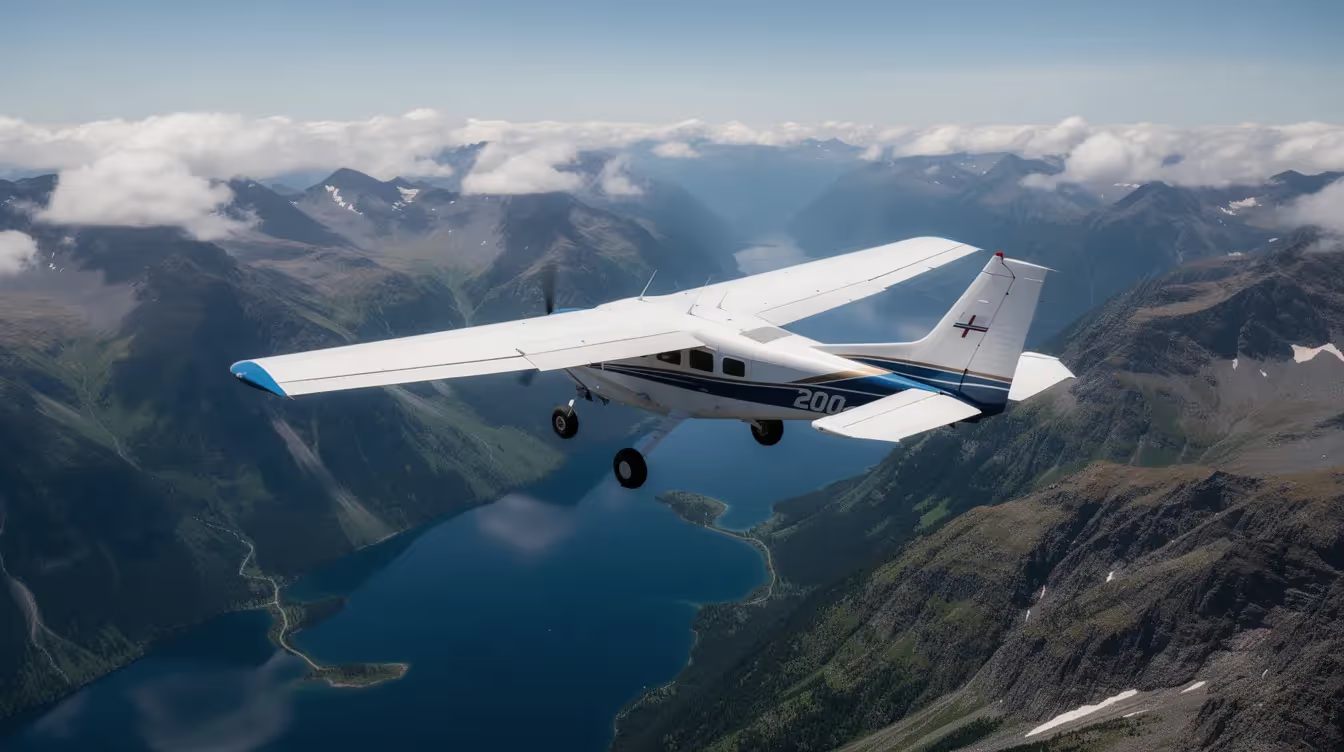
The Cessna 206 is a versatile utility aircraft with a normal cruise speed of approximately 128 knots and a maximum cruise speed of 178 knots, making it suitable for various missions, including charter operations and cargo transport. Its performance is influenced by factors such as weight, altitude, and temperature, with a maximum range of around 840 miles under optimal conditions. The aircraft's flexible cabin configuration accommodates one pilot and up to five passengers, making it ideal for accessing remote locations with short runways. Jettly offers a platform for travelers to compare the Cessna 206 with other aircraft options based on mission requirements, emphasizing the balance between speed, payload capacity, and operational costs.
Jay Franco Serevilla
May 13, 2026
|
5
min read


View all
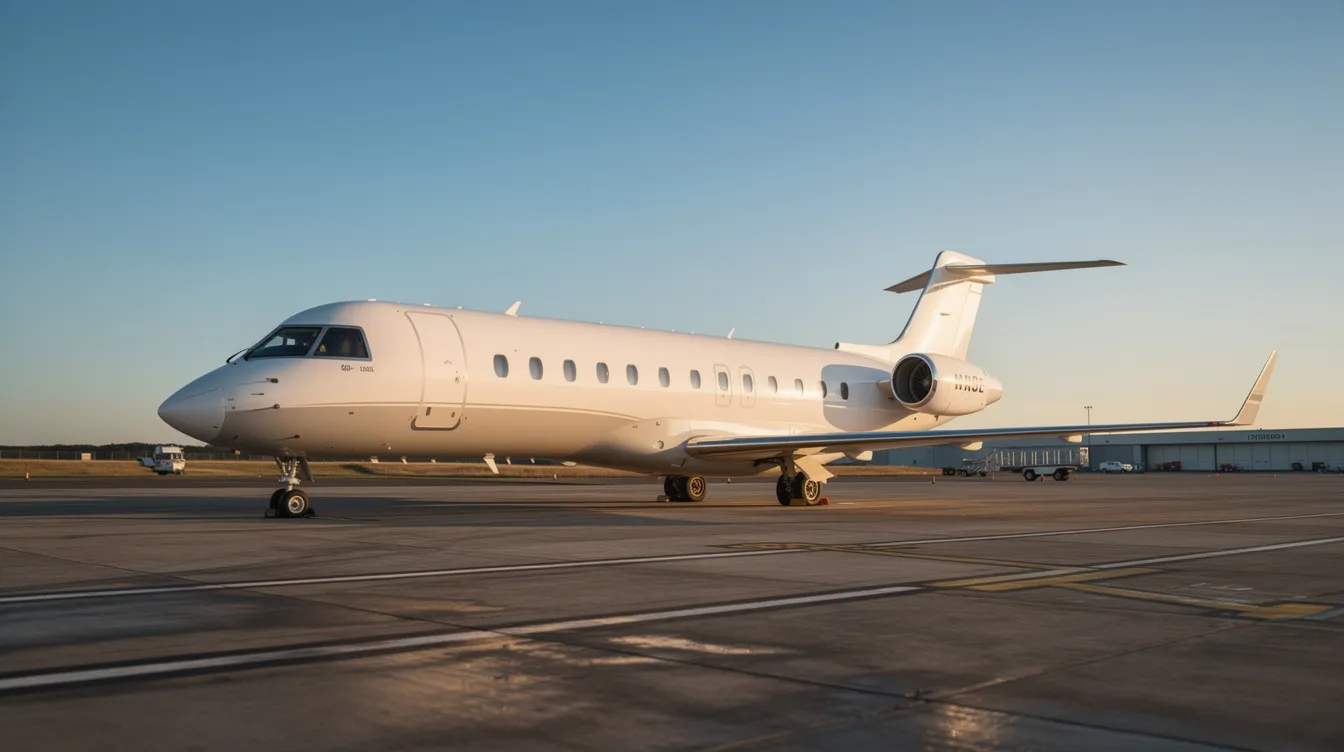
The Gulfstream G700 is a premier ultra-long-range private jet with a list price ranging from $75 million to $81 million, often exceeding $90 million due to customization and demand. For high-net-worth individuals and corporations, understanding the ownership costs versus chartering options through Jettly is crucial for making informed decisions about private aviation.
Jeff Ryan Serevilla
Sep 20, 2026
|
5
min read
View all
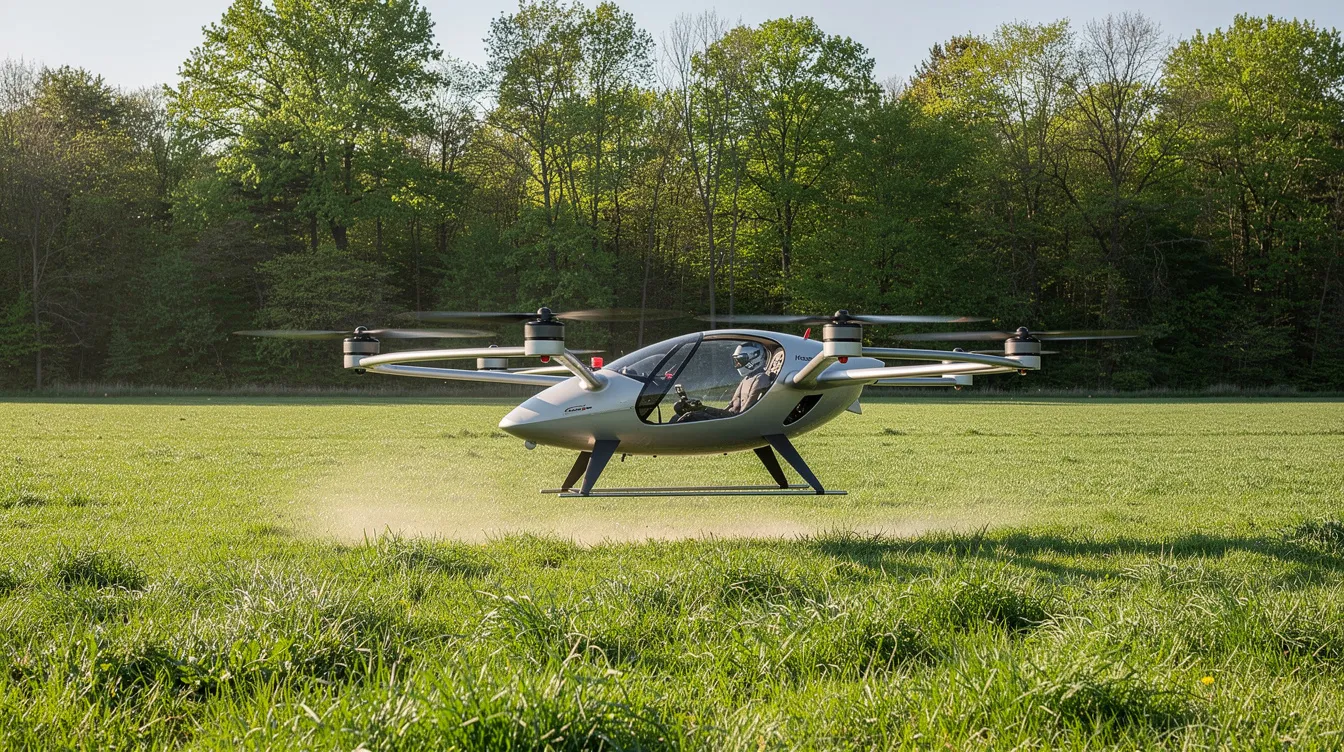
VTOL personal aircraft, or eVTOLs, are revolutionizing air mobility by providing vertical takeoff and landing capabilities without the need for runways. These electric aircraft bridge the gap between ground transportation and private jet travel, offering a new category of personal aviation for short hops. As technology matures, eVTOLs are expected to integrate seamlessly with private jet operations, enhancing travel efficiency.
Jeff Ryan Serevilla
Sep 20, 2026
|
5
min read
View all
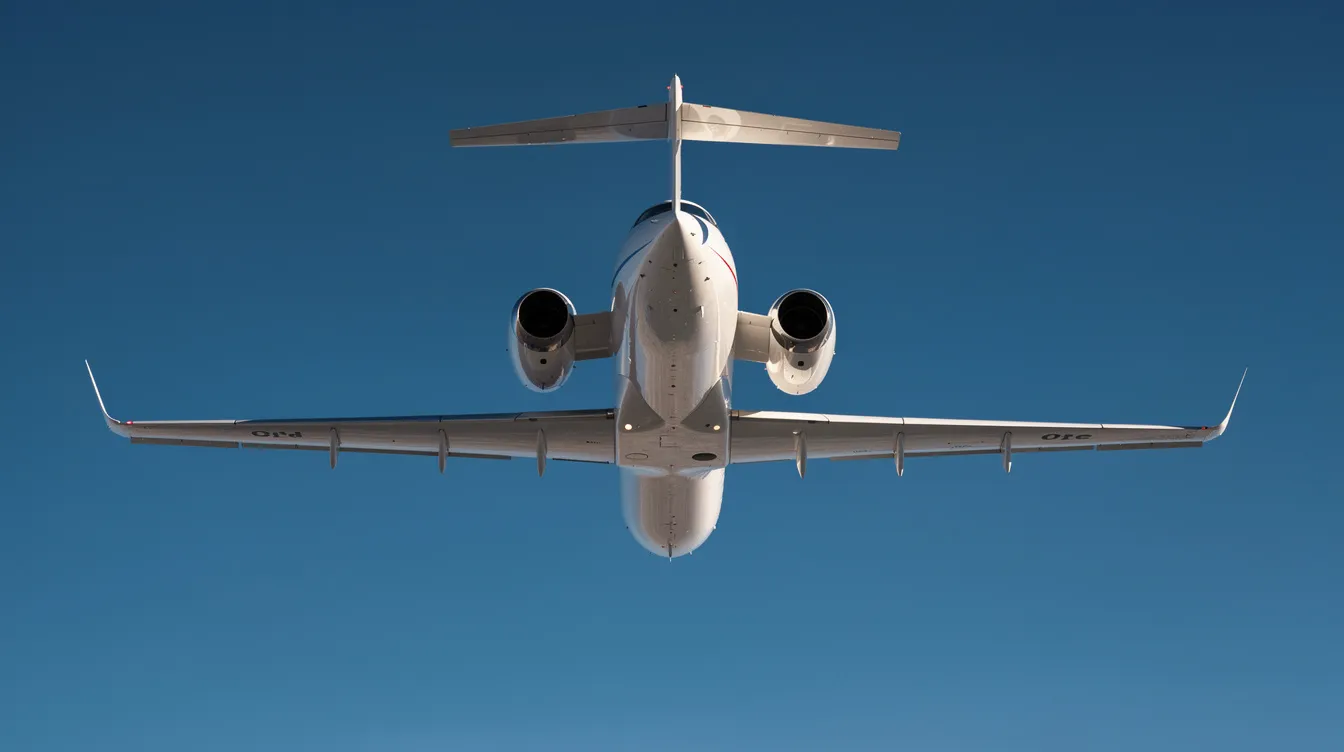
The C-21 plane, a military variant of the Learjet 35A, has been a reliable light transport aircraft for the USAF since 1984, serving various missions including passenger airlift and aeromedical evacuation. With impressive speed and range, it continues to play a vital role in military logistics, while civilians can access similar performance through private jet charters like the Learjet 35A.
Jeff Ryan Serevilla
Sep 20, 2026
|
5
min read

View all
Private jets increasingly offer WiFi, becoming essential for both business and leisure travelers. Connectivity options vary by aircraft type, age, and installed technology, impacting performance and costs. Understanding these factors helps travelers choose the right jet for their connectivity needs.
Jeff Ryan Serevilla
Sep 20, 2026
|
5
min read

View all
In 2026, flying private can be more affordable than expected, with various options available for different budgets. This guide explores pricing by aircraft size, route, and trip type, helping travelers find the best value for private jet travel. Discover how to navigate the charter market and access cost-effective private aviation solutions.
Jeff Ryan Serevilla
Sep 20, 2026
|
5
min read

View all
Flight prices generally decrease after Thanksgiving, especially for leisure routes, as demand drops. This guide details when to find the best deals and how to navigate the holiday pricing landscape for both commercial and private travel.
Jeff Ryan Serevilla
Sep 20, 2026
|
5
min read
Explore our latest articles and updates.
5
min read
Pup Plane: Guide to the Preceptor N3 Pup, Super Pup, and Ultra Pup for Modern Pilots
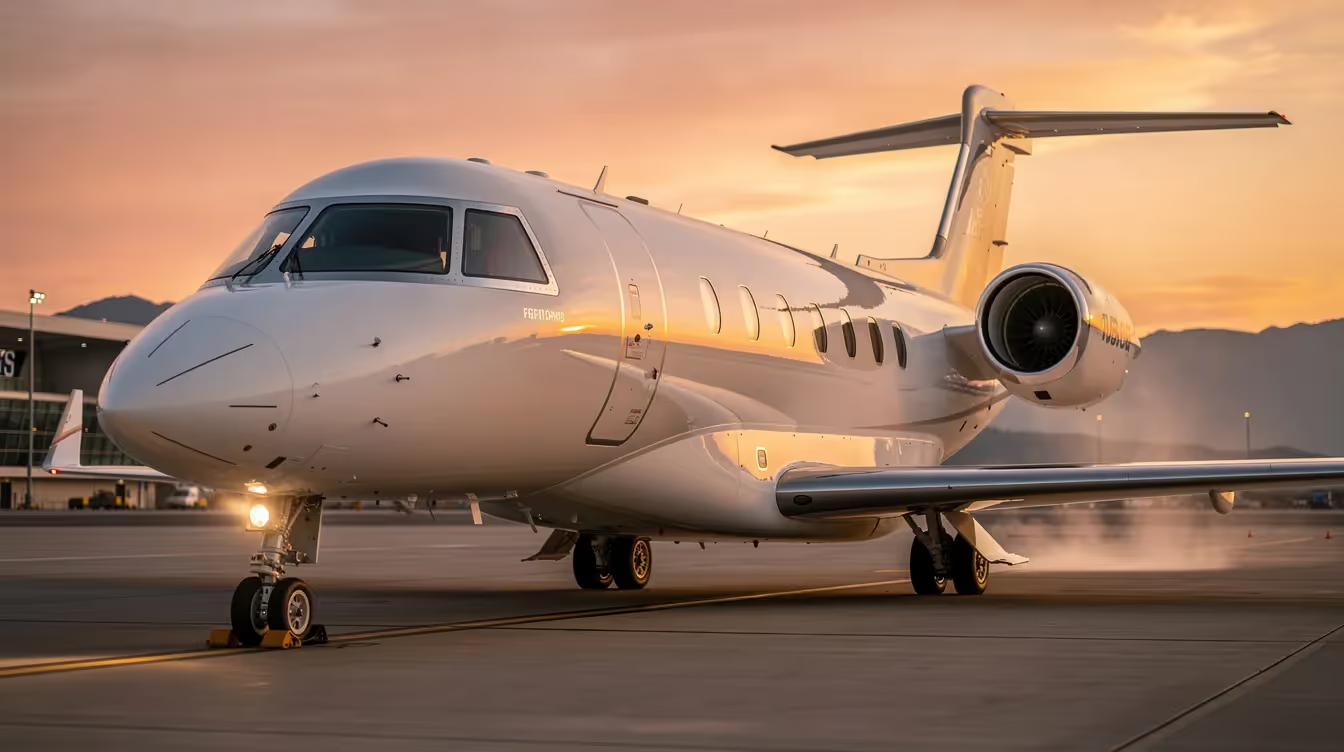
The Pup Plane guide focuses on the Preceptor N3 Pup family, which includes the N3 Pup, Super Pup, and Ultra Pup, catering to modern pilots and aviation enthusiasts interested in homebuilt aircraft. These lightweight, high-wing planes, developed in the late 1970s and 1980s, are known for their affordability and ease of construction, with the N3 Pup qualifying as an ultralight under FAR Part 103 regulations. While these aircraft are ideal for recreational flying, they are not suitable for commercial charter services, which are better served by platforms like Jettly that offer access to a wide range of professionally operated private jets. Understanding the differences between Pup planes and charter options helps pilots and travelers make informed decisions based on their flying needs.
Read More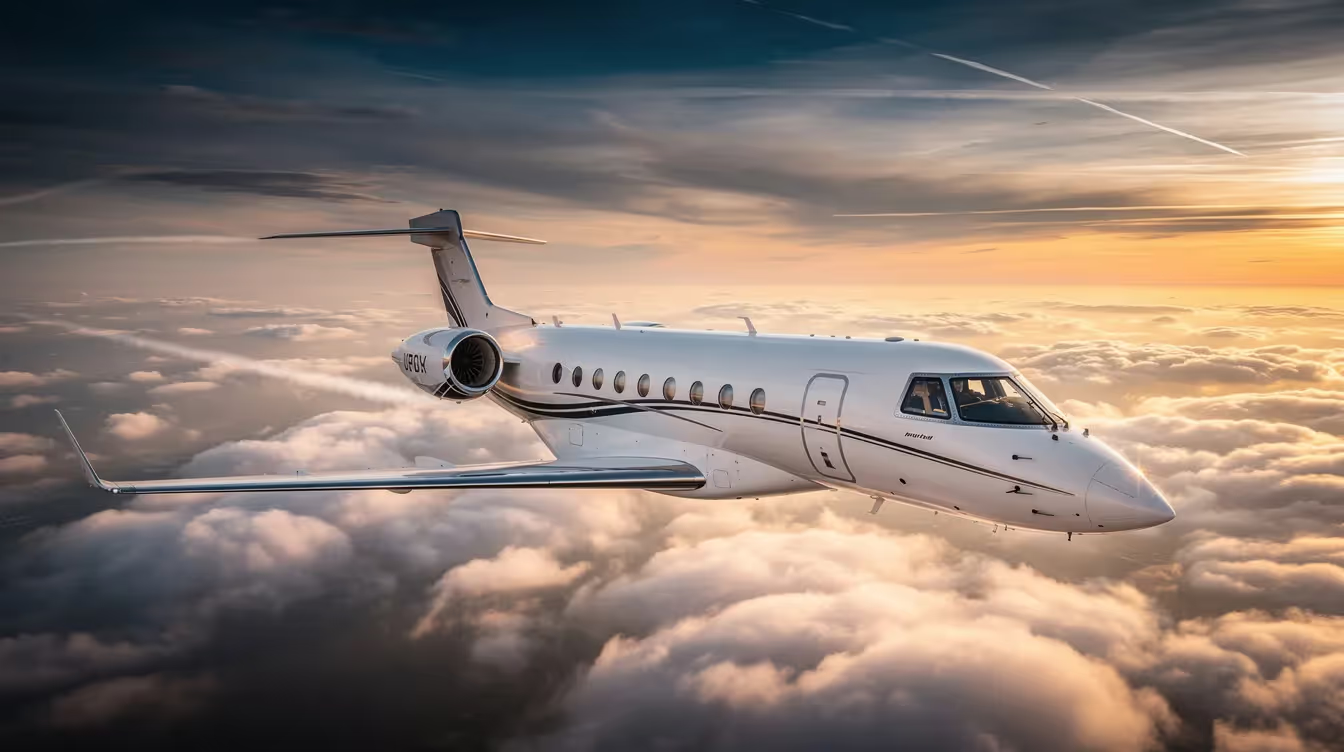
5
min read
Pilot Lessons Cost in 2026: What You’ll Really Pay to Learn to Fly
In 2026, pilot lesson costs range from $10,000 to $20,000 for a Private Pilot License and can exceed $130,000 for a full professional training path. Key expenses include hourly flight rates ($150–$250), instructor fees, testing costs, and living expenses, with total costs often surpassing advertised minimums due to additional flight hours needed. Training frequency significantly impacts costs, with more frequent flying leading to faster completion and lower overall expenses. Financing options, including loans, GI Bill benefits, and scholarships, can help manage these costs, making flight training more accessible for aspiring pilots.
Read MoreJoin our community and receive the latest blog updates directly in your inbox.
MEMBERSHIPS AND ASSOCIATIONS



Disclaimer: Jettly operates as a charter broker, offering access to a global digital jet charter marketplace. Jettly is not a direct air carrier and does not own or operate aircraft. All advertised flights are conducted by third-party air carriers that are fully licensed and hold the appropriate Part 135 or Part 121 certifications issued by the Federal Aviation Administration (FAA) or equivalent regulatory authorities under U.S. or foreign law. Jettly complies fully with the U.S. Department of Transportation's Part 295 and Part 298 Charter Broker regulations. Jettly does not carry additional liability insurance. Passengers are covered by aircraft operator insurance. TICO: 50023770


