


Login
Get Instant Pricing On 23,000+ Aircraft


The evolution of transatlantic aviation has transformed from perilous early flights in open-cockpit biplanes to modern ultra-long-range private jets capable of nonstop travel across the Atlantic. Key milestones include the first nonstop flight by Alcock and Brown in 1919 and Charles Lindbergh's solo crossing in 1927, which spurred public interest and investment in aviation. Today, travelers can choose from a variety of commercial and private flight options, with airlines increasingly utilizing narrow-body aircraft like the Airbus A321XLR for efficiency on thinner routes. Platforms like Jettly facilitate private jet charters, offering transparent pricing and access to a wide range of aircraft for transatlantic journeys.
Jay Franco Serevilla
May 15, 2026
|
5
min read



View all
Low-wing Cessna aircraft, known for their speed and efficiency, have significantly influenced private aviation. These models, including the Cessna 400 and Citation jets, prioritize performance and comfort, making them ideal for modern charter services. Their unique design enhances aerodynamic efficiency, providing a sporty flying experience that appeals to both pilots and passengers.
Jay Franco Serevilla
Sep 21, 2026
|
5
min read

View all
Gulfstream engines are pivotal in enhancing long-range business aviation, offering unmatched performance and comfort. This guide provides insights into the technology and specifications of Gulfstream engines, helping travelers make informed decisions for their aviation needs. With options like the Rolls-Royce BR710 and Pearl 700, Gulfstream aircraft ensure efficient, high-speed travel across global routes.
Jay Franco Serevilla
Sep 21, 2026
|
5
min read
View all
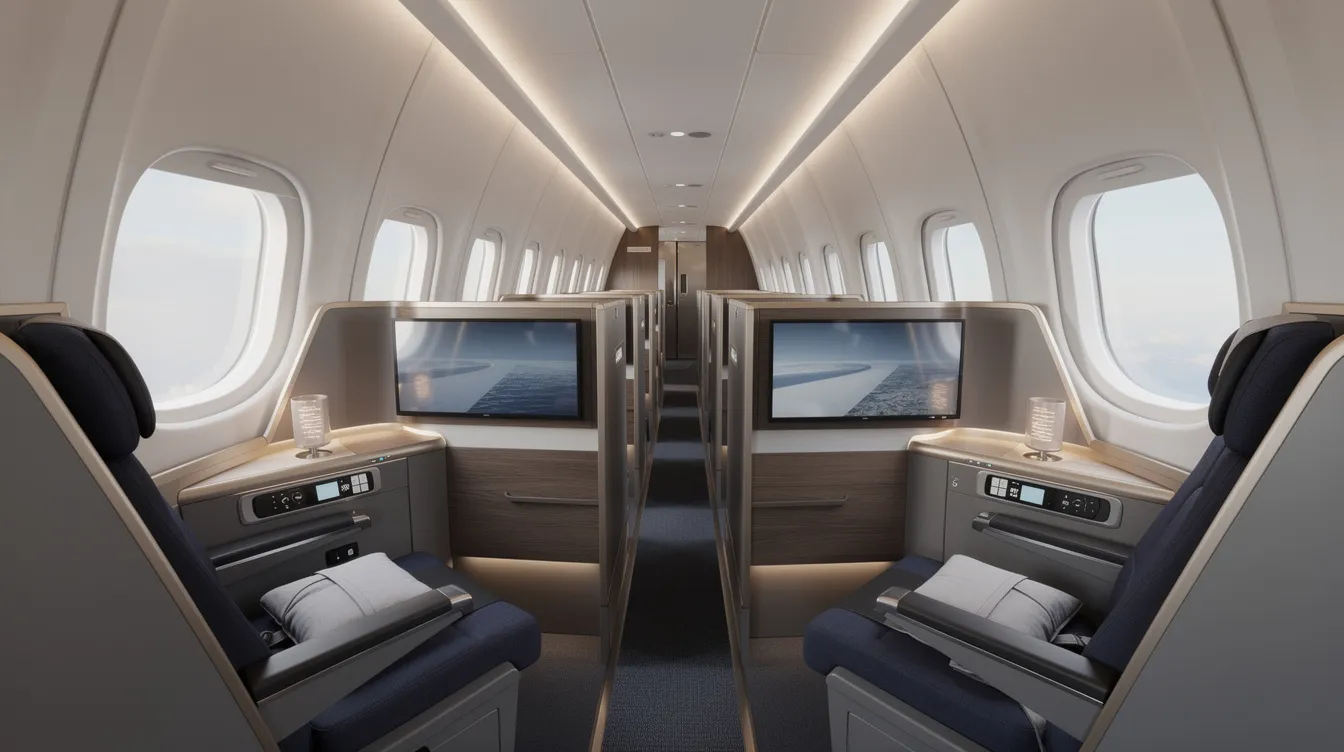
Business class travel offers comfort and amenities for long flights, but many travelers are now considering private jet charters for greater flexibility and efficiency. This guide compares the two options, highlighting key features, costs, and the evolving needs of frequent flyers. As travel demands change, understanding the benefits of each can help travelers make informed decisions for their journeys.
Jay Franco Serevilla
Sep 21, 2026
|
5
min read

View all
Aircraft Management Group Inc. offers traditional aircraft management and charter services, focusing on operational oversight and safety for aircraft owners. In contrast, digital platforms like Jettly provide flexible, on-demand access to a vast fleet without ownership commitments, allowing travelers to compare options easily. This hybrid approach is increasingly popular among corporate travel departments.
Jay Franco Serevilla
Sep 21, 2026
|
5
min read
View all
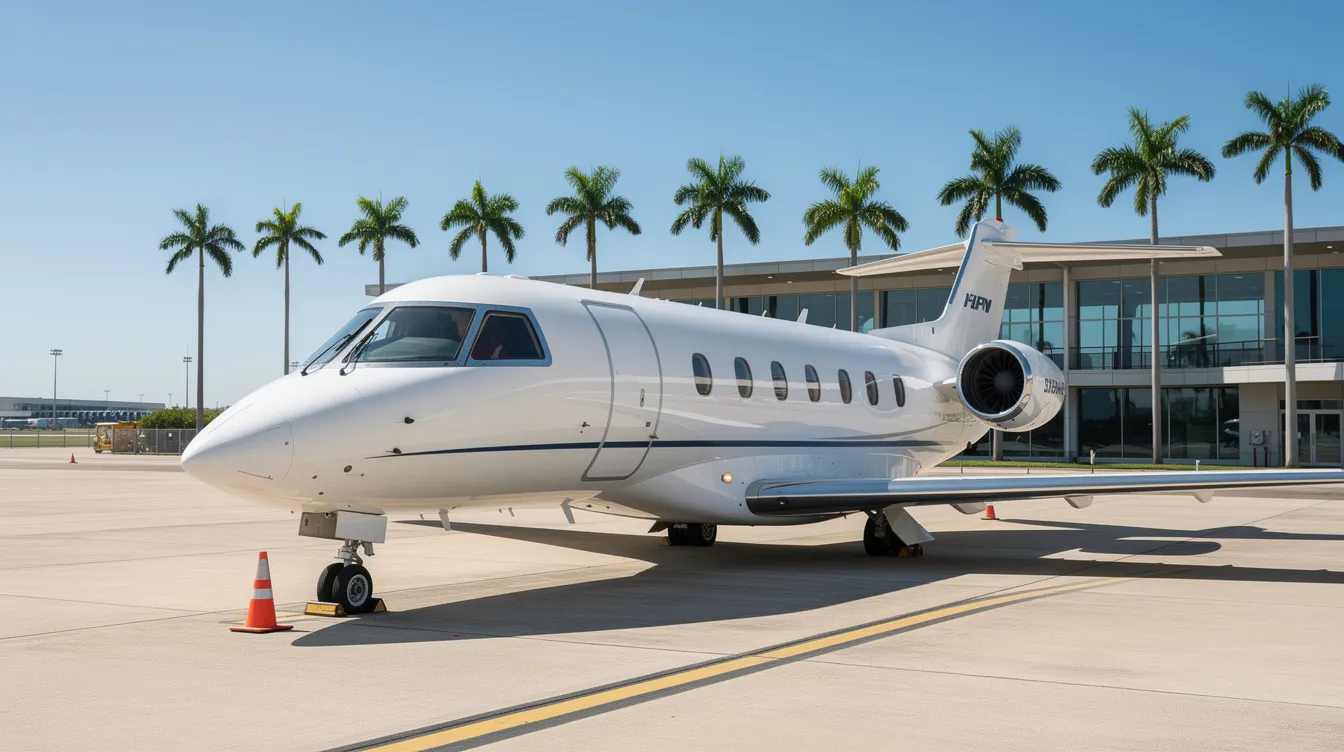
Presidential Aviation, Inc. is a private jet charter and management company based in Fort Lauderdale, FL, offering a diverse fleet for various travel needs. Unlike government-operated fleets, it provides on-demand services for corporate and leisure travelers, utilizing platforms like Jettly for easy comparisons and bookings.
Jay Franco Serevilla
Sep 21, 2026
|
5
min read

View all
Executive Fliteways, Inc. is a premier private jet charter operator with over 40 years of experience, headquartered in New York. They offer a diverse fleet and seamless aircraft management services, catering to corporate travelers and high-net-worth individuals. With a strong emphasis on safety and personalized service, Executive Fliteways sets the standard for private aviation in the Northeast.
Jay Franco Serevilla
Sep 21, 2026
|
5
min read
Explore our latest articles and updates.

5
min read
Bedrooms on Planes: Hidden Crew Bunks and Passenger Beds Explained
The article explores the various sleeping arrangements available on airplanes, including hidden crew bunks for flight attendants and pilots, as well as luxurious lie-flat beds in premium cabins and private jet staterooms. It highlights the importance of these spaces for safety and comfort during long-haul flights, with regulations mandating crew rest areas on flights exceeding 8-12 hours. Jettly's platform simplifies the process of finding flights with ideal sleeping arrangements, allowing travelers to compare options for both commercial and private aviation. Ultimately, the choice of sleeping accommodations depends on budget, route, and personal preferences.
Read More
5
min read
How Fast Do Jet Airliners Fly? Exploring Typical Speeds, Influencing Factors, and Comparisons with Private Jets
Modern jet airliners typically cruise at speeds between 550 and 600 mph (Mach 0.85 to 0.90), while private jets may operate at similar or slightly higher speeds but can save time by avoiding hub airports and delays. Factors such as aircraft design, altitude, wind conditions, and regulatory limits influence actual flight speeds. Despite advancements in technology, commercial airliner speeds have remained relatively stable due to economic and environmental considerations. Understanding these dynamics helps travelers make informed choices between commercial and private aviation options.
Read MoreJoin our community and receive the latest blog updates directly in your inbox.
MEMBERSHIPS AND ASSOCIATIONS



Disclaimer: Jettly operates as a charter broker, offering access to a global digital jet charter marketplace. Jettly is not a direct air carrier and does not own or operate aircraft. All advertised flights are conducted by third-party air carriers that are fully licensed and hold the appropriate Part 135 or Part 121 certifications issued by the Federal Aviation Administration (FAA) or equivalent regulatory authorities under U.S. or foreign law. Jettly complies fully with the U.S. Department of Transportation's Part 295 and Part 298 Charter Broker regulations. Jettly does not carry additional liability insurance. Passengers are covered by aircraft operator insurance. TICO: 50023770


