


Login
Get Instant Pricing On 23,000+ Aircraft


Fractional jet ownership allows individuals or companies to purchase a share of a specific aircraft, typically ranging from 1/16 to 1/2, granting them a proportional number of flight hours annually and access to equivalent aircraft when their own is unavailable. This model provides the benefits of private jet travel, including professional management and operational ease, while reducing the financial burden compared to full ownership. Owners can expect to fly between 50 to 400 hours per year, depending on their share size, and the management company handles all operational aspects under FAA regulations. While fractional ownership requires a significant initial investment and ongoing fees, it offers equity and flexibility, making it suitable for frequent flyers, whereas those flying less may prefer alternatives like jet cards or charter services.
Jeff Ryan Serevilla
May 17, 2026
|
5
min read



View all
Ann Arbor Municipal Airport (ARB) is a key hub for private flyers in southeastern Michigan, located just 3 miles from downtown Ann Arbor. This guide provides essential information on airport facilities, ground transportation options, and private charter services through Jettly, making travel to and from ARB efficient and convenient.
Jeff Ryan Serevilla
Sep 21, 2026
|
5
min read
View all
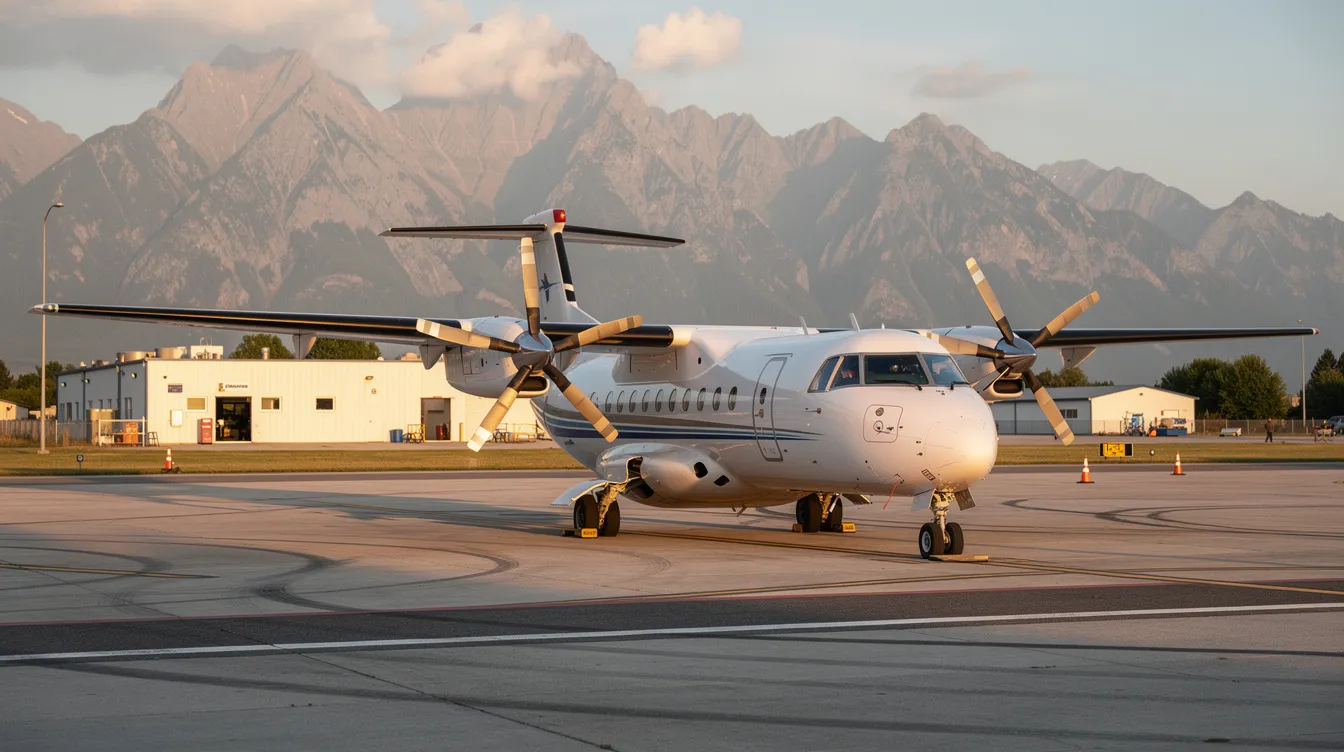
The Beechcraft 1900D is a 19-seat regional airliner known for its stand-up cabin, allowing passengers to walk upright. Despite production ending in 2002, it remains a popular choice for charter, cargo, and corporate shuttle services due to its versatility and efficiency. This guide covers its history, performance, and how to book a charter through Jettly.
Jay Franco Serevilla
Sep 21, 2026
|
5
min read
View all
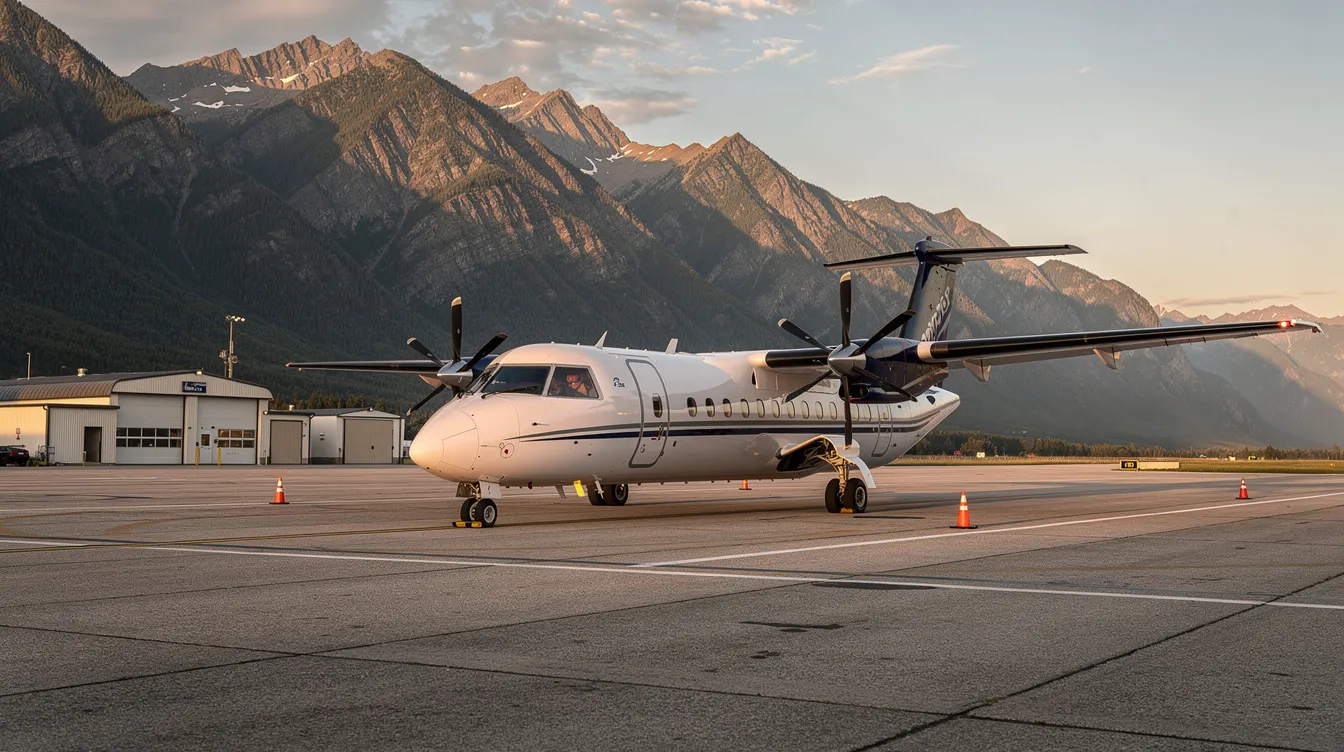
The B190 plane, part of the Beechcraft 1900 family, is a versatile 19-seat turboprop airliner ideal for regional group charters. Known for its spacious cabin and short-field performance, the Beechcraft 1900D variant enhances passenger comfort with a stand-up cabin. Jettly offers seamless booking for this aircraft, making it a popular choice for corporate transport and commuter operations.
Jay Franco Serevilla
Sep 21, 2026
|
5
min read

View all
Small airplane flights revolutionize regional travel by offering faster, more convenient alternatives to commercial airlines. With access to more airports and flexible schedules, travelers can save significant time and enjoy personalized experiences. Jettly's platform simplifies booking, providing a wide range of aircraft options and transparent pricing.
Jay Franco Serevilla
Sep 21, 2026
|
5
min read

View all
This comprehensive guide explores the world of ultralight aircraft, highlighting the best models, essential rules, and their role in a private aviation lifestyle. Ideal for aspiring pilots and aviation enthusiasts, it covers everything from FAA regulations to the unique flying experiences ultralights offer. Discover how ultralight flying complements private jet charter for varied travel needs.
Jay Franco Serevilla
Sep 21, 2026
|
5
min read

View all
The Cessna 150M is a renowned two-seat trainer in aviation, known for its forgiving handling and reliability. Produced between 1974 and 1977, it features a 100 hp engine and is ideal for flight training and recreational flying. This article explores its specifications, performance, and the transition from training aircraft to private jet charter.
Jay Franco Serevilla
Sep 21, 2026
|
5
min read
Explore our latest articles and updates.

5
min read
Aero Private Jet: How Semi-Private Flights Compare to On-Demand Charters with Jettly
Aero Private Jet offers a semi-private aviation experience that combines the luxury of private jets with the affordability of commercial flights, allowing travelers to purchase individual seats on scheduled routes. This model provides access to private terminals, premium cabin features, and a more comfortable travel experience compared to commercial airlines. In contrast, Jettly specializes in on-demand charters, offering entire aircraft for custom routes and greater flexibility, particularly for groups or specific travel needs. Ultimately, the choice between Aero's semi-private flights and Jettly's charters depends on factors like group size, budget, and desired privacy.
Read More
5
min read
Are Airlines Privately Owned? State vs Private Ownership Explained
In the U.S., all commercial airlines are privately owned, while globally, airlines can be privately owned, publicly traded, or government-owned. Private airlines typically prioritize efficiency and customer service to remain competitive, whereas state-owned airlines may focus on political goals, often leading to inefficiencies and reliance on government subsidies. The ownership structure significantly impacts ticket prices, service quality, and the likelihood of government bailouts, with private airlines generally outperforming state-owned carriers financially. Additionally, platforms like Jettly facilitate access to privately operated jets, reflecting the trend towards privatization and flexibility in air travel.
Read MoreJoin our community and receive the latest blog updates directly in your inbox.
MEMBERSHIPS AND ASSOCIATIONS



Disclaimer: Jettly operates as a charter broker, offering access to a global digital jet charter marketplace. Jettly is not a direct air carrier and does not own or operate aircraft. All advertised flights are conducted by third-party air carriers that are fully licensed and hold the appropriate Part 135 or Part 121 certifications issued by the Federal Aviation Administration (FAA) or equivalent regulatory authorities under U.S. or foreign law. Jettly complies fully with the U.S. Department of Transportation's Part 295 and Part 298 Charter Broker regulations. Jettly does not carry additional liability insurance. Passengers are covered by aircraft operator insurance. TICO: 50023770


