


Login
Get Instant Pricing On 23,000+ Aircraft


Private jets offer a luxurious and efficient travel experience, with their weight significantly impacting performance, safety, and operational costs. They are categorized by weight, ranging from Very Light Jets (under 10,000 pounds) to Heavy Jets (over 100,000 pounds), each designed for specific travel needs and passenger capacities. Understanding the maximum take-off weight (MTOW) is crucial for optimizing range, fuel efficiency, and compliance with safety regulations. As the private aviation market continues to evolve, factors such as weight management and environmental impact are increasingly important for both owners and operators.
Jay Franco Serevilla
Sep 3, 2025
|
5
min read



View all
Hopping on a plane can often feel overwhelming, but with the right strategies, it can become a seamless experience. This guide offers tips on airplane etiquette, packing, and the advantages of private jet charters, making air travel more efficient and enjoyable for everyone.
Jay Franco Serevilla
Jul 11, 2026
|
5
min read

View all
The jet passport concept is revolutionizing private aviation by providing seamless access to over 20,000 aircraft through Jettly's digital platform. This innovative approach eliminates the complexities of ownership and traditional booking processes, allowing travelers to enjoy flexible and transparent private jet travel. With features like instant pricing and personalized profiles, Jettly makes flying private more accessible than ever.
Jay Franco Serevilla
Jul 11, 2026
|
5
min read

View all
As of July 2026, Jet Airways is not operating scheduled flights, leaving travelers to seek alternatives. Options include flying with other airlines like Air India or chartering private jets through Jettly, which offers access to over 20,000 aircraft. This guide provides insights on how to find and book flights, compare options, and understand pricing for private charters.
Jay Franco Serevilla
Jul 11, 2026
|
5
min read

View all
Flying on JetBlue provides travelers with a comfortable economy experience, featuring generous legroom, free Wi-Fi, and various fare options from Blue Basic to Mint. JetBlue's exclusive operations from JFK's Terminal 5 enhance convenience, while private jet charters through Jettly offer flexibility for complex itineraries. Combining both options can optimize travel plans for leisure and business travelers alike.
Jay Franco Serevilla
Jul 11, 2026
|
5
min read
View all
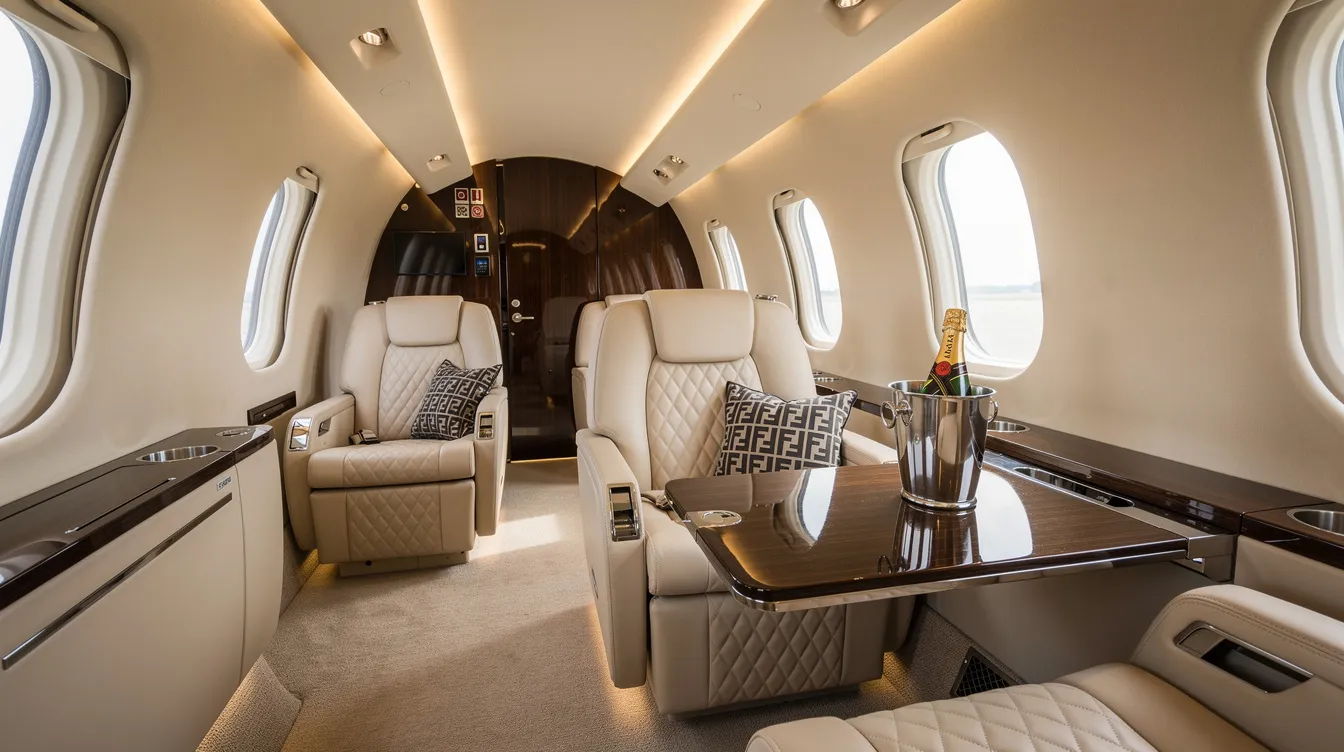
In 2026, the cost of luxury private jet travel varies significantly between chartering and ownership, with rental rates ranging from $2,000 to over $20,000 per hour based on aircraft type and route. Ownership costs start at around $2 million for older jets, escalating to over $75 million for new ultra-long-range models, with annual operating expenses typically 15-25% of the aircraft's value. Platforms like Jettly enhance transparency in pricing, allowing users to compare costs across 20,000+ aircraft and access discounts through empty-leg flights. For most travelers flying under 300 hours annually, chartering remains the more cost-effective option, while understanding the various fees and operational extras is crucial for accurate budgeting.
Jay Franco Serevilla
Jul 11, 2026
|
5
min read

View all
Private jet kitchens, or galleys, are designed to provide gourmet meals at high altitudes, varying significantly by aircraft size and capabilities. Unlike commercial aircraft, which serve standardized meals to large groups, private jets offer personalized dining experiences with flexible menus tailored to small passenger counts. The evolution of these kitchens has led to advanced facilities, including ovens and refrigeration, enabling multi-course meals even on shorter flights. Jettly's platform helps travelers select the right aircraft based on galley capabilities, ensuring that catering expectations align with the onboard kitchen's offerings.
Jay Franco Serevilla
Jul 11, 2026
|
5
min read
Explore our latest articles and updates.

5 minutes
min read
Revolutionizing Private Aviation: Jettly's Jet Card Program
Jet cards provide frequent flyers with predictable pricing, guaranteed availability, and more flexibility compared to traditional charters. By purchasing prepaid flight hours, members benefit from fixed rates and a variety of aircraft choices. Jettly stands out with its transparent pricing, no penalty cancellations, and booking ease. Ultimately, understanding your aviation needs will help you choose the right jet card program, and Jettly's offering might be ideal for your travel requirements.
Read More5 minutes
min read
How Many Passengers Can a Private Jet Carry? Types & Sizes
This blog explores the diverse passenger capacities and features of private jets, helping readers make informed decisions when selecting an aircraft for their needs. It highlights different jet types, from light jets for small groups to spacious business jets for larger parties. The guide emphasizes the importance of considering group size, luxury expectations, and cost-efficiency. Ultimately, it aims to assist readers in choosing a private jet that combines comfort, practicality, and style for a superior travel experience.
Read MoreJoin our community and receive the latest blog updates directly in your inbox.
MEMBERSHIPS AND ASSOCIATIONS



Disclaimer: Jettly operates as a charter broker, offering access to a global digital jet charter marketplace. Jettly is not a direct air carrier and does not own or operate aircraft. All advertised flights are conducted by third-party air carriers that are fully licensed and hold the appropriate Part 135 or Part 121 certifications issued by the Federal Aviation Administration (FAA) or equivalent regulatory authorities under U.S. or foreign law. Jettly complies fully with the U.S. Department of Transportation's Part 295 and Part 298 Charter Broker regulations. Jettly does not carry additional liability insurance. Passengers are covered by aircraft operator insurance. TICO: 50023770


