


Login
Get Instant Pricing On 23,000+ Aircraft

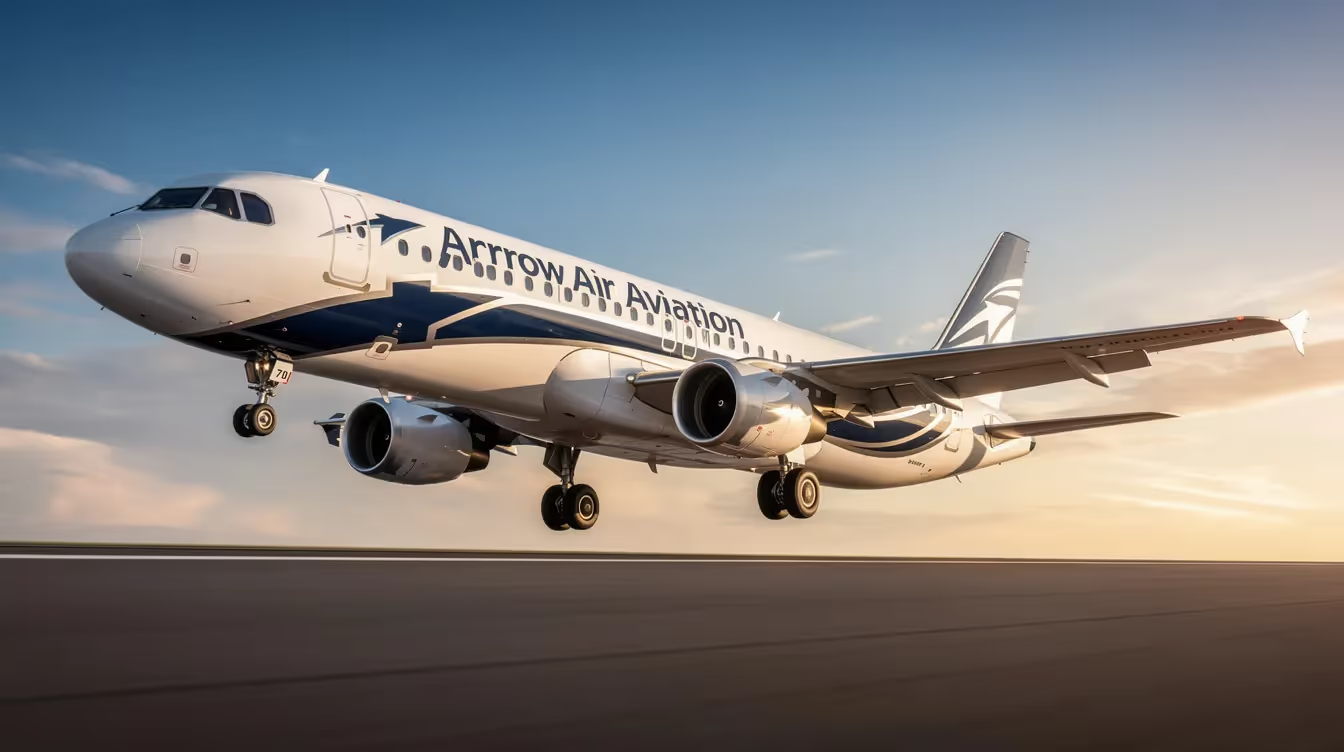
Arrow Air Flight 1285 crashed on December 12, 1985, shortly after takeoff from Gander, Newfoundland, resulting in the deaths of all 256 people on board, making it Canada's deadliest aviation disaster. The investigation revealed that ice contamination on the wings and an underestimation of the aircraft's weight contributed to the crash, leading to significant changes in aviation safety protocols in Canada. The controversy surrounding the investigation, including a dissenting minority report that proposed alternative theories, ultimately led to the dissolution of the Canadian Aviation Safety Board and the establishment of the Transportation Safety Board of Canada. Today, lessons from this tragedy continue to shape modern aviation practices, emphasizing rigorous safety standards, data-driven flight planning, and transparency in operations, as exemplified by platforms like Jettly.
Jay Franco Serevilla
May 17, 2026
|
5
min read


View all
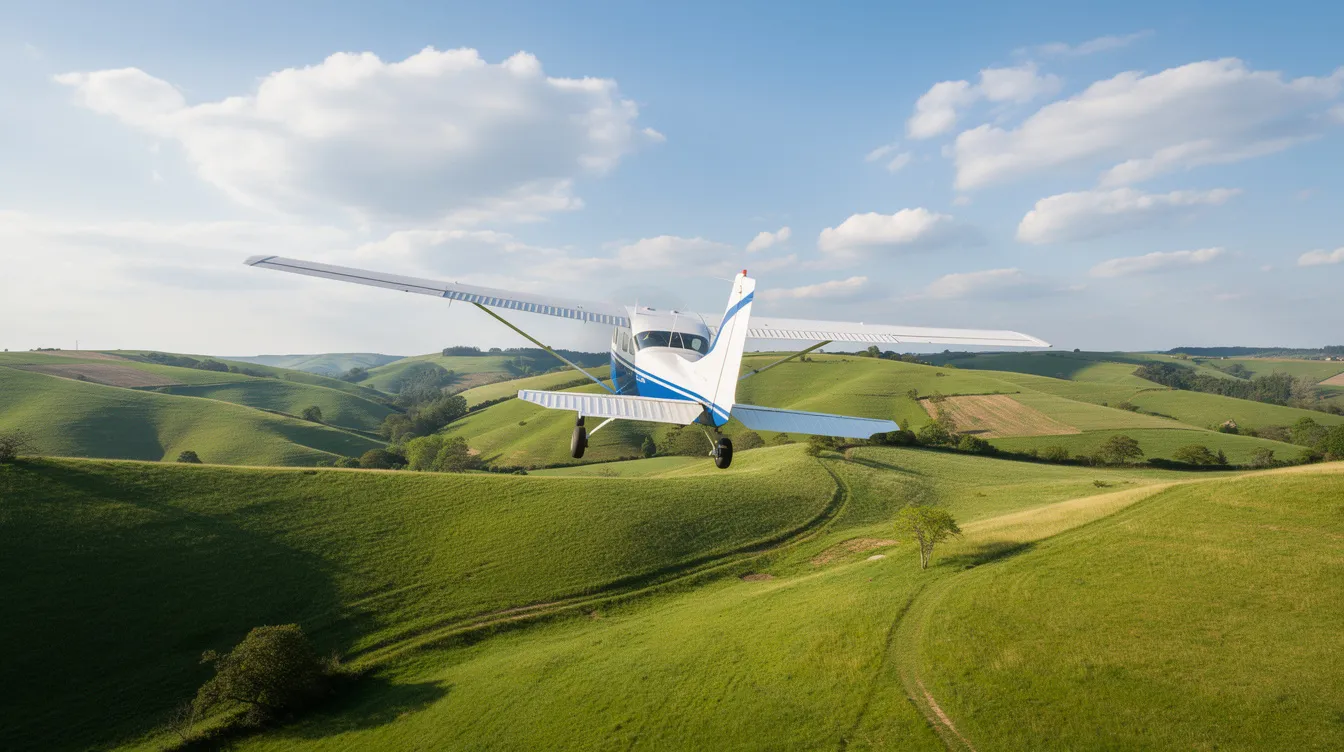
Single-engine planes typically cruise between 110 and 180 knots, with high-performance models exceeding 200 knots. Factors like aircraft type, altitude, and weight significantly influence actual speeds. Understanding cruise speed is crucial for effective trip planning and can often rival commercial airliners in total travel time.
Jay Franco Serevilla
Sep 7, 2026
|
5
min read
View all
Single-engine planes typically cruise between 110 and 180 knots, with high-performance models exceeding 200 knots. Factors like aircraft type, altitude, and weight significantly influence actual speeds. Understanding cruise speed is crucial for effective trip planning and can often rival commercial airliners in total travel time.
Jay Franco Serevilla
Sep 7, 2026
|
5
min read
View all
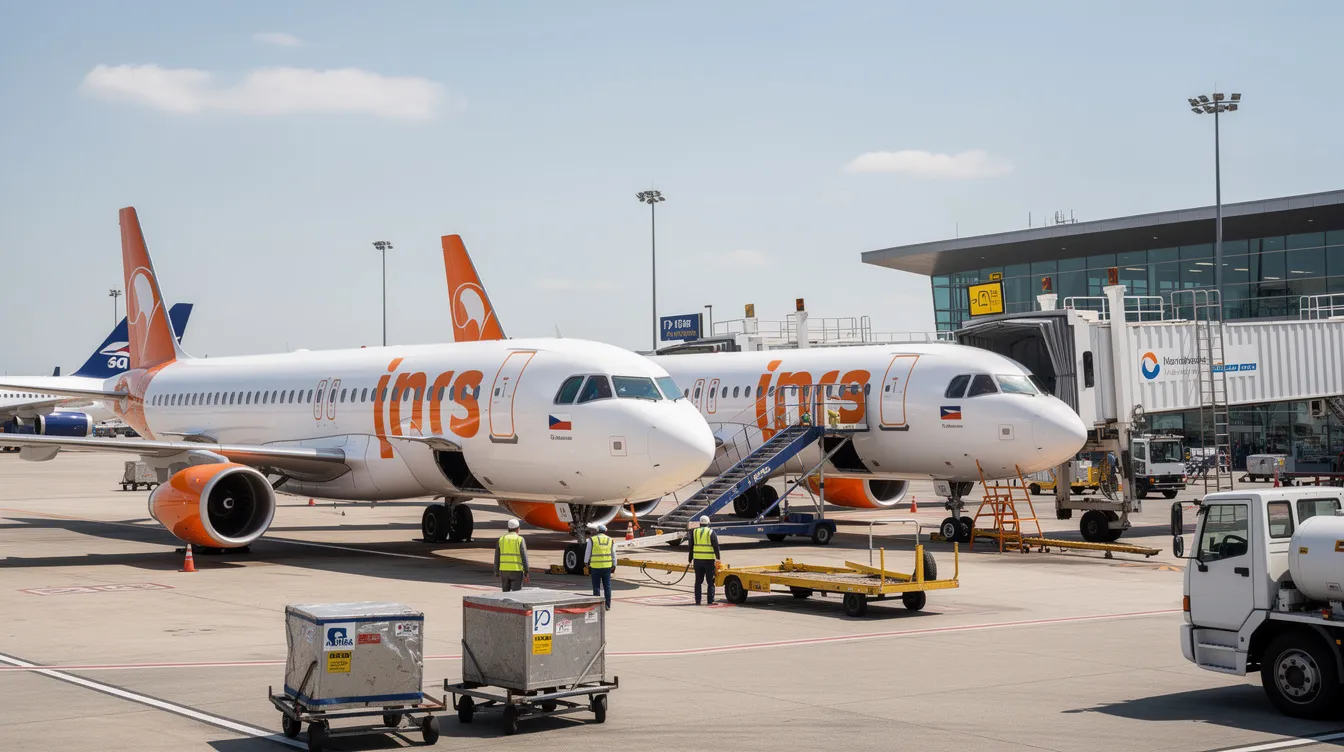
This article compares Southwest Airlines' Boeing 737-800 and MAX 8, focusing on passenger experience, comfort, and features. While both aircraft offer similar seating and service, the MAX 8 boasts quieter engines, modern interiors, and consistent USB charging. For travelers seeking privacy and flexibility, private jet charter options through Jettly present a compelling alternative to commercial flights.
Jay Franco Serevilla
Sep 7, 2026
|
5
min read

View all
Estimating flight length accurately is crucial for effective travel planning, whether for private jets or commercial flights. Factors such as distance, aircraft type, and wind conditions can significantly impact flight duration. This guide provides insights into estimating flight times and highlights the advantages of private jet travel through platforms like Jettly.
Jay Franco Serevilla
Sep 7, 2026
|
5
min read

View all
Wisconsin Jet Charter with Jettly offers a convenient and flexible alternative to commercial flights, providing access to over 20,000 aircraft for private travel. Whether for business or leisure, travelers can book flights quickly and enjoy a personalized experience without the hassles of crowded airports. With transparent pricing and a variety of aircraft options, Jettly simplifies the private aviation experience in Wisconsin.
Jay Franco Serevilla
Sep 7, 2026
|
5
min read
View all
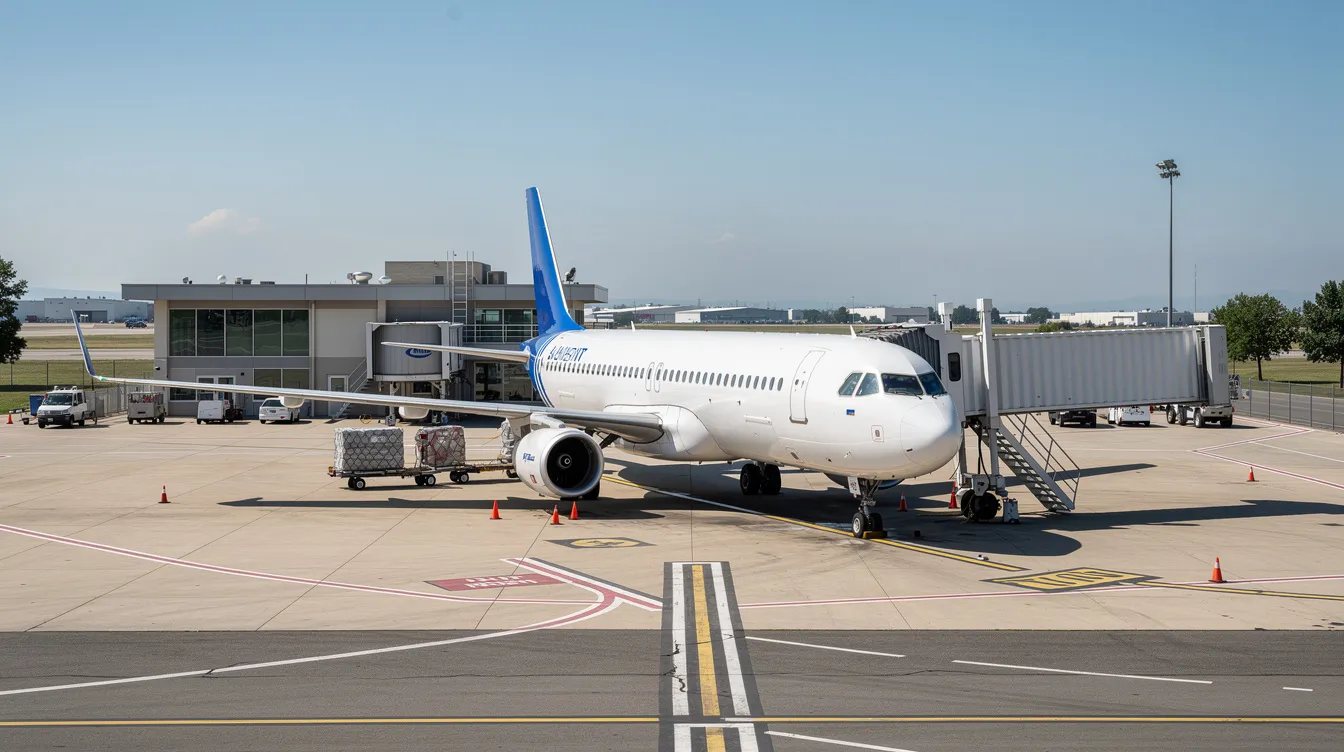
Allegiant Air charter provides dedicated aircraft for large groups, offering flexibility in scheduling and routing. This option is ideal for organizations like sports teams and corporations needing to transport 40 or more passengers. However, for smaller groups or those seeking more personalized service, private jet charters through platforms like Jettly may be a better fit.
Jay Franco Serevilla
Sep 7, 2026
|
5
min read
Explore our latest articles and updates.

5
min read
Fractional Jet Ownership Tax Benefits: Depreciation, Section 179 & Deductibility
Fractional jet ownership can offer significant tax advantages for qualified business operators, primarily through bonus depreciation, Section 179 expensing, and deductions for business-use flight activity. However, these benefits come with complexities, including compliance requirements, limitations on business use, and potential tax consequences such as depreciation recapture upon resale. The tax treatment varies based on ownership structure and individual circumstances, making it essential for buyers to consult with tax professionals to navigate these intricacies. For those prioritizing flexibility and reduced administrative burdens, jet card programs and charter services may provide simpler alternatives without the tax benefits associated with ownership.
Read More
5
min read
Fractional Ownership vs Jet Card vs Charter: Which Is Right for You?
This guide compares three private aviation options: fractional ownership, jet cards, and on-demand charter, highlighting their distinct trade-offs in cost, commitment, flexibility, and aircraft consistency. Fractional ownership requires a significant upfront investment and long-term commitment, making it suitable for frequent flyers (100-200+ hours/year) who value consistent access to a specific aircraft. Jet cards offer a more flexible, pay-as-you-go model ideal for moderate flyers (25-100 hours/year) seeking predictable pricing without ownership risks. On-demand charter is the most flexible and cost-effective option for occasional flyers (under 25 hours/year), allowing users to pay only for the flights they take without any long-term commitments.
Read MoreJoin our community and receive the latest blog updates directly in your inbox.
MEMBERSHIPS AND ASSOCIATIONS



Disclaimer: Jettly operates as a charter broker, offering access to a global digital jet charter marketplace. Jettly is not a direct air carrier and does not own or operate aircraft. All advertised flights are conducted by third-party air carriers that are fully licensed and hold the appropriate Part 135 or Part 121 certifications issued by the Federal Aviation Administration (FAA) or equivalent regulatory authorities under U.S. or foreign law. Jettly complies fully with the U.S. Department of Transportation's Part 295 and Part 298 Charter Broker regulations. Jettly does not carry additional liability insurance. Passengers are covered by aircraft operator insurance. TICO: 50023770


