


Login
Get Instant Pricing On 23,000+ Aircraft

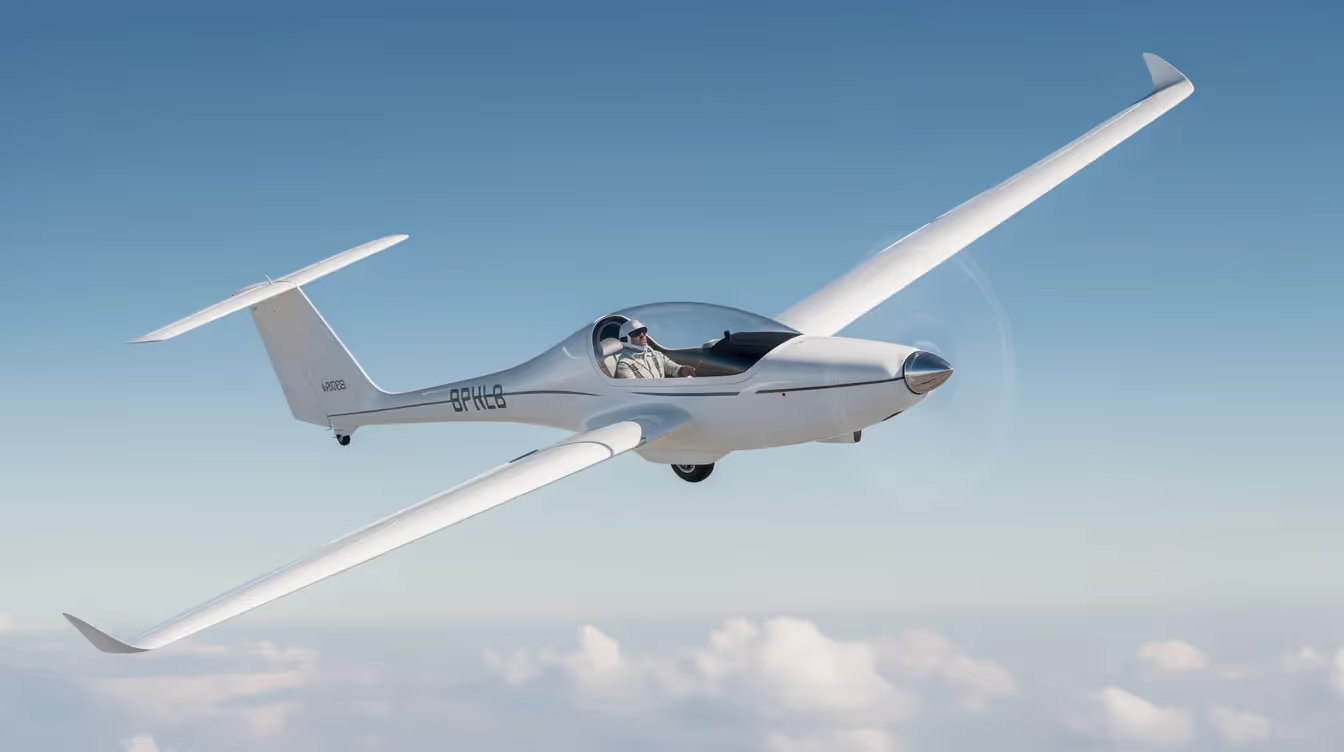
Powered sailplanes, or motor gliders, combine the aerodynamic efficiency of traditional gliders with onboard propulsion systems, allowing for self-launching and extended flights. They are categorized into sustainer, self-launching, and touring motor gliders, each offering unique performance characteristics and operational flexibility. While powered sailplanes excel in sport and recreational aviation, providing pilots with enhanced safety and independence, they are not as practical for time-sensitive travel compared to private jet charters, which offer speed and comfort. As electric and hybrid technologies advance, powered sailplanes are likely to influence broader trends in private aviation toward lower emissions and improved efficiency.
Jay Franco Serevilla
May 15, 2026
|
5
min read


View all
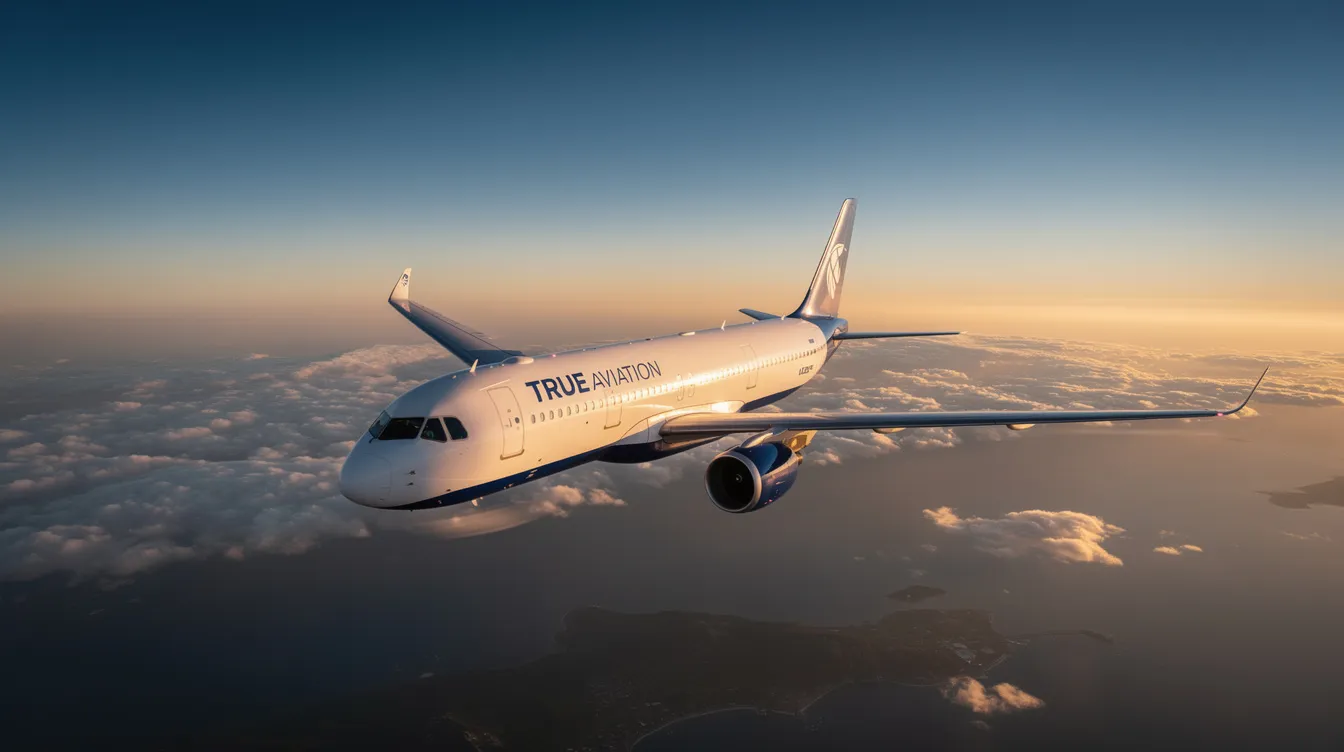
True aviation in private charter emphasizes verified safety, compliance, and transparency standards. Jettly redefines this concept by connecting travelers to over 20,000 certified aircraft, ensuring a reliable and efficient booking experience without hidden costs.
Jay Franco Serevilla
Sep 6, 2026
|
5
min read
View all
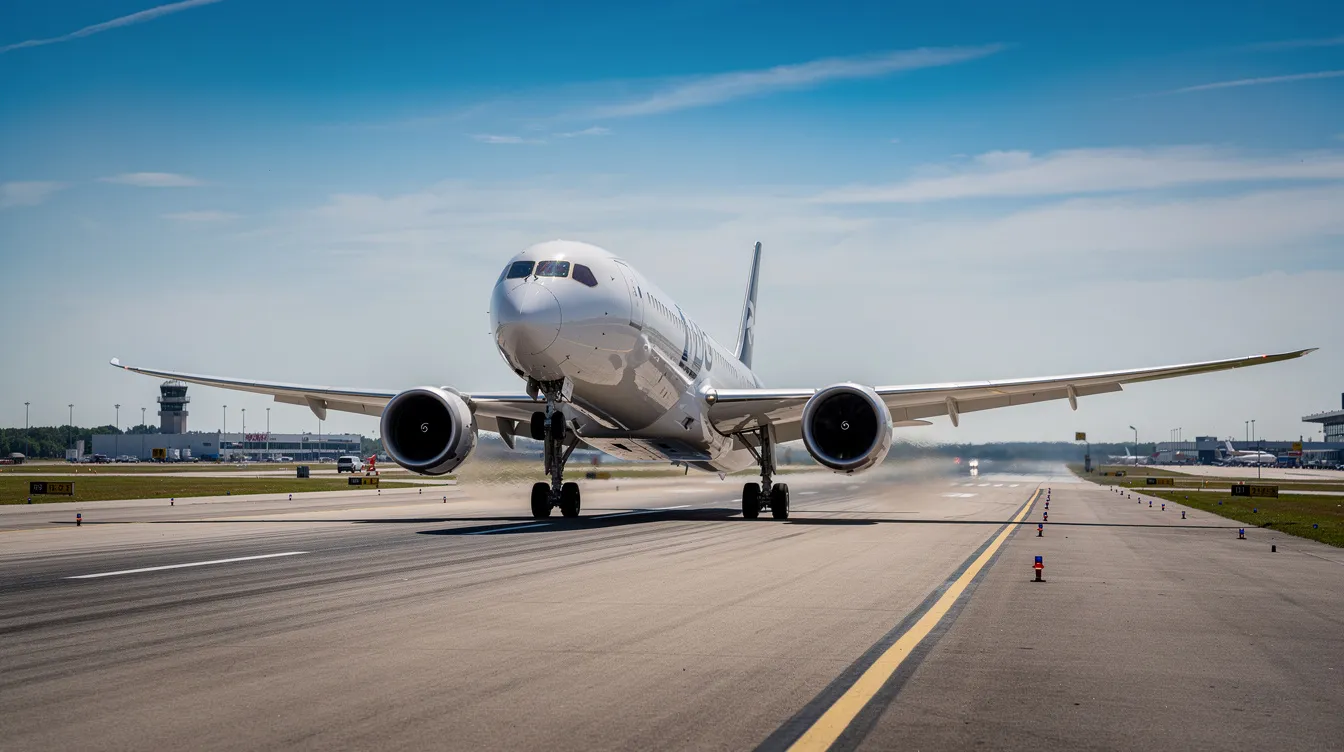
The Boeing 787 Dreamliner's takeoff speed typically ranges from 140 to 170 knots, influenced by various factors such as weight and environmental conditions. Understanding the critical V-speeds—V1, VR, and V2—provides insights into the aircraft's performance and safety during takeoff. This knowledge is essential for travelers comparing commercial flights with private jet options, as it highlights differences in runway requirements and airport access.
Jay Franco Serevilla
Sep 6, 2026
|
5
min read
View all
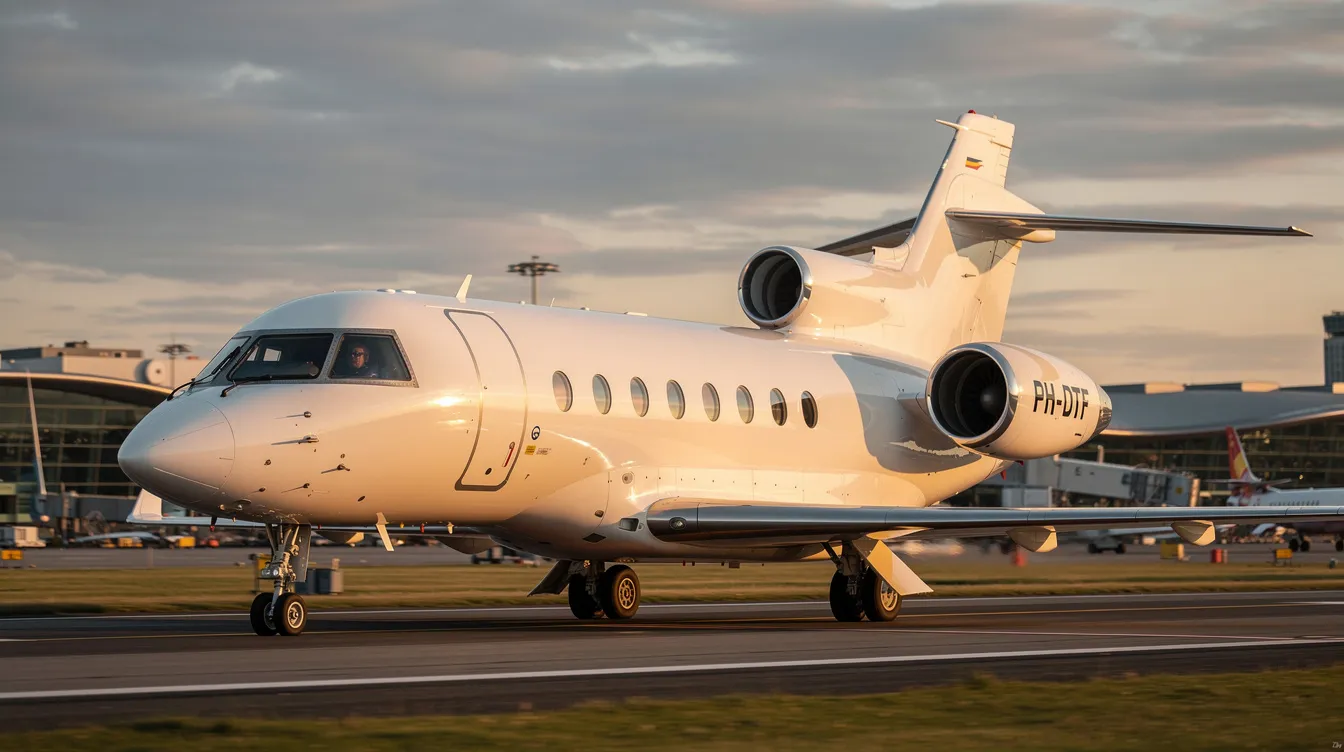
The PH-DTF is a 2008 Dassault Falcon 900EX EASy, a tri-engine business jet known for its long-range capabilities and luxury. With a flight history spanning Europe and North America, it offers travelers a comfortable and efficient option for private jet charters. This article explores its technical specifications, flight history, and how to charter similar aircraft through platforms like Jettly.
Jay Franco Serevilla
Sep 6, 2026
|
5
min read
View all
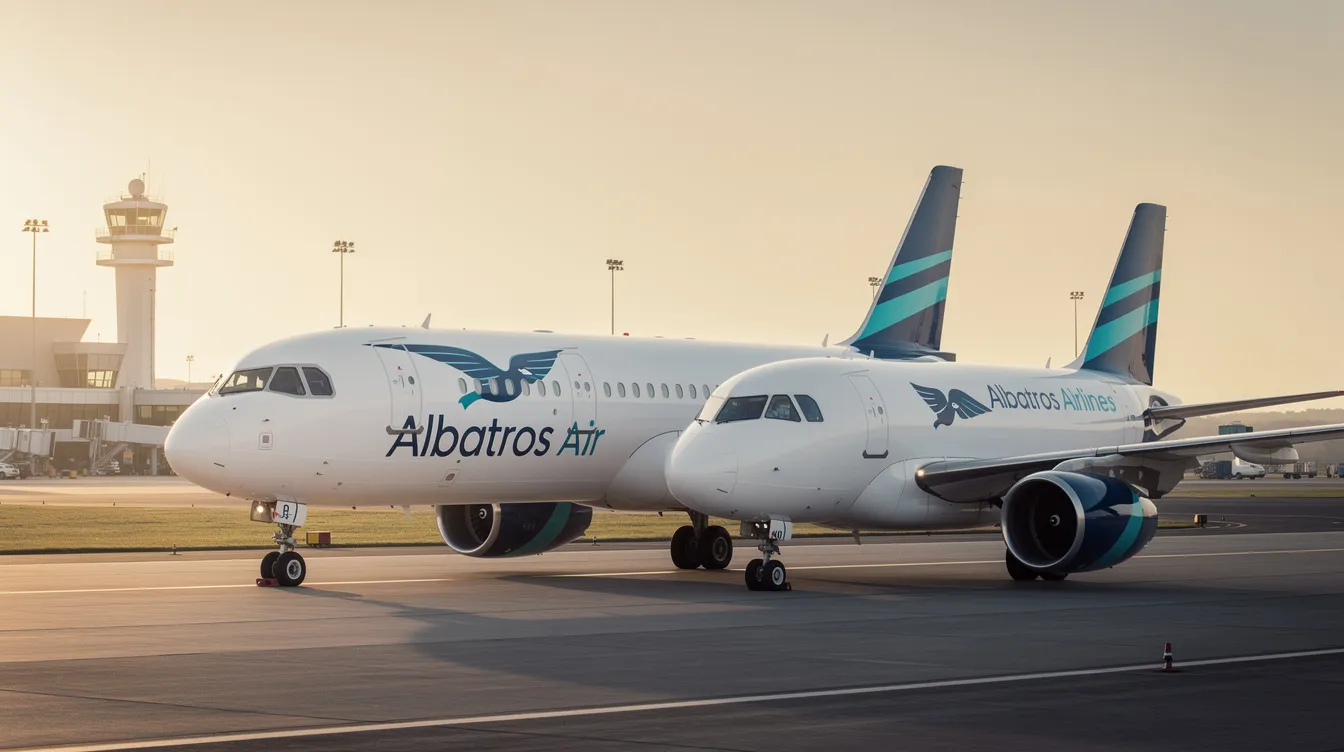
Albatros Airlines and Albatross Air are two distinct aviation companies serving different markets. Albatros Airlines operates scheduled and charter flights in Venezuela, while Albatross Air focuses on local charter services and flight training in West Virginia. For travelers seeking flexibility, digital platforms like Jettly offer access to thousands of aircraft worldwide, enhancing travel options beyond traditional airlines.
Jay Franco Serevilla
Sep 6, 2026
|
5
min read

View all
In 2026, a 25-hour NetJets card for a light jet like the Phenom 300 starts at approximately $215,000, with total costs reaching between $247,000 and $262,000 after additional fees. This guide provides a comprehensive breakdown of costs, comparisons with fractional ownership, and insights into whether prepaying for flight hours is the best option for travelers. Understanding these details helps buyers make informed decisions about private aviation solutions.
Jay Franco Serevilla
Sep 5, 2026
|
5
min read
View all
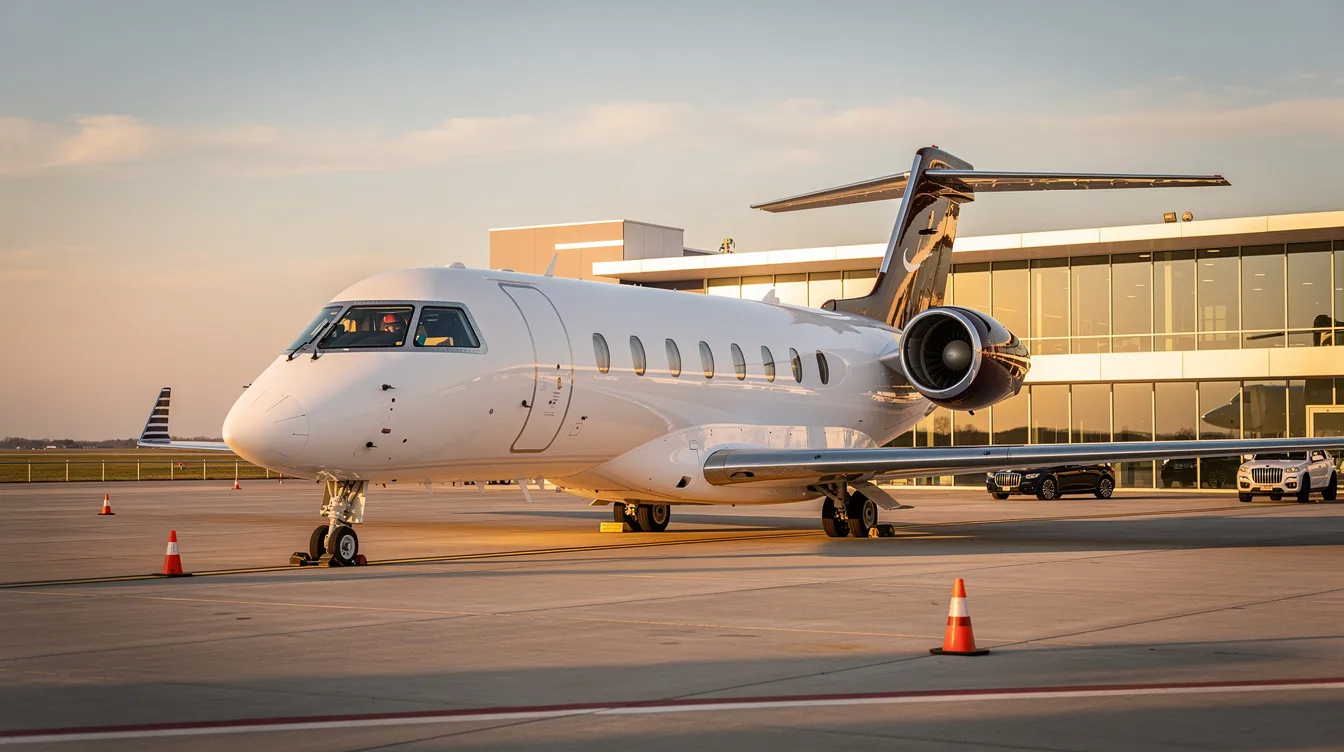
The NetJets app offers fractional owners and jet card holders seamless access to a vast private aviation fleet, allowing for easy flight requests and trip management. However, alternatives like Jettly provide a more flexible, app-first experience without long-term commitments, catering to occasional travelers seeking instant pricing and diverse aircraft options. This article compares the features of both platforms to help travelers choose the best fit for their needs.
Jay Franco Serevilla
Sep 5, 2026
|
5
min read
Explore our latest articles and updates.
5
min read
What Is FAR Part 135? A Clear Guide for Private Charter Travelers
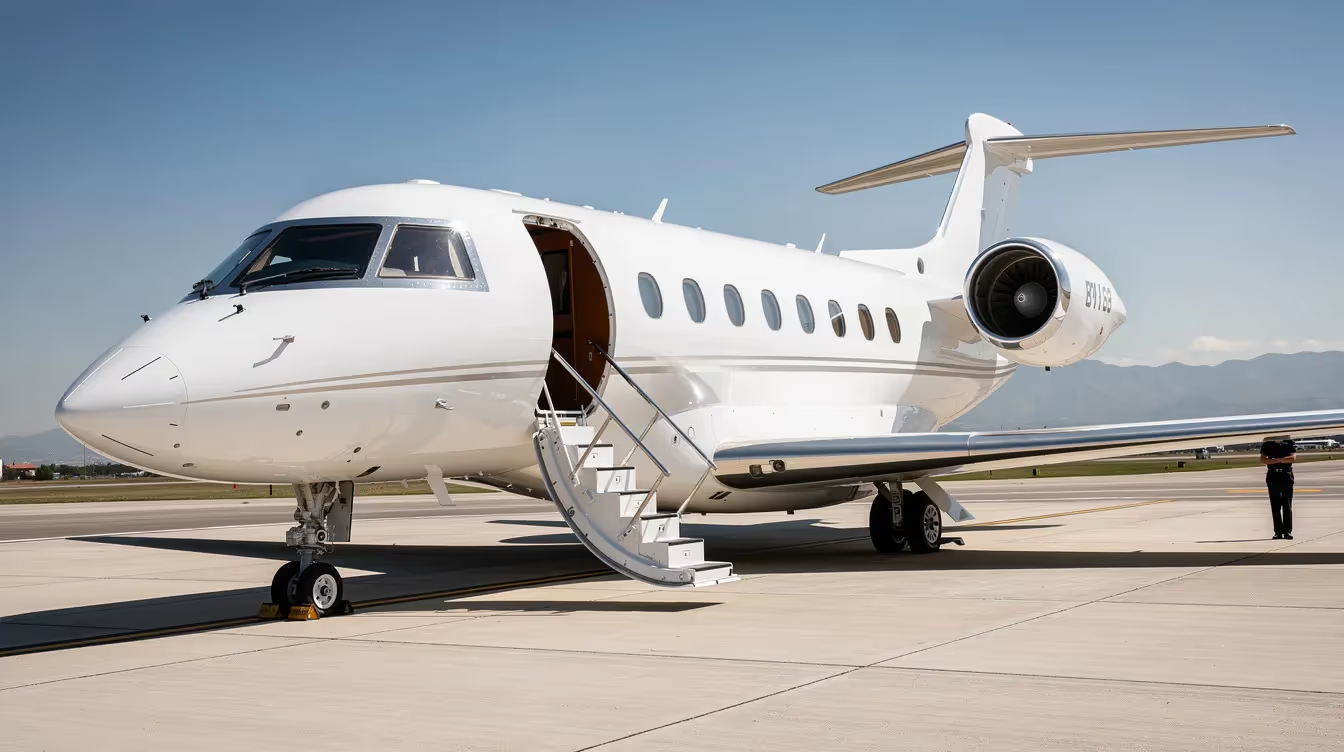
FAR Part 135 is a regulation enforced by the FAA that governs commercial charter operations, ensuring high safety standards for on-demand flights, including air taxis and small commuter services. It requires operators to obtain an Air Carrier Certificate and adhere to strict pilot qualifications, maintenance standards, and operational procedures. Travelers should confirm if their charter flight operates under Part 135, as this impacts safety, pricing, and regulatory oversight compared to Part 91 and Part 121 operations. Jettly connects users with vetted Part 135 operators, facilitating informed booking decisions in private aviation.
Read More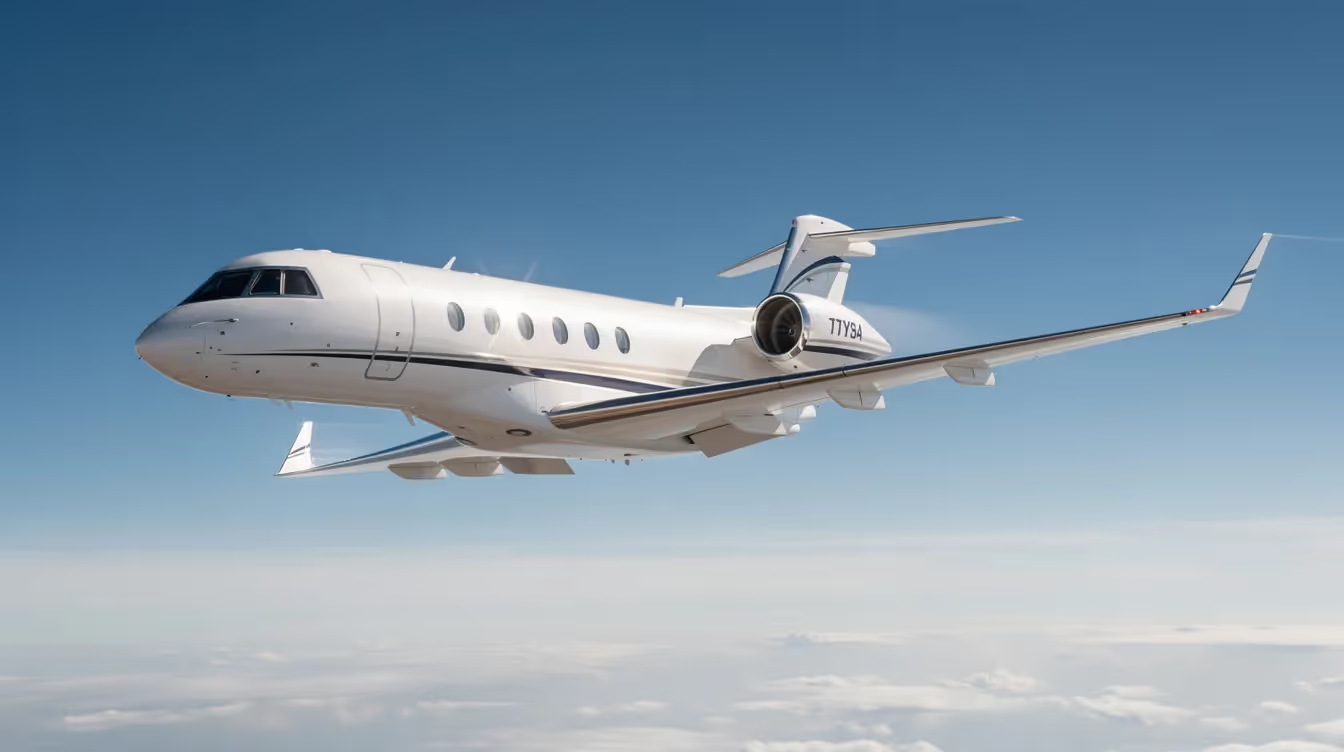
5
min read
How many private pilots are in the US? A 2026 Guide for Aspiring Aviators
As of 2026, there are 174,155 active private pilots in the U.S., part of a total pilot population of 887,519, which includes various certification categories. The number of private pilots has fluctuated over the years, peaking in 1980 and recently stabilizing due to increased demand for flight training and aviation careers. Understanding these statistics is crucial for aspiring aviators and industry stakeholders, as they reflect trends in training costs, medical regulations, and the evolving role of private aviation. Platforms like Jettly facilitate private travel for those without pilot certificates, highlighting the broader participation in private aviation beyond just licensed pilots.
Read MoreJoin our community and receive the latest blog updates directly in your inbox.
MEMBERSHIPS AND ASSOCIATIONS



Disclaimer: Jettly operates as a charter broker, offering access to a global digital jet charter marketplace. Jettly is not a direct air carrier and does not own or operate aircraft. All advertised flights are conducted by third-party air carriers that are fully licensed and hold the appropriate Part 135 or Part 121 certifications issued by the Federal Aviation Administration (FAA) or equivalent regulatory authorities under U.S. or foreign law. Jettly complies fully with the U.S. Department of Transportation's Part 295 and Part 298 Charter Broker regulations. Jettly does not carry additional liability insurance. Passengers are covered by aircraft operator insurance. TICO: 50023770


