


Login
Get Instant Pricing On 23,000+ Aircraft


A private airline pilot operates business jets and turboprops for charter operators or corporations, requiring a commercial pilot certificate along with additional ratings such as instrument and multi-engine. The career path begins with obtaining a private pilot certificate, followed by a commercial license, which can cost over $123,995 in total training expenses. Demand for business aviation pilots is increasing, with projections indicating a need for over 10,000 new pilots in the next decade due to industry shortages. Platforms like Jettly connect travelers with vetted operators and pilots, enhancing access to private air travel while ensuring safety and compliance with regulatory standards.
Jay Franco Serevilla
May 14, 2026
|
5
min read


View all
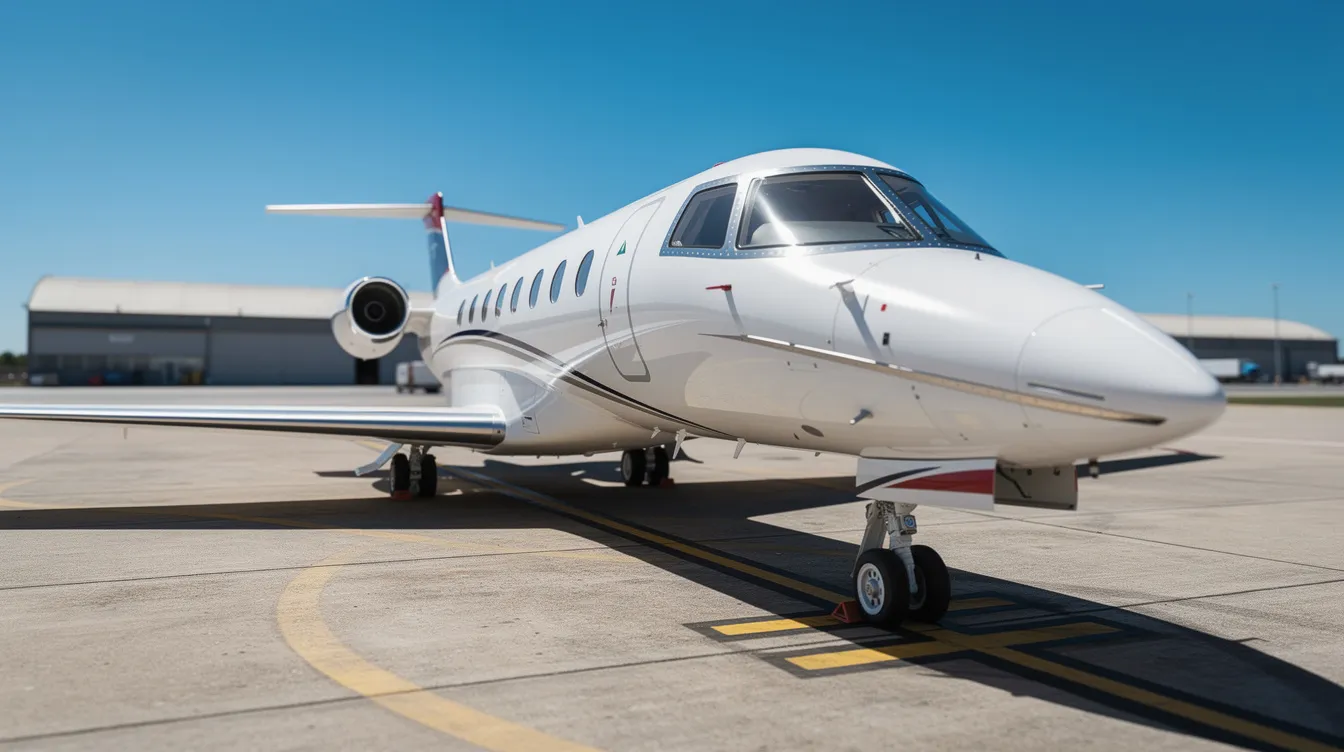
Understanding private jet operating costs is essential for anyone considering aircraft ownership or chartering. This guide details the various expenses involved, including fixed and variable costs, and provides insights into how these costs vary by aircraft type. With information on annual operating costs and the benefits of chartering through platforms like Jettly, readers can make informed decisions about private aviation.
Jay Franco Serevilla
Sep 4, 2026
|
5
min read

View all
Finding the best tickets to Key West involves understanding the unique airport logistics and seasonal pricing. This guide provides insights on commercial and private flight options, including tips for securing the best deals and navigating Key West International Airport. Whether you choose a budget-friendly commercial flight or a tailored private jet experience, planning ahead is essential for a smooth trip.
Jay Franco Serevilla
Sep 4, 2026
|
5
min read
View all
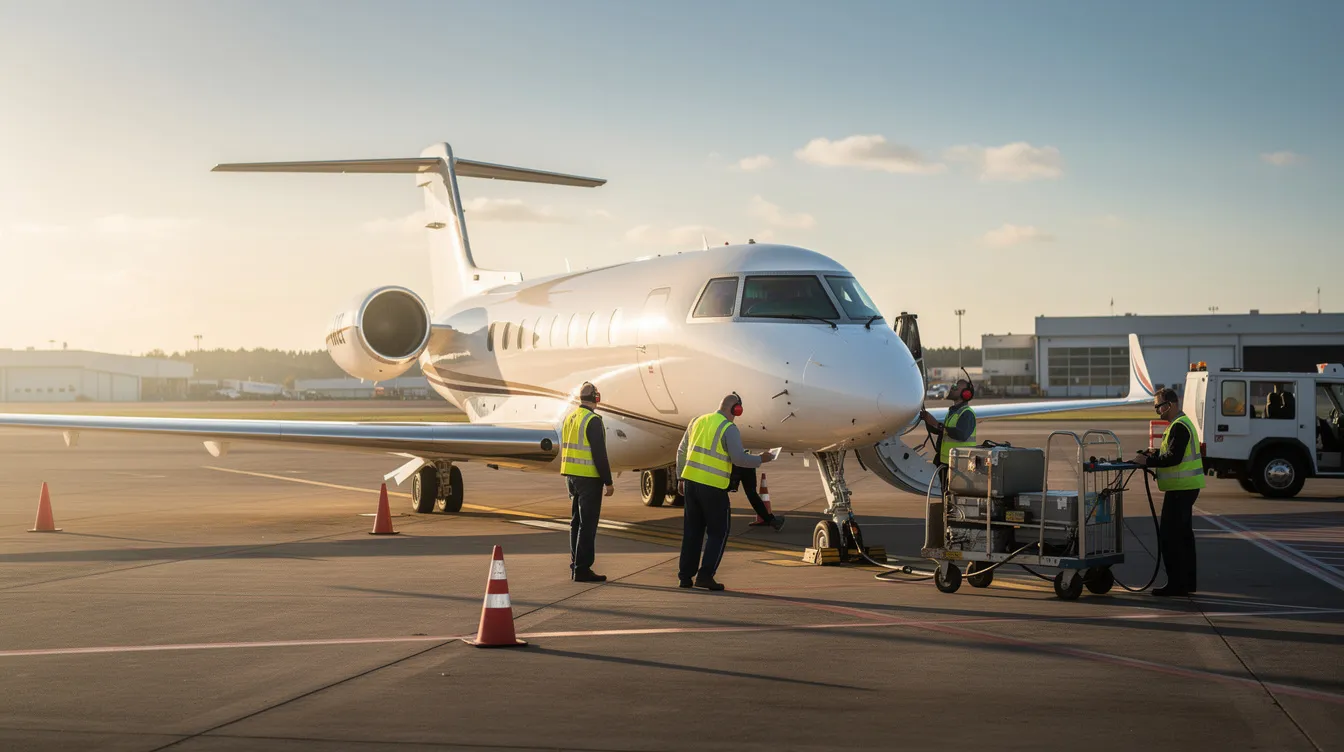
NetJets Inc is a leader in private aviation, offering structured programs like fractional ownership and jet cards. In contrast, on-demand charter services like Jettly provide flexible, per-trip access without long-term commitments. This article compares the two models, highlighting costs, fleet options, and service differences to help travelers choose the best option for their needs.
Jay Franco Serevilla
Sep 4, 2026
|
5
min read
View all
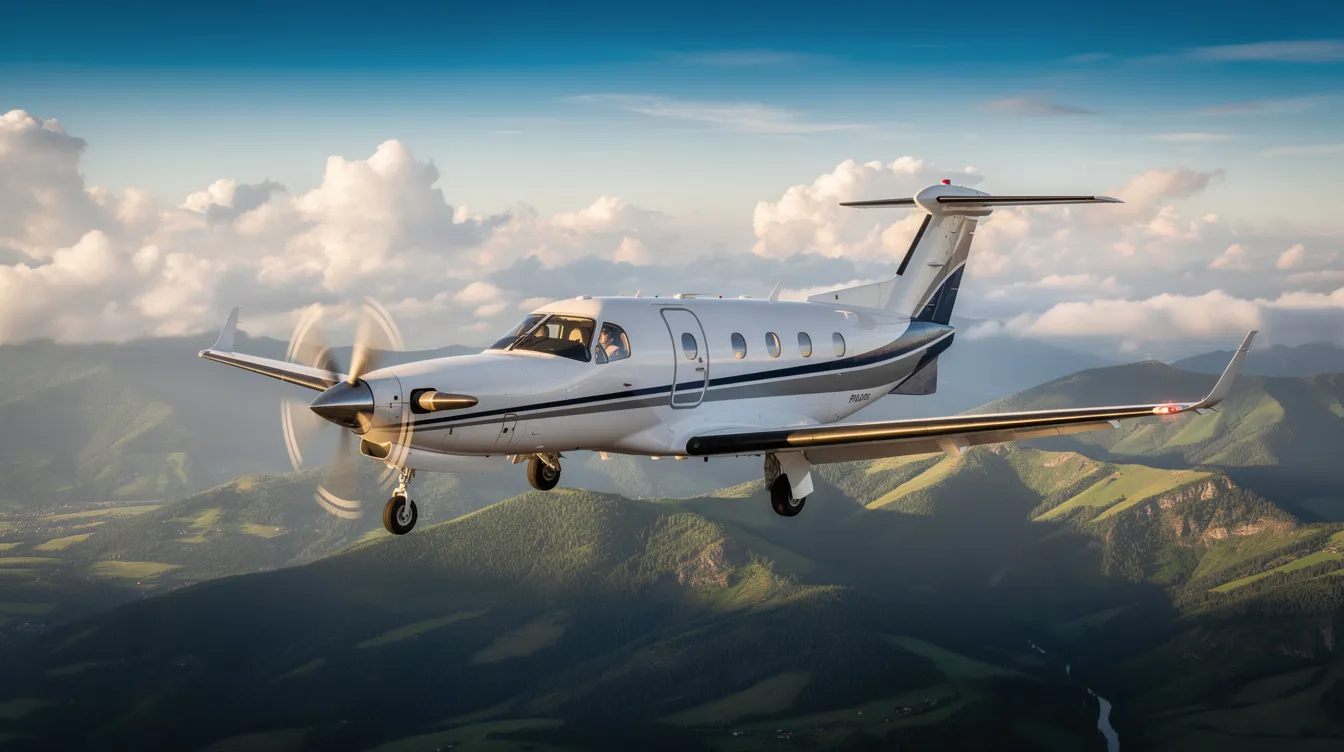
Pilatus fractional ownership allows travelers to share the costs of a PC-12 aircraft, making private aviation more accessible. This option is ideal for frequent flyers with predictable travel patterns, while Jettly's on-demand charter offers flexibility for those with varied schedules. Understanding the differences in costs and commitments can help you choose the best option for your aviation needs.
Jay Franco Serevilla
Sep 4, 2026
|
5
min read
View all
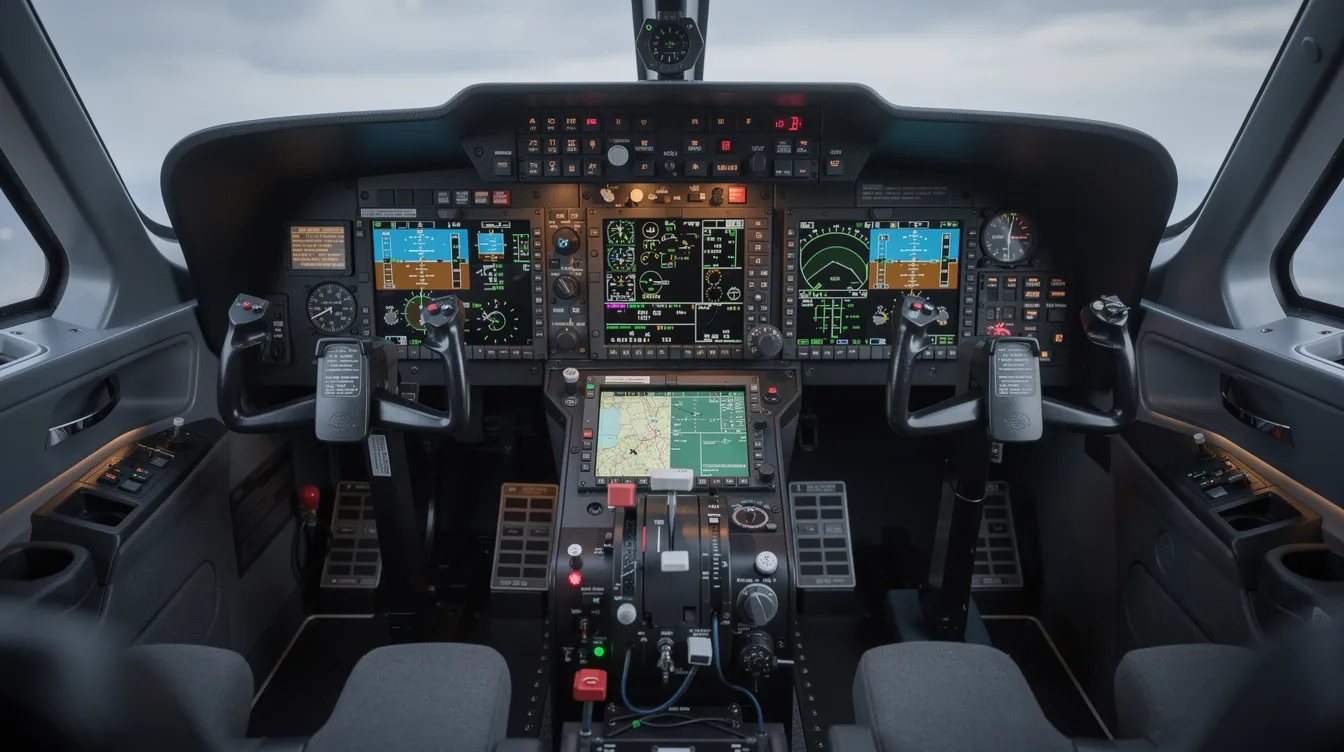
The helicopter cockpit is uniquely designed for rotorcraft flight, featuring cyclic and collective controls that differ significantly from fixed-wing aircraft. With advanced avionics and enhanced visibility, it allows pilots to manage vertical takeoff and low-speed maneuvers effectively. Platforms like Jettly facilitate access to various helicopter types, ensuring travelers can find the right aircraft for their needs.
Jay Franco Serevilla
Sep 4, 2026
|
5
min read

View all
Helicopter experts are specialized professionals with extensive knowledge in rotary wing aircraft operations, maintenance, and safety regulations. They play crucial roles in training, accident investigations, and ensuring compliance with aviation standards. This article explores their qualifications, functions, and the importance of their expertise in modern rotorcraft operations.
Jay Franco Serevilla
Sep 4, 2026
|
5
min read
Explore our latest articles and updates.
5
min read
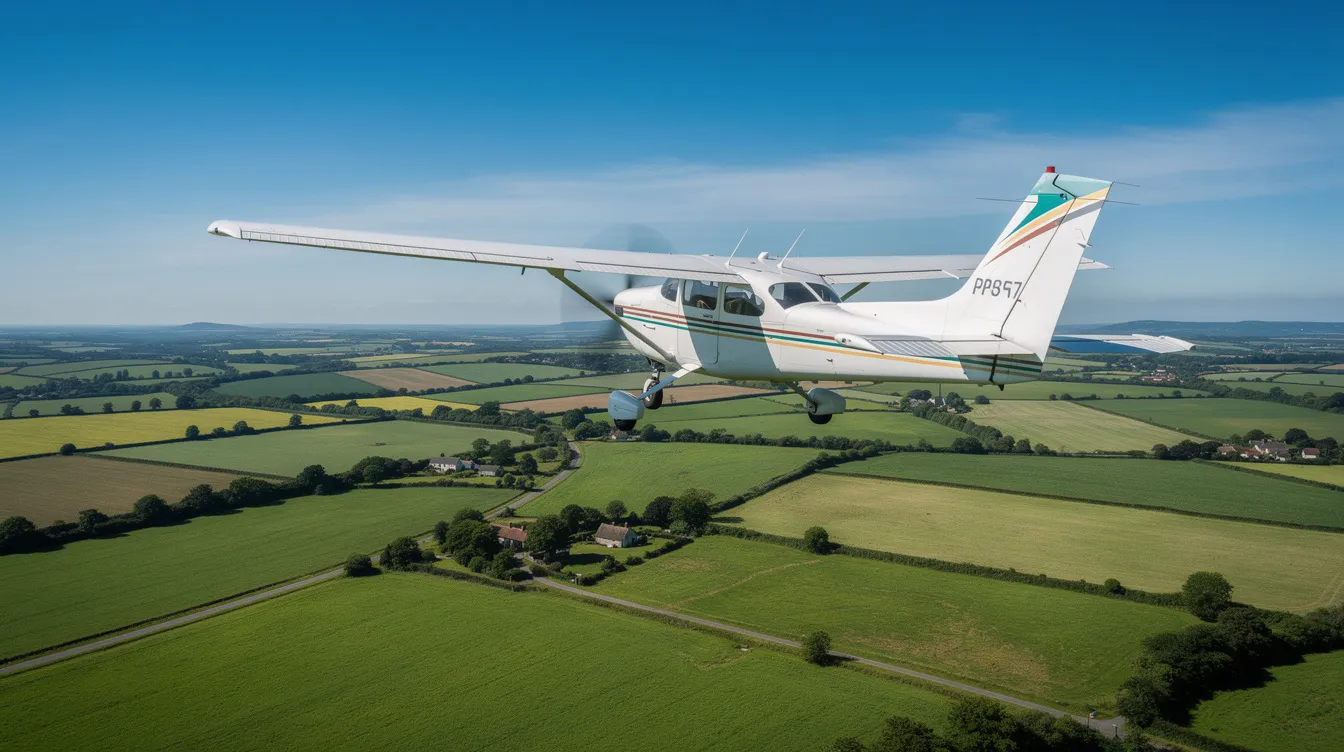
Can Private Pilots Make Money? A Practical Guide to Legal Earning Options
Private pilots can earn money legally, but only under specific and regulated circumstances, primarily outlined in 14 CFR 61.113. They may share flight costs with passengers, conduct business-related flights, participate in charity events, and engage in activities like towing gliders or performing demo flights for aircraft sales, among others. However, substantial income typically requires a commercial pilot license, which opens up more paid flying opportunities. While private pilots can offset costs through limited avenues, a commercial pilot certificate is essential for a stable and meaningful aviation career.
Read More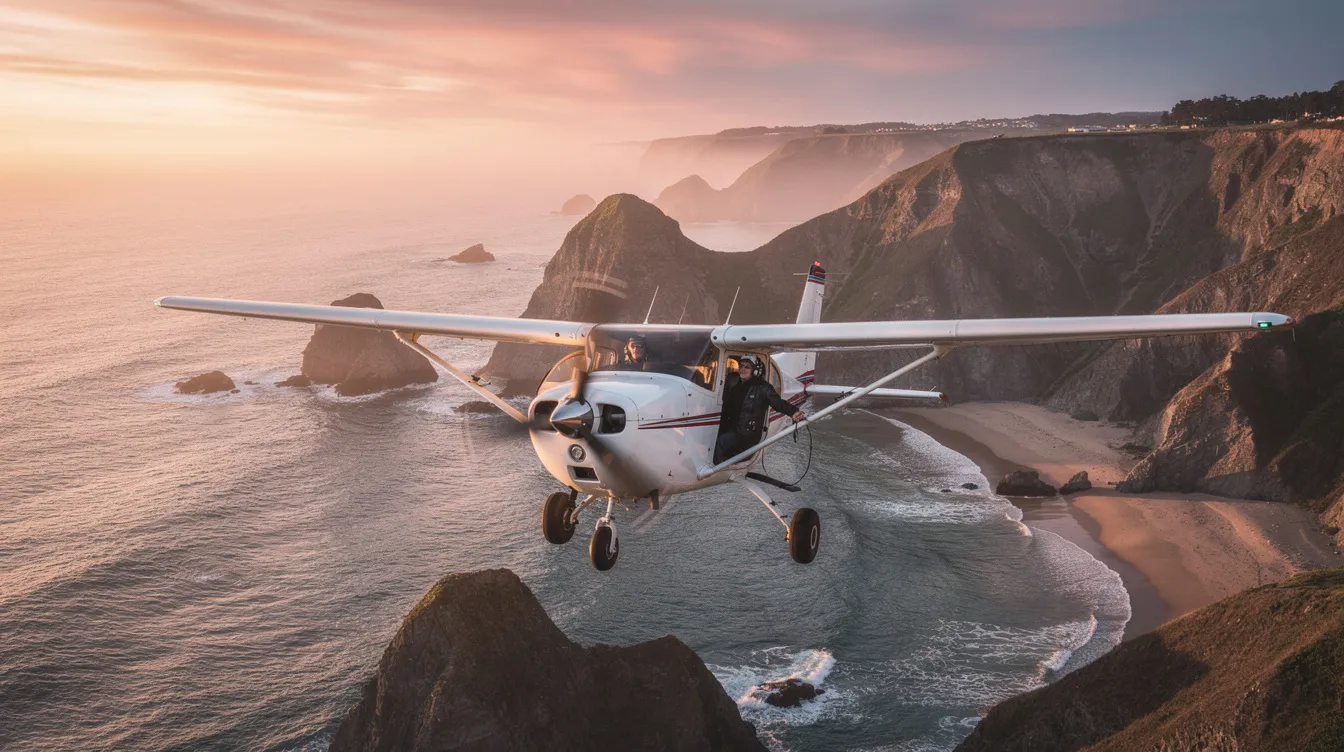
5
min read
What Can You Do with a Private Pilot License?
A Private Pilot License (PPL) allows holders to fly single-engine and some multi-engine aircraft for personal and business travel, carry passengers, and operate under Visual Flight Rules (VFR) in good weather. While pilots cannot fly for compensation, they can share operating expenses with passengers and enjoy various flying experiences, including scenic flights, cross-country trips, and volunteer missions. The PPL serves as a foundation for further aviation training, such as obtaining an instrument rating or a commercial pilot license. Additionally, many pilots complement their flying with private jet charters for longer or more complex trips, enhancing their travel flexibility.
Read MoreJoin our community and receive the latest blog updates directly in your inbox.
MEMBERSHIPS AND ASSOCIATIONS



Disclaimer: Jettly operates as a charter broker, offering access to a global digital jet charter marketplace. Jettly is not a direct air carrier and does not own or operate aircraft. All advertised flights are conducted by third-party air carriers that are fully licensed and hold the appropriate Part 135 or Part 121 certifications issued by the Federal Aviation Administration (FAA) or equivalent regulatory authorities under U.S. or foreign law. Jettly complies fully with the U.S. Department of Transportation's Part 295 and Part 298 Charter Broker regulations. Jettly does not carry additional liability insurance. Passengers are covered by aircraft operator insurance. TICO: 50023770


