


Login
Get Instant Pricing On 23,000+ Aircraft

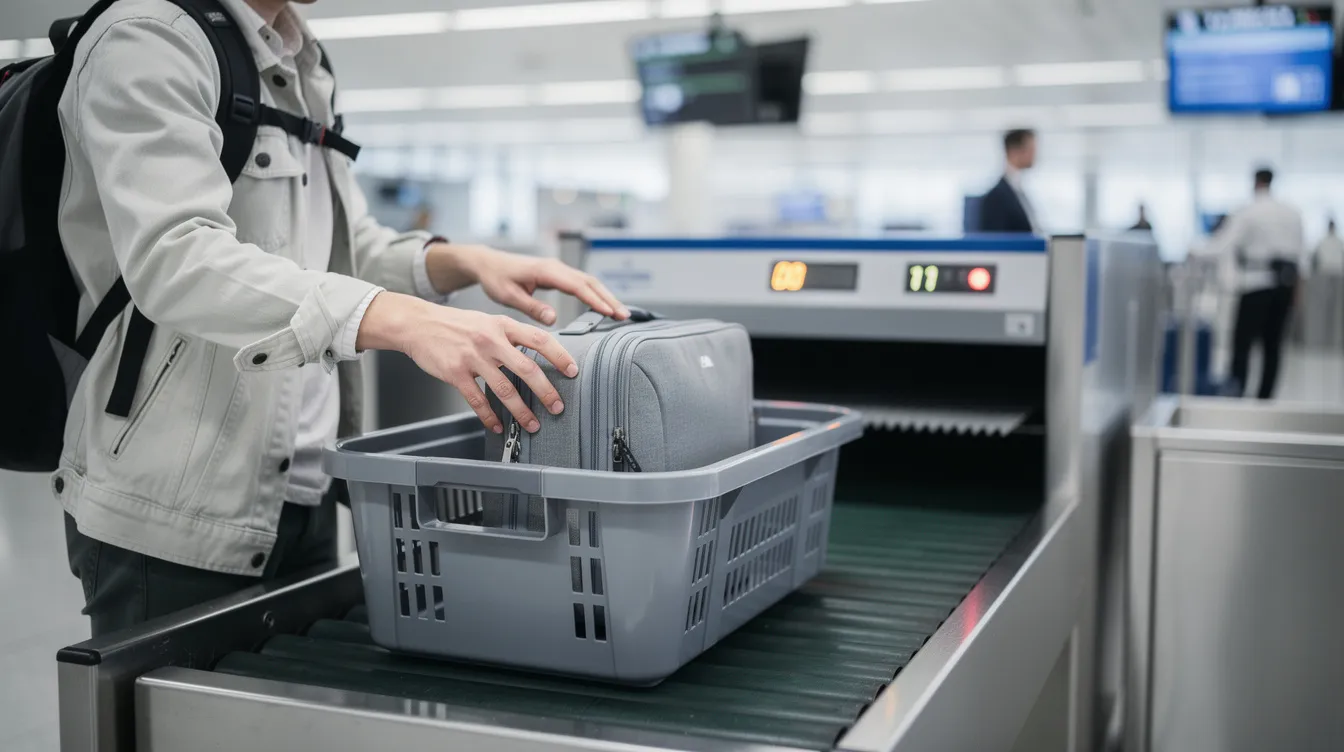
Cigarettes can be carried in both carry-on and checked luggage on most airlines, but smoking on commercial flights is strictly prohibited, with fines up to $4,000 for violations. While there are no domestic limits on the number of cigarettes for personal use in the U.S., international travel is subject to customs regulations, typically allowing around 200 cigarettes duty-free per adult, though this varies by country. Lighters, vapes, and other smoking accessories have stricter rules, often requiring them to be kept in carry-on luggage only. Private jet charters may allow smoking if permitted by the aircraft owner and operator, offering more flexibility compared to commercial flights.
Jay Franco Serevilla
Jun 29, 2026
|
5
min read



View all
In 2026, a 25-hour NetJets card for a light jet like the Phenom 300 starts at approximately $215,000, with total costs reaching between $247,000 and $262,000 after additional fees. This guide provides a comprehensive breakdown of costs, comparisons with fractional ownership, and insights into whether prepaying for flight hours is the best option for travelers. Understanding these details helps buyers make informed decisions about private aviation solutions.
Jay Franco Serevilla
Sep 5, 2026
|
5
min read
View all
The NetJets app offers fractional owners and jet card holders seamless access to a vast private aviation fleet, allowing for easy flight requests and trip management. However, alternatives like Jettly provide a more flexible, app-first experience without long-term commitments, catering to occasional travelers seeking instant pricing and diverse aircraft options. This article compares the features of both platforms to help travelers choose the best fit for their needs.
Jay Franco Serevilla
Sep 5, 2026
|
5
min read
View all
NetJets, a subsidiary of Berkshire Hathaway, is estimated to have a net worth between $9 billion and $11 billion as of 2026. This valuation reflects its extensive fleet of over 1,100 aircraft and significant market share in fractional ownership. The company generates substantial revenue through fractional ownership contracts, jet card programs, and ancillary services, positioning itself as a leader in private aviation.
Jay Franco Serevilla
Sep 5, 2026
|
5
min read
View all
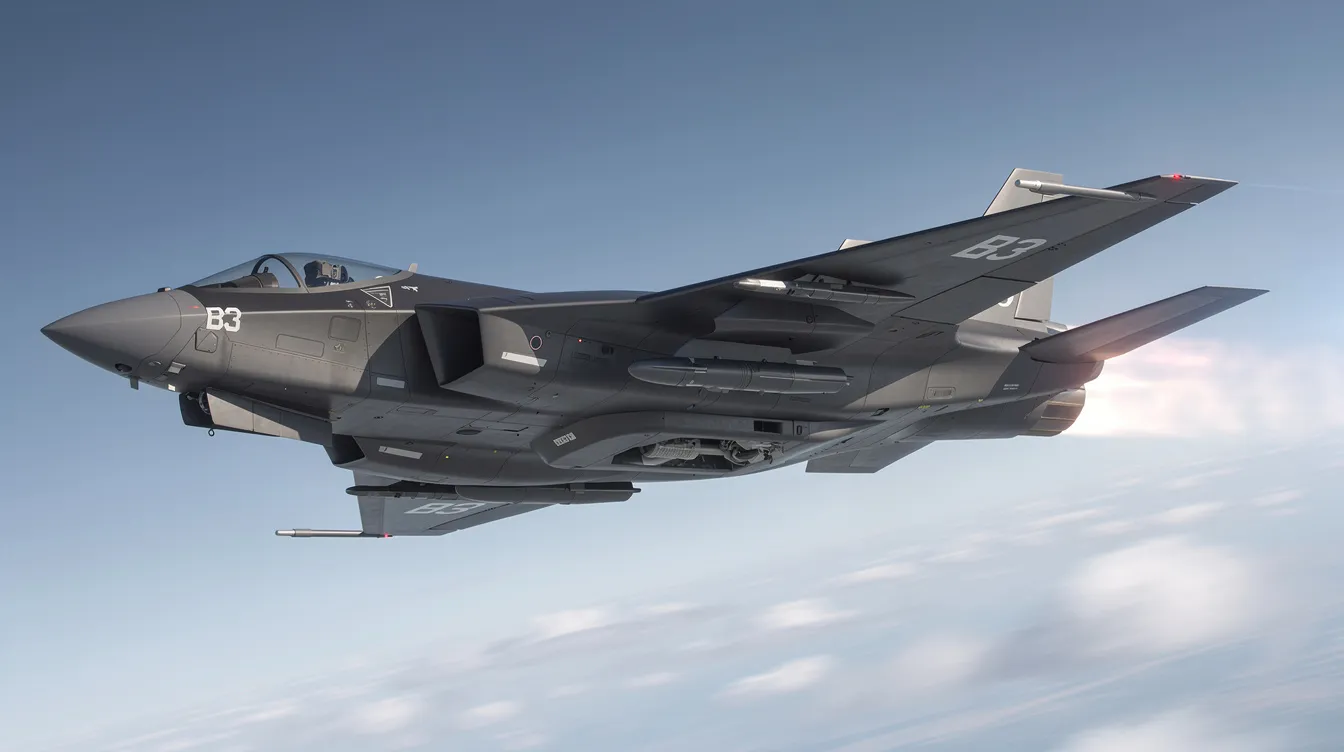
The B3 plane primarily refers to the Swedish B 3 medium bomber, derived from the Junkers Ju 86, which served from the late 1930s until 1958. This guide explores its history, variants, and its influence on modern aviation, including connections to fictional representations in games and advancements in military technology.
Jay Franco Serevilla
Sep 5, 2026
|
5
min read

View all
Chartering a private jet at John F. Kennedy International Airport (JFK) offers travelers a luxurious and efficient way to access New York City. With dedicated facilities and 24/7 operations, JFK is ideal for both domestic and international flights, allowing passengers to bypass the stress of commercial terminals. Jettly simplifies the booking process, providing instant pricing and access to over 20,000 aircraft.
Jay Franco Serevilla
Sep 5, 2026
|
5
min read
View all
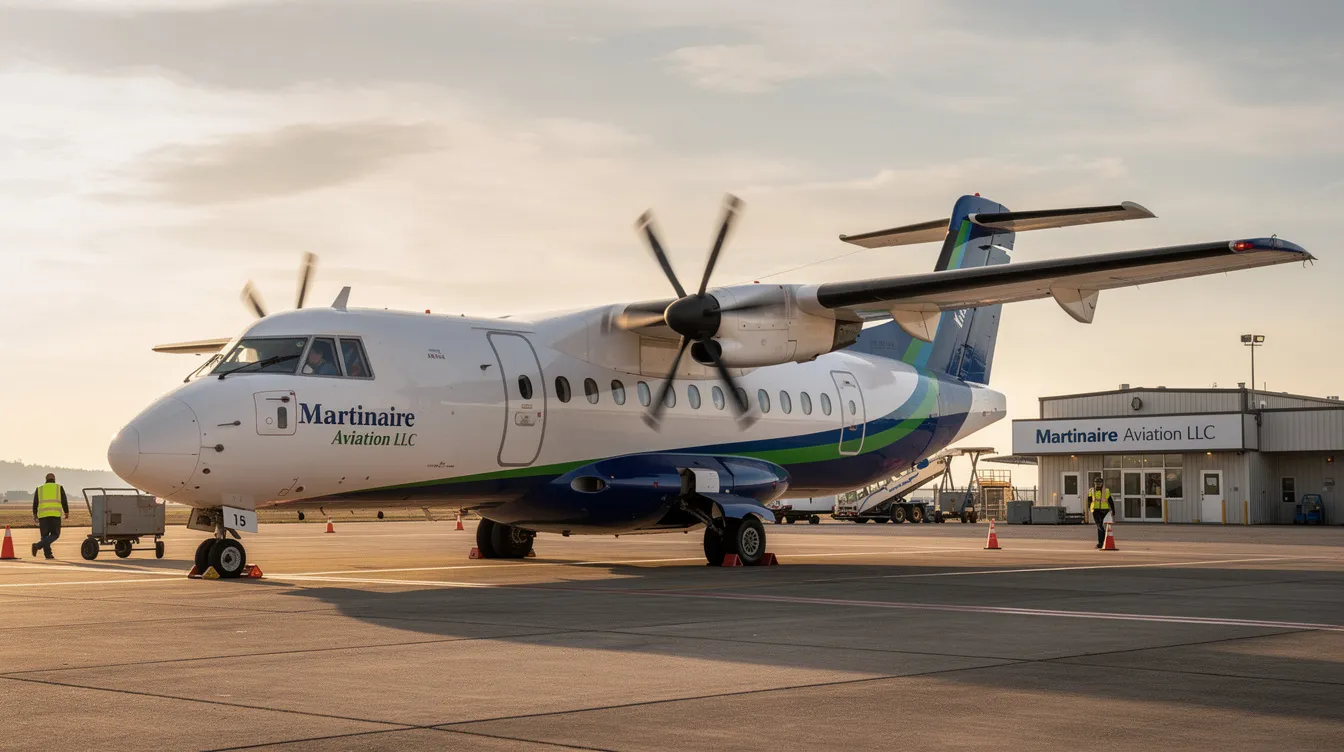
Martinaire Aviation LLC, founded in 1978, is a leading cargo feeder carrier in the U.S., specializing in overnight freight operations. With a fleet of turboprop aircraft, it connects regional airports to major sorting hubs, primarily serving integrators like UPS. This article explores Martinaire's operations, career opportunities, and how it contrasts with private charter services like Jettly.
Jay Franco Serevilla
Sep 4, 2026
|
5
min read
Explore our latest articles and updates.

5
min read
Private Jets vs Commercial Flights: Which Makes Sense for Your Trip?
In 2026, travelers are increasingly considering private jets over commercial flights due to rising delays and a demand for flexibility, with the private jet charter market projected to reach $35 billion. Key factors influencing the decision include time, cost, comfort, privacy, and flexibility, with private jets offering significant time savings and a more personalized experience, especially for groups of 4-8 where costs can rival business-class fares. While commercial flights remain more affordable per seat, private aviation provides advantages such as access to smaller airports, reduced security hassles, and the ability to customize itineraries. Ultimately, the choice between private and commercial travel depends on individual priorities, including budget, travel style, and specific trip requirements.
Read More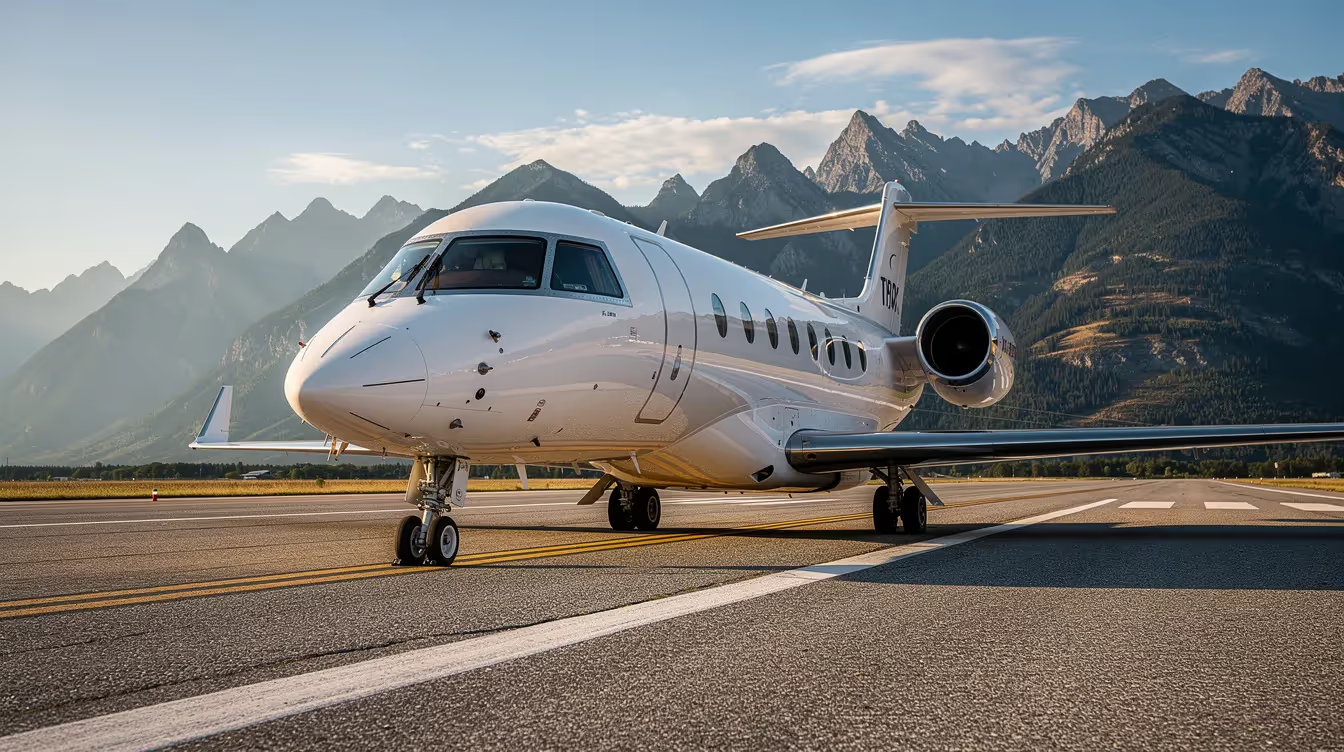
5
min read
Types of Jet Engines: From Turbojets to Turbofans (and What Matters for Private Jets)
Understanding the various types of jet engines—such as turbojets, turbofans, turboprops, and turboshafts—is crucial for private jet travelers to make informed decisions about aircraft selection. Most modern private jets utilize high-bypass turbofan engines, which offer the best combination of fuel efficiency, range, and cabin comfort, while turboprops are ideal for shorter flights and smaller airports. Each engine type serves specific missions, with turbofans favored for commercial and business aviation, and turboprops for regional routes. By recognizing these distinctions, travelers can better evaluate their options and optimize their travel experience through platforms like Jettly.
Read MoreJoin our community and receive the latest blog updates directly in your inbox.
MEMBERSHIPS AND ASSOCIATIONS



Disclaimer: Jettly operates as a charter broker, offering access to a global digital jet charter marketplace. Jettly is not a direct air carrier and does not own or operate aircraft. All advertised flights are conducted by third-party air carriers that are fully licensed and hold the appropriate Part 135 or Part 121 certifications issued by the Federal Aviation Administration (FAA) or equivalent regulatory authorities under U.S. or foreign law. Jettly complies fully with the U.S. Department of Transportation's Part 295 and Part 298 Charter Broker regulations. Jettly does not carry additional liability insurance. Passengers are covered by aircraft operator insurance. TICO: 50023770


