


Login
Get Instant Pricing On 23,000+ Aircraft

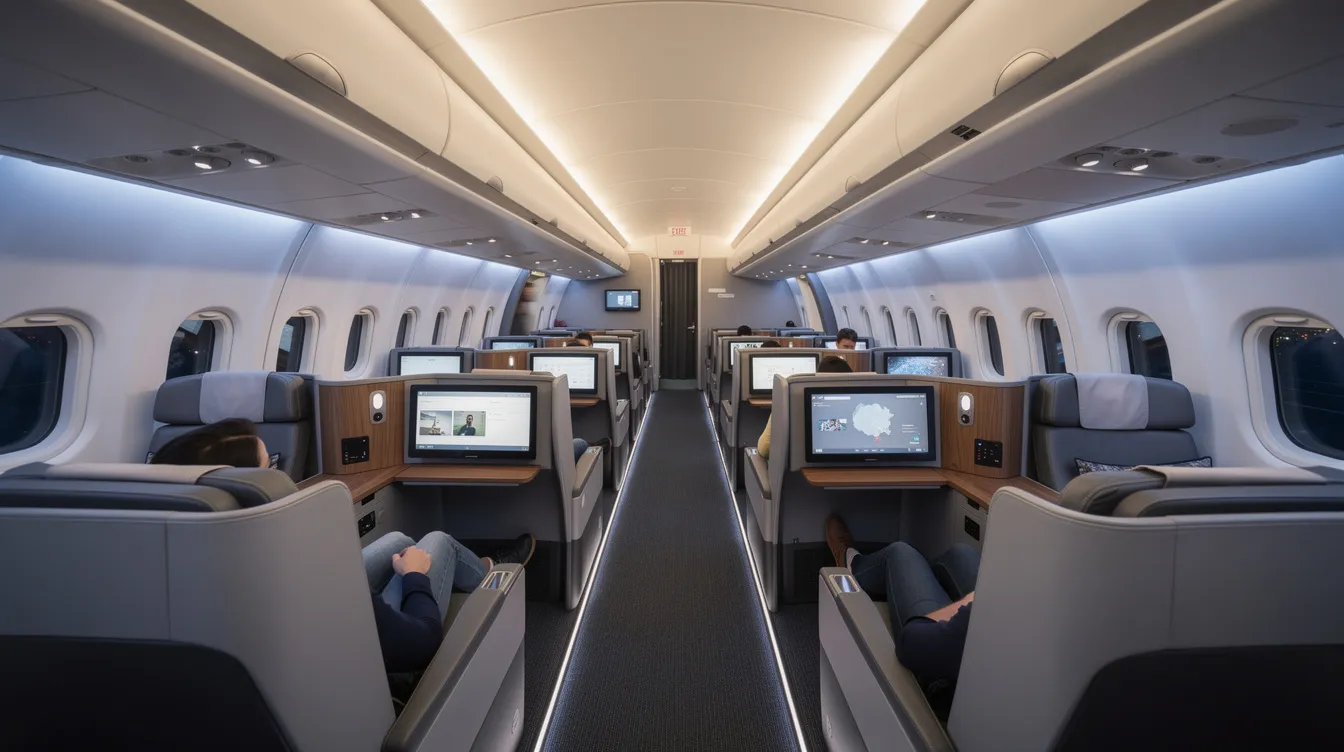
Luxury plane tickets now encompass business class, first class, and private jet charters, offering travelers a range of options and pricing complexities. Jettly provides a digital platform connecting users to over 20,000 aircraft globally, often making private jet charters financially competitive with premium cabin tickets, especially for groups. The guide details the features and costs associated with various classes, highlighting that private jets can save time and offer greater flexibility compared to commercial flights. Ultimately, the best choice depends on group size, schedule flexibility, and personal preferences for comfort and privacy.
Jay Franco Serevilla
Jul 7, 2026
|
5
min read



View all
Most commercial planes fly between 9 to 12 km, while private jets can reach up to 15.5 km. The chosen altitude balances fuel efficiency, safety, and passenger comfort. Understanding these heights helps travelers appreciate the dynamics of air travel and optimize their flight experience.
Jay Franco Serevilla
Sep 12, 2026
|
5
min read

View all
Travel insurance for airfare is crucial for protecting your investment in non-refundable tickets against cancellations and delays. Whether you're flying commercially or chartering a private jet, understanding the nuances of flight insurance can save you from significant financial loss. This guide covers what flight insurance entails, its benefits, and when it's worth purchasing.
Jay Franco Serevilla
Sep 12, 2026
|
5
min read

View all
This article compares Vonlane, a luxury motorcoach service in Texas, with Jettly, a private jet charter platform. While Vonlane offers a comfortable and convenient ground travel experience, Jettly provides flexibility and privacy for air travel. Discover which option suits your travel needs best.
Jay Franco Serevilla
Sep 12, 2026
|
5
min read

View all
Traveling from New York to Miami offers various options including flights, driving, buses, and private jets. The distance is approximately 1,280 miles by road and 1,090 miles by air, with direct flights taking about 3 to 3.5 hours. This guide provides insights on travel times, costs, and the best ways to plan your journey.
Jay Franco Serevilla
Sep 12, 2026
|
5
min read

View all
Traveling from New York to Miami offers various options, including direct flights, driving, and private jet charters. The aerial distance is about 1,090 miles, while driving spans approximately 1,280–1,300 miles. This guide provides insights into travel times, costs, and the best routes for your journey.
Jay Franco Serevilla
Sep 12, 2026
|
5
min read

View all
The flight time from New York to Aruba typically ranges from 4 hours 30 minutes to 5 hours, with an average of about 4 hours 43 minutes. Factors such as departure airport and flight type can significantly affect total travel time, especially when considering connecting flights. For those seeking convenience, private jet charters can offer similar in-air times while reducing overall travel duration.
Jay Franco Serevilla
Sep 12, 2026
|
5
min read
Explore our latest articles and updates.
5
min read
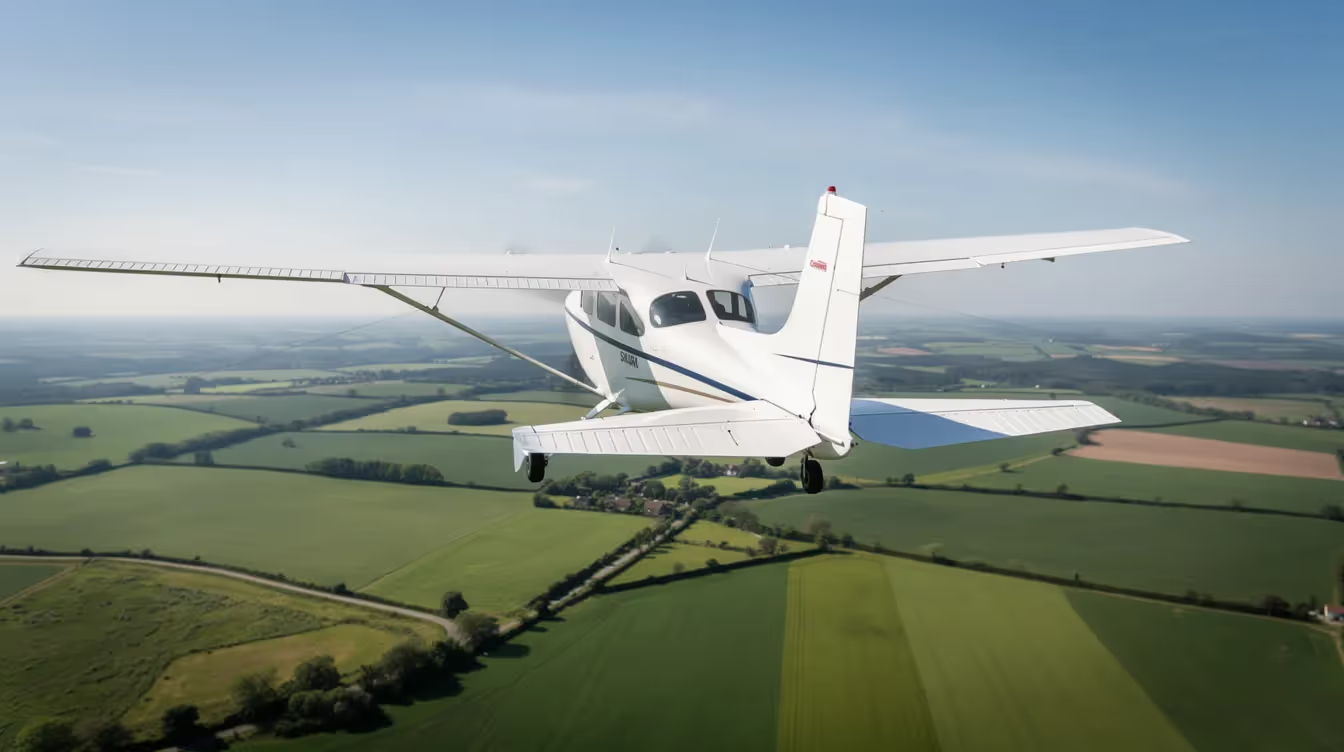
Price of a New Cessna 182 (2026–2027): Complete Cost Guide
The price of a new Cessna 182 Skylane for the 2026-2027 model years ranges from approximately $600,000 to $780,000, depending on configuration and options. This popular aircraft is known for its reliability and versatility, making it a common choice among pilots. Buyers should also consider additional costs such as operating expenses, maintenance, and insurance, which can significantly impact overall ownership costs. For those who fly infrequently, chartering options may provide a more cost-effective alternative to ownership.
Read More
5
min read
Corporate Aircraft: A Complete Guide to Business Aviation Access
Corporate aircraft have revolutionized business travel by providing efficient alternatives to commercial aviation, allowing for greater productivity and flexibility. This guide details various types of corporate aircraft, including turboprops and ultra-long-range jets, and explains how businesses can access them through ownership or on-demand charter services like Jettly. Key benefits include significant time savings, access to smaller airports, and the ability to tailor travel to specific mission profiles. As digital platforms streamline the booking process, many companies are opting for charter services to convert fixed aviation costs into variable expenses, enhancing financial flexibility and operational efficiency.
Read MoreJoin our community and receive the latest blog updates directly in your inbox.
MEMBERSHIPS AND ASSOCIATIONS



Disclaimer: Jettly operates as a charter broker, offering access to a global digital jet charter marketplace. Jettly is not a direct air carrier and does not own or operate aircraft. All advertised flights are conducted by third-party air carriers that are fully licensed and hold the appropriate Part 135 or Part 121 certifications issued by the Federal Aviation Administration (FAA) or equivalent regulatory authorities under U.S. or foreign law. Jettly complies fully with the U.S. Department of Transportation's Part 295 and Part 298 Charter Broker regulations. Jettly does not carry additional liability insurance. Passengers are covered by aircraft operator insurance. TICO: 50023770


