



Login
Get Instant Pricing On 23,000+ Aircraft

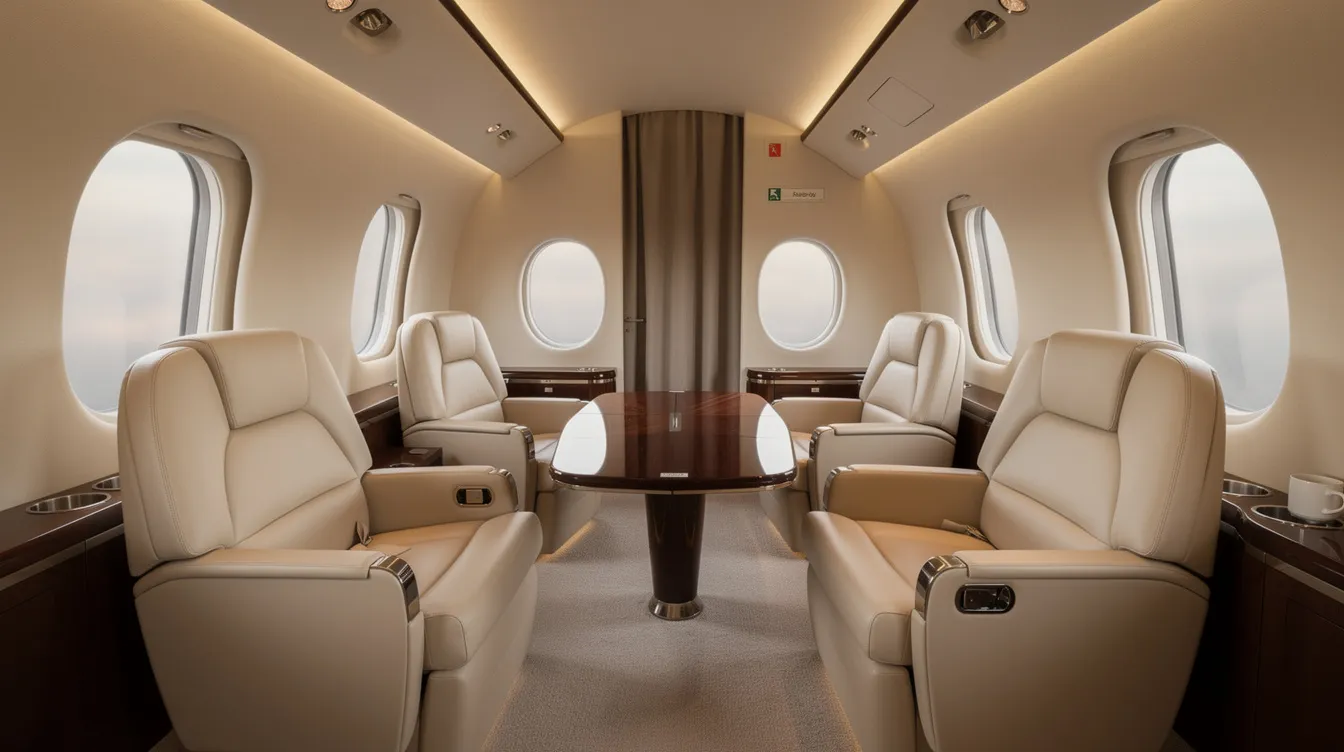
Private jet extra seats allow travelers to purchase individual seats on shared charters, semi-private flights, and empty leg flights, making private aviation more accessible and affordable. Jettly's digital marketplace simplifies the booking process, offering transparent pricing and a wide range of options for routes between major cities worldwide. This innovative model can save travelers 30% to 75% compared to traditional private jet charters.
Jay Franco Serevilla
Aug 12, 2026
|
5
min read



View all
The GE Honda HF120 engine is a cutting-edge turbofan that powers the HondaJet family, delivering exceptional performance and efficiency for light business jets. With a focus on fuel efficiency, low emissions, and reduced noise, the HF120 sets a new standard in private aviation. Its advanced design and technology ensure reliability and comfort for charter travelers.
Jay Franco Serevilla
Oct 19, 2026
|
5
min read
View all
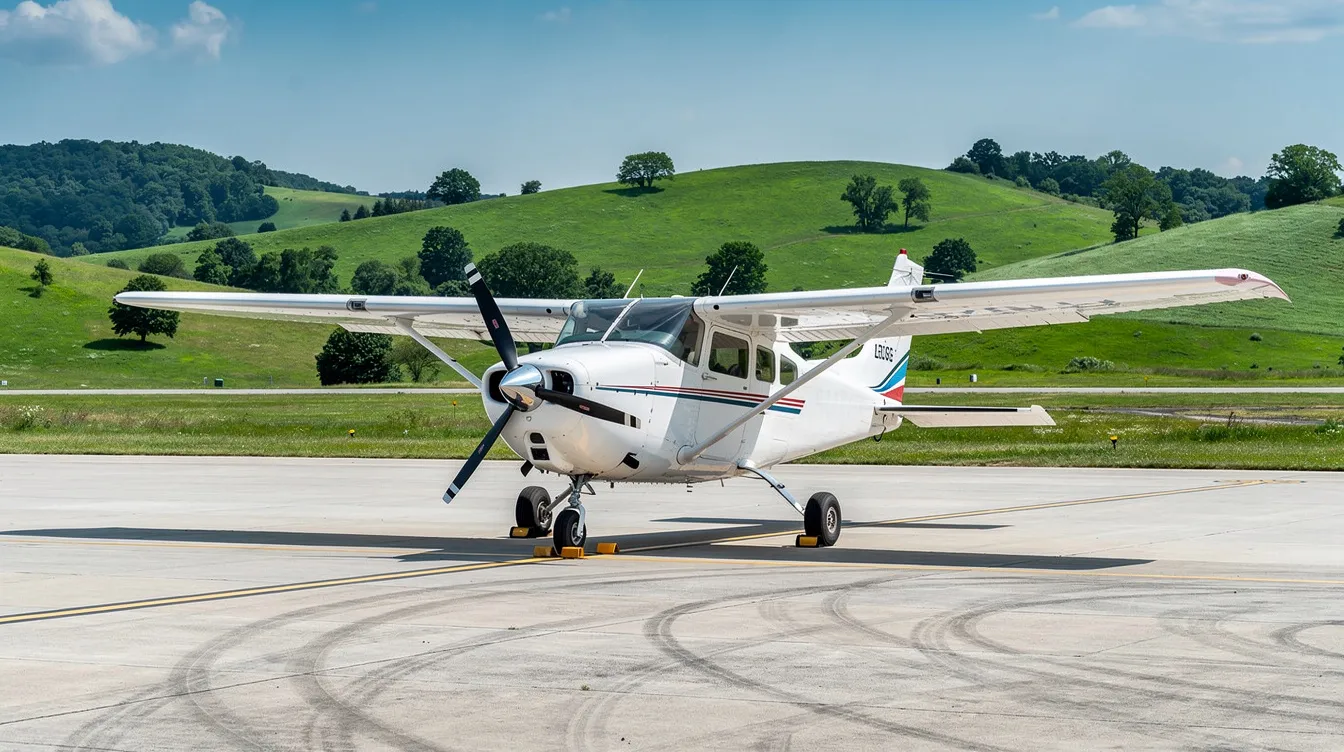
The Cessna 182T Skylane is a popular single-engine aircraft known for its reliability and performance. With a price range from $239,897 to $879,250, buyers can find models from 2001 to 2024. Understanding key factors like total time, engine status, and avionics is crucial for making informed purchasing decisions.
Jay Franco Serevilla
Oct 19, 2026
|
5
min read
View all
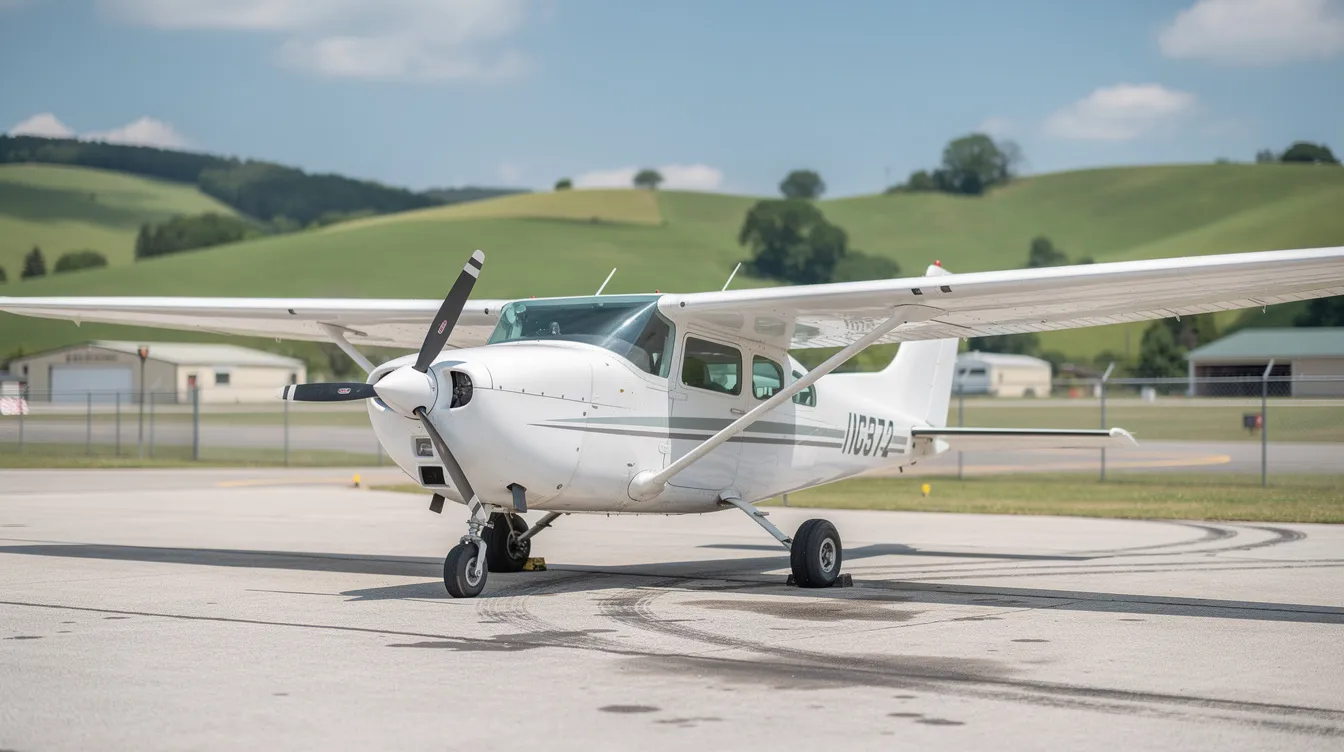
In 2026, owning a Cessna 182 Skylane involves navigating fixed and variable costs that can range from $180 to $350 per flight hour. Fixed costs typically amount to $6,500 to $19,500 annually, while variable costs, including fuel and maintenance, can add another $100 to $200 per hour. Understanding these expenses is crucial for pilots considering ownership versus alternatives like chartering.
Jay Franco Serevilla
Oct 19, 2026
|
5
min read

View all
Oman hosts U.S. military access through key facilities like RAFO Thumrait, Masirah Island Airbase, and Duqm Port, but does not have sovereign U.S. bases. This strategic partnership enhances regional security and logistics while maintaining Omani sovereignty. Travelers can utilize civil airports in Muscat and Salalah for access, with private jet services available through Jettly.
Jay Franco Serevilla
Oct 19, 2026
|
5
min read
View all
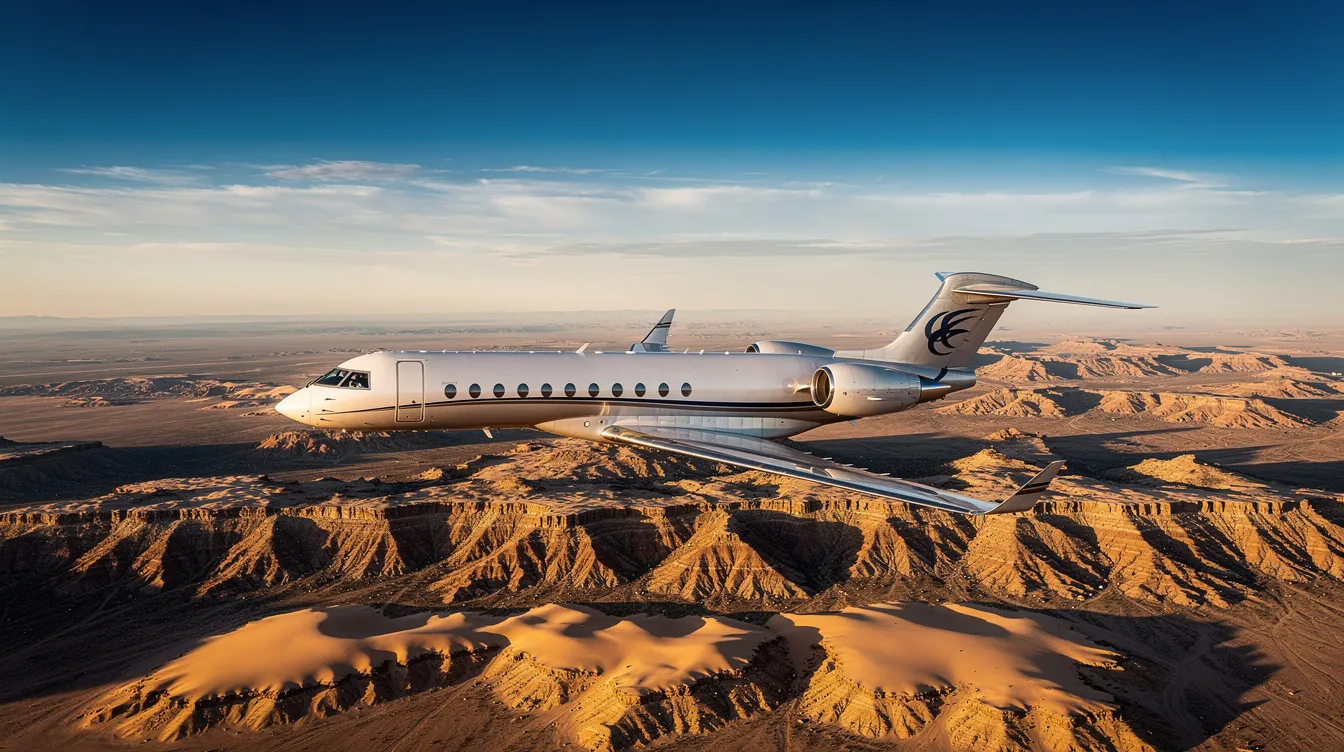
Chartering a private jet from NYC to Vegas offers unmatched convenience and comfort, with flight times of 5 to 6 hours. Prices range from $28,000 to $70,000, depending on the aircraft type and travel dates. Jettly provides a marketplace with over 20,000 aircraft, ensuring travelers can find the perfect jet for their needs.
Jay Franco Serevilla
Oct 19, 2026
|
5
min read
View all
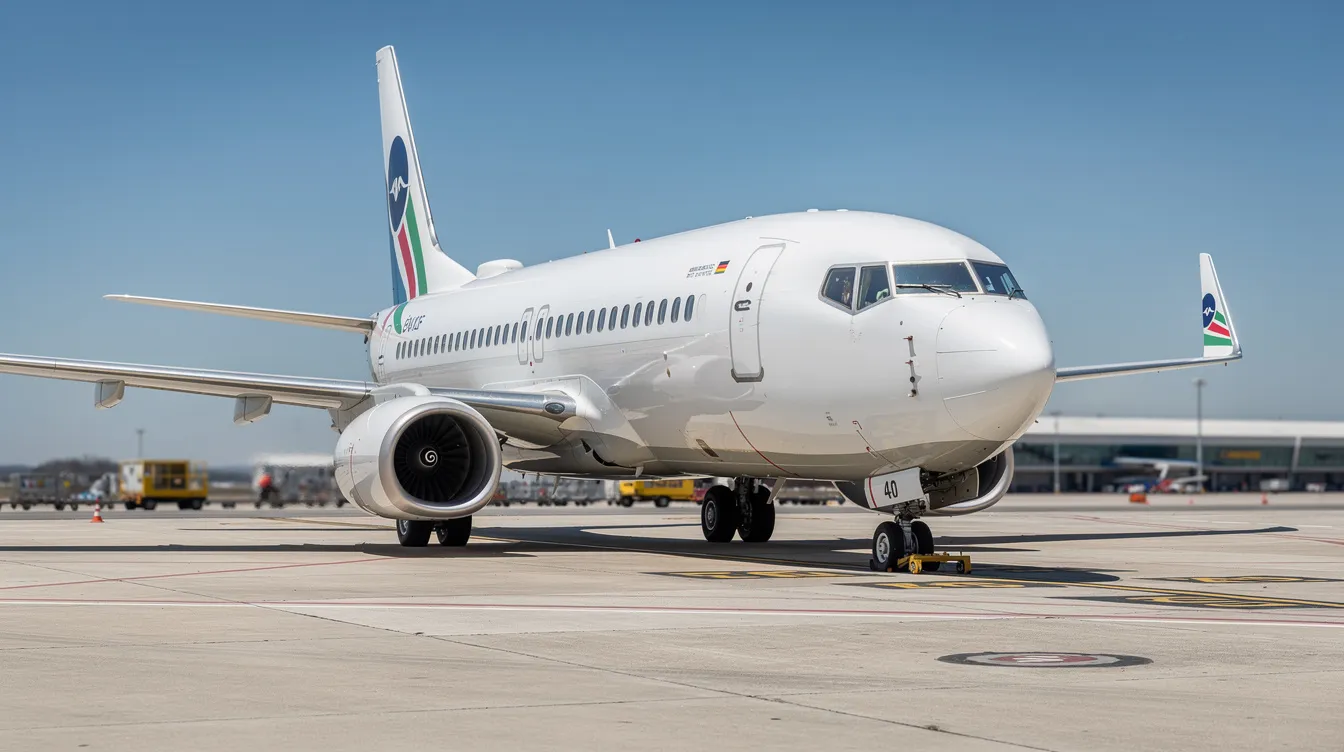
The Boeing 737-700 boasts a strong safety record since its introduction in 1998, distinct from the 737 MAX series. Governed by the FAA and other global regulators, its safety is maintained through rigorous inspections and operator compliance. Passengers can trust the 737-700 for both commercial and private charters, as it lacks the controversial MCAS system found in the MAX models.
Jay Franco Serevilla
Oct 17, 2026
|
5
min read
Explore our latest articles and updates.

5
min read
Ison Airbike Ultralight: A Practical Guide to the "Motorcycle of the Sky"
The Ison Airbike ultralight is a minimalist aircraft that offers a unique flying experience, often referred to as the 'motorcycle of the sky.' This guide explores its design, performance, and regulatory context, making it ideal for aviation enthusiasts and prospective builders. With its lightweight structure and open-cockpit design, the Airbike provides an accessible entry point into the world of ultralight flying.
Read More
5
min read
Quicksilver Ultralight Airplane: Models, Performance, and How They Fit Modern Private Aviation
Quicksilver ultralight airplanes are lightweight, open-cockpit aircraft known for their accessibility and ease of use, with over 15,000 units produced since the 1970s. They offer a unique flying experience, ideal for recreational pilots, while also complementing private aviation through charter services for longer trips.
Read MoreJoin our community and receive the latest blog updates directly in your inbox.
MEMBERSHIPS AND ASSOCIATIONS



Disclaimer: Jettly operates as a charter broker, offering access to a global digital jet charter marketplace. Jettly is not a direct air carrier and does not own or operate aircraft. All advertised flights are conducted by third-party air carriers that are fully licensed and hold the appropriate Part 135 or Part 121 certifications issued by the Federal Aviation Administration (FAA) or equivalent regulatory authorities under U.S. or foreign law. Jettly complies fully with the U.S. Department of Transportation's Part 295 and Part 298 Charter Broker regulations. Jettly does not carry additional liability insurance. Passengers are covered by aircraft operator insurance. TICO: 50023770


