



Login
Get Instant Pricing On 23,000+ Aircraft


Planes typically fly at 35,000 feet because this altitude optimizes fuel efficiency, engine performance, and passenger comfort while minimizing turbulence. The thin air at this height reduces aerodynamic drag, allowing aircraft to travel faster and consume less fuel. Additionally, flying at this altitude helps avoid most weather disturbances, ensuring a smoother ride for passengers.
Jeff Ryan Serevilla
Oct 31, 2026
|
5
min read


View all
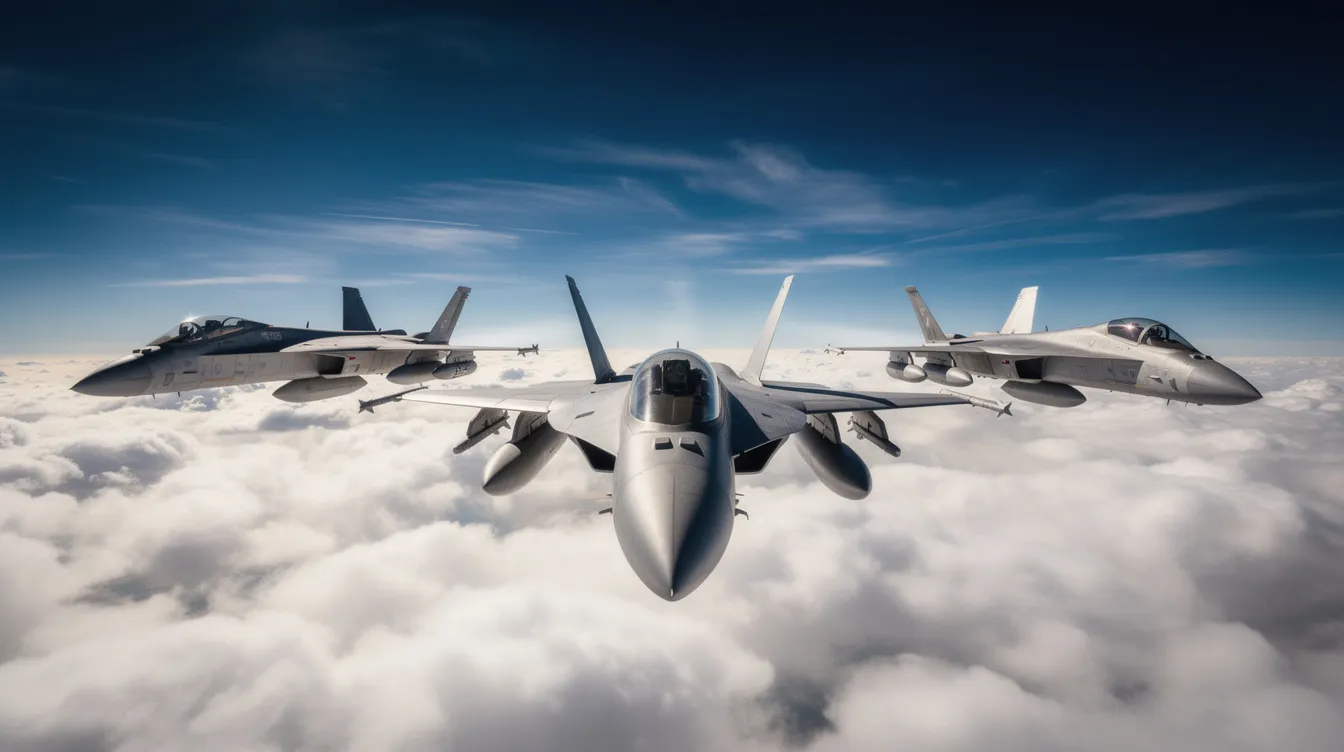
US military planes have played a crucial role in shaping global defense strategies for over a century. From fighter jets to transport aircraft, these planes are essential for air superiority and crisis response, while also influencing civilian aviation technologies. Understanding their roles and evolution can enhance appreciation for both military and private aviation.
Jay Franco Serevilla
Nov 8, 2026
|
5
min read
View all
Delta First Class does not automatically grant lounge access, which surprises many travelers. While Delta One passengers enjoy built-in access to Delta Sky Club and Delta One Lounges, First Class travelers must rely on alternative methods such as credit cards or elite status to enter lounges. This guide clarifies the rules and options available for lounge access in 2026.
Jay Franco Serevilla
Nov 8, 2026
|
5
min read
View all
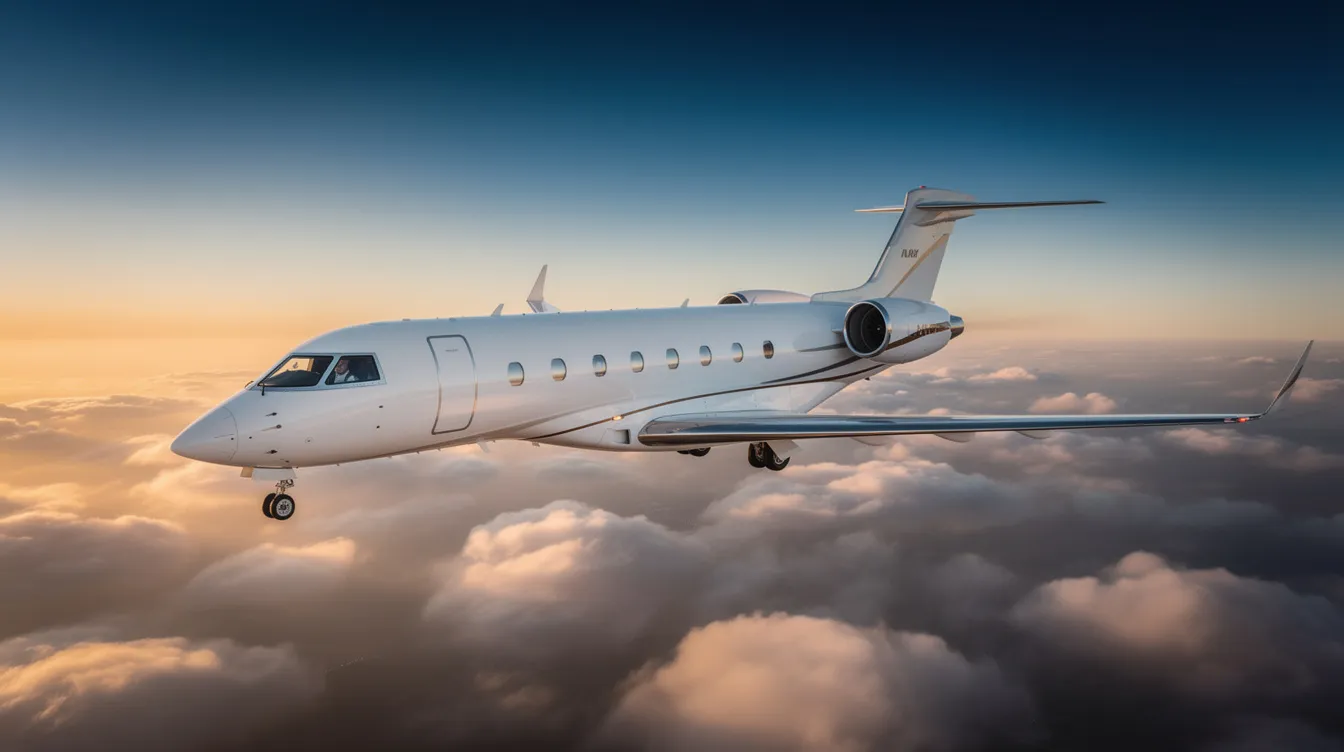
The Jettly Jet Card offers structured access to private jet charters with predictable pricing, featuring occupied-hour billing and no fuel surcharges. In 2026, membership tiers range from $50,000 for 25 hours to $160,000 for 100 hours, plus a one-time enrollment fee of $12,997. Notably, flight hours do not expire, providing flexibility for members.
Jay Franco Serevilla
Nov 8, 2026
|
5
min read
View all
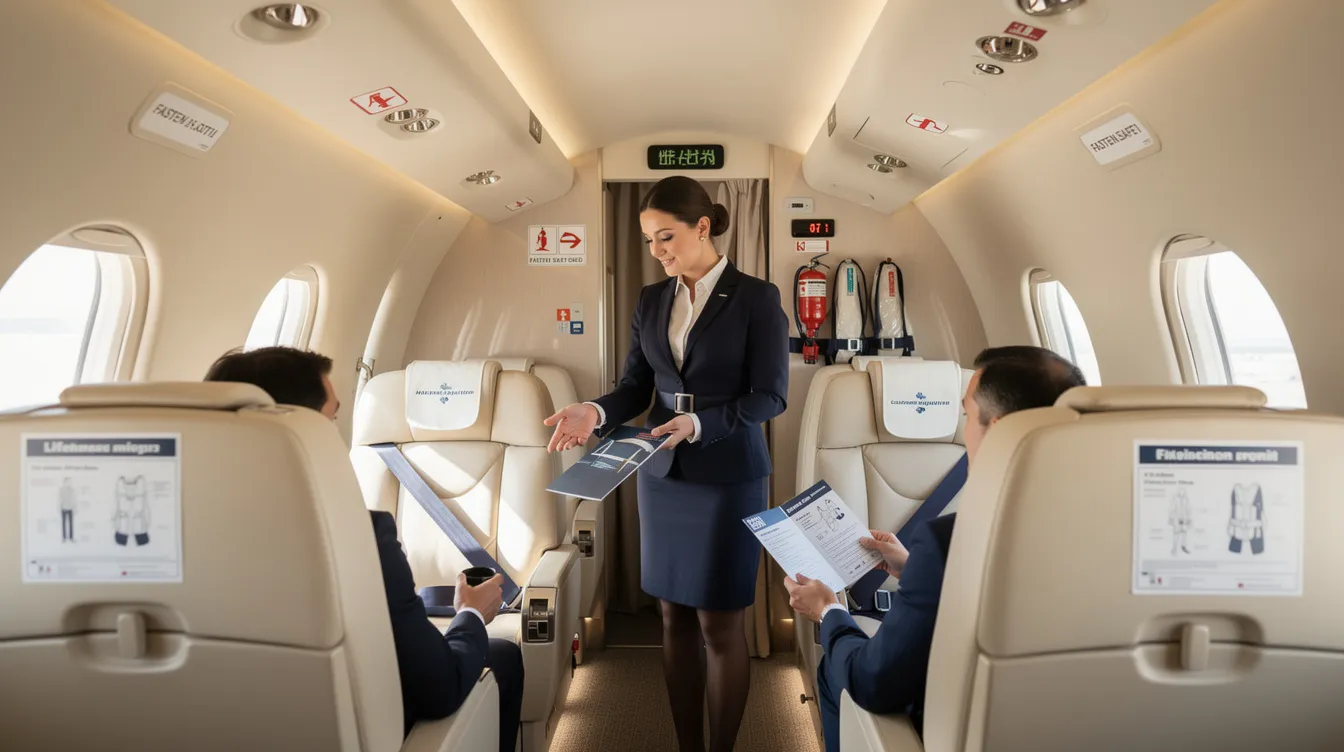
Understanding private jet safety certifications is crucial for ensuring a secure flight experience. This guide explains the differences between FAA Part 135 and Part 121, along with independent audits like ARGUS, WYVERN, and IS-BAO, highlighting the importance of verifying the operator's credentials before booking. Jettly, as a charter broker, emphasizes the need for thorough due diligence in confirming safety standards.
Jay Franco Serevilla
Nov 8, 2026
|
5
min read
View all
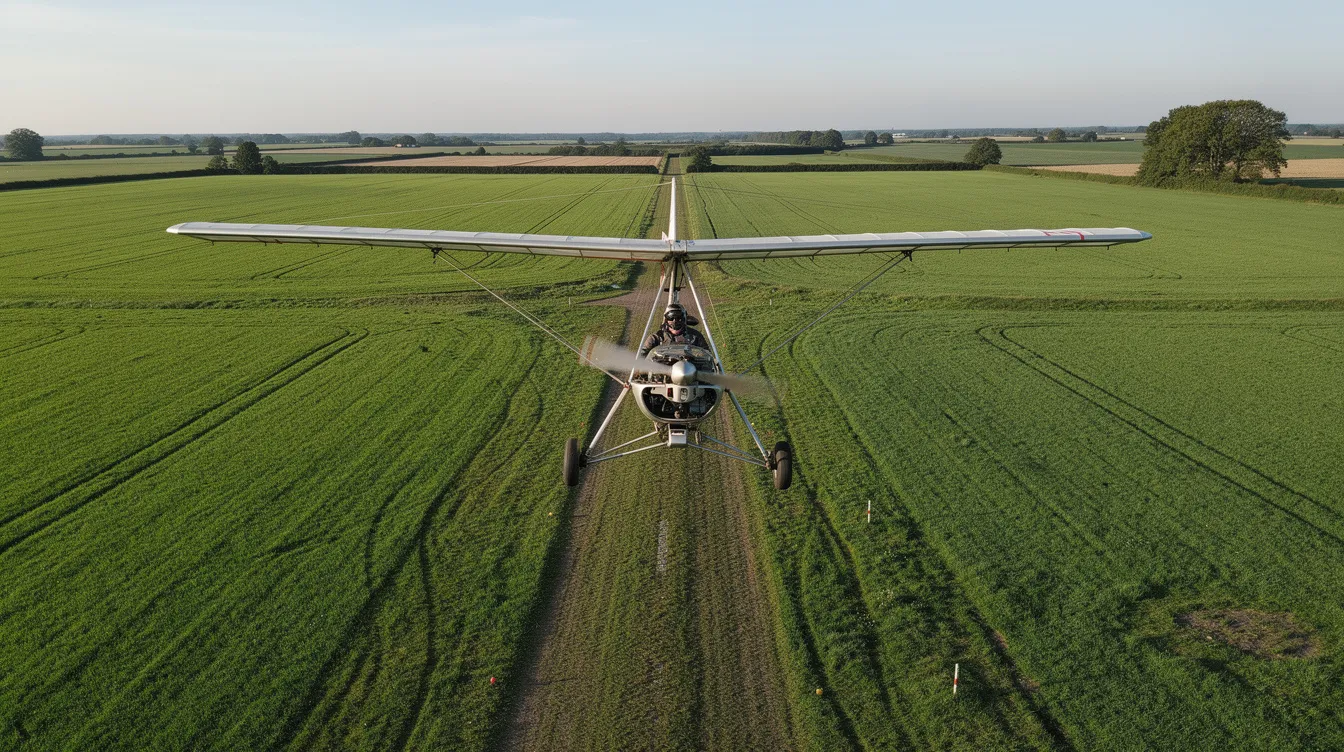
Under FAA Part 103, you can fly an ultralight personal aircraft without a license, medical exam, or registration, provided it meets specific criteria. These lightweight vehicles are limited to a maximum weight of 254 pounds, a fuel capacity of 5 gallons, and a top speed of 55 knots, making them ideal for recreational flying in uncontrolled airspace. While no formal training is required, it is highly recommended for safety.
Jay Franco Serevilla
Nov 8, 2026
|
5
min read
View all
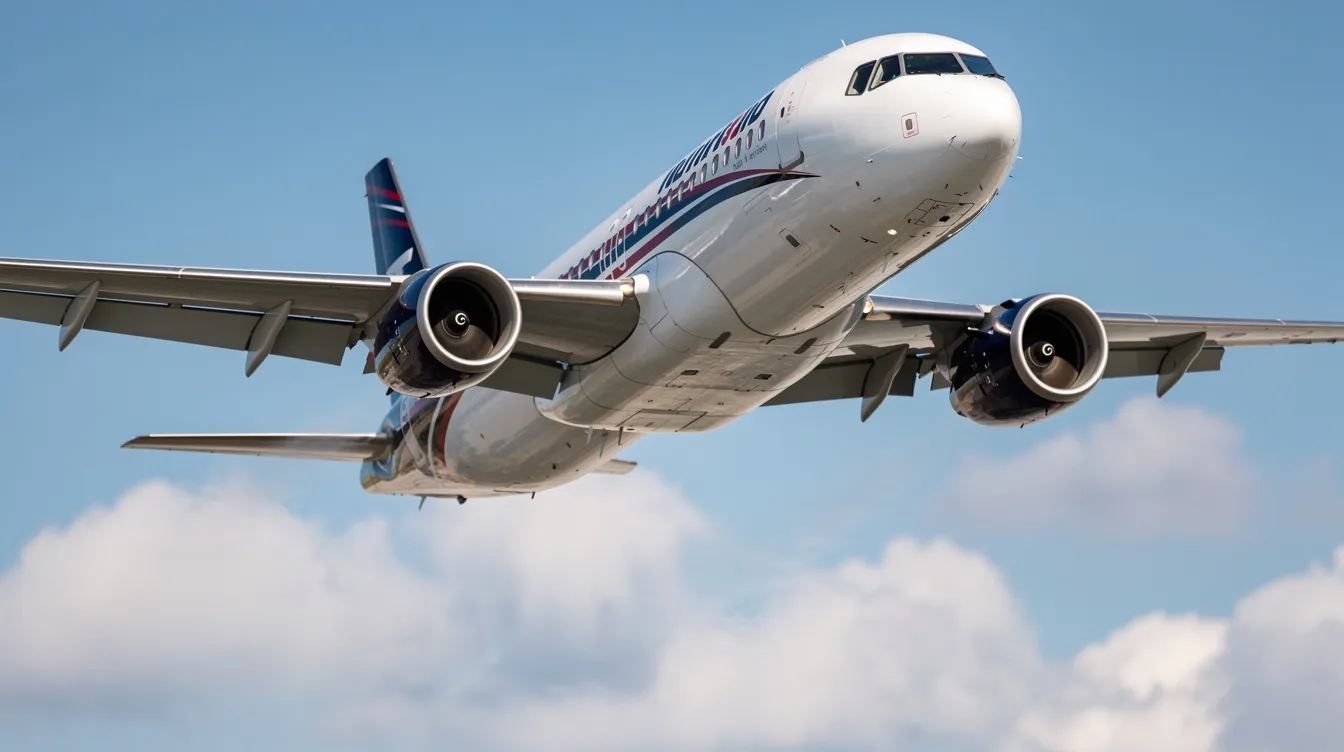
The leading cause of death in plane crashes is blunt force trauma from rapid deceleration upon impact, rather than the dramatic scenarios often portrayed in media. Post-crash fires and smoke inhalation also contribute to fatalities. Understanding these causes helps clarify aviation safety and the importance of proper operator standards for private jet travelers.
Jay Franco Serevilla
Nov 8, 2026
|
5
min read
Explore our latest articles and updates.

5 minutes
min read
What’s the Cost? A Comprehensive Guide to Renting a Private Jet
Private jet rental costs depend on factors such as the type of jet, flight distance, crew expenses, and peak travel seasons. Smaller jets are more cost-effective for short trips, while larger jets offer enhanced comfort and capacity but incur higher operational expenses. Additional considerations include airport fees, in-flight amenities, and membership or charter program fees, all of which can influence the total cost. By working with a reputable provider like Jettly, travelers can access tailored solutions and transparent pricing, ensuring a seamless and personalized private jet experience.
Read More
5 minutes
min read
Pushing the Limits: How Fast Do Private Jets Really Go?
Private jets are renowned for their speed and efficiency, offering unmatched convenience for luxury travelers and business professionals. Factors like engine thrust, aerodynamics, and external conditions such as weather play significant roles in determining jet velocity. Jets like the Gulfstream G700 and Bombardier Global 8000 demonstrate cutting-edge advancements, achieving remarkable speeds while balancing range and fuel efficiency. As private aviation evolves, technologies like carbon composites, sustainable fuels, and hypersonic capabilities promise to redefine the future of jet performance, making luxury air travel even faster and more efficient.
Read MoreJoin our community and receive the latest blog updates directly in your inbox.
MEMBERSHIPS AND ASSOCIATIONS



© 2026 Jettly Inc. All rights reserved.
Disclaimer: Jettly operates as a charter broker, offering access to a global digital jet charter marketplace. Jettly is not a direct air carrier and does not own or operate aircraft. All advertised flights are conducted by third-party air carriers that are fully licensed and hold the appropriate Part 135 or Part 121 certifications issued by the Federal Aviation Administration (FAA) or equivalent regulatory authorities under U.S. or foreign law. Jettly complies fully with the U.S. Department of Transportation's Part 295 and Part 298 Charter Broker regulations. Jettly does not carry additional liability insurance. Passengers are covered by aircraft operator insurance. TICO: 50023770


