


Login
Get Instant Pricing On 23,000+ Aircraft


Cotulla–La Salle County Airport (KCOT) is a key private jet gateway in South Texas, featuring a 6,005-foot runway and 24/7 automated weather reporting. It serves corporate executives and travelers in the Eagle Ford Shale region, offering efficient access without the hassle of larger commercial airports. This guide provides essential information for private jet travelers, including airport features, services, and how to book through Jettly.
Jay Franco Serevilla
Aug 5, 2026
|
5
min read



View all
A helicopter ride in New York offers breathtaking views of iconic landmarks like the Statue of Liberty and Central Park. Tours typically last between 12 to 30 minutes and can be booked as shared sightseeing flights or private charters. Jettly provides a platform for arranging customizable helicopter experiences, making it easy to explore the city from above.
Jay Franco Serevilla
Oct 11, 2026
|
5
min read

View all
The CH-47 Chinook helicopter, developed by Boeing Vertol, is a versatile heavy-lift aircraft known for its twin-engine, tandem rotor design. With variants like the CH-47D and CH-47F, it plays a crucial role in military operations, disaster relief, and commercial heavy-lift tasks. Organizations often utilize charter services like Jettly to access Chinook capabilities without the burdens of ownership.
Jay Franco Serevilla
Oct 11, 2026
|
5
min read

View all
When evaluating airline safety, historical accident totals can be misleading. Airlines with the most accidents, like American Airlines and Aeroflot, have improved significantly due to modern safety standards and regulations. Today, flying is statistically the safest form of long-distance transport, with a focus on accident rates per million flights providing a clearer picture of safety.
Jay Franco Serevilla
Oct 11, 2026
|
5
min read

View all
Jet Airways, once a leading full-service airline in India, ceased operations in 2019 and is now under liquidation. With no new tickets available, travelers are seeking alternatives for their air travel needs. Private jet charter services like Jettly offer flexible and convenient options for those looking to navigate the skies post-Jet Airways.
Jay Franco Serevilla
Oct 11, 2026
|
5
min read

View all
The Learjet market in 2026 features exclusively pre-owned aircraft, with prices ranging from under $1 million to over $6 million depending on model and condition. Buyers often find that on-demand charter through Jettly offers a more flexible and cost-effective alternative to ownership, providing access to a wide range of aircraft without the associated maintenance and management responsibilities.
Jay Franco Serevilla
Oct 11, 2026
|
5
min read

View all
Flying a private plane cheaply is now possible with innovative strategies and platforms like Jettly. By utilizing empty leg flights, choosing cost-effective aircraft, and maintaining flexibility with travel dates and airports, travelers can significantly reduce their private aviation costs. This guide provides practical tips to make private jet travel accessible without compromising on comfort or safety.
Jay Franco Serevilla
Oct 11, 2026
|
5
min read
Explore our latest articles and updates.
5
min read
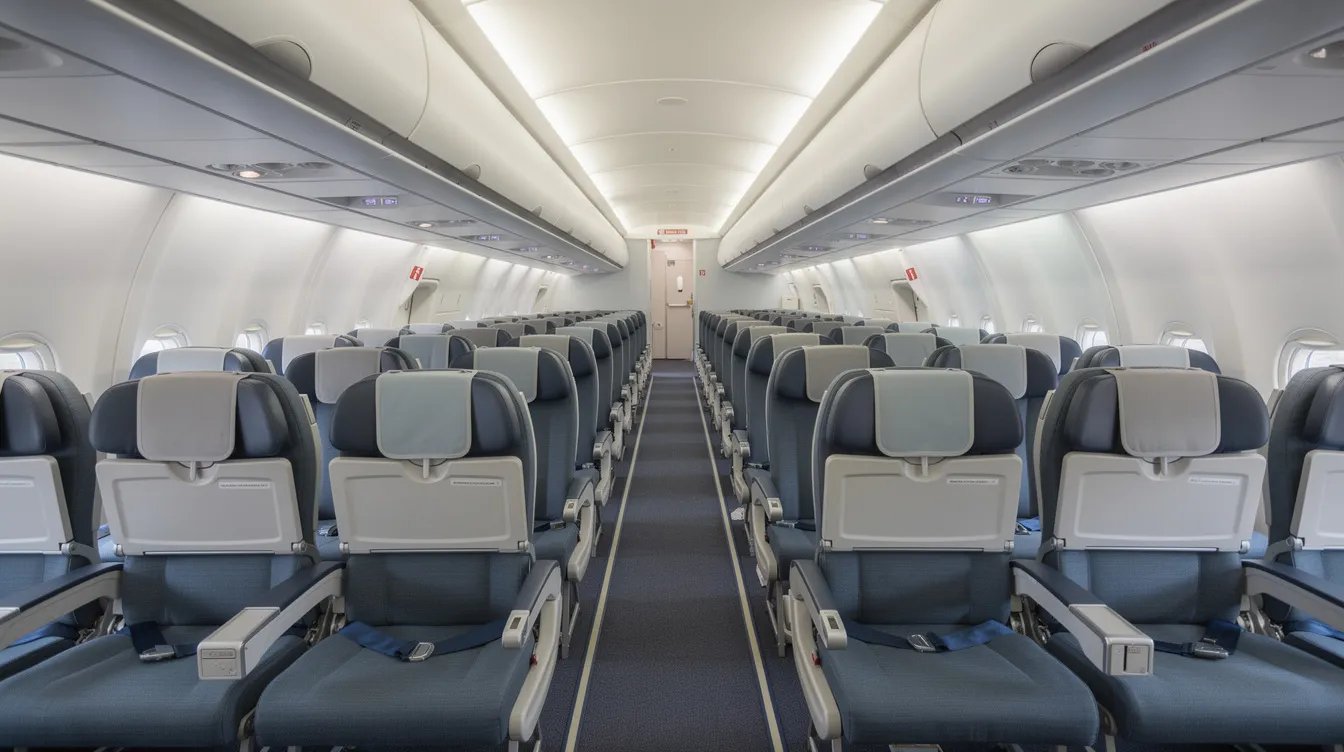
How Many Seats on an Airplane? From 4-Seat Jets to 800-Seat Airliners
The number of seats on an airplane varies widely based on aircraft type, airline configuration, and cabin class. From small jets accommodating 4 passengers to massive airliners like the Airbus A380 that can hold over 800, understanding these differences helps travelers make informed choices. This guide explores seat counts across various aircraft categories, ensuring you know what to expect before your flight.
Read More
5
min read
Triton Airways: Private Charter, Personal Aviation & How Jettly Helps You Compare Options
Triton Airways LLC is a Kentucky-based private charter operator offering tailored aviation solutions for business and leisure travelers. With a focus on safety and personalized service, they operate from regional airports and provide access to a fleet of jets and turboprops. Jettly enhances the experience by allowing travelers to compare thousands of aircraft options globally, ensuring flexibility and convenience.
Read MoreJoin our community and receive the latest blog updates directly in your inbox.
MEMBERSHIPS AND ASSOCIATIONS



Disclaimer: Jettly operates as a charter broker, offering access to a global digital jet charter marketplace. Jettly is not a direct air carrier and does not own or operate aircraft. All advertised flights are conducted by third-party air carriers that are fully licensed and hold the appropriate Part 135 or Part 121 certifications issued by the Federal Aviation Administration (FAA) or equivalent regulatory authorities under U.S. or foreign law. Jettly complies fully with the U.S. Department of Transportation's Part 295 and Part 298 Charter Broker regulations. Jettly does not carry additional liability insurance. Passengers are covered by aircraft operator insurance. TICO: 50023770


