


Login
Get Instant Pricing On 23,000+ Aircraft

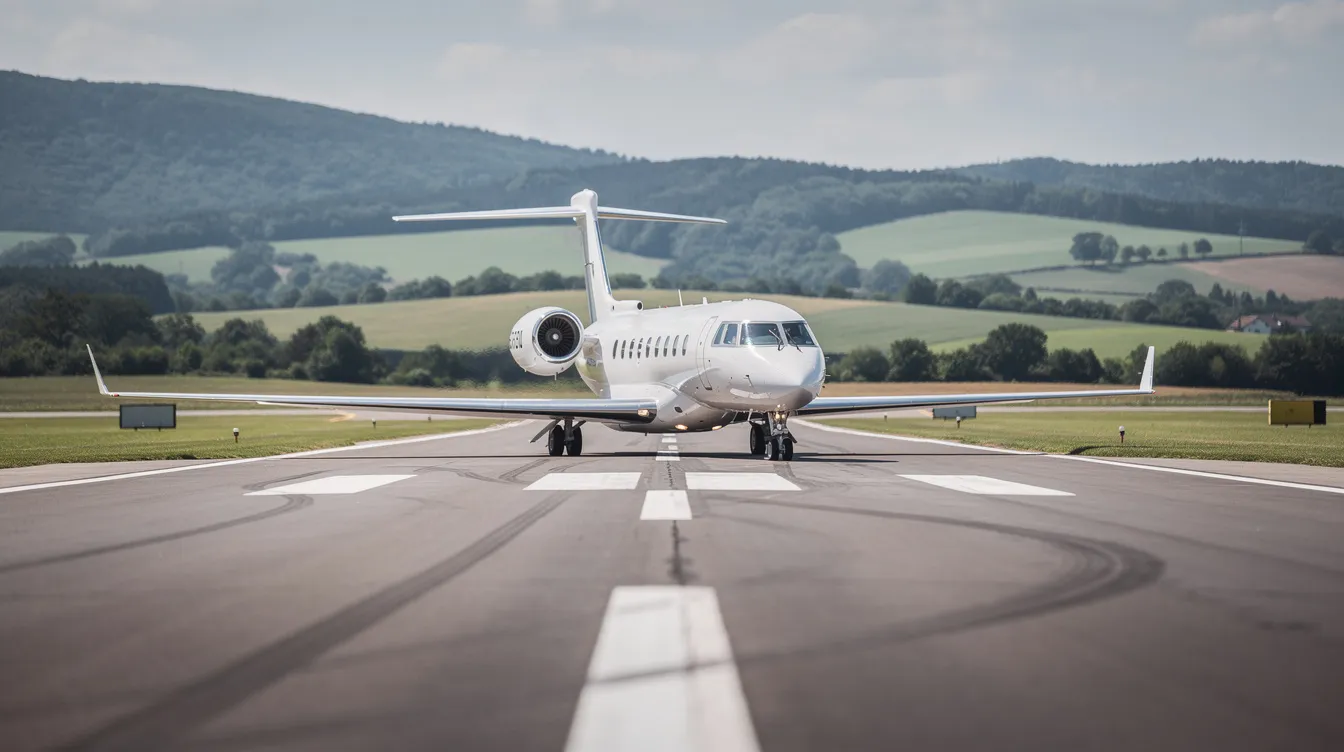
This guide explores the fastest Very Light Jets (VLJs) available in 2026, highlighting their speed, performance, and charter options for time-sensitive travelers. With speeds rivaling larger jets and lower operating costs, VLJs like the Embraer Phenom 100 and HondaJet Elite II offer efficient solutions for regional travel. Discover how these aircraft can save you time and money on your next business trip.
Jay Franco Serevilla
Jul 19, 2026
|
5
min read



View all
Knowing the best time to buy airfare can save you money on flights. For domestic trips, booking 1 to 3 months in advance is ideal, while international flights are best booked 2 to 8 months ahead. This guide also explores when private jet charters may be a more convenient option, especially when commercial flights become costly or inconvenient.
Jay Franco Serevilla
Sep 15, 2026
|
5
min read
View all
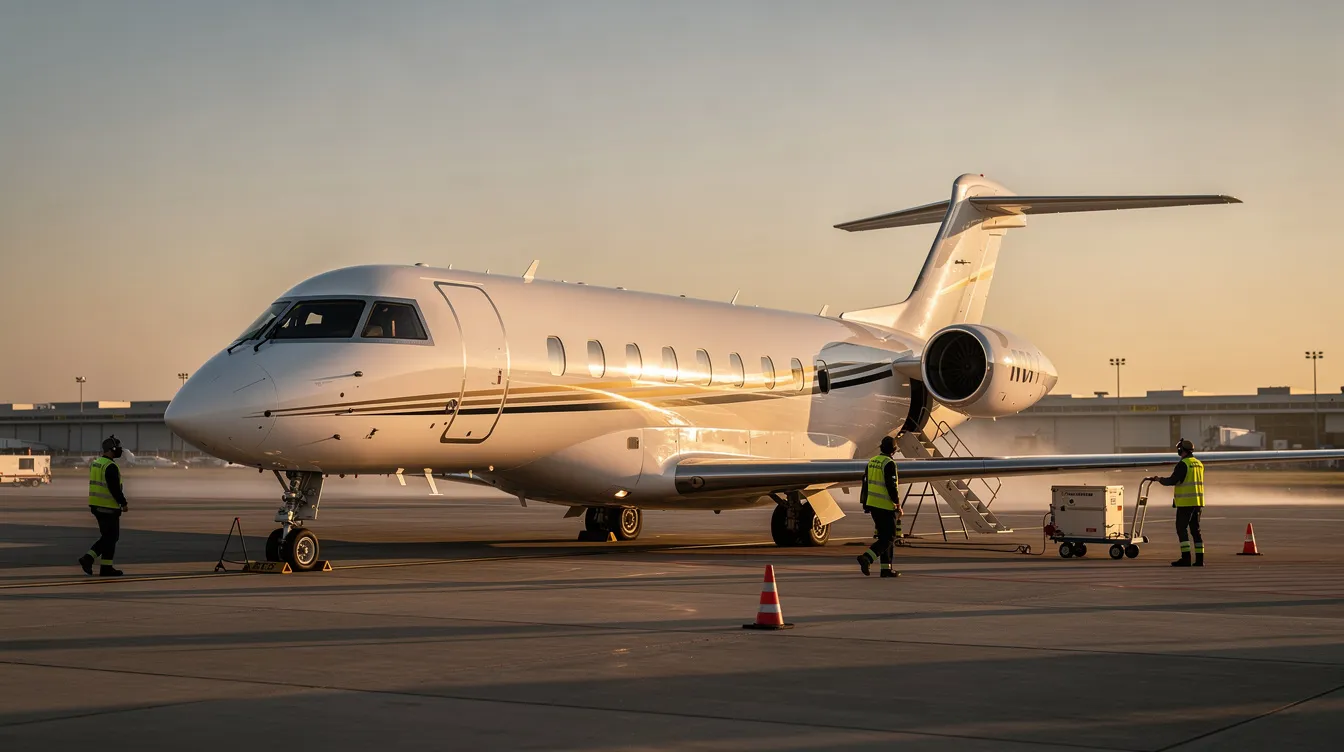
Choosing the best executive jet depends on specific travel needs such as distance, passenger count, and budget. This guide compares various aircraft categories, from light jets to ultra-long-range models, helping executives select the right jet for their missions. Jettly's platform simplifies the booking process, offering access to over 20,000 aircraft tailored to each trip's requirements.
Jay Franco Serevilla
Sep 15, 2026
|
5
min read

View all
Chartering a private jet from Dallas to Las Vegas offers a swift and luxurious travel experience, averaging 2 hours and 10 minutes for the journey. With costs ranging from $13,000 to over $34,000 depending on the aircraft type, travelers can choose from a variety of jets to suit their needs. This guide provides insights into flight times, costs, and tips for optimizing your private jet experience.
Jay Franco Serevilla
Sep 15, 2026
|
5
min read
View all
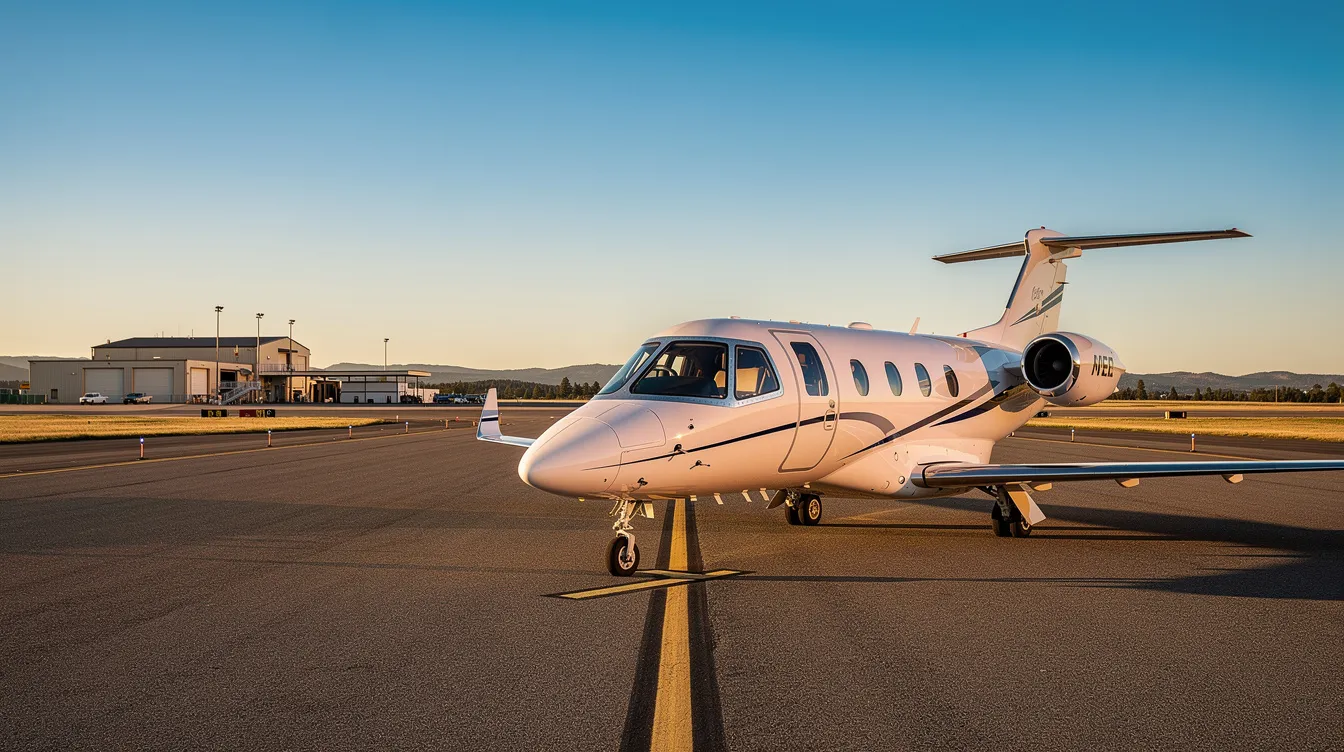
Discover the top 10 cheapest private jets of 2026, focusing on ownership costs, operating expenses, and smarter charter alternatives. This guide highlights very light jets and turboprops that offer budget-friendly options for travelers, emphasizing the financial benefits of chartering through platforms like Jettly for those flying under 200 hours annually.
Jay Franco Serevilla
Sep 15, 2026
|
5
min read

View all
Discover the best times to book flights to Las Vegas, whether commercial or private. Booking 14 to 21 days in advance typically yields the best prices, while midweek flights can save you even more. This guide also highlights the advantages of private jet charters through Jettly for flexible travel options.
Jay Franco Serevilla
Sep 15, 2026
|
5
min read

View all
Traveling to South Lake Tahoe typically involves flying into Reno–Tahoe International Airport, as there are no commercial flights to South Lake Tahoe Airport. This guide provides insights on finding affordable flights, seasonal pricing, and private jet options through Jettly, which can significantly reduce travel time. Whether you're looking for budget-friendly fares or a luxurious private charter, there are various options to suit your needs.
Jay Franco Serevilla
Sep 15, 2026
|
5
min read
Explore our latest articles and updates.
5
min read
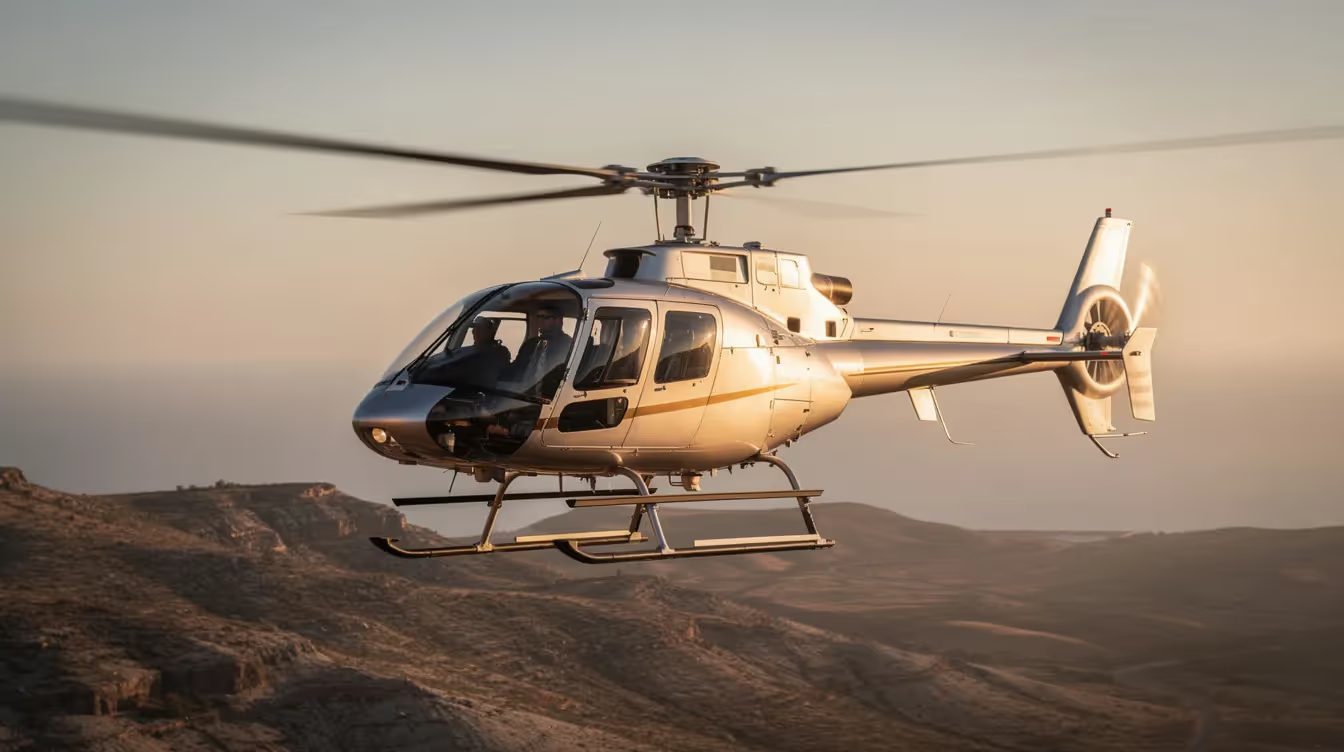
Robinson R66: A Comprehensive Overview of the Light Turbine Helicopter
The Robinson R66 is a light turbine helicopter designed for private travelers, commercial operators, and public safety agencies, marking Robinson Helicopter Company's first foray into turbine technology. With a capacity of five seats, powered by a Rolls-Royce RR300 engine, the R66 offers impressive performance metrics, including cruise speeds up to 125 knots and a range of approximately 350 nautical miles, all at lower operating costs compared to competitors. Its versatile design accommodates various missions, from private transport to law enforcement, and it features a dedicated cargo compartment for added utility. For those interested in accessing R66-class helicopters without ownership, Jettly provides a digital platform for on-demand charters, ensuring flexible and transparent pricing.
Read More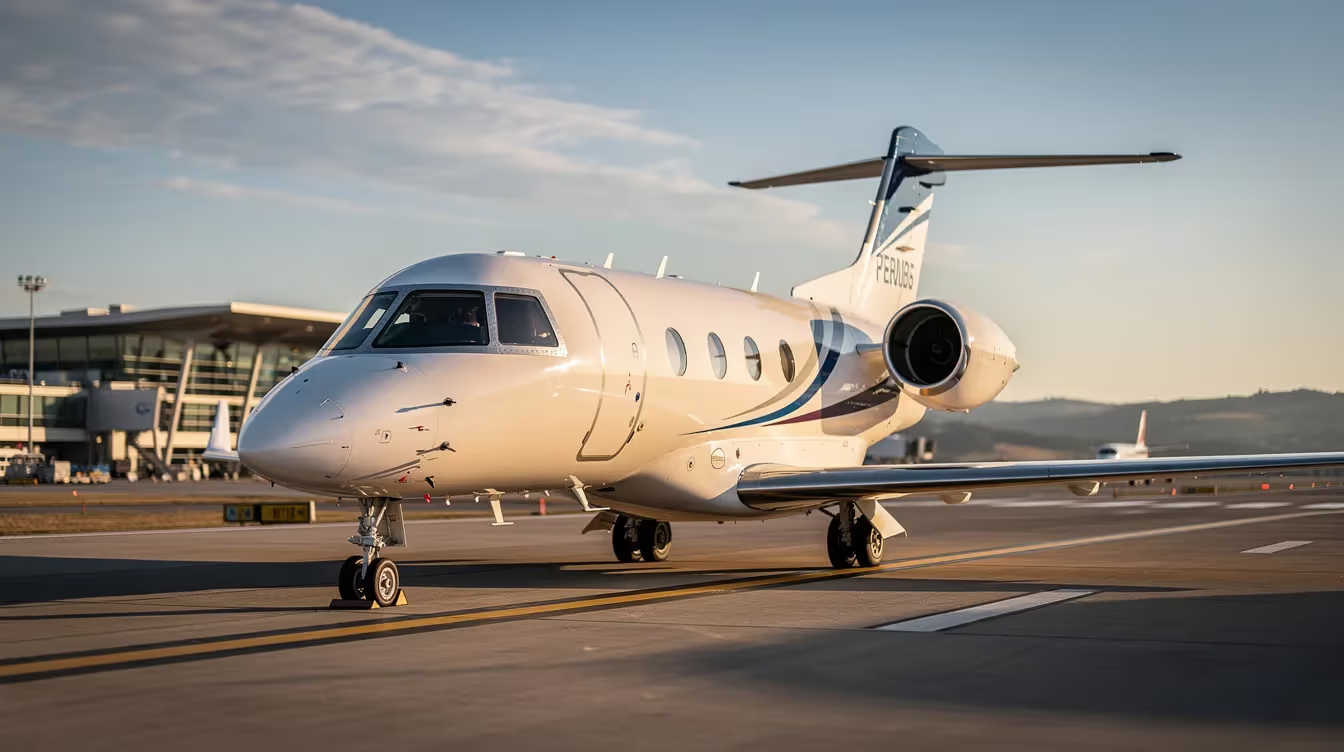
5
min read
Learjet 35: A Comprehensive Guide to the Iconic Light Jet in Private Aviation
The Learjet 35, introduced in 1973, is a highly regarded twin-engine light jet known for its speed and operational flexibility, making it a popular choice in the private jet charter market. With a capacity for six to eight passengers and a range of approximately 2,056 to 2,857 nautical miles, it remains in active service for various missions, including private charters and medevac operations. The aircraft features efficient Honeywell TFE731 engines, allowing for lower fuel consumption and the ability to operate from shorter runways. Despite being over 50 years old, the Learjet 35 continues to deliver value and performance, appealing to both travelers and corporate jet investors.
Read MoreJoin our community and receive the latest blog updates directly in your inbox.
MEMBERSHIPS AND ASSOCIATIONS



Disclaimer: Jettly operates as a charter broker, offering access to a global digital jet charter marketplace. Jettly is not a direct air carrier and does not own or operate aircraft. All advertised flights are conducted by third-party air carriers that are fully licensed and hold the appropriate Part 135 or Part 121 certifications issued by the Federal Aviation Administration (FAA) or equivalent regulatory authorities under U.S. or foreign law. Jettly complies fully with the U.S. Department of Transportation's Part 295 and Part 298 Charter Broker regulations. Jettly does not carry additional liability insurance. Passengers are covered by aircraft operator insurance. TICO: 50023770


