


Login
Get Instant Pricing On 23,000+ Aircraft

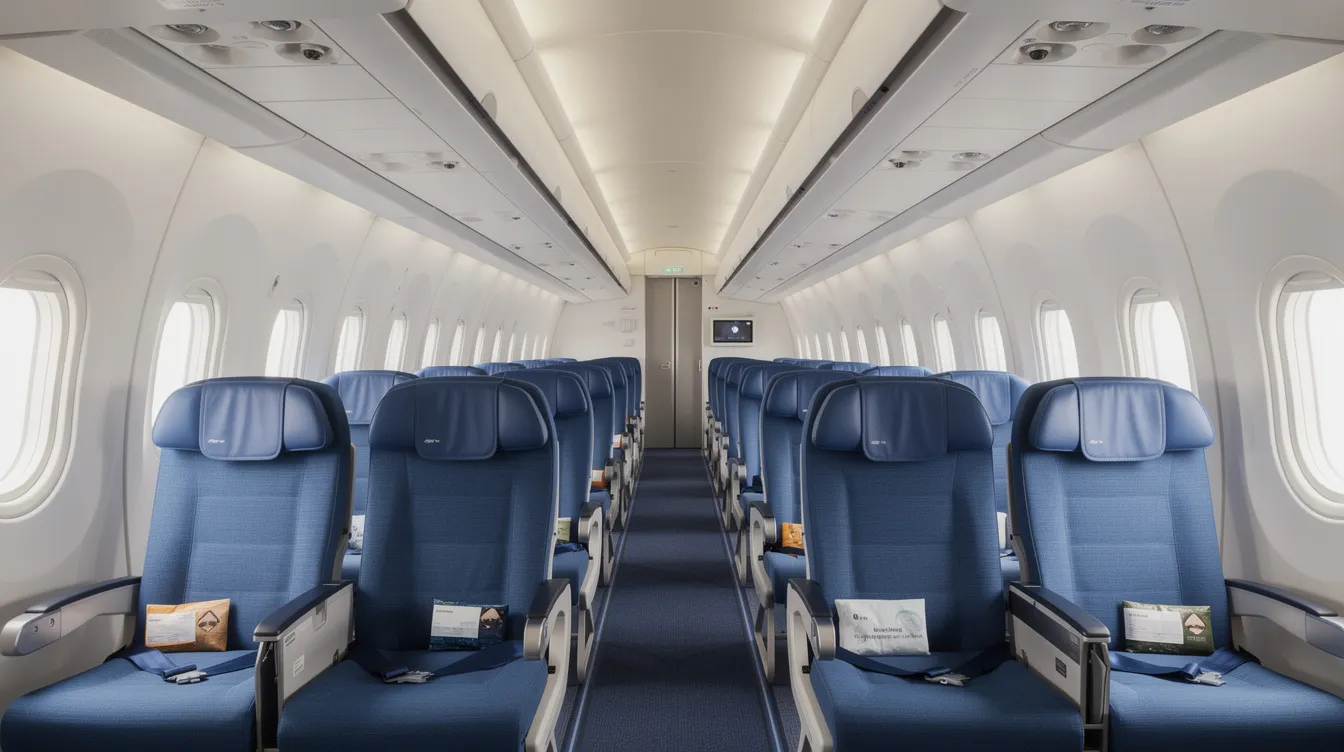
The Southwest Boeing 737-700 is a popular narrowbody aircraft used for domestic flights, featuring a single-cabin layout with 143 economy seats. This guide covers seat types, layout, comfort, and how it compares to private jet charters, helping travelers make informed choices for their next flight. Understanding the nuances of the 737-700 can enhance your travel experience, whether you opt for economy seating or consider private travel alternatives.
Jay Franco Serevilla
Aug 9, 2026
|
5
min read



View all
Finding the best time to buy international airline tickets to Europe can save travelers hundreds of dollars. Booking 3 to 7 months in advance typically yields the best prices, especially during shoulder seasons. This guide offers insights on timing, fare tracking, and alternative airports to maximize savings and flexibility.
Jay Franco Serevilla
Oct 7, 2026
|
5
min read

View all
Understanding when plane tickets get cheaper is essential for travelers looking to save on airfare. Generally, booking domestic flights 1 to 3 months in advance and international flights 2 to 8 months ahead yields the best prices. Factors like travel dates, day of the week, and seasonality significantly impact ticket costs, making it crucial to stay flexible and track fare changes.
Jay Franco Serevilla
Oct 7, 2026
|
5
min read

View all
Discover the truth behind the elusive 'Day of Cheap Flights' and learn how to consistently find the best flight deals. This guide highlights seasonal patterns, optimal booking windows, and effective search tools to help travelers save money on both commercial and private flights.
Jay Franco Serevilla
Oct 7, 2026
|
5
min read

View all
Discover the best times to fly to Italy for the lowest fares, from November to March, and learn how to find affordable flights. This guide also explores when private jet charters via Jettly can be a cost-effective alternative for groups and last-minute trips.
Jay Franco Serevilla
Oct 7, 2026
|
5
min read

View all
Finding the best day of the week to buy plane tickets is a common query, but no single day guarantees the lowest fare. Mid-week days often show slightly lower fares, but factors like booking window and flight timing are more crucial for savings. This guide explores data-backed patterns and smart strategies for both commercial and private jet travel.
Jay Franco Serevilla
Oct 7, 2026
|
5
min read

View all
Discover the best strategies for booking flights to Hawaii and save money on your trip. This guide outlines optimal booking windows, travel periods, and tips for finding the best deals. Whether you're traveling for leisure or business, understanding these factors can help you secure the best airfare.
Jay Franco Serevilla
Oct 7, 2026
|
5
min read
Explore our latest articles and updates.

5
min read
Fastest Commercial Jet: How Fast Passenger Planes Really Fly in 2026
In 2026, the Boeing 747-8i remains the fastest commercial jet, cruising at Mach 0.855. While modern airliners prioritize fuel efficiency over speed, private jets like the Bombardier Global 8000 offer competitive speeds and greater flexibility, often resulting in shorter total travel times. This guide explores the nuances of commercial jet speeds and the advantages of private aviation.
Read More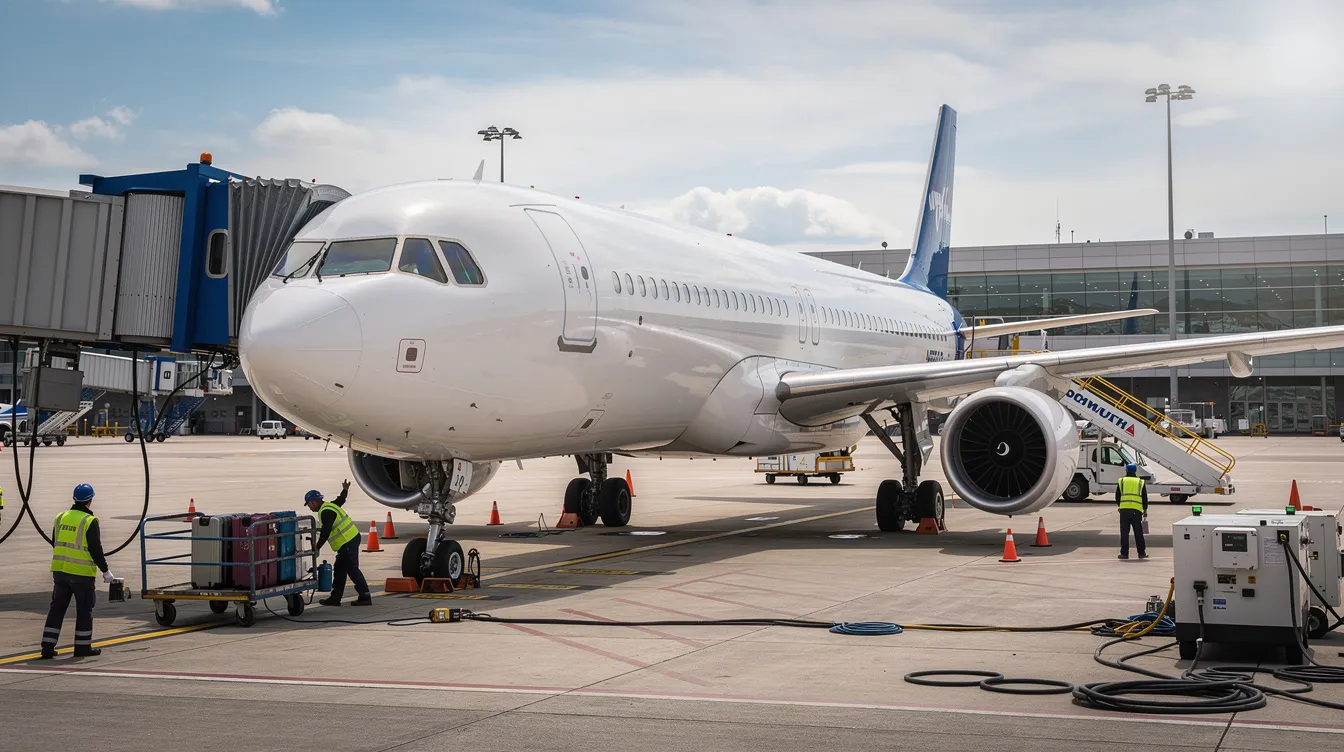
5
min read
Best Airlines to Work For in 2026: How to Choose the Right Fit for Your Aviation Career
Choosing the best airline to work for in 2026 is crucial for aviation professionals, as it impacts pay, culture, and career progression. This guide evaluates top U.S. and international carriers based on key factors like compensation, work-life balance, and employee satisfaction, helping candidates find the right fit for their aviation careers.
Read MoreJoin our community and receive the latest blog updates directly in your inbox.
MEMBERSHIPS AND ASSOCIATIONS



Disclaimer: Jettly operates as a charter broker, offering access to a global digital jet charter marketplace. Jettly is not a direct air carrier and does not own or operate aircraft. All advertised flights are conducted by third-party air carriers that are fully licensed and hold the appropriate Part 135 or Part 121 certifications issued by the Federal Aviation Administration (FAA) or equivalent regulatory authorities under U.S. or foreign law. Jettly complies fully with the U.S. Department of Transportation's Part 295 and Part 298 Charter Broker regulations. Jettly does not carry additional liability insurance. Passengers are covered by aircraft operator insurance. TICO: 50023770


