


Login
Get Instant Pricing On 23,000+ Aircraft

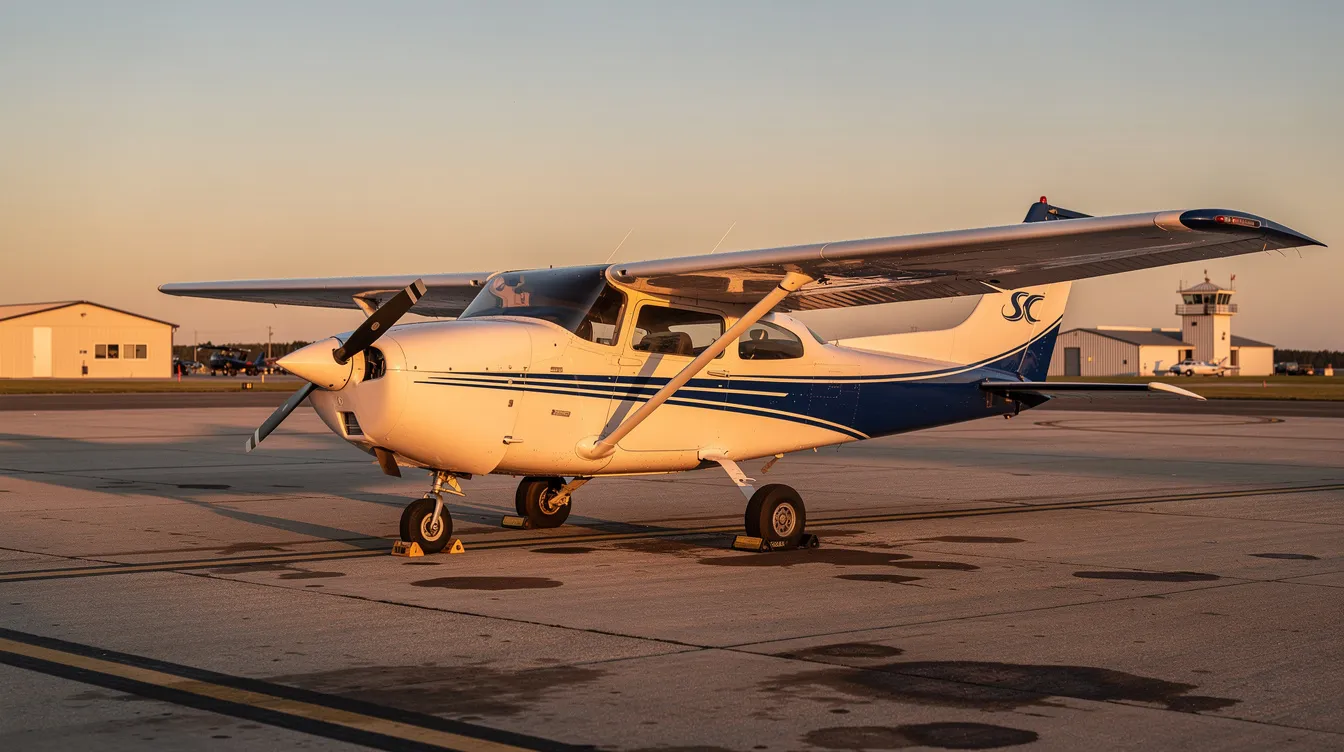
Flying a Cessna 172 Skyhawk is an accessible entry point into aviation, known for its reliability and forgiving nature. This guide covers everything from obtaining medical certificates to mastering flight maneuvers, ensuring a smooth transition from student pilot to confident aviator. With structured training and real-world practice, pilots can progress to solo flights and cross-country adventures.
Jay Franco Serevilla
Aug 13, 2026
|
5
min read



View all
Understanding Delta's carrier code, DL, and its ICAO code, DAL, is essential for navigating flight bookings and connections. These codes are crucial for identifying Delta flights across various systems, ensuring travelers can manage their itineraries effectively. Whether flying commercially or coordinating private charters, knowing these identifiers enhances the travel experience.
Jeff Ryan Serevilla
Oct 5, 2026
|
5
min read

View all
This guide provides essential information for travelers considering a private jet charter from Burbank to Las Vegas. Covering flight options, pricing, and airport choices, it highlights the benefits of bypassing LAX congestion and maximizing convenience. Jettly's on-demand marketplace offers flexible booking and transparent pricing for a seamless travel experience.
Jeff Ryan Serevilla
Oct 5, 2026
|
5
min read

View all
Delta flash sales offer significant discounts on SkyMiles award flights, making travel more accessible. This guide details how to maximize these deals, stack credit card perks, and when private jet charters may be a better option for travelers seeking flexibility and privacy.
Jeff Ryan Serevilla
Oct 5, 2026
|
5
min read

View all
Flying private offers a range of costs and options, making it more accessible than many think. With hourly rates varying by aircraft type and additional fees, understanding pricing can help travelers save. Jettly provides transparent pricing and flexible booking, making private aviation a viable choice for both business and leisure travel.
Jeff Ryan Serevilla
Oct 5, 2026
|
5
min read

View all
Aeromas, a leading Uruguayan private air charter operator since 1983, offers a versatile fleet for passenger, cargo, and medical flights across MERCOSUR. With the support of digital platforms like Jettly, travelers can easily access a wide range of aircraft and flexible booking options, enhancing their private aviation experience.
Jeff Ryan Serevilla
Oct 5, 2026
|
5
min read

View all
Jet Right is about selecting the ideal private jet that aligns with your trip's needs, balancing aircraft type, route, and pricing. Jettly simplifies this process by providing access to over 20,000 aircraft, instant pricing, and a transparent booking experience, ensuring travelers can jet right without the hassle of traditional ownership. This guide covers essential decisions like aircraft selection, pricing models, and efficient booking strategies.
Jeff Ryan Serevilla
Oct 5, 2026
|
5
min read
Explore our latest articles and updates.

5
min read
Key West, Florida Direct Flights: Routes, Airlines, and Private Jet Options
Key West, Florida, offers direct flights from approximately 24 U.S. cities through seven airlines, including American Airlines and Delta. Travelers can also opt for private jet charters for added flexibility and convenience. This guide details nonstop routes, seasonal patterns, and tips for booking the best flights to Key West.
Read More
5
min read
Flights from Chicago to Key West: Commercial and Private Options
Travelers can choose between commercial flights and private jet charters when flying from Chicago to Key West. Commercial options offer affordability and convenience, while private jets provide flexibility and a tailored experience. Understanding the differences in pricing, scheduling, and overall travel time can help you make the best choice for your trip.
Read MoreJoin our community and receive the latest blog updates directly in your inbox.
MEMBERSHIPS AND ASSOCIATIONS



Disclaimer: Jettly operates as a charter broker, offering access to a global digital jet charter marketplace. Jettly is not a direct air carrier and does not own or operate aircraft. All advertised flights are conducted by third-party air carriers that are fully licensed and hold the appropriate Part 135 or Part 121 certifications issued by the Federal Aviation Administration (FAA) or equivalent regulatory authorities under U.S. or foreign law. Jettly complies fully with the U.S. Department of Transportation's Part 295 and Part 298 Charter Broker regulations. Jettly does not carry additional liability insurance. Passengers are covered by aircraft operator insurance. TICO: 50023770


