


Login
Get Instant Pricing On 23,000+ Aircraft


Doroni Aerospace is pioneering the future of urban air mobility with its H1-X eVTOL flying car, designed for personal ownership and easy operation. With a top speed of 120 mph and a range of 100 miles, it aims to revolutionize short-distance travel while reducing traffic congestion. The company is on track for FAA certification by 2026, making personal air travel accessible to everyday users.
Jay Franco Serevilla
Aug 23, 2026
|
5
min read



View all
In 2026, no major airline has been identified as having the most crashes, with serious incidents primarily involving smaller operators. Despite 61 reported crashes resulting in 397 fatalities, commercial flying remains one of the safest modes of transportation due to stringent regulations and advanced safety technologies. Understanding aviation safety statistics is crucial for travelers to make informed decisions about their air travel options.
Jay Franco Serevilla
Oct 7, 2026
|
5
min read

View all
The survival rate of plane crashes is significantly higher than commonly believed, with around 90% of accidents being survivable. Factors such as seat location, crew training, and aircraft design play crucial roles in enhancing safety. By choosing regulated operators like Jettly, travelers can further ensure high safety standards in private aviation.
Jay Franco Serevilla
Oct 7, 2026
|
5
min read

View all
Volare Aviation offers boutique private aviation services at Oxford Airport, specializing in aircraft ownership, management, and charter. With the rise of digital platforms like Jettly, private jet and helicopter travel has become more accessible, allowing travelers to choose flexible options without the need for ownership. This article explores the advantages of private aviation, including reduced travel time and personalized service.
Jay Franco Serevilla
Oct 7, 2026
|
5
min read

View all
Plane crashes are often the result of a combination of factors, including human error, mechanical failures, and weather conditions. Despite media coverage suggesting otherwise, air travel remains statistically safe, with improvements in aviation safety over the decades. Understanding the causes and trends can help travelers make informed decisions about their flying options.
Jay Franco Serevilla
Oct 7, 2026
|
5
min read
View all
Finding cheap Thanksgiving flights in 2026 is all about timing and flexibility. With Thanksgiving on November 26, booking 30 to 45 days in advance and flying on off-peak days can lead to significant savings. Consider private jet options for added convenience and reduced travel stress, especially during peak holiday travel times.
Jay Franco Serevilla
Oct 7, 2026
|
5
min read

View all
Finding the best time to buy international airline tickets to Europe can save travelers hundreds of dollars. Booking 3 to 7 months in advance typically yields the best prices, especially during shoulder seasons. This guide offers insights on timing, fare tracking, and alternative airports to maximize savings and flexibility.
Jay Franco Serevilla
Oct 7, 2026
|
5
min read
Explore our latest articles and updates.

5
min read
How Many Passengers Can Fit in a Helicopter? Capacity, Limits & Booking Tips
Helicopter passenger capacity varies significantly based on the model, typically accommodating 2 to 8 passengers plus a pilot. Larger helicopters can carry 15 or more, but real-world factors like weight, baggage, and safety regulations often limit the actual number of passengers. Jettly's platform simplifies the process of selecting the right helicopter for your travel needs.
Read More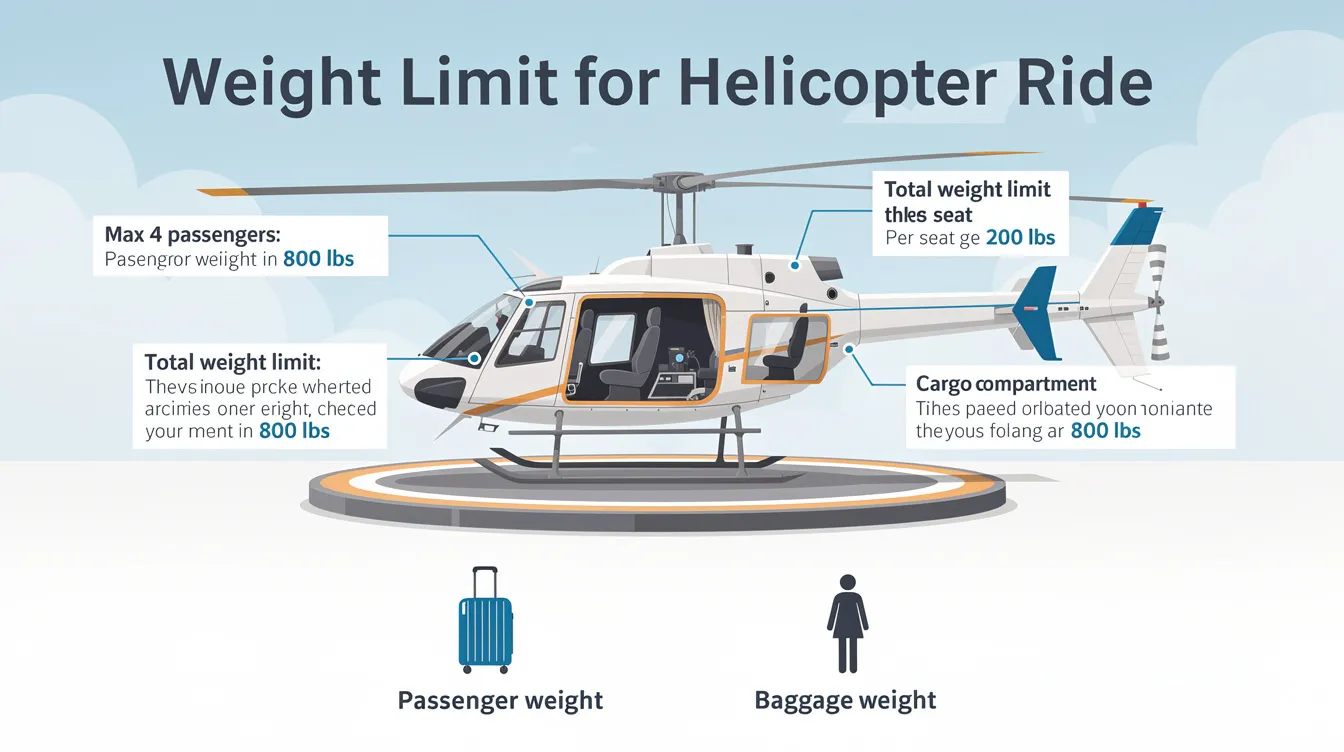
5
min read
Weight Limit for Helicopter Ride: What You Need to Know Before You Book
Understanding helicopter weight limits is crucial for ensuring safety and comfort during flights. Each helicopter has specific weight restrictions that can affect seating arrangements and costs. Passengers should be aware of these limits and plan accordingly to avoid surprises.
Read MoreJoin our community and receive the latest blog updates directly in your inbox.
MEMBERSHIPS AND ASSOCIATIONS



Disclaimer: Jettly operates as a charter broker, offering access to a global digital jet charter marketplace. Jettly is not a direct air carrier and does not own or operate aircraft. All advertised flights are conducted by third-party air carriers that are fully licensed and hold the appropriate Part 135 or Part 121 certifications issued by the Federal Aviation Administration (FAA) or equivalent regulatory authorities under U.S. or foreign law. Jettly complies fully with the U.S. Department of Transportation's Part 295 and Part 298 Charter Broker regulations. Jettly does not carry additional liability insurance. Passengers are covered by aircraft operator insurance. TICO: 50023770


