


Login
Get Instant Pricing On 23,000+ Aircraft


Cessna pictures are essential for pilots, travelers, and aviation enthusiasts, providing a visual comparison of aircraft models. This guide explores where to find high-quality images, how to use them legally, and the best types for various missions. From training to charter flights, the right images enhance understanding and decision-making in private aviation.
Jay Franco Serevilla
Aug 15, 2026
|
5
min read



View all
Tom Brady’s post-NFL career has transformed his travel needs from those of a professional athlete into those of a broadcaster, investor, and business executive. While he has long been associated with the Gulfstream G550, the economics of private aviation suggest that flexible access can be more efficient than whole-aircraft ownership for travelers flying fewer than several hundred hours per year. His evolving schedule illustrates why depreciation, fixed operating costs, productivity, and fleet flexibility increasingly shape how ultra-high-net-worth travelers approach private aviation.
Jeff Ryan Serevilla
Sep 29, 2026
|
5
min read

View all
Jettly has launched "Special Missions," integrating complex charter categories—including helicopters, group charter (18–200 seats), cargo freighters, medevac flights, and VIP airliners—into its instant-pricing digital marketplace. Supported by a network of over 23,000 aircraft and 24/7 flight operations, the feature replaces slow, offline sourcing with transparent digital access for high-stakes, specialized flying.
Roz C
Sep 29, 2026
|
5
min read

View all
Royal Air Freight Inc. has been a trusted name in charter and air freight services since 1961, specializing in expedited cargo and passenger flights across North America. Jettly, a digital charter broker, offers a broader marketplace for comparing private jet and cargo flight options, providing travelers with greater flexibility and instant pricing.
Jay Franco Serevilla
Sep 27, 2026
|
5
min read

View all
Jet Aviation Bozeman provides private jet access to the stunning landscapes of Big Sky Country, located at Bozeman Yellowstone International Airport. With a full-service FBO and Jettly's digital charter marketplace, travelers can easily book flights and enjoy seamless ground transportation to popular destinations like Big Sky Resort and Yellowstone National Park.
Jay Franco Serevilla
Sep 27, 2026
|
5
min read

View all
The Aero Commander 690 is a versatile twin-turboprop aircraft ideal for regional charter flights, accommodating 5 to 9 passengers. Known for its short-field capabilities and cost-effectiveness, it offers a practical solution for business and leisure travel. With a range of approximately 1,790 miles and powered by reliable Honeywell engines, it's a popular choice for those seeking efficient air travel.
Jay Franco Serevilla
Sep 27, 2026
|
5
min read
View all
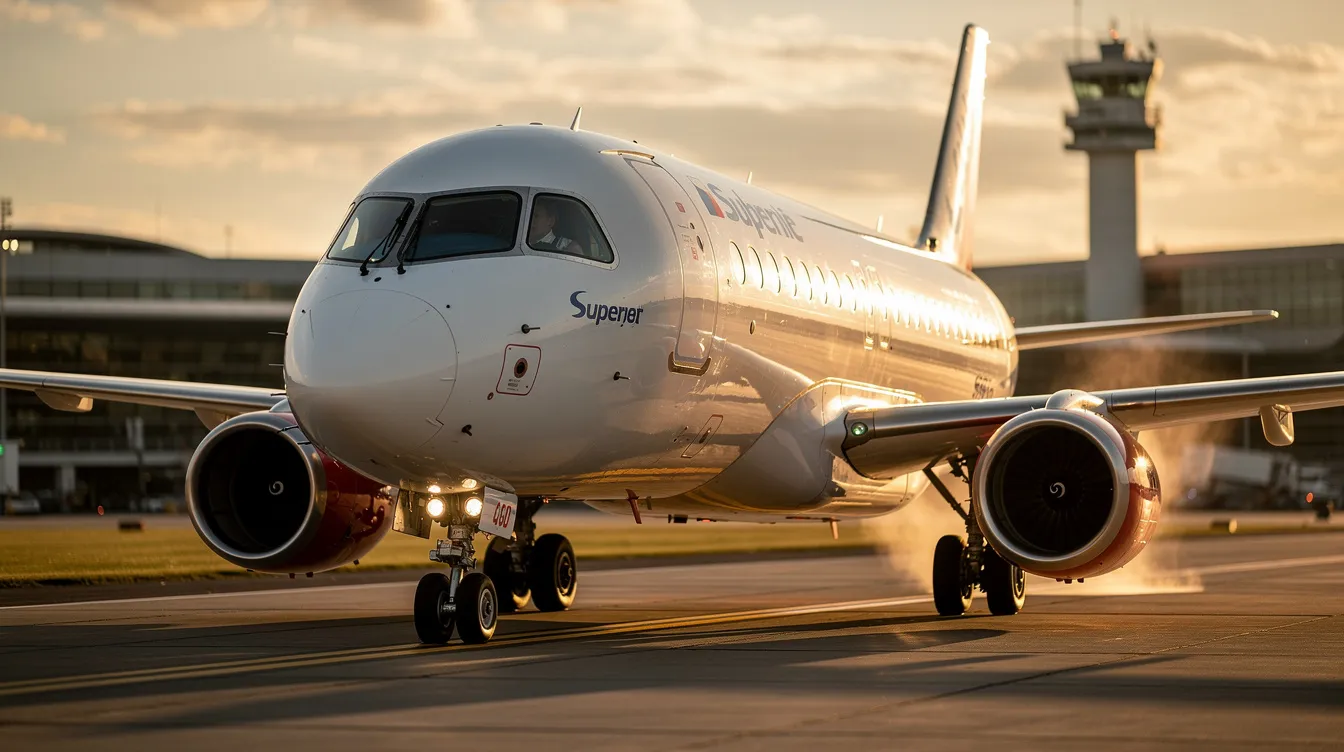
The Sukhoi Superjet SSJ100 is Russia's premier regional jet, designed for short to medium-haul routes with a capacity of 68-103 passengers. Despite its modern design and capabilities, the aircraft faces challenges due to sanctions and limited global support, impacting its international operations. This guide provides insights into its variants, charter use, and operational considerations for aviation enthusiasts and travel planners.
Jay Franco Serevilla
Sep 27, 2026
|
5
min read
Explore our latest articles and updates.

5
min read
Totegegie Airport (GMR) Guide – Routes, Access and Private Jet Options
Totegegie Airport (GMR) is the only airport serving the Gambier Islands in French Polynesia, providing essential connections despite its limited infrastructure. With only domestic flights operated by Air Tahiti and requiring boat transfers to the main island, planning is crucial for travelers. Private jet charters through Jettly offer a flexible alternative for those needing more control over their travel schedules.
Read More
5
min read
Luxury Airlines: The Ultimate Guide to First Class Comfort and Business Class Travel
Luxury airlines have transformed air travel with private suites, gourmet dining, and exceptional service, setting a new standard for first and business class experiences. This guide explores top luxury carriers for 2025-2026, comparing their offerings and highlighting private jet alternatives like Jettly for maximum comfort and flexibility.
Read MoreJoin our community and receive the latest blog updates directly in your inbox.
MEMBERSHIPS AND ASSOCIATIONS



Disclaimer: Jettly operates as a charter broker, offering access to a global digital jet charter marketplace. Jettly is not a direct air carrier and does not own or operate aircraft. All advertised flights are conducted by third-party air carriers that are fully licensed and hold the appropriate Part 135 or Part 121 certifications issued by the Federal Aviation Administration (FAA) or equivalent regulatory authorities under U.S. or foreign law. Jettly complies fully with the U.S. Department of Transportation's Part 295 and Part 298 Charter Broker regulations. Jettly does not carry additional liability insurance. Passengers are covered by aircraft operator insurance. TICO: 50023770


