


Login
Get Instant Pricing On 23,000+ Aircraft


The SOCATA TB 9 Tampico is a versatile single-engine aircraft known for its stable handling and comfortable cabin, making it a popular choice for flight training and light touring since the 1980s. While it remains a reliable option for aspiring pilots, modern charter services like Jettly now offer faster and more efficient alternatives for similar missions.
Jay Franco Serevilla
Aug 24, 2026
|
5
min read



View all
The Cessna 182's useful load is crucial for pilots when planning flights, as it determines how much weight can be carried, including passengers and fuel. This guide explores the useful load across various Cessna 182 models, highlighting trade-offs and practical loading scenarios for effective flight planning.
Jeff Ryan Serevilla
Oct 6, 2026
|
5
min read

View all
As of May 2026, airplane fuel prices in the U.S. range from $7.00 to $9.20 per gallon for Jet A, significantly impacting private flight costs. Understanding these prices is crucial for frequent flyers, as fuel constitutes a major portion of charter expenses. Jettly offers transparent pricing that incorporates real-time fuel costs to help travelers budget effectively.
Jeff Ryan Serevilla
Oct 6, 2026
|
5
min read

View all
Private jet charter in Colorado Springs offers a convenient and flexible travel solution for business and leisure travelers. With access to over 20,000 aircraft through Jettly, booking a flight is quick and hassle-free, allowing you to bypass commercial airline delays and enjoy tailored services. Experience the benefits of private aviation, including direct airport access and personalized itineraries.
Jeff Ryan Serevilla
Oct 6, 2026
|
5
min read

View all
Boise charter flights with Jettly offer travelers a flexible and efficient way to fly in and out of Idaho's capital. With access to over 20,000 aircraft, Jettly provides personalized scheduling, enhanced privacy, and direct routing to numerous destinations, making it ideal for both business and leisure travel.
Jeff Ryan Serevilla
Oct 6, 2026
|
5
min read

View all
The Falcon 900EX EASy is a long-range tri-engine jet by Dassault Aviation, designed for comfort and efficiency. With a maximum range of 4,725 nautical miles and a modern EASy flight deck, it caters to corporate and family travelers alike, offering a spacious cabin and advanced avionics. This guide details its performance, charter options, and how Jettly simplifies the booking process.
Jeff Ryan Serevilla
Oct 6, 2026
|
5
min read

View all
The Bell 505 Jet Ranger X is a versatile light helicopter designed for various missions, including training, corporate transport, and tourism. With modern avionics and a spacious cabin, it offers efficient short-range travel options for up to four passengers. Its strong market presence and proven performance make it a popular choice among charter operators and aviation enthusiasts alike.
Jeff Ryan Serevilla
Oct 5, 2026
|
5
min read
Explore our latest articles and updates.

5
min read
Rent a Charter: How to Book the Right Private Jet (and When to Consider Ground Transport)
Renting a charter, whether a private jet or charter bus, provides tailored transportation solutions for various needs. This guide explains how to book the right private jet through platforms like Jettly and when to consider ground transport options. Understanding the differences and planning efficiently can enhance your travel experience.
Read More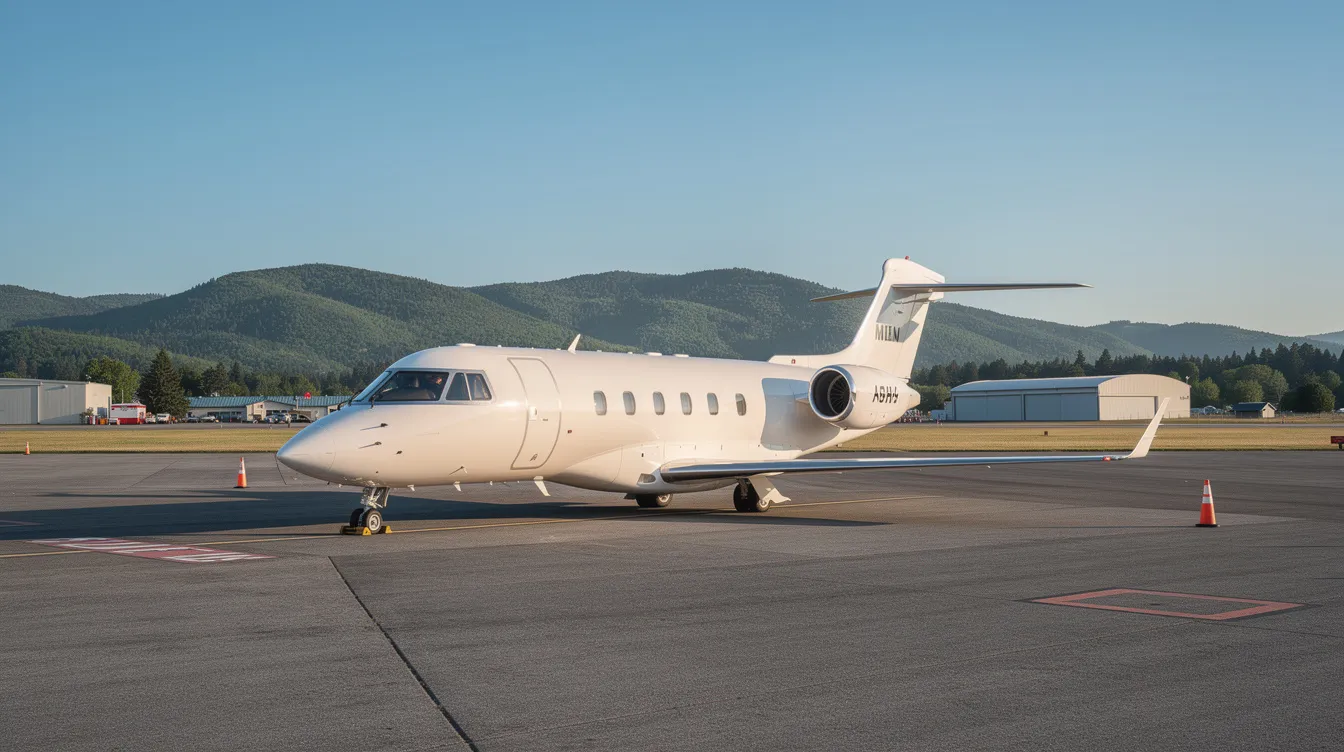
5
min read
Charter Broker: How Private Jet Charter Services Work in Modern Private Aviation
Charter brokers serve as intermediaries between travelers and private jet operators, simplifying the booking process and providing access to a wide range of aircraft. Jettly, a digital charter broker marketplace, offers instant pricing and access to over 20,000 aircraft globally, ensuring clients find the best options without long-term commitments. By leveraging technology, Jettly enhances the private aviation experience with transparent pricing and 24/7 support.
Read MoreJoin our community and receive the latest blog updates directly in your inbox.
MEMBERSHIPS AND ASSOCIATIONS



Disclaimer: Jettly operates as a charter broker, offering access to a global digital jet charter marketplace. Jettly is not a direct air carrier and does not own or operate aircraft. All advertised flights are conducted by third-party air carriers that are fully licensed and hold the appropriate Part 135 or Part 121 certifications issued by the Federal Aviation Administration (FAA) or equivalent regulatory authorities under U.S. or foreign law. Jettly complies fully with the U.S. Department of Transportation's Part 295 and Part 298 Charter Broker regulations. Jettly does not carry additional liability insurance. Passengers are covered by aircraft operator insurance. TICO: 50023770


