


Login
Get Instant Pricing On 23,000+ Aircraft


Byerly Aviation is a premier Fixed Base Operator at Peoria International Airport, offering comprehensive services for private and general aviation. With nearly a century of experience, they provide fueling, maintenance, and passenger amenities, ensuring a seamless travel experience. Partnering with Jettly's digital charter marketplace, travelers can easily book private flights tailored to their needs.
Jay Franco Serevilla
Aug 23, 2026
|
5
min read



View all
Jet Right is about selecting the ideal private jet that aligns with your trip's needs, balancing aircraft type, route, and pricing. Jettly simplifies this process by providing access to over 20,000 aircraft, instant pricing, and a transparent booking experience, ensuring travelers can jet right without the hassle of traditional ownership. This guide covers essential decisions like aircraft selection, pricing models, and efficient booking strategies.
Jeff Ryan Serevilla
Oct 5, 2026
|
5
min read

View all
Flying private to Europe in 2026 can cost between $60,000 and over $350,000, depending on various factors like departure city and aircraft type. This comprehensive guide helps travelers understand the pricing structure, key cost drivers, and how to get accurate quotes for their specific routes. With insights on aircraft categories and tips for reducing costs, it’s essential for anyone considering private jet travel across the Atlantic.
Jay Franco Serevilla
Oct 4, 2026
|
5
min read

View all
The Airbus A340-600, measuring 75.4 meters, was once the longest commercial airliner until the Boeing 747-8 took the title. Its design allows for significant cabin capacity, making it suitable for large group charters, despite being largely retired from regular airline service. Jettly offers access to this aircraft for specialized charter needs.
Jay Franco Serevilla
Oct 4, 2026
|
5
min read
View all
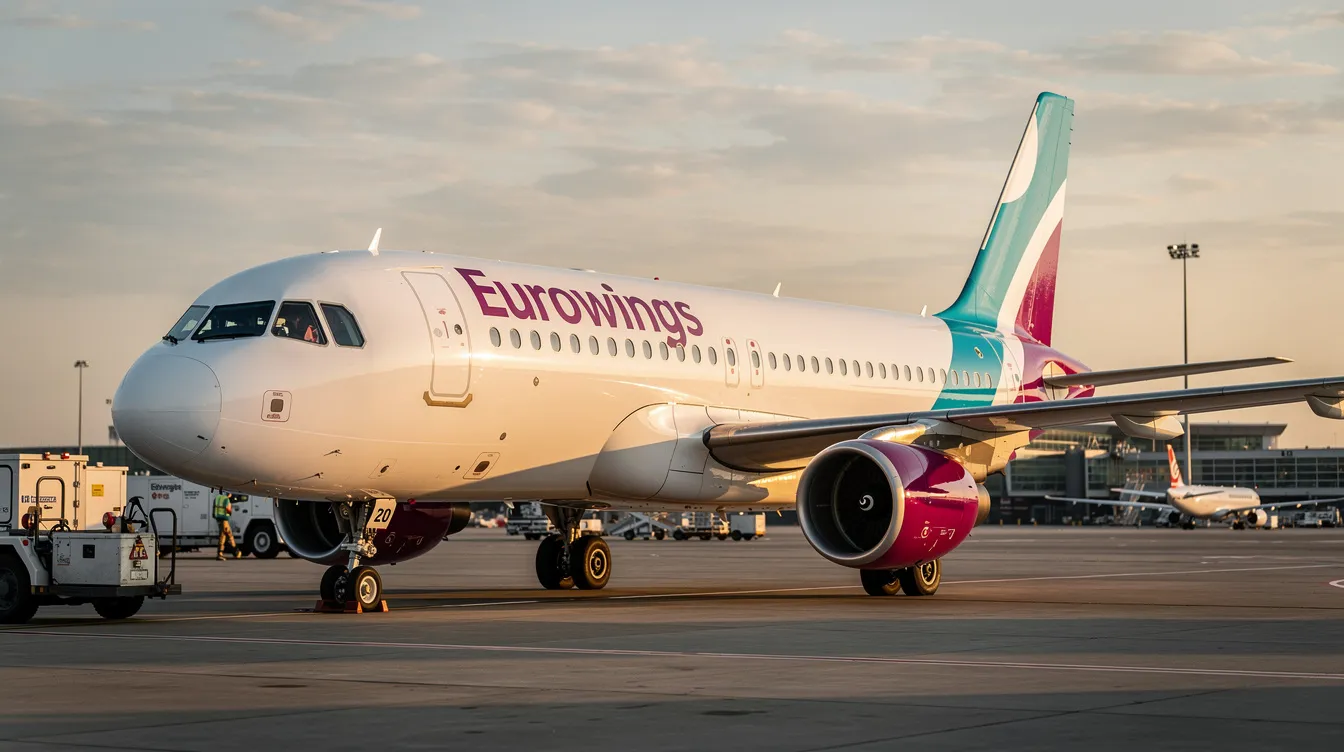
Eurowings Discover, the Lufthansa Group's leisure airline, offers affordable long-haul travel from Germany to various holiday destinations. While it provides a decent experience with competitive fares and lie-flat Business Class, it lacks the premium service and flexibility of higher-end carriers. This guide evaluates its pros and cons to help you decide if it's the right choice for your next trip.
Jay Franco Serevilla
Oct 4, 2026
|
5
min read

View all
The term 'Saudi jet' often refers to military aircraft incidents involving the Royal Saudi Air Force, particularly in the context of regional tensions with Iran and Yemen. These incidents impact not only military operations but also civilian aviation, as airspace management is crucial for ensuring safety. Despite the risks, private and commercial flights operate under strict regulations to navigate around conflict zones effectively.
Jay Franco Serevilla
Oct 4, 2026
|
5
min read

View all
McClellan Jet Services is a premier fixed-base operator (FBO) at McClellan Airport, offering comprehensive ground support and amenities for private jet travelers. With 24/7 operations, it provides fueling, ground handling, and passenger services, while Jettly's digital platform facilitates seamless private jet charter bookings. Together, they enhance the private aviation experience for business and leisure travelers in Northern California.
Jay Franco Serevilla
Oct 4, 2026
|
5
min read
Explore our latest articles and updates.

5
min read
Talon Aviation: Flight Training, Charter, and Tech-Enabled Private Travel
Talon Aviation and Talon Air are two distinct entities in the aviation sector, with Talon Aviation focusing on flight training in North Carolina and Talon Air specializing in private jet charters from New York. This guide clarifies their differences and highlights the role of Jettly, a digital marketplace that connects travelers to a wide range of private jet options. Understanding these services can help you choose the right aviation path for your needs.
Read More
5
min read
Transavia flights: what to know before you book (and when to consider private charter instead)
Transavia is a popular low-cost airline in Europe, known for its budget-friendly fares to sunny destinations. However, travelers should be aware of additional fees and potential service issues that can inflate costs. For those prioritizing flexibility and personalized service, private jet charters through platforms like Jettly may offer a more suitable alternative.
Read MoreJoin our community and receive the latest blog updates directly in your inbox.
MEMBERSHIPS AND ASSOCIATIONS



Disclaimer: Jettly operates as a charter broker, offering access to a global digital jet charter marketplace. Jettly is not a direct air carrier and does not own or operate aircraft. All advertised flights are conducted by third-party air carriers that are fully licensed and hold the appropriate Part 135 or Part 121 certifications issued by the Federal Aviation Administration (FAA) or equivalent regulatory authorities under U.S. or foreign law. Jettly complies fully with the U.S. Department of Transportation's Part 295 and Part 298 Charter Broker regulations. Jettly does not carry additional liability insurance. Passengers are covered by aircraft operator insurance. TICO: 50023770


