


Login
Get Instant Pricing On 23,000+ Aircraft


Hiring a private jet for family travel with Jettly simplifies the flying experience by offering flexibility, safety, and convenience. Families can skip crowded terminals, arrive just minutes before departure, and enjoy tailored in-flight services. With access to over 20,000 aircraft worldwide, Jettly ensures a stress-free journey for families of all sizes.
Jay Franco Serevilla
Aug 12, 2026
|
5
min read



View all
Flying private in 2026 is more accessible and efficient than ever before. This comprehensive guide covers everything from booking your first charter flight to understanding pricing and aircraft types, making private aviation a practical choice for both business and leisure travelers. Discover how to navigate the world of private jets and make informed decisions for your travel needs.
Jay Franco Serevilla
Sep 21, 2026
|
5
min read

View all
The private jet industry features various manufacturers, each with unique aircraft designed for specific missions. This guide provides insights into key brands, jet categories, and practical tips for selecting the right aircraft for your travel needs. Understanding these factors can enhance your private flying experience, whether for business or leisure.
Jeff Ryan Serevilla
Sep 21, 2026
|
5
min read

View all
The Bell 407 Jet Ranger is a versatile single-engine helicopter known for its comfort, performance, and modern features. Ideal for private travelers and executives, it offers a spacious cabin for up to six passengers and excels in various missions, from city transfers to sightseeing tours. This guide provides insights into its specifications, variants, and real-world applications, helping you determine if the Bell 407 is the right choice for your next charter flight.
Jeff Ryan Serevilla
Sep 21, 2026
|
5
min read

View all
Boarding a private jet for the first time can be a seamless experience with Jettly. This step-by-step guide outlines the simplified boarding process, from arriving at the FBO to taking off, highlighting the efficiency and personalized service that private aviation offers compared to commercial flights.
Jeff Ryan Serevilla
Sep 20, 2026
|
5
min read

View all
Building an airplane hangar can cost between $25 and $600+ per square foot, influenced by size, materials, and location. This guide outlines key cost factors, including hangar size, structure type, and necessary utilities, helping aircraft owners budget effectively for their hangar construction.
Jeff Ryan Serevilla
Sep 20, 2026
|
5
min read
View all
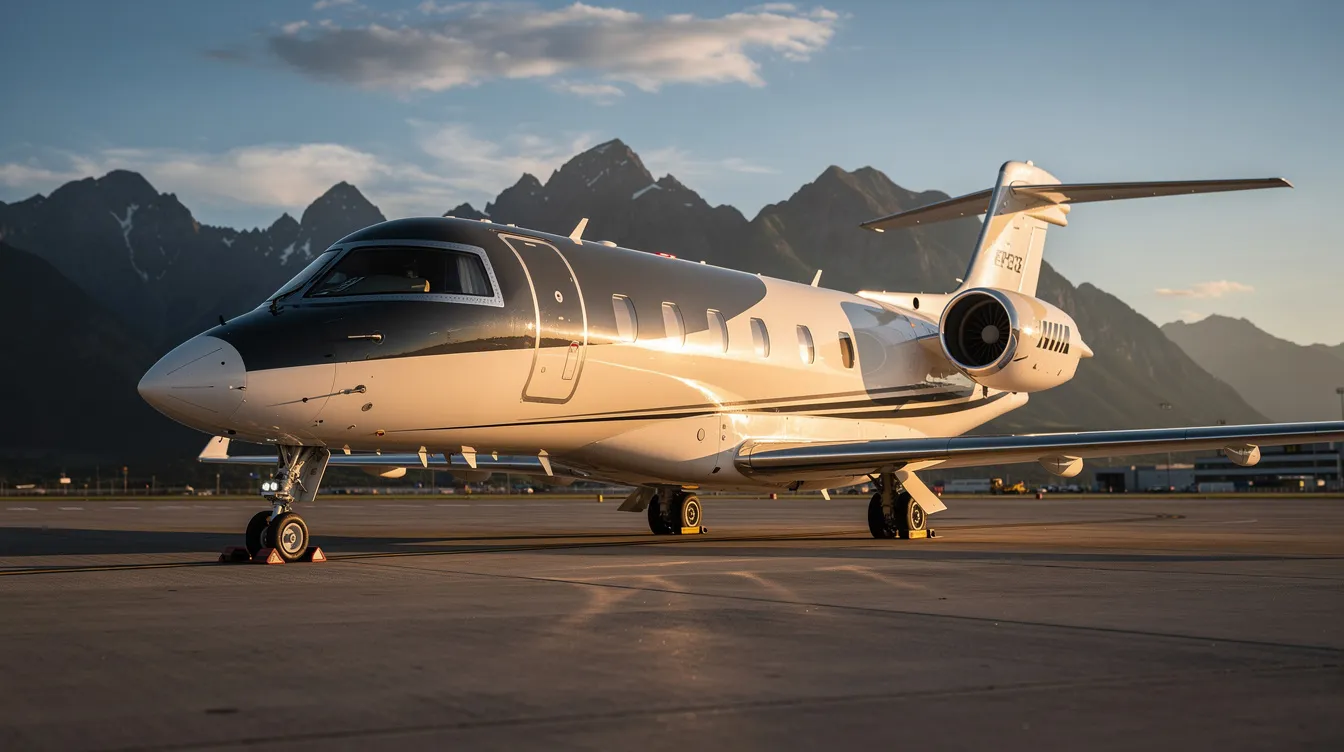
This comprehensive guide details private flight costs in 2026, highlighting factors that influence pricing for various travelers. From hourly rates to hidden fees, it provides insights into budgeting for private jet travel, making it easier to compare quotes and understand total expenses.
Jeff Ryan Serevilla
Sep 20, 2026
|
5
min read
Explore our latest articles and updates.

5
min read
Best Private Jet for Business Travel in 2026
Choosing the best private jet for business travel in 2025 and 2026 depends on specific mission profiles, passenger needs, and budget considerations. Top contenders include the Bombardier Global 7500 and Gulfstream G700 for ultra-long-range travel, while the Embraer Phenom 300E excels for regional trips. This guide helps decision-makers evaluate jets based on range, cabin productivity, and operating economics to find the ideal fit for their travel requirements.
Read More
5
min read
Private Jet Charter Baggage Limits: Luggage Allowance in 2026 (by Aircraft Class)
Understanding private jet baggage limits is crucial for a smooth travel experience, especially for first-time charter travelers. Unlike commercial airlines, private jet luggage policies vary by aircraft class and operator, focusing on baggage volume, weight, and fit through the baggage door. This guide provides insights into luggage allowances by aircraft class for 2026, helping travelers plan effectively.
Read MoreJoin our community and receive the latest blog updates directly in your inbox.
MEMBERSHIPS AND ASSOCIATIONS



Disclaimer: Jettly operates as a charter broker, offering access to a global digital jet charter marketplace. Jettly is not a direct air carrier and does not own or operate aircraft. All advertised flights are conducted by third-party air carriers that are fully licensed and hold the appropriate Part 135 or Part 121 certifications issued by the Federal Aviation Administration (FAA) or equivalent regulatory authorities under U.S. or foreign law. Jettly complies fully with the U.S. Department of Transportation's Part 295 and Part 298 Charter Broker regulations. Jettly does not carry additional liability insurance. Passengers are covered by aircraft operator insurance. TICO: 50023770


